💌 JOIN SOUL SISTERS WEEKLY → GET FREE WELCOME GIFTS 🎁
Receive a thoughtful Sunday letter, free Self-Love & Shadow Work guides, and monthly Full Moon rituals ✨



How Can You Learn to Love Yourself? (Even If You Never Have Before)
How can you learn to love yourself if it feels impossible, uncomfortable, or fake? Discover the small shifts that help self-love become real.
SELF-LOVE, HEALING & INNER WORK
Soul Sisters Tarot
7/4/202515 min read
How Can You Learn to Love Yourself (A Simple and Complete Guide)
This guide is part of our Self-Love Journey, where we explore emotional healing, self-compassion, and gentle practices that help you build a deeper and more supportive relationship with yourself.
Learning how to love yourself can feel surprisingly difficult. Not because you don't want to. Not because you're incapable of it. But because somewhere along the way, you learned to be harder on yourself than you are on anyone else.
You may find yourself constantly criticizing your mistakes, comparing yourself to other people, questioning your decisions, or feeling like no matter what you do, it is never quite enough. And after a while, that voice becomes so familiar that you stop questioning it. You simply assume that's who you are.
If you've ever wondered:
• Why is it so hard to love myself?
• Can you learn to love yourself if you've never felt it before?
• Where do I even start?
• What if I don't feel worthy of self-love?
You are not alone. The truth is that most people were never taught how to love themselves. We were taught how to achieve, perform, please others, meet expectations, and be productive. But very few of us were taught how to support ourselves when we struggle, forgive ourselves when we fail, or believe we are worthy even when we are imperfect.
That is why learning to love yourself can feel so uncomfortable at first. You're not learning something you've always known. You're learning something you've been missing.
Whether you're looking for practical self-love tips, a self-love workbook for women, or simply asking how can you learn to love yourself, this guide will help you understand what self-love really is, what may be blocking it, and the simple steps you can take to begin building it.
Because self-love is not a personality trait. It's a skill. And like any skill, it can be learned.
💖 If you've been trying to love yourself but keep feeling stuck in the same self-doubt, criticism, or feelings of not being enough, start here:
👉 Why Is Self-Love So Hard (And How to Start Anyway)
How Can You Learn to Love Yourself? Quick Answer
Learning how to love yourself starts with changing the way you relate to yourself every day. Instead of trying to become perfect, focus on building self-awareness, self-compassion, self-trust, and healthy boundaries. Self-love grows through small, consistent actions that teach you that your needs, feelings, and well-being matter.
🌸What Is Self-Love, Really?
Self-love is one of those things everyone talks about, but very few people explain clearly. Many people assume self-love means being confident all the time, thinking positively, or feeling good about oneself every day. But that's not what self-love actually is.
Self-love is how you treat yourself when life gets difficult. It's the way you speak to yourself after a mistake. It's whether you support yourself or attack yourself when things don't go as planned. And it's the choice to treat yourself with the same kindness, patience, and respect that you would offer someone you love.
That means self-love is not a feeling. It's a practice. If you want to dig deeper into self-love and healing, we have a self-love and healing hub for that.
If you're wondering how to learn self-love, these are some of the most important foundations to build:
Self-Compassion - you are just as valuable as anyone else
Self-compassion means treating yourself like a human being, not a project that constantly needs fixing. Instead of attacking yourself for struggling, making mistakes, or feeling overwhelmed, you learn to respond with understanding and support. The goal is not perfection. The goal is staying on your own side, even on difficult days.
Self-Forgiveness - you are choosing to do it for yourself
You cannot build self-love while constantly using your past against yourself. Self-forgiveness is the willingness to stop defining yourself by old mistakes, regrets, or things you wish had happened differently. It doesn't mean pretending nothing happened. It means allowing yourself to grow beyond it.
Self-Trust - use your intuition, your gut feeling, your own voice
Self-love also means learning to trust yourself. Your decisions. Your feelings. Your inner voice. When you trust yourself, you stop needing constant reassurance from other people to feel secure in who you are.
💖 If you constantly second-guess yourself or struggle to trust your decisions, understanding where that self-doubt comes from can help you rebuild confidence from within:
👉 Why do I doubt myself so much
Self-Care - not just self-love activities
Self-care is often treated like an occasional reward. In reality, it is one of the ways self-love becomes visible in everyday life. Getting enough rest. Setting boundaries. Taking care of your physical and emotional well-being. Saying no when something isn't right for you. These are not selfish choices. They are acts of self-respect.
😢Why Don’t I Know How to Love Myself?
If you've ever wondered why loving yourself seems so easy for other people but so difficult for you, you're not alone. One of the biggest misconceptions about self-love is that it should come naturally. But for many people, it doesn't. Because self-love is difficult when you've spent years learning the opposite.
Maybe you learned that your worth depends on achievement. Maybe you learned that being needed is more important than having your own needs met. Maybe you learned that mistakes deserve criticism instead of compassion. Or maybe you simply became so used to judging yourself that it now feels normal.
Over time, these experiences shape the relationship you have with yourself. You stop noticing how harsh your inner voice has become. You stop questioning whether your standards are realistic. You stop asking whether you deserve the same kindness you freely give to everyone else.
And eventually, self-love starts to feel uncomfortable, unrealistic, or even undeserved. But here's what many people don't realize: Self-love is not your natural state waiting to be discovered. It is a relationship that must be built.
And like any relationship, it changes through small, consistent actions over time. That means if you don't know how to love yourself today, it doesn't mean you can't learn. It simply means nobody taught you how. For many people, the biggest question is not how to love themselves, but why it feels so difficult in the first place. And eventually, many people realize that learning to love themselves is not just about feeling better.
It's about building a different relationship with themselves, one based on self-compassion, self-trust, and self-respect.
💖 If you'd like to explore the deeper principles, benefits, and long-term practices that support self-love, you may also enjoy:
👉 Mastering the Art of Self-Love
🚧 What Is Blocking You From Loving Yourself?
If you're wondering how to learn to love yourself, one of the most important questions is not how to do it, but what is making it so difficult in the first place. Because self-love rarely feels difficult without a reason.
Most people are not born believing they are unworthy, not good enough, or impossible to love. Those beliefs are usually learned over time through experiences, relationships, expectations, and repeated messages about who they should be.
Common blocks to self-love include:
• Childhood emotional neglect
• Perfectionism
• Fear of rejection
• Constant comparison to others
• Internalized criticism from parents, teachers, or society
• Trauma or difficult experiences that created a disconnection from yourself
These experiences often shape the relationship you have with yourself long before you realize it.
For example, someone who grew up receiving praise only for achievement may learn that their worth depends on success. Someone who experienced constant criticism may develop an inner voice that continues that criticism long after the original source is gone. Someone who feels rejected may begin to believe they must change themselves in order to be accepted.
Over time, these beliefs can become so familiar that they feel like facts. That is why many people struggle with self-love even when they genuinely want it. The problem is not a lack of desire. The problem is that old beliefs are often working against them behind the scenes.
Most people do not struggle with self-love because they are broken. They struggle because they learned self-criticism before they learned self-compassion.
One of the biggest reasons self-love feels difficult is that many people believe they must earn their worth instead of recognizing they already have it.
This often sounds like:
• I'll love myself when I lose weight
• I'll love myself when I'm more successful
• I'll love myself when I'm more confident
• I'll love myself when I've finally healed
But self-love does not begin after you become "good enough." Self-love begins when you stop treating your worth as something you have to earn.
💖 If you often feel like no matter what you do, it's never truly enough, understanding where that belief comes from can help you begin to shift it:
👉 Why do I never feel good enough
Learning to love yourself often includes rebuilding self-esteem, challenging old beliefs, and developing a more supportive inner voice.
The first step is not becoming someone new. It's understanding what shaped the relationship you already have with yourself.
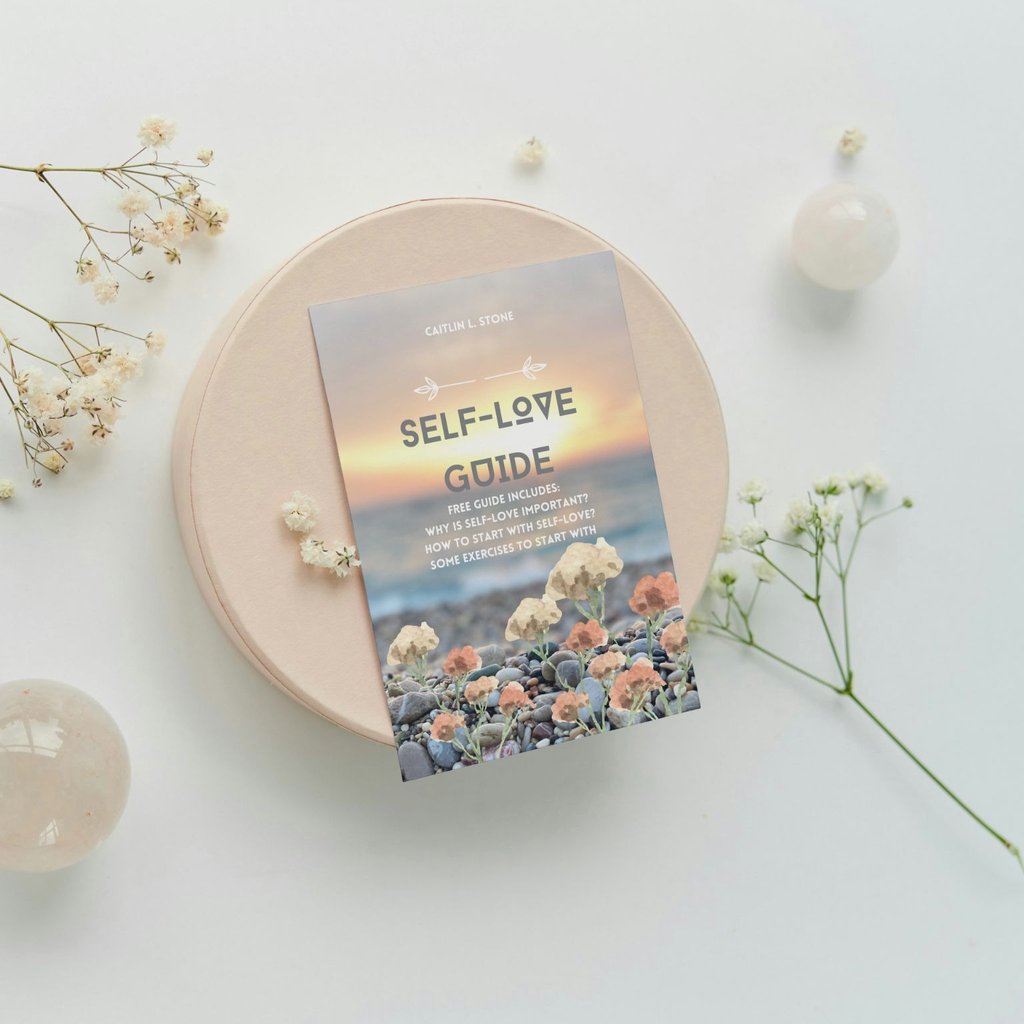
💖 Free Self-Love Guide
Feeling stuck between knowing you deserve self-love and actually believing it?
Our Free Self-Love Guide helps you identify the patterns, beliefs, and habits that may be keeping you disconnected from yourself, while giving you simple first steps to begin building a kinder relationship with yourself.
💪How Can You Learn to Love Yourself?
If you're asking how to learn to love yourself, there is something important to understand first: Most people do not struggle with self-love because they are incapable of it. They struggle because they have spent years learning the opposite.
Maybe you learned that your worth depended on achievement. Maybe you learned that making mistakes meant disappointing people. Maybe you learned that being accepted required becoming someone different than who you naturally were. Over time, those experiences shape the way you see yourself.
That is why self-love often feels much harder than it sounds. One reason many people stay stuck is that they believe self-love is something they need to feel before they can practice it.
They tell themselves:
• I'll love myself when I'm more confident
• I'll love myself when I lose weight
• I'll love myself when I stop making mistakes
• I'll love myself when I've finally healed
But self-love does not begin after you become someone else. It begins when you stop postponing kindness toward yourself. Learning to love yourself is not about becoming worthy. It is about recognizing that your worth was never missing in the first place.
Notice How You Already Speak to Yourself
One of the most powerful places to begin is by paying attention to your inner voice. How do you speak to yourself when things go wrong? How do you speak to yourself when you make a mistake? How do you speak to yourself when you feel overwhelmed, insecure, or afraid?
For many people, the answer is surprisingly harsh. The inner voice becomes a constant source of criticism, pressure, and judgment.
It says:
• You should be doing more
• You should be further along by now
• You should have handled that better
• You are not enough yet
After hearing those thoughts for years, they can start to feel like facts. But they are not facts. They are patterns. And patterns can change. You cannot change a voice you do not notice.
Awareness is often the first step toward self-love because it helps you recognize which thoughts are helping you grow and which ones are keeping you stuck.
If this feels familiar, these guides can help:
👉 The Inner Critic: Why That Voice in Your Head Is So Harsh
👉 How to Stop Negative Self-Talk
Understand What Is Standing in the Way
Many people try to build self-love without understanding what is blocking it. But self-love rarely feels difficult without a reason. Experiences such as rejection, perfectionism, emotional neglect, criticism, betrayal, or trauma often leave lasting beliefs behind.
You may not consciously think: "I'm not good enough." But that belief can still shape your choices, relationships, confidence, and self-worth every day. This is why healing and self-love are deeply connected.
Sometimes the work is not about learning something new. Sometimes it is questioning beliefs you have carried for so long that they feel true. Self-love becomes difficult when old wounds are still deciding how you see yourself.
If feelings of inadequacy continue to follow you, these guides may help:
👉 Forgive and Let Go: You Are Doing It for Your Inner Peace and Freedom
As you begin working through deeper emotional layers, you may also notice periods where healing feels uncomfortable before it feels better. That is more common than many people realize.
👉 What Is a Healing Crisis? 11 Signs Your Healing Is Working
Start Responding to Yourself Differently
Once you begin recognizing old patterns, the next step is learning how to respond differently. This is where self-love becomes a practice instead of an idea.
Many of us automatically respond to struggle with self-judgment. We criticize ourselves for feeling anxious. We shame ourselves for making mistakes. We become frustrated when healing takes longer than expected.
Self-love invites a different response.
Instead of asking: "What's wrong with me?"
Try asking: "What do I need right now?"
That small shift creates a surprisingly powerful change. It turns judgment into curiosity. It turns criticism into understanding. And it creates space for healing instead of resistance. The goal is not to stop struggling. The goal is to stop abandoning yourself when you struggle.
This is also why practices that help regulate your nervous system can be so powerful. Rest, deep breathing, mindfulness, gentle movement, journaling, and self-compassion all help teach your mind and body that you are safe. And safety is often where self-love begins.
Protect the Relationship You Have With Yourself
Learning to love yourself is not only about changing your thoughts. It is also about changing how you treat yourself.
Many people unknowingly damage their relationship with themselves by constantly putting their own needs last. They overextend. They people-please. They say yes when they want to say no. They tolerate situations that leave them exhausted.
Over time, those choices send a message: "My needs matter less."
Every boundary sends a message, too. A different one. Every time you honor a boundary, you remind yourself that your needs matter too. That is why boundaries are such an important part of self-love. They are not walls. They are acts of self-respect. The same is true for self-care. Rest is not something you earn. Neither is nourishment, downtime, emotional recovery, or sleep. They are basic needs that deserve attention.
If this is an area you struggle with, these guides can help:
👉 How to Set Boundaries for Yourself
👉 Sunday Reset Ritual for Mental Health
Keep Showing Up for Yourself
One of the biggest misconceptions about self-love is that there comes a point where you finally arrive. A day when you never doubt yourself again. Never struggle again. Never have a difficult moment again. That day does not exist.
Self-love is not a finish line. It is a relationship. And like any relationship, it requires consistency. There will be days when you feel connected to yourself. And there will be days when old fears, old habits, and old beliefs return. That does not mean you are failing. It means you are human.
Self-love is not something you achieve. It is something you return to. The real practice is choosing to come back to yourself again and again. Especially when life feels difficult. Especially when you make mistakes. Especially when you feel least deserving of compassion. Because those are often the moments when self-love matters most.
If you would like a deeper framework for building that consistency, explore:
👉 How to Practice Self-Love
What Learning to Love Yourself Really Looks Like
Learning to love yourself is not about becoming someone new. It is not fixing every flaw. It is not reaching a point where you never struggle again. It is learning how to stay on your own side. Choosing compassion over criticism. Understanding over shame. Support over punishment.
And while those choices may seem small, they have the power to change every part of your life. One thought. One decision. One act of kindness toward yourself at a time.
Because self-love is not something you find. It is something you build. ✨
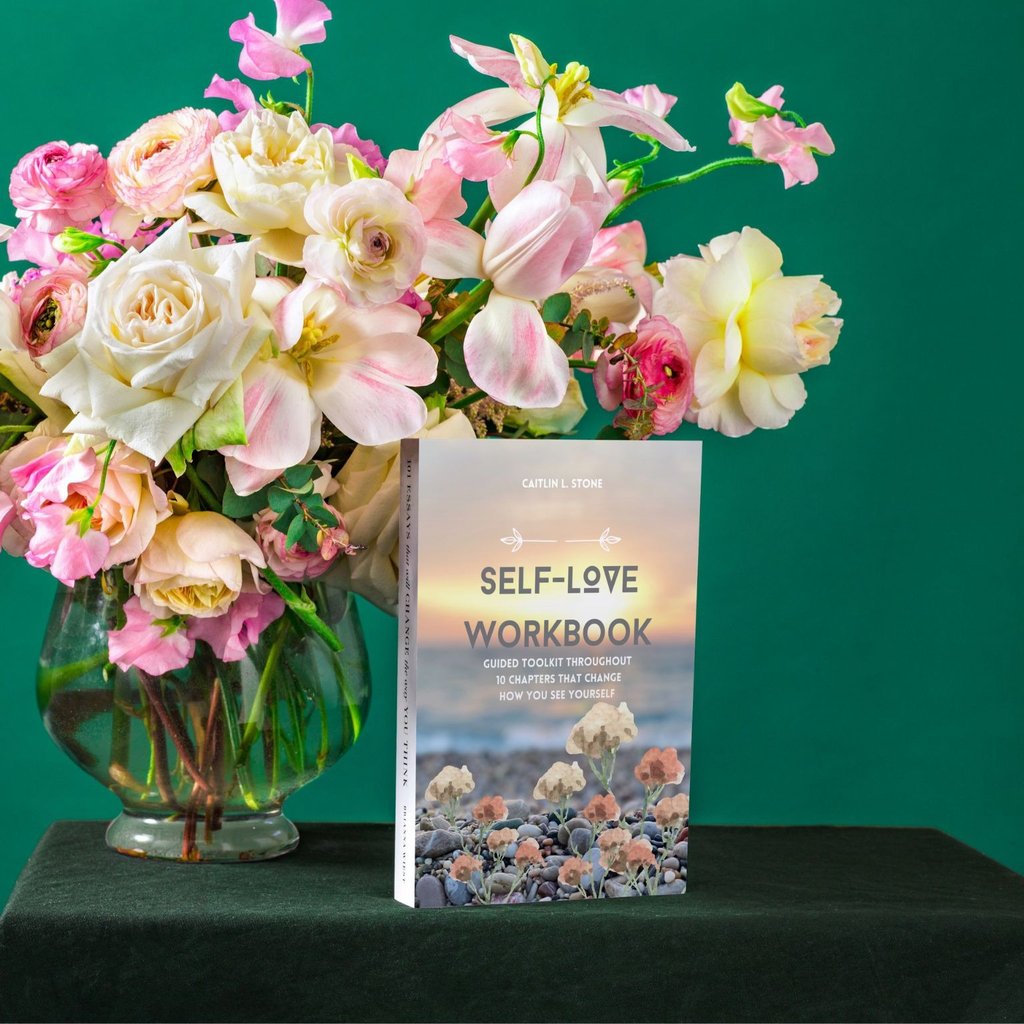
❤️ Self-Love Workbook
Understanding self-love is one thing. Practicing it consistently is another.
If you want more structure, reflection exercises, and guided support, our Self-Love Workbook helps you move beyond inspiration and turn self-love into a real daily practice.
🌱 Start Small, Start Today
One of the biggest mistakes people make when learning how to love themselves is believing they need to change everything at once. They think they need to become more confident, heal every emotional wound, stop overthinking, silence their inner critic, and finally feel worthy before self-love can begin. But that way of thinking often creates even more pressure. Instead of helping, it becomes another reason to feel like you're failing.
The truth is that self-love rarely begins with a dramatic breakthrough. Most people do not wake up one morning suddenly feeling completely confident, healed, and secure in themselves. Real self-love tends to develop much more quietly.
It begins in small moments. Moments where you choose to speak to yourself differently. Moments where you stop judging yourself quite so harshly. Moments where you recognize a need and allow yourself to meet it without guilt.
The people who build the strongest relationship with themselves usually don't start with big transformations. They start with small acts of consistency.
That is why it can be helpful to stop asking, "How do I completely love myself?" and instead ask, "What is one thing I can do for myself today?"
For example, you might notice a self-critical thought and choose not to automatically believe it. You might spend ten quiet minutes doing something that restores your energy. You might speak to yourself with the same kindness you would offer a friend who is struggling. Or you might simply allow yourself to rest without feeling like you have to earn it first.
None of these actions seems particularly life-changing on its own. That is exactly why people often overlook them. Yet these small choices are often where self-love begins.
Every time you treat yourself with kindness instead of criticism, you create a different experience of yourself. Every time you honor a boundary, listen to your needs, or show yourself compassion during a difficult moment, you reinforce a new message about your worth.
Over time, those messages begin to accumulate. You start trusting yourself more. You stop fighting yourself quite so often. And the relationship you have with yourself begins to feel safer, steadier, and more supportive. A single act of self-respect repeated often enough becomes self-worth.
📓 365 Psychological Journal Prompts
One of the fastest ways to strengthen self-awareness is to spend a few minutes reflecting on your thoughts, emotions, and patterns each day.
Our 365 Psychological Journal Prompts were designed to help you deepen self-understanding, challenge limiting beliefs, and build a stronger relationship with yourself one reflection at a time.


🫶 A Gentle Reminder as You Move Forward
If you came here wondering how to learn to love yourself, the answer is probably simpler than you expected. Not easier. But simpler.
You do not learn self-love by becoming perfect. You do not learn self-love by fixing every flaw, healing every wound, or finally becoming the person you think you should be.
You learn self-love through the way you treat yourself today. Through the words you use when you make a mistake. Through the compassion you offer yourself when things feel difficult. Through the small decisions that remind you your needs, feelings, and well-being matter too.
The relationship you have with yourself was built over years. It is okay if rebuilding it takes time. What matters is not getting everything right. What matters is continuing to show up for yourself, even in small ways. Self-love is not a destination you reach. It is a relationship you build.
And every moment of awareness, kindness, forgiveness, and self-respect helps strengthen that relationship.
If you would like to continue exploring your healing journey, you can discover our journals, self-love tools, and supportive resources inside Sisters Creation, where we share everything we have created to support deeper self-awareness, healing, and personal growth.
With love,
Caitlin & Gerly,
Soul Sisters Tarot
❓ Frequently Asked Questions: How Can You Learn to Love Yourself?
How can you learn to love yourself if you’ve never felt it before?
Learning to love yourself does not require you to feel self-love first. It starts with small actions that create self-trust over time. Many people begin by noticing their self-talk, treating themselves with more compassion, and meeting their own needs without guilt. Self-love is usually built through consistent practice, not sudden confidence or emotional breakthroughs.
How long does it take to learn how to love yourself?
There is no universal timeline for learning how to love yourself. Some people notice changes within weeks, while deeper beliefs around worthiness and self-acceptance may take months or years to heal. Self-love is not a destination you reach once. It is an ongoing relationship with yourself that grows through awareness, compassion, and consistent practice.
Can self-love improve relationships?
Yes. When you develop a healthier relationship with yourself, your relationships with others often improve as well. Self-love helps you communicate your needs, set healthier boundaries, trust yourself more, and rely less on external validation. As your self-worth grows, relationships become less about proving your value and more about genuine connection.
Is self-love selfish?
No. Self-love is not selfish because it is not about believing you are more important than others. It is about recognizing that your needs, feelings, and well-being matter too. In fact, people who practice self-love are often better able to support others because they are no longer running on exhaustion, resentment, or self-neglect.
What if I feel unworthy of self-love?
Feeling unworthy of self-love is often the result of learned beliefs rather than objective truth. Experiences such as criticism, rejection, perfectionism, or emotional neglect can create the feeling that love must be earned. Healing begins when you start questioning those beliefs and treating yourself with compassion, even before you fully believe you deserve it.
What is the first step in learning how to love yourself?
The first step is awareness. Before you can change how you treat yourself, you need to notice how you currently speak to yourself, respond to mistakes, and meet your own emotional needs. Many people discover that self-love begins not with confidence, but with recognizing the patterns that have been keeping them disconnected from themselves.
Why is learning to love yourself so difficult?
Learning to love yourself can feel difficult because many people were never taught how to do it. Instead, they learned to seek approval, avoid mistakes, or tie their worth to achievement, appearance, or other people's opinions. Self-love often requires unlearning those patterns and building a more compassionate relationship with yourself from the inside out.
What is the difference between self-love and self-esteem?
Self-esteem is how you evaluate yourself, while self-love is how you treat yourself. Your self-esteem may rise and fall depending on circumstances, achievements, or confidence levels. Self-love is deeper. It means treating yourself with compassion, respect, and care, even during difficult moments when your confidence is low.
Soul Sisters Tarot
A Soft Place to Grow.
💌 SOUL SISTERS WEEKLY
A thoughtful Sunday letter with tarot reflections, moon wisdom, self-love, and gentle encouragement.
© 2026. All rights reserved.
Inspirational Coaching OÜ
sisters@soulsisterstarot.com