💌 JOIN SOUL SISTERS WEEKLY → GET FREE WELCOME GIFTS 🎁
Receive a thoughtful Sunday letter, free Self-Love & Shadow Work guides, and monthly Full Moon rituals ✨



Self-Care Rituals: What If Your Routine Is Missing This?
Do you really need another self-care routine? Discover self-care rituals that turn coffee, walks, gratitude, rest, and everyday moments into meaningful practices.
SELF-LOVE, HEALING & INNER WORK
Soul Sisters Tarot
5/17/202521 min read
Self-Care Rituals for Daily Well-Being: Meaningful Practices for Mind, Body & Soul
This guide is part of our Self-Love Journey, where we explore emotional healing, self-compassion, and gentle practices that help you build a deeper and more supportive relationship with yourself.
Self-care rituals are intentional practices that turn ordinary moments into meaningful ways of caring for your mind, body, emotions, and inner well-being. Unlike a daily self-care routine that may simply help you get through the day, a ritual adds awareness, purpose, and personal meaning to what you are already doing. In this guide, we explore practical self-care rituals, simple daily practices, and spiritual self-care practices that can help you slow down, reconnect with yourself, and make everyday life feel more intentional.
Don't most of us do rituals every day? Activities that make our days and hours more special. I'm not referring to the daily tooth brushing ritual or the dishwashing ritual, which are more like part of our daily routine. However, these can also be considered rituals if you do them in your own way. A ritual is, by its very nature, an act of belief performed for a specific purpose. If you go to bed at the same time every night and do activities that promote better sleep, you can call it a bedtime ritual.
In the same way, an ordinary daily self-care routine can become a self-care ritual when you slow down and give the activity a personal intention or meaning.
Sometimes, even these small moments can turn into pressure if you feel like you have to do everything perfectly. A self-care ritual should support you, not become another task you feel guilty about failing to complete.
💖 If this feels familiar, understanding why this happens can help you change it:
👉 How to stop being so hard on yourself
If you are interested in learning more about emotional growth, this brief guide to self-love and healing through inner growth discusses the ways in which reflection, compassion, and self-awareness help create long-term emotional healing.
🌿 What Makes a Self-Care Ritual Different From a Routine?
A daily routine helps you organize your life. A self-care ritual asks you to be present inside that life. You can wash your face every evening, drink your morning coffee, take a walk, journal before bed, or stretch after work without thinking very much about it. These activities can still be good for you, but they become self-care rituals when you bring intention and attention to them.
That distinction matters because self-care is not only about what you do, but also about how you experience what you are doing.
For example, washing and moisturizing your face every night is a practical part of a daily self-care routine. But if you slow down, put your phone away, notice how your body feels, breathe deeply, and treat those few minutes as a deliberate moment of care, the same activity can become a self-care ritual.
The same thing can happen with something as ordinary as drinking coffee. You could drink it while answering emails and scrolling through your phone, barely noticing the taste. Or you could sit somewhere quiet, take your time, notice the warmth of the cup, the smell of the coffee, the sounds around you, and allow yourself a few uninterrupted minutes before the day begins.
The activity has not changed very much. Your relationship with the activity has.
This is also why a daily self-care routine does not have to become a long list of wellness tasks. If your routine contains fifteen things that you feel obligated to complete every morning, it may actually create more pressure rather than more well-being. Building daily self-love habits can be more helpful when those habits are small, realistic, and connected to what you actually need.
A meaningful ritual can be much smaller. It might be three quiet breaths before you start work. A few minutes of journaling before bed. A walk without your phone. A particular song you play while preparing dinner. A gratitude practice you return to every evening.
And sometimes taking time for yourself can feel uncomfortable or undeserved, especially if you are used to putting everyone else first. If that feels familiar, Why Do I Feel Unworthy of Love? explores why receiving care, rest, or attention from yourself can feel harder than it should.
How do you turn an ordinary activity into a self-care ritual?
Start with something you already do regularly and add intention to it.
Ask yourself:
Why am I doing this?
How do I want to feel during this moment?
Can I slow this activity down?
What could make it feel more personal?
What do I want this ritual to remind me of?
You do not need candles, crystals, incense, elaborate ceremonies, or a perfectly quiet home. Those things can be meaningful if they resonate with you, but they are not what makes a ritual valuable.
The meaning you give the moment is what makes it a ritual.
This is where how to practice self-love becomes relevant too. A self-care ritual can be one practical way of turning the idea of self-love into something you actually experience in your day, rather than something you only think about.
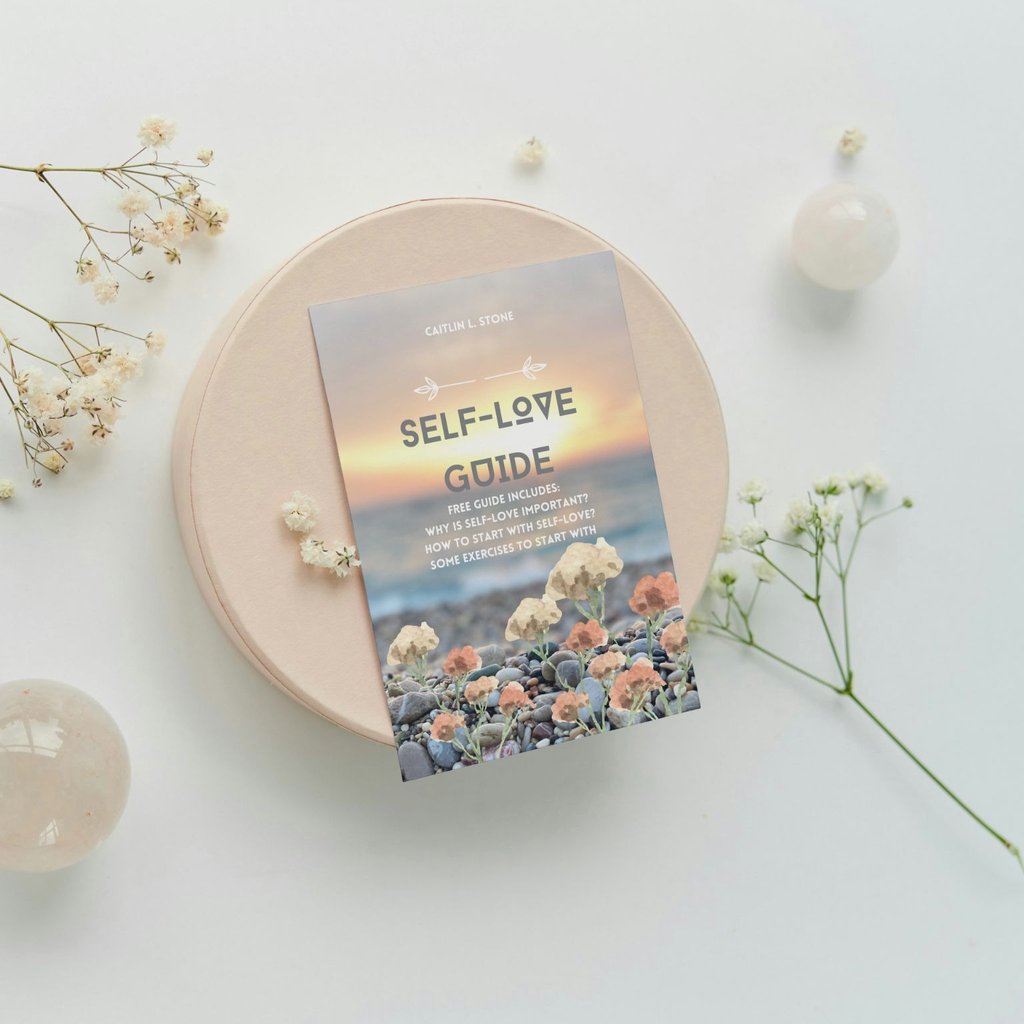
💖 Free Self-Love Guide
When taking care of everyone else comes naturally, taking care of yourself can feel strangely difficult.
Our Free Self-Love Guide offers gentle reflections and practical exercises to help you reconnect with yourself, strengthen self-compassion, and begin creating a kinder relationship with your own needs. If your self-care rituals are meant to help you feel more connected to yourself, this is a beautiful place to begin.
Spiritual self-care practices can naturally become part of this as well. For some people, a spiritual ritual may involve prayer, meditation, nature, gratitude, visualization, or a meaningful object. For someone else, it may simply be sitting quietly beneath a tree and remembering what matters to them.
There is no single correct way to create a self-care ritual. And if protecting time for yourself is the part you struggle with most, learning how to set boundaries for yourself can help you create the space your rituals need in order to exist.
Ritual between work and rest
For example, I have a completely separate ritual between work and rest. After a working day, I take a short nap. When I wake up, I open my eyes and stretch out; I look at my room, look out the window, inhale different smells with my nose, and try to listen to the sounds I hear around me. Only then do I get out of bed and am ready for the second half of the day, as if I had two days in one.
What makes this a self-care ritual is not the nap itself. It is the intentional transition between one part of the day and the next. Instead of carrying the mental energy of work directly into the evening, I give myself a small space to reset.
If you’re looking for simple ways to reset during busy hours, try these quick workday stress relief rituals you can do at your desk.
Mindfulness can be used in rituals
Mindfulness techniques can also be woven into a ritual. If it gets a little confusing, then mindfulness means being there, in the present moment, with all your senses. You take a moment, even a few minutes to start with, find an object to observe, and direct all your focus to it.
For example, you look out the window, and your gaze stops at a large tree. What colors do you see? What are the leaves like? Does it have any leaves at all? Is it small or big? Are the leaves moving in the wind? What feelings do you have? What thoughts arise?
You are not trying to analyze the tree or force your mind to become completely empty. You are simply giving your attention to what is happening right now. That makes mindfulness particularly useful within a self-care ritual because it gives your mind somewhere calm and concrete to rest.
Mindfulness rituals like this are also powerful ways to ground yourself spiritually when life feels overwhelming.
Mindful eating ritual
Another good example for practicing and understanding mindfulness techniques is the food on your plate. What is it like? What is there? What colors do you see? What smells do you notice? What does it taste like?
It may seem strange at first, especially if you are used to eating while working, scrolling, watching television, or rushing somewhere. But when you slow down enough to actually experience your food, an ordinary meal can become a small daily self-care ritual.
Some rituals are often done with someone. A sauna ritual fits well into this category. Be it at your own home, at a friend's, or at a spa. The mist and aroma essence are always ready to cleanse the body and soul.
We can linger here, because many activities can be created into a ritual. So what are your rituals? Take a moment and stop for a minute. I'll stop too. I immediately remember a great ritual from my family.
Worrying Ritual: It’s Not What It Sounds Like
My twelve-year-old daughter, for example, has a worrying ritual. She’s been using it for several years. She sincerely believes that if she worries a lot the night before, there’s a difficult test the next day, then the next day will definitely be much easier.
Whether that’s true or not, it’s clear that if you think the night before that everything is going to go badly and very badly, how probable can it really be that the next day will be even worse? Most of the time, it still goes better, at least a little.
And this is a funny reminder that not every ritual we repeat is necessarily helpful. We can develop rituals around worry, checking, overthinking, or preparing for the worst just as easily as we can develop comforting rituals. The useful question is not only “What do I do repeatedly?” but also “Does this ritual actually support me?”
🔥 Why Self-Care Rituals Have Power
I'm referring to those rituals that give meaning to the day, take you somewhere else for a moment, send a message to the world, slow down, and allow you to be present in the moment. There are simpler rituals, and a consecration accompanies some, but it is precisely being present and intentional that gives the ritual its main value.
A ritual does not need to be elaborate to feel meaningful. What changes an ordinary activity is the intention behind it. When you deliberately decide, “This is my moment to slow down,” or “I want to begin my day with gratitude,” the activity becomes more than something you are simply doing on autopilot.
This is why How to Set Intentions: Harvest Moon Special fits so beautifully here. An intention gives your ritual a direction. The ritual then becomes a practical way of returning to that intention, whether your focus is rest, gratitude, self-love, emotional healing, protection, or simply being more present in your own life.
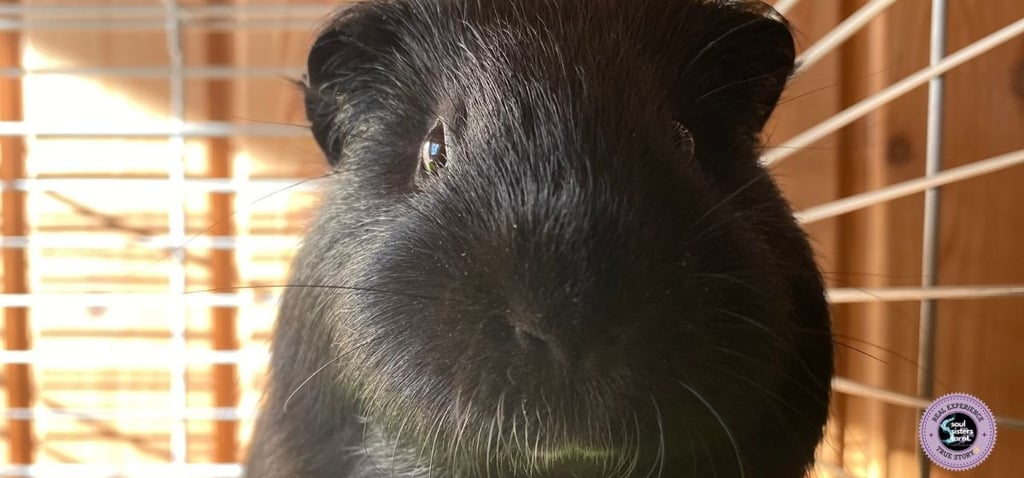
Of course, not all of us can experience our mornings in the way described above, but everyone certainly has their own ritual. I really like drinking coffee in the living room, sitting on the couch, and listening to my guinea pig crunching bell peppers and cabbage at the same time - absolute music to the ears, every morning. I will point out that the crunching sounds of rodents are very therapeutic, and it is completely different from the way a person eats an apple or a carrot. Which is why your human companion's dental work can still be a bit distracting over your morning coffee.
For many of us, drinking coffee is one of these – yes, enjoying your morning coffee, so that your body and mind can quietly wake up and prepare for a new day, can very well be a ritual.
Imagine you are sitting on a terrace, a sandy beach is in the distance, the sea is roaring, and the water is iridescent from the reflection of the sun. You breathe in a breath of fresh air and sip fresh coffee. You feel the air touching your cheeks, and the wonderful aroma of coffee fills your nostrils. Isn't it nice?
That is the heart of a meaningful self-care ritual. You are not necessarily adding another activity to your day. You are changing the way you experience something that is already part of your day.
🍃 Soul Sisters Notes
“For me, I have to admit that there have been times in my life when the best part of the day is drinking my morning coffee. Honestly, I have learned to enjoy this activity to the fullest. Today, it has become a ritual in itself. First, I prepare a hot shot with hot water, honey, lemon juice, cayenne pepper, ginger, and cinnamon. I mix it and drink it. At the same time, the coffee brews, and I can start enjoying it. It is absolutely true that regardless of the weather, I drink my coffee outside.” - Caitlin
🌸 Everyday Activities Can Become Meaningful Self-Care Rituals
A self-care ritual does not have to look like a traditional spiritual ceremony. Sometimes the most meaningful rituals are built around things we already do: greeting someone we love, touching a meaningful tattoo, taking a few breaths before an important event, or holding something special while expressing gratitude.
What matters is the meaning, intention, and attention we bring to the action.
Greetings With Meaning
A greeting can also be a ritual. In this case, it is not just a passing greeting or a wave of the hand; it is something more. It is a greeting with meaning.
Have you ever thought about how often we greet someone in passing and ask how they are doing without really expecting an answer? How insignificant it can become when it is only politeness.
Of course, politeness is nice; we were raised that way. But would we at least take a moment and think about it? Could the greeting be something heartfelt or a great piece of poetry that makes the greeting joyful and special for both parties?
For example, a greeting when you arrive at a company: “Today is a great day, I see all my friends again,” or “Hello, hello, everyone!” Of course, you will not go to a big, important reception with such a greeting, but you can also find a suitable and unique greeting there that is just your calling card. Find good and kind words in yourself, add some nice zest, and you're done.
In old movies, you often see how men kissed a woman's hand or lifted their cap, which in turn was also a sign of respect. In any case, such behavior leaves a much deeper impression.
The interesting thing about this example is that ritual does not always have to be private. A meaningful greeting can become a tiny ritual of connection between two people. The words may take only a few seconds, but repeating them with genuine attention can change the emotional quality of an interaction.
Tattoos as Multi-Level Symbols and Personal Reminders
Do you have a tattoo? If so, then it is probably important to you and carries the meaning associated with it. In tattoos, we often use signs and symbolism. Each such symbol can carry personal significance, just like a word. They even say that a tattoo can change fate, but it is probably more a matter of belief. However, there is some meaning and emotional power in the symbolism of a tattoo.
I have a tattoo that symbolizes the bond between me and my daughter and her very important role in my life. Every time he has a big test or some other important event coming up, I look at this tattoo, pat it, and send my best wishes that the child has a good day and that everything goes smoothly. So far, it's worked.
This is a beautiful example of how personal symbolism can become part of a ritual. The tattoo itself does not have to possess any objectively proven power for the moment to be meaningful. Its importance comes from what it represents to the person looking at it, the memory it carries, and the intention attached to the gesture.
How to Use Mantras in Rituals
This brings us to the point that mantras can also be used in rituals. I always have the same ritual when I'm anxious before an important event. You could even say that sometimes I get this sudden rush of catastrophizing. Then I just go outside for a while, take a deep breath in and out until my heart rate slows down. Then I ask myself, what's the worst thing that could happen?
This kind of inner dialogue is also a powerful step toward breaking negative thinking patterns for a healthier mindset, especially when anxiety tries to take over.
This is a good question; it always makes my head spin, because we often overthink things. As the next step, I repeat to myself that everything will be fine, I can handle it, life has always taken care of me, and will take care of me this time too.
You can also add words of gratitude here as appropriate, and you can create your own gratitude ritual from it. Be grateful every day that you have been taken care of, that a new day greets you, that you have the honor of being here, in this life, in this moment, on this journey.
A mantra can be particularly useful as part of a repeated ritual because you do not have to invent a new response every time your mind becomes overwhelmed. You choose words that feel supportive beforehand and return to them when you need them.
📓 365 Psychological Journal Prompts
Sometimes the ritual gets quiet enough for the thoughts you've been avoiding to finally show up.
Our 365 Psychological Journal Prompts give you one thoughtful question for each day, helping you explore emotions, patterns, self-awareness, relationships, and personal growth without wondering what you're supposed to write about. They can turn your evening ritual, gratitude practice, or quiet morning into a deeper habit of reflection that continues long after the ritual itself ends.


🍃 Soul Sisters Notes
“For example, I use a gratitude ritual every night. Before I go to sleep, I hold my blue sandstone bracelet in my hand and thank the Universe in detail for everything awesome and positive that day. I especially thank you for the things I would like more of in my life. I also thank you for what wasn’t there – it gives me faith that it can still come if I continue to thank the Universe for it. In the practices of manifestation, they also say that it feels like you already have it.” - Caitlin
Whether you approach gratitude spiritually or simply as a way of deliberately noticing what is good in your life, the practice gives the end of the day a sense of closure and reflection.
💖 If you feel ready to go beyond simple rituals and build a deeper, more consistent connection with yourself:
👉 Learn how to practice self-love in a way that actually works
🌸 How to Create a Self-Care Ritual That Fits Your Life
You do not need to design an elaborate ritual from scratch. Start with something you already do and ask how you could make that moment more intentional.
Choose one ordinary activity, decide what you want the moment to represent, and remove one distraction that normally makes you rush through it. Then add something meaningful, such as a mantra, gratitude, music, a candle, a journal, a meaningful object, or simply a few minutes of silence.
For example, if your evenings usually end with scrolling through your phone, you could put the phone away for ten minutes, make a cup of tea, write down one thing you want to release from the day, and take three slow breaths before bed. The activity is simple, but the intention changes how you experience it.
A useful question is: “What do I want this ritual to give me?”
Maybe the answer is calm. Maybe it is confidence, gratitude, connection, closure, protection, or simply five minutes in which nobody needs anything from you.
And remember, a ritual that works beautifully one month may not fit your life six months later. Your rituals are allowed to change as you do.
The Everyday Ritual Is the Point
These examples show why self-care rituals do not need to be complicated. A greeting, a meaningful symbol, a few intentional breaths, or a gratitude practice can all become rituals when you repeatedly give them your attention and personal meaning.
You might create a ritual around opening your curtains each morning, lighting a candle before journaling, making tea after a difficult day, touching a meaningful piece of jewelry before an important event, or saying the same words of gratitude before sleep.
The practice itself is less important than what it helps you remember, feel, or intentionally create. Over time, consistent self-care rituals can lead to subtle but meaningful changes, and you may begin to recognize the signs of emotional healing in your daily life.
And there is an important distinction here: while rituals can offer comfort, grounding, reflection, and a sense of meaning, emotional self-care focuses more deeply on understanding and supporting what you feel beneath the surface.
A self-care ritual can support more than one part of your well-being. A mindful breakfast may support physical and emotional care, a walk in nature may combine physical and spiritual care, while an evening conversation with someone you trust can support your social and emotional well-being. If you want to understand the broader framework behind these different areas, our guide to Self-Care Categories: The 7 Dimensions & Types of Self-Care That Matter explores the seven dimensions of self-care and how they work together.
Everyday activities become self-care rituals when they are performed with intention, attention, and personal meaning. The activity itself can be ordinary, such as drinking coffee, greeting someone, breathing, or expressing gratitude. What makes it a ritual is the conscious meaning and purpose you bring to it.
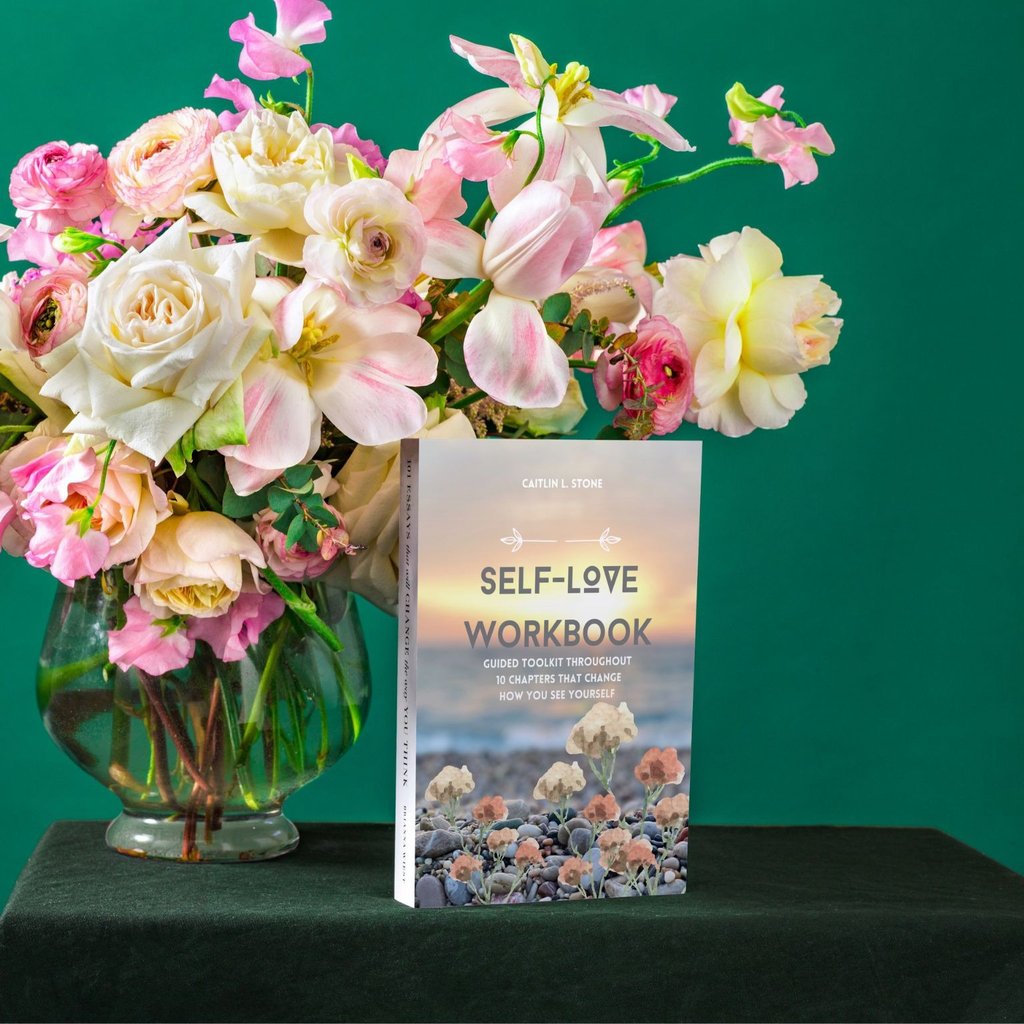
❤️ Self-Love Workbook
You can create all the beautiful rituals in the world and still feel disconnected from yourself underneath them.
Our Self-Love Workbook takes the next step with guided exercises, thoughtful reflection, and practical tools designed to help you explore self-worth, self-compassion, confidence, and your relationship with yourself. Use it alongside your self-care rituals when you want those quiet moments to lead to deeper personal growth.
✨ Spiritual Self-Care Practices You Can Turn Into Rituals
Spiritual self-care practices are not limited to one religion, belief system, or type of ritual. They can include meditation, prayer, gratitude, visualization, spending time in nature, working with meaningful symbols, journaling, or simply creating quiet space to reconnect with yourself and what gives your life meaning.
What makes these practices especially meaningful as rituals is the intention behind them. Lighting a candle before meditation, holding a meaningful object while expressing gratitude, walking in nature while reflecting on a question, or repeating a mantra before an important event can all become spiritual self-care rituals when you approach them consciously.
There is no requirement to believe that a particular object or ritual has supernatural power. A symbol can be meaningful because of the memory, intention, or personal significance you associate with it. Your practice can be deeply spiritual, quietly reflective, or somewhere in between.
If you want to explore spiritual self-care practices more deeply, our Spiritual Rituals hub brings together grounded ritual paths for manifestation, love, abundance, protection, energy cleansing, and spiritual connection.
The goal is not to perform a ritual perfectly. It is to create a moment in which you feel connected, intentional, and present.
🍁 4 Seasons Self-Love Bucket List Bundle
Self-care can start feeling like another responsibility when every ritual becomes something you have to remember to do.
The 4 Seasons Self-Love Bucket List Bundle makes self-care feel more like something to look forward to, with seasonal activities, meaningful moments, and gentle ideas designed to help you reconnect with yourself throughout the year. Instead of asking yourself what you should be doing for self-care, you can simply choose one small experience that feels right for the season you're in.


🌙 Ancient Rituals and the Deeper Meaning of Spiritual Practice
Self-care rituals can be wonderfully simple, but there is also a much older tradition of using ritual to mark transitions, express intentions, create sacred space, and connect everyday life with something deeper.
If you feel called to deepen your self-love journey, explore our self-love and healing resources for guided rituals and spiritual practices.
Across different spiritual and cultural traditions, rituals have used symbolic elements such as crystals, plants, water, fire, candles, incense, words, and meaningful objects. Their significance often comes from the intention attached to them and the meaning they hold for the person performing the ritual.
That is also why a spiritual self-care practice does not have to be elaborate. Lighting a candle before meditation, holding a meaningful object while expressing gratitude, taking a quiet walk in nature, or repeating a mantra can all become part of a personal ritual when you approach them consciously.
If you would like to explore different forms of ritual practice, you can begin with:
These practices belong to a broader spiritual tradition and require their own context, intention, and understanding. They are not necessary for everyone, but for some people they can provide a meaningful way to mark change, express gratitude, work with intention, or create a stronger sense of connection.
Your Ritual Does Not Have to Look Like Anyone Else’s
Perhaps the most important thing we have explored in this article is that there is no single correct way to create a self-care ritual.
Your ritual might be spiritual. It might be completely ordinary. It might involve meditation, a candle, a mantra, or a crystal. Or it might simply be sitting outside with your morning coffee and allowing yourself to actually be there for those few quiet minutes.
What matters is that the practice gives you a moment to slow down, reconnect with yourself, and consciously choose how you want to enter or leave a moment in your life. That is what can turn a daily self-care routine into something more meaningful.
And if you want to build rituals around your own emotional well-being, our Self-Care Guide offers practical tools and reflective exercises to help you create supportive practices that fit into everyday life.
If you enjoy gentle spiritual practices, self-reflection, and intentional inner work, you can also explore our rituals, self-care tools, and soul-guided resources inside Sisters Creation.
You do not need a perfect morning routine. You do not need an elaborate altar. You do not need an hour of uninterrupted silence.
Sometimes a ritual is simply the moment when you stop rushing past your own life. Choose something meaningful. Give it your attention. Return to it often. That is how an ordinary moment can become a ritual.
With love,
Gerly & Caitlin
Soul Sisters Tarot
✨ FAQ: Self-Care Rituals
What are self-care rituals?
Self-care rituals are intentional practices that support your physical, emotional, mental, or spiritual well-being by bringing awareness and personal meaning to an everyday activity. The activity itself can be very simple, such as drinking coffee, journaling, walking, stretching, or practicing gratitude. What distinguishes a ritual from an ordinary task is the intention and attention you bring to the moment.
How are self-care rituals different from routines?
A routine is primarily about structure and repetition, while a self-care ritual adds intention, awareness, and personal meaning to what you are doing. For example, brushing your teeth is normally part of a daily routine, while taking ten quiet minutes to care for your skin, breathe, and consciously prepare yourself for rest can become a self-care ritual. The distinction is less about the activity and more about how consciously you experience it.
What are simple self-care rituals for beginners?
Simple self-care rituals for beginners can include a mindful morning coffee, a few minutes of gratitude before bed, an evening reflection, intentional breathing before a stressful event, a short walk without your phone, or a few minutes of journaling. Starting with an activity you already enjoy usually makes the ritual easier to maintain because you are adding intention rather than creating an entirely new routine.
Can self-care rituals improve mental health?
Self-care rituals can support mental well-being by creating regular opportunities to pause, reduce daily overwhelm, reflect, and reconnect with yourself. Practices such as mindfulness, journaling, breathing, and intentional rest may help with stress management and emotional regulation, but they are supportive practices rather than treatment for a mental health condition. If persistent emotional exhaustion is affecting your everyday life, learning to recognize emotional burnout can help you understand when additional support may be needed.
How do I create my own self-care ritual?
To create a self-care ritual, start with an activity you already do or genuinely enjoy, decide what you want the moment to represent, and give it your full attention for a defined period of time. You can add something personally meaningful, such as a mantra, gratitude, music, journaling, a candle, or a symbolic object. A useful question is, “What do I want this ritual to give me?” The answer might be calm, clarity, confidence, connection, rest, or simply a few minutes that belong entirely to you.
What is the difference between self-care and self-care rituals?
Self-care is the broader practice of supporting your well-being through actions such as resting, exercising, maintaining relationships, setting boundaries, or seeking help. Self-care rituals are a more intentional form of that care, where an activity is approached with presence, purpose, and personal meaning. In other words, self-care describes the care you give yourself, while a ritual describes the intentional way you may choose to experience that care.
How often should you practice self-care rituals?
There is no universal schedule for self-care rituals because the most sustainable frequency depends on the practice and your circumstances. A two-minute breathing ritual might work well every day, while a longer reflective practice may be more realistic once or twice a week. Consistency is generally more useful than intensity, and a ritual should support your life rather than become another obligation you feel guilty about missing.
What are examples of daily self-care rituals?
Examples of daily self-care rituals include mindful coffee or tea in the morning, a short gratitude practice, an evening journal entry, intentional breathing before a stressful situation, a few minutes of meditation, a technology-free walk, or a quiet reflection before sleep. Even an ordinary activity can become a daily self-care ritual when you deliberately slow down, give it your attention, and connect it with a personal intention.
Are self-care rituals spiritual?
Self-care rituals can be spiritual, but they do not have to be. Spiritual self-care practices may include prayer, meditation, nature, visualization, gratitude, meaningful objects, mantras, or other practices connected with personal beliefs and purpose. At the same time, a mindful shower, morning coffee, or evening journaling practice can be completely non-religious and still function as a meaningful self-care ritual.
Can self-care rituals reduce stress and anxiety?
Self-care rituals may help with stress and anxiety by creating predictable moments of pause, reflection, and grounding. Practices such as slow breathing, mindfulness, journaling, or stepping away from stimulation can help you respond to stress more intentionally rather than remaining on autopilot. They cannot guarantee that anxiety will disappear, and persistent or severe anxiety may require professional support, but they can be useful additions to a broader approach to well-being.
How long should a self-care ritual last?
A self-care ritual can last anywhere from a couple of minutes to an hour or longer, depending on what you are doing and what your life allows. There is no evidence-based requirement that a ritual must reach a particular length to be meaningful. A three-minute breathing practice can be valuable if it genuinely helps you pause, just as a longer evening ritual may be appropriate when you have more time. Presence matters more than duration.
What are some self-care rituals before bed?
Before-bed self-care rituals can include gratitude journaling, gentle stretching, mindful breathing, reflecting on something that went well during the day, holding a meaningful object while setting an intention, or simply spending a few quiet minutes without your phone. The purpose is not to create a perfect bedtime routine, but to give your mind and body a deliberate transition between the activity of the day and the opportunity to rest.
Can everyday habits become self-care rituals?
Yes. Almost any everyday habit can become a self-care ritual when you introduce intention, attention, and personal meaning. Drinking coffee, applying skincare, walking, cooking, taking a shower, or even greeting someone can become a ritual when you stop treating the activity as something to rush through and consciously decide what the moment means to you. You do not necessarily need another activity in your day. Sometimes you simply need to experience an existing one differently.
Soul Sisters Tarot
A Soft Place to Grow.
💌 SOUL SISTERS WEEKLY
A thoughtful Sunday letter with tarot reflections, moon wisdom, self-love, and gentle encouragement.
© 2026. All rights reserved.
Inspirational Coaching OÜ
sisters@soulsisterstarot.com