💌 JOIN SOUL SISTERS WEEKLY → GET FREE WELCOME GIFTS 🎁
Receive a thoughtful Sunday letter, free Self-Love & Shadow Work guides, and monthly Full Moon rituals ✨



Signs of Emotional Healing: 10 Surprising Ways You Know You're Healing
Wondering if you're really healing? Discover the subtle signs of emotional healing most people overlook, including changes in your emotions, relationships, and reactions.
SELF-LOVE, HEALING & INNER WORK
Soul Sisters Tarot
8/28/202515 min read


Signs of Emotional Healing: How to Know You’re Truly Moving Forward
This guide is part of our Self-Love Journey, where we explore emotional healing, self-compassion, and gentle practices that help you build a deeper and more supportive relationship with yourself.
Healing is rarely loud or obvious; it doesn’t always look like a breakthrough moment or a dramatic transformation. More often, it whispers. It shows up in the way you finally sleep through the night, how your chest feels a little lighter, or how you catch yourself smiling at something small after months of numbness.
Many people wonder what the real signs of emotional healing look like and whether their quiet inner shifts truly mean they are moving forward.
🌿 What Are the Signs of Emotional Healing?
Common signs of emotional healing include feeling less reactive to triggers, setting healthier boundaries, experiencing more self-compassion, sleeping better, trusting yourself more, and recovering from difficult emotions more quickly. Emotional healing often appears through small, consistent changes rather than dramatic breakthroughs.
These subtle emotional healing signs often go unnoticed, yet they are powerful evidence that your nervous system, mind, and heart are gradually learning safety, trust, and stability again.
Emotional healing is not about forgetting the past or pretending painful experiences never happened. It is about learning to carry them differently, with greater self-awareness, emotional resilience, and self-compassion. Over time, building a consistent self-love practice can support this process in a more stable and grounded way.
If you’ve been wondering whether you’re truly moving forward, the signs might already be present in your everyday life, unfolding quietly yet powerfully. If you’d like to explore deeper layers of self-love, inner work, and spiritual healing, you can visit our complete self-love and emotional healing guide, where we gather our most supportive resources in one place.
How do you know if emotional healing is working?
You may notice subtle shifts such as feeling calmer in situations that once overwhelmed you, responding instead of reacting, or finding it easier to experience difficult emotions without becoming consumed by them.
🌿 Quick Signs You’re Emotionally Healing
💖 What Are the Most Common Signs of Emotional Healing?
Some of the most common signs of emotional healing include feeling less reactive to triggers, setting healthier boundaries, recovering from emotional setbacks more quickly, experiencing greater self-compassion, and finding moments of peace or joy returning to everyday life.
If you're wondering whether you're moving forward, emotional healing often reveals itself through small changes in how you think, feel, and respond to life. These shifts may seem subtle, but they can be powerful signs of progress.
You react with awareness instead of impulse
Triggers feel manageable instead of overwhelming
You set boundaries without intense guilt
You feel emotions fully—but they pass more easily
Sleep and physical tension begin to improve
Joy returns in small, quiet moments
Healing doesn't always feel dramatic. More often, it appears in the moments that would have overwhelmed you before, but no longer do. A calmer response. A kinder thought. A healthier boundary. These small shifts are often some of the clearest signs of emotional healing. One of the most meaningful signs of healing is learning to treat yourself with greater kindness, especially during difficult moments when you would have criticized yourself in the past.
🌿 Can Emotional Healing Be Quiet?
Yes. Emotional healing is often gradual rather than dramatic. Many people expect healing to feel like a major breakthrough, but in reality, it frequently appears through small improvements in emotional regulation, self-awareness, self-trust, and daily well-being.
💖 If part of you still feels unworthy of love, even when you’re trying to heal, understanding where that belief comes from can help you begin to soften it:
👉 Why do I feel unworthy of love?
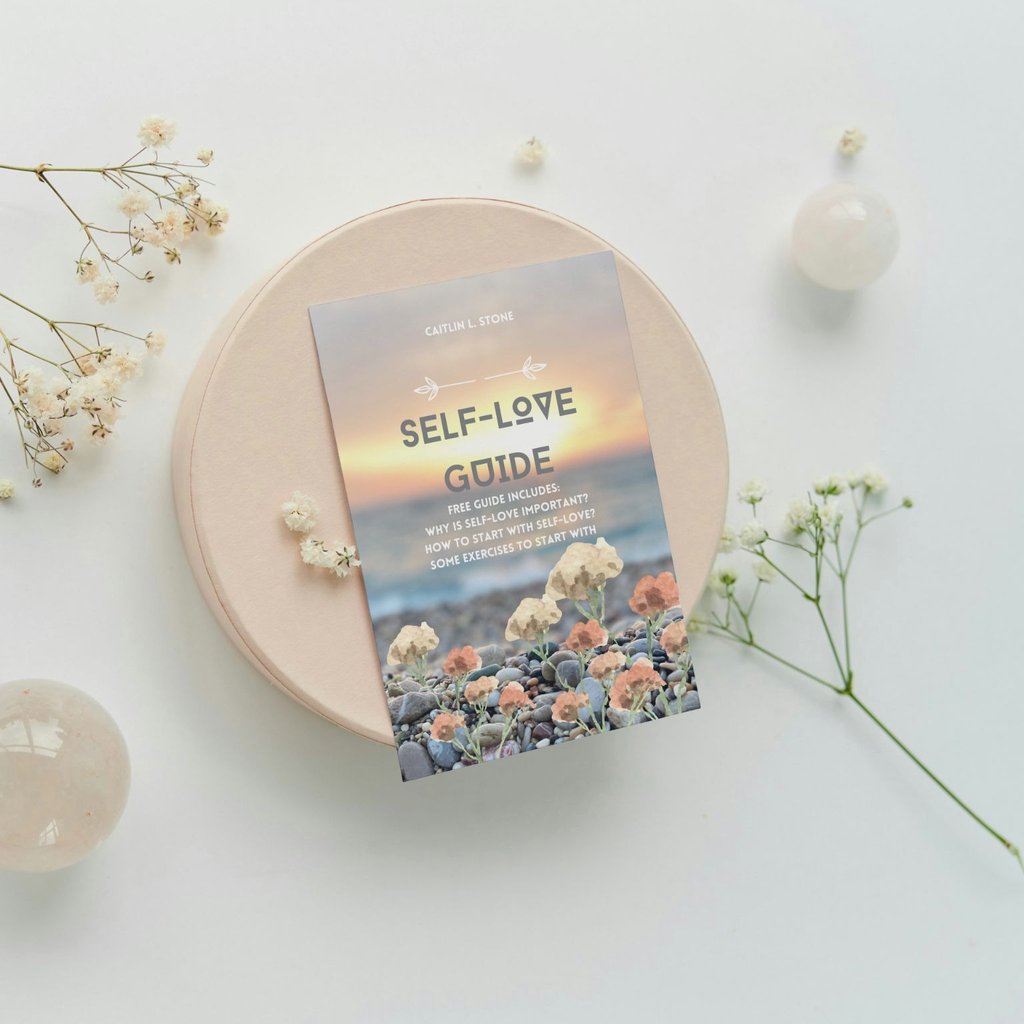
💖 Free Self-Love Guide
Sometimes the hardest part of healing is not knowing whether you're doing it "right."
Our Free Self-Love Guide offers gentle insights and supportive practices to help you understand emotional healing, strengthen self-compassion, and reconnect with yourself one step at a time.

✨Why Emotional Healing Is Important?
💖 Why Is Emotional Healing Important?
Emotional healing helps you process painful experiences so they no longer control your thoughts, emotions, relationships, or daily life. As healing progresses, many people experience greater self-awareness, emotional resilience, healthier relationships, and a stronger sense of inner peace.
Many people carry emotional wounds or have experienced difficult events that continue to affect how they think, feel, and relate to others.
These experiences are more common than we often realize, which means healing is not a rare or isolated journey; it is a deeply human one.
This is why emotional healing matters. It isn’t just a spiritual or psychological process—it’s about reclaiming your life, your relationships, and even your physical well-being. Healing isn’t the absence of pain but the ability to carry it differently: with resilience, self-awareness, and compassion.
What Is Emotional Healing and What Does It Look Like?
Emotional healing is the integration of painful experiences so they no longer control your present. Emotional healing doesn’t erase the past; it reshapes how you carry it and influences your future. Healing often looks subtle: more patience with yourself, the ability to sit with sadness without drowning, and a newfound curiosity about your inner world.
🌿 What Does Emotional Healing Feel Like?
Emotional healing often feels less like a dramatic breakthrough and more like a gradual shift. You may notice greater emotional stability, more self-compassion, less reactivity, and an increased ability to experience difficult emotions without becoming overwhelmed by them.
One woman I spoke with shared, “After my divorce, I thought healing would look like never crying again. Instead, I found myself crying softer tears—tears of release, not despair. That was when I knew I was finally healing.”
What does the process look like?
Emotional healing is rarely linear. You may experience periods of growth, moments of setback, and times when old wounds unexpectedly resurface. This does not mean you are moving backward. It often means you are healing deeper layers of the same experience.
Sometimes healing can even feel harder before it feels better. Old emotions, memories, or patterns may resurface as they move toward resolution.
💖 If you've ever wondered whether feeling worse could actually be part of the healing process, you may find these signs of a healing crisis helpful:
👉 What Is a Healing Crisis? 11 Signs Your Healing Is Working
You may leap forward, stumble back, and circle the same ground again. Progress shows up in waves—periods of peace, then triggers that test your resilience. True healing is not linear. It often moves in spirals, where each return to the pain meets you with deeper awareness and strength.
One of the deeper signs of healing is beginning to trust yourself again, even in small decisions and everyday moments.
One of the clearest signs of emotional healing is learning to trust yourself again.
💖 If you still find yourself second-guessing your thoughts or struggling to trust your inner voice, understanding where that self-doubt comes from can help you rebuild that connection:
👉 Why do I doubt myself so much
🌿 What Are the Stages of Emotional Healing?
Many people move through stages such as denial, anger, grief, acceptance, and integration. However, emotional healing is highly personal, and these stages often overlap, repeat, or appear in a different order.
Different stages of healing
Psychologists often describe healing through stages:
Denial: Numbing, minimizing, or avoiding the wound.
Anger: Rage at yourself, others, or the universe.
Bargaining: Wishing the past could change.
Depression: Grieving what was lost.
Acceptance: Understanding the trauma happened, and you can still live fully.
In practice, these stages overlap, repeat, or skip. The key is knowing that feeling lost or messy isn’t failure—it’s part of becoming whole. Whatever stage you find yourself in, healing is not about getting everything right. It is about continuing to meet yourself with honesty, patience, and compassion as you move forward, even if self-love feels hard sometimes.
🌿10 Common Signs of Emotional Healing (Even the Uncomfortable Ones)
💖 What Are the Signs of Emotional Healing?
Signs of emotional healing can include feeling your emotions more fully, becoming less reactive to triggers, setting healthier boundaries, trusting yourself more, letting go of unhealthy relationships, and finding moments of joy returning to everyday life.
Many people expect emotional healing to feel positive all the time. In reality, some of the strongest signs of emotional healing can feel uncomfortable, confusing, or even painful at first. Growth often asks you to let go of old patterns before new ones feel secure.
1. You allow yourself to feel emotions
Instead of suppressing anger, grief, or sadness, you finally let them flow. You cry, rage, or journal without shame, and feel lighter afterward. Some of the most profound signs of healing appear when you begin integrating the parts of yourself that were once hidden or rejected.
2. You prefer solitude
You no longer need constant distraction, validation, or noise to feel okay. Your own company begins to feel safer and more supportive. You read, cook, or rest in your own company, discovering that you are enough.
3. Old relationships fall away
People who no longer align with your growth naturally drift out of your orbit. Painful at first, it makes room for healthier connections. Learning to set healthy boundaries is often one of the strongest signs of emotional healing, even when it feels uncomfortable at first.
4. You feel lost and confused
The in-between feels uncomfortable. Questioning your identity or purpose is a natural stage of redefining yourself beyond the trauma.
🌿 Can Feeling Lost Be a Sign of Healing?
Yes. Feeling lost can be a sign that old identities, beliefs, or coping mechanisms are no longer working. While uncomfortable, this period often creates space for a more authentic version of yourself to emerge.
5. Childhood truths surface
You bravely revisit your past, seeing your childhood with clearer eyes. This allows you to tend to your inner child rather than ignore them.
6. Triggers don’t consume you anymore
A song, place, or memory might sting, but it no longer paralyzes you. You notice, breathe, and move through it. The trigger may still be there. But your recovery becomes faster. And that is often a powerful sign of emotional healing.
7. You notice societal “normal” isn’t for you
What once felt acceptable—overworking, toxic patterns, shallow validation—suddenly feels unbearable. You start living authentically, not for approval.
8. You forgive yourself and others
Forgiveness doesn’t excuse wrongs, but it frees you. You release resentment that once chained you to the past. If forgiveness feels complex, learning how to truly forgive and let go without suppressing your pain can be a powerful milestone in emotional healing.
9. You fall into old patterns (but reflect on them)
Healing is not measured by never struggling again. It is measured by how quickly you recognize what is happening and how compassionately you respond to yourself afterward.
10. Joy and gratitude return
Moments of beauty—sunlight on your skin, laughter with a friend, the smell of rain—touch you deeply again. Gratitude becomes natural.
Recognizing these signs of emotional healing is not about measuring perfection. It is about noticing evidence that your relationship with yourself, your emotions, and your past is gradually changing. Even one or two of these shifts can be meaningful signs that healing is already happening. One of the deeper signs of healing is a growing sense of self-worth, even if it develops slowly and quietly.
🌿 Can Emotional Healing Feel Small?
Yes. Emotional healing often appears through quiet changes rather than dramatic breakthroughs. A calmer reaction, a healthier boundary, a moment of self-compassion, or the return of genuine joy can all be meaningful signs of progress.
🧘Physical Signs of Emotional Healing
💖 What Are the Physical Signs of Emotional Healing?
Physical signs of emotional healing can include improved sleep, reduced muscle tension, more balanced energy levels, fewer stress-related symptoms, and a greater sense of calm in the body. As the nervous system begins to feel safer, the body often reflects that healing process.
Emotional healing does not happen only in the mind. Because stress, grief, trauma, and emotional pain affect the nervous system, healing often creates noticeable changes in the body as well.
Sleep becomes deeper and more restorative after periods of restlessness or emotional exhaustion.
Muscles begin to relax, posture softens, and chronic tension may gradually decrease.
Energy levels become more balanced, with fewer swings between exhaustion and hypervigilance.
Stress-related symptoms such as headaches, digestive issues, or physical tension may begin to improve as the nervous system settles.
While physical improvements alone do not prove emotional healing, they can be meaningful signs that your mind and body are beginning to feel safer. Healing often becomes visible in the body long before you fully recognize it in your thoughts.
One of the most overlooked signs of healing is learning to recognize what your body is trying to tell you. If you'd like to explore this connection more deeply:
👉 Listen to Your Body
💔 Healing from Relationship Trauma Is Emotional Healing, Too
Relationship wounds often leave more than memories behind. They can affect your sense of safety, trust, self-worth, and ability to open your heart again.
Healing begins when you stop measuring yourself by what happened to you and start rebuilding your relationship with yourself.
🌿 What Are Signs You're Healing from Relationship Trauma?
Signs of healing from relationship trauma can include stronger boundaries, increased self-trust, less fear of vulnerability, reduced emotional reactivity, and a growing belief that your past does not have to define your future.
Setting boundaries, practicing self-compassion, and working with a therapist or trauma-informed practitioner can support recovery. Over time, many people notice that old fears lose some of their power and new relationships feel less threatening.
Most importantly, remember this: What happened to you is part of your story, but it is not your identity.
You are allowed to move forward. You are allowed to trust again. And you are allowed to create new experiences that are not defined by old pain.
💖 If rebuilding your self-worth feels overwhelming, you do not have to figure it all out at once.
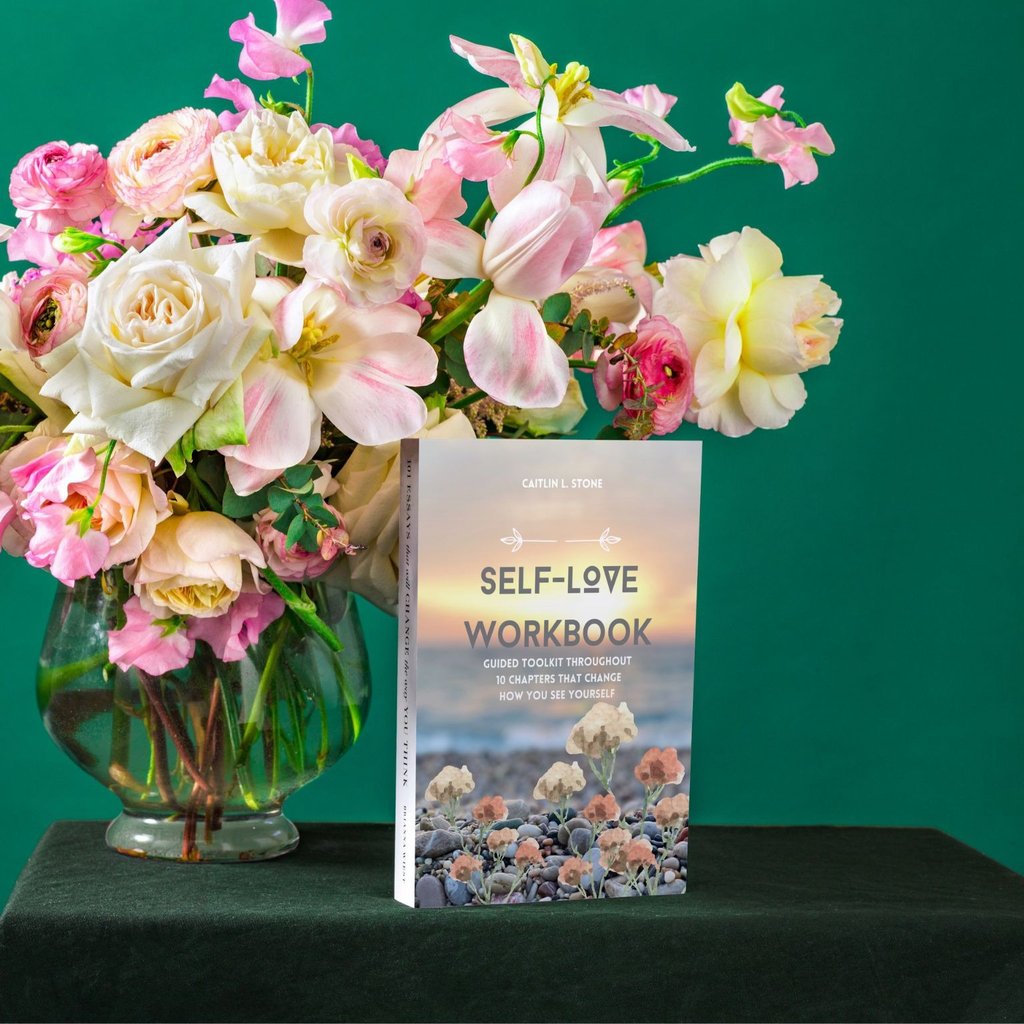
Our Self-Love Workbook was created to help you reconnect with yourself through guided reflections, healing exercises, and gentle practices that support emotional recovery one step at a time.
👉 Explore the Self-Love Workbook
❤️ Self-Love Workbook
Understanding your wounds is one thing. Working through them is often where the real challenge begins.
Our Self-Love Workbook combines guided exercises, reflective prompts, and healing practices designed to help you rebuild self-worth, strengthen emotional resilience, and reconnect with yourself at your own pace.

🔍What Helps Emotional Healing?
💖 What Are the Best Tools for Emotional Healing?
The best emotional healing tools are the ones that help you process emotions safely, reconnect with yourself, and build resilience over time. Common approaches include therapy, journaling, mindfulness, movement, supportive relationships, and self-reflection practices.
Healing is deeply personal, which means there is no single method that works for everyone. What matters most is finding practices that help you process emotions, build self-awareness, and create a greater sense of safety within yourself.
Therapy: Professional support that helps you process difficult experiences and develop healthier coping strategies.
Mindfulness & Journaling: Practices that increase self-awareness and help you make sense of difficult emotions.
Movement: Activities such as walking, yoga, dance, or stretching that help release stress and reconnect you with your body.
Somatic Therapies: Body-based approaches that support nervous system regulation and trauma recovery.
Community & Support: Safe relationships that remind you that you do not have to heal alone.
✍️ If you ever feel stuck or unsure what you're feeling, journaling can help bring clarity to emotions that are difficult to put into words. Our 365 Psychological Journal Prompts were created to support self-discovery, emotional awareness, and deeper reflection, one question at a time.
👉 Explore 365 Psychological Journal Prompts
📓 365 Psychological Journal Prompts
Many people know they need to reflect, but don't know where to begin or what questions to ask.
Our 365 Psychological Journal Prompts provide a full year of guided self-reflection to help you explore emotions, uncover patterns, and gain deeper clarity one prompt at a time.


Healing can also be supported through reflective and spiritual practices that help you connect with yourself in a deeper way:
Self-love workbooks to rebuild compassion for yourself.
Tarot cards or oracle decks are reflective guides, not fortune-tellers, sparking deeper conversations with your subconscious.
If you're rebuilding your relationship with yourself, creating a gentle self-love ritual can become a meaningful anchor during the healing process.
🌿 Can Spiritual Practices Support Emotional Healing?
While spiritual practices do not replace professional support when it is needed, many people find that rituals, tarot, journaling, meditation, and self-reflection help them process emotions, build self-awareness, and feel more connected to themselves.
🩺 When to Seek Professional Support
While many signs of emotional healing unfold gradually, some experiences require additional care. Consider professional support if you are experiencing persistent panic attacks, severe depression, intrusive memories, self-harming thoughts, or significant difficulty functioning in daily life.
Seeking help is not a sign of failure. Licensed therapists, trauma-informed practitioners, and other mental health professionals are trained to help people process difficult experiences safely and effectively.
If you feel unsafe, at risk of harming yourself, or unable to stay safe, contact local emergency services, a crisis line, or another immediate source of support in your area. You deserve care, stability, and support.
When should someone seek professional help during emotional healing?
Consider professional support when emotional symptoms become persistent, severe, or interfere with daily life, especially in cases involving panic attacks, severe depression, intrusive memories, self-harm thoughts, or difficulty functioning. Professional help can provide safety, structure, and evidence-based support during the healing process.
🔮Releasing Rituals for Emotional Healing
Healing is not only something we think about. Sometimes it helps to create a physical or symbolic action that reflects an inner shift. Rituals can provide a sense of closure, intention, and emotional release during periods of healing.
Full Moon Release Ritual: Write down what you are ready to release, safely burn or tear the paper, and allow the act to symbolize your willingness to let go of what no longer serves you.
Water Cleansing: Add salt, herbs, or calming scents to a bath and visualize emotional heaviness dissolving as the water carries it away.
Cord-Cutting Visualization: This practice is not about rejecting the past. It is about releasing emotional attachments that no longer support your healing.
These rituals do not erase painful experiences, nor do they replace deeper healing work. What they can do is create a meaningful moment of intention, helping you acknowledge what you are ready to release and what you are ready to carry forward. Sometimes healing begins with a decision. Ritual simply gives that decision a shape.
🌿 Can Rituals Support Emotional Healing?
While rituals do not replace emotional work, therapy, or professional support, many people find that symbolic practices help them process emotions, mark important transitions, and create a sense of closure during the healing journey.
👌Practical Reminders for Emotional Healing
🌿 What Helps Emotional Healing Move Forward?
Emotional healing is often supported by patience, self-compassion, healthy support systems, emotional awareness, and practices that help you feel grounded and safe. Small, consistent actions tend to create more lasting change than dramatic breakthroughs.
Be patient: Healing often happens beneath the surface long before you can clearly see the results.
Celebrate small wins: A calmer reaction, a healthier boundary, or a moment of self-compassion may seem small, but these moments are often signs of meaningful growth.
Ask for help: Healing becomes easier when you allow yourself to receive support. You do not have to carry everything alone.
Stay grounded while honoring what feels meaningful: Practical support and spiritual practices can often work beautifully together.
Remember: Healing is not about becoming the person you were before the pain. It is about becoming the person you are now, with greater awareness, strength, and compassion.
The most important thing to remember is that healing is rarely measured by how quickly you move. It is measured by your willingness to keep moving forward, even in small ways.
🍃Trust the Messy Beauty of Your Journey
What Is the Biggest Sign of Emotional Healing?
One of the biggest signs of emotional healing is not that painful memories disappear. They no longer have the same power over your thoughts, emotions, choices, and daily life.
The signs of emotional healing rarely arrive with fireworks. More often, they appear in the moments that would have overwhelmed you before, but no longer do. A night of deeper sleep. A calmer response. A healthier boundary. A moment of genuine joy where there was once only survival. These moments may seem small, but they are often powerful evidence that healing is already happening.
💖 If you want to support your healing with a deeper, more consistent connection to yourself:
👉 Learn how to practice self-love in a way that actually works
Healing is both mystical and practical. It is therapy and self-reflection. Mindfulness and meaningful conversations. Journaling and forgiveness. Tarot and personal insight. It is not a destination you arrive at once and for all, but an ongoing relationship with yourself that deepens over time.
If you're ready to continue supporting your healing journey, you can explore our journals, self-love tools, and spiritual guidance inside Sisters Creation, where we share resources created to help you build greater self-awareness, self-compassion, and emotional resilience.
With love,
Caitlin & Gerly,
Soul Sisters Tarot
🌿 FAQ: Signs of Emotional Healing
How do you know if you are emotionally healing?
Emotional healing signs often include better emotional regulation, increased self-compassion, and the ability to reflect instead of react. Over time, many people also notice a growing sense of trust in themselves and their ability to handle difficult emotions.
What are the first signs of emotional healing?
The first signs of emotional healing are often subtle: sleeping better, feeling less reactive, setting boundaries without guilt, and allowing yourself to feel emotions without suppressing them. As healing deepens, many people begin to notice a quiet shift in how they see themselves, including a growing sense of self-esteem and inner belief.
How long does emotional healing take?
Emotional healing has no fixed timeline. For some, it takes months; for others, years. Healing from past relationship trauma or childhood wounds often unfolds in waves rather than straight lines. Progress may feel slow, but consistency and support accelerate integration.
What are the physical signs of emotional healing?
Physical and emotional healing signs can include deeper sleep, reduced muscle tension, balanced energy levels, improved digestion, and fewer stress-related symptoms. As the nervous system regulates, the body begins to feel safer.
Can emotional healing happen without therapy?
Many people experience emotional healing through self-reflection, supportive relationships, journaling, mindfulness, and personal growth practices. However, therapy can provide valuable support, especially when dealing with trauma, severe distress, or patterns that feel difficult to navigate alone.
Can emotional healing feel worse before it gets better?
Yes. Many people experience periods of discomfort during healing as emotions, memories, or patterns they previously avoided begin to surface. While challenging, this can be a normal part of the healing process. Feeling emotional does not always mean you are moving backward. Sometimes it means you are finally processing what was previously buried.
Is feeling lost a sign of emotional healing?
Sometimes, yes. Feeling lost can occur when old identities, beliefs, or coping mechanisms no longer fit who you are becoming. While uncomfortable, this period often creates space for greater self-awareness, authenticity, and personal growth.
Why do old emotions come back during healing?
Old emotions often return because healing is not about avoiding pain but processing it. As you feel safer and more emotionally aware, experiences that were previously suppressed may resurface so they can be understood, felt, and integrated.
Can you still be healing if you have bad days?
Absolutely. Emotional healing does not mean feeling happy all the time. Most healing journeys include setbacks, difficult emotions, and moments of self-doubt. Progress is often measured by how you respond to those moments rather than whether they happen at all.
Is emotional healing supposed to feel good all the time?
No. Emotional healing often includes difficult emotions, setbacks, periods of confusion, and moments when old wounds resurface. Feeling challenged does not automatically mean healing is failing. In many cases, growth and discomfort happen at the same time.
Soul Sisters Tarot
A Soft Place to Grow.
💌 SOUL SISTERS WEEKLY
A thoughtful Sunday letter with tarot reflections, moon wisdom, self-love, and gentle encouragement.
© 2026. All rights reserved.
Inspirational Coaching OÜ
sisters@soulsisterstarot.com