Add your promotional text...


Tarot for Beginners: Why It Feels So Confusing (And How to Finally Understand It)
Tarot feels confusing, overwhelming, or like it’s just not clicking? This tarot for beginners guide breaks it down simply—so you can finally understand your cards and trust your readings.
TAROT & SPIRITUAL INSIGHT
Soul Sisters Tarot
1/22/20268 min read
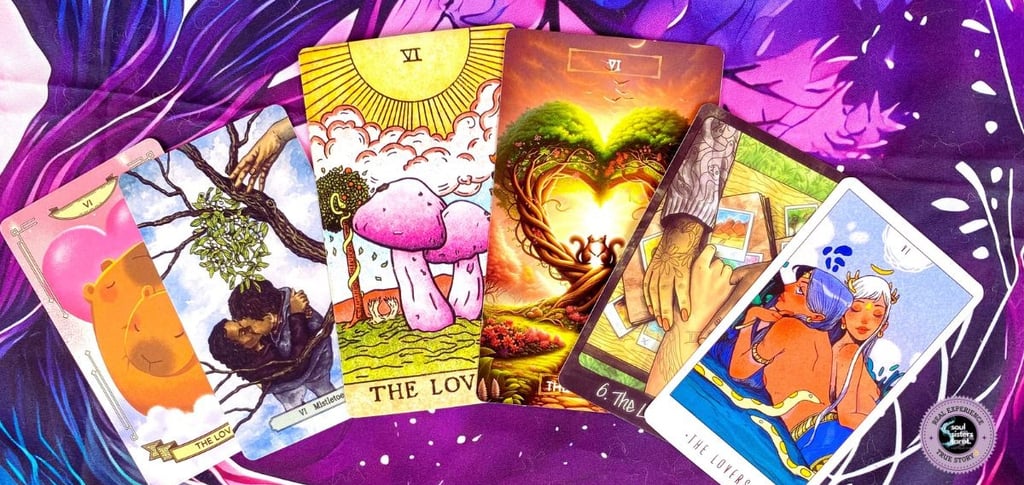
Tarot for Beginners: How to Read Tarot Cards for Clarity, Healing, and Spiritual Insight
Tarot often finds us at quiet turning points. Moments when something inside feels ready to shift, even if we cannot yet name what that change is. For beginners, tarot is rarely about predicting the future. It is about listening more closely to the present.
At its heart, tarot is a language of symbols and intuition. It reflects what lives beneath the surface of our thoughts and emotions. When approached gently, tarot becomes a companion for self-reflection, emotional healing, and spiritual clarity rather than a source of fear or fixed answers.
This guide is created for those who feel curious about tarot but want to approach it with care, grounding, and self-trust.
✨ What Tarot Is (and What It Is Not)
Tarot is often misunderstood, especially by those just beginning their journey. Tarot is not a tool that controls fate, nor does it remove free will. It does not tell you what must happen. Instead, tarot reveals patterns, emotions, and inner truths that are already present.
Tarot works as a symbolic mirror. The images, archetypes, and stories found within the cards help your subconscious speak in a language beyond logic. This is why tarot can feel deeply personal and surprisingly accurate, even when approached without rigid rules.
If you are new to tarot or considering a professional reading, our guide on 7 things you should know before getting a tarot reading can help set healthy expectations and boundaries.
🔮 How Tarot Works on a Spiritual Level
Tarot does not function through magic alone. It works through a meeting point of intuition, awareness, and synchronicity.
When you ask a question and draw a card, your mind naturally searches for meaning. Tarot images offer symbols that bypass overthinking and invite honest reflection. This is why tarot often reveals emotional truths you already sensed but had not fully acknowledged.
Many people experience tarot as accurate because it brings unconscious patterns into conscious awareness. When combined with grounding practices and self-honesty, tarot can gently guide emotional healing rather than overwhelm it.
This reflective approach is also explored in our work on spiritual counseling that guides you to clarity and healing, where intuition and emotional safety remain central.
📜 Understanding the Tarot Deck: Major and Minor Arcana
A standard tarot deck consists of 78 cards, divided into two main parts.
The Major Arcana: Soul Lessons and Life Themes
The 22 cards of the Major Arcana represent deep spiritual themes and life lessons. These cards speak about identity, growth, fear, trust, endings, and transformation. When Major Arcana cards appear, they often point to inner shifts rather than surface-level events.
The Major Arcana forms a symbolic story known as The Fool’s Journey, a path of self-discovery that mirrors the human experience from innocence to wisdom. We explore this journey in depth in The Fool’s Journey – The Hidden Secrets of Tarot’s Most Powerful Story.
The Minor Arcana: Daily Life and Emotional Patterns
The Minor Arcana reflects everyday experiences, emotions, relationships, challenges, and actions. Divided into four suits, these cards help you understand how spiritual themes show up in practical life.
Together, the Major and Minor Arcana allow tarot to speak both to the soul and to daily reality.
🐦 The Fool’s Journey: Tarot as a Path of Self-Awareness
For beginners, The Fool’s Journey offers one of the most healing ways to understand tarot. Rather than memorizing card meanings, this journey invites you to see yourself within the archetypes. Each card asks a quiet inner question. Who am I becoming? What am I avoiding? What is ready to be released?
You can explore this path more deeply through
👉 The Fool’s Journey, which introduces tarot as a journey of self-awareness and inner transformation.
If you’d like to understand the symbolism and meaning behind each stage, you may also enjoy
👉 Major Arcana meaning – Explore the 22-card Spiritual Journey
This philosophy is also the foundation of our
👉 The Fool’s Journey — Self-Awareness Course, a 22-week guided path designed not for prediction, but for deep inner reflection and emotional integration.
🪄 Different Types of Tarot Readings
Tarot can be practiced in many ways, depending on intention.
Self-Readings for Clarity and Reflection
Daily tarot pulls, journaling with a single card, or reflective spreads help build self-awareness. These practices are explored in our guides on daily tarot reading.
Self-readings work best when the focus remains on understanding feelings, patterns, and choices rather than demanding outcomes.
One of the most powerful ways to understand tarot is to observe how a single card unfolds throughout an ordinary day. In our Tarot Diaries series, we share real-life experiences of pulling a daily tarot card and reflecting on how its message reveals itself through emotions, interactions, and unexpected moments.
If you’d like to explore this in practice, you may begin with
👉 Daily Tarot Card: Not Just a Journey, But a Truly Valuable Experience
Reading Tarot for Others
Reading for others requires emotional responsibility, consent, and energetic boundaries. Tarot should never be used to instill fear or dependency.
If you are curious about this practice, our complete guide on how to do a tarot reading for someone else explains how to approach readings with compassion and integrity.
💫 Tarot Spreads and Structure
Tarot spreads give shape to intuition. Simple spreads help focus your attention, while larger spreads invite deeper insight. Beginners often benefit from three-card spreads that explore past, present, and future energy or mind, body, and spirit.
As confidence grows, structured layouts such as five-card spreads offer a layered understanding. We explore this more deeply in how to read a 5-card tarot spread.
💕 Ethics, Emotional Safety, and Tarot Responsibility
Tarot should always support emotional well-being. It is important to avoid using tarot to replace professional help, diagnose mental health concerns, or make legal or medical decisions. Tarot works best as a supportive tool, not a substitute for care.
If tarot brings up emotional intensity, grounding practices and self-awareness should come first, allowing insights to be integrated gently and safely.
💜 Tarot as an Ongoing Spiritual Practice
Tarot is not meant to provide instant answers. It is a relationship built over time. Many people find that tarot works beautifully alongside other reflective practices such as journaling, grounding, or spiritual rituals.
Tarot grows gentler and more meaningful when it becomes part of daily awareness rather than something used only in moments of crisis.
A Deeper Companion for Your Tarot Journey
Our Tarot eBook: Complete and Secret Guide to Tarot was created as a gentle companion for beginners and intermediate readers alike. It explains tarot in a clear and approachable way, while also sharing insights that come from years of lived practice.
If you’d like to explore a practical and supportive way to learn tarot, you can also read
👉 Tarot Guidebook: A Gentle and Practical Way to Learn Tarot with Confidence
Inside, you will find a full explanation of both the Major and Minor Arcana, guidance on how to actually read the cards, commonly asked questions about love, money, and health, as well as the tarot spreads we use in our own daily practice.
This eBook is not meant to overwhelm or replace intuition. Instead, it supports your learning so that confidence can grow naturally, at your own pace.
Also, if you are interested, you can read our daily tarot stories (in a fairy-tale-like narrative): Tarot card meanings in real life: Learning tarot through magical short stories.
🪬 Tarot, Timing, and Collective Energy
Tarot can also reflect collective themes. Zodiac readings and yearly spreads offer insight into shared energetic patterns rather than personal fate.
You can explore this further in our
👉 Tarot Reading 2026 for All 12 Zodiac Signs
and
👉 Chinese Horoscope 2026
🃏 Deepen Your Tarot Journey
Tarot is more than learning card meanings.
It is a journey of intuition, reflection, and spiritual insight.
If you feel called to explore tarot guidance more deeply, you can discover our readings, tarot tools, and soul-guided resources inside Sisters Creation.
💪 Tarot as a Path Back to Self-Trust
Tarot does not demand belief. It invites curiosity. For beginners, tarot is not about doing everything correctly. It is about learning to listen inward with honesty and compassion. Over time, the tarot teaches something deeper than the meanings of the cards. It teaches self-trust.
When approached gently, tarot becomes a language of self-awareness, healing, and spiritual insight. A quiet reminder that the answers you seek are already unfolding within you.
With love and reflection,
Caitlin & Gerly
Soul Sisters Tarot
🔮 Choose Your Tarot Path
Tarot can support you in different ways, depending on what you need in this moment. Some people come to tarot seeking clarity. Others feel called to learn. And some simply want to build a deeper daily connection with their intuition.
Wherever you are, there is a path that meets you there.
🪶 If you are seeking clarity and guidance
If you feel uncertain about a situation or need a new perspective, tarot readings can help you understand what is unfolding and what your next steps might be.
👉 Tarot Readings Guide: What to Expect, How They Work & How to Get Clarity
🏆 If you want to learn tarot step by step
If you feel curious about reading the cards yourself, you can begin building your understanding and confidence gradually.
👉 Learn Tarot: A Beginner’s Guide to Reading Tarot Cards with Confidence
🪞 If you want to build a daily tarot practice
If you feel drawn to a more consistent and reflective connection with tarot, daily guidance can help you stay aware and grounded.
👉 Daily Tarot Guidance: Build a Meaningful Ritual for Clarity & Inner Growth
🌙 Not sure where to begin?
If you’d like to explore all paths and find what resonates most with you, you can visit:
👉 Tarot Guidance: Find Clarity, Self-Discovery & Your Tarot Path
❓ Frequently Asked Questions About Tarot for Beginners
What is tarot, and how does it work?
Tarot is a system of symbolic cards used for reflection, guidance, and self-awareness. It works by combining imagery, intuition, and personal interpretation to help you understand your thoughts, emotions, and current situation more clearly. Rather than predicting fixed outcomes, tarot reveals patterns and possibilities that support more conscious decisions.
Can beginners read tarot cards without experience?
Yes, beginners can read tarot cards without prior experience. Tarot is a skill that develops over time, and many people begin by learning basic meanings, observing card imagery, and practicing simple readings. With patience and consistency, your confidence and understanding will naturally grow.
Do you need to be intuitive or psychic to use tarot?
No, you do not need to be psychic to use tarot. While intuition plays a role, tarot can be learned through structure, symbolism, and practice. Over time, your intuitive understanding develops naturally as you build a relationship with the cards.
How do you start learning tarot step by step?
You can start learning tarot by becoming familiar with the cards, practicing simple spreads, and reflecting on your interpretations. Many beginners begin with one card a day and gradually expand their understanding through consistent practice and study.
What are the 78 tarot cards, and what do they represent?
A tarot deck consists of 78 cards divided into the Major Arcana and Minor Arcana. The Major Arcana represents life themes and spiritual lessons, while the Minor Arcana reflects daily experiences, emotions, and actions. Together, they provide a complete picture of both inner and outer life.
Can tarot help with emotional healing and self-awareness?
Yes, tarot can support emotional healing by helping you recognize patterns, understand your feelings, and reflect on your experiences. When used with awareness and self-compassion, tarot becomes a tool for personal growth rather than prediction.
Is tarot about predicting the future?
Tarot is not about predicting a fixed future. Instead, it shows possible outcomes based on your current energy, mindset, and choices. This allows you to better understand your path and make more conscious decisions moving forward.
How often should you use tarot as a beginner?
There is no strict rule, but many beginners benefit from using tarot regularly in a simple way, such as pulling one card a day. Consistency helps build familiarity with the cards and strengthens your intuitive understanding over time.
What is the best way to learn tarot meanings?
The best way to learn tarot meanings is through a combination of study and practice. While guidebooks provide helpful structure, personal experience and reflection help you understand how the meanings apply in real life.
Can tarot be used alongside other spiritual practices?
Yes, tarot works well alongside practices such as journaling, meditation, manifestation, and moon rituals. These tools can support each other and deepen your overall self-awareness and spiritual connection.
Explore Related Spiritual Guides
Soul Sisters Tarot
A Soft Place to Grow.
Join our weekly newsletter
© 2026. All rights reserved.
Inspirational Coaching OÜ
sisters@soulsisterstarot.com