💌 JOIN SOUL SISTERS WEEKLY → GET FREE WELCOME GIFTS 🎁
Receive a thoughtful Sunday letter, free Self-Love & Shadow Work guides, and monthly Full Moon rituals ✨


🏆 How to Read Tarot Cards: A Beginner’s Guide to Reading Tarot Cards with Confidence
✨ Learn how to read tarot cards step by step, understand card meanings without relying on memorization, and build the confidence to interpret tarot with clarity and intuition.
Learning how to read tarot cards is a gradual process of understanding symbolism, practicing regularly, and developing confidence through experience. Most beginners learn best by starting with simple readings and building their knowledge one step at a time.
Learning how to read tarot cards can feel overwhelming at first. With 78 cards, countless interpretations, and endless advice online, many beginners wonder if they're learning the "right" way.
The truth is that tarot isn't about memorizing every meaning or becoming an expert overnight. It's about learning the language of the cards through symbolism, practice, reflection, and experience.
This beginner's guide will walk you through the foundations of reading tarot, from understanding card meanings and asking better questions to choosing spreads, trusting your intuition, and developing confidence with every reading. Along the way, you'll also discover deeper guides that help you continue your tarot journey one step at a time.
At Soul Sisters Tarot, we believe the cards become easier to understand when you experience them in real life rather than simply memorizing keywords. The goal isn't to become a perfect reader. It's to build a relationship with the cards that grows naturally over time.
🍃 Soul Sisters Insight
Many people think learning tarot means memorizing 78 separate meanings. We see it differently. Tarot becomes meaningful when you begin recognizing its symbols, archetypes, and lessons in your own life. That's when the cards stop feeling like information and start becoming a trusted guide.
💡 Feeling stuck while learning tarot? Start here
Every tarot reader experiences moments when the cards don't seem to make sense. You might wonder if you're interpreting them correctly, relying too much on the guidebook, or simply missing something everyone else seems to understand.
The truth is that most beginner challenges are completely normal. Learning tarot isn't just about remembering card meanings. It's about learning how symbolism, intuition, context, and personal experience come together during a reading.
Identifying what's holding you back is often the fastest way to move forward. Whether you're struggling with confidence, interpretation, or trusting your intuition, the guides below can help you overcome the specific challenge you're facing.
🍃 Soul Sisters Insight
Getting stuck doesn't mean you're failing to learn tarot. It usually means you've reached the point where memorization is no longer enough, and your understanding is ready to become deeper and more intuitive.
Most beginners struggle with tarot because they're trying to memorize meanings instead of understanding how the cards work together. Confidence grows through practice, reflection, and learning to interpret each reading as a whole rather than focusing on individual cards.
If you are trying to understand where you feel stuck, these guides can help you find the exact missing piece:
👉 Why is tarot so confusing for beginners?
👉 Why don’t my tarot readings make sense?
👉 Why do I doubt my tarot readings?
👉 Why can’t I read tarot cards correctly?
👉 Why does my intuition not work when reading tarot?
If you're looking for a structured path that brings together card meanings, intuition, symbolism, and real readings, our Tarot Guidebook PDF helps you build confidence step by step without feeling overwhelmed.
👉 Tarot Guidebook PDF: Learn Tarot With Clarity and Confidence
🌱 How to Start Learning Tarot
🍃 Soul Sisters Insight
Many beginners think they're "behind" because they don't know every card yet. But tarot isn't a race. Each reading builds on the last, and every question you explore strengthens your understanding a little more.
The best way to learn tarot is one step at a time. Rather than memorizing all 78 cards, beginners build lasting confidence by practicing regularly, reflecting on their readings, and gradually understanding how the cards connect through symbolism and real-life experience.
If you're ready to pull your first cards, begin with:
👉 Your First Tarot Reading: What to Do, Ask & Expect as a Beginner
Once you've completed your first readings, the next step is understanding what the cards are actually trying to communicate:
👉 How to Understand Tarot Card Meanings Without Memorizing Them
Asking the right question is just as important as interpreting the answer. To make your readings more meaningful, explore:
👉 Tarot Questions for Beginners: What to Ask for Clear, Insightful Readings
This guide is part of our Tarot for Beginners & Spiritual Insight hub, where you'll find step-by-step resources designed to help you build confidence, strengthen your intuition, and develop a meaningful tarot practice at your own pace.
✧ 🌙 ✧ 🌙 ✧
Every experienced tarot reader started exactly where you are now: with curiosity, questions, and a deck of cards that felt both exciting and overwhelming.
One of the biggest mistakes beginners make is trying to learn everything at once. With 78 cards, upright and reversed meanings, symbolism, numerology, and dozens of spreads, it's easy to believe you need to master tarot before you can begin reading.
In reality, learning tarot works best when you focus on one skill at a time. Start by becoming familiar with the cards, practice asking simple questions, and spend time reflecting on how the messages relate to your own experiences. As your confidence grows, you'll naturally begin connecting cards, recognizing patterns, and trusting your interpretations.
Tarot isn't a subject you finish studying. It's a lifelong practice that deepens every time you shuffle the cards, explore a new perspective, or recognize an archetype in your own life.
✨ Learning the cards differently
“I experienced the Fool’s Journey many years ago as a way to understand the cards.
But over time, I realized it wasn’t just about learning tarot. It was about understanding myself.
Everything feels different when you truly know yourself — and that’s when tarot begins to open up in a completely new way.”
— Caitlin
✧ 🌙 ✧ 🌙 ✧
🃏 Understanding Tarot Card Meanings
🍃 Soul Sisters Insight
Beginners often worry about finding the "correct" meaning for every card. In reality, the strongest readings come from understanding why a card appears in a particular situation, not from choosing the perfect keyword.
Tarot card meanings are not fixed definitions. They change depending on the question, the surrounding cards, and the context of the reading. Learning tarot becomes easier when you understand symbolism and patterns instead of relying only on memorization.
If you'd like to dive deeper into interpreting tarot without relying on rote memorization, explore:
👉 How to Understand Tarot Card Meanings Without Memorizing Them
If you'd like a practical companion while you learn, our Tarot Guidebook PDF brings together traditional meanings, symbolism, and intuitive interpretation in one beginner-friendly resource you can return to whenever you need guidance.
👉 Tarot Guidebook PDF: Learn Tarot With Clarity and Confidence
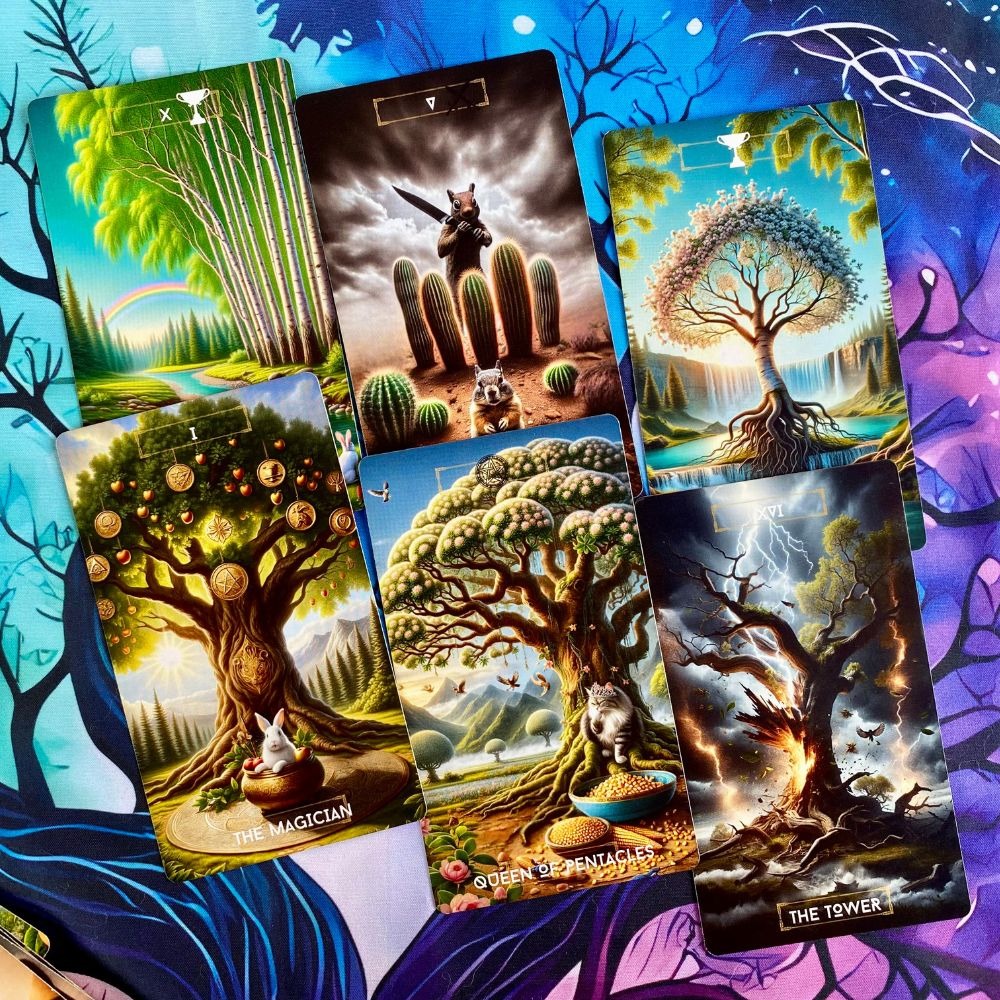
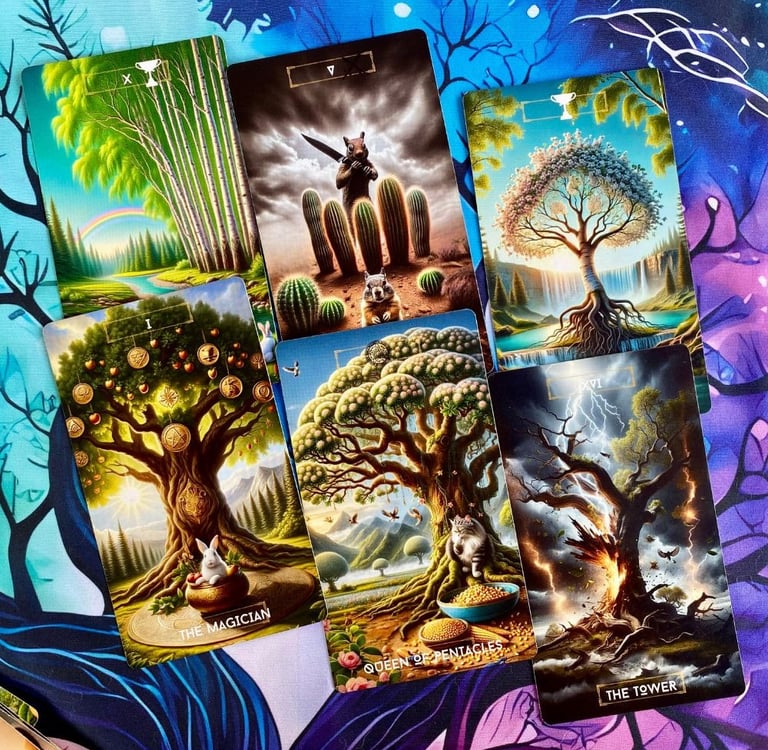
✧ 🌙 ✧ 🌙 ✧
Understanding tarot card meanings is one of the biggest milestones in learning tarot. While every card has traditional interpretations, tarot is much more than memorizing a list of keywords.
Each card tells a story through its symbolism, imagery, position in the spread, and relationship with the surrounding cards. A single card can carry different messages depending on the question you're asking and the context of the reading.
As your confidence grows, you'll begin to notice recurring themes instead of isolated meanings. Rather than asking, "What does this card mean?", you'll naturally begin asking, "What is this card trying to show me in this situation?" That shift is where tarot starts to feel intuitive rather than overwhelming.
Traditional meanings provide a valuable foundation, but lasting confidence comes from combining those meanings with observation, reflection, and experience.
As you study each card, pay attention to recurring symbols, colors, numbers, facial expressions, and objects within the artwork. These visual details often add another layer of meaning and help you move beyond memorized keywords toward genuine interpretation.
✨ Growth is not linear
“When I first explored this journey, I found myself stuck on one question for weeks.
It taught me something important — learning, just like healing, is not linear.
You revisit things, you deepen your understanding, and each reflection takes you a little further.”
— Caitlin
✧ 🌙 ✧ 🌙 ✧
🔄 How to Read Tarot Cards Through Practice
Tarot becomes clearer the more you use it.
Reading about tarot is important, but true understanding comes through practice. Every reading teaches you something new, whether it's recognizing recurring symbols, understanding how cards influence one another, or learning to trust your own interpretation.
At first, readings may feel uncertain or unclear. That's completely normal. As you continue practicing, patterns begin to emerge, your confidence grows, and interpreting the cards starts to feel more natural.
Over time, you stop looking at each card in isolation and begin seeing the story the cards are telling together. This is one of the biggest turning points in learning tarot.
The fastest way to improve at tarot is through consistent practice. Each reading helps you recognize patterns, strengthen your intuition, and understand how multiple cards work together to tell a complete story.
🍃 Soul Sisters Insight
Don't wait until you feel "ready" to start reading tarot. Every reading, even the confusing ones, becomes part of your learning. Experience is one of the greatest teachers the cards can offer.
Ready to practice with another person? Start here:
👉 How to Do a Tarot Reading for Someone Else (Step-by-Step Guide)
If you're wondering whether you can read for yourself, explore:
👉 Can You Read Tarot for Yourself? A Beginner’s Honest Guide
to understand how to build trust in your own readings.
Once you're comfortable with the basics, these guided spreads will help you apply your skills to real-life questions:
👉 Tarot Spread for Relationship Problems: Find Clarity, Truth & Emotional Insight
👉 Tarot Spread for Life Direction: How to Gain Clarity When You Feel Lost
✧ 🌙 ✧ 🌙 ✧
🔍 Tarot Spreads for Beginners
A tarot spread is a structured card layout that helps answer a question by assigning a purpose to each card position. Beginners often learn fastest by starting with simple spreads before progressing to more detailed layouts.
🍃 Soul Sisters Insight
A larger spread doesn't automatically provide a better reading. Choosing the right spread for your question is often more valuable than using the most cards.
If you're choosing your very first spread, start here:
👉 Tarot Spreads for Beginners: Simple Layouts to Start Reading Today
When you're ready for the next step, learn how to read a classic five-card spread:
👉 How to Read a 5 Card Tarot Spread: Layouts, Meanings & Examples
Prefer a quick and beginner-friendly reading? Try:
👉 Three-Card Tarot Spread: Simple Layouts for Clear, Beginner-Friendly Readings
Once you've built confidence, you can explore one of tarot's most well-known layouts:
👉 Celtic Cross Tarot Spread Explained: How to Read This Classic 10-Card Layout
You can also practice tarot with spreads designed for specific life situations, such as:
👉 Tarot Spreads for Self-Love: Simple Layouts for Healing, Confidence & Inner Growth
👉 Tarot Spreads for Anxiety: Find Clarity, Calm & Emotional Balance with Tarot

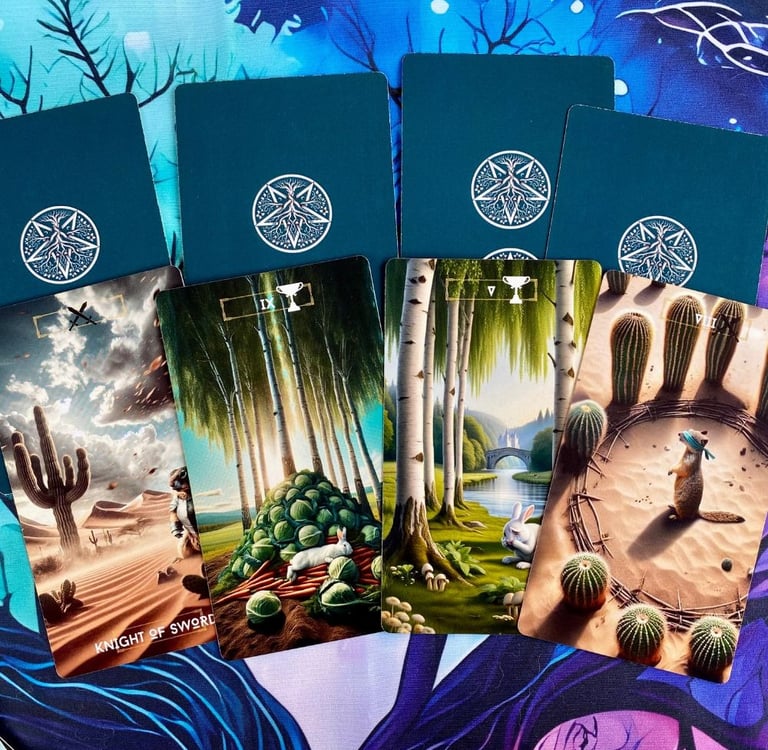
✧ 🌙 ✧ 🌙 ✧
Tarot spreads are different ways of arranging the cards to explore a question or situation. Each position within the spread has a specific purpose, helping you understand different aspects of the message.
Rather than changing the meaning of the cards themselves, a spread provides structure. It helps you see how the cards relate to one another and how each one contributes to the bigger picture.
For beginners, simple spreads are often the most effective. Fewer cards make it easier to focus on interpretation, build confidence, and recognize patterns without feeling overwhelmed.
As your experience grows, you can gradually explore more detailed layouts and discover which spreads work best for different types of questions.
A one-card or three-card spread is ideal for daily guidance or quick decisions, while larger spreads are better suited for exploring complex situations, relationships, or long-term personal growth.
✨ Preparing for a Tarot Reading
Before a tarot reading, many people like to create a small moment of intention. This doesn't need to be complicated or highly ritualistic. It can be as simple as taking a few deep breaths, focusing on your question, or shuffling the cards with awareness.
Preparing for a reading helps quiet distractions, clarify your intention, and create space to fully engage with the messages the cards may reveal. Rather than changing the outcome of the reading, preparation helps you approach it with greater focus and presence.
As you develop your own tarot practice, you'll naturally discover which preparation rituals feel most meaningful to you. Remember that your intention matters more than perfection. Even if you only have a quiet minute before your reading, approaching the cards with an open mind and a clear question is often enough.
Preparing for a tarot reading doesn't require an elaborate ritual. Simple practices such as taking a few deep breaths, setting an intention, and focusing on your question can help you approach the reading with greater clarity and concentration.
🍃 Soul Sisters Insight
There is no single "correct" way to prepare for a tarot reading. Some people light candles or meditate, while others simply shuffle their cards and take a quiet moment to reflect. What matters most is finding a routine that helps you feel present and connected.
If you'd like to create a simple and meaningful pre-reading routine, start here:
👉 How to Shuffle Tarot Cards & Prepare for a Reading (Beginner Guide)
To learn how to care for your cards between readings, explore:
👉 How to Cleanse Your Tarot Deck: When, Why & Methods That Actually Work


✧ 🌙 ✧ 🌙 ✧
🌙 Building Confidence in Your Practice
Learning tarot is not just about memorizing card meanings.
It's about developing trust in your interpretation, your intuition, and your ability to understand what the cards are revealing within the context of each reading.
Doubt is a natural part of learning. Every experienced tarot reader has questioned their interpretations at some point. Confidence doesn't appear overnight. It grows through curiosity, reflection, and regular practice.
Over time, you'll begin to trust not only the cards but also your own perspective. Rather than searching for the "perfect" interpretation, you'll learn to recognize the message that feels most relevant to the question in front of you.
Confidence in tarot comes from experience, not perfection. The more you practice, reflect on your readings, and observe recurring patterns, the more naturally your interpretations begin to flow.
🍃 Soul Sisters Insight
The goal isn't to become a tarot reader who never doubts themselves. It's to become someone who knows how to explore the cards with curiosity, trust, and an open mind, even when the answers aren't immediately obvious.
If you struggle with doubt, you may find it helpful to explore
👉 Common Tarot Mistakes Beginners Make (and How to Avoid Them)
You can also deepen your connection through
👉 Intuitive Tarot Reading: How to Trust Your Interpretation
🍃 Tarot Through the Wheel of Life
As your confidence grows, you'll begin to see that tarot isn't just something you read. It's something you experience.
Our Tarot Through the Wheel of Life collection explores how tarot archetypes appear in everyday life, seasonal celebrations, personal growth, and emotional challenges. Rather than learning card meanings in isolation, you'll discover how tarot reflects the experiences we all move through.
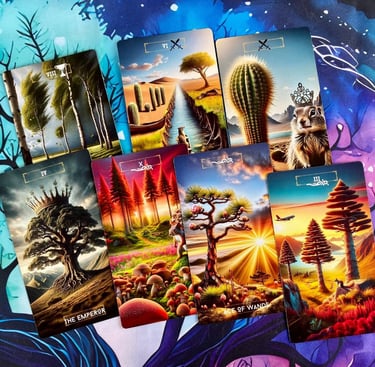
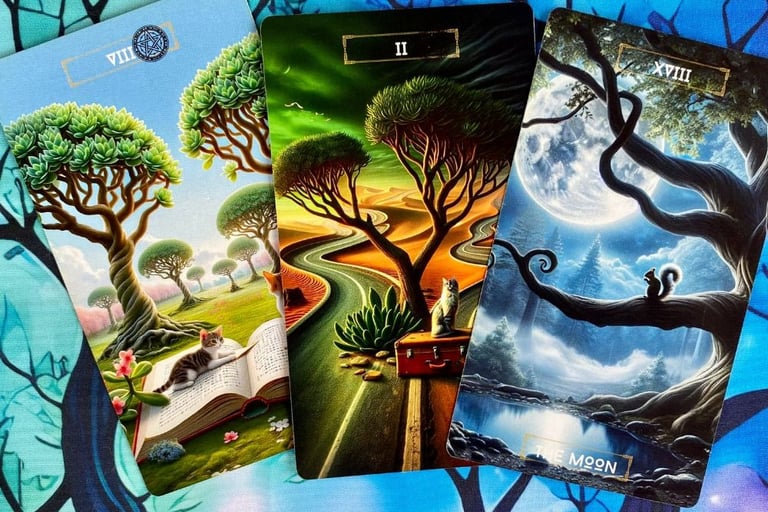
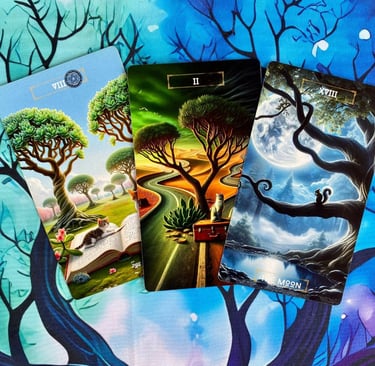
While these articles are inspired by traditional Rider-Waite symbolism, they also reflect our Spiritual Forest Tarot imagery, showing how timeless tarot archetypes can be expressed through nature, animals, and the changing seasons.
👉 Explore the complete Tarot Through the Wheel of Life collection
Not sure where to start? Here are a few reader favorites:
👉 If the Strawberry Moon Were a Tarot Card: The Empress Meaning
👉 If Self-Love Were a Tarot Card: Strength Meaning
👉 If Shadow Work Were a Tarot Card: The Moon Meaning
👉 If Money Blocks Were a Tarot Card: Five of Pentacles Meaning
✧ 🌙 ✧ 🌙 ✧
✨ More than meanings
“I didn’t fully understand tarot by memorizing meanings.
It started making sense when I connected the cards to real moments, real feelings, real experiences.
That’s when tarot stopped being something I was trying to learn — and became something I could actually understand.”
— Caitlin
✧ 🌙 ✧ 🌙 ✧
⏳ Tarot as a Daily Practice
Many people discover that tarot becomes even more meaningful when it becomes part of their daily routine.
Even drawing a single card each day can strengthen your intuition, deepen your understanding of the cards, and encourage regular self-reflection.
If you'd like to build a consistent tarot practice, explore:
👉 Daily Tarot Guidance: How to Read Tarot Cards for Daily Insight & Self-Reflection
✧ 🌙 ✧ 🌙 ✧
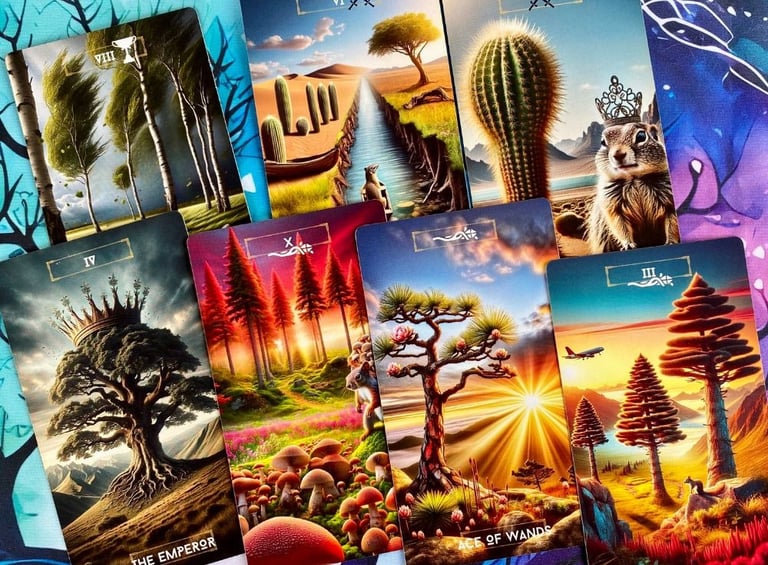
🔮 When You'd Rather Receive Guidance
Not everyone feels called to read tarot for themselves, and that's perfectly okay.
Receiving a tarot reading from an experienced reader can offer fresh perspectives, reassurance, and guidance when you're facing an important question or life decision.
If you'd like to learn what to expect from a professional reading, explore:
👉 Tarot Readings Guide: What to Expect, How They Work & How to Get Clarity
📜 A Gentle Resource for Your Journey
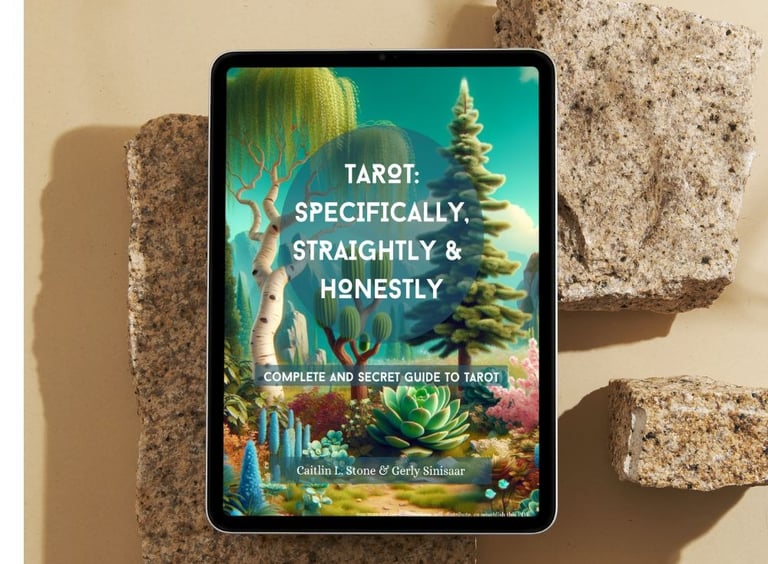
If you'd like extra guidance as you continue learning, our Tarot eBook: Complete & Secret Guide to Tarot brings everything together in one practical, beginner-friendly resource.
Rather than simply listing card meanings, it teaches you a clear 5-step reading system that helps you understand how the cards connect, interpret them with confidence, and turn individual meanings into a complete reading.
Whether you're learning your first cards or looking for more structure in your practice, it's a guide you can return to whenever you need clarity, inspiration, or support.
👉 Tarot eBook: Complete and Secret Guide to Tarot
🍃 Soul Sisters Insight
Learning tarot isn't about memorizing hundreds of meanings. It's about understanding how the cards work together to tell a story. That's why we created our Tarot eBook around a practical reading method you can use again and again, instead of a long list of definitions.
✧ 🌙 ✧ 🌙 ✧
Tarot eBook: Complete and Secret Guide to Tarot
🃏 Tarot as a Journey of Self-Discovery
Learning to read tarot is only the beginning.
Over time, many people discover that tarot becomes more than a tool for finding answers. It becomes a companion for self-reflection, personal growth, and understanding the patterns that shape their lives.
If you feel called to explore tarot beyond card meanings and readings, The Fool's Journey offers a guided path through the Major Arcana as a journey of self-awareness and inner transformation.
👉 The Fool’s Journey
💬 A Journey Through One Reader's Eyes
“It was a very valuable and eye-opening experience. It gave me the chance to pause, look honestly within, and notice patterns and ways of thinking that often go unnoticed in everyday life. The journey helped me create more clarity, confidence, and trust in myself. The whole process felt supportive, safe, and human and gave space both for reflection and deeper realizations. Like any meaningful inner journey, there were ups and downs. Even though the end of the journey brings a bit of sadness, it also leaves behind a lot of gratitude and new perspectives. I would recommend The Fool’s Journey to anyone who wants to understand themselves better, make peace with their past, and move forward in life more consciously.”
— Andra
✧ 🌙 ✧ 🌙 ✧
🌙 A Gentle Reminder
Learning tarot is not about becoming perfect.
It's about becoming more aware.
Every card you draw, every question you ask, and every moment you spend reflecting helps you understand not only the cards, but also yourself.
There is no right pace.
Only your pace.
Wherever your tarot journey leads next, we're grateful to be part of it.
With love,
Caitlin & Gerly,
Soul Sisters Tarot
If you're ready to continue your journey, explore Soul Sisters Creation, where you'll find tarot guides, readings, rituals, journals, and spiritual tools designed to support every stage of your path.
👉 Soul Sisters Creation,
If you'd like to explore everything Soul Sisters Tarot has to offer, visit our complete Tarot Guidance hub. It brings together our beginner guides, tarot readings, daily reflections, and self-discovery resources in one place.
👉 Tarot Guidance: Find Clarity, Self-Discovery & Your Tarot Path
✧ 🌙 ✧ 🌙 ✧
Frequently Asked Questions About How to Read Tarot Cards
✨ You may also have questions
If you're beginning your tarot journey, these are some of the most common questions readers ask when learning how to read tarot cards.
How do you start reading tarot cards as a beginner?
Most beginners start by learning a few tarot card meanings, using simple spreads, and practicing regularly. You don’t need to understand everything at once. The best way to learn tarot is to combine study with practice. Every reading helps you recognize patterns, strengthen your interpretation, and build confidence naturally.
Do you need to memorize all tarot card meanings?
No, you don’t need to memorize every tarot card meaning. While traditional meanings are helpful, tarot also relies on intuition and context. Many readers develop their own understanding over time by observing patterns, symbols, and personal connections with the cards. Many experienced readers rely less on memorization over time and more on symbolism, context, and the relationship between the cards in a spread.
Can you teach yourself how to read tarot cards?
Yes, many people learn tarot on their own through practice, study, and reflection. With the help of guides, spreads, and consistent use, you can build a strong understanding of tarot without formal training or courses. Many professional tarot readers are self-taught, developing their skills through regular practice, reflection, and continued learning.
How long does it take to learn tarot reading?
Learning tarot reading depends on your pace and consistency. Some people feel comfortable within a few weeks, while others continue developing their skills over months or years. Most tarot readers continue learning throughout their lives, discovering new layers of meaning as their experience grows.
Is tarot hard to learn for beginners?
Tarot can feel overwhelming at first because of the number of cards and meanings. However, when approached step by step, it becomes much easier. Starting with simple spreads and focusing on one concept at a time makes the process manageable and enjoyable. Starting with one-card or three-card readings is often the easiest way to build confidence without becoming overwhelmed.
Can you read tarot cards for yourself?
Yes, you can read tarot cards for yourself. Many people use tarot as a tool for self-reflection and personal growth. While it may feel challenging at first, regular practice helps you develop clarity, trust, and a deeper connection with your intuition. Many people begin by reading for themselves before feeling comfortable reading for others.
How do you know if your tarot reading is accurate?
A helpful tarot reading provides clarity, perspective, and meaningful insight that genuinely connects with your situation. Accuracy is not about predicting fixed outcomes, but about helping you understand your current path, patterns, and possible directions more clearly.
What is the best tarot spread for beginners?
Simple tarot spreads, such as one-card or three-card layouts, are best for beginners. They allow you to focus on interpretation without feeling overwhelmed. As your confidence grows, you can explore more complex spreads and create your own layouts. One-card readings are excellent for daily guidance, while three-card spreads help beginners understand how cards interact with one another.
Do you need intuition to read tarot cards?
You don’t need strong intuition to begin reading tarot. Understanding card meanings is enough to start. As your confidence grows, intuition often develops alongside your knowledge rather than replacing it.
What should you not do when learning tarot?
When learning tarot, avoid trying to memorize every meaning at once, comparing yourself to experienced readers, or expecting every reading to feel perfect. Tarot is a process of exploration. Giving yourself time, staying curious, and practicing regularly will help you learn more effectively.
Can you read tarot cards without psychic abilities?
Yes. You don't need psychic abilities to read tarot cards. Most beginners learn by understanding traditional card meanings, recognizing patterns, and practicing regularly. Many tarot readers view tarot as a tool for reflection, guidance, and self-awareness rather than relying on psychic gifts alone.
How often should you practice tarot?
There is no perfect schedule for learning tarot. Even practicing with one card a day can help you build confidence, improve your understanding of the cards, and develop a stronger connection with your personal reading style over time.
Should you use guidebooks when learning tarot?
Absolutely. Guidebooks are one of the best learning tools for beginners. They help you understand traditional meanings while giving you the confidence to develop your own interpretations through practice and experience.
Soul Sisters Tarot
A Soft Place to Grow.
💌 SOUL SISTERS WEEKLY
A thoughtful Sunday letter with tarot reflections, moon wisdom, self-love, and gentle encouragement.
© 2026. All rights reserved.
Inspirational Coaching OÜ
sisters@soulsisterstarot.com