💌 JOIN SOUL SISTERS WEEKLY → GET FREE WELCOME GIFTS 🎁
Receive a thoughtful Sunday letter, free Self-Love & Shadow Work guides, and monthly Full Moon rituals ✨



Tarot Spreads for Anxiety: The Hidden Messages Behind Your Overthinking
Overthinking everything? These beginner-friendly tarot spreads for anxiety help you understand your thoughts, find emotional clarity, and break free from mental overwhelm.
TAROT & SPIRITUAL INSIGHT
Soul Sisters Tarot
4/4/202621 min read


Tarot Spreads for Anxiety: Find Clarity, Calm & Emotional Balance with Tarot
This guide is part of our Tarot Spreads for Beginners, where we explore how different layouts can help you grow your tarot practice step by step.
Anxiety rarely begins with the loudest thought in your mind. More often, it begins with the quiet fear underneath it. You replay conversations. Imagine worst-case scenarios. Question your decisions. Your mind keeps searching for certainty, yet the more you think, the more overwhelmed you become.
Tarot can't stop anxious thoughts overnight, but it can help you understand what they're trying to protect, reveal what's fueling your overthinking, and gently bring your attention back to the present moment.
This is where tarot becomes more than a card reading. It becomes a mirror that reflects what your anxious mind may be struggling to express. Tarot doesn't calm anxiety by giving perfect answers. It calms anxiety by helping you pause, observe your thoughts, and respond with greater awareness instead of fear.
Overthinking often isn't caused by a lack of answers. It's caused by a nervous system searching for safety. Tarot helps shift your attention from solving every possibility to understanding your present experience.
Many people come to tarot looking for answers. But when anxiety is involved, the greatest gift tarot often offers isn't certainty. It's perspective. Instead of feeding your fear with more possibilities, tarot encourages you to slow down, notice your emotions, and separate what is happening from what your mind is imagining. Over time, you begin to trust yourself instead of every anxious thought that appears.
If you're just beginning your tarot journey, our How to Read Tarot Cards (Beginner Guide) will help you understand the cards with confidence, so your readings feel calming and supportive rather than overwhelming.
🦉 If you feel drawn to understand tarot more deeply and create a calmer, more confident practice, our Tarot eBook: A Complete and Secret Guide to Tarot offers a gentle and structured way to learn at your own pace.
In this guide, you'll discover tarot spreads for anxiety that help you calm racing thoughts, separate fear from intuition, recognize common anxiety-related tarot cards, and create a tarot practice that supports emotional balance instead of adding more overwhelm.
Can tarot help with anxiety?
Yes, tarot can be a helpful self-reflection tool for anxiety. While it isn't a replacement for professional mental health support, many people use tarot to slow racing thoughts, identify emotional patterns, separate fear from intuition, and reconnect with the present moment. Instead of predicting the future, tarot encourages greater self-awareness and emotional clarity.
🌿 Why Use Tarot for Anxiety and Overthinking?
Anxiety often convinces you that if you think about something long enough, you'll eventually find certainty. In reality, the opposite usually happens. The more your mind searches for every possible outcome, the more overwhelming everything can feel.
“What if this happens?”
“What if I made the wrong decision?”
“What if I can’t handle it?”
Your mind tries to solve everything at once. But instead of clarity, it creates more noise.
This is where tarot can help. Instead of encouraging you to chase every possible outcome, tarot gently narrows your focus. One card. One question. One message at a time. That simple shift can interrupt the cycle of overthinking and make space for calmer, clearer reflection.
Using tarot for overthinking can help you:
slow racing thoughts by focusing on one question at a time
separate anxious fears from intuitive guidance
recognize the emotions beneath your worries
gain perspective without feeding mental overwhelm
reconnect with the present moment through mindful reflection
Over time, you may notice that your thoughts feel less overwhelming. Not because every problem has disappeared, but because you've stopped asking your mind to solve everything at once. Tarot reminds you that clarity often comes one insight at a time.
🍃 Soul Sisters Insight: Tarot Doesn't Feed Overthinking
When we're anxious, it's tempting to ask the same question repeatedly, hoping for a different answer. But more answers rarely quiet an anxious mind. Tarot is most supportive when it helps you pause instead of spiral. Rather than encouraging endless questioning, it invites you to sit with one message, one feeling, or one insight at a time. That's often where clarity begins.
🍃 Soul Sisters Notes
“I remember a time when my anxiety made every small decision feel overwhelming. I pulled a card, hoping it would tell me exactly what to do. Instead, it reflected how tense and disconnected I felt. That’s when I realized tarot wasn’t trying to control my choices; it was helping me understand my state.” – Caitlin
Why Tarot Can Feel Grounding During Anxiety
When you're anxious, your attention is often pulled toward imagined futures and unanswered questions. Tarot gently redirects that attention to what you're feeling in the present moment. By slowing down and reflecting on a single card or question, many people find it easier to interrupt cycles of overthinking and respond with greater awareness instead of fear.
🦉 Tarot eBook: Complete & Secret Guide to Tarot
Learn to Read Tarot With Confidence
When anxiety is high, it's easy to second-guess every card you pull. If you've ever wondered, "Am I interpreting this correctly?", you're not alone.
Our Complete & Secret Guide to Tarot eBook helps you understand tarot in a calm, practical, and beginner-friendly way, so your readings become a source of clarity instead of confusion. Learn the symbolism behind every card, trust your intuition, and build confidence one reading at a time.


🌙 How to Prepare for a Tarot Reading When You Feel Anxious
Should You Read Tarot When You're Feeling Anxious?
Yes, but it's important to approach the reading with curiosity rather than urgency. Instead of asking tarot to remove your anxiety or predict the future, use it to understand your emotions, recognize your fears, and reconnect with the present moment. A calm, reflective mindset often leads to clearer and more meaningful insights.
When you feel anxious, your mind is often moving much faster than your body. Thoughts race ahead, searching for answers or certainty. Before you begin your reading, give yourself permission to slow down. Instead of trying to "do tarot correctly," focus on creating a small moment of calm and presence.
You might:
take a few slow, steady breaths to settle your mind
hold your tarot deck and notice how your body feels
name your emotions without trying to change or judge them
remind yourself that this reading is about understanding, not perfection
🍃 Soul Sisters Insight: Your State of Mind Shapes Your Reading
Tarot reflects the energy and perspective you bring into the reading. When anxiety is high, it's easy to interpret every card through the lens of fear or worst-case scenarios. Taking a few quiet moments to breathe, slow down, and set a gentle intention doesn't change the cards themselves, but it can change how clearly you're able to hear their message.
You can say something simple like: “I want to understand what I’m feeling right now,” or "Help me see this situation with greater clarity and compassion."
That’s enough.
🦉 If you feel drawn to understand tarot more deeply and create a calmer, more confident practice, our Tarot eBook: A Complete and Secret Guide to Tarot offers a gentle and structured way to learn at your own pace.
Let Go of Getting It “Right”
One of the biggest challenges when reading tarot during anxious moments is believing there must be one perfect interpretation. The more pressure you place on finding the "right" answer, the harder it becomes to hear the message the cards are actually offering.
You may feel like:
You need to interpret everything perfectly
You’re missing something important
You’re doing it wrong
This is very common.
If this resonates, you may find it helpful to explore Common Tarot Mistakes Beginners Make (and How to Avoid Them), especially around overthinking and self-doubt.
Instead of searching for the “correct” meaning, gently notice:
What stands out to me?
What feels true, even if I can’t explain why?
What emotion does this card bring up in me?
If you're learning to distinguish intuitive guidance from anxious thinking, our guide to Intuitive Tarot Reading: How to Trust Your Interpretation can help you build confidence without second-guessing every card.
💭 Tarot Spreads for Anxiety (Simple Layouts to Calm the Mind)
Anxiety doesn't look the same for everyone. Sometimes it feels like racing thoughts. Sometimes it's constant worry, emotional overwhelm, or the fear of making the wrong decision. That's why different tarot spreads support different emotional needs. Rather than working through every spread, choose the one that best reflects what you're experiencing today.
What Is the Best Tarot Spread for Anxiety?
The best tarot spread for anxiety depends on what you're experiencing. A one-card pull is ideal for daily grounding, while three- to five-card spreads can help you explore overthinking, emotional overwhelm, fear, or uncertainty in greater depth. The goal isn't to find more answers, but to better understand yourself.
1. The Grounding Spread (3 Cards)
Perfect when your thoughts feel scattered or overwhelming.
Layout:
What I’m feeling right now
What is actually true
What I need to focus on
This spread helps you pause before reacting. By separating what you're feeling from what is objectively true, it becomes easier to recognize when anxiety is amplifying a situation rather than describing it accurately.
2. Overthinking Clarity Spread (4 Cards)
Designed specifically for tarot for overthinking.
Layout:
What I keep thinking about
What is beneath this thought
What I’m not seeing clearly
A calming message
Overthinking often begins with a deeper fear that isn't immediately obvious. This spread helps you look beneath repetitive thoughts so you can understand what your mind is trying to protect, rather than getting caught in the loop itself.
🍃 Soul Sisters Notes
“I once pulled cards for a situation I couldn’t stop thinking about. I expected clarity about the outcome. Instead, every card pointed back to my fear of losing control. That was the moment I realized the anxiety wasn't really about the situation. It was about the fear underneath it. Once I understood that, I stopped looking for different answers and started asking better questions.” – Caitlin
3. Emotional Check-In Spread (5 Cards)
Helpful when anxiety feels emotional rather than mental.
Layout:
What I’m feeling
Why I feel this way
What I need right now
What would support me
A gentle message
Anxiety often disconnects us from our emotions by keeping us trapped in our thoughts. This spread gently shifts your attention back to what you're actually feeling, making it easier to respond with compassion instead of self-criticism.
🍃 Soul Sisters Notes
“Sometimes I would sit down for a reading and feel like I needed answers immediately. But when I slowed down and really looked at the cards, I noticed they weren’t rushing me. They were inviting me to feel what I had been avoiding. That shift from urgency to presence changed how I experienced anxiety.” – Caitlin
4. Release & Let Go Spread (4 Cards)
When anxiety is connected to control or fear of the future.
Layout:
What I’m holding onto
Why I’m holding onto it
What can I release
What happens if I let go
Letting go isn't about pretending everything is okay. It's about noticing what you've been carrying, asking whether it's still serving you, and giving yourself permission to release even a small part of that emotional weight. Go slowly. There is no pressure to act immediately.
5. Daily Calm Card (1 Card)
Sometimes, the simplest approach is the most powerful.
Ask:
“What do I need today to feel calmer?”
One card can be surprisingly powerful. Instead of searching for dozens of answers, allow a single message to guide your reflection for the day. Simplicity often brings the greatest clarity during anxious moments.
🍃 Soul Sisters Insight: More Cards Don't Always Bring More Clarity
When anxiety is high, it's natural to believe that pulling more cards will provide better answers. In reality, the opposite is often true. Adding more cards can create more possibilities to analyze, making it even easier for your mind to spiral. When you're feeling overwhelmed, choose a simple spread, trust the message you've received, and give yourself time to reflect before reaching for another reading.
When Should You Repeat a Tarot Spread?
If you're feeling anxious, resist the urge to repeat the same spread immediately because you didn't like the answer or hoped for more certainty. Instead, spend time journaling, reflecting, or simply sitting with the message. Return to the same spread only after you've had time to process your thoughts or when your situation has genuinely changed.
If you want to build a consistent daily practice, you can explore How to Interpret Your Daily Tarot Card (Without Overthinking), which helps you stay grounded in simple, clear insights.
🌳 If you feel drawn to connect with tarot in a more intuitive and natural way, our Spiritual Forest Tarot Deck was created to guide you gently through each message, especially when you need something clear and grounding.
🏆 A Personal Tip: Tarot Cards That Often Appear During Anxiety, Fear & Overthinking
What Tarot Cards Often Appear During Anxiety?
There isn't just one tarot card that represents anxiety. Anxiety can appear through different cards depending on what you're experiencing. The Nine of Swords is most closely associated with overthinking, racing thoughts, and sleepless nights, while the Eight of Swords reflects feeling trapped by fear or limiting beliefs. Cards like The Moon, Seven of Cups, and Ten of Wands may also appear when uncertainty, emotional overwhelm, or mental pressure are asking for your attention.
One of the most reassuring parts of reading tarot during anxious periods is realizing that your experience has a language. Certain cards appear again and again when we're overwhelmed, caught in mental loops, or carrying fears we haven't fully acknowledged. Recognizing these patterns can help you respond with curiosity instead of fear.
These cards are not negative. They are honest. They reflect what is happening beneath the surface, often before you fully recognize it yourself. Learning to understand these cards can help you feel less alone in what you’re experiencing.
If you’re curious how these patterns show up beyond theory, you may enjoy seeing how tarot card meanings show up in real life, where everyday experiences bring deeper understanding to the cards.
Cards That Reflect Anxiety & Overthinking
These cards often appear when your mind is working overtime, searching for certainty, replaying possibilities, or becoming caught in repetitive thought patterns.
You might recognize this energy in:
Nine of Swords — racing thoughts, worry, sleeplessness
Eight of Swords — feeling trapped, overthinking, limiting beliefs
Seven of Cups — confusion, too many possibilities, mental overwhelm
These cards don’t mean something bad is about to happen. They often show that your mind is trying to process too much at once.
🍃 Soul Sisters Notes
“I remember pulling the Nine of Swords and immediately assuming something terrible was coming. But nothing happened externally. What I realized later was that the card was showing my inner state, not predicting an event. It helped me see how intense my thoughts had become.” – Caitlin
Cards That Reflect Fear & Emotional Avoidance
These cards don't suggest that something bad will happen. Instead, they invite you to gently explore the fears, uncertainties, or emotional truths that may be asking for your attention.
These can include:
The Moon — uncertainty, illusion, fear of the unknown
Five of Pentacles — feeling alone, unsupported, emotional lack
Seven of Swords — avoidance, hiding from truth, internal conflict
These cards often appear when something within you is asking to be acknowledged. Not feared. Not pushed away. Just seen.
Cards That Reflect Emotional Heaviness & Low Energy
Anxiety isn't always loud. Sometimes it leaves us emotionally drained, disconnected, or carrying more than we realize. These cards often reflect that quieter kind of exhaustion.
You may notice:
Four of Cups — disconnection, apathy, emotional withdrawal
Five of Cups — sadness, focusing on loss
Ten of Wands — overwhelm, carrying too much
These cards don’t define you. They describe a moment. And moments can change.
Cards That Gently Guide You Back to Calm
Difficult cards rarely appear without guidance. Tarot often balances moments of challenge with cards that remind you of your resilience, emotional support, and capacity to heal.
You might see:
The Star — hope, healing, gentle renewal
Temperance — balance, emotional regulation
Queen of Cups — compassion, emotional support
Six of Swords — moving toward calmer waters
These cards don’t erase anxiety. But they remind you that calm is still available to you.
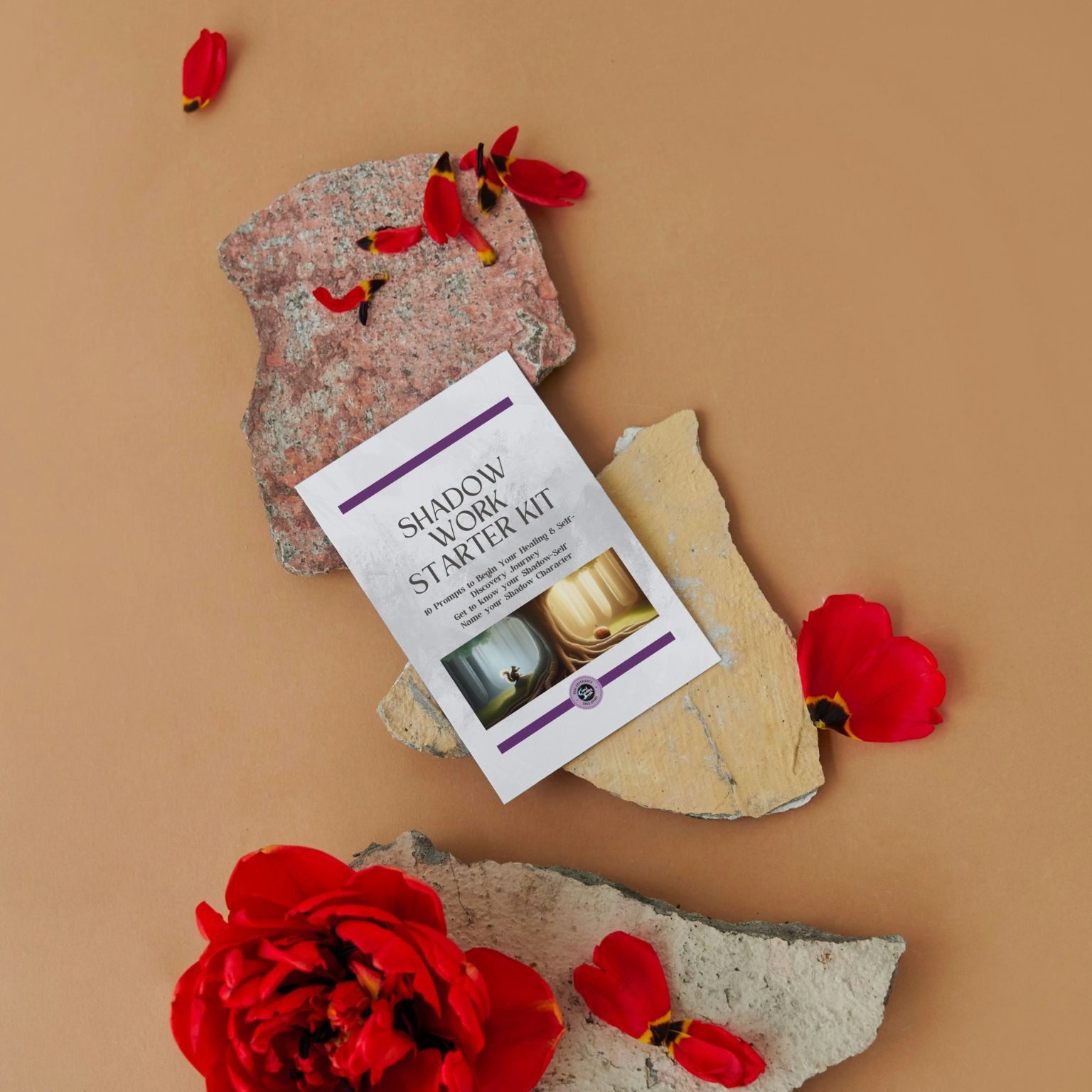
🌷 Free Shadow Work Starter Kit
Have you noticed the same difficult emotions or tarot cards appearing again and again?
Recurring cards often invite us to gently explore the beliefs, fears, or emotional patterns beneath the surface. Our Free Shadow Work Starter Kit offers simple prompts and beginner-friendly guidance to help you begin that journey with compassion, curiosity, and self-awareness.
✨ A gentle first step if you're ready to understand yourself on a deeper level.
🍃 Soul Sisters Notes
“I used to feel discouraged when difficult cards kept appearing. It felt like confirmation that something was wrong. But over time, I began to see them differently. They weren’t there to scare me; they were there to help me notice what I hadn’t been willing to feel.” – Caitlin
🍃 Soul Sisters Insight: Difficult Cards Are Invitations, Not Warnings
Many people become anxious when cards like the Nine of Swords or The Moon appear in a reading. But these cards aren't predicting that something bad will happen. More often, they're reflecting your inner experience and inviting you to explore it with compassion. Some of the most transformative tarot readings begin with the cards we initially fear the most, because they help us understand what we've been carrying beneath the surface.
How to Work With These Cards Without Fear
When difficult cards appear, your first instinct may be to worry that they're predicting the future. Instead, try seeing them as invitations to pause and reflect. Ask yourself what part of your current experience they might be describing rather than what they might be predicting.
Instead, you can gently ask:
What part of me feels like this right now?
Is this thought true, or just loud?
What would help me feel a little more supported?
What would I say to a friend who felt this way?
Tarot isn't showing you a fixed future. It's helping you understand your present experience. And when you understand what's happening beneath the surface, it becomes much easier to respond with compassion instead of fear.
🕊️ Can You Use Tarot for Anxiety as a Beginner?
Yes, absolutely. In fact, many people begin using tarot during moments of stress or emotional overwhelm. You don’t need to be experienced. You don’t need to be “good” at tarot.
You just need to be honest with yourself.
If you’re unsure where to start, you may find reassurance in Can You Read Tarot for Yourself? A Beginner’s Honest Guide, which gently explores common doubts.
And if you ever feel stuck on meanings, you can return to How to Understand Tarot Card Meanings Without Memorizing Them.
Over time, you'll likely discover that tarot isn't about knowing every answer. It's about learning to notice your thoughts, emotions, and inner wisdom with greater honesty and compassion.
🍃 Soul Sisters Insight: You Don't Need to Know Every Card
One of the biggest myths about tarot is that you need to memorize all 78 card meanings before you can trust your readings. In reality, many beginners receive meaningful insights because they're paying attention to their thoughts, emotions, and intuition rather than trying to remember the "correct" interpretation. Tarot is a practice of observation, not perfection.
🌊 How Tarot Helps You Regulate Emotions (Not Just Find Answers)
Can Tarot Help Regulate Your Emotions?
Tarot can't change your emotions, but it can help you understand them. By slowing your thinking, encouraging mindful reflection, and creating space between you and your thoughts, tarot can support emotional awareness and help you respond more intentionally instead of reacting automatically.
Tarot is often seen as a tool for answers. But when it comes to anxiety, its deeper value is emotional regulation.
It helps you:
Slow racing thoughts by focusing on one question at a time
Identify emotions that may be difficult to name
Shift from fear-based thinking to curious reflection
Reconnect with your body through mindful presence
Create space between your thoughts and your response
This is not about eliminating anxiety. It’s about changing your relationship with it.
🍃 Soul Sisters Notes
“I used to think tarot would give me the answer that would make the anxiety disappear. But what actually helped was something quieter. It helped me sit with the feeling without panicking. And that changed everything.” – Caitlin
🍃 Soul Sisters Insight: Clarity Creates Calm
Many people believe anxiety disappears once they find the "right" answer. But lasting calm rarely comes from certainty alone. More often, it comes from understanding what you're feeling and why. Tarot doesn't remove uncertainty from life, but it can reduce the confusion that uncertainty creates by helping you see your inner experience more clearly.
🔮 If this resonates with your current situation, you may wish to explore the tools and guidance available through Sisters Creation, where each offering is designed to support clarity, intuition, and emotional balance in a grounded way.
🌸 Building a Gentle Tarot Practice That Supports Your Nervous System
When working with anxiety, consistency matters more than intensity. You don’t need long, complex readings. You need something that feels safe and repeatable.
🍃 Soul Sisters Insight: Small Rituals Create Lasting Change
Healing doesn't always happen through dramatic breakthroughs. More often, it grows from small, consistent moments of care. A single card, a few quiet breaths, or a short journal entry repeated over time can become an anchor during stressful periods. Gentle routines are often the ones we can return to when we need them most.
You might:
pull one card in the morning
journal your thoughts
revisit the same spread weekly
notice patterns over time
Your tarot practice should feel like support, not pressure.
🍃 Soul Sisters Notes
“I used to think I needed to do long, detailed readings to feel better. But the days that helped me most were the simplest ones: one card, one quiet moment, one honest question. That’s when tarot stopped feeling like something to figure out and started feeling like something to return to.” – Caitlin
🌿 Explore More Tarot Spreads
Every tarot spread offers a different way to explore your question. Some layouts help you gain quick clarity, while others invite deeper reflection on relationships, emotions, life decisions, or personal growth. As you continue learning tarot, experimenting with different spreads can help you discover which layouts feel most supportive for different situations.
🌙 Three-Card Tarot Spread
Sometimes the simplest readings are the most powerful. The Three-Card Tarot Spread is perfect for daily guidance, quick decisions, and building confidence without feeling overwhelmed.
→ Explore our Three-Card Tarot Spread guide and discover how just three cards can reveal meaningful insight.
✨ Celtic Cross Tarot Spread
Ready to explore a situation in greater depth? The Celtic Cross Tarot Spread helps you uncover hidden influences, understand different perspectives, and see how the pieces of your story fit together.
→ Learn how to read the Celtic Cross Tarot Spread and confidently interpret this classic 10-card layout.
🌸 Tarot Spread for Self-Love
Reconnect with yourself through a tarot spread designed to encourage self-compassion, healing, confidence, and personal growth.
→ Explore our Self-Love Tarot Spread and discover what your heart truly needs right now.
🧭 Tarot Spread for Life Direction
Feeling uncertain about your next chapter? This spread helps you explore opportunities, recognize what's holding you back, and reconnect with your sense of purpose.
→ Explore our Tarot Spread for Life Direction and gain clarity about where your path is leading.
❤️ Tarot Spread for Relationship Problems
Relationships can be complex, but tarot can help you understand emotional dynamics, communication, and the lessons your connection may be offering.
→ Read our Tarot Spread for Relationship Problems and uncover compassionate guidance for your relationship.
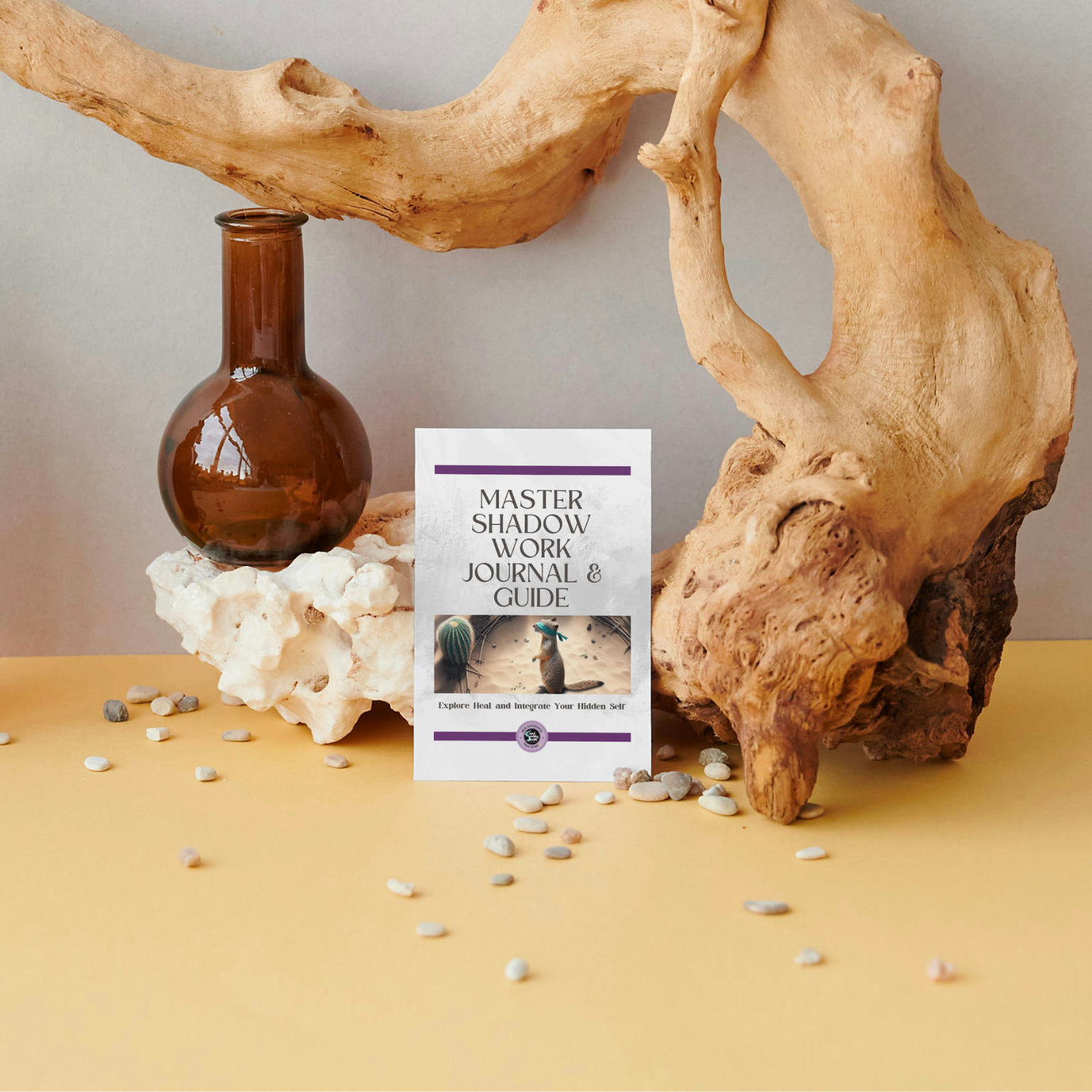
🤍 Master Shadow Work Journal & Guide
Tarot reveals insights, but lasting growth comes from returning to those insights again and again.
The Master Shadow Work Journal & Guide helps you reflect on recurring thoughts, emotional patterns, limiting beliefs, and the lessons your tarot readings continue to reveal. It's designed to help you move beyond overthinking and build a deeper relationship with yourself over time.
✨ Ideal if you're ready to turn your tarot readings into meaningful personal growth.
🧘 Gentle Reflection Prompts After Your Reading
Your reading doesn't end when you put the cards away. Taking a few moments to reflect helps transform insight into understanding. Rather than searching for more answers, allow yourself to sit quietly with what the cards have already revealed.
You might ask:
What am I actually feeling right now?
What part of this message feels true?
What do I need, not what should I do?
What can I let go of today?
Where in my life could I offer myself a little more compassion today?
You don’t need to solve everything. You just need to soften.
🌟 A Gentle Closing Reflection
Anxiety doesn’t mean something is wrong with you. It often means something inside you is asking for attention.
Tarot can help you listen. Not to fix everything. Not to control the future. But to understand yourself more deeply.
Sometimes healing doesn't begin with having all the answers. Sometimes it begins with creating enough space to hear yourself again. If today's reading helped you slow down, even for a few moments, you've already taken an important step.
You can also deepen your understanding through Tarot for Beginners: How to Read Tarot Cards for Clarity, Healing, and Spiritual Insight, where the full tarot journey is explored in a calm and beginner-friendly way.
If you feel called to continue your journey, you can explore Tarot Guidance: Find Clarity, Self-Discovery & Your Tarot Path, where you’ll find supportive tools, readings, and guidance to help you move forward at your own pace.
You don't have to interpret every card perfectly for tarot to be meaningful. The value of a reading isn't measured by whether you "got it right," but by whether it helped you understand yourself a little more honestly. Every reading is part of an ongoing conversation with yourself, and every conversation deepens your awareness.
With love,
Caitlin & Gerly,
Soul Sisters Tarot
🦉 Tarot eBook: Complete & Secret Guide to Tarot
If this article helped you see tarot as more than a tool for answers, imagine what becomes possible when you truly understand the language of the cards.
The Complete & Secret Guide to Tarot eBook takes you beyond memorizing meanings. You'll learn how to read with confidence, trust your intuition, interpret spreads naturally, and build a tarot practice that supports clarity, healing, and self-discovery.
✨ Your next step toward reading tarot with greater confidence and insight.
🧩 Frequently Asked Questions About Tarot for Anxiety
What is tarot for anxiety, and how does it work?
Tarot for anxiety is a self-reflection practice that uses symbolic cards to help you better understand your thoughts, emotions, and reactions. Rather than predicting what will happen next, tarot encourages you to slow down and explore what you're experiencing in the present moment. By focusing on one question or message at a time, it can interrupt cycles of overthinking, increase emotional awareness, and help you respond with greater clarity instead of fear.
Can tarot really help with anxiety and overthinking?
Tarot can't make anxiety disappear, but it can help you relate to anxious thoughts differently. Instead of becoming caught in repetitive mental loops, a reading encourages you to pause, reflect, and consider your situation from a new perspective. Many people find that this shift from reacting automatically to responding thoughtfully helps them feel calmer, more grounded, and better able to understand what their anxiety is trying to communicate.
What are the best tarot spreads for anxiety?
The best tarot spreads for anxiety are usually the simplest ones. A one-card pull can offer daily grounding, while a three-card spread may help you explore your emotions, identify what's fueling your anxiety, and discover a supportive next step. More complex spreads aren't necessarily more helpful. When you're feeling overwhelmed, focusing on one clear message often creates more clarity than pulling many cards.
Can beginners use tarot for anxiety and emotional support?
Absolutely. You don't need years of tarot experience or a deep understanding of all 78 cards to benefit from a reflective reading. Beginners often discover that paying attention to their emotions, intuition, and personal reactions is more valuable than memorizing traditional meanings. Tarot becomes more meaningful through regular practice and honest self-reflection than through perfect interpretation.
How often should I use tarot when I feel anxious?
There isn't a perfect schedule because everyone's needs are different. Some people enjoy pulling one card each morning as part of their self-care routine, while others reach for tarot during particularly stressful moments. The most important thing is to use tarot intentionally rather than repeatedly seeking reassurance. If you notice yourself asking the same question over and over, it may be more helpful to pause, journal, or reflect before doing another reading.
What if tarot makes my anxiety worse?
If a reading leaves you feeling more anxious, take a step back rather than pulling additional cards. Simplify your practice by choosing a single card and asking gentle, supportive questions instead of trying to predict the future. It can also help to focus on how the card reflects your current emotional experience rather than what you fear might happen next. Tarot should leave you feeling more aware and supported, not more overwhelmed.
What questions should I ask tarot when I feel anxious?
Questions that encourage reflection usually lead to the most helpful readings. Instead of asking, "Will everything be okay?" try asking:
What am I feeling beneath the surface?
What is my anxiety trying to protect me from?
What do I need most right now?
What small step would help me feel more grounded today?
What truth am I overlooking because of fear?
These kinds of questions shift your attention away from prediction and toward self-understanding.
Is tarot for anxiety about predicting the future?
No. Tarot for anxiety works best when it's used as a tool for self-awareness rather than prediction. While some people use tarot to explore future possibilities, anxiety-focused readings are most supportive when they help you understand your emotions, thought patterns, and current challenges. This approach encourages clarity and mindfulness instead of feeding uncertainty or fear.
Can tarot replace therapy or professional support?
No. Tarot is a complementary self-reflection practice, not a replacement for therapy, counseling, or medical care. Many people find that tarot supports emotional awareness, journaling, mindfulness, and personal growth alongside professional support. If anxiety is persistent, significantly affects your daily life, or feels difficult to manage on your own, reaching out to a qualified mental health professional is an important step.
Can I use tarot every day for anxiety?
Yes, as long as your tarot practice feels supportive rather than stressful. Many people enjoy pulling one card each day to check in with their emotions, set an intention, or reflect on what they need. Daily tarot works best when it's approached with curiosity instead of dependence. The goal isn't to seek constant reassurance, but to build greater self-awareness over time.
🃏 💭 If Overthinking Were a Tarot Card, Which Card Would It Be?
If overthinking were a tarot card, it would most closely resemble the Nine of Swords. Often called the card of racing thoughts, sleepless nights, worry, and mental overwhelm, the Nine of Swords captures what happens when the mind becomes trapped in cycles of "what if" thinking. Rather than predicting something bad will happen, it reflects the emotional weight we create when fears, doubts, and imagined outcomes begin to feel more real than the present moment.
Both overthinking and the Nine of Swords remind us how easily our thoughts can spiral when we're searching for certainty. Instead of encouraging us to find more answers, this card invites us to slow down, acknowledge our fears with compassion, and reconnect with what is actually true. It teaches that clarity often comes not from thinking more, but from thinking differently.
While different tarot readers may associate overthinking with other cards, the Nine of Swords remains the strongest symbolic match because it embodies the restless mind, emotional exhaustion, self-doubt, and inner pressure that define the experience of overthinking.
👉 Read: If Overthinking Were a Tarot Card, It Would Be the Nine of Swords (coming soon)
🃏 💭 Could Overthinking Be Represented by More Than One Tarot Card?
While the Nine of Swords is the tarot card most closely associated with overthinking, other cards can represent different mental and emotional patterns that often accompany it.
Eight of Swords, for feeling trapped by limiting beliefs or believing there is no way forward.
The Moon, for uncertainty, confusion, hidden fears, and struggling to distinguish intuition from imagination.
Seven of Cups, for mental overwhelm, indecision, and becoming lost in too many possibilities.
Ten of Wands, for carrying excessive mental and emotional burdens that make clear thinking more difficult.
Each of these cards reflects a different aspect of overthinking, but the Nine of Swords remains the strongest symbolic match because it captures the sleepless nights, racing thoughts, worry, and relentless mental loops that define the overthinking experience. Rather than symbolizing failure or inevitable hardship, it encourages awareness, self-compassion, and the courage to step outside the stories our minds create.
Soul Sisters Tarot
A Soft Place to Grow.
💌 SOUL SISTERS WEEKLY
A thoughtful Sunday letter with tarot reflections, moon wisdom, self-love, and gentle encouragement.
© 2026. All rights reserved.
Inspirational Coaching OÜ
sisters@soulsisterstarot.com