💌 JOIN SOUL SISTERS WEEKLY → GET FREE WELCOME GIFTS 🎁
Receive a thoughtful Sunday letter, free Self-Love & Shadow Work guides, and monthly Full Moon rituals ✨



Can You Read Tarot for Yourself? Stop Second-Guessing
Can you read tarot for yourself if you keep second-guessing every card? Discover why self-readings feel confusing, what builds lasting confidence, and how to trust your interpretations.
TAROT & SPIRITUAL INSIGHT
Soul Sisters Tarot
4/4/202620 min read

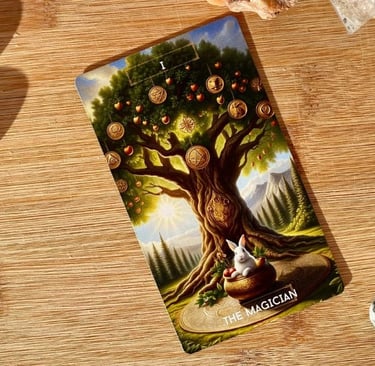
Can You Read Tarot for Yourself? Beginner's Guide to Reading Tarot for Yourself
This guide is part of our Tarot learning journey, where we explore how to build confidence and understanding step by step.
Have you ever pulled a tarot card for yourself, looked at it for several minutes, then wondered if you were interpreting it correctly or simply seeing what you wanted to see? If so, you're not alone. One of the most common questions beginners ask is, can you read tarot for yourself, or do you need someone else to interpret the cards objectively?
The answer is yes, you absolutely can. But there's also a reason self-readings often feel less clear than readings you receive from someone else. Understanding why that happens is the first step toward reading with more confidence. Most beginners aren't afraid of reading tarot. They're afraid of getting it wrong.
Can You Read Tarot for Yourself?
Yes, you can read tarot for yourself. Many experienced tarot readers regularly do their own readings for reflection and personal growth. While self-readings can feel more challenging because emotions and expectations influence interpretation, practicing with curiosity, simple spreads, and thoughtful reflection helps build confidence over time.
If you are just beginning, you may also enjoy our complete foundation guide on Tarot for Beginners, which gently walks you through the bigger picture of tarot.
In this guide, you'll discover why reading tarot for yourself sometimes feels confusing, the most common mistakes that create uncertainty, and practical ways to build trust in your own interpretations without relying on guesswork.
🍃 Soul Sisters Insight
One of the biggest myths about tarot is that someone else will always read the cards more accurately than you can. While an outside perspective can sometimes be valuable, no one understands your experiences, emotions, and personal journey better than you do. Learning to read tarot for yourself isn't about becoming perfectly objective. It's about becoming more honest, observant, and open to what the cards are reflecting.
Before exploring why self-readings sometimes feel unclear, let's answer the question that brings so many people here.
🦉 Tarot eBook: Complete & Secret Guide to Tarot
Still wondering if you're reading the cards correctly?
Most beginners don't struggle because tarot is too difficult. They struggle because they don't yet know what to trust.
Our Tarot eBook: A Complete and Secret Guide to Tarot teaches you how to understand tarot through symbolism, intuition, storytelling, and real-life examples, so you can stop second-guessing yourself and start reading with confidence.


Is It Okay to Read Tarot for Yourself?
Yes, it's completely okay to read tarot for yourself. Many experienced tarot readers regularly use tarot as a tool for self-reflection, personal growth, and decision-making. While reading for yourself can feel more challenging because you're emotionally involved, it also helps you develop intuition, self-awareness, and confidence over time.
🌿 Can You Read Tarot for Yourself? The Honest Answer
The short answer is yes. You can absolutely read tarot for yourself, and many experienced readers do so regularly. In fact, self-readings are one of the best ways to build a lasting relationship with your deck because they encourage you to slow down, reflect, and notice patterns in your own life. But there's an important difference between being able to read for yourself and finding it easy to read for yourself.
That's where many beginners become discouraged. The hardest part of reading tarot for yourself isn't interpreting the cards. It's learning to separate your fears from your intuition.
When you're reading for yourself, you already know the situation. You're carrying your hopes, worries, expectations, and emotions into the reading before you even shuffle the cards. That's completely natural. The challenge isn't that the cards become less accurate. The challenge is that it can be harder to separate what the cards are showing from what you want, fear, or expect them to say.
This can make interpretation feel blurred or uncertain. That does not mean you should avoid it. It simply means you need a slightly different approach.
Tarot isn't about predicting a fixed future or telling you exactly what will happen next. It's a tool for reflection that helps you explore different perspectives, recognize patterns, and better understand your thoughts, emotions, and choices. When you approach a self-reading with curiosity instead of certainty, the cards often become much easier to understand.
Why Self-Readings Feel Different
Reading tarot for someone else often feels easier because you're naturally more curious than emotionally invested. You're observing the cards without carrying the same fears, expectations, or internal dialogue that can appear during your own reading. When reading for yourself, your emotions become part of the conversation. That's not a weakness. It's simply something to be aware of as you interpret the cards.
🍃 Soul Sisters Insight: Clarity Doesn't Mean Complete Objectivity
Many beginners believe they need to become completely objective before they can trust a self-reading. In reality, no one is perfectly objective about their own life. The goal isn't to remove your emotions. It's to notice when they're influencing your interpretation so you can approach the cards with greater honesty and curiosity.
🍃 Soul Sisters Notes
“For a long time, I thought I couldn't read tarot for myself because every interpretation felt uncertain. Then I realized the uncertainty wasn't coming from the cards. It was coming from my fear of getting them wrong. Once I stopped chasing the 'perfect' answer, the messages became much clearer.” – Caitlin
If you often feel like you're second-guessing every card, it may not be because you're reading for yourself. It may simply be that you're still learning how to understand tarot cards in a way that feels natural instead of relying on memorized meanings.
Once you understand why self-readings feel different, you can begin seeing them as an opportunity rather than a limitation. In fact, reading tarot for yourself offers several unique benefits that are difficult to experience in any other kind of reading.
🔮 Why Reading Tarot for Yourself Can Be So Powerful
What Are the Benefits of Reading Tarot for Yourself?
Reading tarot for yourself helps you build confidence, strengthen your intuition, and develop a deeper understanding of the cards through personal experience. Regular self-readings also encourage self-reflection, helping you recognize emotional patterns, explore challenges from new perspectives, and grow as both a tarot reader and an individual.
Once you move beyond the fear of "getting it wrong," something begins to change. Reading tarot for yourself becomes less about finding perfect answers and more about building a relationship with your cards and with yourself.
Every reading becomes an opportunity to practice observation, reflection, and self-awareness. Over time, these small moments of practice often become the foundation of genuine confidence.
1. You build a deeper relationship with your intuition
Every time you pause before reaching for the guidebook, you're practicing something important. You're learning to notice your first impressions, emotional responses, and the details that naturally stand out to you. At first, those observations may feel uncertain. With practice, however, you'll often discover that they become one of the most valuable parts of your readings.
Intuition isn't about replacing traditional tarot meanings. It's about learning how your own perspective works alongside them.
Not just to meanings in a guidebook, but to your own reactions:
What stands out
What feels familiar
What makes you pause
This is where intuition begins to grow.
If you want to explore this further, you may enjoy How to trust your own interpretations through intuitive tarot reading, which explains how your inner voice becomes part of the process.
🍃 Soul Sisters Insight
Many people think intuition suddenly appears one day. In reality, it develops each time you slow down, observe carefully, and reflect on what the cards are showing you. The more attention you give your own observations, the more naturally your confidence begins to grow.
2. You create space for reflection
One of tarot's greatest strengths is its ability to help you pause long enough to notice what everyday life is trying to teach you. A single card can encourage you to explore a recurring emotion, recognize an unhealthy pattern, celebrate personal growth, or view a challenge from a completely different perspective.
That's why tarot becomes more meaningful the more you connect it to your own experiences. The cards stop feeling like abstract symbols and begin reflecting moments you've actually lived.
This is especially helpful during moments of confusion or decision-making. If you feel drawn to explore your emotions more gently, you may enjoy tarot spreads for self-love that support healing, confidence, and inner growth.
3. You gain clarity without external pressure
Reading for yourself gives you something that's difficult to find anywhere else: the freedom to be completely honest. There's no pressure to explain your interpretation, reach a quick conclusion, or impress another person. You can change your mind, sit with uncertainty, revisit the reading tomorrow, or discover new layers of meaning weeks later.
That freedom often creates the space where the most meaningful insights appear.
4. You Learn to Trust Yourself
Every thoughtful reading becomes evidence that you are capable of understanding the cards. You begin noticing that your first impressions often contain valuable insight. You recognize patterns more quickly. You stop needing constant reassurance that you're interpreting everything perfectly.
Over time, your confidence grows not because you never have doubts, but because you've learned how to work with them.
🌙 Why Reading Tarot for Yourself Can Feel So Difficult
Why Is Reading Tarot for Yourself So Hard?
Reading tarot for yourself can feel difficult because you're emotionally connected to the situation. Hopes, fears, expectations, and overthinking can all influence how you interpret the cards. The good news is that these challenges become easier to manage with practice, reflection, and a balanced approach to self-reading.
If you've ever finished a tarot reading and immediately questioned every interpretation, you're not alone. Almost everyone experiences moments of doubt when reading for themselves.
The challenge isn't that self-readings don't work. It's that your emotions naturally become part of the conversation. Learning to recognize that difference is one of the biggest steps toward reading with greater clarity and confidence. The goal isn't to remove your emotions from the reading. It's to become aware of when they're influencing the way you see the cards.
1. Emotional bias
Emotional bias doesn't mean you're incapable of reading tarot accurately. It simply means your hopes, fears, and expectations can sometimes become louder than the message the cards are trying to show you. For example, you might focus on the parts of a reading that confirm what you want to hear while overlooking the cards that invite you to slow down, reflect, or consider another perspective.
Instead of asking, "What do I want this card to mean?" try asking, "What is this card encouraging me to notice?"
For example:
interpreting a difficult card as positive
ignoring uncomfortable messages
focusing only on outcomes rather than lessons
This is completely human.
2. Overthinking the cards
Many beginners assume every card has one perfect interpretation waiting to be discovered. As a result, they spend more time comparing meanings than listening to the overall message of the reading.
If you catch yourself checking three different guidebooks or changing your interpretation every few minutes, pause for a moment. Return to your original observations and ask yourself what first stood out when you saw the card. Your initial impressions often contain valuable clues.
3. Asking the same question repeatedly
It's natural to hope that pulling another card will bring more certainty, especially when the first reading isn't what you expected. In reality, repeatedly asking the same question often creates more confusion because each new spread introduces additional symbols and messages to interpret.
Instead, give yourself time to reflect on the original reading. Clarity often comes through experience, conversation, or simply allowing the message to settle before returning to the cards.
🍃 Soul Sisters Insight: Doubt Is Part of Learning
Every tarot reader, no matter how experienced, has questioned a reading at some point. Confidence doesn't come from never feeling uncertain. It comes from learning to stay curious instead of immediately assuming you've done something wrong. The more you practice with honesty and patience, the easier it becomes to recognize the difference between fear, expectation, and genuine insight.
🍃 Soul Sisters Notes
“There was a time when I kept pulling new cards because I hoped the answer would change. Looking back, I wasn't searching for clarity. I was searching for reassurance. Once I learned to sit with the first reading, even when it felt uncomfortable, the messages became much clearer.” – Caitlin
If you recognize yourself in any of these challenges, you're certainly not alone. Many of these habits are part of the learning process, which is why we explore them in more depth in our guide to Common Tarot Mistakes Beginners Make, along with practical ways to overcome them.
The good news is that every one of these challenges can be managed with a few simple habits. Let's walk through a beginner-friendly approach that helps make self-readings feel clearer, calmer, and much more enjoyable.
🌙 Join the Soul Sisters Tarot Community
Keep growing between readings.
Learning tarot isn't about memorizing cards overnight. It's about slowly building trust in yourself.
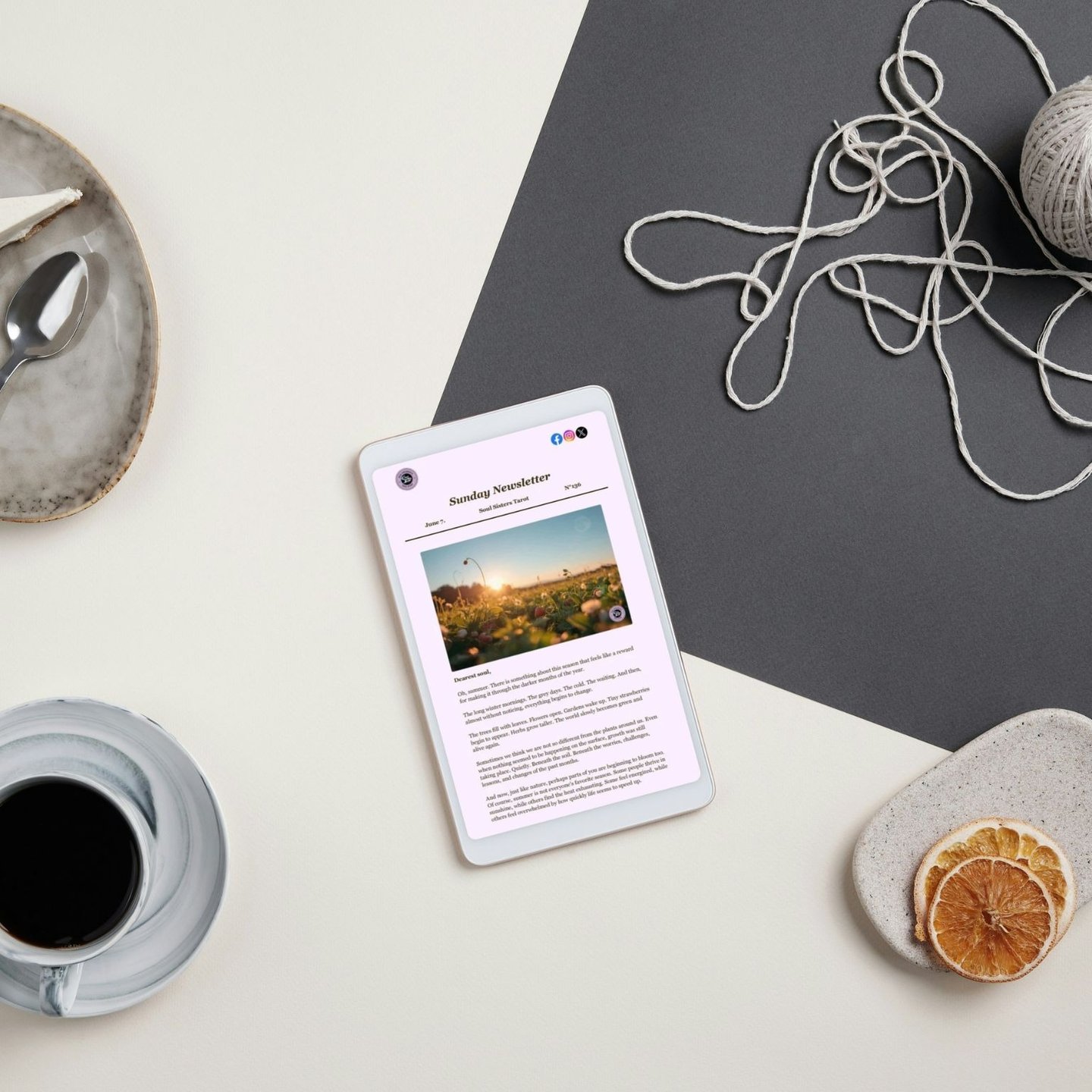
Join our newsletter for gentle tarot guidance, practical tips, moon rituals, self-reflection exercises, and exclusive resources to help you grow more confident with every reading.
✨ How to Read Tarot for Yourself (Beginner-Friendly Guide)
How Do You Read Tarot for Yourself?
To read tarot for yourself, begin by creating a calm space and asking a clear, open-ended question. Pull one to three cards, observe the imagery before looking up meanings, and connect the messages to your current situation. The most meaningful self-readings come from honest reflection rather than trying to predict the future.
Reading tarot for yourself doesn't have to be complicated. You don't need an elaborate ritual, years of experience, or the ability to memorize all 78 card meanings. What matters most is creating a simple practice that helps you slow down, observe honestly, and connect the cards to your own life. These six steps will help you build that foundation.
Step 1: Create a calm space
Before you shuffle your deck, give yourself a moment to slow down. This doesn't need to be a long meditation or a perfectly peaceful environment. Even taking a few deep breaths can help you shift your attention away from the distractions of the day.
The goal isn't to create a magical atmosphere. It's to become present enough to notice what the cards are showing you. This helps you shift from mental noise into awareness.
🍃 Soul Sisters Insight
Many beginners worry they need to clear every thought before reading tarot. In reality, you simply need enough space to notice your thoughts instead of being carried away by them. A calm mind isn't an empty mind. It's an attentive one.
Step 2: Ask a clear, open question
The quality of your reading often begins with the quality of your question. Instead of asking the cards to predict exactly what will happen, invite them to help you understand what you might not be seeing yet. Open-ended questions encourage reflection, while yes-or-no questions often limit the conversation.
Instead, try:
“What do I need to understand about this situation?”
“What energy surrounds this decision?”
“What can help me move forward?”
If you are unsure what to ask, you might find guidance in what to do, ask, and expect in your first tarot reading, especially if this is your first time working with the cards.
If your question is related to love or emotional conflict, you might find it helpful to explore a tarot spread for relationship problems that brings clarity, truth, and emotional insight.
Step 3: Pull one to three cards
Many beginners assume larger spreads provide better answers. In reality, adding more cards also adds more information to interpret, which can make self-readings feel overwhelming.
A single card often provides enough insight for daily reflection, while a simple three-card spread gives you just enough context without creating unnecessary complexity.
If you'd like to explore simple layouts that are easy to interpret, our guide to Tarot Spreads for Beginners introduces practical spreads that help you build confidence without feeling overwhelmed.
Step 4: Observe before interpreting
Before reaching for a guidebook, spend a minute simply looking at the card. Notice the expressions, colors, symbols, movement, and atmosphere. Ask yourself what immediately catches your attention and why.
These first observations often become the bridge between traditional tarot meanings and your own intuition. This is where your intuition begins to speak.
🍃 Soul Sisters Insight
One of the easiest ways to deepen your readings is to become more curious before becoming more certain. Instead of rushing to define a card, spend a few moments exploring what it makes you notice, remember, or feel. Curiosity often opens the door to insights that memorized keywords can miss.
Step 5: Connect meaning to your life
Ask yourself:
How does this relate to my current situation?
What feels true here?
What might I be overlooking?
A tarot reading becomes valuable when it helps you understand something about your real life. Ask yourself where you've experienced this energy before. Does the card remind you of a relationship, a recent decision, a recurring pattern, or an emotion you've been avoiding?
The more often you connect the cards to lived experiences, the easier they become to understand.
🌳 If you feel drawn to connect with tarot in a more intuitive and natural way, our Spiritual Forest Tarot Deck was created to guide you gently through each message, especially if you are just beginning and want something that feels clear and grounding.
Step 6: Reflect, don’t rush
One of the biggest mistakes beginners make is expecting every reading to make perfect sense immediately. Sometimes the message becomes clear later that day. Sometimes it appears after a conversation, a decision, or an unexpected experience.
Tarot often reveals its deepest insights over time, which is why reflection is just as important as interpretation.
Reading tarot for yourself is a skill that grows through practice, not perfection. Every reading teaches you something, whether it's about the cards, your intuition, or the way you respond to life's challenges. The more consistently you approach the process with curiosity, the more natural it becomes.
As you become more comfortable with these simple steps, you may notice something surprising. You rely less on memorizing keywords and more on understanding the cards through observation, symbolism, and personal experience.
🌿 How to Build Confidence Reading Tarot for Yourself
How Can You Become More Confident Reading Tarot for Yourself?
Confidence in reading tarot for yourself comes through regular practice, honest reflection, and trusting your observations instead of trying to memorize every card meaning. The more you connect tarot to your own experiences, the easier it becomes to recognize patterns, understand symbolism, and interpret the cards with greater clarity.
One of the biggest misconceptions about tarot is that confidence comes from knowing every card by heart. In reality, confidence grows through experience.
Every reading teaches you something, whether it's about the cards, your intuition, or the situation you're exploring. The goal isn't to interpret every card perfectly. It's to become more comfortable listening, reflecting, and learning with every reading.
You Don't Need to Memorize Every Card Meaning
Many beginners believe they need to memorize all 78 tarot card meanings before they can trust themselves to read. In fact, trying to remember every keyword too early often creates unnecessary pressure and can make it harder to notice what the card is actually communicating.
Instead of focusing on memorization, begin by paying attention to:
recurring patterns
the imagery and symbols on the card
your emotional response
how the card relates to your question and current situation
Traditional tarot meanings are valuable, but they work best when they support your own observations rather than replace them. As you gain experience, you'll naturally remember the meanings because you've connected them to real-life situations instead of simply memorizing definitions.
If you prefer a more gentle and practical way to learn, you might find it helpful to explore a Tarot Guidebook that supports your understanding without overwhelming you.
When a Reading Feels Unclear
Even experienced tarot readers sometimes have readings that don't make immediate sense. That doesn't mean you've done anything wrong. Tarot often reveals its message gradually. Sometimes a card makes perfect sense after you've had a conversation, made a decision, or experienced something that changes your perspective.
If a reading feels confusing, try:
stepping away and returning to it later
writing down your first impressions before checking a guidebook
pulling one clarification card if you genuinely need additional context
Resist the urge to reshuffle and ask the same question repeatedly. More cards don't always create more clarity. Often, they simply create more information to interpret.
📓 365 Psychological Journal Prompts
Sometimes you don't need another tarot reading.
Sometimes what you really need is an honest conversation with yourself.
Our 365 Psychological Journal Prompts are designed to help you explore your thoughts, emotions, fears, and dreams through gentle self-reflection. Many readers find that journaling brings the clarity they were searching for before they ever pull another card.


🍃 Soul Sisters Insight
Some of the most meaningful tarot readings don't reveal their full message immediately. They unfold over time as your understanding of the situation deepens. Instead of judging a reading by how quickly it makes sense, allow yourself the space to return to it with fresh eyes. Patience is often one of the greatest teachers in tarot.
If your reading feels emotionally overwhelming or you're struggling to find clarity, our Tarot Spread for Anxiety offers a gentle way to slow down, calm your thoughts, and explore what you truly need in the moment.
Simple Habits That Build Lasting Confidence
Confidence doesn't come from always getting the interpretation "right." It comes from developing a consistent practice that helps you understand both the cards and yourself.
Here are a few habits that make a real difference.
Practice regularly
You don't need to do long or complicated readings every day. Even a single-card reading a few times each week helps strengthen your understanding. Consistency will always teach you more than occasional marathon sessions.
Keep a tarot journal
One of the fastest ways to become a more confident tarot reader is to keep a tarot journal. Recording your questions, card spreads, interpretations, and what unfolded afterward helps you learn from experience instead of relying on memory alone.
A tarot journal also helps you notice recurring themes, track your personal growth, and discover how the cards speak to you over time. If you're looking for ideas to get started, our Tarot Journaling Guide shares practical techniques and prompts to help you create a meaningful journaling practice.
Write down:
your question
the cards you pulled
your first interpretation
what happened afterward
Looking back over previous readings helps you recognize recurring themes, discover how your intuition has developed, and see connections you might have missed at the time.
Stay curious instead of seeking certainty
Tarot isn't about finding one perfect answer. It's about exploring different perspectives and discovering insights you may not have noticed before.
Rather than asking yourself, "Did I interpret this card correctly?", try asking: "What is this card encouraging me to notice?" That simple shift changes tarot from a test into a conversation.
🍃 Soul Sisters Insight
Every experienced tarot reader has questioned their interpretations. Confidence isn't the absence of doubt. It's the willingness to keep listening, reflecting, and learning even when the message isn't immediately obvious. The more honestly you engage with your readings, the more naturally your confidence begins to grow.
🍃 Soul Sisters Notes
"At some point, I stopped trying to get the 'right' meaning and started asking what felt true. The cards didn't change, but my way of listening did. That's when tarot shifted from something I was learning to something I was experiencing." - Caitlin
As your confidence grows, you'll find that most questions can be explored through your own tarot practice. Even so, there are times when an outside perspective can help you see something you may have overlooked. In the next section, we'll look at when seeking guidance from another tarot reader can be a valuable part of your journey.
🌙 When It Helps to Seek Another Perspective
One of the greatest strengths of reading tarot for yourself is that it encourages self-awareness and personal growth. At the same time, there are moments when an outside perspective can help you see something you've overlooked.
You might find it helpful to seek guidance from another tarot reader when:
you're feeling emotionally overwhelmed
you keep interpreting the same situation in conflicting ways
you want a neutral perspective on an important decision
Seeking guidance doesn't mean you've failed or that your own readings aren't valuable. Think of it as another way to deepen your understanding. The goal isn't to replace your own intuition but to support it when you need a fresh perspective.
🔮 Love, Money & Career Tarot Readings
Need a fresh perspective?
Even experienced tarot readers sometimes benefit from an outside point of view.
If you're feeling stuck in love, uncertain about your career, or struggling with financial decisions, our personalized Love, Career, and Money Tarot Readings offer thoughtful guidance while still encouraging you to trust your own intuition and choices.


🌟 Reading Tarot for Yourself Is a Journey
So, can you read tarot for yourself? Absolutely. Like any skill, it becomes easier with practice. Some readings will feel immediately clear, while others may only reveal their meaning days or even weeks later. Both experiences are part of learning.
Over time, you'll begin to notice something much more valuable than perfect interpretations. You'll start trusting your observations, recognizing recurring patterns, and approaching each reading with greater confidence and curiosity.
Tarot isn't about having all the answers. It's about asking thoughtful questions, reflecting honestly, and understanding yourself more deeply with every card you pull.
Whether you're reading for guidance, self-discovery, or simply taking a quiet moment to reflect, remember that every reading is an opportunity to strengthen your relationship with both the cards and yourself.
🌿 Continue Your Tarot Journey
If you're ready to deepen your tarot practice, explore Sisters Creation, where you'll find thoughtfully created resources designed to help you build confidence, strengthen your intuition, and develop a deeper understanding of tarot, one reading at a time.
You can also visit our Tarot Guidance: Find Clarity, Self-Discovery & Your Tarot Path hub to discover beginner guides, tarot spreads, practical learning resources, and inspiration for every stage of your journey.
With love,
Caitlin & Gerly,
Soul Sisters Tarot
💙 FAQ: Can You Read Tarot for Yourself
Can beginners read tarot for themselves?
Absolutely. Reading tarot for yourself is one of the best ways to learn because it allows you to connect the cards to your own thoughts, emotions, and experiences. You don't need to know every tarot card meaning before you begin. Start with simple one- or three-card readings, stay curious, and allow your understanding to grow naturally through practice rather than perfection.
Why is it harder to read tarot for yourself?
Reading for yourself can feel more challenging because you're emotionally connected to the situation. Hopes, fears, expectations, and self-doubt can all influence how you interpret the cards. That doesn't mean your readings are less valuable. It simply means learning to recognize the difference between your emotions and the cards' message is an important part of developing confidence.
Why do I keep doubting my tarot readings?
Self-doubt is one of the most common challenges for beginner tarot readers. Many people worry they're "making it up" or interpreting the cards incorrectly. In reality, confidence develops through experience. As you reflect on past readings and see how they connect to real-life events, you'll begin trusting your own observations instead of constantly searching for reassurance.
Can you be too emotionally involved to read tarot for yourself?
Strong emotions can make a reading feel less clear, but they don't prevent you from reading tarot for yourself. If you're feeling overwhelmed, it may help to pause, take a few deep breaths, or return to the reading later with fresh eyes. Sometimes a little distance is all you need to see the message more objectively.
Can you read tarot for yourself every day?
Yes, many people read tarot for themselves daily as a way to check in with their energy and mindset. A simple one-card pull can offer gentle insight without overwhelming you. The key is to keep the practice light and reflective rather than dependent.
What questions should I ask when reading tarot for myself?
Open-ended questions work best. Instead of asking yes or no questions, you might ask what you need to understand, what energy surrounds a situation, or what guidance can help you move forward. This allows the cards to offer deeper and more useful insight.
Is it okay to redo a tarot reading if I don’t like the answer?
It is very common to feel tempted to repeat a reading, especially when the message feels uncomfortable. However, pulling cards again too quickly can create confusion. It is often more helpful to sit with the original reading and reflect on what it might be showing you.
Do you need to memorize tarot card meanings to read for yourself?
No, memorization is not required. Many people begin by focusing on imagery, feelings, and intuitive impressions. Over time, meanings become more familiar naturally, especially when you connect them to real-life experiences.
When should I ask another tarot reader for guidance?
An outside perspective can be valuable when you're feeling emotionally overwhelmed, receiving consistently unclear readings, or struggling to remain objective about an important situation. Seeking guidance doesn't replace your own tarot practice. Instead, it can offer fresh insight and help you notice perspectives you may have overlooked.
Can you become too dependent on tarot?
Tarot works best as a tool for self-reflection rather than a substitute for your own judgment. If you find yourself repeatedly asking the same question, seeking constant reassurance, or feeling unable to make decisions without consulting the cards, it may be helpful to pause and reflect before doing another reading. The purpose of tarot is to build self-awareness and confidence, not dependence.
How often should I read tarot for myself?
Tarot can support decision-making by helping you see different perspectives and underlying influences. It does not tell you what to do, but it can highlight what you may already sense beneath the surface. This can bring clarity and confidence when choosing your next step.
Should I use a guidebook while reading tarot?
Yes. A guidebook is an excellent learning tool, especially when you're beginning your tarot journey. The goal isn't to stop using it as quickly as possible. Instead, allow it to deepen your understanding while also paying attention to your own observations, intuition, and the unique context of each reading. Over time, you'll naturally rely less on definitions and more on your growing experience.
Soul Sisters Tarot
A Soft Place to Grow.
💌 SOUL SISTERS WEEKLY
A thoughtful Sunday letter with tarot reflections, moon wisdom, self-love, and gentle encouragement.
© 2026. All rights reserved.
Inspirational Coaching OÜ
sisters@soulsisterstarot.com