💌 JOIN SOUL SISTERS WEEKLY → GET FREE WELCOME GIFTS 🎁
Receive a thoughtful Sunday letter, free Self-Love & Shadow Work guides, and monthly Full Moon rituals ✨


Ancient Wisdom Rituals for the Sturgeon Moon: Their Origins
What can we learn from the people who lived by the Moon instead of the clock? Explore the history, traditions, and ancient wisdom rituals for the Sturgeon Moon, and discover respectful ways to bring those timeless values into modern life.
MOON PHASES & RITUALS
Soul Sisters Tarot
7/9/202625 min read
Ancient Wisdom Rituals for the Sturgeon Moon
This article is part of our Sturgeon Moon collection, where we explore the history, symbolism, seasonal traditions, and mindful practices inspired by the August Full Moon. For a broader look at the lunar year, visit our Full Moons collection, where we explore the story, traditions, and meaning behind every Full Moon.
Long before people called it the Sturgeon Moon, people around the world looked to the August Full Moon as a guide for seasonal change, harvesting, fishing, and preparing for the months ahead. Today, many people search for ancient wisdom rituals for the Sturgeon Moon to reconnect with these timeless traditions. Rather than recreating historical ceremonies, this guide explores the values, history, and seasonal practices that inspired them and how they can respectfully enrich modern spiritual life.
Although the name Sturgeon Moon comes from North America, the wisdom surrounding this Full Moon has never belonged to one culture alone. Across different landscapes and generations, people watched the moon to understand when rivers were changing, crops were ripening, wild foods were ready to gather, or it was time to begin preparing for autumn. These seasonal observations gradually became traditions rooted in gratitude, respect for nature, and an awareness that every season asks something different of us.
Today, many people search for ancient wisdom rituals for the Sturgeon Moon because they want to reconnect with nature, seasonal rhythms, and traditions that feel more meaningful than simply following a modern ritual checklist. Yet approaching ancient practices also carries a responsibility. Many ceremonies belonged to specific Indigenous peoples, cultures, and communities whose traditions continue to be living, sacred practices rather than historical curiosities.
At Soul Sisters Tarot, we believe the greatest gift of ancient wisdom is not learning how to recreate someone else's ceremony, but understanding the values that made those traditions meaningful in the first place.
It is learning why people honored the Moon in the first place. Their rituals reflected gratitude instead of consumption, observation instead of urgency, and a deep relationship with the land that sustained them. Those values remain just as meaningful today, even if our lives look very different.
In this guide, we'll explore the origins of the Sturgeon Moon, Indigenous seasonal knowledge, ancient lunar calendars, harvest customs, water traditions, ancestral remembrance, and nature-based practices from different parts of the world. Most importantly, we'll discover how these traditions can respectfully inspire modern rituals without claiming to replace or recreate the sacred ceremonies from which they came.
This isn't a guide to recreating ancient ceremonies. It's an invitation to understand the wisdom that made them meaningful.
What are ancient wisdom rituals for the Sturgeon Moon?
Ancient wisdom rituals for the Sturgeon Moon are modern practices inspired by the seasonal traditions, values, and observations associated with the August Full Moon. Rather than copying sacred ceremonies from specific cultures, they encourage gratitude, seasonal awareness, respect for nature, and thoughtful preparation for the months ahead.
🍃 Soul Sisters Insight
Ancient wisdom is not something we inherit simply by repeating old rituals. We honor it by understanding the values those rituals express: gratitude for the Earth, respect for the seasons, patience with life's natural cycles, and the humility to remember that we are part of nature, not separate from it.
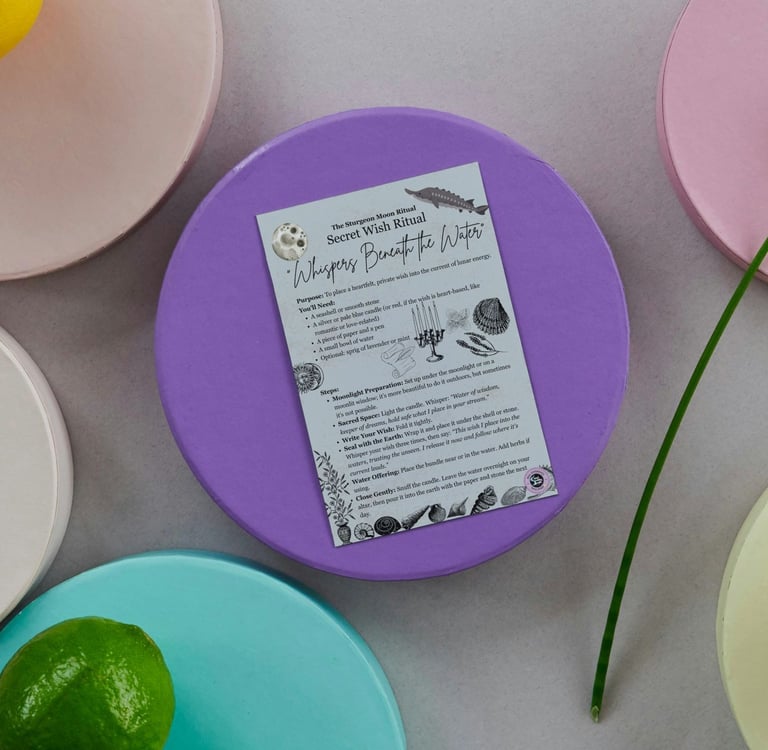
🐟 Free Sturgeon Moon Ritual Download
Looking for a ritual you can practice tonight?
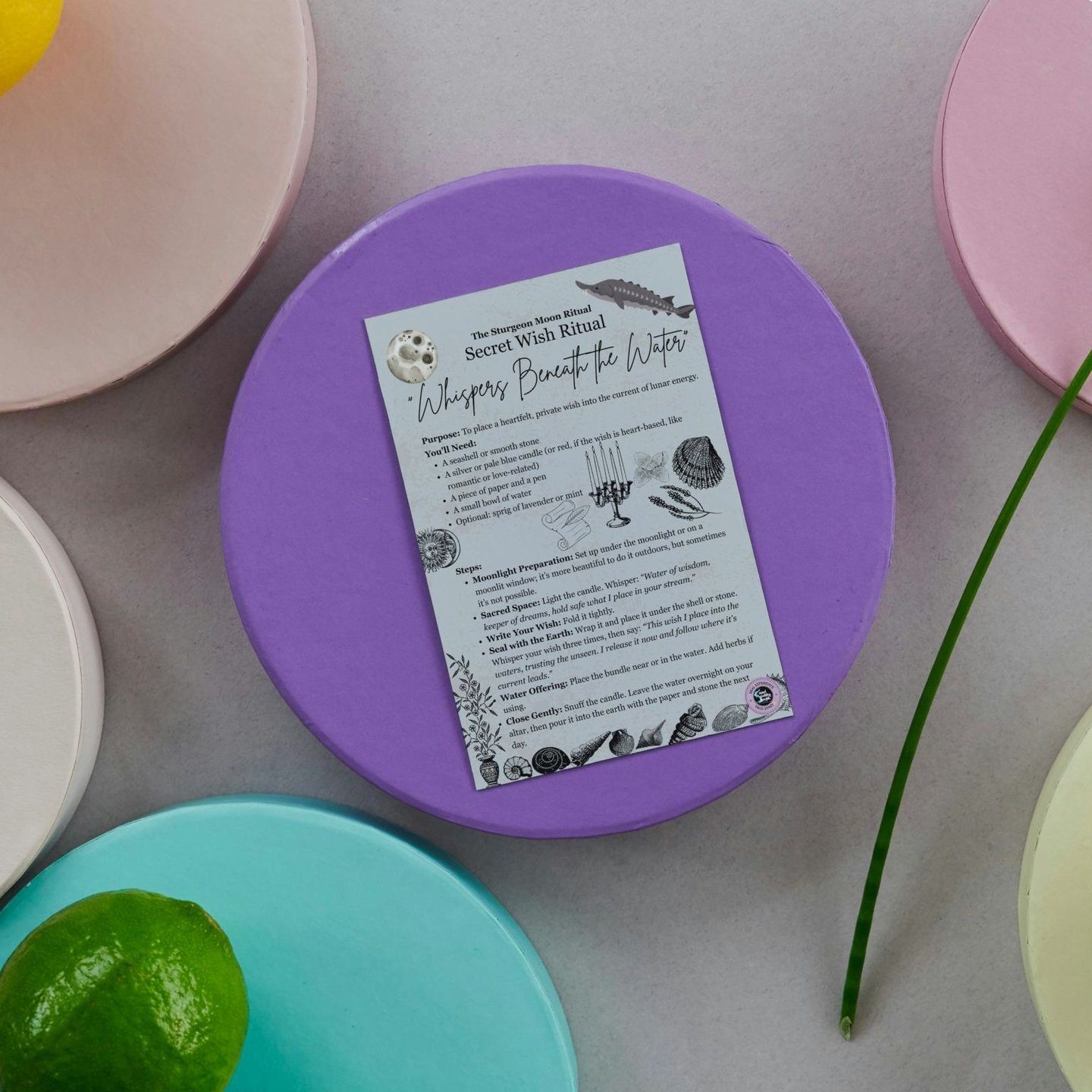
If you're eager to celebrate the Sturgeon Moon, you don't have to wait until the end of the article. We've gathered our favorite Soul Sisters rituals into one beautiful printable guide so you can begin whenever you're ready.
Download our Free Sturgeon Moon Rituals, featuring three beautifully illustrated rituals designed to help you reflect, release, and reconnect with the wisdom of the August Full Moon. Then, come back whenever you're ready to explore the fascinating history and traditions that inspired them.
🌕 Why Ancient Cultures Honored the August Full Moon
What made the August Full Moon important to ancient cultures?
For many ancient cultures, the August Full Moon marked a turning point between the abundance of summer and the preparations for autumn. It helped communities recognize seasonal changes, organize harvesting and fishing, preserve food, and express gratitude for the natural resources that sustained everyday life.
Long before printed calendars, clocks, or weather forecasts, the Moon helped people understand the changing rhythm of the natural world. Its predictable cycle offered a reliable way to observe the passing seasons, organize important tasks, and prepare for the months ahead. The August Full Moon was especially significant because it arrived during a period of abundance, when many communities were gathering food, harvesting crops, preserving resources, and beginning to think about the transition into autumn.
For people whose lives depended on the land and water, these seasonal changes weren't simply interesting observations. They influenced daily survival. Rivers changed with late-summer rainfall, fish migrations reached their peak in many regions, grains and fruits ripened, medicinal herbs were ready to gather, and the first signs of shorter days reminded communities that autumn was approaching. Paying attention to the Moon helped people recognize these natural patterns and work with them rather than against them.
The August Full Moon also became a time to pause and acknowledge what the season had provided. Across many cultures, late summer marked a period of gratitude for successful harvests, respect for the animals and plants that sustained life, and preparation for the colder months ahead. While the ceremonies themselves differed from one community to another, many shared common values: appreciation for nature's generosity, careful stewardship of resources, and an understanding that abundance carried responsibility as well as celebration.
While many modern Full Moon rituals focus on personal intentions, healing, or manifestation, ancient seasonal practices were often rooted in the well-being of the whole community. The August Full Moon reminded people to care for the land, preserve what had been gathered, support one another, and prepare wisely for the months ahead. Personal growth and collective responsibility were not separate ideas but part of the same seasonal rhythm.
🍃 Soul Sisters Insight
One of the greatest lessons ancient traditions offer is that gratitude isn't reserved for moments of extraordinary success. It was woven into everyday life through seasonal rhythms, shared meals, careful preparation, and respect for the natural world. Perhaps the most meaningful Sturgeon Moon ritual we can practice today is simply remembering that abundance begins with noticing what is already present.
Although many cultures observed the August Full Moon, they didn't all call it the Sturgeon Moon. The names, stories, and traditions reflected the landscapes they lived in, the food they gathered, and the relationships they built with the natural world.
🐟 The Origins of the Sturgeon Moon
Why is it called the Sturgeon Moon?
The August Full Moon is called the Sturgeon Moon because late summer was the best time to catch lake sturgeon in parts of North America, particularly around the Great Lakes and Lake Champlain. Indigenous Nations gave seasonal Full Moons names that reflected important natural events, helping communities remember when to fish, harvest, gather food, and prepare for seasonal change.
The name Sturgeon Moon may be the best known today, but it represents only one chapter in a much larger story. Long before printed almanacs standardized seasonal moon names, communities across North America and many other parts of the world named each Full Moon according to the changes they observed in their local environment. These names were never random. They reflected the landscapes people lived in, the foods they gathered, the animals they depended on, and the seasonal rhythms that shaped everyday life.
For many Indigenous Nations of North America, the August Full Moon marked an important period in the yearly cycle. In regions surrounding the Great Lakes and Lake Champlain, the lake sturgeon became especially abundant during late summer, making it a valuable source of food and an important part of community life. The Full Moon that accompanied this season naturally became associated with the fish. Over time, this seasonal name was recorded by settlers, later popularized through publications such as The Old Farmer's Almanac, and eventually became one of the best-known names for the August Full Moon.
However, not every community experienced the same landscape or relied on the same natural resources. Across different regions, the August Full Moon carried names that reflected local ecosystems and seasonal priorities. Some Nations referred to it as the Corn Moon or Green Corn Moon, recognizing the ripening of important crops. Others knew it as the Ricing Moon, marking the beginning of wild rice harvesting, while other communities named the Moon after berries, grains, salmon, or other seasonal resources that reflected the unique ecosystems where they lived.
These traditional names were much more than poetic descriptions. Because ecosystems varied from one region to another, it was completely normal for different communities to use different names for the very same Full Moon. They served as practical reminders of what the land was offering at a particular moment in the year.
Before printed calendars became widely available, these seasonal moon names acted as practical memory tools, helping communities remember when to fish, harvest wild rice, gather medicinal plants, preserve food, or prepare for changing weather. They reflected a way of living that paid close attention to the natural world and understood that every season brought different responsibilities as well as different gifts.
In the nineteenth century, publications such as The Old Farmer's Almanac helped popularize many traditional Full Moon names for a wider audience. While this introduced several traditional moon names to a much wider audience, it also simplified a rich diversity of regional traditions into a smaller collection of widely recognized titles. Today, remembering that these names come from many different communities helps us appreciate the cultural depth behind them while avoiding the misconception that there was ever a single, universal way of understanding the August Full Moon.
🍃 Soul Sisters Insight
The Moon itself has never changed. What changed were the stories people told about it, shaped by the rivers they fished, the forests they walked, the crops they tended, and the seasons they depended upon. Every traditional moon name reminds us that wisdom often begins by paying close attention to the place we call home.
Although each culture named the August Full Moon differently, many shared something remarkable: they developed traditions that expressed gratitude for the season and strengthened the bond between people, community, and the natural world. Those traditions are where our journey turns next.
While this article focuses on the historical traditions surrounding the Sturgeon Moon, many readers also become curious about the natural signs associated with this season. If you'd like to explore recurring animals, dreams, weather patterns, and symbolic messages, continue with our guide to Sturgeon Moon Symbols & Omens.
🌍 Ancient Seasonal Traditions Behind the Sturgeon Moon
What kinds of seasonal traditions were connected to the August Full Moon?
Across many cultures, the August Full Moon marked a season of abundance, harvest, fishing, and preparation for autumn. Although traditions varied by region, many communities used this time to express gratitude, gather food, strengthen family and community ties, and honor the natural cycles that sustained everyday life.
Although the name Sturgeon Moon comes from North America, the late-summer season it represents has been recognized and honored by cultures around the world for thousands of years. Communities living in different climates developed their own customs, stories, and ceremonies based on the rhythms of their local landscapes. Some celebrated successful harvests, others marked important fishing seasons, while many gathered medicinal plants or prepared food for the colder months ahead.
Rather than celebrating the Moon itself in isolation, many traditions honored the seasonal changes it helped illuminate. The August Full Moon became a reminder that another cycle of growth was reaching maturity, inviting people to pause, observe what the land was offering, and prepare thoughtfully for the season ahead.
🪶 Indigenous Seasonal Traditions
For many Indigenous Nations across North America, the season of the Sturgeon Moon marked an important period of fishing, harvesting, gathering, and preparing for the months ahead. Communities paid close attention to the natural world, observing fish migrations, ripening plants, changing waterways, and the behavior of animals to understand when it was time to gather food or begin seasonal preparations.
In many regions, this knowledge helped communities decide when to harvest wild rice, gather berries, collect medicinal plants, or fish in ways that supported both people and the long-term health of local ecosystems.
These observations were often passed from one generation to the next through stories, lived experience, and careful stewardship of the land rather than written calendars. Many traditions also emphasized reciprocity, expressing gratitude before harvesting, using resources respectfully, and recognizing that people were part of the natural world rather than separate from it. While every Nation held its own unique traditions, this deep relationship with the seasons remains one of the enduring lessons associated with the time we now call the Sturgeon Moon.
🌾 Late Summer Harvest Customs
Across many parts of Europe, August signaled one of the busiest and most important periods of the agricultural year. Fields of barley, oats, wheat, and early fruits were ready to harvest, and communities worked together to gather crops before autumn weather arrived. This demanding work was often balanced with moments of celebration, shared meals, storytelling, music, seasonal festivals, and expressions of gratitude for the abundance the land had provided.
Many harvest customs also reflected hope for the future rather than only appreciation for the present. In some regions, the first or final sheaf of grain was treated with special care and woven into decorative figures or preserved until the following planting season. These traditions symbolized continuity, reminding people that every harvest carried two responsibilities: celebrating what had been received and preparing wisely for the season that would follow.
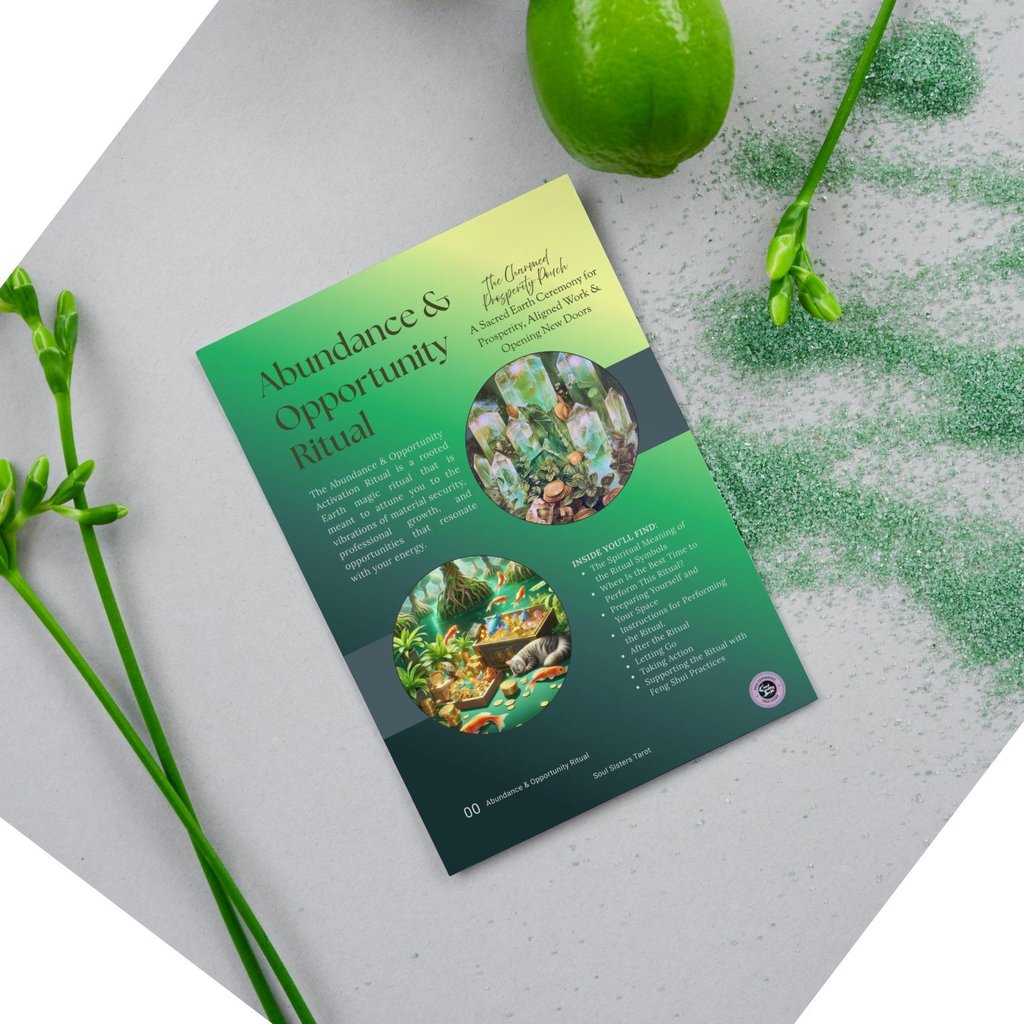
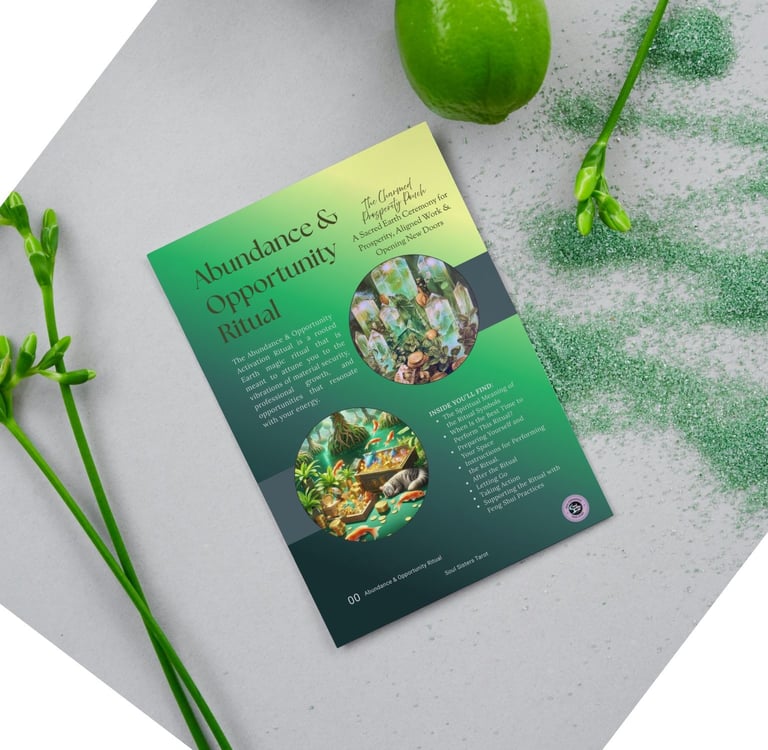
🍀 Abundance & Opportunity Ritual
Every harvest begins with a single seed.
Ancient communities understood that abundance wasn't created overnight. It grew through patience, preparation, and consistent care, lessons that remain just as meaningful today.
Our Abundance & Opportunity Ritual helps you plant long-term intentions, strengthen an abundance mindset, and continue nurturing the dreams you're ready to grow through the seasons ahead.
🌊 Water Traditions During the Sturgeon Moon Season
Why was water important during the Sturgeon Moon season?
For many communities, late summer rivers, lakes, and coastlines provided food, fresh water, transportation, and opportunities to gather with family and neighbors. Waterways were more than practical resources. They were places of gratitude, reflection, and careful stewardship that helped sustain both daily life and community traditions.
Water played a central role in many cultures that lived beside rivers, lakes, and coastlines. During late summer, waterways often became places of abundance, providing fish, fresh water, transportation, and gathering places where families worked, shared knowledge, and celebrated the season together.
Because of this close relationship, many traditions encouraged people to approach water with gratitude and respect. Rather than seeing rivers and lakes simply as resources, they were often viewed as life-giving places that deserved care and thoughtful stewardship. Spending quiet time beside the water, expressing gratitude for a successful fishing season, or making simple, environmentally respectful gestures of appreciation became meaningful ways of recognizing that healthy waterways supported every part of community life.
🕯️ Honoring Those Who Came Before
For many communities, late summer wasn't only a time to gather food. It was also a season for passing knowledge from one generation to the next. Elders taught younger people when to harvest, how to preserve food, where to find medicinal plants, and how to live in balance with the changing seasons.
Remembering ancestors wasn't always expressed through formal ceremonies. Sometimes it happened through preparing traditional recipes, preserving family seed varieties, repairing seasonal tools, retelling family stories, revisiting meaningful places, or simply offering quiet gratitude for the generations whose knowledge continued to guide everyday life. These simple acts helped preserve cultural memory while strengthening the connection between past, present, and future.
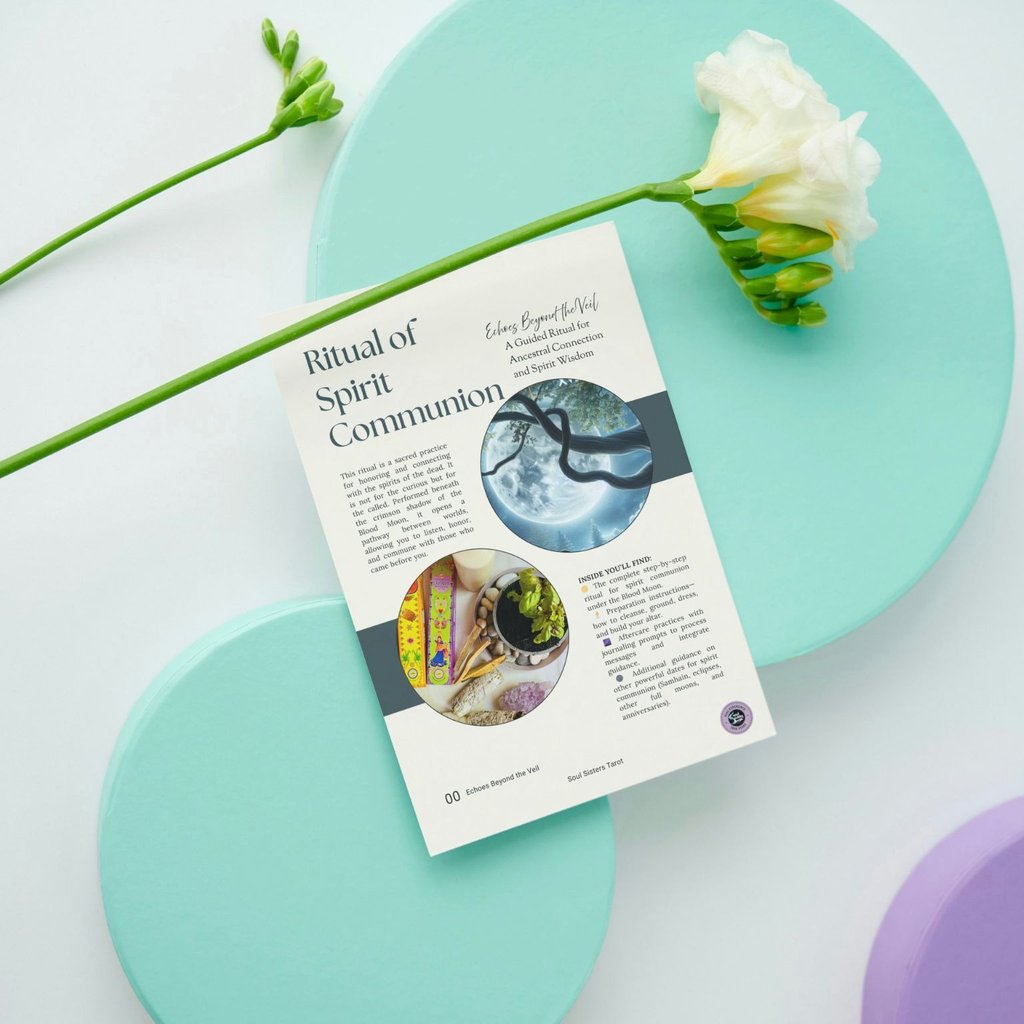
🕊️ Ritual of Spirit Communion
Feeling a deeper connection to those who came before you?
Learning about ancestral traditions often awakens a quiet appreciation for the generations whose wisdom continues to shape our lives, even in ways we may never fully see.
Our Ritual of Spirit Communion offers a gentle, respectful practice for honoring loved ones, reflecting on your spiritual lineage, and creating space for gratitude without attempting to recreate historical ceremonies.

🍃 Soul Sisters Insight
One of the most beautiful threads connecting many ancient traditions is that gratitude was rarely practiced in isolation. It was expressed through caring for the land, sharing the harvest, honoring those who came before, and recognizing that every season brings both gifts and responsibilities. Perhaps that is the greatest lesson the Sturgeon Moon still offers us today: gratitude becomes most meaningful when it inspires how we care for the Earth, our communities, and one another.
🌿 Ancient Ways of Living That Can Inspire Us Today
How can you honor the Sturgeon Moon without recreating ancient rituals?
One of the most respectful ways to honor the Sturgeon Moon is to practice the values that many ancient traditions shared. Spending time in nature, preparing for the coming season, expressing gratitude, learning about local plants, and slowing down to observe the world around you all reflect the same spirit of seasonal awareness without copying sacred cultural ceremonies.
One of the most meaningful ways to honor the Sturgeon Moon isn't by trying to recreate ancient ceremonies, but by learning from the everyday practices that helped people stay connected to the changing seasons. These habits weren't meant to produce instant transformation or quick spiritual breakthroughs. They were simple, everyday practices that encouraged people to slow down, pay attention, express gratitude, and prepare wisely for whatever came next.
Although our lives are very different today, many of these simple practices remain just as relevant. Here are a few meaningful ways to bring that seasonal wisdom into your own life. They invite us to reconnect with nature, appreciate the present moment, and move through seasonal change with greater awareness and intention.
💧 Spend Time Beside Water
For many communities, rivers and lakes were places of work, nourishment, and reflection. People gathered water, fished, travelled, and simply observed the changing landscape throughout the seasons. Spending time near water wasn't considered a special event. It was part of everyday life.
Today, you can honor this tradition by visiting a river, lake, or the sea during the Sturgeon Moon. Leave your phone in your pocket, notice the sounds around you, and spend a few quiet moments observing the movement of the water. Rather than searching for signs or expecting a profound spiritual experience, simply notice the movement of the water, the sounds around you, and how your own thoughts begin to settle.
🌾 Prepare for the Season Ahead
Late summer was never only about celebrating the harvest. It was also a season of preparation. Food was preserved, tools were repaired, seeds were saved, and homes were readied for the changing weather. Looking ahead was an act of wisdom rather than worry.
The Sturgeon Moon offers a beautiful opportunity to bring that same mindset into modern life. Organize a cluttered space, prepare your home for the coming season, review your personal goals, restock everyday essentials, or finally complete a project you've been meaning to finish. These small acts of preparation honor the same seasonal rhythm that guided communities for generations.
If preparing for the next season has sparked new ideas or emotions, consider writing them down while they're still fresh. Our Sturgeon Moon Journal Prompts can help you reflect on where you've been, what you're ready to release, and what you want to nurture moving forward.
🌿 Learn From Seasonal Herbs
Late summer was an ideal time to gather many herbs while they were abundant and full of fragrance. Knowledge about local plants was passed from generation to generation, helping communities prepare food, care for wellbeing, and make the most of what the season offered. Many herbs were also dried and stored so they could continue supporting households long after the growing season had ended.
You don't need to become an herbalist to appreciate this tradition. Visit a local market, grow a few herbs at home, dry rosemary or mint for later use, or learn about one native plant that grows in your region. Even small moments of curiosity can help you build a deeper relationship with the natural world.
🥖 Share a Meal With Gratitude
Many seasonal celebrations brought families and neighbors together around food. Harvests were rarely viewed as individual achievements. They reflected the work of communities, the generosity of nature, and the understanding that abundance was something to be shared.
The Sturgeon Moon offers a wonderful reason to slow down and enjoy a simple meal with people you care about. Cook with seasonal ingredients, invite someone to your table, or take a quiet moment before eating to acknowledge the many hands, seasons, and natural processes that made your meal possible.
🌙 Practice Quiet Observation
Before electric lights and busy schedules filled every evening, moonlit nights naturally encouraged people to spend time outdoors. Watching the sky, listening to insects, noticing changing winds, or observing the behavior of animals helped people remain connected to the world around them.
One of the simplest ways to honor the Sturgeon Moon today is to spend fifteen or twenty minutes outside without distractions. Resist the urge to photograph everything or search for a deeper meaning in every moment. Simply observe. Listen. Notice. Sometimes the greatest insight comes not from searching for meaning, but from paying closer attention to the world that's already around us.
After spending time in quiet observation, you may notice questions or insights beginning to surface. If you'd like to explore them more deeply, our Sturgeon Moon Tarot Spread offers a reflective way to receive guidance inspired by this late-summer season.
🍃 Soul Sisters Insight
Ancient wisdom wasn't found only in sacred ceremonies. It lived in everyday choices such as preparing with care, sharing what was available, observing the changing seasons, and treating the natural world as something to learn from rather than simply use. Perhaps the most meaningful Sturgeon Moon ritual is allowing these small, intentional habits to become part of your own life.
📓 365 Psychological Journal Prompts
Ancient wisdom often begins with thoughtful questions.
As you explore the traditions of the Sturgeon Moon, you may find yourself reflecting on your own values, relationship with nature, or the season of life you're currently living.
Our 365 Psychological Journal Prompts offer a year's worth of guided reflection to help you explore meaningful questions, develop greater self-awareness, and continue learning from your own experiences, one page at a time.


🌙 Modern Rituals Inspired by Ancient Wisdom
How can you create a modern Sturgeon Moon ritual inspired by ancient wisdom?
A meaningful Sturgeon Moon ritual doesn't have to recreate historical ceremonies. Instead, focus on the values many ancient traditions shared: gratitude, seasonal awareness, caring for nature, preparing for change, and reflecting on what you've cultivated. Simple, respectful practices often capture the spirit of these traditions better than elaborate rituals.
Ancient traditions remind us that meaningful rituals don't have to be elaborate to be transformative. The communities that lived closest to the rhythms of nature rarely separated everyday life from moments of reflection. Gratitude, observation, preparation, and caring for one another were already part of their daily routines. Today, we can honor that wisdom by creating simple rituals inspired by these timeless values instead of trying to recreate ceremonies that belonged to specific cultures, places, or historical periods.
Even a practice that takes ten minutes can become meaningful when repeated with intention each August.
🚶 Take a Gratitude Walk
Instead of staying indoors, spend time walking slowly through a place that helps you feel connected to nature, whether that's a forest, a park, a quiet beach, or a riverside path.
As you walk, notice five things the season is offering right now. Perhaps it's the scent of wild herbs, berries ripening on a branch, birds gathering before migration, sunlight reflecting on the water, or the sound of insects on a warm August evening. Rather than asking for something new, spend a few moments appreciating what already surrounds you.
Some people also like to finish this quiet practice with a few meaningful words of encouragement. If that resonates with you, explore our Sturgeon Moon Affirmations, created to support resilience, gratitude, self-trust, and long-term personal growth.
🌊 Reflect Beside Moving Water
Water has quietly connected many of the traditions we've explored throughout this article. Whether communities relied on rivers for fishing, gathered beside lakes, or simply observed the changing seasons reflected on the water's surface, these places often encouraged moments of stillness and perspective.
Find a safe place near moving water if possible, or simply sit beside the sea or a quiet lake. Instead of searching for answers, allow yourself to notice your thoughts without trying to change them. Sometimes the clearest answers appear when we stop trying to solve everything and simply allow ourselves to observe.
If you enjoy incorporating spiritual tools into your practice, you can also explore our guide to the best Crystals for the Sturgeon Moon, where we share stones traditionally chosen to support reflection, emotional balance, gratitude, and quiet connection with the season.
📖 Write a Letter to Your Ancestors
You don't need to know your complete family history to practice gratitude for those who came before you. Gratitude can also be offered to mentors, caregivers, teachers, or anyone whose kindness helped shape the person you are today.
Write a letter thanking the people whose choices, sacrifices, knowledge, or kindness helped shape your life. You might think of grandparents, teachers, mentors, or even unknown generations whose resilience made your own journey possible.
This practice isn't about contacting ancestors or recreating historical ceremonies. It's simply an opportunity to acknowledge that none of us grows entirely on our own.
If you feel called to explore this connection more deeply, our Ritual of Spirit Communion offers a gentle, respectful practice centered on remembrance, gratitude, and honoring those who came before us.
🌾 Create a Seasonal Offering to Nature
Across many cultures, gratitude was expressed by giving back as well as receiving. While traditions varied widely, the underlying principle of reciprocity remains meaningful today.
Rather than leaving physical objects in nature, consider making your offering through action. Pick up litter during your walk, plant flowers that support pollinators, support a local conservation project, water a tree during a dry season, or donate to an organization working to protect local rivers, forests, or wildlife. These simple acts reflect the same spirit of gratitude while caring for the environment in practical ways.
🌕 End the Evening With Quiet Reflection
As the Sturgeon Moon rises, give yourself permission to slow down. Sit beneath the moonlight, light a single candle if you wish, and spend a few moments reflecting on three simple questions.
As the evening comes to a close, ask yourself:
What has this season taught me?
What am I grateful for today?
What do I want to carry into the next chapter of my life?
If you'd like another way to continue this reflection, our Sturgeon Moon Tarot Spread offers a gentle six-card reading designed specifically for the wisdom, patience, and quiet transformation associated with this Full Moon.
🍃 Soul Sisters Insight
Ancient wisdom doesn't ask us to copy the past. It invites us to carry forward the values that have always helped people thrive: gratitude for what we have, respect for the natural world, patience with life's changing seasons, and the willingness to pause long enough to notice what truly matters.
🤝 Honoring Ancient Traditions Respectfully
How can you honor ancient traditions respectfully?
The most respectful way to honor ancient traditions is to learn from the values they teach rather than trying to recreate ceremonies that belong to living cultures. Gratitude, seasonal awareness, respect for nature, and thoughtful reflection are universal practices that anyone can embrace while recognizing the unique histories behind traditional ceremonies.
Learning about the history of the Sturgeon Moon can deepen our appreciation for the people who carefully observed the changing seasons long before modern calendars existed. At the same time, it's important to remember that many of the traditions we've discussed are not simply stories from the past. For numerous Indigenous Nations and cultural communities around the world, these teachings continue to be living traditions that are practiced, protected, and passed from one generation to the next.
For this reason, there is an important difference between drawing inspiration from ancient wisdom and trying to recreate ceremonies that were never part of our own cultural heritage. We can admire the values these traditions express, such as gratitude, patience, reciprocity, respect for nature, and community, without claiming to perform the ceremonies themselves. Respect begins with recognizing that inspiration and imitation are not the same thing.
One meaningful way to honor these traditions is to continue learning about the cultures that developed them. Reading books by Indigenous authors, listening to Indigenous educators, supporting cultural organizations, visiting museums, or learning about the history of the land where you live helps preserve the voices behind these traditions instead of separating the wisdom from the people who continue to carry it.
The natural world belongs to all of us. Every person can pause beneath the moon, express gratitude for the changing seasons, spend time beside the water, or care for the land where they live. These simple practices don't require borrowing another culture's sacred ceremonies. They begin by paying attention to the place where we live, caring for it with intention, and allowing the changing seasons to become teachers in their own right.
🍃 Soul Sisters Insight
Ancient wisdom becomes most meaningful not when we try to relive someone else's past, but when we allow its values to shape how we live today. Gratitude, respect, generosity, patience, and care for the Earth are gifts that cross cultures because they begin with the simple choice to live more consciously.
💛 Ancient Wisdom Still Has Something to Teach Us
The traditions that inspire today's Sturgeon Moon were shaped by people who paid close attention to the world around them. They noticed the changing rivers, the ripening fields, the lengthening nights, and the quiet signs that another season was drawing to a close. Their wisdom wasn't built on rushing through life but on observing, preparing, giving thanks, and understanding that every season carries its own lessons.
Although our lives are very different today, those values remain just as meaningful. We may no longer rely on the Moon to tell us when to harvest crops or preserve food for winter, but it can still remind us to slow down, notice what we've cultivated in our own lives, appreciate what is already present, and prepare intentionally for the season ahead.
Perhaps that is the greatest gift of the Sturgeon Moon. It reminds us that ancient wisdom doesn't belong only in history books or museums. It continues to live whenever we choose gratitude over haste, stewardship over convenience, curiosity over certainty, and presence over distraction.
The true spirit of ancient wisdom rituals for the Sturgeon Moon isn't found in recreating the past. It's found in carrying forward timeless values that help us live with greater gratitude, awareness, and respect for the world around us.
We don't honor the past by living exactly as those before us did. We honor it by carrying their wisdom forward in ways that help us care more deeply for ourselves, one another, and the Earth.
Whether your Sturgeon Moon ritual is as simple as watching the moonrise, walking beside a river, sharing a meal with loved ones, or quietly reflecting beneath the night sky, may it help you feel a little more connected to the timeless rhythms that have quietly guided people through the changing seasons for countless generations.
If this journey has inspired you to explore the wisdom of the lunar cycle more deeply, visit our Moon Phases & Rituals collection, where you'll find guides to every Full Moon, New Moon, seasonal celebration, and mindful lunar practice throughout the year.
With love,
Caitlin & Gerly,
Soul Sisters Tarot
🐟 Free Sturgeon Moon Ritual Download
Ready to experience the Sturgeon Moon for yourself?
Now that you've explored the history and traditions behind this remarkable season, why not bring that inspiration into your own practice?
Download our Free Sturgeon Moon Rituals and enjoy three beautifully illustrated printable rituals inspired by the timeless values of gratitude, reflection, and seasonal renewal. Return to them each August as part of your own meaningful tradition.
🌕 Continue Your Sturgeon Moon Journey
Every Sturgeon Moon offers another opportunity to explore late summer through reflection, symbolism, and meaningful practice. Whether you're looking to deepen your understanding, develop your own rituals, or discover the season's spiritual symbolism, these resources will help you continue your journey.
🌿 Deepen Your Reflection
If this article encouraged you to reflect on your own season of life, continue with our Sturgeon Moon Journal Prompts for thoughtful self-discovery, or explore our Sturgeon Moon Shadow Work Prompts if you're ready to gently examine deeper emotions, limiting beliefs, and long-standing patterns.
🔮 Bring Ancient Wisdom Into Your Practice
Ready to move from learning to experience? Our Sturgeon Moon Tarot Spread helps you explore the themes of wisdom, gratitude, and preparation through tarot, while our Sturgeon Moon Affirmations offer gentle daily reminders inspired by the values of this late-summer Full Moon.
🌙 Explore More of the Sturgeon Moon
Curious about the many layers of the Sturgeon Moon? Discover the Crystals for the Sturgeon Moon, traditionally associated with this season; explore recurring animals, dreams, and natural messages in our Sturgeon Moon Symbols & Omens guide; or return to our complete Sturgeon Moon Guide for a comprehensive look at its history, rituals, symbolism, and spiritual meaning.
✨ Continue Your Spiritual Practice
Looking for beautifully designed rituals, guided journals, tarot resources, and printable spiritual tools? Visit Sisters Creation to explore our collection of digital guides created to support your journey through every season of the year.
❓FAQ: Ancient Wisdom Rituals for the Sturgeon Moon
What are ancient wisdom rituals for the Sturgeon Moon?
Ancient wisdom rituals for the Sturgeon Moon are modern practices inspired by the seasonal traditions and values associated with the August Full Moon. Rather than recreating historical ceremonies, they encourage gratitude, respect for nature, seasonal awareness, and thoughtful preparation for the months ahead while honoring the cultures that inspired them.
Did ancient cultures celebrate the Sturgeon Moon?
Not in the way many people imagine today. The name Sturgeon Moon comes from North American seasonal traditions, but many cultures around the world recognize the late-summer Full Moon through their own customs, calendars, and seasonal celebrations. While they did not all share the same name or ceremonies, many communities observed this time of year through harvest traditions, fishing seasons, gratitude practices, and preparation for autumn.
Most communities did not use the name Sturgeon Moon, but many recognized the same late-summer season through their own lunar calendars, harvest traditions, fishing cycles, and regional customs.
Why did ancient people pay so much attention to the Moon?
Before printed calendars and modern forecasting, the Moon was one of the most reliable ways to observe time and seasonal change. Farmers, fishers, hunters, and gatherers often relied on its predictable cycle to recognize when natural resources were becoming available, when weather patterns were changing, and when it was time to prepare for the next season.
Is it respectful to practice ancient-inspired Sturgeon Moon rituals today?
Yes, when approached with humility and respect. There is an important difference between learning from the values behind ancient traditions and attempting to recreate ceremonies that belong to living cultures. Focusing on gratitude, seasonal awareness, care for nature, and personal reflection allows us to honor these traditions without claiming practices that are not our own.
Why is gratitude such an important theme during the Sturgeon Moon?
For many communities, late summer marked the beginning of the harvest and a period of abundance before autumn arrived. Gratitude acknowledged the food, water, knowledge, and relationships that supported life throughout the year. Today, the Sturgeon Moon continues to offer an opportunity to pause and appreciate what has already grown before focusing on what comes next.
What can we learn from ancient seasonal traditions today?
Ancient seasonal traditions remind us to pay closer attention to the natural world, prepare thoughtfully for change, value community, and appreciate the rhythm of the seasons. These timeless principles can help us cultivate greater balance, gratitude, resilience, and a stronger connection with both nature and our own lives.
What are some simple ways to honor the Sturgeon Moon respectfully?
You don't need elaborate rituals to honor the Sturgeon Moon. Spending time in nature, taking a gratitude walk, reflecting beside water, preparing for the coming season, sharing a meal with loved ones, or quietly watching the moonrise are all meaningful ways to connect with the values that inspired ancient seasonal traditions. The goal isn't to perform a perfect ritual but to slow down, notice the season, and practice the values that ancient communities carried into everyday life.
Did all cultures use the same name for the August Full Moon?
No. The name Sturgeon Moon is only one of many traditional names for the August Full Moon. Different communities named each Full Moon according to their local environment, seasonal harvests, wildlife, and cultural traditions. These names reflected the unique relationship people had with the places where they lived.
Can ancient wisdom still be meaningful in modern life?
Absolutely. While our lifestyles have changed, many of the values reflected in ancient traditions remain deeply relevant. Slowing down, observing seasonal change, expressing gratitude, caring for the environment, and strengthening community are timeless practices that continue to support personal wellbeing and a deeper connection with the world around us.
Why is the August Full Moon called the Sturgeon Moon?
The August Full Moon is called the Sturgeon Moon because late summer was traditionally one of the best times to catch lake sturgeon in parts of North America, especially around the Great Lakes and Lake Champlain. The name reflects seasonal observation rather than mythology and is one of many traditional Full Moon names inspired by nature.
Do I need to follow ancient ceremonies to honor the Sturgeon Moon?
No. One of the most respectful ways to honor the Sturgeon Moon is to learn from the values behind ancient traditions rather than trying to recreate ceremonies that belong to living cultures. Spending time in nature, expressing gratitude, preparing for seasonal change, and caring for the environment all reflect the spirit of many traditional practices.
Is the Sturgeon Moon only important in North America?
No. While the name Sturgeon Moon comes from North American traditions, many cultures around the world recognize the August Full Moon through their own seasonal calendars, harvest celebrations, fishing traditions, and local customs. The names differed, but the themes of gratitude, preparation, and living in harmony with nature were widely shared.
🃏 🐟 If the Sturgeon Moon Were a Tarot Card, Which Card Would It Be?
If the timeless wisdom behind the Sturgeon Moon were represented by a tarot card, it would most closely resemble The Hanged Man. This card encourages patience, reflection, surrender, and seeing life from a different perspective, qualities that echo the ancient understanding of late summer as a season for observation rather than urgency. Before rushing into the next chapter, communities paused to appreciate what had already grown, prepare for the future, and learn from the rhythms of the natural world.
Both the Sturgeon Moon and The Hanged Man remind us that wisdom often arrives during moments of stillness. Rather than constantly seeking more, they invite us to notice what is already present, trust life's natural timing, and understand that meaningful transformation often begins with a shift in perspective.
👉 Read: If the Sturgeon Moon Were a Tarot Card, It Would Be The Hanged Man
Soul Sisters Tarot
A Soft Place to Grow.
💌 SOUL SISTERS WEEKLY
A thoughtful Sunday letter with tarot reflections, moon wisdom, self-love, and gentle encouragement.
© 2026. All rights reserved.
Inspirational Coaching OÜ
sisters@soulsisterstarot.com