💌 JOIN SOUL SISTERS WEEKLY → GET FREE WELCOME GIFTS 🎁
Receive a thoughtful Sunday letter, free Self-Love & Shadow Work guides, and monthly Full Moon rituals ✨


Corn Moon Herbs: The Herb You Didn't Expect to Need
What if one simple herb could completely change your Corn Moon practice? Discover Corn Moon Herbs and practical ways to use them throughout September's Full Moon.
MOON PHASES & RITUALS
Soul Sisters Tarot
8/2/202622 min read


Corn Moon Herbs: 10 Herbs to Deepen Gratitude & Your Full Moon Practice
This article is part of our Corn Moon collection, where we explore the spiritual meaning, rituals, tarot guidance, journal prompts, affirmations, crystals, symbols, herbs, and gratitude practices inspired by September's Full Moon. It also belongs to our Full Moon collection, where you'll discover the traditions, symbolism, and spiritual practices connected with every Full Moon throughout the year.
The herbs you choose during the Corn Moon can do more than fill your space with beautiful scents. They can help create an atmosphere of gratitude, reflection, and mindful presence. In this article, we'll explore 10 herbs traditionally associated with September's Full Moon, why they complement the season's energy, and practical ways to use them in teas, baths, altar work, incense, moon water, meditation, and other simple Corn Moon practices.
The Corn Moon invites us to slow down and appreciate everything we've cultivated throughout the year. Herbs naturally support this quieter rhythm by engaging our senses through comforting aromas, soothing flavors, and long-standing seasonal traditions. Whether you're preparing a calming cup of herbal tea, creating a gratitude bundle, adding rosemary to your altar, or simply enjoying the scent of fresh lavender, these simple practices can transform an ordinary September evening into a meaningful moment of gratitude, reflection, and presence.
You don't need a cupboard full of herbs or years of herbal knowledge to create a meaningful Corn Moon practice. Often, one familiar herb used with intention is all it takes to help you slow down and appreciate your personal harvest.
What Are Corn Moon Herbs?
Corn Moon herbs are herbs traditionally used to support the reflective, grateful, and grounding energy of September's Full Moon. Rather than focusing on manifestation or dramatic spiritual experiences, they're chosen for the calming, comforting, and seasonal qualities they bring to practices such as herbal teas, baths, incense, altar work, meditation, moon water, and gratitude rituals. Their purpose isn't to create transformation on their own, but to help you slow down, become more present, and appreciate your personal harvest with greater intention.
🍃 Soul Sisters Notes
"One of the beautiful things about herbs is that they invite us to experience gratitude with all our senses. A familiar scent, a warm cup of tea, or a sprig of rosemary beside your journal may seem like a small detail, but those quiet moments often become the memories that stay with us long after the Full Moon has passed." – Caitlin & Gerly
🌾 Why Use Herbs During the Corn Moon?
Herbs are used during the Corn Moon because they help create a calm, intentional atmosphere for gratitude, reflection, and personal growth. Whether brewed as tea, added to a relaxing bath, placed on an altar, or used during meditation, Corn Moon herbs engage the senses and encourage a slower, more mindful way of celebrating September's Full Moon and your personal harvest.
The Corn Moon encourages us to slow down, reflect on our personal harvest, and appreciate the abundance already present in our lives. Herbs naturally support this slower rhythm because they invite us to engage our senses rather than stay caught up in our thoughts. The aroma of rosemary, the soothing sweetness of chamomile, or the calming scent of lavender can transform an ordinary September evening into a peaceful moment of gratitude and reflection.
Unlike crystals or symbolic objects, herbs become part of the experience itself. You can smell them while preparing tea, feel them between your fingers as you create a gratitude bundle, or enjoy their calming aroma during meditation. These simple sensory experiences naturally slow your pace, making it easier to become fully present and appreciate the moment instead of thinking about what's still waiting to be done.
Another reason Corn Moon herbs are so approachable is that you don't need rare plants or years of herbal knowledge to enjoy them. Many of the herbs associated with September's Full Moon, such as rosemary, chamomile, mint, thyme, or cinnamon, are already found in kitchens and gardens around the world. One familiar herb, chosen with intention, can be just as meaningful as an elaborate collection.
The Corn Moon also reminds us that spiritual practices don't have to be complicated to be meaningful. Brewing a cup of herbal tea before journaling, adding lavender to an evening bath, or placing rosemary beside your gratitude journal can become small seasonal traditions that help you pause, reflect, and reconnect with yourself. Over time, these simple rituals often become the moments you look forward to returning to each September.
🍃 Soul Sisters Notes
"One of our favorite things about working with herbs is how naturally they encourage us to slow down. You can't rush a cup of herbal tea, and you can't truly appreciate the scent of lavender or rosemary without becoming a little more present. That's why we love including herbs in our Corn Moon practices. They gently remind us that gratitude isn't something we think about once a year. It's something we can experience through small, mindful moments every day." – Caitlin & Gerly
🌽 Free Corn Moon Ritual Download
Looking for simple ways to use herbs during the Corn Moon?
Our Free Corn Moon Rituals include three beautifully illustrated printable rituals inspired by September's Full Moon. Several of the rituals include optional herbs, making it easy to incorporate seasonal plants into your Corn Moon practice without needing complicated preparations or special ingredients.


🌿 The 10 Best Corn Moon Herbs
The best Corn Moon herbs are those that encourage gratitude, calm, reflection, and a deeper connection with the changing season. Herbs such as rosemary, chamomile, lavender, sage, calendula, and thyme are commonly used in teas, baths, altar displays, incense, and mindfulness practices because they naturally complement the reflective energy of September's Full Moon.
The best Corn Moon herbs aren't necessarily the rarest or most exotic. They're the ones that naturally support the intention you want to bring into your Full Moon practice. Some herbs encourage calm and emotional balance, while others inspire gratitude, clarity, resilience, or quiet reflection. Understanding the unique qualities of each herb makes it easier to choose one that matches your current season of life.
As you explore the herbs below, you'll discover more than their traditional symbolism. You'll also learn why each herb suits the Corn Moon, practical ways to use it, and the kinds of reflections it naturally encourages. Whether you prepare a cup of herbal tea, create a gratitude bundle, or simply enjoy its fragrance during meditation, even one thoughtfully chosen herb can make your Corn Moon practice feel more personal and meaningful.
🌿 Rosemary
Why Rosemary Suits the Corn Moon
Rosemary has long been associated with remembrance, clarity, and wisdom, making it a natural companion for the Corn Moon. As September's Full Moon invites us to reflect on our personal harvest, rosemary encourages us to remember not only what we've achieved, but also the experiences, people, and lessons that helped us get there. It reminds us that gratitude grows deeper when we appreciate the entire journey, not just the outcome.
During the Corn Moon, rosemary encourages mindful reflection rather than constant striving. It invites you to pause, look back on the past year with gratitude, and recognize how even difficult experiences have contributed to your personal growth. Like the Corn Moon itself, rosemary teaches that wisdom is gathered gradually through patience, resilience, and lived experience.
Common Uses
Rosemary is one of the most versatile Corn Moon herbs because it works beautifully in both everyday routines and spiritual practices. Enjoy it as a herbal tea before journaling, place a fresh sprig beside your gratitude journal, add it to a seasonal altar, or include it in a gratitude bundle. Its fresh, invigorating aroma also makes it a wonderful companion for meditation and quiet reflection.
🌼 Chamomile
Why Chamomile Suits the Corn Moon
Chamomile has become one of the world's most beloved calming herbs, known for encouraging rest, comfort, and emotional balance. During the Corn Moon, it beautifully reflects the invitation to slow down, step away from daily pressures, and appreciate the present moment. Rather than chasing what's next, chamomile reminds us to find peace in what we've already cultivated.
Chamomile also reminds us that gratitude is easier to experience when we're rested rather than overwhelmed. Creating a peaceful evening with a warm cup of chamomile tea before journaling or meditation can help shift your attention away from the day's distractions and toward everything you've already cultivated.
Common Uses
Chamomile is most often prepared as a soothing herbal tea, but it's also widely used in relaxing baths, meditation spaces, herbal sachets, and seasonal altar displays. Its gentle floral fragrance makes it a favorite choice for creating a peaceful atmosphere during Corn Moon reflection and evening spiritual practices.
Many people enjoy beginning their Corn Moon evening with chamomile tea before moving into journaling, gratitude practices, or meditation, allowing the calming ritual to become a natural transition into reflection.
💜 Lavender
Why Lavender Suits the Corn Moon
Lavender is often associated with peace, relaxation, and emotional harmony, making it a beautiful herb to include during the Corn Moon. While the harvest season encourages us to celebrate our achievements, it also reminds us to slow down before the next cycle begins. Lavender supports this quieter rhythm by creating a sense of calm that makes gratitude and reflection feel more natural.
Spiritually, lavender encourages us to release the constant need to stay busy and instead appreciate the beauty of simply being present. During the Corn Moon, it reminds us that some of life's most meaningful moments are found in stillness, gentle reflection, and quiet appreciation.
Common Uses
Lavender is commonly enjoyed in herbal teas, relaxing baths, herbal sachets, incense blends where appropriate, pillow sachets, and seasonal altar displays. Its familiar floral fragrance makes it one of the most popular herbs for creating a peaceful atmosphere during evening reflection and Full Moon practices.
If you're finding it difficult to quiet a busy mind, lavender is one of the easiest herbs to begin with. Even placing a small sachet beside your journal or adding a few dried flowers to your reflection space can help create a calmer atmosphere without requiring an elaborate ritual.
🌿 Sage
Why Sage Suits the Corn Moon
Sage has been valued for generations as a herb of wisdom, mindfulness, and thoughtful reflection. During the Corn Moon, it reminds us that personal growth isn't measured only by what we've accomplished, but also by what we've learned along the way. Every challenge, conversation, and experience has contributed something valuable to the person we've become.
The Corn Moon is often seen as a time of maturity, when months of growth finally become visible. Sage reflects this same idea by reminding us that wisdom isn't something we suddenly discover. It's cultivated gradually through everyday choices, challenges, and moments of self-reflection.
Common Uses
Sage is frequently used in herbal teas, seasonal altar arrangements, herbal bundles, incense where appropriate, gratitude displays, and quiet meditation spaces. Its earthy aroma makes it a meaningful addition to practices centered on reflection and appreciation.
🌼 Calendula
Why Calendula Suits the Corn Moon
With its bright golden petals, calendula naturally reflects the warm colors of late summer and early autumn. It has long been associated with joy, hope, and appreciation, making it a fitting herb for a Full Moon that celebrates life's abundance. Calendula reminds us that gratitude isn't only reserved for life's biggest milestones. It also grows through recognizing small moments of beauty and kindness.
Spiritually, calendula encourages optimism and a grateful outlook. Like the golden fields of the harvest season, it reminds us that even ordinary days can be filled with quiet blessings when we choose to notice them.
Common Uses
Calendula is commonly prepared as a herbal tea, infused into soothing baths, added to seasonal altar decorations, included in dried flower blends, or used to bring a touch of natural color and warmth to Corn Moon celebrations.
Calendula is a beautiful choice if you want your Corn Moon practice to focus on appreciating life's everyday joys. Its bright golden flowers naturally reflect the warmth of the harvest season and remind us that gratitude often begins by noticing simple moments that are easy to overlook.
🎃 Autumn Self-Love Bucket List
The Corn Moon reminds us to slow down. Why not let that feeling continue all season?
The Corn Moon marks the beginning of a slower, more reflective time of year. If you're looking for simple ways to enjoy autumn with more intention, our Autumn Self-Love Bucket List is filled with cozy ideas to help you embrace the season, create meaningful moments, and nurture yourself throughout the months ahead.


🌿 Thyme
Why Thyme Suits the Corn Moon
Thyme has long been admired for its association with courage, resilience, and quiet strength. Although it's a humble herb often found in everyday gardens, its symbolism reminds us that lasting growth is built through consistency rather than dramatic moments. During the Corn Moon, thyme encourages you to celebrate the small choices, daily habits, and steady efforts that have quietly shaped your personal harvest.
Spiritually, thyme encourages confidence in the path you've already walked. It reminds us that our greatest achievements are often the result of countless small decisions that seemed ordinary at the time but ultimately shaped the person we've become. During the Corn Moon, thyme invites us to recognize the strength we've developed through perseverance.
Common Uses
Thyme is commonly enjoyed as a herbal tea, incorporated into seasonal altar displays, added to herbal bundles, infused into warm baths, or placed in sachets. If you're reflecting on a long-term goal or habit you've been nurturing, thyme is a meaningful herb to keep nearby as a reminder that steady progress deserves to be celebrated.
Many of the herbs featured in this guide have been appreciated not only for their calming or grounding qualities but also for their traditional role in spiritual protection. Herbs such as rosemary, sage, and cedar have long been included in protection practices across different cultures and spiritual traditions. If you're curious about their protective associations and want to explore the topic in more depth, read our complete guide to Protection Herbs, where we explain their history, traditional uses, and how they're commonly incorporated into spiritual practices.
🌱 Mint
Why Mint Suits the Corn Moon
Mint is known for its refreshing, uplifting nature and its ability to bring a sense of clarity and renewal. During the Corn Moon, mint also reminds us that gratitude often begins with perspective. When we clear mental clutter and slow down, we're better able to notice the opportunities, relationships, and quiet blessings that may have been there all along.
Spiritually, mint represents renewal without rushing. As one season gradually gives way to the next, it encourages us to embrace change with optimism while remaining grateful for everything the current season has offered. Its bright, invigorating fragrance makes it a natural herb for moments of reflection and mindful awareness.
Common Uses
Mint is most commonly enjoyed as a refreshing herbal tea, added to infused water, included in herbal baths, or placed on seasonal altars. It's an especially good choice if you want your Corn Moon practice to leave you feeling refreshed, clear-headed, and ready to move into the next season with appreciation rather than overwhelm.
🍋 Lemon Balm
Why Lemon Balm Suits the Corn Moon
Lemon Balm has been treasured for centuries as a herb that encourages peace, emotional balance, and gentle optimism. Its soft citrus fragrance creates a sense of comfort that perfectly complements the Corn Moon's invitation to slow down and appreciate life's simple blessings.
Spiritually, Lemon Balm reminds us that gratitude doesn't always arrive through extraordinary experiences. More often, it grows from quiet moments of contentment, meaningful conversations, and the ability to recognize joy in everyday life. During the Corn Moon, Lemon Balm reminds us that our greatest harvest isn't always found in extraordinary moments. It often appears through quiet conversations, peaceful evenings, supportive friendships, and the simple experiences that make everyday life feel meaningful.
Common Uses
Lemon Balm is commonly prepared as a soothing herbal tea, infused into relaxing baths, added to seasonal altar arrangements, placed in herbal sachets, or enjoyed in quiet meditation spaces where its fresh aroma encourages calm and mindful reflection.
Many people enjoy sipping Lemon Balm tea while writing in a gratitude journal or winding down beneath the Full Moon, allowing its gentle aroma to become part of a calming evening ritual.
🌲 Cedar
Why Cedar Suits the Corn Moon
Although cedar isn't a culinary herb, it has been valued in many traditions for its grounding presence and connection to strength, stability, and enduring wisdom. Cedar also reminds us that every healthy harvest depends on strong foundations. Before we can celebrate abundance, we first need supportive relationships, healthy routines, meaningful values, and the resilience to weather difficult seasons. The Corn Moon invites us to appreciate those invisible foundations just as much as the achievements they make possible.
Spiritually, cedar encourages us to reflect on the values, relationships, and daily habits that have supported us throughout the year. Just as a cedar tree remains firmly rooted through changing seasons, the Corn Moon invites us to recognize the inner strength that has carried us through both challenges and successes.
Common Uses
Cedar is commonly used in incense where appropriate, seasonal altar displays, decorative gratitude bundles, meditation spaces, and natural home décor. Its grounding presence makes it especially meaningful if your Corn Moon practice is focused on creating stability, strengthening routines, or reconnecting with what truly supports you.
🍀 Abundance & Opportunity Ritual
Bring the energy of the Corn Moon into a guided spiritual practice.
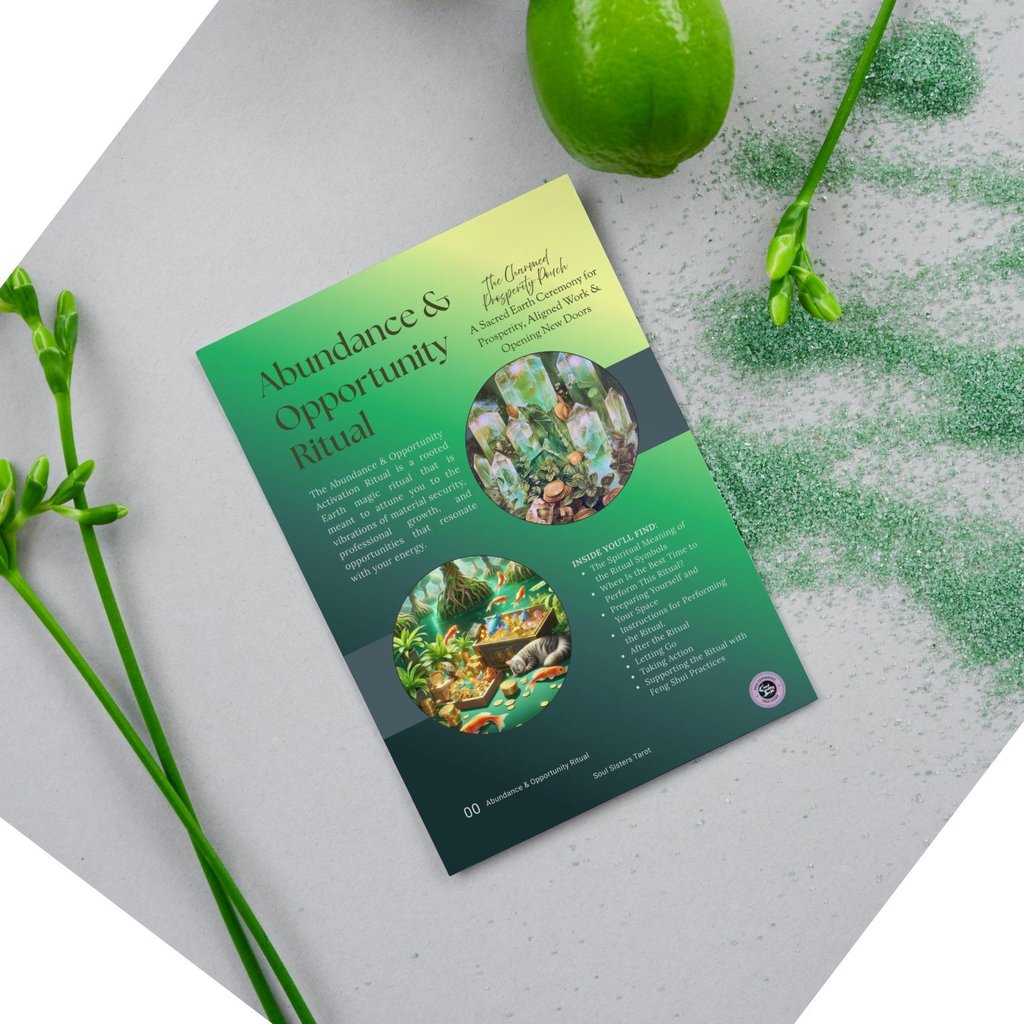
Now that you've discovered the best Corn Moon herbs and practical ways to use them, you may be ready to bring everything together in a meaningful ritual. Our Abundance & Opportunity Ritual is designed to help you celebrate your personal harvest through gratitude, reflection, and intentional spiritual practice. Herbs are completely optional, but they can beautifully complement the ritual if you'd like to include them.
🍂 Cinnamon
Why Cinnamon Suits the Corn Moon
Cinnamon has long been associated with warmth, comfort, and joyful celebration. Its rich aroma naturally evokes feelings of home, togetherness, and appreciation, making it a wonderful addition to Corn Moon practices.
The Corn Moon encourages us to celebrate our blessings before rushing into the next season, and cinnamon reflects that spirit beautifully. Its comforting aroma reminds us that gratitude is often something we share, whether through a meal with loved ones, meaningful conversations, or the simple joy of making our home feel warm and welcoming.
Spiritually, cinnamon represents heartfelt appreciation and the simple joy of sharing life's abundance with others. It encourages us to create welcoming spaces where gratitude can be expressed through meaningful conversations, quiet reflection, and moments spent with the people we care about.
Common Uses
Cinnamon is commonly enjoyed in herbal tea blends, seasonal simmer pots, altar displays, decorative gratitude bundles, or baked treats shared with family and friends. It's a beautiful herb for Corn Moon gatherings because it naturally evokes warmth, generosity, and togetherness.
🍵 Corn Moon Herbal Tea Ideas
The best Corn Moon herbal teas combine calming, grounding, and uplifting herbs that encourage gratitude and reflection. Popular blends include chamomile with lavender for relaxation, rosemary with mint for mental clarity, chamomile with calendula and cinnamon for harvest celebrations, and sage with thyme for grounding before meditation or journaling.
Preparing a warm cup of herbal tea is one of the easiest ways to bring the spirit of the Corn Moon into your evening. The slow process of boiling water, steeping herbs, and taking the first sip naturally encourages you to pause, settle your thoughts, and transition from the busyness of the day into a more reflective state. Whether you're journaling, meditating, or simply enjoying the Full Moon, the right tea can become a meaningful part of your seasonal ritual.
You don't need complicated recipes or rare ingredients to create a meaningful blend. Start with herbs you already enjoy, choose a combination that matches your intention for the evening, and allow the simple act of preparing your tea to become part of the ritual itself.
🌼 Peaceful Reflection Blend
Chamomile + Lavender + Lemon Balm
This gentle combination is perfect for slowing down after a busy day and creating space for gratitude, journaling, or quiet reflection. Its calming aroma encourages you to pause, breathe deeply, and appreciate the present moment.
Choose this blend if you've been feeling overwhelmed, emotionally tired, or simply want to slow down before journaling or meditation.
🌿 Clear Mind Blend
Rosemary + Mint
If you're planning to journal, reflect on the past year, or simply organize your thoughts, this refreshing blend encourages mental clarity and renewed perspective. It's an excellent choice when you want to celebrate your progress while also gaining insight into your next steps.
This is an excellent choice if you're reviewing the past season, planning your next steps, or working through journal prompts that require honest self-reflection.
🌞 Warm Harvest Blend
Chamomile + Calendula + Cinnamon
Comforting and uplifting, this blend reflects the warmth of the harvest season. It's a lovely choice for evenings spent appreciating life's blessings, sharing meaningful conversations, or simply enjoying the peaceful atmosphere of the Corn Moon.
It's also a lovely tea to prepare before sharing a Corn Moon meal or spending the evening with family and friends, helping create an atmosphere of warmth and appreciation.
🌱 Grounding Blend
Sage + Thyme
This earthy blend encourages steadiness, resilience, and thoughtful reflection. It pairs beautifully with meditation or quiet moments of gratitude, reminding you to appreciate the strong foundations you've built throughout the year.
If your thoughts have been racing or you've found it difficult to stay present, this blend can help create a steadier, more focused mindset before your Corn Moon practices.
A Gentle Reminder
Always identify herbs correctly and choose food-grade herbs from trusted suppliers if you plan to prepare them as tea. Some herbs may not be suitable for everyone, especially during pregnancy, while breastfeeding, when taking certain medications, or if you have underlying health conditions. When in doubt, consult a qualified healthcare professional before consuming herbal preparations.
📓 365 Psychological Journal Prompts
Some of the best journal entries begin with a warm cup of herbal tea.
After a quiet moment with your favorite Corn Moon herbs, you may notice thoughts and emotions rising naturally to the surface. Our 365 Psychological Journal Prompts help you turn those moments into meaningful self-reflection with thoughtful prompts designed for personal growth, gratitude, and emotional awareness.


🌿 Ways to Use Corn Moon Herbs
Corn Moon herbs can be used in many simple ways, including herbal teas, relaxing baths, altar displays, gratitude bundles, moon water rituals, incense, and seasonal decorations. You don't need to try every practice. Choosing one or two ideas that fit your lifestyle is enough to create a meaningful Corn Moon tradition.
Herbal tea is only one way to enjoy Corn Moon herbs. These seasonal plants can become part of your Full Moon practice in many different ways, whether you want to create a peaceful evening of reflection, spend more time in nature, or simply bring a little more mindfulness into your everyday routine. The goal isn't to use every herb or try every idea. It's to choose the practices that genuinely help you slow down and connect with the season.
🕯️ Create a Corn Moon Altar
Place a few fresh or dried herbs on your altar alongside seasonal symbols such as corn, seeds, candles, crystals, or your journal. Every time you see your altar throughout the Corn Moon season, it becomes a gentle visual reminder to pause, appreciate your progress, and reconnect with your intentions.
🛁 Prepare a Relaxing Herbal Bath
Add suitable dried herbs, herbal bath sachets, or herb-inspired essential oils to a warm bath before journaling or meditation. This simple ritual creates a clear transition between the busyness of the day and a quieter evening of gratitude and reflection.
🌿 Make a Gratitude Bundle
Gather a few dried herbs that represent qualities you'd like to celebrate, such as rosemary for wisdom, chamomile for peace, or thyme for resilience, and tie them together with natural twine. Display the bundle where you'll see it throughout the month as a reminder of your personal harvest.
💧 Infuse Your Moon Water
If you enjoy making moon water, place a jar of water beneath the Corn Moon and surround it with herbs that reflect your intention. Unless you're certain an herb is safe for direct contact, keep the herbs outside the jar as part of the ritual rather than placing them in the water.
If you're new to this practice, our guide on How to Make Moon Water walks you through the process step by step, including how to use it safely and intentionally during the Full Moon.
🕯️ Use Herbs in Incense
Many dried herbs have traditionally been enjoyed as herbal incense where appropriate. Their natural fragrance can help create a peaceful atmosphere for meditation, gratitude practices, or quiet reflection. Always burn herbs safely in a well-ventilated area using a heatproof container, and never leave burning herbs unattended.
🧺 Decorate Your Reflection Space
You don't need to burn or brew herbs for them to become meaningful. A small basket of rosemary, lavender, chamomile, or seasonal flowers can bring the changing season into your reflection space and serve as a gentle reminder of gratitude each time you sit down to journal or meditate.
🌙 Carry the Season Into Everyday Life
The Corn Moon may last only one night, but its lessons can stay with you all month. Continue brewing your favorite herbal tea, keep a small herb sachet beside your journal, cook with fresh rosemary or thyme, or place lavender near your bedside. These small daily rituals help gratitude become part of your everyday life rather than something you practice only during the Full Moon.
🌕 Continue Your Corn Moon Journey
Herbs can help you slow down and become more present, but they're only one part of a meaningful Corn Moon practice. September's Full Moon also invites reflection, gratitude, self-discovery, and an appreciation for everything you've cultivated throughout the year. Explore the guides below to discover practical ways to deepen your Corn Moon experience, whether you're creating a ritual, journaling beneath the Full Moon, working with crystals, or exploring the symbolism of the harvest season.
🌕 Corn Moon Ritual Guide
Discover three meaningful Corn Moon rituals that help you celebrate your personal harvest, reflect on your journey, and welcome the season with greater gratitude and intention.
👉 Explore the Corn Moon Ritual Guide
📝 Corn Moon Journal Prompts
Continue your reflection with journal prompts that help you uncover meaningful insights, celebrate your personal growth, and recognize the abundance already present in your life.
👉 Explore Corn Moon Journal Prompts
💛 Corn Moon Gratitude Practices
Explore 15 simple gratitude practices that transform appreciation into action and help you create meaningful Corn Moon traditions you'll return to every September.
👉 Explore Corn Moon Gratitude Practices
✨ Corn Moon Affirmations
Discover 60 uplifting Corn Moon affirmations that encourage gratitude, self-compassion, and a deeper appreciation for your journey.
👉 Explore Corn Moon Affirmations
💎 Corn Moon Crystals
Learn which crystals best complement the Corn Moon and discover practical ways to use them during meditation, gratitude practices, journaling, and Full Moon rituals.
👉 Explore Corn Moon Crystals
🌾 Corn Moon Symbols
Discover the hidden meaning behind the Corn Moon's most important symbols and explore the timeless lessons they offer about gratitude, growth, and the harvest season.
👉 Explore Corn Moon Symbols
Together, these guides help you explore the Corn Moon from every angle, combining seasonal wisdom, practical rituals, self-reflection, and spiritual symbolism to help you create a more meaningful Full Moon practice each September.
🌕 A Season to Slow Down and Savor
The Corn Moon herbs in this guide are more than seasonal plants. They're gentle invitations to slow down, engage your senses, and experience September's Full Moon with greater presence and intention. Whether you're brewing a calming cup of chamomile tea, adding rosemary to your gratitude practice, or simply pausing to enjoy the comforting scent of lavender, these simple moments can become meaningful reminders that life's greatest abundance is often found in the quiet experiences we usually overlook.
🍃 Soul Sisters Notes
"One of the beautiful things about herbs is that they naturally ask us to slow down. You pause while the tea steeps. You notice their fragrance. You become present almost without realizing it. That's why we love working with herbs during the Corn Moon. They remind us that gratitude isn't something we rush toward. Like every meaningful harvest, it's something we learn to savor." – Caitlin & Gerly
If you'd like to continue exploring seasonal spirituality, you'll find even more printable rituals, journals, self-reflection workbooks, tarot resources, and guided practices inside Sisters Creation. We've designed every resource to help you build meaningful traditions that grow with you through every season, not just during the Corn Moon.
Whether you choose one favorite herb or gradually explore all ten throughout the season, remember that the most meaningful Corn Moon practice isn't the most elaborate one. It's the one that helps you pause, appreciate your journey, and recognize the abundance that's already growing in your life.
With love,
Caitlin & Gerly
Soul Sisters Tarot
🌕 FAQ: Corn Moon Herbs
What are Corn Moon herbs?
Corn Moon herbs are herbs traditionally used during September's Full Moon to support gratitude, reflection, and mindful seasonal practices. Rather than focusing on one spiritual tradition, they're valued for the calming, grounding, and comforting atmosphere they bring to activities such as herbal teas, baths, meditation, journaling, altar work, moon water, and Corn Moon rituals.
Which herbs are associated with the Corn Moon?
Some of the most popular Corn Moon herbs include rosemary, chamomile, lavender, sage, calendula, thyme, mint, lemon balm, cedar, and cinnamon. Each herb supports a different intention. Chamomile encourages peace, rosemary inspires reflection and clarity, lavender promotes relaxation, sage symbolizes wisdom, while calendula, thyme, mint, lemon balm, cedar, and cinnamon each offer their own unique way to celebrate the Corn Moon.
Why are herbs used during the Corn Moon?
Herbs help transform ordinary moments into intentional ones. Their aromas, textures, and natural beauty encourage you to slow down, engage your senses, and become fully present. During the Corn Moon, they're often used to create a peaceful environment that supports gratitude, reflection, and a deeper appreciation for your personal harvest. Even simple practices like brewing tea or enjoying the fragrance of fresh herbs can become meaningful moments of mindfulness.
Can I grow my own Corn Moon herbs?
Yes. Many Corn Moon herbs, including rosemary, thyme, mint, sage, lemon balm, and lavender, are easy to grow at home in gardens or containers. Growing your own herbs can make your Corn Moon practice feel even more personal, allowing you to build a deeper connection with the plants you use throughout the harvest season.
Which Corn Moon herb is best for beginners?
Chamomile, rosemary, and lavender are excellent choices for beginners because they're widely available, easy to use, and suitable for many different Corn Moon practices. You don't need a large collection of herbs. One familiar herb used with intention is often more meaningful than trying to use many at once.
Can I use dried herbs instead of fresh herbs?
Yes. Dried herbs are widely used in spiritual practices and are often more practical because they last much longer. They're perfect for herbal teas, gratitude bundles, altar decorations, sachets, and incense where appropriate. Fresh herbs often provide a stronger aroma and seasonal connection, while dried herbs are convenient, long-lasting, and ideal for teas, sachets, gratitude bundles, and altar displays. Both can be equally meaningful when used with intention.
Can I combine different Corn Moon herbs?
Absolutely. Many herbs complement one another beautifully. Chamomile and lavender create a calming evening blend, rosemary and mint encourage clarity, while cinnamon and calendula add warmth and comfort to seasonal celebrations. Choose combinations that reflect the atmosphere you'd like to create during your Corn Moon practice.
Can I use Corn Moon herbs without performing a ritual?
Absolutely. Corn Moon herbs don't need to be part of a formal ritual to be meaningful. Brewing herbal tea, enjoying a relaxing bath, decorating your home with seasonal herbs, or keeping rosemary beside your journal are all simple ways to bring the reflective spirit of the Corn Moon into everyday life.
Are Corn Moon herbs safe to drink?
No. Some herbs in this guide are commonly enjoyed as teas, while others are better suited for incense, decorative displays, gratitude bundles, or other spiritual practices. While herbs such as chamomile, peppermint, lemon balm, and culinary rosemary are commonly enjoyed as teas, others may not be suitable for everyone or may require special preparation. Always identify herbs correctly, purchase them from trusted suppliers, and check whether they're appropriate for you before consuming them, especially if you're pregnant, nursing, taking medication, or managing a health condition.
Can I use Corn Moon herbs with crystals?
Yes. Herbs and crystals are often used together because they complement one another beautifully. For example, you might enjoy chamomile tea while meditating with Rose Quartz or place rosemary beside Citrine on your altar. Neither replaces the other. Together, they simply help create a more intentional Corn Moon experience.
Many people also combine herbs with affirmations, journaling, gratitude practices, or seasonal rituals to create a more immersive Corn Moon experience.
What's the difference between Corn Moon herbs and Harvest Moon herbs?
The Corn Moon and Harvest Moon are different Full Moons, even though both celebrate the harvest season. Corn Moon herbs focus on gratitude, appreciation, and recognizing personal growth, while Harvest Moon herbs are often associated with gathering, completion, and preparing for seasonal transition. Some herbs may appear in both traditions, but the intention behind using them is slightly different.
Which Corn Moon herb should I choose?
Trust your intuition, but also consider your intention. If you're seeking calm, choose chamomile or lavender. For gratitude and reflection, rosemary or sage are wonderful choices. If you'd like warmth and comfort, cinnamon and calendula beautifully reflect the spirit of the harvest season. The best herb is the one that helps you feel more present during the Corn Moon.
Do Corn Moon herbs have to be part of a spiritual practice?
Not at all. Many people simply enjoy them as part of a slow, seasonal lifestyle. Brewing herbal tea, arranging fresh herbs in your home, or spending a quiet evening surrounded by natural fragrances can be just as meaningful as a formal ritual. The Corn Moon reminds us that mindfulness often begins with the simplest moments. A warm cup of tea, the fragrance of fresh herbs, or a few quiet minutes of reflection can become just as meaningful as any elaborate Full Moon ritual.
When should I use Corn Moon herbs?
While many people enjoy working with herbs on the evening of the Corn Moon, you don't have to limit your practice to one night. You can use them throughout the Full Moon phase or even during the entire harvest season. Whether you're brewing herbal tea, journaling, meditating, or creating a gratitude ritual, the most important thing is choosing a time when you can slow down and be fully present.
Soul Sisters Tarot
A Soft Place to Grow.
💌 SOUL SISTERS WEEKLY
A thoughtful Sunday letter with tarot reflections, moon wisdom, self-love, and gentle encouragement.
© 2026. All rights reserved.
Inspirational Coaching OÜ
sisters@soulsisterstarot.com