🎉 TWO BIRTHDAYS, ONE LITTLE GIFT FOR YOU → ENJOY 25% OFF
We're celebrating our birthdays all month long. Enjoy 25% off products with code BIRTHDAY ✨



How to Celebrate Yuletide: Bring Ancient Yule Traditions to Life
How to celebrate Yuletide when the days are cold and the nights are long? Find beautiful Yule traditions, meaningful rituals, and simple ways to make the season special.
SEASONAL & SPIRITUAL TRADITIONS
Soul Sisters Tarot
12/7/202520 min read


How to Celebrate Yule and Yuletide: History, Spiritual Meaning, and Traditions
This article belongs to our Winter Solstice Collection, where we explore the symbolism of the season, the wisdom of darkness, and meaningful ways to welcome renewal.
Yule is an ancient midwinter festival associated with Northern European traditions, the winter solstice, and the symbolic return of the light. Yuletide refers to the festive season surrounding Yule, traditionally marked by gatherings, feasting, firelight, evergreen decorations, and seasonal customs. Today, people celebrate Yule and Yuletide in many ways, from traditional winter festivities to modern Pagan and nature-based spiritual practices.
The spiritual meaning of Yule centers on renewal, hope, reflection, and the gradual return of light after the darkest time of the year. It invites us to slow down, appreciate the warmth of connection, honor the changing seasons, and welcome new beginnings.
Whether you want to discover the history of Yule, understand its spiritual symbolism, explore traditional Yuletide customs, or find inspiration for how to celebrate Yule and Yuletide today, this guide will help you bring more meaning and intention into the winter season. We'll also introduce some beautiful modern seasonal practices, including the 13 Wishes for Christmas ritual, inspired by the Central European Rauhnächte traditions.
So, make yourself a warm drink, settle into your favorite cozy corner, and discover the traditions, symbolism, and simple celebrations that make Yuletide such a meaningful time of year.
If you feel drawn to exploring more seasonal traditions, visit our Sacred Celebrations & Spiritual Traditions Full Guide, where we explore ways to consciously honor the turning points of the year.
🎄 What Is Yule and Yuletide? Origins and Meaning
Yule is an ancient midwinter festival with roots in Northern European, particularly Germanic and Norse, traditions. Historically associated with feasting, seasonal gatherings, firelight, and the turning of the year, Yule honored the changing seasons and the gradual return of longer days. Today, it is celebrated by many modern Pagans, Wiccans, and people who feel connected to nature-based spirituality.
The word Yule comes from the Old Norse Jól and the Old English Geól, both associated with midwinter celebrations. The term Yuletide simply refers to the festive season or period surrounding Yule. Although the two words are often used interchangeably today, Yule traditionally describes the festival itself, while Yuletide refers more broadly to the celebrations, customs, and traditions connected with it.
Yule is closely associated with the winter solstice, the shortest day and longest night of the year in the Northern Hemisphere. After this turning point, daylight gradually increases, making the returning sun a powerful symbol of hope, renewal, and new beginnings. For many modern spiritual practitioners, celebrating Yule is a way to honor this natural transition and reconnect with the rhythms of the Earth. You can explore this connection further in our guide to Winter Solstice Spiritual Meaning.
At its heart, the spiritual meaning of Yule revolves around light returning after darkness, the promise of renewal, gratitude for what has been, and the possibility of what lies ahead. It is also a time to appreciate warmth, hospitality, family, friendship, and the comfort of gathering together during the coldest part of the year.
While Yule traditions have evolved over centuries, many familiar winter customs, including evergreen decorations, festive feasts, candlelight, and the symbolic Yule log, are associated with its broader cultural legacy. As Christianity spread throughout Northern Europe, some seasonal customs became intertwined with Christmas celebrations, creating traditions that continue to shape winter festivities today.
❄️ How Yule Was Celebrated: From Ancient Midwinter Feasts to Modern Traditions
🍺 Yule in Ancient Norse and Germanic Communities
In pre-Christian Northern Europe, Yule was an important time for communal gatherings and midwinter feasting. Historical accounts, including medieval Icelandic sagas, describe celebrations involving drinking, ceremonial toasts, offerings, and feasts held in honor of the gods. These gatherings were not simply occasions for entertainment. They also strengthened community bonds and marked an important moment in the seasonal calendar.
In Norse tradition, ceremonial drinking played a particularly significant role. Toasts could honor gods, ancestors, and the prosperity of the coming year. The saga of Haakon the Good, for example, describes a Yule feast in which participants drank toasts to Odin, Njord, and Freyr. Such accounts give us a glimpse into the religious and social importance of midwinter celebrations in the Norse world.
🏰 How Yule Changed With the Spread of Christianity
As Christianity gradually spread through Northern Europe, older seasonal customs encountered new religious traditions. Rather than disappearing overnight, some practices continued, adapted, or became part of local Christmas celebrations.
In Norway, King Haakon the Good is traditionally associated with establishing Christmas observance alongside the existing Yule festivities during the tenth century. Over subsequent centuries, the two celebrations became increasingly intertwined.
The word Yule itself survived, particularly in Scandinavian languages, where variations such as Jul are still used for Christmas today. This linguistic connection is a beautiful reminder of how older seasonal traditions have remained part of European winter culture.
🌲 The Revival of Yule in Modern Spirituality
Yule has also found renewed meaning through modern Pagan and Wiccan traditions. Many contemporary practitioners celebrate it as one of the eight seasonal festivals in the Wheel of the Year, marking the winter solstice and the symbolic return of the sun.
Modern celebrations often combine historical inspiration with personal spiritual practices. Some people create seasonal altars, light candles, honor nature, share a festive meal, or spend time reflecting on the year that has passed.
Others celebrate Yule simply as a meaningful seasonal occasion, without following a particular religious tradition. Its enduring appeal lies in the opportunity to pause, appreciate the present, and welcome the gradual return of light.
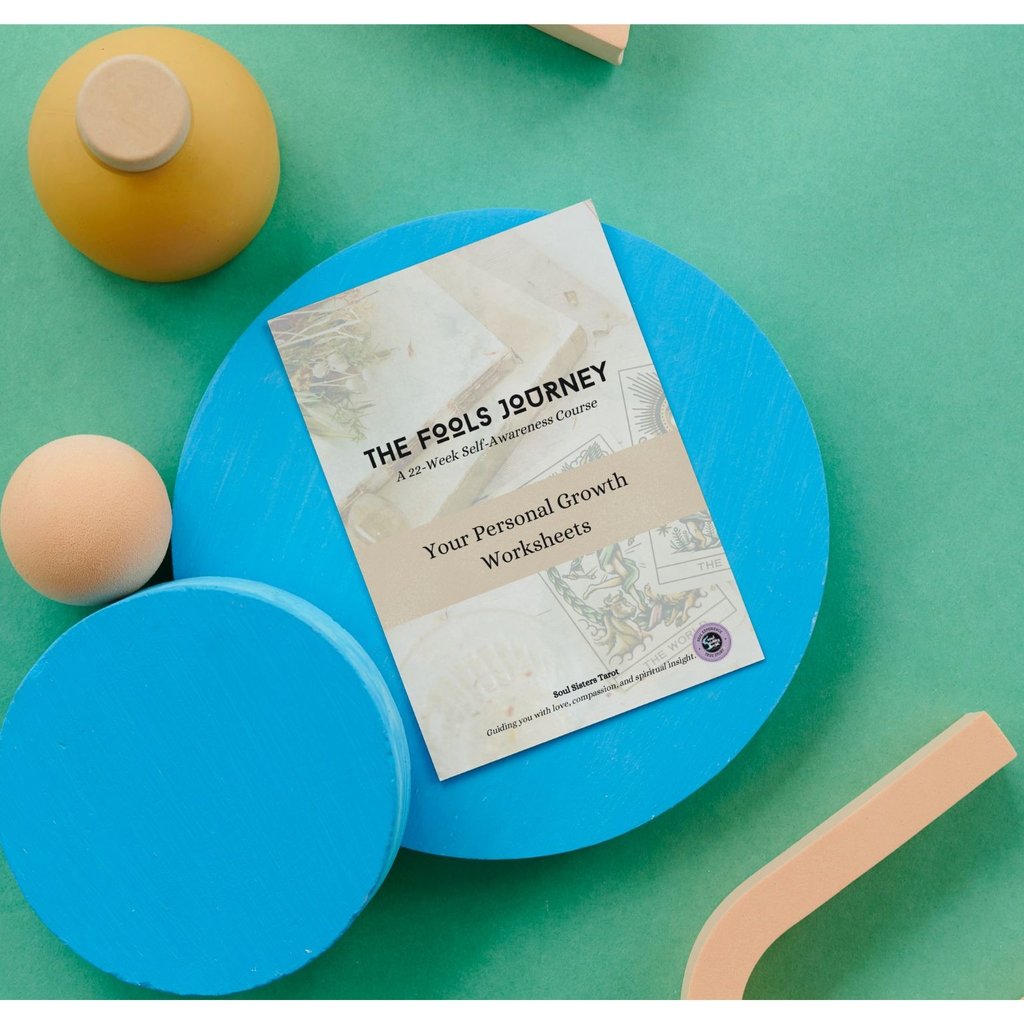
🪞 The Fool's Journey Self-Awareness Course
Feeling ready for a new chapter, but not quite sure what your next step should be?
The Fool's Journey Self-Awareness Course is a 22-week journey of personal exploration inspired by the symbolism of tarot. Through guided lessons and reflective exercises, you'll explore different stages of the human experience, recognize patterns in your own life, and gain a deeper understanding of who you are and who you wish to become. It's an opportunity to approach new beginnings with greater self-awareness, clarity, and intention.
🕯️ How to Celebrate Yuletide Today: 7 Meaningful Ideas
You can celebrate Yuletide by decorating your home with evergreens, lighting candles, preparing a seasonal feast, creating a Yule altar, spending time in nature, practicing winter reflection, and gathering with loved ones. Whether you follow Pagan traditions or simply enjoy the spiritual meaning of the season, Yuletide offers many ways to honor winter, welcome the returning light, and create meaningful seasonal traditions.
🌲 1. Decorate Your Home With Natural Yuletide Decorations
Bring the beauty of the winter landscape indoors with natural decorations. Evergreen branches, pinecones, dried orange slices, cinnamon sticks, holly, and seasonal greenery can transform your home into a cozy Yuletide sanctuary.
You can create a simple evergreen wreath, arrange pine branches in a vase, or decorate your table with candles and natural elements. Traditionally associated with endurance and everlasting life, evergreens are particularly meaningful during the darkest part of the year.
Choose decorations that feel personal to you. A handmade ornament or a small arrangement gathered during a winter walk can become more meaningful than an elaborate store-bought display.
🕯️ 2. Light Candles to Welcome the Returning Sun
Fire and candlelight are beautiful symbols of Yule, representing warmth, hope, and the gradual return of longer days after the winter solstice.
Create a quiet moment in the evening by switching off unnecessary lights and lighting a few candles. As you watch their flames, consider what has helped you through the darker seasons of your life and what you would like to welcome into the coming year.
If you would like to explore more meaningful ways to honor the seasonal turning point, our guide to Winter Solstice Rituals offers additional practices for celebrating the longest night and welcoming the returning light.
🍎 3. Prepare a Yuletide Feast
Food has always been an important part of seasonal celebrations, bringing people together during the colder months. A Yuletide feast doesn't need to be extravagant. The intention is to share warmth, generosity, and gratitude.
Prepare a meal with seasonal ingredients such as roasted root vegetables, apples, nuts, winter greens, hearty soups, freshly baked bread, and warming spices. You could also make a traditional Yule log cake or prepare a pot of spiced apple cider.
Before eating, take a moment to appreciate the food, the people around your table, and the simple comfort of sharing a meal.
🌙 4. Create a Yule Altar
A Yule altar is a small seasonal space where you can express your intentions and connect with the symbolism of the festival.
You might include:
Evergreen branches: Symbols of endurance, vitality, and life during winter.
Candles: Representing the returning light and hope.
Pinecones and acorns: Reminders of nature's cycles and the promise of future growth.
Crystals: Chosen for their personal symbolism and association with grounding, reflection, or renewal.
A written intention: A reminder of what you want to nurture in the coming year.
Arrange these objects somewhere peaceful in your home. Your altar doesn't need to be elaborate or follow strict rules. It should simply reflect what Yule means to you.
If you enjoy working with crystals in seasonal spiritual practices, our Winter Solstice Crystals guide explores suitable stones and their symbolic associations.
🌲 5. Spend Time in Nature
Winter invites us to notice a different side of the natural world. Trees become bare, daylight grows shorter, and many landscapes appear quieter than they do during the warmer months.
Take a mindful winter walk and pay attention to the details you might otherwise overlook: evergreen trees, frost-covered leaves, winter birds, the quality of the afternoon light, or the stillness of the landscape.
You could also bring a little of that experience home by gathering fallen pinecones or branches for natural decorations, where local rules allow. Let nature remind you that periods of rest and stillness are also part of growth.
📖 6. Practice Winter Reflection and Journaling
Yule is a meaningful opportunity to look back on the year without judging yourself for everything that did or did not happen.
Set aside some quiet time and reflect on questions such as:
What experience taught me the most this year?
What am I ready to leave behind?
Which moments brought me the greatest joy?
What would I like to give more attention to next year?
How can I create more space for rest, connection, and personal growth?
Write freely without worrying about finding perfect answers. You can return to your reflections later in the year and see how your intentions have developed.
For more inspiration, explore our Winter Solstice Journal Prompts, created to help you reflect on the changing season and reconnect with yourself.
❤️ 7. Celebrate Yuletide With Loved Ones
Although Yule can be a deeply personal spiritual observance, it is also a beautiful opportunity to strengthen relationships and create shared memories.
Invite friends or family for a cozy winter gathering, exchange thoughtful handmade gifts, tell stories, play seasonal music, or enjoy a candlelit evening together. You could even begin a tradition of sharing one thing each person feels grateful for and one hope they carry into the coming year.
If you celebrate alone, you can create an equally meaningful experience with a favorite meal, a special film, a peaceful evening ritual, or a phone call with someone you love.
☃️ Winter Self-Love Bucket List
Want to make this winter about more than simply getting through the colder, darker days?
Our Winter Self-Love Bucket List is filled with cozy activities, little seasonal adventures, and thoughtful ways to make more time for yourself. From peaceful moments at home to creative activities and simple winter pleasures, you'll find plenty of inspiration to make this season feel warmer, more joyful, and full of meaningful memories.


The heart of Yuletide is not how elaborate your celebration looks, but the meaning you bring to it.
🌟 Yuletide vs. Christmas: What’s the Difference?
Is Yuletide the same as Christmas? Although the two celebrations share historical connections and many familiar seasonal customs, they are not exactly the same. Yule originated as a midwinter festival in pre-Christian Northern Europe, while Christmas is a Christian holiday celebrating the birth of Jesus Christ. Over the centuries, their traditions and cultural influences became intertwined, shaping many of the winter celebrations we recognize today.
Yuletide traditionally refers to the festive season associated with Yule, a midwinter celebration rooted in Northern European traditions. Christmas, by contrast, is a Christian religious holiday that commemorates the birth of Jesus. Although they have different historical and religious origins, both celebrations have become associated with light, generosity, family gatherings, feasting, and seasonal traditions.
As Christianity spread throughout Northern Europe, older midwinter customs gradually encountered Christian celebrations. Some seasonal practices continued, adapted, or became part of local Christmas traditions. Evergreen decorations, festive feasting, candlelight, and the symbolic Yule log are examples of customs associated with this broader winter cultural heritage. However, it is important not to assume that every familiar Christmas tradition originated directly from ancient Yule celebrations.
Is Yuletide a Pagan Celebration?
Yes, Yule has pre-Christian roots in Northern European, particularly Germanic and Norse, midwinter traditions. Modern Pagan and Wiccan practitioners often celebrate Yule as part of the Wheel of the Year, observing the winter solstice through seasonal rituals, nature-based practices, and celebrations of the returning light.
However, celebrating Yuletide today does not necessarily mean following a Pagan religion. Many people embrace its seasonal symbolism, enjoy its traditional customs, or use the occasion for personal reflection without identifying with any particular spiritual path.
Can Christians Celebrate Yuletide?
Yes, Christians can enjoy seasonal customs associated with Yuletide, although individual beliefs and interpretations differ. Some Christians use Yuletide simply as another name for the Christmas season, while others distinguish between its pre-Christian origins and their own religious celebrations.
Many winter customs, such as decorating with evergreens, lighting candles, sharing festive meals, and gathering with loved ones, can hold different meanings for different people. Ultimately, how someone chooses to celebrate depends on their personal beliefs, values, and intentions.
At its heart, the connection between Yule and Christmas reminds us how seasonal traditions evolve across generations. Whether you celebrate Christmas, observe Yule, embrace both, or simply appreciate the beauty of winter, this time of year offers an opportunity to reconnect with loved ones, find comfort in familiar traditions, and welcome the promise of new beginnings.
🕯️ Symbolism of Yule: Light, Renewal, and Protection
The symbolism of Yule is closely connected to the natural world and the changing seasons. Evergreens represent enduring life, candles and fires symbolize the returning sun, and seasonal plants and animals remind us of nature's resilience during winter. Together, these symbols express some of Yule's central themes: hope during darkness, protection, renewal, and the promise of new beginnings.
🌲 Evergreen Plants: Symbols of Life and Endurance
Evergreen plants hold a special place in Yuletide celebrations because they remain green when much of the natural world appears dormant. Pine, fir, spruce, holly, and ivy have therefore become powerful symbols of endurance, vitality, and the continuation of life through winter.
Different plants also carry their own traditional and modern spiritual associations:
Pine and fir: Often associated with longevity, resilience, purification, and protection. Their lasting greenery reminds us that difficult seasons do not erase our inner strength.
Holly: Traditionally associated with protection, vitality, and good fortune. Its bright red berries also bring color and life into the winter landscape.
Ivy: Symbolizes persistence, connection, and loyalty because of its ability to grow and remain green through challenging conditions.
Mistletoe: Has a long history of symbolic associations with fertility, healing, peace, and protection in European folklore. Its distinctive growth and evergreen leaves have made it a particularly intriguing winter plant.
You can bring these plants into your Yuletide celebration through wreaths, seasonal arrangements, natural decorations, or a small evergreen display. Always choose non-toxic plants if children or pets might come into contact with them.
🔥 Fire and Light: Welcoming the Returning Sun
Fire is one of the most recognizable symbols of Yule. During the darkest part of the year, flames offer both practical warmth and a powerful image of hope, renewal, and the returning light.
Candles, lanterns, hearth fires, and the traditional Yule log all reflect this symbolism. Their gentle glow reminds us that darkness is not permanent and that even the smallest source of light can make a difference.
You can bring this symbolism into your own celebration by lighting a candle during the evening of the winter solstice. Take a few quiet moments to reflect on what has guided you through the past year and what you hope to welcome into the next one.
For a deeper exploration of this seasonal transition, our guide to Winter Solstice Spiritual Meaning explores the symbolism of the longest night and the gradual return of daylight.
🐐 Animals and Sacred Yuletide Symbols
Animals also appear throughout European winter folklore and modern Yule symbolism. Some became associated with seasonal celebrations through mythology, regional customs, and storytelling, while others have acquired more recent spiritual interpretations.
A few particularly recognizable examples include:
The Yule Goat: Especially associated with Scandinavian Christmas and Yuletide traditions, the straw goat has become a familiar seasonal decoration. Its origins and meanings are complex, but today it is often associated with protection, prosperity, and festive good fortune.
The raven: Appears in Norse mythology as a companion of Odin and is commonly associated in modern spiritual interpretations with wisdom, observation, and mystery.
The wolf: Features in Norse mythology and European folklore, where it can represent both danger and strength. In modern symbolic interpretations, it is often connected with instinct, resilience, and protection.
The robin: A familiar winter bird in European seasonal imagery, often associated with hope, companionship, and the beauty of life during colder months.
These symbols can add another layer of meaning to your Yuletide decorations and reflections. You might choose an animal that represents a quality you want to cultivate in the coming year, such as the raven's wisdom, the wolf's resilience, or the Yule Goat's festive spirit.
🔔 Traditional Yuletide Customs: The Yule Log, Twelve Days, and Wassailing
Yuletide traditions have evolved over centuries, combining older midwinter customs with regional folklore and modern seasonal celebrations. Some practices, such as the Yule log and festive feasting, remain recognizable today, while others have been adapted into new forms. Understanding these customs offers a glimpse into how people have marked the winter season across generations.
🪵 The Yule Log: An Ancient Symbol of Warmth and Good Fortune
The Yule log is one of the best-known symbols associated with midwinter celebrations. In various European traditions, a large log was selected, brought into the home, and burned in the hearth as part of the winter festivities. It was associated with warmth, protection, prosperity, and good fortune for the household.
Some traditions involved decorating the log with greenery, keeping part of the previous year's log or ashes, and using them in the following year's celebration. However, customs varied considerably between regions and households, and there was no single universal Yule log ceremony.
Today, the tradition has taken many forms. Some people still burn a specially chosen log in a fireplace, while others create decorative Yule logs using branches, candles, pinecones, and evergreen decorations. The familiar chocolate Yule log cake, or bûche de Noël, is another festive interpretation of this seasonal symbol.
Whether you choose a traditional fireplace celebration or a decorative centerpiece, the Yule log represents the warmth and comfort we seek during winter's darkest days.
🌙 The Twelve Days of Yule: A Celebration Between Years
Yule is often associated with a period of midwinter festivities rather than a single evening. Historical Yule celebrations did not follow one universally established twelve-day schedule, but the Twelve Days of Christmas and various later European winter traditions helped shape the way many people observe this period today.
In some Central European traditions, the twelve nights known as the Rauhnächte are associated with reflection, dreams, folklore, and the transition between the old and new year. Each night is sometimes symbolically connected to one month of the coming year, encouraging people to pay attention to their dreams, experiences, and intentions.
For modern spiritual practitioners, this period offers an opportunity to slow down, reflect on the past year, and consider what they want to nurture in the months ahead.
🍎 Wassailing and Yuletide Feasting
Wassailing is an old English winter custom involving singing, drinking, and offering blessings for prosperity and good fortune. One particularly interesting tradition was apple-tree wassailing, in which people visited orchards, sang to the trees, and made ceremonial offerings in the hope of encouraging a good harvest.
Wassailing also developed into a form of seasonal visiting and communal singing, with people sharing warm spiced drinks and spreading good wishes throughout their communities.
Although wassailing is not exclusively a Yule tradition and its customs developed within different regional contexts, it fits beautifully into the wider spirit of winter celebration.
Feasting was another important part of many historical midwinter festivities. Sharing food helped strengthen relationships and bring communities together during a demanding season. Today, a Yuletide feast can continue that spirit through seasonal dishes, shared recipes, and the simple pleasure of gathering around a table.
✨ Modern Yuletide Spiritual Practices: Bringing Ancient Traditions Into Your Life
Modern Yuletide celebrations often combine inspiration from historical customs with personal spiritual practices. Rather than following one fixed set of rules, people create seasonal traditions that reflect their beliefs, values, and intentions.
For some, this means celebrating the winter solstice with a candlelit ritual. For others, it involves connecting with nature, practicing gratitude, or welcoming the new year through intention-setting.
One modern practice that has become particularly popular during the winter season is the 13 Wishes for Christmas ritual, inspired by the Central European Rauhnächte traditions.
The practice involves writing thirteen wishes for the coming year and symbolically releasing twelve of them over twelve nights, leaving one wish to guide your own actions and intentions.
If you would like to try this beautiful seasonal practice, we have a dedicated guide to the 13 Wishes for Christmas Ritual, where we explain its background, preparation, and step-by-step process.
The beauty of modern Yuletide spirituality is that you can make these traditions your own. You don't need elaborate ceremonies or complicated rituals. A meaningful intention, a quiet moment, or a small seasonal practice can be enough to create a personal connection with the changing season.
🔥 The Spiritual Side of Yuletide: Reflection, Divination, and Renewal
Beyond its festive customs, Yuletide offers an opportunity to turn inward and reflect on the experiences, lessons, and changes that have shaped the past year. The quiet atmosphere of winter can encourage a slower pace, making space for self-awareness, spiritual exploration, and thoughtful preparation for what comes next.
📖 Year-End Reflection and Journaling
The transition between years is a natural opportunity to look back at your experiences and consider how you have grown. Rather than focusing only on achievements or unfinished goals, use this time to recognize the lessons, relationships, challenges, and unexpected moments that shaped your journey.
You might reflect on questions such as:
What experience changed the way I see myself this year?
Which personal boundaries have I learned to strengthen?
What am I ready to release before entering a new year?
Which parts of my life deserve more attention and care?
What would I like to welcome into my life during the coming months?
Writing your thoughts down can help you recognize patterns and understand what truly matters to you.
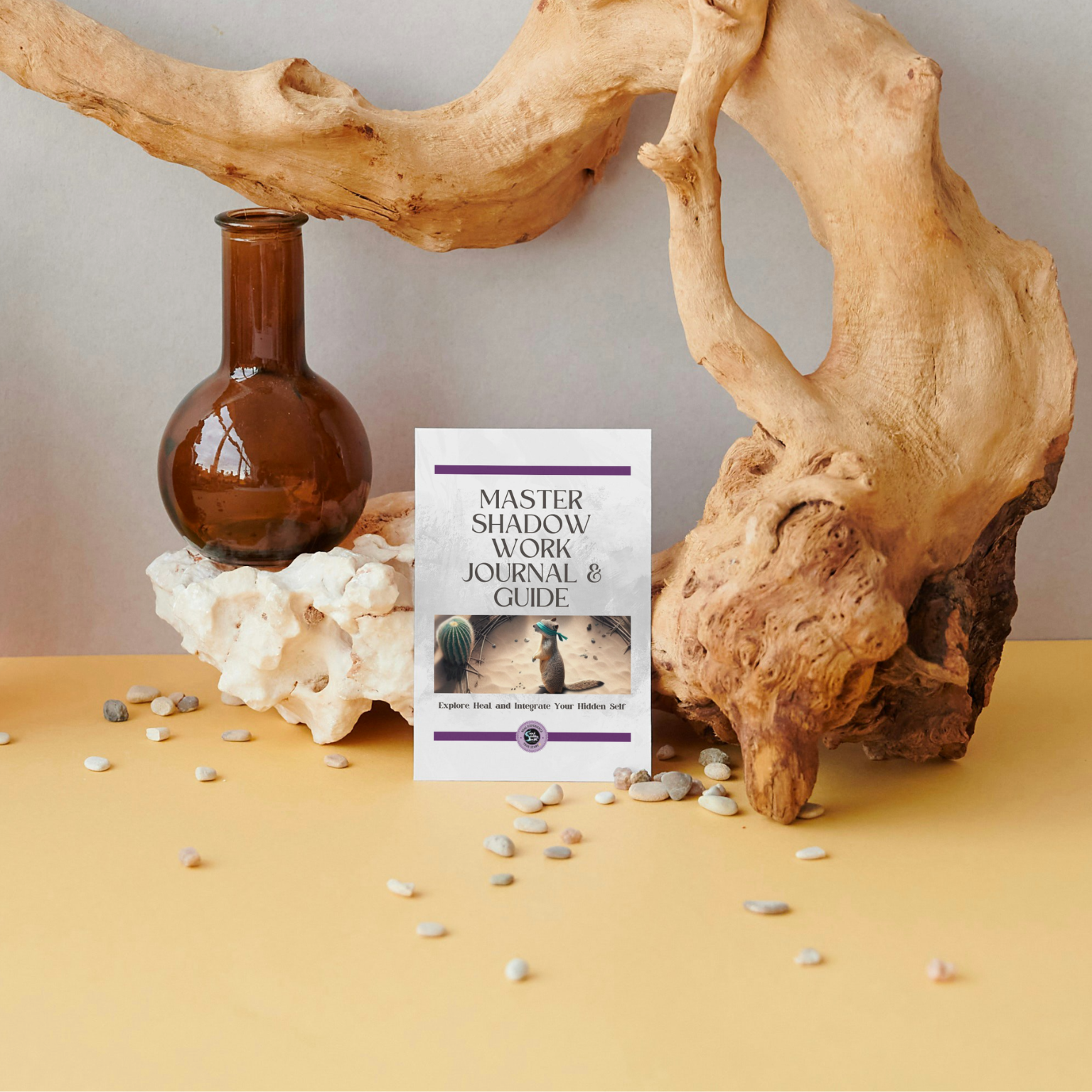
🤍 Master Shadow Work Journal & Guide
Ready to leave old patterns behind and enter the new year with a deeper understanding of yourself?
Our Master Shadow Work Journal & Guide helps you look beyond surface-level reflections and explore the beliefs, emotional patterns, and experiences that influence the way you think and feel. With thoughtful prompts and guided exercises, you can begin understanding the parts of yourself that deserve more compassion, attention, and healing.
If you would like more inspiration, our Winter Solstice Journal Prompts offer additional questions for seasonal reflection, self-discovery, and setting meaningful intentions.
🔮 Tarot, Divination, and Seasonal Guidance
Tarot and other forms of divination can become meaningful parts of a Yuletide celebration, particularly when used for reflection rather than trying to predict every detail of the future.
A seasonal tarot reading can help you explore what the past year has taught you, which patterns you might want to leave behind, and where you would like to direct your energy next. You might draw a single card to represent the coming year or use a more detailed spread to explore different areas of your life.
If you would like to discover what opportunities and lessons the new year may hold for your zodiac sign, explore our Tarot Reading for All 12 Zodiac Signs for the upcoming year.
You can also explore rune casting, palm reading, dream journaling, or quiet meditation as ways to connect with your intuition and personal reflections.
For a dedicated seasonal reading, try our Winter Solstice Tarot Spread designed to help you explore the meaning of the seasonal transition and gain a fresh perspective on the path ahead.
🦉 Tarot eBook: Complete & Secret Guide to Tarot
Would you love to feel more confident interpreting tarot cards and understanding the messages behind them?
Our Tarot eBook is a 134-page guide designed to help you build your tarot knowledge, understand the meanings of the cards, and develop a more personal relationship with your readings. Whether you're just beginning or looking to deepen your practice, it gives you a supportive foundation for using tarot as a tool for reflection and self-discovery.


🕯️ Cleansing and Blessing Your Space
A seasonal home-cleansing practice can be a meaningful way to mark the transition into a new season. It offers an opportunity to refresh your surroundings, let go of physical clutter, and create an environment that feels peaceful and welcoming.
You might begin by tidying your home, opening the windows briefly to let in fresh air, or cleaning an area that has been neglected during the busy months. Then, choose a simple symbolic practice, such as lighting a candle, using incense, ringing a bell, or placing fresh evergreen branches in your living space.
As you do so, consider what kind of atmosphere you want to create in your home during the coming year. Perhaps you want more calm, creativity, connection, or space for personal growth.
The practice doesn't need to involve elaborate ceremonies. Sometimes, creating a peaceful physical environment is a meaningful first step toward a fresh beginning.
✨ How to Celebrate Yuletide: Welcoming Light, Love, and New Beginnings
Yule and Yuletide remind us that even the longest night eventually gives way to light. Rooted in ancient midwinter traditions and carried forward through generations, this seasonal celebration offers an opportunity to slow down, reconnect with nature, appreciate the people we love, and reflect on the journey that brought us here.
Whether you celebrate through traditional Yule customs, create a cozy winter sanctuary, share a festive meal, or explore spiritual practices such as tarot and journaling, there is no single right way to honor the season. What matters most is choosing traditions that feel meaningful to you and allowing yourself to experience the beauty of winter in your own way.
And remember, winter doesn't have to be a season of simply waiting for brighter days. It can also be a time to nurture yourself, discover little moments of joy, and make space for the things that bring warmth to your heart. Our Winter Self-Love Bucket List is filled with cozy activities and thoughtful ideas to help you make the most of this introspective season.
If Yule has inspired you to explore your spiritual journey further, we would also love to welcome you to Sisters Creation, where you'll find tarot resources, self-reflection tools, rituals, and spiritual offerings created to support your personal growth.
May your Yuletide be filled with gentle moments, meaningful connections, and the quiet magic of new beginnings. May the returning light remind you that growth takes time, rest has its purpose, and there is always something beautiful waiting to unfold.
Blessed Yule and Yuletide!
With Love,
Caitlin & Gerly,
Soul Sisters Tarot
❓ FAQ: How to Celebrate Yuletide and Yule
When is Yule celebrated?
Yule is traditionally celebrated around the winter solstice in the Northern Hemisphere, which usually falls between December 20 and 23. Many modern Pagan and Wiccan celebrations take place on the solstice itself, while some historical and contemporary traditions observe a longer midwinter festival. In the Southern Hemisphere, the corresponding winter solstice occurs around June 20–22.
How long does Yuletide last?
The length of Yuletide depends on the tradition being followed. Some modern celebrations focus on the winter solstice itself, while others observe twelve days or nights of festivities. The Twelve Days of Christmas, celebrated from December 25 through January 5, are also associated with the broader European midwinter celebration period. There is no single universally accepted duration for Yule.
Is Yule part of the Wheel of the Year?
Yes. In modern Wiccan and many Pagan traditions, Yule is one of the eight seasonal festivals known as the Wheel of the Year. It marks the winter solstice and represents the turning point when daylight gradually begins to increase again. Together with the other seven seasonal celebrations, Yule helps practitioners honor the changing seasons and the natural cycles of life.
What is the Yule log, and why is it associated with Yule?
The Yule log is a traditional midwinter symbol associated with warmth, protection, and good fortune. In various European customs, a specially selected log was burned in the hearth during winter festivities, with some traditions preserving its ashes or a piece of wood for future celebrations. Today, the tradition also lives on through decorative Yule logs and the familiar chocolate Yule log cake.
What is the connection between Yule and the 13 Wishes for Christmas ritual?
The 13 Wishes for Christmas ritual is a modern spiritual practice inspired by the Central European Rauhnächte, a period of twelve sacred nights associated with the transition between years. Although it is not an ancient Yule ritual in a universally documented historical sense, many people incorporate it into their modern Yuletide celebrations because its themes of reflection, intention-setting, and new beginnings complement the spirit of midwinter. You can learn how to perform the practice in our dedicated 13 Wishes for Christmas Ritual guide.
What are traditional Yule greetings?
Common Yule greetings include "Blessed Yule," "Happy Yule," and "Blessed Yuletide." These expressions are used to share seasonal wishes of peace, warmth, happiness, and renewal. Many modern Pagan and nature-based spiritual communities use them to celebrate the winter solstice and the returning light.
What does the word Yule mean?
The word Yule comes from the Old Norse Jól and Old English Geól, terms associated with midwinter celebrations. Although its exact linguistic origins remain debated, the word has become closely connected with winter festivities, seasonal gatherings, and the celebration of the returning light. Today, Yule commonly refers to the midwinter festival celebrated around the winter solstice.
Soul Sisters Tarot
A Soft Place to Grow.
💌 SOUL SISTERS WEEKLY
A thoughtful Sunday letter with tarot reflections, moon wisdom, self-love, and gentle encouragement.
© 2026. All rights reserved.
Inspirational Coaching OÜ