💌 JOIN SOUL SISTERS WEEKLY → GET FREE WELCOME GIFTS 🎁
Receive a thoughtful Sunday letter, free Self-Love & Shadow Work guides, and monthly Full Moon rituals ✨


Sacred Celebrations and Spiritual Rituals: A Guide to Honoring Seasons, Life Cycles, Soul Milestones
Sacred celebrations and spiritual rituals guide for honoring seasons, birthdays, and life transitions with meaning and intention.
SEASONAL & SPIRITUAL TRADITIONS
Soul Sisters Tarot
2/1/202622 min read

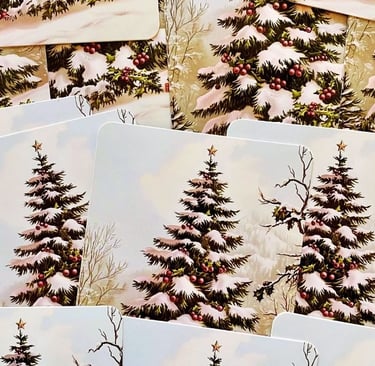
Sacred Celebrations & Spiritual Rituals: A Guide to Honoring Seasons, Life Cycles & Soul Milestones
🌿 What Are Sacred Celebrations?
Sacred celebrations are meaningful moments that help us honor life's natural cycles, seasonal changes, personal milestones, and spiritual traditions with greater awareness and intention. They may include seasonal festivals, birthdays, rites of passage, ancestral observances, or personal rituals that create space for reflection, gratitude, healing, and renewal. Rather than following strict rules, sacred celebrations invite us to pause, reconnect with ourselves, and move through life with greater presence.
Sacred celebrations and spiritual rituals have helped people mark the changing seasons, life's milestones, and moments of transformation for thousands of years. Across cultures, these meaningful traditions create space to pause, reflect, express gratitude, and reconnect with what truly matters.
Some celebrations follow the rhythm of nature, such as the Spring Equinox, Summer Solstice, Autumn Equinox, or Yule. Others honor deeply personal transitions like birthdays, Saturn returns, healing journeys, or new beginnings. Although every tradition is different, they all share a common purpose: helping us move through life's changes with greater awareness and intention.
Instead of letting seasons and milestones pass unnoticed, sacred celebrations invite us to experience them more intentionally. They remind us that every ending, beginning, harvest, and period of rest offers an opportunity to learn something about ourselves and the life we're creating.
In this guide, you'll explore seasonal celebrations, spiritual festivals, life transitions, and personal rituals from a grounded and welcoming perspective. Whether you're looking for the meaning of Mabon, Samhain, the Autumn Equinox, birthday rituals, or simple ways to create your own sacred traditions, you'll find practical guidance, symbolism, and deeper resources to help you build rituals that genuinely support your life.
At Soul Sisters Tarot, we believe sacred celebrations aren't about following someone else's traditions perfectly. They're opportunities to pause, reflect, and intentionally mark the moments that shape our lives. Whether you're honoring an ancient seasonal festival or creating a quiet ritual of your own, what makes a celebration sacred isn't complexity. It's the meaning you bring to it.
What Is the Purpose of Sacred Celebrations?
Sacred celebrations help us mark meaningful moments in life with greater awareness and intention. Whether connected to seasonal changes, spiritual traditions, birthdays, or personal milestones, they create opportunities to reflect, express gratitude, process change, and reconnect with ourselves. Across cultures, these rituals remind us that life's transitions are not interruptions, but meaningful parts of our journey.
🌿 Why Do Sacred Celebrations Matter?
Across cultures and throughout history, people have marked important moments with rituals. Seasonal festivals, birthdays, harvest celebrations, rites of passage, and ancestral traditions all share a common purpose: they help us recognize that life is constantly changing and that those changes deserve to be acknowledged rather than rushed past.
Sacred celebrations create intentional pauses in a world that often encourages us to keep moving. Instead of treating every day the same, they remind us to notice beginnings, endings, achievements, transitions, and the quiet moments in between. Whether you're celebrating the arrival of spring, honoring the longest night of the year, or reflecting on a personal milestone, these moments invite you to become more present in your own life.
From a spiritual perspective, rituals help us transform ordinary experiences into meaningful ones. Lighting a candle, preparing a seasonal meal, journaling, gathering with loved ones, or simply spending time in nature becomes more than a habit when it's done with intention. The ritual itself isn't what creates meaning. Your awareness and presence are.
Sacred celebrations can also support emotional well-being by helping us process change. They give us permission to celebrate joyful chapters, grieve endings, express gratitude, set intentions, and reconnect with ourselves before stepping into something new. Rather than resisting life's natural cycles, rituals encourage us to move through them with greater awareness and self-compassion.
Whether rooted in ancient traditions or created for your own personal journey, meaningful rituals often help us:
Mark important transitions with intention.
Create emotional and spiritual closure.
Release what no longer serves us.
Welcome new beginnings with clarity and hope.
Strengthen gratitude and self-awareness.
Build a deeper connection with nature and its changing seasons.
Create moments of stillness in busy everyday life.
🍃 Soul Sisters Note
"The most meaningful rituals don't change the seasons. They change the way we experience them." – Caitlin & Gerly
Sacred celebrations aren't about performing the perfect ritual or following someone else's traditions exactly. They're about creating moments that remind us to slow down, pay attention, and honor the seasons, milestones, and life experiences that quietly shape who we are becoming.
What Are Seasonal Sacred Celebrations?
Seasonal sacred celebrations are traditions that honor the changing cycles of nature throughout the year. Many are connected to astronomical events such as the equinoxes and solstices, while others belong to spiritual traditions like the Wheel of the Year. Although each celebration has its own history and customs, they all encourage reflection, gratitude, renewal, and living in harmony with the rhythms of the natural world.
🌎 The Seasons as Sacred Turning Points
Every season carries its own rhythm, symbolism, and invitation for growth. Long before modern calendars existed, people looked to the changing light, the stars, the harvest, and the natural world to understand the passing of time. These seasonal turning points became moments to celebrate, reflect, prepare, and reconnect with both nature and themselves.
Many of the world's best-known sacred celebrations are connected to the changing seasons. Some mark astronomical events, such as the equinoxes and solstices, while others belong to spiritual traditions like the Wheel of the Year. Although their customs and histories differ, they all remind us that life moves in cycles rather than straight lines.
At Soul Sisters Tarot, we explore both the seasonal events themselves and the traditions that have grown around them. For example, the Spring Equinox and Autumn Equinox are astronomical events celebrated across many cultures, while Ostara, Litha, Mabon, and Yule are seasonal festivals within the modern Wheel of the Year. Together, they offer different perspectives on the same natural rhythms, helping us understand both the changing world around us and the changes taking place within ourselves.
Below, you'll find guides to some of the most meaningful seasonal celebrations, spiritual festivals, and life milestones, each offering its own history, symbolism, rituals, and practical ways to celebrate with intention.
🌱 Spring Equinox: Celebrating Renewal and Balance
The Spring Equinox marks one of the year's most important seasonal turning points. As day and night return to near-equal balance, it symbolizes renewal, hope, emotional rebirth, and the beginning of a new cycle of growth. Across cultures and centuries, people have honored the equinox through rituals, meditations, seasonal gatherings, and celebrations that reflect nature's awakening.
The Spring Equinox is an astronomical event, observed around the world regardless of spiritual tradition. For many people, it becomes a meaningful opportunity to reflect on fresh beginnings, reconnect with nature, and welcome the lighter half of the year with intention.
From planting seeds and creating seasonal altars to journaling, spending time outdoors, and practicing mindful rituals, the Spring Equinox encourages us to pause and consider what we want to cultivate in the months ahead.
For a comprehensive guide to Spring Equinox rituals, symbolism, traditions, and spiritual practices, explore our complete guide:
👉 Spring Equinox Rituals: Spiritual Meaning, Traditions & Sacred Practices
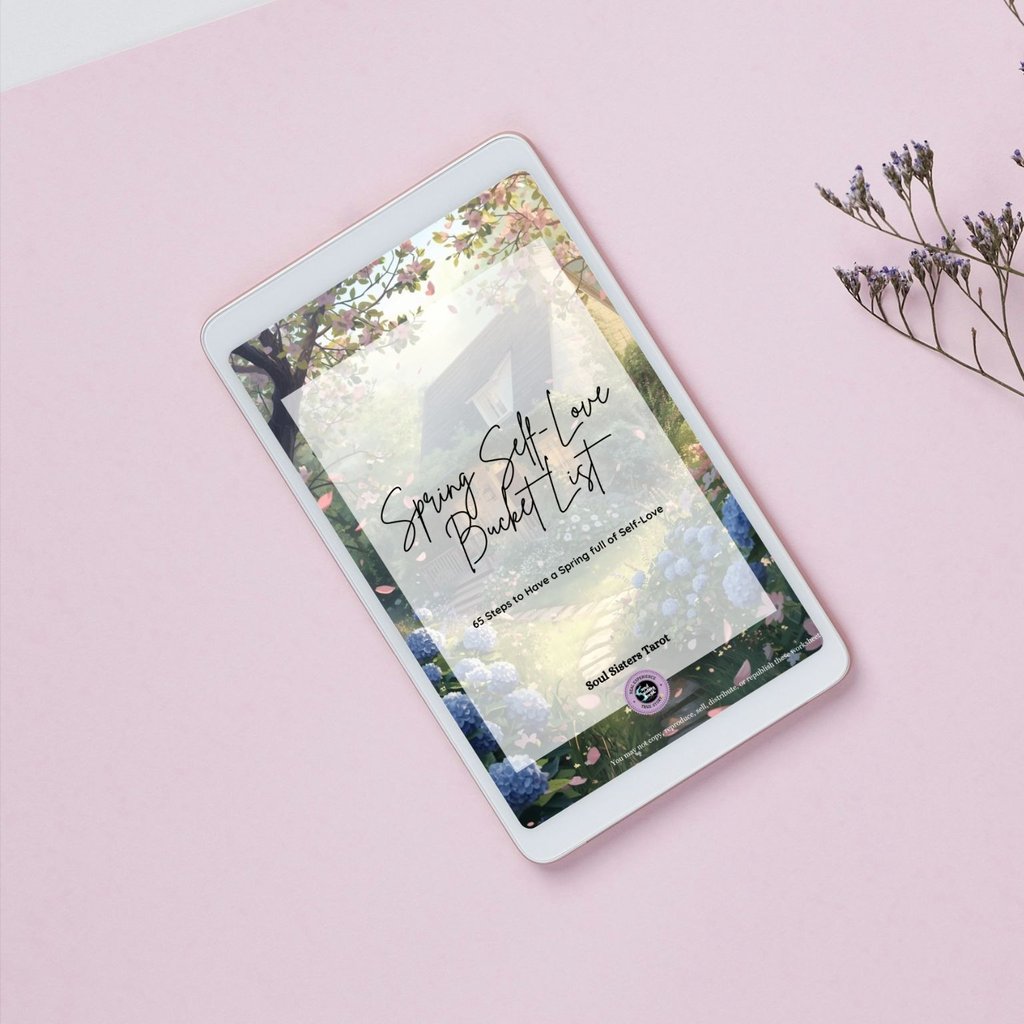
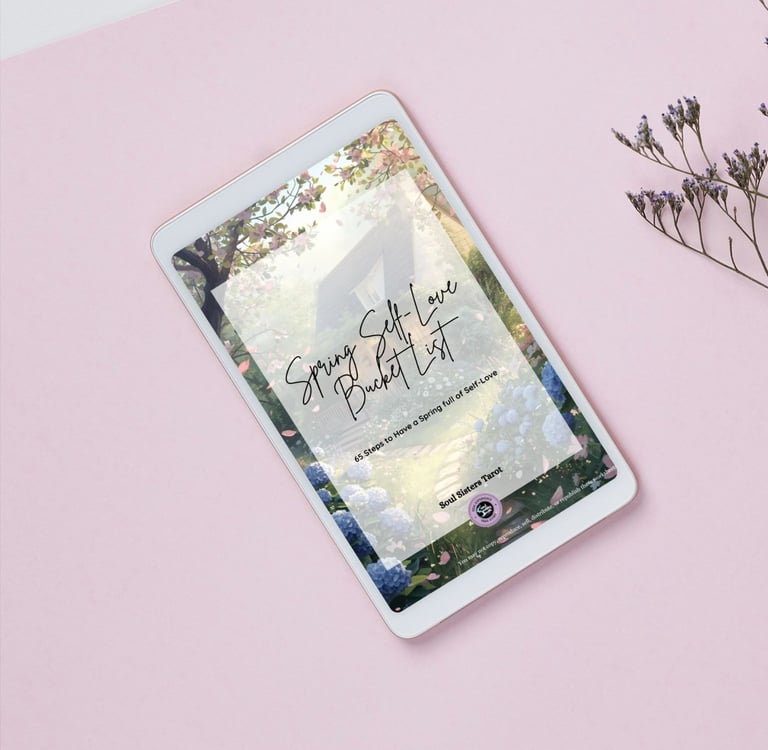
🪻 Spring Self-Love Bucket List
Ready to make this spring about more than just cleaning your home?
Our Spring Self-Love Bucket List is filled with simple seasonal activities that help you embrace new beginnings, reconnect with yourself, and welcome spring with greater joy, curiosity, and intention.
🐇 Ostara: The Wheel of the Year's Celebration of Spring
While the Spring Equinox is the astronomical event that marks the arrival of spring, Ostara is the modern Pagan and Wiccan festival that celebrates this seasonal turning point as part of the Wheel of the Year.
Named after the Germanic goddess Ēostre, Ostara celebrates fertility, renewal, hope, and the returning abundance of the natural world. Many of its symbols, including eggs, seeds, flowers, hares, and young animals, represent new beginnings and the promise of growth after winter's quiet months.
Today, Ostara is celebrated in many different ways. Some people create spring altars, decorate eggs, plant seeds, spend time in nature, or perform simple rituals that honor balance, fresh starts, and personal renewal. Whether you follow the Wheel of the Year or simply enjoy seasonal spirituality, Ostara offers a beautiful way to welcome spring with intention.
If you'd like to explore its history, symbolism, traditions, and modern celebrations in greater depth, visit our complete guide:
👉 The Meaning of Ostara: History, Symbolism & Modern Celebration
☀️ Summer Solstice: Celebration, Light & Seasonal Meaning
The Summer Solstice marks the longest day of the year and the beginning of astronomical summer in the Northern Hemisphere. While it is an astronomical event, it has also inspired celebrations across cultures for thousands of years, becoming a symbol of light, abundance, vitality, and the fullness of life.
Throughout history, midsummer was a time for communities to gather around bonfires, celebrate the growing season, and honor the life-giving power of the Sun. Rather than focusing only on new beginnings, the Summer Solstice invites a different kind of reflection: What has already been growing, even if I haven't fully recognized it yet?
Today, many people celebrate the Summer Solstice through rituals, journaling, tarot, seasonal altars, mindful time in nature, and practices that encourage gratitude, joy, and reconnecting with the energy of the season.
If you'd like to explore its history, symbolism, and meaningful ways to celebrate, visit our complete guide:
👉 Summer Solstice Rituals: Spiritual Meaning, Traditions & Sacred Practices
🔥 Litha: The Wheel of the Year's Midsummer Festival
While the Summer Solstice is the astronomical event marking the longest day of the year, Litha is the modern Pagan and Wiccan festival that celebrates this seasonal turning point within the Wheel of the Year.
Litha honors the height of the Sun's power, abundance, vitality, and the balance between celebrating life's fullness while recognizing that the days will gradually begin to shorten. It reminds us that every season carries both a peak and the promise of change.
Traditional Litha celebrations often include bonfires, gathering herbs and flowers, creating seasonal altars, spending time outdoors, honoring the Sun, and expressing gratitude for the abundance already present in our lives. Today, many people continue these traditions through simple rituals, meditation, nature walks, journaling, and moments of quiet reflection.
Whether you follow the Wheel of the Year or simply enjoy seasonal spirituality, Litha offers a meaningful way to celebrate midsummer with intention and appreciation.
If you'd like to explore the history, symbolism, and modern celebration of this festival, visit our complete guide:
👉 The Meaning of Litha: History, Symbolism & Modern Celebration
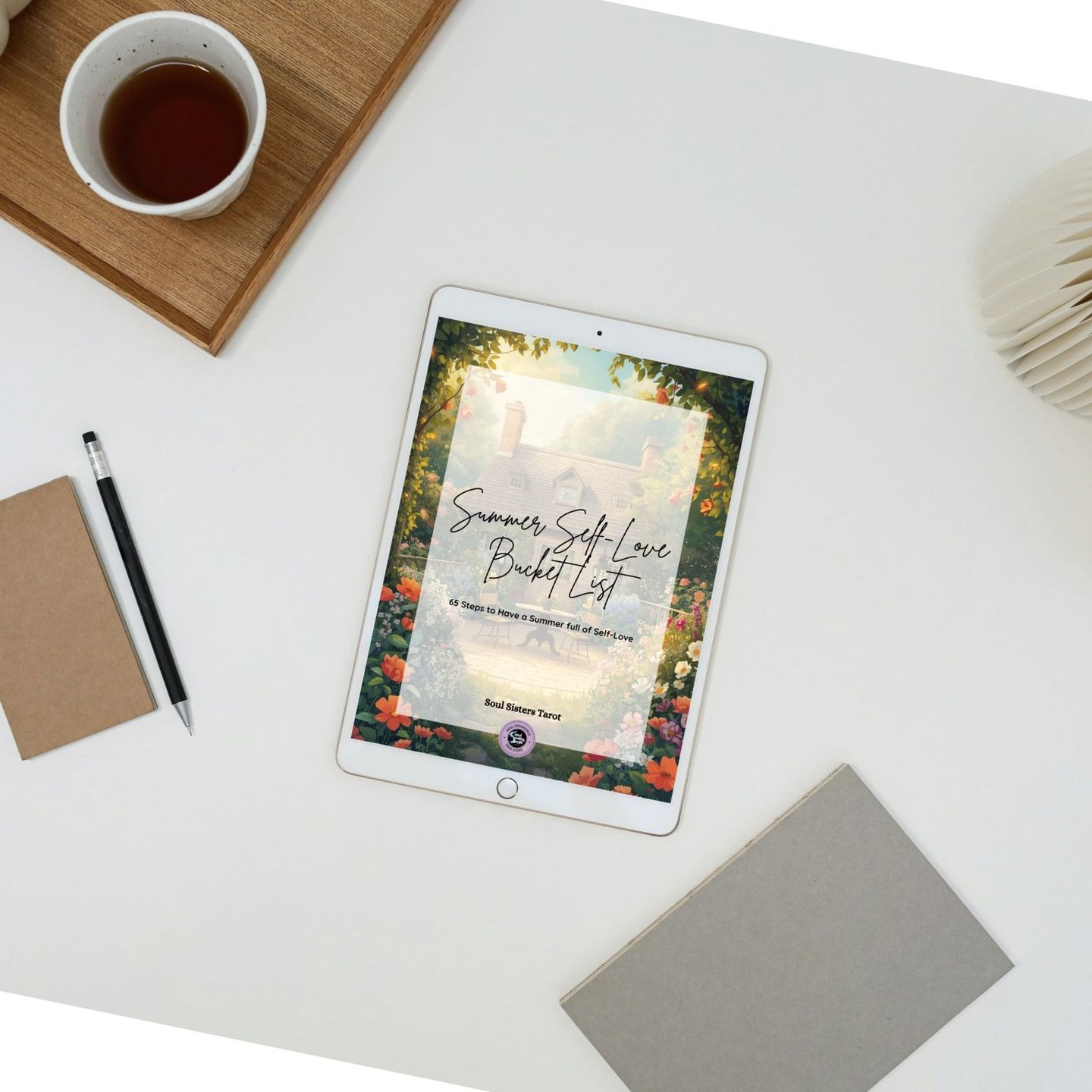
🌻 Summer Self-Love Bucket List
Summer always passes so quickly. What if you made time to truly enjoy it this year?
The Summer Self-Love Bucket List offers meaningful seasonal ideas that encourage confidence, playfulness, creativity, and moments of genuine presence throughout the brightest season of the year.

🍂 Autumn Equinox: Balance, Reflection & the Changing Season
The Autumn Equinox marks the beginning of astronomical autumn in the Northern Hemisphere, when day and night are nearly equal in length. As one of the year's most significant seasonal turning points, it symbolizes balance, gratitude, reflection, and the gentle transition from the outward energy of summer toward the quieter months ahead.
For thousands of years, cultures around the world have honored the Autumn Equinox through harvest celebrations, seasonal rituals, shared meals, and moments of reflection. Rather than asking us to achieve more, this season encourages us to pause, appreciate how far we've come, and restore balance before winter arrives.
Today, many people celebrate the Autumn Equinox by creating seasonal altars, practicing tarot, journaling, spending time in nature, preparing harvest meals, or simply slowing down to reconnect with themselves and the rhythms of the natural world.
If you'd like to explore its history, symbolism, rituals, and meaningful ways to celebrate, visit our complete guide:
👉 Autumn Equinox Rituals: Spiritual Meaning, Traditions & Sacred Practices
🎃 Autumn Self-Love Bucket List
As nature begins to slow down, are you giving yourself permission to do the same?
The Autumn Self-Love Bucket List is designed to help you embrace reflection, healthy boundaries, gratitude, and gentle self-care as you move through one of the year's most transformative seasons.


🍁 Mabon: The Wheel of the Year's Second Harvest Festival
While the Autumn Equinox is the astronomical event that marks the beginning of autumn, Mabon is the modern Pagan and Wiccan festival that celebrates this seasonal turning point within the Wheel of the Year.
Named after the Welsh figure Mabon ap Modron, this celebration honors the Second Harvest, gratitude, balance, and the changing relationship between light and darkness. As one of the eight festivals of the Wheel of the Year, Mabon encourages us to recognize the abundance we've already received while preparing thoughtfully for the quieter months ahead.
Many modern Mabon celebrations include harvest meals, seasonal altars, gratitude rituals, nature walks, journaling, tarot, and simple ceremonies that honor both the gifts of the past season and the wisdom of letting go. Whether you follow the Wheel of the Year or simply enjoy seasonal spirituality, Mabon offers a meaningful way to celebrate autumn with intention and appreciation.
If you'd like to explore the history, symbolism, traditions, and modern celebration of Mabon, visit our complete guide:
👉 The Meaning of Mabon: History, Symbolism & Modern Celebration
🌑 Samhain: Honoring Ancestors, Endings & Transformation
Samhain is one of the most important festivals of the Wheel of the Year, celebrated from October 31 to November 1. Traditionally marking the end of the harvest season and the beginning of winter, it is often seen as a time when the veil between the physical and spiritual worlds becomes especially thin.
Spiritually, Samhain invites us to honor our ancestors, reflect on life's natural cycles of endings and beginnings, release what no longer serves us, and prepare for a new chapter. Rather than fearing darkness, this ancient festival reminds us that periods of rest, reflection, and transformation are essential parts of personal growth.
Many modern Samhain celebrations include lighting candles for loved ones who have passed, creating ancestor altars, journaling, tarot, quiet reflection, and rituals focused on release, gratitude, and renewal. Whether you follow the Wheel of the Year or simply wish to honor the changing season, Samhain offers a meaningful opportunity to acknowledge both remembrance and transformation.
If you'd like to explore its history, traditions, symbolism, and respectful ways to celebrate, visit our complete guide:
👉 How to Celebrate Samhain: The Sacred Roots of All Hallows' Eve and Halloween
❄️ Winter Solstice: Rest, Renewal & the Return of the Light
The Winter Solstice marks the shortest day and longest night of the year in the Northern Hemisphere. As an astronomical event, it signals the beginning of winter and the gradual return of the light, making it one of the most powerful symbols of hope, renewal, and new beginnings.
For thousands of years, cultures around the world have celebrated the Winter Solstice as a reminder that even during life's darkest seasons, light always returns. It is a time for quiet reflection, deep rest, gratitude, and preparing for the possibilities of a new cycle.
Today, many people honor the Winter Solstice by lighting candles, creating seasonal altars, journaling, spending time in nature, sharing comforting meals, and embracing rituals that encourage stillness, hope, and inner renewal.
If you'd like to explore its history, symbolism, traditions, and meaningful ways to celebrate, visit our complete guide:
👉 Winter Solstice Rituals: Spiritual Meaning, Traditions & Sacred Practices
🌲 Yule: The Wheel of the Year's Midwinter Festival
While the Winter Solstice is the astronomical event marking the beginning of winter, Yuletide, often simply called Yule, is the traditional midwinter festival celebrated around the Winter Solstice. As part of the Wheel of the Year, it honors the rebirth of the light, hope during darkness, and the promise that every winter is eventually followed by spring.
For centuries, Yuletide has been associated with candlelight, evergreen decorations, feasting, storytelling, the Yule log, and gathering with loved ones. Many of these traditions continue today, reminding us that warmth, generosity, and community can carry us through even the darkest time of year.
Whether you follow the Wheel of the Year or simply enjoy seasonal spirituality, Yuletide offers a meaningful opportunity to slow down, reflect, celebrate the return of the light, and welcome a new cycle with intention.
If you'd like to explore its history, symbolism, traditions, and modern celebrations, visit our complete guide:
👉 How to Celebrate Yuletide: History and the Best Yuletide Celebration Ideas
☃️ Winter Self-Love Bucket List
Winter isn't asking you to do more. It may be asking you to rest differently.
The Winter Self-Love Bucket List offers comforting seasonal rituals and mindful activities that help you restore your energy, embrace stillness, and nourish yourself during the quieter months of the year.


🌫️ Rauhnächte: The Sacred Nights Between the Years
Rauhnächte is a sacred period of twelve nights between Christmas and Epiphany, traditionally associated with reflection, release, divination, and preparing for the year ahead. In many Central European traditions, these nights are seen as a liminal time, a symbolic bridge between one year and the next, making them especially meaningful for spiritual practices, intention-setting, and quiet contemplation.
Many people spend the Rauhnächte journaling, interpreting dreams, cleansing their homes, reflecting on the past year, and creating rituals that help them enter the new year with greater clarity and purpose. Although customs vary, the underlying invitation is the same: to slow down, listen inward, and consciously welcome a new cycle.
If you'd like to explore the history, symbolism, traditions, and spiritual meaning of the Rauhnächte, visit our complete guide:
👉 The Spiritual Meaning of the Rauhnächte: History, Traditions & Sacred Practices
🔥 The 13 Wishes Ritual: A Tradition of Hope and Intention
One of the best-known Rauhnächte traditions is the 13 Wishes Ritual, a symbolic practice that invites you to write thirteen heartfelt wishes for the coming year. During each of the twelve sacred nights, one wish is burned without being read, symbolically releasing it with trust. The final remaining wish becomes your personal responsibility, reminding you that while some hopes are surrendered to life's unfolding, others ask for your own care, commitment, and action.
The ritual beautifully combines reflection, intention-setting, and personal responsibility, making it one of the most meaningful ways to mark the transition between years.
If you'd like to learn the ritual step by step, discover what to write in your wishes, and understand the meaning behind the mysterious thirteenth wish, explore our complete guide:
👉 The 13 Wishes Ritual: A Magical Guide for the Rauhnächte
🌟 Sacred Milestones Beyond the Seasons
Not every sacred celebration is tied to the changing seasons. Some of life's most meaningful rituals arise from personal milestones, cultural traditions, or significant moments of transformation. Birthdays, Saturn returns, and New Year celebrations remind us that sacred time isn't measured only by nature's cycles, but also by the experiences that shape our lives.
These celebrations invite us to reflect on where we've been, honor who we're becoming, and intentionally step into the next chapter with greater awareness and purpose.
🎂 Birthday Rituals: Personal New Year
Spiritually, a birthday is more than a celebration of another year passing. Many traditions see it as the beginning of a new personal cycle, offering an opportunity to reflect on the lessons of the past year while setting intentions for the one ahead.
Birthday rituals encourage us to celebrate not only our age but also our personal growth, resilience, and the experiences that have shaped us. Rather than making wishes only for the future, they invite us to pause and acknowledge how far we've already come.
Many people use birthdays to:
Reflect on lessons from the past year.
Set meaningful intentions for the year ahead.
Celebrate personal growth and resilience.
Express gratitude for life's experiences.
Create wishes that align with their deepest values.
If you'd like to explore the deeper spiritual meaning of birthdays and discover meaningful ways to celebrate, visit our complete guide:
👉 Spiritual Meaning of Birthday & How to Celebrate
Or, if you're looking for a guided experience, explore our illustrated ritual:
👉 Birthday Rituals: Birthday Secret Wish Ritual
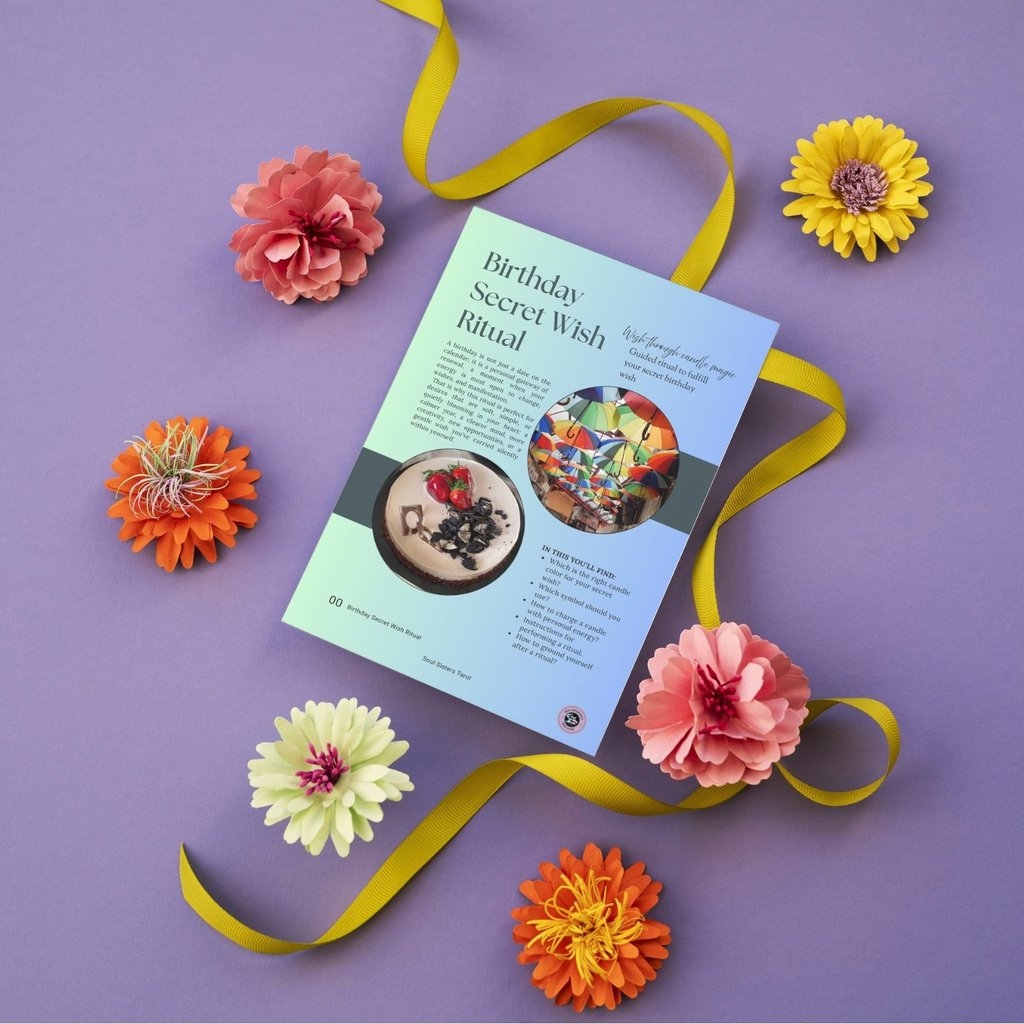
🎂 Birthday Secret Wish Ritual
What if your birthday became more than just another date on the calendar?
Birthdays mark more than another year passing. Our Birthday Secret Wish Ritual transforms your birthday into a meaningful personal ceremony, helping you reflect on the year behind you and welcome the next chapter with clarity, gratitude, and intention.
🪐 Saturn Return: A Rite of Passage Into Adulthood
Unlike birthdays, some life milestones are written into the rhythms of the cosmos. The Saturn Return occurs approximately every 29 to 30 years, when Saturn returns to the same position it occupied at your birth. Many people experience this period as a profound invitation to reassess their relationships, career, purpose, and direction in life.
Often described as a spiritual rite of passage, a Saturn Return encourages greater responsibility, authenticity, and personal growth. Although it can feel challenging, it also offers an opportunity to build a life that better reflects who you are becoming.
If you'd like to understand its meaning, common experiences, and supportive rituals, explore our complete guide:
👉 The Spiritual Meaning of Saturn Return: Rituals for This Life-Changing Cycle
🐉 Chinese New Year: Welcoming a New Cycle
While many cultures celebrate the beginning of a new calendar year, Chinese New Year is also a powerful spiritual opportunity to cleanse stagnant energy, welcome fresh beginnings, and set intentions for the months ahead.
Many traditions include decluttering the home, expressing gratitude, strengthening family connections, and inviting prosperity, harmony, and renewal into the coming year.
If you'd like to prepare both spiritually and practically, explore our complete guide:
👉 What to Do Before Chinese New Year (Spiritually and Otherwise)
💖 Love, Relationships & Everyday Sacred Rituals
While seasonal festivals and life milestones help us honor nature's cycles and major transitions, sacred rituals also have a place in everyday life. Across cultures, people have long created meaningful traditions to celebrate love, strengthen relationships, support emotional healing, express gratitude, and reconnect with themselves. These personal rituals remind us that sacred living isn't reserved for extraordinary occasions. It grows through the small, intentional moments that shape who we are.
The guides below explore heart-centered rituals and celebrations that can help you cultivate self-love, deepen meaningful connections, and bring greater intention to everyday life.
💖 Valentine's Day Self-Love: Turning a Holiday into a Sacred Ritual
Valentine's Day is often associated with romantic relationships, but it can also become a meaningful opportunity to strengthen the relationship you have with yourself. Instead of seeking validation from others, many people use this day to practice gratitude, self-compassion, emotional healing, and intentional self-care.
A self-love ritual doesn't need to be elaborate. Lighting a candle, writing yourself a compassionate letter, journaling, creating a gratitude practice, or simply spending uninterrupted time doing something that nourishes your heart can transform Valentine's Day into a celebration of your own growth and well-being.
If you'd like a guided experience, explore our complete ritual:
👉 Valentine's Day Self-Love Ritual: A Sacred Practice to Honor Your Heart
🌸 Seasonal Self-Love Rituals: Growing with Nature's Rhythm
Just as nature changes throughout the year, our emotional, physical, and spiritual needs change with it. The practices that help us flourish during spring may feel very different from what supports us in autumn or winter. Seasonal self-love rituals encourage us to care for ourselves in ways that honor these natural rhythms, rather than expecting ourselves to feel, think, and grow the same way every day of the year.
Each season offers its own invitation. Spring encourages fresh beginnings, summer celebrates confidence and joy, autumn teaches reflection and healthy release, while winter reminds us to slow down, restore, and turn inward. By aligning your self-care with these changing energies, you can create rituals that feel more supportive, intentional, and sustainable throughout the year.
Whether you're looking for simple self-care ideas, guided seasonal rituals, or deeper reflections, these resources will help you build a self-love practice that grows alongside the changing seasons.
🌱 Spring Self-Love
Spring invites curiosity, hope, fresh starts, and gentle personal growth.
👉 Spring Self-Love Bucket List
☀️ Summer Self-Love
Summer encourages confidence, joy, creativity, adventure, and celebrating the life you've been cultivating.
👉 Summer Self-Love Bucket List
👉 Summer Self-Love Rituals for the Summer Solstice
🍂 Autumn Self-Love
Autumn reminds us that self-love also means slowing down, setting healthier boundaries, letting go of what no longer serves us, and returning to ourselves with compassion.
👉 Autumn Self-Love Bucket List
👉 Autumn Equinox Self-Love: Returning to Yourself Through Balance
👉 Autumn Alchemy: Heart-Warming Self-Love Activities for the Cozy Season
❄️ Winter Self-Love
Winter invites deep rest, reflection, restoration, and caring for yourself through life's quieter seasons.
👉 Winter Self-Love Bucket List
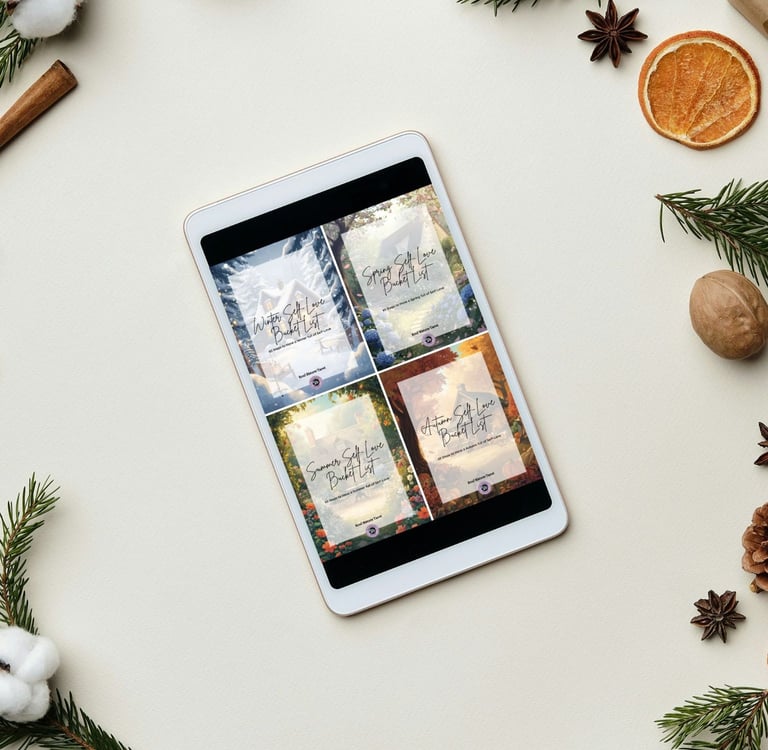
If you'd like year-round inspiration, explore the complete Self-Love Bucket List Bundle, designed to help you embrace every season with greater balance, intention, and self-compassion.
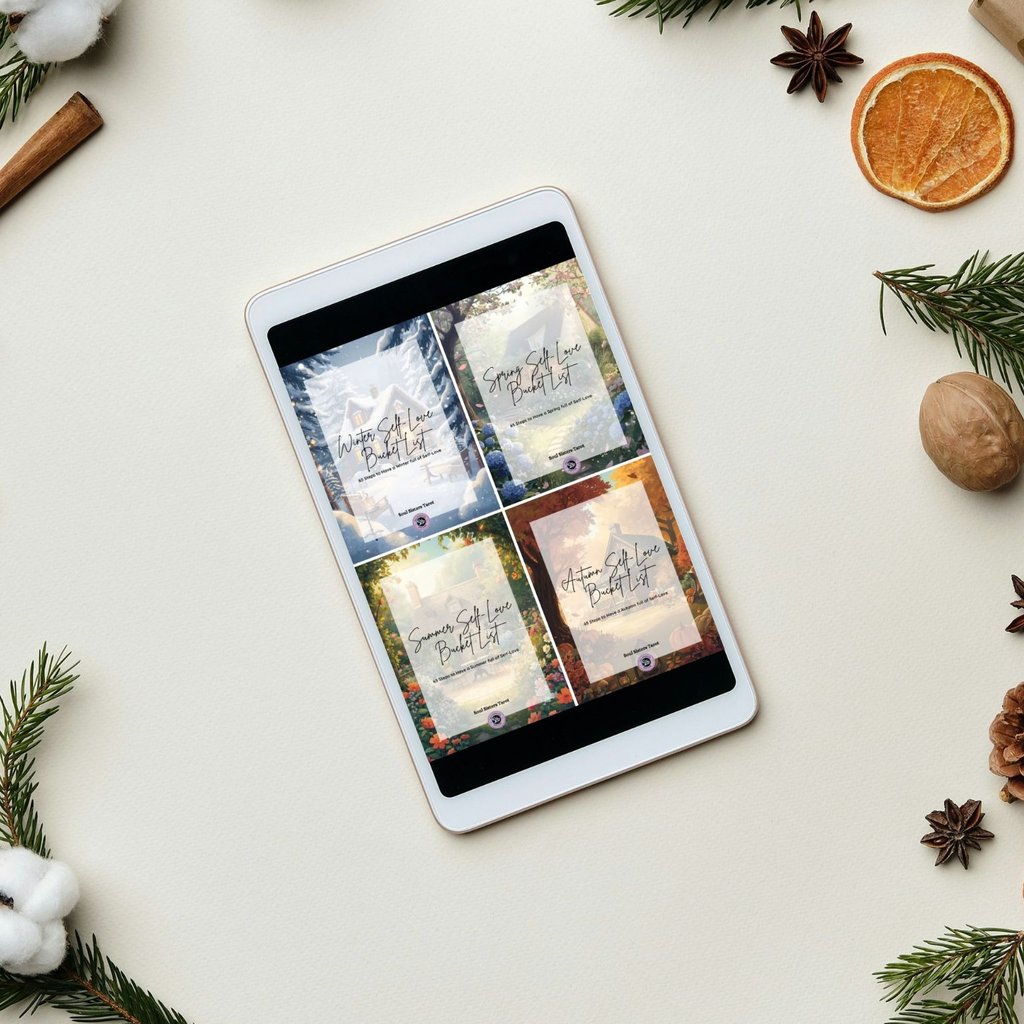
🍁 4 Seasons Self-Love Bucket List Bundle
Every season teaches us something different. Your self-love practice can grow with them.
Our 4 Seasons Self-Love Bucket List Bundle is designed to help you nurture yourself through every season with simple, intentional activities that encourage self-care, self-discovery, and personal growth.
🕯️ How to Create Your Own Sacred Rituals
One of the most beautiful aspects of sacred celebrations is that they don't have to follow an established tradition. While many rituals are rooted in seasonal festivals or cultural celebrations, some of the most meaningful practices are the ones we create ourselves to honor important moments in our own lives.
A personal ritual can help mark:
New beginnings
Career changes
Moving to a new home
Healing after loss or heartbreak
Spiritual awakenings
Personal achievements
Letting go of old habits
Moments of gratitude and reflection
You don't need elaborate tools or years of experience to create a meaningful ritual. Most sacred practices share a few simple elements:
Intention, knowing why you're creating the ritual.
A symbolic action, such as lighting a candle, planting a seed, writing a letter, or releasing something into nature.
Reflection, through journaling, meditation, prayer, or quiet contemplation.
A meaningful object, such as flowers, seasonal items, crystals, photographs, or personal keepsakes.
A closing moment, expressing gratitude or acknowledging the transition you've just honored.
The most meaningful rituals are rarely the most elaborate. They're the ones that genuinely reflect your values, your experiences, and the season of life you're moving through.
🍃 Soul Sisters Note
"A ritual doesn't become sacred because of what you use. It becomes sacred because of the intention you bring to it." – Caitlin & Gerly
🌫️ Common Misconceptions About Sacred Celebration & Spiritual Rituals
Many people are curious about spiritual rituals but hesitate to explore them because of common misconceptions. In reality, sacred celebrations have existed across cultures for thousands of years and can be adapted to suit your own beliefs, traditions, and personal journey.
Myth 1: Spiritual rituals are only for religious or Pagan people.
Truth: Rituals are a universal part of human culture. People of many different faiths, spiritual paths, and even secular lifestyles use rituals to celebrate milestones, process change, express gratitude, and create meaningful moments in everyday life.
Myth 2: You have to perform a ritual perfectly for it to "work."
Truth: There is no perfect way to celebrate a season or create a meaningful ritual. While some traditions follow specific customs, most personal rituals are guided by intention rather than strict rules. Presence, sincerity, and reflection matter far more than perfection.
Myth 3: Sacred celebrations are only about ancient festivals.
Truth: Seasonal festivals like the equinoxes and solstices are just one part of sacred living. Birthdays, life transitions, healing journeys, anniversaries, and even quiet moments of gratitude can become meaningful rituals when approached with awareness and intention.
Myth 4: Rituals are just superstition.
Truth: While different traditions explain rituals in different ways, many practices also offer practical benefits. Taking time to reflect, set intentions, express gratitude, or acknowledge life's transitions can support emotional well-being, encourage mindfulness, and help create a greater sense of purpose and connection.
Myth 5: You need expensive tools or special knowledge.
Truth: The most meaningful rituals often require very little. A candle, a journal, a walk in nature, a shared meal, or a few quiet moments of reflection can become deeply significant when approached with genuine intention. Sacredness comes from the meaning you create, not from the objects you own.
🍃 Soul Sisters Notes
"The most powerful ritual isn't the one with the most beautiful altar. It's the one that helps you become more present to your own life." – Caitlin & Gerly
🌿 Finding the Sacred in Everyday Life
Sacred celebrations aren't about following every tradition or filling your calendar with rituals. They're about becoming more aware of the moments that deserve your attention, whether that's welcoming a new season, celebrating a birthday, honoring a life transition, or simply taking a quiet moment to reflect.
You don't need to celebrate every festival in this guide. Instead, begin with the seasons, milestones, or traditions that resonate most deeply with you. Over time, your own collection of meaningful rituals will naturally grow, creating a spiritual practice that feels authentic, personal, and sustainable.
As you continue exploring the guides throughout this pillar, remember that the goal isn't to recreate someone else's traditions perfectly. It's to discover the celebrations and practices that help you feel more connected to yourself, to nature, and to the rhythms of life.
With love,
Caitlin & Gerly,
Soul Sisters Tarot
🪐 Deepen Your Sacred Ritual Practice
Seasonal celebrations and spiritual traditions help us reconnect with the natural cycles of life, reflection, and renewal.
If you feel called to deepen your rituals and spiritual practices, you can explore our sacred tools, journals, and spiritual offerings inside Sisters Creation.
❓ Frequently Asked Questions About Sacred Celebrations & Spiritual Traditions
What are sacred celebrations?
Sacred celebrations are meaningful traditions that help us honor life's natural cycles, seasonal changes, personal milestones, and moments of transformation with greater awareness and intention. They may include seasonal festivals such as the equinoxes and solstices, Wheel of the Year celebrations, birthdays, cultural holidays, or personal rituals that encourage reflection, gratitude, healing, and renewal.
Why do people celebrate the changing seasons?
For thousands of years, people have marked the changing seasons because they shaped daily life, agriculture, and community. Today, seasonal celebrations continue to offer opportunities to slow down, reconnect with nature, reflect on personal growth, and intentionally welcome each new chapter of the year.
What is the difference between a sacred celebration and a spiritual ritual?
A sacred celebration marks a meaningful event, season, or life transition, while a spiritual ritual is a practice used to honor that moment. For example, the Autumn Equinox is a sacred celebration, while lighting a candle, journaling, or creating an altar are rituals you might perform to celebrate it.
Do I have to follow a specific tradition?
No. While many sacred celebrations come from cultural or spiritual traditions, you don't need to follow a particular path to appreciate them. Many people create personal rituals inspired by nature, mindfulness, gratitude, or self-reflection that reflect their own beliefs and values.
What are the Wheel of the Year festivals?
The Wheel of the Year is a modern Pagan and Wiccan calendar made up of eight seasonal festivals that celebrate nature's changing cycles. These include Samhain, Yule, Imbolc, Ostara, Beltane, Litha, Lughnasadh (Lammas), and Mabon. Each festival marks a different point in the seasonal year and carries its own traditions, symbolism, and spiritual themes.
What's the difference between an equinox and a solstice?
Equinoxes occur when day and night are nearly equal in length, marking the beginning of spring and autumn. Solstices mark the longest and shortest days of the year, signaling the beginning of summer and winter. Together, they represent the four major astronomical turning points of the seasonal year.
Can I celebrate sacred festivals if I'm not Pagan?
Absolutely. Many people celebrate the changing seasons through nature walks, journaling, meditation, gratitude practices, seasonal meals, or personal reflection without identifying with any particular religion or spiritual tradition. The intention behind the celebration matters far more than following a specific belief system.
Are birthdays spiritually important?
Many spiritual traditions view birthdays as personal turning points rather than simply anniversaries. They offer an opportunity to reflect on the previous year, celebrate personal growth, express gratitude, and set meaningful intentions for the chapter ahead.
What if I forget to celebrate on the exact date?
There's no need to worry. While many celebrations have traditional dates, the meaning behind the ritual is far more important than perfect timing. You can honor a seasonal celebration or personal milestone whenever you're able to approach it with genuine intention and presence.
How do I choose which sacred celebrations to follow?
Start with the celebrations that naturally resonate with you. Some people feel most connected to the changing seasons, while others are drawn to birthdays, life milestones, or cultural traditions. You don't need to celebrate everything. Building a meaningful spiritual practice often begins with one ritual or one season at a time.
Why do so many cultures celebrate the seasons?
Long before modern calendars, people relied on the changing seasons to guide agriculture, community life, and daily survival. Seasonal celebrations helped communities prepare for what came next, express gratitude, and strengthen social bonds. Although customs vary around the world, many traditions continue to honor these turning points because they remind us that life unfolds in natural cycles of growth, harvest, rest, and renewal.
What's the difference between Yule and the Winter Solstice?
The Winter Solstice is the astronomical event marking the shortest day and longest night of the year. Yule is the traditional midwinter festival celebrated around the Winter Solstice within the Wheel of the Year. While closely connected, one describes a seasonal event and the other is a spiritual celebration inspired by it.
What's the difference between Mabon and the Autumn Equinox?
The Autumn Equinox is the astronomical event that marks the beginning of autumn, when day and night are nearly equal in length. Mabon is the modern Pagan and Wiccan festival celebrated around the Autumn Equinox as part of the Wheel of the Year. Although they occur at the same time of year, they are not the same thing.
Explore Related Spiritual Guides
Soul Sisters Tarot
A Soft Place to Grow.
💌 SOUL SISTERS WEEKLY
A thoughtful Sunday letter with tarot reflections, moon wisdom, self-love, and gentle encouragement.
© 2026. All rights reserved.
Inspirational Coaching OÜ
sisters@soulsisterstarot.com