🍂 READY TO UNDERSTAND YOURSELF ON A DEEPER LEVEL? → EXPLORE THE FOOL'S JOURNEY 💫
A 22-week self-awareness journey with a personal spiritual guide. Get 20% off with code HUNTER20 ✨



Winter Solstice's Spiritual Meaning: What the Longest Night Reveals
Have you ever wondered why the longest night of the year has inspired hope for centuries? Discover the Winter Solstice's spiritual meaning, the symbolism of returning light, and meaningful ways to celebrate with rituals, tarot, journaling, and seasonal reflection.
SEASONAL & SPIRITUAL TRADITIONS
Soul Sisters Tarot
10/23/202632 min read


Winter Solstice Spiritual Meaning: Embracing the Return of Light
This article is part of our Sacred Celebrations & Spiritual Traditions Full Guide, where we honor seasonal cycles, spiritual rituals, and meaningful life celebrations.
The Winter Solstice spiritual meaning centers on the return of light, inner reflection, renewal, and hope during the darkest part of the year. In the Northern Hemisphere, the Winter Solstice marks the shortest day and longest night of the year. Spiritually, it is often interpreted as a turning point that symbolizes the possibility of new beginnings, the value of rest, and the quiet growth that can take place before visible change occurs.
What does the Winter Solstice mean spiritually? It symbolizes the balance between darkness and light, the opportunity for self-reflection, and the gradual return of possibility after a period of stillness. Many people use this seasonal milestone to reflect on the past, reconsider their priorities, and set intentions for the months ahead. Although these meanings vary across spiritual traditions and personal beliefs, the solstice offers a natural opportunity to pause and consider what you want to carry forward.
The Winter Solstice can also invite a different perspective on personal growth. Not every difficult experience needs an immediate solution, and not every new beginning starts with a dramatic change. You might use this time to recognize a pattern you are ready to change, acknowledge a boundary you need to establish, or give yourself permission to rest before deciding what comes next.
Whether you connect with the Winter Solstice through seasonal rituals, tarot, journaling, crystals, or time spent in nature, you can explore its meaning in a way that reflects your own beliefs and circumstances.
In this guide, we'll explore the astronomical origins of the Winter Solstice, its spiritual meaning and symbolism, and the difference between the solstice and Yule. You'll also discover the season's deeper spiritual themes and practical ways to celebrate through reflection, intention-setting, tarot, journaling, and crystals, helping you welcome the returning light in a way that feels meaningful to you.
❄️ What Is the Winter Solstice?
The Winter Solstice is an astronomical event that marks the shortest day and longest night of the year in the Northern Hemisphere. It occurs when the Northern Hemisphere is tilted farthest away from the Sun, resulting in the fewest hours of daylight of the year. The solstice also marks the beginning of astronomical winter, after which daylight gradually increases as the seasonal cycle continues.
Beyond its astronomical significance, the Winter Solstice carries spiritual meaning in many seasonal traditions and contemporary spiritual practices. It is often associated with the return of light, inner reflection, rest, and renewal. These symbolic interpretations connect the natural turning point of the year with the human experience of moving through uncertainty, recognizing what needs attention, and considering what we want to nurture in the months ahead.
You do not need to follow a particular religion or perform a formal ceremony to observe the Winter Solstice. Understanding the astronomical event provides a starting point for exploring its symbolism, learning about seasonal traditions, and deciding whether you want to mark the occasion in a personal way.
When Does the Winter Solstice Occur?
In the Northern Hemisphere, the Winter Solstice usually occurs on December 21 or 22. The exact date and time vary from year to year because the solstice is a specific astronomical moment determined by Earth's position in its orbit around the Sun.
In the Southern Hemisphere, the seasons are reversed. The December solstice marks the beginning of astronomical summer, while the Winter Solstice occurs around June 20 or 21. This distinction is important because the solstice occurs worldwide, but whether it marks the beginning of winter or summer depends on the hemisphere in which you live.
If you are planning a Winter Solstice ritual, journaling session, or seasonal celebration, use the date on which the solstice occurs in your hemisphere. You can observe the moment itself or choose another time that day to reflect on the seasonal transition. There is no universal spiritual requirement to perform a ritual at the exact astronomical moment.
Why Is It the Shortest Day and Longest Night of the Year?
The Winter Solstice occurs because Earth rotates on an axis tilted approximately 23.5 degrees relative to the plane of its orbit around the Sun. As Earth travels around the Sun throughout the year, this tilt changes how directly sunlight reaches each hemisphere and how long the Sun remains above the horizon.
During the December solstice, the Northern Hemisphere is tilted farthest away from the Sun. The Sun follows its lowest daily path across the sky, producing the fewest hours of daylight and the longest night of the year. At the same time, the Southern Hemisphere experiences its longest day and shortest night because it is tilted toward the Sun.
After the Winter Solstice, daylight gradually increases in the Northern Hemisphere, although the change may initially be difficult to notice. The solstice does not necessarily coincide with the coldest day of the year. Land and oceans release stored heat slowly, which is why the lowest temperatures often occur weeks after the shortest day.
This gradual shift helps explain why the Winter Solstice has become a powerful symbol of the return of light. Astronomically, the balance begins to move toward longer days, even though winter continues. Spiritually, many people interpret this transition as a reminder that progress can begin before circumstances visibly improve. A change in perspective, a decision to establish a healthier boundary, or the first step toward a long-held goal can mark the beginning of a new direction long before the results become apparent.
🕯️ Winter Solstice Spiritual Meaning and Symbolism
The spiritual meaning of the Winter Solstice is commonly associated with the return of light, hope, introspection, renewal, and the opportunity to begin again. As the shortest day and longest night of the year in the Northern Hemisphere, the solstice marks an astronomical turning point that many people interpret as a symbol of change, resilience, and the possibility of growth during uncertain times.
Winter Solstice symbolism often explores the relationship between darkness and light, rest and action, and uncertainty and understanding. These themes appear in different forms across seasonal spiritual practices, although their meanings and traditions vary. For personal reflection, they offer a way to consider what you have experienced, what you understand differently now, and what you want to approach with greater awareness.
The Winter Solstice does not promise that difficulties will suddenly disappear or that a new chapter will unfold simply because the season changes. Instead, its symbolism can help you reflect on your circumstances honestly and recognize that meaningful change sometimes begins with a shift in perspective, a period of rest, or a decision you are finally ready to make.
The Return of the Light
The return of the light symbolizes hope, renewed perspective, and the possibility of change after a period of darkness. In the Northern Hemisphere, daylight gradually increases after the Winter Solstice. This natural transition provides the foundation for interpreting the returning light as a symbol of new possibilities, greater awareness, and the beginning of a different chapter.
In everyday life, finding your light might mean recognizing a solution you previously overlooked, understanding why a decision feels difficult, or realizing that a situation no longer needs to be approached in the same way. You may not have control over every circumstance, but you can sometimes change the questions you ask, the support you seek, or the choices you make in response.
Consider an area of your life where you feel uncertain. Perhaps you are questioning a long-term goal, struggling to make a decision, or trying to understand a relationship that has changed. Rather than pressuring yourself to resolve everything immediately, identify one aspect of the situation that you can examine more clearly.
Try this simple reflection exercise:
Write down one question or situation that has been occupying your thoughts.
Identify what you know for certain and what you are still assuming or unsure about.
Consider one new perspective or piece of information that might help you understand the situation differently.
Choose one small next step, even if the larger answer remains unclear.
The purpose is not to force optimism or pretend that a difficult situation is easy. It is to create room for clearer thinking and more deliberate choices. Sometimes, the first sign of a new direction is not a sudden breakthrough, but the realization that you have more options than you initially thought.
Embracing Darkness and Inner Reflection
In Winter Solstice symbolism, darkness can represent the unknown, the hidden aspects of our experiences, and the periods when understanding has not yet emerged. This interpretation offers an alternative to viewing darkness as something inherently negative. Quiet periods can provide an opportunity to notice feelings, assumptions, and behavioral patterns that are easy to overlook when life is busy.
One way to explore this symbolism is through shadow work, a reflective practice focused on recognizing aspects of yourself that you may avoid, suppress, or struggle to accept. These might include jealousy, fear of rejection, resentment, a need for approval, or beliefs about your own worth. Examining these responses does not mean judging yourself for having them. It means becoming curious about what triggers them and how they influence your decisions.
For example, imagine that you feel hurt when a friend does not respond to your message. You might immediately assume that you have done something wrong, send several follow-up messages, or withdraw from the relationship to avoid feeling rejected. By examining your reaction, you may discover that uncertainty is particularly difficult for you or that you tend to interpret silence as a sign of disapproval. Recognizing this pattern creates an opportunity to pause before reacting and consider other explanations.
You can begin exploring your own patterns with questions such as:
Which situations tend to trigger strong emotional reactions in me?
What feelings do I find difficult to acknowledge or express?
Do I make assumptions about my worth based on how other people respond to me?
Which protective behaviors might no longer be helping me?
How could I respond to myself with greater honesty and compassion?
You do not need to uncover a dramatic revelation for this reflection to be useful. Recognizing a recurring reaction, understanding a personal boundary, or noticing an assumption you have never questioned can all be meaningful steps toward greater self-awareness.
🤍 Master Shadow Work Journal & Guide
Ever notice yourself repeating the same patterns, even when you know they no longer serve you?
Understanding your recurring emotional responses can help you recognize what influences your choices and decide which habits you want to change. Our Master Shadow Work Journal & Guide offers structured prompts and exercises to help you explore difficult emotions, identify behavioral patterns, and examine the beliefs that may be holding you back.


If you would like to continue this reflection through the lens of the season, our Winter Solstice Journal Prompts: 50 Questions for Reflection and Renewal offers additional questions to help you explore your experiences, clarify your feelings, and consider what you want to carry forward.
Rest, Renewal, and the Wisdom of Winter
The symbolism of winter offers a different perspective on personal growth: progress does not always require constant action. There are times when moving forward means recovering from an exhausting period, reconsidering an ambition, or recognizing that your current priorities no longer reflect the life you want to build.
This perspective can be particularly valuable when you feel pressured to achieve more, remain productive, or make visible progress in every area of your life. You might be working toward an important goal while neglecting your need for rest, maintaining commitments that leave little room for your own interests, or judging yourself for taking longer than expected to reach a milestone.
Instead of treating rest as a reward you must earn, consider what it allows you to recognize. When you have time to step back, you may notice that a goal no longer matters as much as it once did, that a responsibility needs to be shared, or that you have been overlooking an important personal need.
Ask yourself:
Which responsibilities genuinely reflect my priorities, and which have I accepted out of guilt or habit?
Where am I expecting myself to keep going when I need time to recover?
Is there an ambition I want to reconsider because my circumstances or values have changed?
What small adjustment would make my everyday life more sustainable?
Your answers do not have to lead to immediate decisions. You might simply recognize that you need a quieter evening, a more realistic schedule, or an honest conversation about an obligation that has become difficult to manage.
Renewal does not necessarily mean starting over. It can involve changing one habit, protecting time for an important relationship, or allowing yourself to pursue a goal at a pace that respects your circumstances.
🍃 Soul Sisters Notes
“You do not need to turn every difficult experience into a lesson immediately. Some experiences need time before their meaning becomes clear. Give yourself room to understand what happened before deciding.” - Caitlin & Gerly
Winter's quietness can remind us that not every stage of life needs to produce an immediate result. Sometimes, giving yourself time to understand an experience is a meaningful step in its own right.
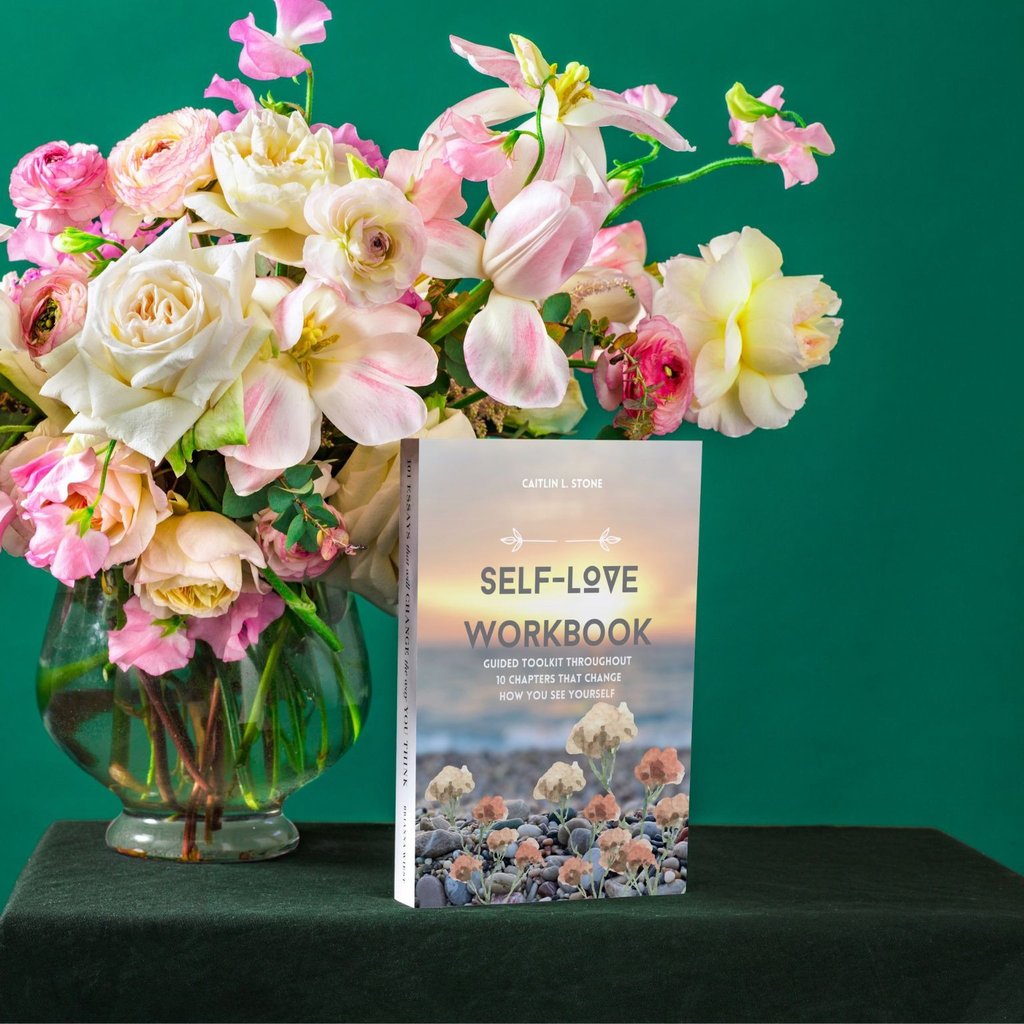
❤️ Self-Love Workbook
Do you spend so much time caring for everyone else that your own needs come last?
A healthier relationship with yourself begins with recognizing your needs and treating them as worthy of attention. Our Self-Love Workbook guides you through reflective exercises designed to strengthen self-worth, practise self-compassion, and develop everyday habits that support a more balanced relationship with yourself.
🌲 Winter Solstice vs. Yule: What Is the Difference?
The main difference between the Winter Solstice and Yule is that the Winter Solstice is an astronomical event, while Yule is a winter festival with historical roots in Germanic and Norse traditions. The solstice marks a specific point in Earth's seasonal cycle, while Yule is associated with seasonal customs, cultural history, and spiritual observances. Although they are closely connected in many contemporary Pagan and nature-based practices, they are not interchangeable terms.
Understanding this distinction helps you explore the season without confusing an astronomical event with a cultural or spiritual celebration. You can observe the Winter Solstice as a natural turning point, celebrate Yule as part of a spiritual tradition, or find personal meaning in both.
The Winter Solstice as an Astronomical Event
The Winter Solstice occurs when the hemisphere experiencing winter reaches its shortest day and longest night of the year. In the Northern Hemisphere, it usually falls around December 21 or 22 and marks the beginning of astronomical winter.
Unlike a festival, the solstice is determined by Earth's axial tilt and its position in orbit around the Sun. Its occurrence does not depend on a religious calendar, cultural tradition, or personal belief. Whether someone observes it spiritually or simply appreciates the changing seasons, the astronomical event remains the same.
For many people, the solstice also provides a natural opportunity to pause and reflect. The gradual return of daylight can serve as a personal symbol of hope, while the longest night may invite quiet contemplation. These interpretations are ways of connecting with the seasonal cycle, rather than requirements for observing the event.
Yule as a Seasonal Festival and Spiritual Tradition
Yule is a winter festival associated with historical Germanic and Norse traditions. Its historical development is complex, and the customs associated with it have changed over time. Modern celebrations reflect a range of cultural influences and spiritual practices, so it is important not to assume that every contemporary Yule custom comes directly from an ancient tradition.
Today, many Pagans and practitioners of nature-based spirituality celebrate Yule around the winter season. Common contemporary observances include lighting candles, decorating with evergreen plants, sharing seasonal meals, spending time with loved ones, and reflecting on the returning light. The meaning attached to these practices varies between individuals and communities.
For some practitioners, Yule is an established spiritual celebration rooted in their religious or cultural practice. Others approach it as an opportunity to honor the changing seasons, reconnect with nature, and create meaningful traditions with family or friends. You do not need to follow a particular spiritual path to learn about the festival, although understanding its cultural background helps you appreciate its significance.
If you would like to explore the festival's history, traditions, and celebration ideas in greater detail, read our guide to How to Celebrate Yuletide: History and the Best Yuletide Celebration Ideas. That article focuses on Yule and Yuletide traditions, allowing this guide to concentrate on the Winter Solstice itself.
How the Winter Solstice and Yule Are Connected
The Winter Solstice and Yule are connected through their relationship with the winter season and the symbolism of light during the darkest part of the year. In many contemporary Pagan practices, the solstice provides a natural focal point for Yule celebrations, bringing together the astronomical turning point and the spiritual significance associated with the festival.
However, the two do not have to be observed together. You can acknowledge the solstice without celebrating Yule, celebrate Yule according to your own spiritual tradition, or incorporate simple seasonal practices inspired by both. Your choice can reflect your beliefs, cultural background, and the meaning you find in the changing seasons.
The period around the solstice also offers an opportunity to explore other winter traditions. For example, the 13 Wishes Ritual: A Magical Guide for the Rauhnächte introduces a separate seasonal practice associated with wishes, reflection, and the transition into a new year. Although it is distinct from Yule and the astronomical solstice, it offers another way to explore the spiritual customs associated with this time of year.
Ultimately, understanding the difference between the Winter Solstice and Yule allows you to appreciate both the natural event and the traditions that have developed around the winter season. You can learn about their different histories, explore their symbolism, and decide which observances, if any, feel meaningful to you.
🌨️ The Spiritual Themes of the Winter Solstice
The spiritual themes of the Winter Solstice include hope during difficult times, releasing what no longer serves you, and trusting the process of personal growth. Connected to the symbolism of the longest night and the gradual return of daylight, these themes offer a way to reflect on life's uncertain periods, reconsider personal priorities, and approach change with greater awareness.
The Winter Solstice does not require you to find a positive meaning in every difficulty or treat every setback as an opportunity for growth. Instead, its symbolism can encourage you to meet your circumstances honestly, recognize what is within your control, and decide what deserves your attention next. You can use these themes as prompts for reflection, whether you are navigating a difficult transition or simply reconsidering how you want to live.
Finding Hope During Difficult Times
Hope does not require certainty. It means remaining open to the possibility that circumstances can change, even when you cannot predict the outcome or control everything that happens.
When life feels difficult, you might find yourself postponing happiness until a particular problem is resolved. Perhaps you believe you can relax only after a financial concern improves, feel secure only when a relationship becomes less complicated, or allow yourself to enjoy life only after reaching an important goal. Although these hopes are understandable, making your well-being entirely dependent on a future outcome can leave you feeling as though your present life is merely something to endure.
A more grounded approach is to recognize what remains available to you now. You may not be able to resolve a financial difficulty immediately, for example, but you might be able to review your options, ask someone trustworthy for advice, or take one manageable step toward greater stability. If a relationship feels uncertain, you could clarify your needs or establish a boundary rather than trying to predict what the other person will do.
These actions do not guarantee a particular outcome. They help you respond to your circumstances with greater agency instead of placing your entire sense of well-being on hold.
As you reflect on the Winter Solstice and its symbolism of returning light, ask yourself: What possibility am I willing to leave open, even though I cannot yet see how things will unfold?
You do not need to turn your answer into an ambitious plan. Sometimes, acknowledging that more than one outcome is possible is enough to help you approach a difficult situation with a little more perspective.
If you would like structured guidance for exploring your hopes, feelings, and priorities, our Winter Solstice Journal Prompts: 50 Questions for Reflection and Renewal offers a dedicated collection of questions for the season.
📓 365 Psychological Journal Prompts
Ever wish you had the right question to help you understand what you're really feeling?
Journaling can help you organize complicated thoughts, recognize recurring emotional patterns, and explore perspectives you might otherwise overlook. Our 365 Journal Prompts offers a full year of inspiration for self-reflection, personal growth, and getting to know yourself more deeply, one thoughtful question at a time.


Releasing What No Longer Serves You
The Winter Solstice can also be a meaningful opportunity to reconsider what you are carrying into the next season of your life. Some commitments, expectations, and personal rules may have made sense when you first adopted them but no longer reflect your current needs, circumstances, or values.
Releasing something does not always mean ending a relationship, abandoning a long-term goal, or making a dramatic change. It might mean declining an additional responsibility when your schedule is already full, allowing yourself to pursue a different career direction, or recognizing that you no longer need to prove your worth by being available to everyone.
Consider someone who has always agreed to help family members, even when doing so leaves little time for rest. They may genuinely care about their family while also recognizing that constantly saying yes has become unsustainable. Releasing the expectation that they must always be available does not mean caring less. It means finding a way to care for others without consistently neglecting themselves.
To explore what you might be ready to release, consider three areas of your life:
Your commitments: Which responsibilities reflect your genuine priorities, and which have you accepted mainly because you feel guilty saying no?
Your expectations: Are you holding yourself to standards that leave little room for mistakes, rest, or changing circumstances?
Your priorities: Is there something you continue pursuing because of the time and effort you have already invested, even though it no longer feels right for you?
You do not need to act on every realization immediately. Start by identifying the difference between something you consciously choose and something you continue doing because it has become familiar. That distinction can help you decide whether a change is needed and what a realistic first step might look like.
A tarot reading can offer another way to explore these questions through symbolic imagery and guided reflection. Our Winter Solstice Tarot Spread: 7 Cards to Welcome the Returning Light will provide a dedicated space to consider what you may be ready to release, what you have learned, and what you want to nurture in the season ahead.
Trusting the Process of Personal Growth
Personal growth rarely follows a straight line. You might understand why a particular habit is unhelpful long before you can change it, or find yourself facing an old challenge after believing you had already moved beyond it. Revisiting a familiar difficulty does not automatically mean that your earlier efforts were wasted.
Consider learning to establish healthier boundaries. At first, you may simply notice that you feel resentful after agreeing to something you did not want to do. With time, you might recognize the fear of disappointing others that makes it difficult to say no. Putting that awareness into practice can take longer, especially if you have spent years prioritizing other people's expectations.
Progress may look like pausing before agreeing to a request, explaining your limits more clearly, or accepting that someone else might feel disappointed without immediately abandoning your decision. Each response gives you an opportunity to practise a different approach, even if the situation still feels uncomfortable.
The Winter Solstice offers a seasonal moment to reflect on this longer process without judging yourself against an idealized timeline. Instead of measuring your year only by completed goals or visible achievements, consider what you understand about yourself now that you did not understand before.
You might ask yourself:
Which familiar situation do I handle differently now than I did a year ago?
What have I learned about my needs, limits, or values?
Where do I still need practice, patience, or support?
What would progress look like if I measured it by the choices I make rather than by perfection?
These questions help shift the focus from expecting yourself to become a completely different person to recognizing the small, meaningful changes that shape how you live. You can acknowledge the progress you have made while remaining honest about the areas where you still want to grow.
🍃 Soul Sisters Notes
“You are allowed to grow at a pace that honours your reality. Progress is not measured only by how far you have travelled, but also by the choices you make when familiar challenges appear again.” - Caitlin & Gerly
🧣 How to Celebrate the Winter Solstice in a Meaningful Way
You can celebrate the Winter Solstice by making time for reflection, lighting a candle to welcome the returning light, or exploring the season through tarot and journaling. These simple practices connect with the solstice's symbolism of hope, renewal, and the changing seasons without requiring elaborate ceremonies, special supplies, or a particular spiritual belief.
The most meaningful way to celebrate the Winter Solstice is to choose practices that reflect your values, interests, and circumstances. You might prefer a quiet evening alone, a seasonal activity outdoors, or a gathering with people you care about. There is no single correct way to observe the occasion, and you do not need to complete a long list of rituals to make the day meaningful.
If you would like more ideas, our Winter Solstice Rituals: 9 Meaningful Ways to Welcome the Returning Light explores nine ways to celebrate, with practical activities you can adapt to your own spiritual practice. Here are three simple ways to begin.
☃️ Winter Self-Love Bucket List
Has winter become a season you simply try to get through instead of a time you actually enjoy?
Give yourself permission to make the colder months more meaningful, cozy, and enjoyable. Our Winter Self-Love Bucket List is filled with ideas to help you prioritize your well-being, make time for activities you love, and create little moments of joy throughout the winter season.


Create a Moment of Stillness and Reflection
One meaningful way to celebrate the Winter Solstice is to set aside time for quiet reflection. Choose a comfortable place where you can step away from everyday responsibilities, enjoy a warm drink, listen to the sounds around you, or spend a few peaceful minutes outdoors if the weather allows.
Instead of reviewing the year as a list of achievements and unfinished goals, consider what your experiences have taught you about yourself. Perhaps a difficult situation helped you recognize a personal boundary, a change in your circumstances revealed what matters most to you, or an unexpected experience challenged an assumption you had held for years.
To make this practice more focused, consider these questions:
What experience from the past year changed the way I see myself or my life?
What have I learned about the people, activities, and commitments that matter to me?
Is there something I understand differently now than I did at the beginning of the year?
What would I like to give more attention to in the coming months?
Choose one question that resonates with you and spend five to ten minutes writing or thinking about your answer. You do not need to reach a conclusion or turn every realization into an immediate action. The purpose is to give your experiences the attention they may not have received while you were busy living through them.
If you would like more structured guidance, our Winter Solstice Journal Prompts: 50 Questions for Reflection and Renewal offers a dedicated collection of questions to help you explore your experiences, clarify your priorities, and reflect on the season ahead.
Welcome the Returning Light With a Candle
Lighting a candle is a simple way to mark the Winter Solstice, particularly if you associate its warm glow with hope, clarity, or the gradual return of daylight. You can use this small ritual to pause, acknowledge the changing season, and choose a quality you want to cultivate in your everyday life.
Begin by placing a candle on a stable, heat-resistant surface away from anything that could catch fire. Light it safely, settle into a comfortable position, and take a few quiet moments to consider what you want to welcome into the coming season.
Choose one word that reflects your intention, such as patience, courage, creativity, or connection. Then connect that intention to a practical action.
For example, if you choose patience, you might give yourself more time to make an important decision instead of rushing to satisfy someone else's expectations. If you choose connection, you could arrange a conversation with a friend you have not seen in a while or make more time for an activity that helps you feel connected to others.
You can write your chosen word in a journal and add one small action you intend to take during the coming week. This helps translate the candle's symbolism into something you can practise beyond the ritual itself.
The candle does not guarantee that your wishes will come true. Its purpose is to provide a focal point for reflection and remind you of the intention you have chosen to carry forward. Never leave a burning candle unattended, and extinguish it before leaving the room.
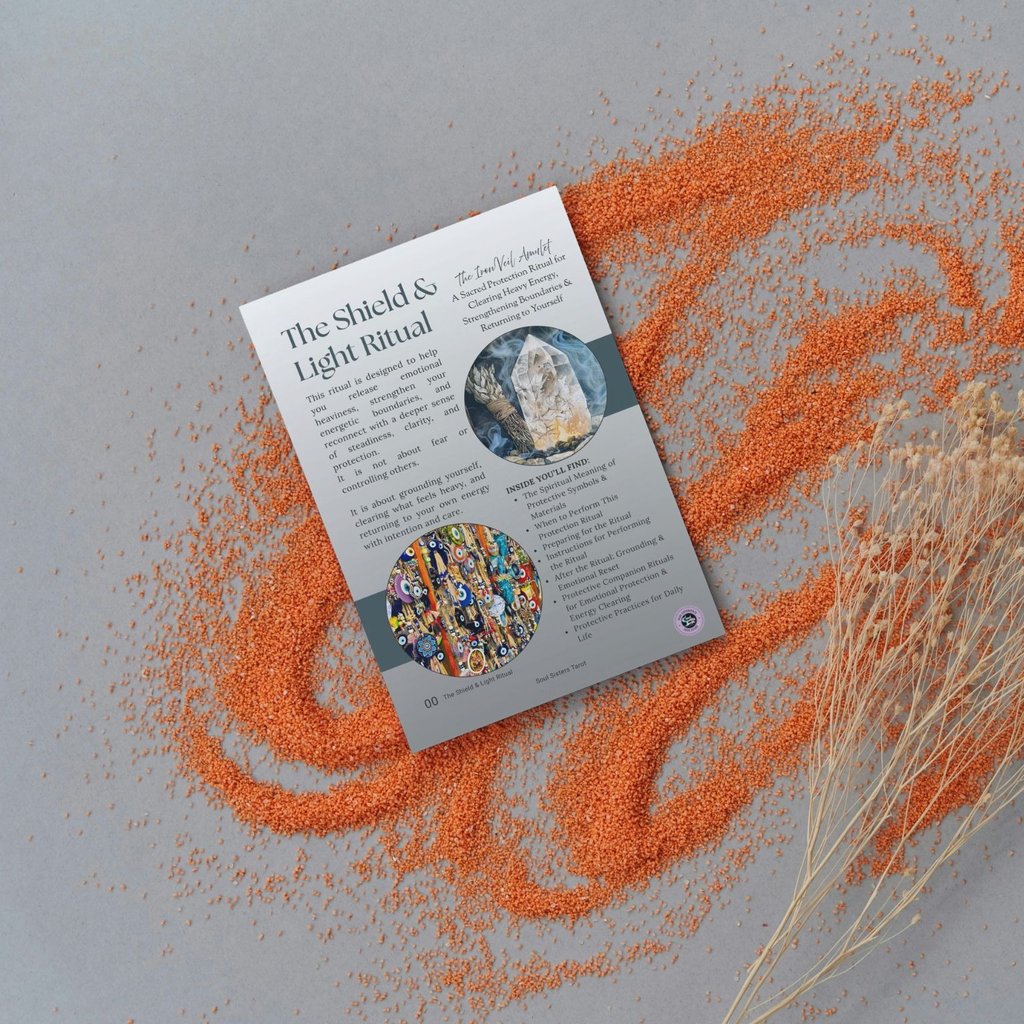
🛡️ The Shield and Light Ritual
Could you use a little more grounding, protection, and light as you move into a new season?
Create a meaningful moment to reconnect with your intentions and the qualities you want to cultivate in your life. Our Shield and Light Ritual offers a spiritual practice centered on protection and light, helping you create space for reflection and approach the season ahead with greater intention.
Explore the Season Through Tarot and Journaling
Tarot and journaling can work together as reflective practices during the Winter Solstice. Journaling helps you put thoughts and feelings into words, while tarot imagery offers symbolic perspectives that may inspire questions you have not yet considered.
For example, you might draw a card while reflecting on what deserves your attention, what you would like to understand more clearly, or which quality could help you navigate the coming months. Rather than treating the card as a fixed prediction, consider what its imagery, traditional meaning, or emotional associations bring to mind.
Write down your initial interpretation, then ask yourself how it relates to something happening in your life. If you draw a card associated with boundaries, for instance, you might reflect on where you need to protect your time or communicate your needs more clearly. The value lies in the reflection the card encourages, not in treating it as a definitive answer about your future.
You can also explore other seasonal practices during this period. The 13 Wishes Ritual: A Magical Guide for the Rauhnächte introduces a distinct tradition associated with wishes, reflection, and the transition into a new year. If you are interested in the historical and cultural background of winter celebrations, our guide to How to Celebrate Yuletide: History and the Best Yuletide Celebration Ideas explores Yule customs and celebration ideas in greater detail.
Whichever practices you choose, let them fit your life rather than turning them into another obligation. You might spend ten minutes journaling, light a candle while reflecting on one intention, or use a tarot card as the starting point for a thoughtful question. A small practice can be meaningful when it gives you space to connect with the season and decide what deserves your attention.
🌙 Winter Solstice Intentions: What Do You Want to Nurture?
Winter Solstice intentions are personal commitments that help you focus on what you want to nurture, strengthen, or make more room for in the months ahead. Rather than creating an ambitious list of New Year's resolutions, you can use this seasonal turning point to reflect on what matters most to you and choose one meaningful area of your life to develop.
Your intention does not have to involve achieving something new. It might focus on strengthening a relationship, making more room for creativity, developing healthier boundaries, or approaching everyday life with greater patience. The purpose is to identify a direction that reflects your own values and priorities, rather than expectations you feel pressured to meet.
Reflect Before You Set Your Intentions
Before deciding what you want to nurture, take a moment to consider what your recent experiences have taught you. Perhaps you have noticed that certain commitments leave you feeling depleted, that a neglected interest continues to draw your attention, or that you want to devote more time to something you genuinely value.
These observations can help you distinguish between what you feel you should pursue and what would genuinely support your well-being and personal growth.
Try asking yourself:
What would I like to make more room for in my life?
Which personal value do I want my everyday choices to reflect more clearly?
What have I been postponing that deserves my attention?
What would make the coming months feel meaningful, even without a major achievement?
You do not need to answer every question. Give yourself permission to sit with whichever one feels most relevant. A single honest observation may reveal more about your priorities than a long list of goals created out of habit.
Choose One Meaningful Intention for the Season Ahead
Once you have reflected on your priorities, choose an intention that feels both meaningful and realistic. Keep it simple enough to remember and flexible enough to adapt as your circumstances change.
For example, instead of setting a broad intention to become more confident, you might choose to express your opinions more openly in situations where you usually remain silent. Rather than promising to prioritize yourself, you could decide to protect one evening each week for an activity that restores your energy.
An intention becomes more useful when you connect it with a small, practical action. Ask yourself what you can do differently in the coming days to bring your chosen value into everyday life. This does not mean you need to create a strict plan or measure every step of your progress. It simply gives your intention a place in your daily life, where it can gradually influence your choices.
If you would like to explore this process in greater depth, our guide How to Set Intentions offers further guidance on choosing, clarifying, and working with meaningful intentions.
Remember that an intention is a direction, not a demand. You can return to it throughout the season, adjust it when your circumstances change, and allow your understanding of what matters to you to develop over time. The goal is not to hold yourself to a perfect standard, but to make choices that bring you a little closer to the life you want to nurture.
💎 Winter Solstice Crystals and Their Symbolism
Winter Solstice crystals are stones that people incorporate into seasonal spiritual practices as symbols of clarity, hope, grounding, renewal, and personal intention. Choosing a crystal can give you a tangible focus for reflection and help you remember the qualities you want to cultivate during the darker months of the year.
You do not need a large collection or a particular set of crystals to mark the occasion. If you already own stones that hold personal meaning for you, those may be more suitable than purchasing something new simply because it appears on a seasonal crystal list. The meaning you associate with a stone matters more to your personal practice than having the perfect collection.
Choosing Crystals for Reflection, Hope, and Renewal
Different crystals are associated with different symbolic qualities in contemporary crystal practices. For the Winter Solstice, you can use these associations as inspiration when considering what you want to welcome, strengthen, or explore in your life.
Clear quartz is commonly associated with clarity and intention. You might choose it as a reminder to identify what deserves your attention and what you want to prioritize in the coming months.
Amethyst is often connected with contemplation, intuition, and spiritual reflection. Its symbolism may suit a quiet practice focused on listening to yourself and making space for thoughtful consideration.
Black tourmaline is commonly associated with grounding and protection in crystal traditions. You can use it as a symbolic reminder to reflect on your boundaries and the people, places, and routines that help you feel supported.
Citrine is often linked with optimism, confidence, and abundance. It may appeal to you when reflecting on the opportunities you want to recognize and the positive qualities you want to bring into everyday life.
Garnet is associated in some crystal traditions with vitality, commitment, and inner strength. Its symbolism can complement reflection on the goals, relationships, or personal values you want to approach with greater dedication.
These associations come from spiritual and crystal traditions rather than established scientific evidence that crystals produce specific psychological or physical effects. You can appreciate their symbolism without expecting a stone to change your circumstances, guarantee an outcome, or determine your future.
Incorporating Crystals Into Your Winter Solstice Practice
Once you have chosen a crystal, consider how it might support your seasonal reflection. You could place it beside your journal while writing, hold it during a few minutes of quiet contemplation, or keep it somewhere visible as a reminder of a quality you want to cultivate.
For example, if you associate clear quartz with clarity, you might place it beside you while considering an important decision. If garnet represents commitment to you, you could keep it near your workspace as a reminder to take one realistic step toward something that matters. The stone does not need to do anything on your behalf. Its purpose can simply be to bring your attention back to the intention you have chosen.
You can also incorporate crystals into other Winter Solstice practices. Place your chosen stone beside a candle while reflecting on the season ahead, or keep it nearby during a tarot reading. If you would like to explore crystal symbolism in greater depth, our Winter Solstice Crystals: Stones for Reflection, Renewal, and Intention Guide brings together seasonal crystal associations and ideas for incorporating them into your practice.
Ultimately, the value of a crystal in this context lies in the personal meaning you give it and the attention it helps you bring to your reflection. Choose what resonates with you, use what you already have, and let your Winter Solstice practice remain personal rather than prescriptive.
🌟 Carry the Winter Solstice Light Into Your Everyday Life
The Winter Solstice reminds us that meaningful change does not always begin with a dramatic decision or a completely new direction. Sometimes, it begins with a clearer understanding of yourself, a choice that reflects your values, or the willingness to approach an old challenge differently. Just as the light gradually returns after the longest night, personal growth can begin quietly, long before you see the results.
As you move through the winter season, consider which insights you want to carry into your everyday life. You might choose to protect your time more carefully, make room for creativity, strengthen an important relationship, or explore a part of yourself you have neglected. You do not need to transform everything at once. Start with one small choice that reflects what genuinely matters to you, and allow it to guide your next steps.
If this season inspires you to explore your personal growth more deeply, discover Sisters Creation, where you can find resources designed to support self-awareness, self-love, and your ongoing personal journey.
The changing seasons offer a natural opportunity to pause and reconsider how you want to live, but the meaning you create from that experience belongs to you. Let this Winter Solstice be a moment to reconnect with your values, honour the path you have travelled, and choose one small step toward the life you want to nurture.
You do not have to know exactly where the road leads to begin walking it. And you do not have to wait for the light to return fully before finding a little of it within yourself. ❄️
With love and light,
Caitlin & Gerly
Soul Sisters Tarot
🦌 FAQ: Winter Solstice Spiritual Meaning
What Is the Winter Solstice and Why Is It Important?
The Winter Solstice is an astronomical event that marks the shortest day and longest night of the year in the hemisphere experiencing winter. It occurs because Earth's axis is tilted as our planet orbits the Sun, causing the Sun to follow its lowest and shortest daily path across the sky. The solstice marks the beginning of astronomical winter in the Northern Hemisphere and is also significant in many cultural and spiritual traditions, where it is associated with seasonal change, reflection, and the symbolism of returning light.
When Is the Winter Solstice?
The Winter Solstice usually occurs on December 21 or 22 in the Northern Hemisphere and around June 20 to 22 in the Southern Hemisphere. The exact date and time vary from year to year because the solstice occurs at a specific moment in Earth's orbit around the Sun. If you want to observe the solstice at its precise astronomical moment, check the date and time for your year and time zone.
Why Is the Winter Solstice the Shortest Day of the Year?
The Winter Solstice is the shortest day of the year because the hemisphere experiencing winter is tilted farthest away from the Sun. This causes the Sun to follow its lowest and shortest apparent path across the sky, resulting in fewer hours of daylight. After the solstice, daylight gradually increases in that hemisphere, although temperatures may continue to fall.
What Is the Spiritual Meaning of the Winter Solstice?
The spiritual meaning of the Winter Solstice is commonly associated with hope, introspection, renewal, and the symbolism of light returning after darkness. Many people use this seasonal milestone to reflect on their experiences, reconsider their priorities, release unhelpful patterns, and explore practices that support personal growth. These meanings vary across spiritual traditions and individual beliefs, so you can interpret the solstice in a way that feels meaningful to you.
What Does the Return of the Light Symbolize?
The return of the light symbolizes hope, renewed perspective, and the possibility of new beginnings. After the Winter Solstice, daylight gradually increases in the hemisphere experiencing winter, providing a natural basis for this symbolism. Spiritually, people may interpret the returning light as an invitation to nurture new possibilities, reconnect with their values, or move forward after a period of uncertainty.
Is the Winter Solstice a Pagan Holiday?
The Winter Solstice is an astronomical event rather than a religious holiday, but it is observed through various cultural and spiritual traditions. Yule, a winter festival with historical roots in Germanic and Norse traditions, is celebrated by many contemporary Pagans around this time. Other people observe the solstice through personal rituals, seasonal reflection, or time in nature without following a particular religion.
Is the Winter Solstice the Same as Yule?
No, the Winter Solstice and Yule are related but distinct. The Winter Solstice is an astronomical event marking the seasonal turning point, while Yule is a winter festival with historical roots in Germanic and Norse traditions. Many contemporary Pagan traditions celebrate Yule around the solstice, but its customs and observance dates vary. You can read more in our guide to How to Celebrate Yuletide: History and the Best Yuletide Celebration Ideas.
Can You Celebrate the Winter Solstice If You Are Not Pagan?
Yes, anyone can observe the Winter Solstice regardless of their religious or spiritual beliefs. You can appreciate it as a natural seasonal event, use it as an opportunity for personal reflection, or mark the changing daylight with a simple activity. You do not need to follow Pagan traditions or practise a particular spiritual path to find personal meaning in the occasion.
How Can You Celebrate the Winter Solstice at Home?
You can celebrate the Winter Solstice at home by lighting a candle, journaling, meditating, preparing a seasonal meal, or creating a personal ritual. Some people also explore tarot, reflect on the year, or gather with loved ones. There is no single required ceremony, so choose activities that reflect your interests, beliefs, and available time. For more ideas, explore our guide to Winter Solstice Rituals: 9 Meaningful Ways to Welcome the Returning Light.
What Should You Do During the Winter Solstice?
During the Winter Solstice, you can choose an activity that helps you reflect on the season and what you want to nurture in your life. You might write down an intention, consider what you want to leave behind, spend a quiet moment outdoors, or light a candle as a symbol of hope. Even a few minutes of reflection can make the occasion meaningful, and you do not need to complete a long list of rituals.
Do the Days Get Longer After the Winter Solstice?
Yes, the days gradually get longer after the Winter Solstice in the hemisphere experiencing winter. The amount of daylight increases as the Sun's apparent path across the sky becomes longer each day on the journey toward the spring equinox. The change may initially be difficult to notice, but daylight continues to increase until the summer solstice.
Is the Winter Solstice the Coldest Day of the Year?
No, the Winter Solstice is not necessarily the coldest day of the year. Although it has the least daylight in the winter hemisphere, temperatures are also influenced by how quickly land, oceans, and the atmosphere gain and lose heat, along with local weather patterns. In many places, the coldest period arrives weeks after the solstice, even though daylight has already started to increase.
Why Is the Earliest Sunset Not Always on the Winter Solstice?
The earliest sunset does not usually occur on the Winter Solstice because the timing of sunrise and sunset depends on both Earth's seasonal geometry and the difference between solar time and clock time. In many locations, sunset starts getting later before the shortest day arrives, while sunrise may continue getting later for a while after it. The exact dates depend on your latitude and location.
Is the Winter Solstice the Same Date Around the World?
The Winter Solstice occurs at the same astronomical moment worldwide, but the local date and time can differ because of time zones. It also marks opposite seasons in the two hemispheres: December brings the winter solstice in the Northern Hemisphere and the summer solstice in the Southern Hemisphere, while June brings the reverse.
What Is the Difference Between the Winter Solstice and the Spring Equinox?
The Winter Solstice marks the shortest day and longest night of the year in the winter hemisphere, while the Spring Equinox occurs when the Sun crosses the celestial equator and day and night are approximately equal in length. In the Northern Hemisphere, the Winter Solstice marks the beginning of astronomical winter, while the Spring Equinox marks the beginning of astronomical spring. The solstice represents the seasonal turning point toward increasing daylight, while the equinox marks a later stage in that transition.
🃏 ❄️ If the Winter Solstice Were a Tarot Card, Which Card Would It Be?
If the Winter Solstice were a tarot card, it would most closely resemble the Six of Wands. The Six of Wands is traditionally associated with triumph, victory, recognition, and emerging successfully from a challenge. These themes connect beautifully with the Winter Solstice, the longest night of the year, when darkness reaches its peak, and the light begins to return.
The Winter Solstice marks a powerful turning point in the natural cycle. After the longest night, the days gradually grow longer, reminding us that even when darkness seems to have reached its greatest strength, the light has not been lost. The Six of Wands captures this feeling of triumph: the moment when we emerge from a difficult chapter and discover that we have made it through.
Together, the Winter Solstice and the Six of Wands celebrate the triumph of light over darkness. They remind us that difficult seasons do not last forever, and that every return of the light carries the promise of renewal, hope, and new possibilities.
👉 Read: If the Winter Solstice Were a Tarot Card, It Would Be the Six of Wands
🃏 ❄️ Could the Winter Solstice Be Represented by More Than One Tarot Card?
While the Six of Wands is the strongest symbolic match for the Winter Solstice, other cards can reflect different aspects of this turning point in the seasonal cycle:
• The Hermit for introspection, inner wisdom, and learning to find your own light during periods of darkness
• Four of Swords for rest, stillness, and allowing yourself to recover during the quietest part of the year
• Five of Pentacles for experiencing hardship, feeling left in the cold, and finding the strength to endure difficult seasons
• Ace of Wands for the first spark of renewed energy, inspiration, and the potential for new beginnings as the light returns
• Nine of Cups for gratitude, emotional fulfilment, and appreciating the blessings that remain even during challenging times
Each card reflects a different aspect of the Winter Solstice, but the Six of Wands remains the strongest match because it represents triumph over darkness. The Hermit reminds us how to carry our inner light through the darkest night, while the Six of Wands celebrates the moment when that light begins to prevail.
The Winter Solstice reminds us of a truth that the Six of Wands celebrates: Darkness may have its longest night, but it does not have the final victory. 🌟
🍃 Explore More Seasonal Guides
The Winter Solstice is just one of four important seasonal turning points throughout the year. If you would like to explore the spiritual meaning of the changing seasons, discover our guides to the other equinoxes and solstices:
🌱 Spring Equinox: Explore the symbolism of balance, renewal, and new beginnings as nature awakens.
☀️ Summer Solstice: Discover the spiritual meaning of the longest day of the year and its associations with light, abundance, and growth.
🍂 Autumn Equinox: Reflect on balance, gratitude, letting go, and the transition into the darker months.
Each seasonal turning point offers a different opportunity to reflect on where you are in life and what you want to nurture next. Explore these guides throughout the year and discover how the changing seasons can inspire your own spiritual journey.
Soul Sisters Tarot
A Soft Place to Grow.
💌 SOUL SISTERS WEEKLY
A thoughtful Sunday letter with tarot reflections, moon wisdom, self-love, and gentle encouragement.
© 2026. All rights reserved.
Inspirational Coaching OÜ