🍂 READY TO UNDERSTAND YOURSELF ON A DEEPER LEVEL? → EXPLORE THE FOOL'S JOURNEY 💫
A 22-week self-awareness journey with your own personal spiritual guide. Get 20% off with code HUNTER20 ✨



How to Practice Self-Love
(And Finally Feel Enough as You Are)
You have probably heard it before.
“Just love yourself.”
But no one really explains what that means.
Or how to actually do it when your mind keeps going in the opposite direction.
Because self-love is not something you switch on.
It is something you build.
And if you are being honest, it may not feel natural at all. If you are just starting to explore this, you can follow your self-love journey to understand how these patterns develop and how they begin to change.
You might:
• Replay conversations in your head and wonder if you said the wrong thing
• Dismiss compliments while remembering every mistake you have made
• Feel guilty for resting, saying no, or putting yourself first
• Constantly compare yourself to where other people seem to be in life
• Believe you need to become "better" before you can finally feel good enough
So the idea of self-love can feel distant. Even unrealistic.
But here is the truth.
Self-love is not about becoming perfect, confident, or completely healed.
It is about learning how to relate to yourself differently, especially in the moments when you feel like you are not enough.
That is where real change begins.
What does practicing self-love actually mean?
Practicing self-love means treating yourself with the same honesty, compassion, and respect that you would offer someone you care about. It is not about feeling confident all the time. It is about how you respond to yourself when you make mistakes, face setbacks, or question your worth.
Can you practice self-love even if you do not love yourself yet?
Yes. In fact, most people begin practicing self-love before they fully feel it. Self-love is built through small actions and repeated choices, not by waiting until you feel confident, healed, or worthy enough.
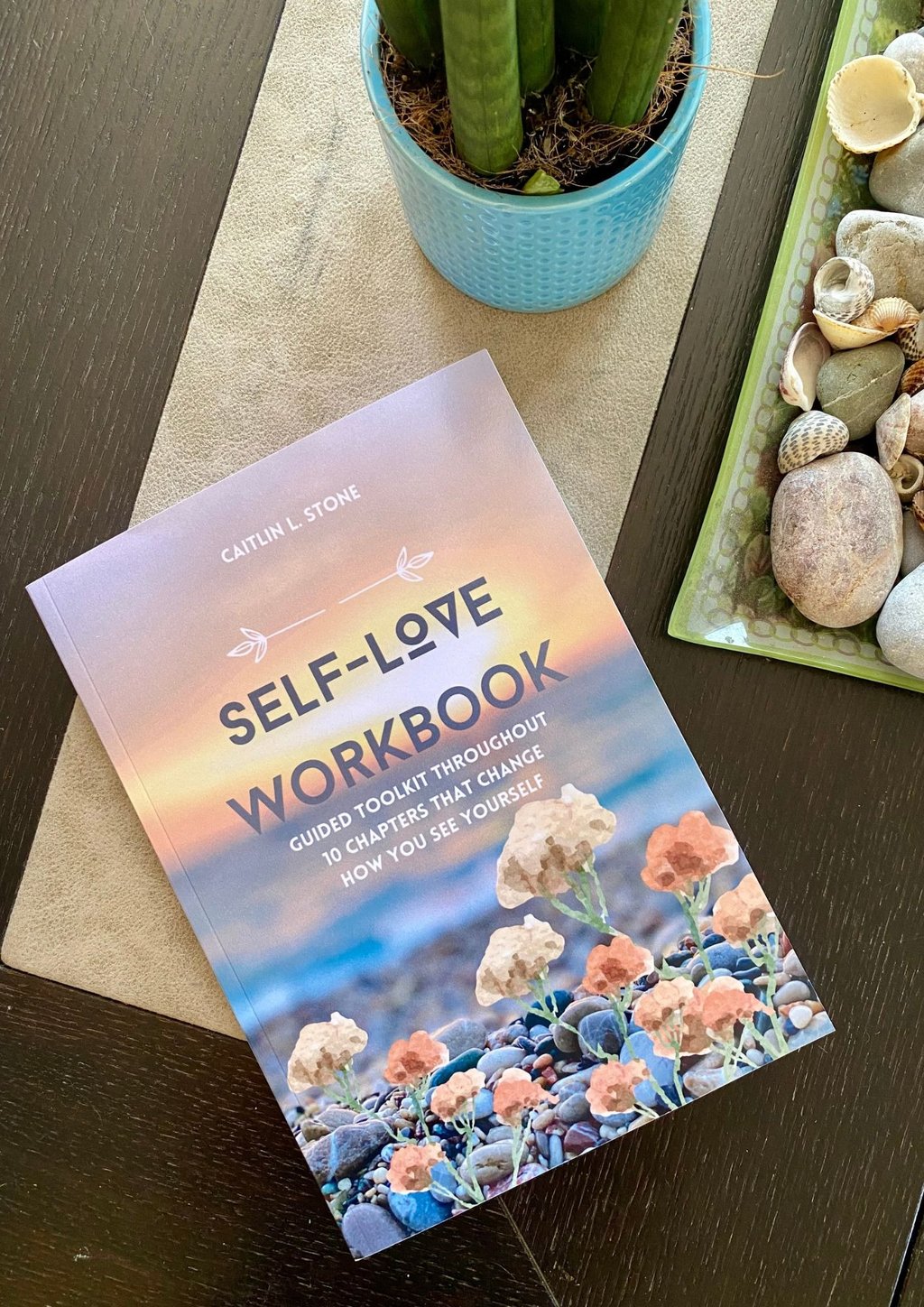
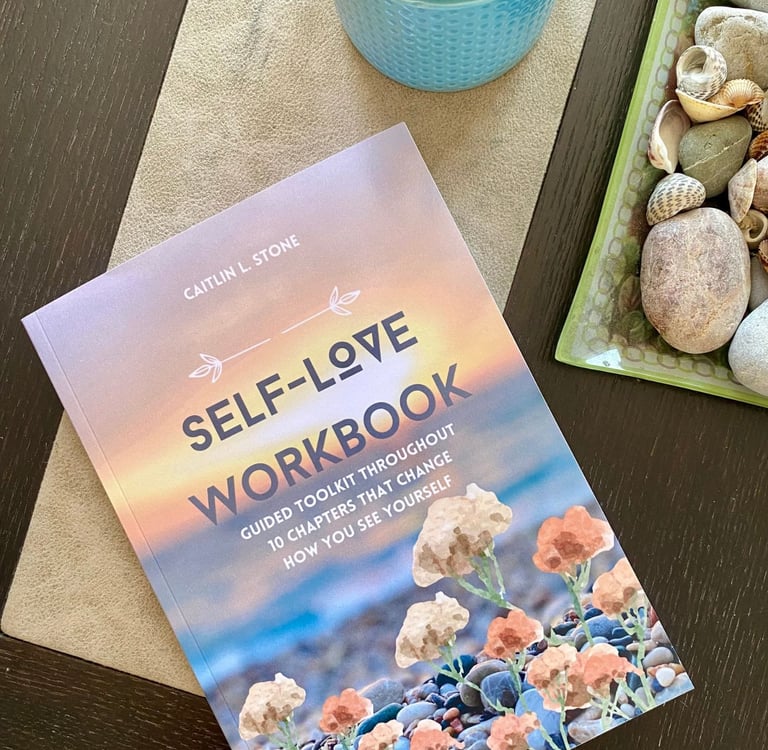
If you want a structured way to actually practice this, instead of just thinking about it, this is where the Self-Love Workbook comes in.
It gives you a clear path to follow, so you are not trying to figure everything out in your head.
🧠 How to practice self-love in a real and lasting way (and why it feels so hard at first)
If you have been trying to learn how to practice self-love, the first obstacle is often this: most advice about it is too vague to be useful.
It tells you to love yourself more, be kinder to yourself, or choose yourself. But when you are stuck in self-doubt, self-criticism, or emotional exhaustion, those ideas can feel too far away to apply in real life.
That is why self-love often feels difficult to practice.
Not because you are doing it wrong. But because self-love is not a mood. It is not confidence all the time, and it is not pretending everything is fine.
Self-love is the way you relate to yourself when things feel hard.
It is how you respond when you make a mistake.
How do you speak to yourself when you feel insecure?
How you treat yourself when you are tired, disappointed, triggered, or overwhelmed.
This is what makes self-love so important, and also why so many people struggle with it.
If your usual pattern is self-criticism, overthinking, people-pleasing, or questioning your worth, then practicing self-love can feel unfamiliar at first. Sometimes it can even feel wrong, uncomfortable, or unnatural. Many people discover that self-love becomes easier when they begin to understand why they doubt themselves, struggle with self-worth, or feel responsible for everyone else's happiness.
That does not mean it is not working.
It usually means you are trying to build a new way of relating to yourself, instead of repeating the old one.
This is also why real self-love is not just about mindset. It is about practice.
This is something many people only understand after going through it themselves.
This is something I learned through my own experience. Self-love was not something that came naturally to me. It was something I had to practice, especially during difficult periods when self-doubt felt louder than self-trust.
You build it through small choices, repeated over time. Through the moments when you stop replaying a mistake for the hundredth time. Through the moments when you allow yourself to rest without guilt. Through the moments when you notice what you need instead of automatically putting everyone else first. These small decisions may not seem significant, but they gradually change the relationship you have with yourself.
That is where self-love becomes real.
And that is also why people searching for ways to practice self-love usually need more than inspiration. They need something they can actually do.
For example, a real self-love practice can look like:
• noticing a self-critical thought and choosing not to treat it like the truth
• journaling through an emotional trigger instead of convincing yourself you should not feel that way
• asking what you need in a difficult moment instead of ignoring your feelings
• setting a boundary without apologizing for having limits
• speaking to yourself with honesty and compassion after a mistake
This is why self-love often looks ordinary from the outside. The biggest changes usually happen in the conversations you have with yourself when nobody else is listening.
These are not dramatic changes. But they are real ones.
And over time, they begin to change the relationship you have with yourself from the inside out.
Why is self-love so hard for some people?
Self-love is often difficult because many people learned self-criticism long before they learned self-compassion. If your value has always felt connected to achievement, approval, perfectionism, or putting other people's needs first, treating yourself with kindness can feel unfamiliar at first. Like any new skill, self-love becomes easier with practice.
If you want to practice self-love in a way that actually creates change, the key is not doing everything perfectly. The key is having a clear way to return to the practice again and again.
That is where the Self-Love Workbook becomes more than a product. It becomes a tool you can actually use.
Instead of trying to remember what to do in the moment, you have guided exercises, prompts, and structure that help you turn self-love into something real, grounded, and repeatable.
“And it’s not just about a more fulfilling relationship with yourself. I had to learn to love myself the hard way, through depression and hardships. But what I learned in the end was that if you truly love and know yourself, everything else becomes easier. Loving yourself gives you a foundation that will get you through anything.”
— Caitlin
“We, as women, were raised to serve others. We were told that we have to be nice and polite to others, help them, and that’s something we also saw. Our mothers were doing all these things for their husbands and their kids, and even their neighbours. That’s how we learned to serve other people.
We can still do that, but it’s more important than ever not to forget about yourself. You are allowed to take time for yourself and care for yourself. Because, at the end of the day, you are the only person you have to live with till the end of time. And you want to live with a happy person, with a happy you.”
— Caitlin
✨ Ways to practice self-love in your daily life
If you are searching for ways to practice self-love, you are probably not looking for more ideas. You are looking for something that actually works in real life.
Self-love is not built through one big change. Self-love is built through small, consistent actions that change how you relate to yourself over time.
The most effective self-love practices are not about adding more to your life. They are about changing how you respond to what is already happening.
What is the best way to practice self-love?
The best way to practice self-love is through small, consistent actions that change how you respond to yourself every day. Self-love is built through self-awareness, self-compassion, healthy boundaries, and learning to support yourself during difficult moments.
Here are some of the most important ways to practice self-love in a real and lasting way:
1. Notice how you speak to yourself in difficult moments
Self-love does not show up when everything is easy. It shows up in the moments when you feel frustrated, insecure, or disappointed.
Pay attention to your internal voice.
Do you replay mistakes for days, assume one bad moment defines you, or speak to yourself in ways you would never speak to a friend?
Practicing self-love starts with noticing that voice and choosing not to follow it automatically.
2. Respond to yourself instead of reacting automatically
Most patterns happen quickly. A situation happens, and your mind immediately assigns meaning to it.
Practicing self-love means slowing that process down.
Instead of reacting, pause and ask:
“What do I actually need right now?”
This shifts you from reacting to supporting yourself.
3. Allow yourself to have needs without dismissing them
Many people struggle with self-love because they have learned to ignore their own needs.
You might feel guilty for resting, saying no, asking for help, or choosing yourself when someone else is disappointed.
But self-love includes recognizing that your needs matter.
Not later. Not when everything else is done. Now.
If setting boundaries feels especially difficult, it is often connected to deeper patterns of people-pleasing and fear of disappointing others.
4. Stop turning every uncomfortable feeling into a personal failure
Not every difficult emotion means something is wrong with you.
Sometimes you feel anxious because you are stepping outside your comfort zone.
Sometimes you feel unsure because you are making a decision that matters.
Sometimes you feel overwhelmed because you have been carrying too much without support.
Practicing self-love means allowing those feelings without immediately turning them into self-criticism.
5. Practice honest reflection instead of harsh judgment
There is a difference between reflecting and criticizing.
Reflection helps you understand what happened.
Criticism makes it personal.
Instead of:
“I always mess things up.”
Shift toward:
"What happened, what can I learn from it, and what do I need right now?"
This creates growth without damaging your self-worth.
6. Give yourself the same understanding you give others
Most people are kinder to others than they are to themselves.
Think about how you respond when someone you care about is struggling.
You listen.
You support.
You do not attack them for being human.
Self-love means learning to offer that same response to yourself.
7. Create space to process your thoughts and emotions
This is where many people struggle.
They understand what self-love looks like, but they do not have a way to actually process what they feel.
So everything stays in their head.
The same doubts repeat.
The same worries come back.
The same stories about not being good enough keep playing in the background.
And over time, those patterns start to feel true simply because they have been repeated so often.
This is why having a structured way to practice self-love becomes important.
Because self-love is not just something you think about. It is something you work through.
Can self-love be learned?
Yes. Self-love is a skill that can be developed over time. While some people seem naturally confident or self-assured, most people build self-love through repeated practice, self-awareness, and learning healthier ways to respond to themselves.
👉 That is exactly what the Self-Love Workbook is designed for.
It gives you guided exercises, prompts, and reflection tools that help you move through your thoughts and emotions in a clear and practical way.
Instead of trying to “do it right,” you have something to follow.
🍃 Self-love exercises you can try right now
Understanding how to practice self-love is important. But real change begins when you actually experience it.
You do not need to wait until you feel ready. You can start with small exercises that help you shift how you relate to yourself, even in a few minutes.
What are simple self-love exercises for beginners?
Simple self-love exercises include journaling without judgment, noticing your inner voice, identifying your emotional needs, and reflecting on difficult situations with curiosity instead of criticism. The goal is not perfection. The goal is building a healthier relationship with yourself, one small step at a time.
Here are a few simple ways to practice self-love right now:
1. Write a letter to yourself without judgment
Take a few minutes and write to yourself honestly.
Not as a critic.
Not as someone trying to fix everything.
But as someone who is trying to understand.
You can write to:
• your current self
• your past self
• or a part of you that feels hurt or overwhelmed
Let yourself say things you usually keep inside. Things you dismiss, minimize, or tell yourself should not matter. Often, the things we avoid writing about are the things that need the most compassion.
2. Practice noticing your inner voice
Pause and listen to how you are speaking to yourself right now.
Are you supportive?
Or critical?
Without forcing anything, try shifting one sentence into something more balanced.
Instead of:
"I always mess everything up."
Try:
"I made a mistake, but that does not define me."
Self-love is not about pretending everything is fine. It is about speaking to yourself more fairly.
3. Ask yourself what you need in this moment
Instead of pushing through automatically, pause and ask:
“What do I actually need right now?”
It could be:
• rest after pushing yourself too hard
• space from a difficult situation
• clarity before making a decision
• reassurance during a moment of self-doubt
This builds awareness of your needs, which is a core part of self-love.
4. Reflect instead of reacting
Think about a recent situation that left you feeling hurt, embarrassed, rejected, anxious, or not good enough.
Instead of judging yourself, ask:
• What did I feel?
• What did I assume?
• What did I need in that moment?
• What would I say to a friend who was experiencing the same thing?
This helps you understand your patterns instead of repeating them. Many people discover that recurring feelings of self-doubt, comparison, or never feeling good enough have deeper roots than they first realized.
These exercises are simple, but they are not always easy.
Most people do not struggle because they do not know what to do. They struggle because old habits are powerful. It is easy to fall back into self-criticism, self-doubt, and automatic patterns, especially during stressful periods.
That is why having guidance can make such a difference.
👉 If you want more exercises like these, you can start with the free self-love guide.
It gives you simple practices, reflections, and self-love tools you can use step by step, helping you build new habits without feeling overwhelmed.
💔 You don’t need to keep feeling this way
At some point, it becomes clear that this is not just about having a “better mindset.”
You can understand self-love.
You can agree with it.
You can even try to practice it.
And still find yourself falling back into the same patterns.
Second-guessing your decisions.
Talking yourself out of opportunities.
Questioning your worth after every mistake.
Feeling like no matter what you do, it is never quite enough.
This is not because you are not trying hard enough. It is because patterns like this do not change through awareness alone.
They change when you start working with them consistently.
When you begin to notice your reactions in real time.
When you catch yourself spiraling into self-criticism, choose a different response.
When you take the time to understand what you are feeling instead of immediately judging yourself for feeling it.
When you repeat those small choices often enough that they become your new normal.
This is where self-love stops being an idea.
And starts becoming something you actually experience.
Why does self-love not work for me?
Self-love often feels like it is not working when it stays at the level of understanding. Reading about self-love can be helpful, but lasting change usually happens through consistent practice. The goal is not to know more about self-love. The goal is to learn how to apply it in everyday life.
Because the goal is not to convince yourself that you are worthy.
The goal is to build a relationship with yourself where that question no longer controls how you feel.
This is what creates real confidence.
Real stability.
Real self-trust.
The kind that does not disappear the moment life becomes difficult.
And this is where most people stay stuck.
Not because they do not care.
But because they do not have a clear way to move through it.
They read about self-love. They agree with the advice.
They promise themselves they will be kinder to themselves next time.
But when stress, rejection, mistakes, or self-doubt show up, they fall back into the same familiar patterns.
Having a way to come back to the process, even on the days when it feels difficult.
That is why I created the Self-Love Workbook.
I created it because I know what it feels like to understand self-love in theory while still struggling to practice it consistently in real life.
“That’s why I put together a Self-Love Workbook myself. I used my knowledge and experiences, as well as all the exercises that I have practised on myself. Sure, not all of them are my favorites, but that’s okay.
Self-love is a personal journey, and what works for one person might not work for others. That’s why there are so many different exercises to choose from.
You can check out my workbook. Maybe you will find an exercise that changes everything. Or maybe you will simply find a gentler way of relating to yourself. Either way, that is a worthwhile place to begin.”
— Caitlin
💖 What you get when you start practicing self-love with structure
If you are serious about learning how to practice self-love in a way that creates real change, structure matters. Because most people do not struggle with a lack of information. They struggle because they keep falling back into the same patterns when life gets difficult.
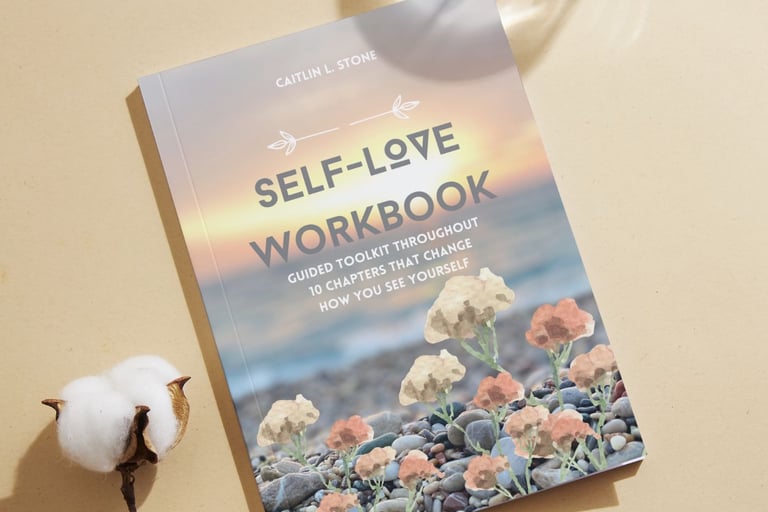
The Self-Love Workbook is not just a collection of ideas. It is a complete system designed to help you build self-love step by step.
You are not guessing what to do next. You are following a clear path. Instead of wondering whether you are doing enough, you have practical exercises that help you build self-trust, self-worth, and self-compassion one step at a time.
Can a workbook help you practice self-love?
Yes. A self-love workbook can help turn self-love from an idea into a daily practice. Instead of trying to remember what to do when self-doubt, overthinking, or self-criticism appear, you have exercises and guidance that help you respond differently.
What makes this workbook different
• 245-page guided workbook designed for deep inner work
• Combination of psychological tools and practical exercises
• Structured format you can follow at your own pace
• Printable PDF for hands-on reflection and journaling
• Designed for long-term growth, not quick fixes
• Suitable for both beginners and deeper inner work
This is not just about inspiration.
It is about actually working through your patterns and creating change.
Whether you struggle with self-doubt, people-pleasing, comparison, perfectionism, or never feeling quite good enough, the goal is the same: helping you build a healthier relationship with yourself from the inside out.
What you will gain from it
• Less time stuck in self-doubt and overthinking
• More confidence in your decisions and choices
• A kinder, more supportive inner voice
• Healthier boundaries without as much guilt
• Better emotional awareness and self-understanding
• A stronger sense of self-worth that is not dependent on external validation
What is inside (245 pages of guided inner work)
Each section focuses on a different area of self-love, helping you understand the patterns behind your thoughts, emotions, and behaviors while giving you practical tools to create lasting change.
• Self-acceptance and shifting negative thoughts
• Self-compassion and learning to support yourself
• Self-worth and confidence building
• Setting boundaries and protecting your energy
• Mindfulness and self-care practices
• Reconnecting with your authentic self
• Personal growth and long-term development
• Letting go of the past and emotional release
• Emotional regulation and grounding techniques
• Building a deeper relationship with yourself
Format and access
• Digital PDF (245 pages)
• Instant download
• Printable for repeated use
• Designed for you to return again and again when needed
You can work through it at your own pace, revisit exercises whenever you need them, and focus on the areas that feel most relevant to your journey right now.
You do not have to figure all of this out by yourself. Sometimes having a clear process makes it easier to keep going when old patterns start pulling you back.
If you are tired of understanding self-love in theory but struggling to practice it consistently in real life, this is where you can begin. One small step at a time, with guidance you can return to whenever you need it.
🍓 If you want to go deeper into your patterns
Sometimes, self-love feels difficult, not because you do not know what to do, but because deeper patterns keep pulling you back into the same thoughts, emotions, and behaviors.
When you understand where self-doubt, comparison, perfectionism, people-pleasing, or feelings of unworthiness come from, it becomes much easier to respond to yourself with compassion instead of criticism.
Why do I struggle with self-love?
Many struggles with self-love are connected to deeper patterns such as self-doubt, perfectionism, people-pleasing, comparison, or feeling unworthy. Understanding these patterns can help you address the root cause instead of only managing the symptoms.
If you feel like there is something deeper behind your self-doubt, your relationships, or how you see yourself, these guides can help you explore that more clearly:
👉 Why do I feel unworthy of love
If you often feel insecure in relationships, struggle to accept love, or wonder whether you are truly enough, this guide can help you uncover the roots of that belief.
👉 How to stop being so hard on yourself
If your inner voice is critical and demanding, this will help you learn how to respond to yourself in a more supportive way.
👉 Why do I doubt myself so much
If you constantly second-guess yourself, replay decisions, or worry about making the wrong choice, this guide can help you understand what is fueling that pattern.
👉 Why do I compare myself to others
If other people's success makes you question your own progress, this guide can help you understand why comparison feels so difficult to let go of.
👉 Why do I never feel good enough
If no matter what you do, it still does not feel like enough, this will help you explore the deeper belief behind that feeling.
You do not need to figure everything out at once.
Real self-love is rarely built through one big breakthrough. More often, it develops through understanding yourself one pattern at a time.
Understanding your patterns is a powerful first step. But lasting change happens when you begin actively working with them.
If you are ready to take that next step and start working through these patterns in a clear and structured way, this is where you can begin.
FAQ: How to Practice Self-Love
How to practice self-love if it feels unnatural?
Self-love often feels unnatural at first because many people learned self-criticism long before they learned self-compassion. Start with small actions, such as noticing how you speak to yourself, setting simple boundaries, or responding to mistakes with curiosity instead of judgment. Self-love becomes easier through practice, not perfection.
How do I know if I need to work on self-love?
You may benefit from working on self-love if you constantly doubt yourself, struggle to accept compliments, compare yourself to others, feel guilty setting boundaries, or believe you need to achieve more before you are worthy. These patterns often point to a relationship with yourself that needs more support and compassion.
How to practice self-love when you struggle with self-doubt?
When self-doubt appears, try noticing it without automatically treating it as the truth. Ask yourself whether the thought is based on facts or fear. Over time, learning to question self-doubt instead of obeying it helps build confidence, self-trust, and a healthier relationship with yourself.
Is self-love selfish?
No. Self-love is not about putting yourself above other people. It is about recognizing that your needs, feelings, and wellbeing matter too. Healthy self-love often leads to better boundaries, healthier relationships, and a greater ability to support others without neglecting yourself.
How long does it take to build self-love?
There is no fixed timeline for building self-love. Small shifts can happen quickly, but deeper patterns often take time to change. Self-love is not a destination you reach once. It is an ongoing practice of treating yourself with greater understanding, compassion, and respect.
Can you practice self-love even if you do not love yourself yet?
Yes. In fact, many people begin practicing self-love before they fully feel it. Self-love grows through small actions and repeated choices, not by waiting until you suddenly feel confident or worthy enough.
Can a workbook actually help me practice self-love?
Yes. Many people understand self-love intellectually but struggle to apply it consistently in everyday life. A workbook provides structure, exercises, and guided reflection that help turn self-love from an idea into a practical habit you can build over time.
Why do I feel guilty when I put myself first?
Many people were taught to prioritize other people's needs before their own. As a result, resting, setting boundaries, or choosing themselves can trigger guilt. Practicing self-love means learning that caring for yourself is not selfish. It is a necessary part of emotional well-being.
👉 If you are ready to move beyond understanding and start practicing self-love in a structured way, this is where you can begin.
Soul Sisters Tarot
A Soft Place to Grow.
💌 SOUL SISTERS WEEKLY
A thoughtful Sunday letter with tarot reflections, moon wisdom, self-love, and gentle encouragement.
© 2026. All rights reserved.
Inspirational Coaching OÜ
sisters@soulsisterstarot.com