🍂 READY TO UNDERSTAND YOURSELF ON A DEEPER LEVEL? → EXPLORE THE FOOL'S JOURNEY 💫
A 22-week self-awareness journey with a personal spiritual guide. Get 20% off with code HUNTER20 ✨



Winter Solstice Journal Prompts: 50 Questions to Go Deeper
Winter Solstice journal prompts for reflecting on the year, facing old patterns, and finding what needs your attention. These 50 questions help you begin.
SEASONAL & SPIRITUAL TRADITIONS
Soul Sisters Tarot
10/25/202619 min read


Winter Solstice Journal Prompts: 50 Questions for Reflection and Renewal
This article belongs to our Winter Solstice Collection, where we explore the symbolism of the season, the wisdom of darkness, and meaningful ways to welcome renewal.
Winter Solstice journal prompts are reflection questions designed to help you review the year, explore your emotions, recognize recurring patterns, and consider what you want to nurture as the light gradually returns. These 50 questions guide you through six themes: reflecting on the past year, releasing emotional burdens, exploring your shadow self, understanding your needs, welcoming new possibilities, and connecting with the person you are becoming.
You don't need to be an experienced journal writer or know exactly what you want to say. Each question gives you a starting point for exploring your thoughts, feelings, and experiences with greater honesty and self-compassion. You can answer the prompts in order, choose the questions that resonate most, or return to them gradually throughout the winter.
In this guide, you'll discover why the Winter Solstice can be a meaningful time for self-reflection, how to use the prompts at your own pace, and how to make sense of the insights that emerge. You'll also find practical guidance for carrying those reflections into everyday life, so your journaling becomes more than an exercise in looking back. It becomes an opportunity to understand what matters to you now and what you want to nurture next.
🕯️ Why Journal During the Winter Solstice?
The Winter Solstice is a meaningful opportunity to pause, reflect on the year, and consider what you need as a new season begins. Winter Solstice journaling turns this seasonal moment into a personal reflection practice, helping you examine your experiences, recognize recurring patterns, and identify what deserves more attention in your life.
Unlike journaling that focuses on daily events or future plans, seasonal reflection encourages you to look at the bigger picture. What has changed over the past year? Which experiences have shaped you? Are there feelings you have not fully acknowledged, or needs you have repeatedly set aside?
You do not need to find an answer to every question. The purpose is to give yourself space to explore your experiences honestly, without pressuring yourself to reach a particular conclusion.
The Longest Night as an Invitation to Reflect
In Winter Solstice symbolism, darkness can represent uncertainty, rest, and the parts of life that are not yet fully understood. You can use this symbolism as a starting point for exploring difficult experiences, unresolved feelings, or questions you have been avoiding.
The gradual return of daylight offers another perspective: growth does not always happen all at once. Reflection may help you recognize how your perspective has changed, what you have learned from past experiences, and which possibilities you are ready to explore.
These 50 Winter Solstice journal prompts bring these themes into your own life through questions about personal growth, emotional release, self-understanding, and renewal. If you would also like to explore these themes through tarot, our Winter Solstice Tarot Spread: 7 Cards to Welcome the Returning Light offers seven questions to help you reflect on endings, inner strength, release, and new possibilities.
Making Space for Honest Self-Reflection
Writing your thoughts down can help you examine them more clearly. When you put an experience into words, you have an opportunity to notice connections, question assumptions, and recognize patterns that might otherwise go unexamined. You may discover that a situation still affects you, that an important need has gone unmet, or that something you once wanted no longer reflects who you are.
You can develop this habit throughout the year, not just at the Winter Solstice. Our guide, 365 Journal Prompts for Mental Health: Why Do It, and How to Get Started, explores journaling as a way to build emotional awareness and offers additional questions for moments when you need help processing your thoughts.
📓 365 Psychological Journal Prompts
Do you ever sit down to journal, only to find yourself wondering what to write about?
The 365 Journal Prompts resource gives you a fresh question to explore each day, helping you reflect on your emotions, relationships, choices, and personal growth throughout the year. Whether you want to build a consistent journaling habit or need inspiration when your thoughts feel difficult to untangle, these prompts can help you continue exploring yourself long after the Winter Solstice.


Honest reflection also means allowing yourself to acknowledge conflicting emotions. You can feel proud of what you have accomplished and disappointed by what did not work out. You can look forward to the future while feeling uncertain about what it holds.
The goal of Winter Solstice journaling is not to criticize yourself or turn every experience into a lesson. It is to understand yourself with greater honesty and curiosity, giving yourself room to recognize what matters to you and what you may need next.
🌙 How to Use These Winter Solstice Journal Prompts
You don't need a special journaling method to benefit from these Winter Solstice journal prompts. Set aside a little time, find a comfortable place to write, and choose questions that help you explore your experiences. There is no need to write beautifully or find the perfect answer. What matters is giving yourself space to think honestly about what you have lived through and what you want to understand more clearly.
🕯️ Create a Quiet Space for Yourself
Choose a place where you can write without feeling rushed or distracted. You might settle into your favorite chair with a warm drink, light a candle, or spend a few quiet minutes gathering your thoughts before opening your journal.
If you enjoy seasonal rituals, you can make journaling part of your Winter Solstice practice. Keep your notebook nearby, take a few slow breaths, and allow yourself to settle into the moment before choosing your first question. A peaceful atmosphere may help you focus, but elaborate preparations are not necessary. Your reflections can be meaningful wherever you feel comfortable writing.
🌙 Choose the Questions That Resonate With You
These 50 prompts are organized into six themes, allowing you to explore them in order or begin with the questions that feel most relevant to your life. You might start by reviewing the past year, examining a recurring emotional pattern, or considering what you need in the coming season.
You don't have to answer all 50 questions in one sitting. Choose two or three that catch your attention and give yourself time to explore them. If a question brings up an unexpected thought or memory, stay with it rather than moving on simply because another prompt is waiting.
You can also combine journaling with other seasonal traditions. How to Celebrate Yuletide: History and the Best Yuletide Celebration Ideas explores ways to honor this time of year, while The 13 Wishes Ritual: A Magical Guide for the Rauhnächte introduces a separate tradition centered on hopes and wishes for the year ahead. Both can complement your journaling practice if you would like to explore seasonal reflection in different ways.
💚 Let Yourself Be Honest Without Judging Your Answers
Your journal is a private space to explore what you genuinely think and feel, including emotions that seem complicated or contradictory. You might acknowledge something you are proud of, admit that a situation still hurts, or recognize that a goal no longer reflects who you are.
Try to write without criticizing yourself for your thoughts or expecting every reflection to lead to an immediate solution. You don't need to justify your feelings or make them sound more positive than they are. If a question feels too uncomfortable to explore right now, skip it and return to it when you feel ready.
Journaling isn't about producing the perfect answer; it's about understanding yourself more clearly. Give yourself permission to be honest, take breaks when you need them, and let your reflections unfold at your own pace.
❄️ 50 Winter Solstice Journal Prompts for Reflection and Renewal
These 50 Winter Solstice journal prompts help you reflect on the past year, release emotional burdens, explore hidden patterns, recognize your needs, welcome new possibilities, and connect with the person you want to become. Organized into six themes, the questions guide you from looking back at your experiences to considering what you want to nurture in the months ahead.
You can answer the prompts in order or choose the questions that resonate most with you. There is no need to complete all 50 in one sitting. Give yourself time to explore each answer honestly, without expecting every question to lead to an immediate realization.
Reflecting on the Year That Has Passed
Looking back on the past year can help you recognize experiences that shaped you, strengths you developed, and moments you might otherwise overlook. Reflection is not only about evaluating achievements. It also means acknowledging the quiet progress, difficult lessons, and unexpected joys that made this year your own.
Use these questions to review your experiences with honesty and compassion.
What experience from this past year had the greatest impact on me, and why?
When did I feel most connected to myself and the person I want to be?
What challenge helped me recognize a strength I hadn't fully appreciated before?
What am I proud of accomplishing, even if nobody else noticed?
Which relationship, experience, or moment brought unexpected joy into my life?
What did I learn about my needs, values, or boundaries this year?
What surprised me about myself, and how has that changed the way I see myself?
If I could thank myself for one thing I did this year, what would it be?
Releasing Emotional Burdens and Old Patterns
Some experiences continue to occupy emotional space long after the moment has passed. You might find yourself replaying a conversation, holding on to an expectation, or repeating a reaction that no longer serves you. Recognizing these patterns is a first step toward deciding how you want to relate to them differently.
Releasing an emotional burden does not mean denying what happened or forcing yourself to move on before you are ready. It means becoming aware of what you are carrying and considering what might help you move forward.
What am I carrying emotionally that has become heavier than I want it to be?
Which expectation of myself or others has repeatedly left me feeling disappointed?
What situation from the past am I still replaying in my mind, and what keeps bringing me back to it?
Where am I holding on to something mainly because it feels familiar?
What fear influences my decisions more than I would like to admit?
Which habit or recurring reaction no longer supports the life I want to build?
What do I need to accept, even if I cannot change the circumstances?
If I treated myself with more compassion, what might I allow myself to stop carrying?
Shadow Work: Meeting the Parts of Yourself You Hide
Shadow work is a reflective practice that explores feelings, beliefs, reactions, and aspects of yourself that you may find uncomfortable to acknowledge. It can help you question automatic responses, examine personal assumptions, and become more aware of the fears or unmet needs that may influence your behavior.
These questions invite you to explore those areas with curiosity rather than shame. You do not need to force an answer, and you can skip any prompt that feels overwhelming.
Which emotion do I find hardest to express, and what am I afraid might happen if I show it?
When do I pretend to be okay even though something is bothering me?
Which qualities in other people trigger a strong reaction in me, and what might that reveal about my own beliefs or insecurities?
Where do I say yes when I really want to say no, and what am I trying to avoid?
What part of myself do I hide because I worry it will make me less lovable or acceptable?
When I feel criticized or rejected, what is my first reaction, and what might be underneath it?
What truth about my needs or desires have I been reluctant to acknowledge?
If I approached one of my less comfortable qualities with curiosity instead of shame, what might I learn?
If these questions reveal patterns you'd like to explore further, our Shadow Work resources offer additional guidance for understanding your emotional responses and developing greater self-awareness.
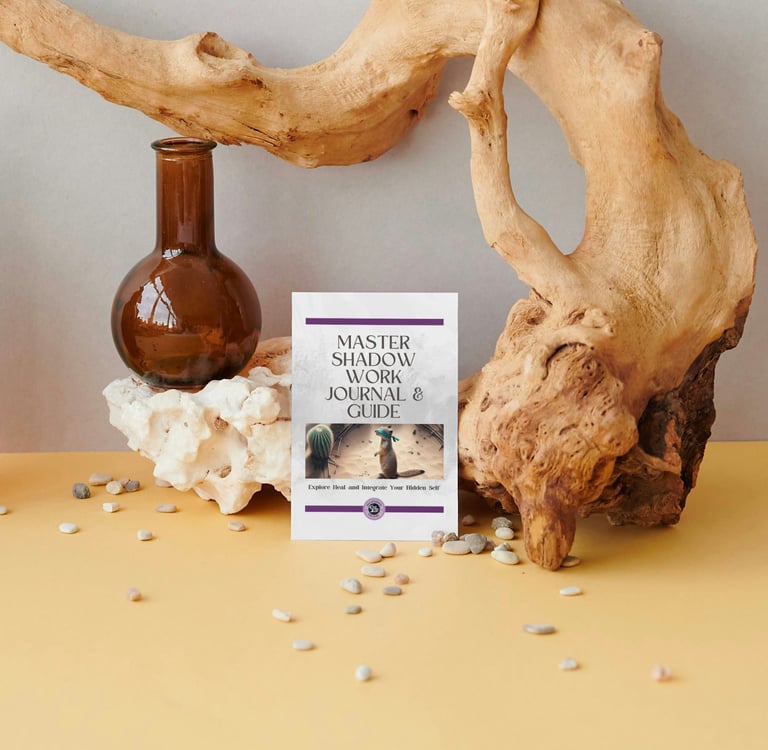
🤍 Master Shadow Work Journal & Guide
Do you keep reacting to certain situations in ways you don't fully understand, even when you promise yourself you'll respond differently next time?
The Master Shadow Work Journal and Guide helps you explore hidden beliefs, emotional triggers, protective habits, and recurring patterns that may influence your choices. Through guided reflection and shadow work exercises, you can begin to understand the reasons behind your reactions and approach the parts of yourself you've been avoiding with greater honesty and compassion.

Understanding Your Needs and Practicing Self-Love
Self-love includes recognizing your needs, respecting your limits, and treating yourself with the same consideration you offer other people. It does not mean putting yourself first in every situation. It means noticing when your own well-being has been consistently overlooked and considering what needs to change.
Use these questions to explore how you care for yourself, protect your energy, and make room for what helps you feel well.
What do I need more of in my life right now: rest, connection, creativity, space, support, or something else?
Which part of my life has been receiving most of my energy, and what part of me has been neglected?
What does genuine rest look like for me, beyond simply stopping work?
Where would a healthier boundary help me protect my time, energy, or emotional well-being?
How do I speak to myself when I make a mistake, and how would I speak to someone I love in the same situation?
What small activity helps me feel more like myself, and how could I make more room for it?
In which situations do I put other people's needs ahead of my own, even when it leaves me feeling depleted?
What is one way I could show myself more kindness this winter?
If you want to put these reflections into practice, our Self-Love Journey resources can help you explore self-compassion, healthier boundaries, and ways to make your well-being a more consistent priority.
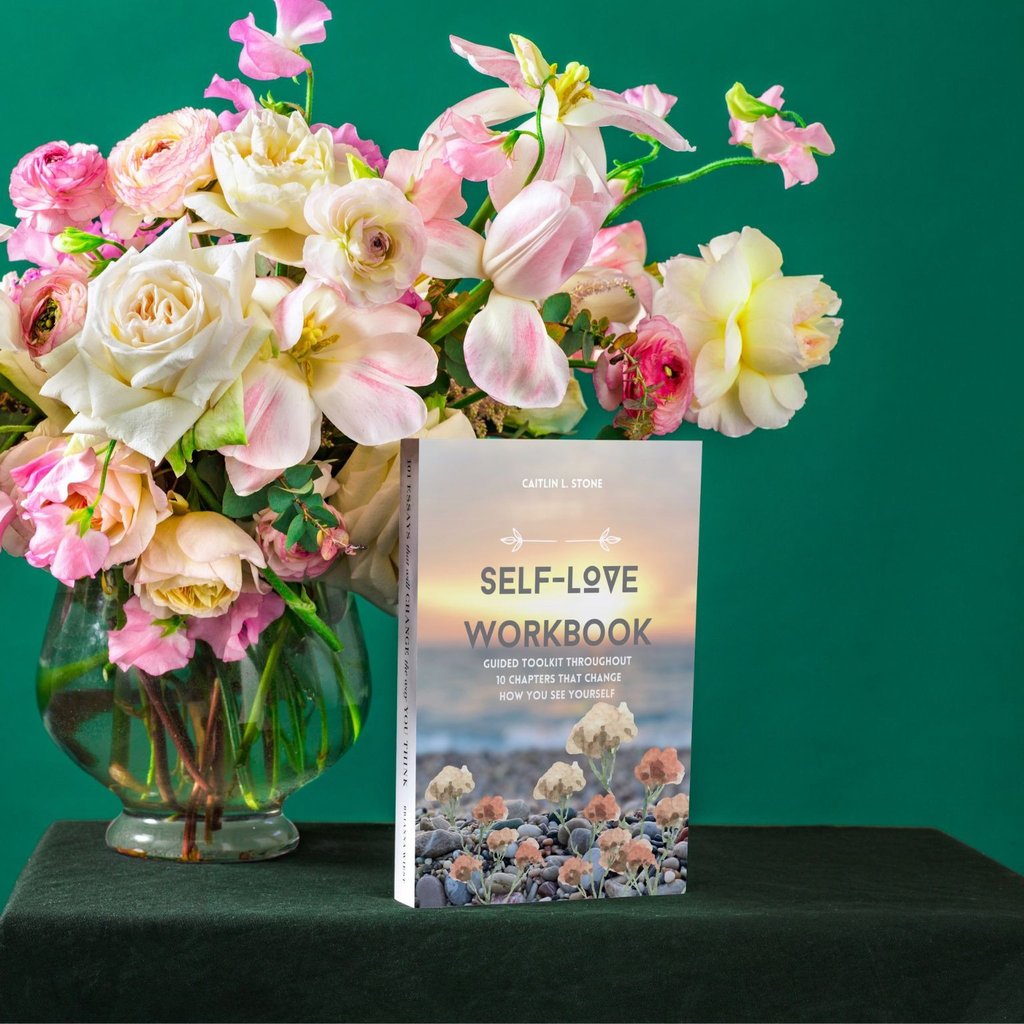
❤️ Self-Love Workbook
Do you spend so much time caring for everyone else that your own needs keep slipping down the list?
The Self-Love Workbook helps you reconnect with your needs, strengthen self-compassion, and build a kinder relationship with yourself through guided exercises and reflection. It's a practical companion for exploring boundaries, recognizing your worth, and making more room for your own well-being in everyday life.
Welcoming the Returning Light
As the days gradually lengthen after the Winter Solstice, you might begin to consider what you want to invite into your life. This does not require a dramatic fresh start or a detailed plan for the entire year. You can begin with a little possibility, a meaningful activity, or a quality you would like to nurture.
What possibility am I beginning to feel curious about, even if I don't yet know where it might lead?
What brings me a sense of hope when the future feels uncertain?
Which part of my life would benefit from more attention, care, or creative energy?
What have I been wanting to try but keep postponing because I'm afraid of getting it wrong?
Which people, places, or activities help me feel more connected to life?
What quality would I like to cultivate more often, such as patience, courage, playfulness, or openness?
What positive change is already beginning in my life, even if it is still small?
If I gave myself permission to believe that things could improve, what possibility would I consider?
What would it look like to welcome more joy without feeling that I first need to earn it?
☃️ Winter Self-Love Bucket List
Does winter sometimes turn into a season of simply getting through the days, while the little things that bring you joy get forgotten?
The Winter Self-Love Bucket List offers inspiration for bringing more comfort, joy, rest, and meaningful moments into the colder months. From small acts of self-care to activities that help you reconnect with yourself, it can help you turn your reflections about what you need into experiences you can actually enjoy throughout winter.


Connecting With the Person You Are Becoming
Personal growth often develops through small choices rather than a single dramatic transformation. The way you respond to challenges, honor your values, and make time for what matters can gradually shape the life you create.
These final questions invite you to consider what kind of person you want to become and which realistic steps might help you live more in alignment with that vision.
What kind of person do I want to become through the choices I make each day?
Which personal value do I want to reflect more clearly in my actions?
What would I do differently if I trusted myself a little more?
What relationship with myself would I like to develop over the coming year?
Which fear would I like to understand better so it has less influence over my choices?
What small, realistic step could help me move closer to the life I want?
How would I like to respond differently the next time I face a familiar challenge?
What do I hope my future self will thank me for making time for now?
When I look back on this season, what would make me feel that I had genuinely honored myself and my growth?
🌲 What to Do With Your Winter Solstice Journal Reflections
After answering these 50 Winter Solstice journal prompts, take some time to review what you've written. Your reflections may reveal recurring emotional patterns, unmet needs, personal strengths, or priorities you want to approach differently. You don't need to act on every realization. The next step is to identify what feels meaningful and decide whether it calls for a small change, further reflection, or simply acknowledgment.
🔍 Look for Patterns in Your Answers
Read through your entries and notice which themes appear more than once. Perhaps you keep returning to the need for rest, recognize a fear that influences several decisions, or notice how often you put other people's needs ahead of your own. You might also discover strengths or sources of joy that you haven't given enough attention.
Try asking yourself:
Which thoughts, feelings, or situations appear repeatedly in my answers?
What do these patterns suggest about my current needs or priorities?
Is there anything I understand differently now that I've written it down?
Approach what you discover with curiosity rather than criticism. A recurring thought or feeling does not mean something is wrong with you. It can be an invitation to understand yourself better.
🌱 Choose One Insight to Carry Forward
Once you've identified a meaningful pattern, choose one insight you would like to carry into the coming weeks. You don't need to turn every realization into a goal or make several changes at once. One thoughtful, manageable step can be more useful than a long list of expectations.
For example, if your answers reveal that you need more rest, you might protect one evening each week for yourself. If you recognize that you often agree to things you don't have time for, you could practice pausing before committing. If creativity has been missing from your life, you might set aside time for an activity you enjoy.
If you want to turn your reflection into a more structured practice, our How to Set Intentions guide can help you give a meaningful personal insight direction without overwhelming yourself with too many expectations.
📖 Return to Your Reflections When You Need Perspective
Revisit your journal after a few weeks or months and notice whether your perspective has changed. A question that once felt difficult to answer may become clearer with time, while a concern that seemed important during the Winter Solstice may no longer carry the same weight.
You can reread a few entries, compare your thoughts with your current experiences, or return to a prompt that still feels relevant. Rather than measuring your progress against a strict timeline, pay attention to what you understand about yourself now that you didn't recognize before.
The purpose of Winter Solstice journaling is not to create a perfect version of yourself. It is to develop a more honest understanding of who you are, recognize what matters to you, and give yourself room to grow at your own pace.
✨ Carry Your Reflections Into the Returning Light
The Winter Solstice offers an opportunity to pause, acknowledge the experiences that have shaped you, and make space for a deeper understanding of yourself. These 50 Winter Solstice journal prompts can help you recognize what you have learned, explore patterns that deserve your attention, and reconnect with what you want to nurture as the light gradually returns.
You don't need to answer every question or emerge from your reflections with a completely new perspective. One honest realization, a feeling you finally allow yourself to acknowledge, or a need you decide to honor can be meaningful in its own right. Give yourself time to understand what your answers reveal, remembering that personal growth doesn't have to happen all at once.
If you would like to bring more of the season's symbolism into your journaling practice, explore Winter Solstice Crystals for stones traditionally associated with reflection, renewal, and intention. You can also discover Winter Solstice Rituals for meaningful ways to mark the turning of the season and create space for personal reflection.
And if your reflections have inspired you to give more attention to self-love, shadow work, or personal growth, visit Sisters Creation for tools and resources to support your ongoing journey of self-discovery.
The longest night can remind you that you don't need to have everything figured out to begin again. Sometimes, the first step toward the returning light is simply giving yourself permission to pause, listen, and be honest about what you need.
With love and light,
Caitlin & Gerly
Soul Sisters Tarot
✨ FAQ: Winter Solstice Journal Prompts
What should I write in my Winter Solstice journal?
Winter Solstice journaling can include reflections on the past year, emotions you want to understand, patterns you are ready to reconsider, and possibilities you want to welcome into your life. You might explore meaningful experiences, acknowledge what has been difficult, identify your current needs, or consider what you want to nurture as the light returns. These 50 Winter Solstice journal prompts cover six themes, allowing you to choose questions that feel relevant to your experiences and personal growth.
How do you write Winter Solstice intentions in a journal?
To write Winter Solstice intentions in your journal, reflect on what matters to you, what you want to nurture, and how you would like to approach the coming season. Begin by answering questions about your needs, values, and hopes, then identify one meaningful direction you want to explore. Your intention can be simple, such as making more time for rest or practicing healthier boundaries. You don't need a detailed plan or a list of resolutions. For a more structured approach, explore our How to Set Intentions guide.
Can Winter Solstice journal prompts be used for shadow work?
Yes, Winter Solstice journal prompts can support shadow work by helping you explore hidden fears, uncomfortable emotions, recurring reactions, and parts of yourself you find difficult to acknowledge. Questions about people-pleasing, criticism, boundaries, and avoided truths can help you examine the beliefs and feelings beneath your responses. Start with questions that feel manageable, and skip anything that feels overwhelming. For more guided exercises, explore our Shadow Work resources.
When should you start Winter Solstice journaling?
You can start Winter Solstice journaling before, on, or after the Winter Solstice, depending on what feels meaningful to you. Some people use the longest night of the year as a dedicated time for reflection, while others spread their journaling across several days or weeks. There is no required schedule, and you don't need to complete the prompts on a particular date. Choose a time when you can write without feeling rushed, and return to the questions whenever you want to reflect further.
Do I need to answer all 50 Winter Solstice journal prompts?
No, you don't need to answer all 50 Winter Solstice journal prompts, either in one sitting or at all. You can choose two or three questions that resonate with you, work through one theme at a time, or return to the prompts gradually throughout winter. A single question that helps you recognize an important feeling or pattern can be more valuable than rushing through the entire list. Let your interests, energy, and needs determine your pace.
How many Winter Solstice journal prompts should I answer in one sitting?
Answering two to five Winter Solstice journal prompts in one sitting is a manageable starting point for many people, although there is no ideal number for everyone. Choose enough questions to give yourself something meaningful to explore without making the practice feel like a chore. You may spend several minutes on one question or write shorter answers to several. The aim is thoughtful reflection, not completing a set number of prompts.
What is the difference between Winter Solstice journaling and regular journaling?
Winter Solstice journaling uses seasonal themes such as reflection, release, renewal, and the symbolism of returning light, while regular journaling can explore any aspect of daily life. You might use solstice prompts to review the past year, examine patterns, acknowledge your current needs, or consider the person you are becoming. Regular journaling can explore these same topics throughout the year, but the solstice provides a seasonal framework for approaching them with intention.
Can I use these Winter Solstice writing prompts without a journal?
Yes, you can use Winter Solstice writing prompts without a physical journal by typing your answers, recording voice notes, or reflecting on the questions quietly. Writing by hand may help you slow down and explore your thoughts, but it isn't essential. Choose the format that makes it easiest for you to express yourself honestly. If you want to revisit your reflections later, keeping a written or recorded copy can help you notice how your perspective changes over time.
Are Winter Solstice journal prompts suitable for beginners?
Yes, Winter Solstice journal prompts are suitable for beginners because they provide specific questions to help you reflect without requiring previous journaling experience. You don't need to write long entries, follow a particular format, or know exactly how you feel before you begin. Start with a question that catches your attention and write whatever comes to mind. Your answers can be brief, uncertain, or unfinished. The purpose is self-exploration, not perfect writing.
What are the best questions to ask yourself during the Winter Solstice?
The best Winter Solstice reflection questions explore what you have learned, what you are ready to release, what you need now, and what you want to nurture as the light returns. For example, you might ask yourself which experience shaped you most this year, which recurring pattern you want to understand, what deserves more attention in your life, or what gives you hope for the future. These questions encourage self-awareness without requiring you to plan your entire year.
Can Winter Solstice journaling help with emotional healing?
Winter Solstice journaling can support emotional awareness by giving you space to acknowledge difficult feelings, explore recurring patterns, and reflect on experiences that still affect you. Writing may help you clarify your thoughts and recognize your needs, although its effects vary from person to person and it is not a substitute for professional mental health support when needed. Begin with gentle questions about your feelings and boundaries, and explore more challenging topics only when you feel ready.
What should I do if a Winter Solstice journal prompt brings up difficult emotions?
If a Winter Solstice journal prompt brings up difficult emotions, pause, take a break, and return to the question only when you feel ready. You can switch to a gentler prompt, write about what might help you feel supported, or leave the question unanswered. You do not have to explore every uncomfortable feeling at once or force yourself to reach a breakthrough. If your feelings become overwhelming or persist, consider reaching out to someone you trust or a qualified mental health professional.
Can Winter Solstice journal prompts help me set goals for the new year?
Yes, Winter Solstice journal prompts can help you identify meaningful priorities for the new year by encouraging you to reflect on past experiences, recognize unmet needs, and consider what you want to change or nurture. Rather than creating a long list of resolutions, use your answers to identify one or two areas that matter most to you. You can then choose a small, realistic action that supports your intention while allowing room for your priorities to evolve.
Do I have to journal on the exact date of the Winter Solstice?
No, you do not have to journal on the exact date of the Winter Solstice for the practice to be meaningful. You can use these prompts in the days leading up to the solstice, during the seasonal transition, or throughout winter. The date can provide a symbolic starting point for reflection, but the value comes from giving yourself time to explore your experiences and intentions.
Soul Sisters Tarot
A Soft Place to Grow.
💌 SOUL SISTERS WEEKLY
A thoughtful Sunday letter with tarot reflections, moon wisdom, self-love, and gentle encouragement.
© 2026. All rights reserved.
Inspirational Coaching OÜ