💌 JOIN SOUL SISTERS WEEKLY → GET FREE WELCOME GIFTS 🎁
Receive a thoughtful Sunday letter, free Self-Love & Shadow Work guides, and monthly Full Moon rituals ✨


The Meaning of Mabon: Have We Been Missing the Point?
Think Mabon is just an autumn harvest festival? The meaning of Mabon reveals a deeper story of balance, seasonal wisdom, and why this ancient-inspired celebration still matters today.
SEASONAL & SPIRITUAL TRADITIONS
Soul Sisters Tarot
8/12/202625 min read


🍁 The Meaning of Mabon: History, Symbolism & Modern Celebration
This guide is part of our Autumn Equinox collection, where we explore the traditions, symbolism, and spiritual practices that help you celebrate the changing seasons with greater intention, balance, and connection.
Mabon is a modern Pagan harvest festival celebrated around the Autumn Equinox, traditionally associated with the Second Harvest in the Wheel of the Year. The meaning of Mabon centers on balance, gratitude, reflection, abundance, and the transition from summer into autumn.
Yet Mabon has a more complicated history than its familiar name suggests. Although harvest celebrations are much older, the name Mabon and its use for an Autumn Equinox festival emerged within modern Pagan traditions. Understanding that distinction helps explain what Mabon actually represents today, without confusing modern spiritual practice with an ancient festival that we cannot historically document.
The Autumn Equinox is an astronomical event, while Mabon is a spiritual celebration associated with that seasonal turning point. The Equinox marks a moment in the Earth's yearly journey around the Sun. Mabon gives that moment cultural and spiritual meaning through themes of the Second Harvest, balance between light and darkness, appreciation for what has grown, and preparation for the season ahead.
Within the modern Wheel of the Year, Mabon sits between Lughnasadh and Samhain, creating a natural point of transition between the harvest season and the darker months ahead. It invites us to look honestly at what has come to fruition, appreciate what has sustained us, and recognize what has reached its natural ending.
The seasonal ideas behind Mabon are also much older than the modern name. Harvest time has long been a significant threshold in human life, when food was gathered, communities came together, seasonal work changed, and attention turned toward the months when growth and daylight would become limited. Modern Mabon draws on this long relationship with the harvest while giving it a distinctly contemporary Pagan expression.
In this guide, we'll explore the meaning of Mabon, where the name comes from, how it became connected with the Autumn Equinox, what its symbols represent, and how people celebrate it today. Most importantly, we'll separate historical evidence from modern tradition so you can understand Mabon for what it actually is, rather than relying on the common claim that it is simply an ancient Celtic festival by another name.
🍃 Soul Sisters Notes
"The changing seasons have always invited people to pause. Mabon reminds us that even in today's busy world, there is still wisdom in noticing what has grown, what has changed, and what we're ready to carry forward." – Caitlin & Gerly
🎃 Autumn Self-Love Bucket List
Mabon reminds us that caring for ourselves can be as seasonal as caring for a garden.
As summer gives way to autumn, it's the perfect time to slow down and reconnect with yourself. Our Autumn Self-Love Bucket List is filled with simple, cozy ideas to help you embrace the season with more balance, intention, and self-kindness. It's a gentle way to bring the spirit of Mabon into everyday life.


🍂 What Is Mabon?
Mabon is a modern Pagan harvest festival celebrated around the Autumn Equinox, traditionally associated with the Second Harvest within the Wheel of the Year. In the Northern Hemisphere, Mabon is usually observed between September 21 and 23, around the time of the Autumn Equinox. In the Southern Hemisphere, the corresponding celebration falls around March 20 to 23, when autumn begins there.
The meaning of Mabon centers on balance, gratitude, reflection, abundance, and the transition from the active energy of summer into the quieter season of autumn. It is a time to acknowledge what has come to fruition, appreciate what has sustained us, and consider what we want to carry forward into the next season.
Unlike a single fixed religious ceremony, Mabon can take many forms. For some practitioners, it is a spiritual observance involving seasonal rituals, offerings, altar work, or time spent in nature. For others, it is a quieter opportunity to reflect on the past season, share a harvest meal, practice gratitude, or mark a personal transition.
Its position in the Wheel of the Year gives Mabon much of its symbolism. It follows Lughnasadh, traditionally associated with the First Harvest, and comes before Samhain, which marks the end of the harvest cycle in many modern Pagan traditions. Mabon therefore represents a moment of gathering and assessment: the fruits of earlier growth can be appreciated, while attention begins to turn toward what the coming season will require.
Today, people celebrate Mabon in many different ways. Some gather with family and friends for seasonal meals, others create autumn altars, spend time in nature, practice gratitude, or use journaling and tarot for personal reflection. There is no single required way to observe the festival, and the meaning often comes from the intention behind the practice rather than how elaborate the celebration is.
🍃 Soul Sisters Notes
"Mabon isn't simply about celebrating what you've harvested. It's about recognizing how the experiences of the past year have quietly shaped the person you're becoming." – Caitlin & Gerly
🌾 Where Does the Name "Mabon" Come From?
One of the most interesting aspects of the meaning of Mabon is that the name itself is much more recent than many people realize.
Although seasonal harvest celebrations have taken place for thousands of years, there is no historical evidence that an ancient Celtic festival called Mabon was celebrated at the Autumn Equinox. The name became widely used only in the late twentieth century within modern Pagan traditions, which sought distinct names for the festivals of the Wheel of the Year.
The name is generally associated with Mabon ap Modron, a figure from Welsh mythology whose name can be translated as "Son of the Mother." In the medieval Welsh tales known as the Mabinogion, Mabon is a youthful hero connected with themes of renewal, mystery, and the natural world. While there is no direct historical evidence linking this mythological figure to an ancient Autumn Equinox celebration, his name was adopted by modern Pagan writers and practitioners in the twentieth century and became associated with the festival we now know as Mabon.
Today, Mabon is an established name for the Autumn Equinox celebration within many modern Pagan and Wiccan traditions. The name is modern, but the seasonal themes associated with the festival draw on much older harvest traditions, including gathering food, giving thanks for abundance, marking the change of seasons, and preparing for the darker months ahead. Keeping those two histories separate helps us understand Mabon without presenting a modern tradition as though it were an unchanged survival from ancient Celtic religion.
Understanding this history helps us appreciate Mabon for what it truly is: not an attempt to recreate the past exactly as it was, but a living spiritual tradition that draws inspiration from historical traditions while continuing to evolve today.
🍃 Soul Sisters Notes
"Traditions are more than names. They are the values, stories, and moments of connection that people choose to carry from one generation to the next." – Caitlin & Gerly
🛞 Mabon and the Wheel of the Year
To fully understand the meaning of Mabon, it helps to see where it fits within the Wheel of the Year, a cycle of seasonal festivals used by many Pagan and Wiccan traditions to mark nature's changing rhythms.
The Wheel of the Year is made up of eight festivals, often called Sabbats, that mark the turning points of the seasons. Four are based on astronomical events, the solstices and equinoxes, while the other four fall between them and celebrate important moments in the agricultural year.
Mabon marks the Second Harvest and sits between Lughnasadh, the first harvest festival, and Samhain, the celebration that marks the end of the harvest season and welcomes the beginning of winter. Positioned around the Autumn Equinox, it represents a moment of balance as daylight begins to give way to increasingly longer nights.
If you're exploring the Wheel of the Year for the first time, it can be helpful to see how each festival builds upon the one before it. Our guide to The Meaning of Litha explores the Summer Solstice, when daylight reaches its peak and nature is full of life and abundance. Looking ahead, How to Celebrate Samhain explains how the Wheel turns once again, inviting us to honor endings, remembrance, and the quiet arrival of winter.
Mabon’s position within the Wheel of the Year gives it a distinctive role. The major work of growth and gathering is reaching completion, but the deep introspection associated with winter has not yet arrived. This makes Mabon a natural point for assessing what the season has produced and deciding what deserves to be carried into the next one.
The Wheel of the Year offers a framework for noticing change rather than resisting it. Its festivals mark different stages of growth, abundance, decline, rest, and renewal, giving each stage its own meaning. Mabon belongs to the moment when we can see the results of earlier growth clearly and begin making peace with the fact that the season will not stay the same.
You don't need to follow the entire Wheel of the Year to find meaning in Mabon. You can simply use this point in the seasonal cycle as an invitation to notice what has changed, acknowledge what has come to fruition, and make a more conscious choice about what you want to carry forward.
🍃 Soul Sisters Notes
"The Wheel of the Year reminds us that every season prepares us for the next. By honoring each turning point, we begin to see our own lives as a journey of continuous growth rather than a race toward a destination." – Caitlin & Gerly
⚖️ The Spiritual Meaning of Mabon
The meaning of Mabon extends far beyond celebrating a successful harvest. At its heart, Mabon is about recognizing that growth has seasons too: there are times to build, times to gather the results of our efforts, and times to decide what is no longer worth carrying forward.
As the Autumn Equinox brings day and night into near-perfect balance, Mabon invites us to pause and consider where that same balance exists, or is missing, within our own lives. It encourages us to look at the areas of life that have received our energy, notice what has actually flourished, and recognize where our effort may no longer be producing something meaningful.
Reflection is an important part of Mabon, but it isn't about dwelling on the past. Instead, it's an opportunity to integrate everything the year has taught us. The successes, the disappointments, the unexpected changes, and the moments of growth all become part of the wisdom we carry forward into the next season.
Although gratitude is often associated with Mabon, it is only one part of the festival's deeper meaning. Mabon also encourages acceptance and balance, particularly when something has reached the end of its useful season. The falling leaves offer a practical image for this idea: letting go is not always a sign that something has gone wrong. Sometimes it simply means recognizing that what once supported us no longer belongs in the next stage of our lives.
This reflection can also turn toward the relationship we have with ourselves. If the changing season has made you question where your energy is going, our Autumn Equinox Self-Love guide explores practical ways to reconnect with your needs, boundaries, and sense of inner balance.
Perhaps that is Mabon's deeper lesson: not everything in our lives needs to be maintained simply because it once mattered to us. Some things are meant to be celebrated, some are meant to be learned from, and some are ready to be released.
Mabon gives us a seasonal moment to make those distinctions consciously. Instead of measuring the year only by what we achieved, we can ask what actually nourished us, what helped us grow, and what we no longer want to carry into the next season.
🍃 Soul Sisters Notes
"Mabon doesn't ask whether you've done enough this year. It gently asks whether you've taken time to notice how much you've grown." – Caitlin & Gerly
📓 365 Psychological Journal Prompts
Every season teaches us something, but we only remember those lessons if we take time to reflect.
If Mabon has inspired you to pause and look inward, our 365 Psychological Journal Prompts can help you continue that practice throughout the year. With one thoughtful prompt for every day, you'll build a habit of reflection that grows with every season.


🌿 Symbols of Mabon and What They Represent
One of the reasons Mabon continues to resonate with so many people is its rich symbolism. Many of the objects associated with Mabon come directly from the harvest season, but their significance goes beyond decoration. They give physical form to the festival's themes of abundance, completion, balance, gratitude, and preparation for what comes next.
🍎 Apples
Few symbols are more closely connected to Mabon than the apple. As one of the fruits associated with the autumn harvest, the apple has come to represent abundance, wisdom, renewal, and the possibility contained within each new cycle. In Welsh and broader Celtic mythology, apples appear in stories connected with the Otherworld, sacred places, healing, and knowledge, giving the fruit a deeper symbolic association with mystery and transformation.
If you'd like to explore this symbolism in greater depth, our guide to The Spiritual Meaning of an Apple uncovers the myths, folklore, and hidden meanings that have made the apple one of autumn's most enduring spiritual symbols.
🌾 Wheat and Grain
Wheat reminds us of the work that came before the harvest. Long before bread reaches the table, seeds are planted, nurtured, and patiently tended. During Mabon, wheat symbolizes abundance earned through perseverance, while also reminding us that every harvest begins with faith in a future we cannot yet see.
🍇 Grapes and Vines
Grapes represent celebration, generosity, and the sweetness that comes from allowing time for growth. Their presence at the harvest also reminds us that some things cannot be rushed: fruit must mature before it can be gathered, and the results of our own efforts often become visible only after a period of patience.
🧺 Cornucopias and Harvest Baskets
The cornucopia, often called the "horn of plenty," has long symbolized abundance and the generosity of nature. Filled with seasonal fruits, vegetables, grains, and flowers, it turns the abstract idea of abundance into something visible: a reminder that a harvest is made up of many individual gifts gathered over time.
🍂 Autumn Leaves
Autumn leaves offer one of the clearest natural images for Mabon's themes of transition and release. Their changing colors and eventual fall remind us that something can be beautiful precisely because it is temporary, and that releasing what has completed its season can be part of moving forward.
If you're curious about the symbolism behind autumn's rich seasonal palette, our guide to Autumn Equinox Colors and Their Spiritual Meaning explores how each color reflects the wisdom, balance, and transformation of the season.
🕯️ Candles
Candles represent the light we carry with us as the days gradually grow shorter. During Mabon, a candle can therefore become a simple symbol of awareness and continuity, acknowledging the seasonal shift without treating the growing darkness as something to fear.
⚖️ Balance Scales
Perhaps no symbol captures the meaning of Mabon more clearly than a pair of balance scales. Just as the Autumn Equinox brings day and night into near-perfect harmony, the scales encourage us to reflect on where our own lives may have drifted out of balance. They invite us to look more honestly at the exchanges in our lives: where we give more than we receive, where productivity has replaced rest, or where we are holding on to something that has already completed its purpose.
Many of these symbols naturally find their way into seasonal altars, gratitude practices, and harvest celebrations. If you'd like to turn these symbols into a seasonal practice, our guide to Autumn Equinox Rituals shares simple practices that honor the wisdom and beauty of the season.
🍃 Soul Sisters Notes
"Symbols become meaningful not because they're beautiful, but because they quietly remind us of truths we already carry within ourselves." – Caitlin & Gerly
🍎 Why Are Apples So Closely Connected to Mabon?
If there is one fruit that has become particularly associated with modern Mabon celebrations, it is the apple.
Apples are naturally associated with early autumn because they are among the fruits harvested at this time of year. Their symbolic importance, however, comes from more than seasonal availability. In European folklore and mythology, apples have repeatedly been connected with knowledge, healing, fertility, abundance, and otherworldly realms, giving the fruit a rich symbolic history that modern Mabon traditions can draw upon.
The apple also carries a particularly fitting seasonal tension: it represents both harvest and potential. When an apple is cut open, its seeds point toward another generation of growth, while the fruit itself represents something that has already matured enough to be gathered. For Mabon, that makes the apple a useful symbol of looking backward with gratitude while recognizing that the next cycle is already beginning.
In medieval Welsh and Irish literary traditions, apples and enchanted orchards appear in stories involving the Otherworld, healing, abundance, and supernatural knowledge. These traditions are part of the broader mythology that modern Pagan practitioners may draw upon when working with apple symbolism, although they should not be treated as evidence of an ancient Celtic Mabon festival.
Today, apples appear on seasonal altars, in harvest meals, during gratitude rituals, and as simple reminders of nature's abundance. Whether they're baked into a pie, shared with loved ones, or placed on an altar, they offer a simple way to connect the physical harvest with the personal themes of gratitude, maturity, and transition that many people associate with Mabon.
If you'd like to explore the rich symbolism behind this remarkable fruit, our guide to The Spiritual Meaning of an Apple explores its mythology, hidden five-pointed star, folklore, and why it has remained one of autumn's most enduring spiritual symbols.
🍃 Soul Sisters Notes
"Perhaps the apple has become the heart of Mabon because it reminds us that the greatest wisdom isn't found in extraordinary things. It's often waiting quietly within the ordinary." – Caitlin & Gerly
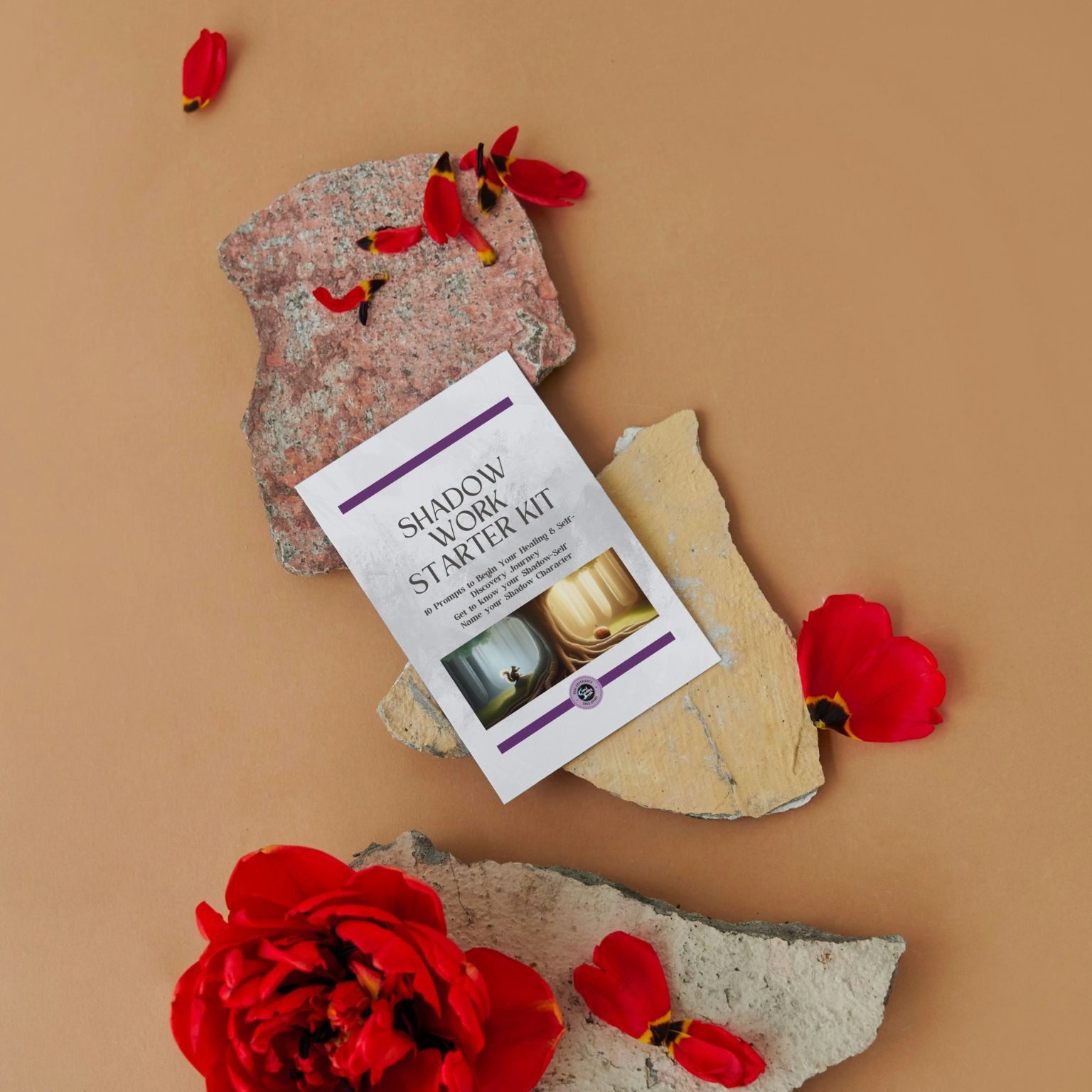
🌷 Free Shadow Work Starter Kit
Autumn has always been associated with turning inward.
Just as trees release what they no longer need, Mabon invites us to gently explore the thoughts, emotions, and beliefs we've been carrying. Our Free Shadow Work Starter Kit offers practical exercises and guided prompts to help you begin that journey with curiosity and compassion.
🌍 How Is Mabon Celebrated Today?
Although the meaning of Mabon is rooted in seasonal traditions, there is no single "correct" way to celebrate it today. Modern Mabon celebrations vary according to different spiritual paths, family traditions, and personal connections with nature.
For many Pagans and Wiccans, Mabon is observed through a combination of seasonal gathering and personal ritual, such as sharing a meal, decorating an altar with autumn symbols, giving thanks for the harvest, or reflecting on the lessons of the past year. Candles, apples, pumpkins, grains, leaves, and colorful flowers often become meaningful reminders of nature's abundance and the balance of the Autumn Equinox.
Others celebrate more quietly by spending time outdoors. A walk through a forest, a visit to a local orchard, or simply sitting beneath a tree can become a way to observe the season directly: noticing changing leaves, ripe fruit, cooler temperatures, shorter afternoons, or the first signs that nature is preparing for winter. Many people also use this time for journaling, tarot, or reflecting on what they want to carry forward and what has reached its natural ending.
If you'd like to create your own meaningful Mabon celebration, it doesn't have to be elaborate. Even a few intentional moments can help you connect with the spirit of the season.
You might choose to:
🍎 Prepare a meal using seasonal foods such as apples, squash, pears, grapes, or freshly baked bread. Before eating, take a moment to acknowledge the work, resources, and people that made the meal possible.
🕯️ Light a candle as the sun sets and reflect on one lesson, one challenge, and one blessing that this year has brought into your life.
🍂 Collect colorful autumn leaves, acorns, pinecones, or other fallen natural materials during a mindful walk and use them to decorate your home or create a simple seasonal display.
✍️ Spend time journaling about what has grown in your life, what feels complete, and what you're ready to release before winter arrives.
🃏 Complete an Autumn Equinox Tarot Spread to explore where life feels balanced, where it needs your attention, and what wisdom this season is inviting you to embrace.
❤️ Perform one intentional act of gratitude by thanking someone who has supported you, sharing a meal, donating to a local charity, or offering kindness to someone who needs encouragement.
You also don't have to combine every tradition. Choosing one practice that genuinely fits your beliefs and circumstances can be more meaningful than trying to recreate an elaborate celebration from someone else's tradition.
The beauty of Mabon is that these small traditions can become meaningful rituals when practiced with intention. They remind us that celebrating the changing seasons isn't about following a perfect ceremony. It is about deliberately noticing what the season is showing us and giving that observation a place in our everyday lives.
If you'd like to create a deeper seasonal practice, our Autumn Equinox Rituals guide offers additional ideas for honoring balance, reflection, and the transition into autumn.
🍃 Soul Sisters Notes
"A meaningful ritual doesn't have to be complicated. Sometimes lighting a candle, sharing a meal, or taking a quiet walk through autumn leaves is enough to remind us that we're part of something much bigger than ourselves." – Caitlin & Gerly
🍁 How Is Mabon Celebrated in Different Traditions?
Although the meaning of Mabon comes from modern Pagan traditions, there is no single Mabon tradition practiced everywhere. Different Pagan and nature-based communities have developed their own ways of observing the festival, while some people have adopted its seasonal themes without following a Pagan religion at all.
It is also important to distinguish between established practices within particular traditions and modern personal interpretations. Mabon does not have one universal ceremony, set of prayers, or required group of rituals, so practices can vary considerably between communities and individuals.
🌿 Modern Pagan Traditions
For many Pagans, Mabon is observed as a harvest festival centered on the Second Harvest, seasonal balance, gratitude, and preparation for the darker part of the year. Practices may include sharing a seasonal meal, creating an altar with harvest objects, giving thanks, making offerings, spending time outdoors, or gathering with others for ritual. The specific practices depend on the person's tradition and spiritual practice.
🌙 Wiccan Practice
Within Wicca, Mabon is one of the eight Sabbats of the Wheel of the Year. Depending on the tradition or coven, observances may include ritual gatherings, seasonal altars, candle work, offerings, shared meals, or practices focused on balance and the harvest. There is no single Wiccan Mabon ritual followed by everyone, and practices can differ significantly between traditions.
🍂 Nature-Based Spirituality
Not everyone who uses the name Mabon follows a Pagan or Wiccan tradition. Some people approach the festival through nature-based spirituality, using the season as an opportunity to observe changes in the landscape, work with seasonal foods, journal, spend time outdoors, or mark the transition with a personal ritual. In these practices, the focus is often on seasonal awareness rather than adherence to a specific religious framework.
People who do not follow a Pagan tradition can also draw inspiration from Mabon without claiming practices that belong to a particular religious path. They might use its themes of harvest, balance, gratitude, and transition as inspiration for a personal seasonal observance that fits their own beliefs.
What connects these different approaches is not a single ritual but a shared focus on the seasonal transition. Whether Mabon is observed through formal ritual, a communal harvest meal, time in nature, or quiet personal reflection, the emphasis remains on recognizing what has come to fruition and consciously entering the next part of the year.
🍃 Soul Sisters Notes
"Mabon reminds us that traditions don't have to look the same to carry the same meaning. Whether you celebrate with a ritual, a family meal, or a quiet walk beneath autumn leaves, what matters most is the intention you bring to the season." – Caitlin & Gerly
🕯️ Creating Your Own Meaningful Mabon Celebration
Creating your own Mabon celebration doesn't require a complicated ritual or a specific set of objects. The most meaningful starting point is to decide what you want to acknowledge about this point in the year: what has grown, what has sustained you, what feels complete, and what you want to carry into the next season.
A meaningful Mabon celebration can be built around just a few simple moments.
🍂 Begin by Noticing the Season
Start outdoors if you can, and look for specific signs of seasonal change: cooler temperatures, changing leaves, ripening fruit, migrating birds, or shorter afternoons. You don't need to turn the walk into a ritual. Simply observing what has changed since summer can help you connect the physical season with the themes Mabon represents.
🍎 Create a Simple Seasonal Space
Choose a few objects that represent what you want to acknowledge, such as an apple for the harvest, wheat for work and sustenance, fallen leaves for transition, or a candle for the changing balance of light and darkness. Arrange them on a table, shelf, or other quiet space in your home. The objects do not need to follow a traditional altar formula. Their value comes from the meaning you personally give them.
If you'd like more inspiration, our guide to How to Create an Autumn Equinox Altar explores the symbolism behind many of these autumn elements.
✍️ Reflect on Your Personal Harvest
Before looking ahead to the rest of the year, spend a few minutes asking yourself. Think of this as a personal harvest review rather than a list of achievements. The goal is to notice what your experiences have produced, including lessons, relationships, changes in perspective, and things you now understand differently.
What am I most proud of since spring?
What challenges have helped me grow?
What deserves my gratitude today?
What feels complete?
What am I ready to release before winter arrives?
Writing your answers in a journal often helps bring greater clarity.
🃏 Listen to Your Intuition
You might pull a few tarot cards, work with an Autumn Equinox Tarot Spread, or simply sit quietly with the questions that came up during your reflection. If you use tarot as part of your Mabon practice, consider the cards a tool for exploring your perspective rather than a way to predict what will happen next.
🌾 End With an Act of Gratitude
Close your celebration by turning gratitude into something tangible. Share a seasonal meal, thank someone who supported you, donate to a local food bank, or offer practical help to someone who needs it. This brings the idea of harvest back to its original physical meaning: abundance is not only something we notice, but something we can share.
A meaningful Mabon celebration does not need to reproduce someone else's ritual. It can be as simple as a seasonal meal, a few objects that represent your personal harvest, several honest journal answers, and one action that expresses gratitude. What matters is that the practice helps you recognize where you are in the seasonal cycle and what you want to carry forward.
🍃 Soul Sisters Notes
"Nature never hurries from one season to the next. Mabon reminds us that we don't have to either. Sometimes the wisest thing we can do is pause long enough to recognize how far we've already come." – Caitlin & Gerly
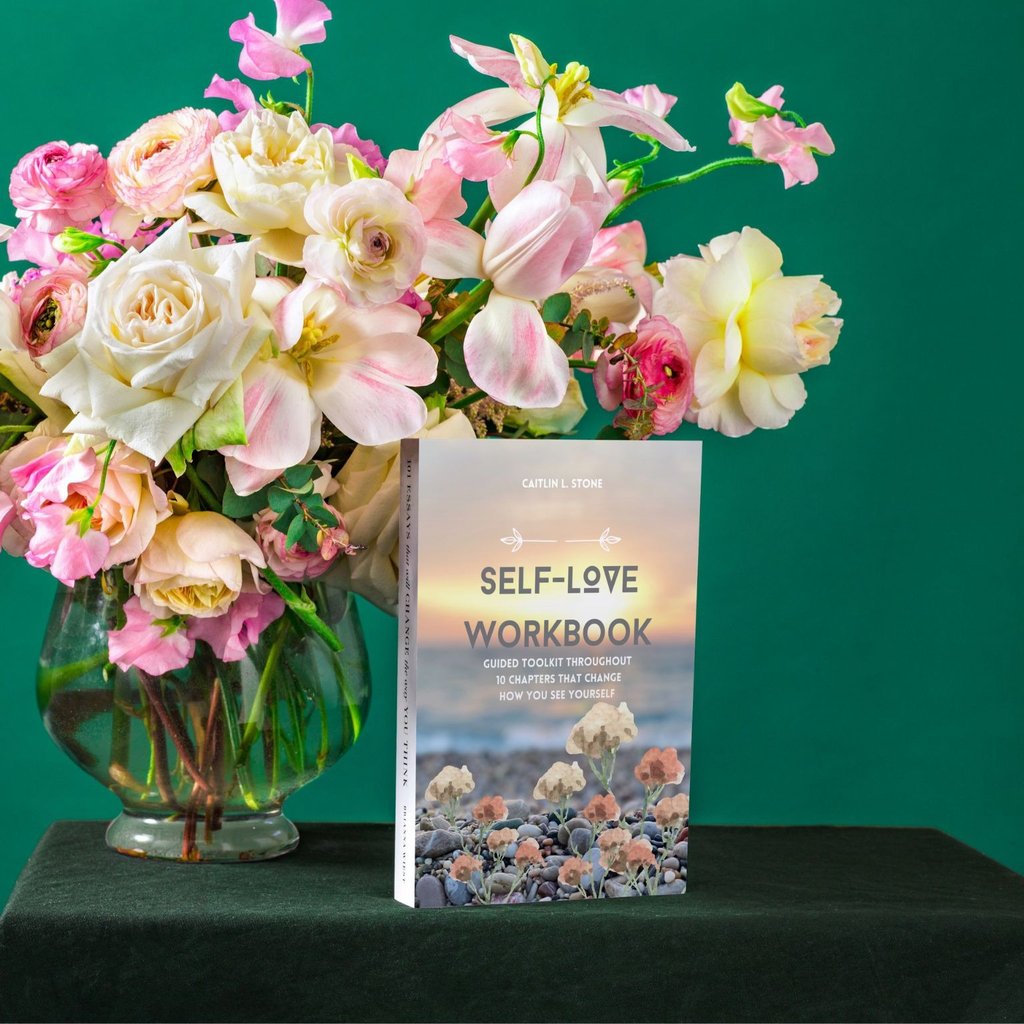
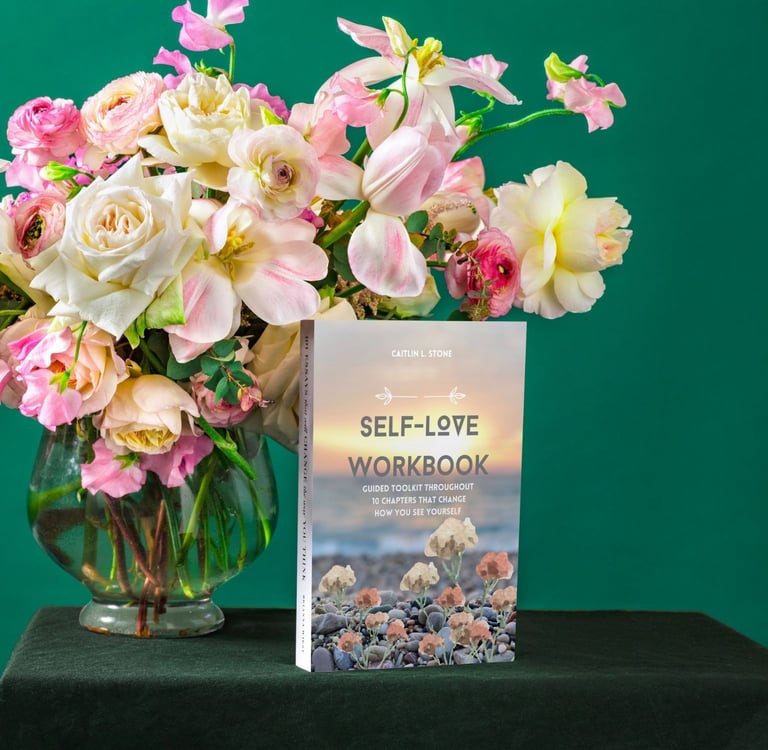
❤️ Self-Love Workbook
The most meaningful ritual is often the relationship you build with yourself.
The Self-Love Workbook helps you strengthen self-worth, create healthier boundaries, and develop daily practices of kindness and self-compassion. If Mabon has encouraged you to restore balance in your life, this workbook offers practical ways to carry that intention beyond the Equinox.
🍂 Mabon and the Autumn Equinox: What's the Difference?
Mabon and the Autumn Equinox are not the same thing, although they are closely connected. The Autumn Equinox is an astronomical event, while Mabon is a modern Pagan festival associated with that seasonal turning point.
The Autumn Equinox is an astronomical event that occurs when the Sun crosses the celestial equator, marking the beginning of astronomical autumn in the Northern Hemisphere. Around this time, daylight and darkness are close to equal in length, although the exact date and time of the Equinox change from year to year.
Mabon, by contrast, is a modern Pagan festival associated with the Autumn Equinox. Rather than describing an astronomical event, it gives spiritual and seasonal meaning to that point in the year through themes such as the Second Harvest, balance, gratitude, reflection, and transition.
Think of it this way: the Autumn Equinox tells us when this seasonal turning point occurs, while Mabon explores what that change means.
Because Mabon is associated with the Autumn Equinox, the two are often discussed together. Some people observe Mabon on the day of the Equinox, while others celebrate during the surrounding days or choose a date that fits their spiritual or community practice. There is no single universally required date for a Mabon observance.
If you'd like to explore the astronomical and spiritual significance of the Equinox itself, our guide to Autumn Equinox: Spiritual Meaning, Traditions & Sacred Practices explores the event, its symbolism, and the traditions that have developed around it.
Understanding the difference also helps us appreciate what each one offers. The Autumn Equinox gives us the astronomical turning point, while Mabon gives that moment a spiritual and cultural framework. One marks a change in the natural cycle; the other gives people a way to consciously respond to it.
🍃 Soul Sisters Notes
"The sky marks the season. Mabon gives us a way to experience it. Together, they remind us that nature's cycles are not only something we observe, but something we live." – Caitlin & Gerly
🌿 Why Mabon Still Matters Today
Life today looks very different from the agricultural societies that depended directly on the harvest, but the seasonal transition Mabon represents has not disappeared. We still reach points in the year when earlier efforts become visible, priorities change, and we have to decide what deserves our attention next.
Perhaps that is why the meaning of Mabon still resonates today. Modern life often encourages us to move directly from one goal to the next without asking what the previous season actually produced. Mabon offers a different approach: assess what has grown, acknowledge what has supported you, and make deliberate choices about where your energy belongs next.
Its emphasis on balance is especially relevant to modern life. We still have to navigate competing demands such as work and rest, giving and receiving, ambition and contentment, or caring for others while respecting our own limits. Mabon does not suggest that these tensions can be permanently solved. Instead, it offers a seasonal opportunity to notice where our lives have become uneven and decide what needs to change.
This is also where seasonal living can become meaningful without requiring someone to adopt an entire spiritual tradition. Paying attention to the time of year can provide useful prompts for changing routines, appreciating seasonal food, spending more time outdoors, or creating deliberate moments for reflection. The value is not in pretending that modern life is ancient. It is in using the natural world as a reminder to notice that our own needs and priorities change too.
Whether you celebrate Mabon within a Pagan tradition, use it as a personal spiritual practice, or simply draw inspiration from its seasonal themes, its central question remains useful: What has this season given you, what has it taught you, and what are you ready to carry forward?
That question is at the heart of the Mabon experience. The harvest is not only what we gather. It is also what we have learned, what we have become, and what we now know we no longer need.
🍃 Soul Sisters Notes
"The greatest gift Mabon offers isn't another tradition to follow. It's the reminder that life becomes richer when we pause long enough to celebrate the season we're already living in." – Caitlin & Gerly
With love,
Caitlin & Gerly,
Soul Sisters Tarot
❓FAQ: The Meaning of Mabon
What does Mabon mean?
The meaning of Mabon centers on the Second Harvest, balance, gratitude, reflection, and seasonal transition. Spiritually, it invites us to recognize what has grown, appreciate what has sustained us, learn from the experiences of the past season, and decide what we want to carry forward. It can also represent recognizing when something has completed its natural purpose and is ready to be released.
When is Mabon celebrated?
Mabon is generally celebrated around the Autumn Equinox, usually between September 21 and 23 in the Northern Hemisphere. In the Southern Hemisphere, the corresponding autumn celebration falls around March 20 to 23. Some people observe Mabon on the Equinox itself, while others celebrate during the surrounding days or choose a date that fits their spiritual or community practice.
Where did Mabon originate?
The name Mabon became widely used within modern Pagan traditions during the late twentieth century. It is associated with Mabon ap Modron, a figure from medieval Welsh mythology. The modern festival is not a documented continuation of an ancient Celtic holiday called Mabon. Instead, its name and symbolism developed within contemporary Paganism while drawing inspiration from older harvest traditions and seasonal practices.
Is Mabon a Celtic festival?
Mabon is not a documented ancient Celtic festival. It is a modern Pagan festival whose name is associated with the Welsh mythological figure Mabon ap Modron and whose seasonal themes draw on older harvest traditions. Calling Mabon an ancient Celtic festival can therefore blur the distinction between historical Celtic practices and modern Pagan tradition.
Is Mabon part of the Wheel of the Year?
Yes. Mabon is one of the eight Sabbats of the modern Wheel of the Year, a cycle of seasonal festivals observed by many Pagans and Wiccans. It is associated with the Second Harvest and falls around the Autumn Equinox, between Lughnasadh and Samhain. Its position represents a transition from the harvest season toward the darker months of the year.
What are the symbols of Mabon?
Common symbols associated with modern Mabon celebrations include apples, wheat and other grains, grapes, harvest baskets, autumn leaves, candles, and balance scales. These objects connect the festival with themes of harvest, abundance, transition, gratitude, and balance. Their meanings can vary between traditions, so they should not be understood as one fixed ancient set of Mabon symbols.
How do people celebrate Mabon today?
People celebrate Mabon in many different ways, and there is no single required ritual. Modern observances may include sharing a seasonal meal, creating a harvest altar, spending time in nature, practicing gratitude, journaling, working with tarot, making offerings, or gathering for ritual with others. The specific practices depend on a person's spiritual tradition, beliefs, and circumstances.
Do you have to be Pagan to celebrate Mabon?
You do not have to be Pagan to draw inspiration from Mabon, but it is useful to distinguish personal seasonal reflection from practices that belong to specific Pagan or Wiccan traditions. Someone who does not follow those traditions can still use Mabon as inspiration for reflecting on harvest, gratitude, balance, and seasonal change in a way that fits their own beliefs.
Why is Mabon called the Second Harvest?
Mabon is commonly called the Second Harvest within the modern Wheel of the Year because it follows Lughnasadh, associated with the First Harvest, and precedes Samhain, which marks the end of the harvest cycle. The Second Harvest is associated with later-season crops and fruits, as well as gathering, abundance, completion, and preparation for the coming winter.
Is Mabon an ancient festival?
Mabon is not an ancient festival by that name. The name and its use for an Autumn Equinox celebration developed within modern Pagan traditions during the twentieth century. However, the harvest season, seasonal gatherings, gratitude for food and abundance, and marking the transition toward winter all have much older roots across different cultures. Mabon is therefore best understood as a modern festival inspired by older seasonal traditions, rather than an unchanged survival of an ancient Celtic celebration.
What does Mabon symbolize?
Mabon symbolizes the Second Harvest, balance, gratitude, abundance, reflection, and seasonal transition. Common symbols such as apples, wheat, grapes, autumn leaves, candles, and balance scales represent different aspects of the harvest and the transition from summer toward winter. Their exact meanings can vary between modern Pagan traditions.
What is the spiritual meaning of Mabon?
The spiritual meaning of Mabon centers on recognizing what has grown, appreciating what has sustained you, restoring balance, and accepting seasonal change. It can be a time to reflect on the lessons of the past season, acknowledge what has reached completion, and consciously decide what you want to carry forward.
What are the four main themes of Mabon?
Four central themes commonly associated with Mabon are harvest, balance, gratitude, and transition. The harvest represents what has come to fruition, balance reflects the Autumn Equinox, gratitude acknowledges what has sustained us, and transition recognizes that one season is giving way to another.
What foods are associated with Mabon?
Foods associated with Mabon generally reflect the late-summer and autumn harvest. Common choices include apples, pears, grapes, squash, pumpkins, root vegetables, grains, nuts, corn, and freshly baked bread. A Mabon meal can be as simple or elaborate as you like, with the emphasis placed on appreciating seasonal abundance and sharing it with others.
What should I put on a Mabon altar?
A Mabon altar can include seasonal objects such as apples, wheat or other grains, grapes, autumn leaves, acorns, pinecones, candles, flowers, harvest vegetables, or a balance-scale symbol. You do not need to include everything. Choose objects that represent the themes you want to focus on, such as gratitude, abundance, balance, or letting go.
What colors are associated with Mabon?
Mabon is commonly associated with autumn colors such as gold, orange, red, brown, deep green, burgundy, and warm earth tones. These colors reflect the changing leaves, ripening harvest, soil, and the transition from summer into autumn. Their use is symbolic rather than part of a universally required Mabon tradition.
What crystals are associated with Mabon?
There is no single historically established set of "Mabon crystals." In modern spiritual practice, people may choose stones based on themes such as grounding, gratitude, abundance, balance, or transition. The important distinction is that these associations belong to contemporary spiritual practice rather than documented ancient Mabon tradition.
What is a Mabon ritual?
A Mabon ritual is a personal or communal practice used to mark the Autumn Equinox and the Second Harvest. Depending on the tradition, it may include lighting candles, creating a seasonal altar, making offerings, sharing food, expressing gratitude, journaling, spending time in nature, or reflecting on what has grown and what is ready to be released. There is no single universal Mabon ritual.
What is the difference between Mabon and Lughnasadh?
Lughnasadh and Mabon are both harvest festivals within the modern Wheel of the Year, but they represent different points in the seasonal cycle. Lughnasadh is associated with the First Harvest and the beginning of the harvest season, while Mabon represents the Second Harvest around the Autumn Equinox. Mabon comes later, when attention shifts toward completion, balance, and preparation for the darker months.
What is the difference between Mabon and Samhain?
Mabon and Samhain mark different stages of the modern Wheel of the Year. Mabon is associated with the Second Harvest and the Autumn Equinox, while Samhain traditionally represents the end of the harvest cycle and the transition toward winter. Mabon focuses more strongly on balance, gratitude, and gathering, while Samhain is more closely associated with endings, remembrance, and transition.
Is Mabon a religious holiday?
Mabon is a religious or spiritual observance for many modern Pagans and Wiccans, but it is not a universal religious holiday shared by all Pagan traditions. It is one of the eight Sabbats in the modern Wheel of the Year and can be observed through ritual, seasonal practices, communal gatherings, or personal reflection. People outside Pagan traditions may also draw inspiration from its seasonal themes without adopting it as a religious observance.
Soul Sisters Tarot
A Soft Place to Grow.
💌 SOUL SISTERS WEEKLY
A thoughtful Sunday letter with tarot reflections, moon wisdom, self-love, and gentle encouragement.
© 2026. All rights reserved.
Inspirational Coaching OÜ
sisters@soulsisterstarot.com