💌 JOIN SOUL SISTERS WEEKLY → GET FREE WELCOME GIFTS 🎁
Receive a thoughtful Sunday letter, free Self-Love & Shadow Work guides, and monthly Full Moon rituals ✨



Autumn Equinox Self-Love: Why Self-Care Isn't Enough
Have you been wrong about self-love all this time? Autumn Equinox self-love isn't about doing more. It's about restoring balance, embracing your whole self, and returning to what truly matters.
SEASONAL & SPIRITUAL TRADITIONS
Soul Sisters Tarot
8/12/202623 min read


Autumn Equinox Self-Love: Returning to Yourself Through Balance
This guide is part of our Autumn Equinox collection, where you'll find seasonal rituals, spiritual meanings, journal prompts, tarot spreads, and practical guides to help you move through autumn with greater balance, reflection, and intention.
Autumn Equinox self-love isn't about adding another self-care routine to your life. It's about noticing where you've been giving too much, neglecting your own needs, struggling to rest, or losing touch with what makes you feel like yourself.
Maybe you've spent the summer pushing yourself forward. Maybe you've been caring for everyone else while putting your own needs aside. Or perhaps you've simply reached a point where you know something in your life needs to feel different, even if you aren't sure what that change should be.
The Autumn Equinox gives you a reason to stop and listen.
In this guide, we'll explore why the Autumn Equinox is such a powerful time for self-love, how to recognize signs that your life is out of balance, and practical ways to reconnect with yourself through seasonal rituals, reflection, boundaries, and compassion. You'll also find gentle ways to work with your shadow, use tarot for self-reflection, and create meaningful intentions for the season ahead.
You don't need to reinvent yourself this autumn. You simply need to notice what you need and begin responding to it with a little more care.
🍃 Soul Sisters Notes
"Self-love isn't about becoming someone better. It's about returning to the person you've been too busy to care for." – Caitlin & Gerly
Can the Autumn Equinox Help You Practice Self-Love?
Yes. The Autumn Equinox can be a meaningful time to practice self-love because its symbolism of balance and seasonal transition encourages reflection. It offers an opportunity to notice where your life feels out of balance, reconnect with your needs, and make small changes that support your well-being. Autumn Equinox self-love is less about doing more and more about responding to yourself with greater awareness and compassion.
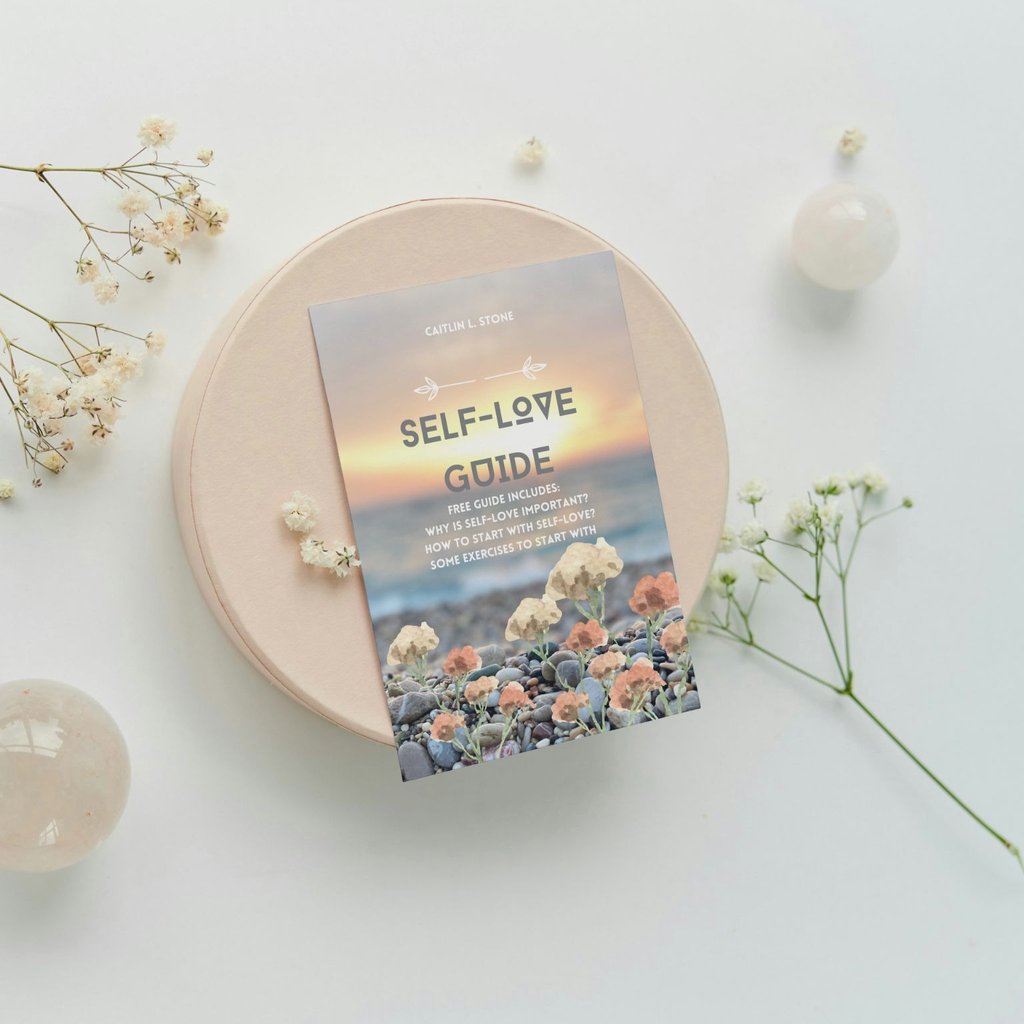
💖 Free Self-Love Guide
Have you been putting everyone else's needs before your own for so long that you've forgotten what you need?
Our Free Self-Love Guide offers simple exercises, thoughtful reflections, and practical habits to help you reconnect with yourself, strengthen self-worth, and create a healthier relationship with the person you spend every day with: yourself. It's a beautiful first step if you're ready to welcome autumn with greater balance and self-compassion.
🌗 Why the Autumn Equinox Is a Powerful Time for Self-Love
The Autumn Equinox offers a particularly useful perspective on self-love because it makes balance visible. For a brief period, day and night are nearly equal, creating a natural reminder that well-being isn't about staying in one mode of life indefinitely.
Autumn has also traditionally been a season of harvest, gratitude, and taking stock. Across many cultures, the period around the autumn equinox has been associated with recognizing what has been cultivated and preparing for the darker, quieter part of the year. That seasonal rhythm gives us a useful question to apply to our own lives: What have I been cultivating, and is it still supporting me?
Modern life can make that question surprisingly difficult to hear. Productivity, constant availability, and achievement can become so normal that exhaustion starts to feel like something we simply have to manage. The Autumn Equinox offers a natural interruption: Does the way I'm living still feel sustainable?
Nature also gives us permission to recognize that growth has different phases. Trees don't produce new leaves indefinitely, and daylight doesn't remain at its summer peak. Autumn marks a shift toward conservation, reflection, and preparation. For us, that can mean recognizing when pushing harder is no longer the most supportive choice.
This doesn't mean self-love always looks like slowing down. Sometimes you need to act, speak up, set a boundary, ask for help, or make a difficult decision. At other times, you need rest, space, or permission to stop carrying something that has become too heavy.
The important question is not "Am I doing enough?" but "What does this season of my life require from me?"
Why Is the Autumn Equinox Good for Self-Love?
The Autumn Equinox is a meaningful time for self-love because it combines the symbolism of balance with the reality of seasonal transition. It encourages you to take stock of where your energy is going, recognize what may no longer be sustainable, and consider what you need as you enter a different season of life. Rather than asking you to become a better version of yourself, the equinox invites you to respond more honestly to the person you already are.
🍃 Soul Sisters Notes
"The Autumn Equinox doesn't ask whether you've done enough. It gently asks whether you've cared for yourself while doing it." – Caitlin & Gerly
The value of this seasonal pause is simple: before deciding what you want to change, you have a chance to notice what actually needs changing. That is where Autumn Equinox self-love begins.
⚖️ What Does Self-Love Look Like During the Autumn Equinox?
The Autumn Equinox invites us to look at self-love through the question of what needs attention now. Instead of adding more self-care activities to an already full life, ask where your energy, time, relationships, or expectations have become misaligned with your actual needs.
What Does Self-Love Mean During the Autumn Equinox?
Autumn Equinox self-love means responding to your current needs with greater awareness and compassion. It may involve resting when you're depleted, setting a boundary when you're overextended, accepting support instead of always giving it, or making room for something that brings you genuine joy. The practice is personal because the kind of care you need changes with your circumstances and season of life.
For one person, that might mean working fewer hours. For another, it could mean saying no after months of overcommitting, reconnecting with neglected interests, or recognizing that constant self-improvement has left little room simply to enjoy life.
A useful way to explore this is to look at five relationships in your everyday life:
Work and Rest: Does your schedule allow enough recovery, or has productivity started defining your worth?
Giving and Receiving: Are you as willing to accept care and support as you are to offer it?
Doing and Being: Can you spend time without needing every moment to be productive?
Light and Shadow: Can you acknowledge your strengths without rejecting the parts of yourself that still need understanding?
Holding On and Letting Go: Are you carrying expectations, responsibilities, or commitments that no longer fit your life?
You don't need to correct all five areas. Use them as a check-in, not a scorecard. Notice which one feels most strained and ask what small change would support you there.
That might mean protecting one evening for yourself, asking someone for help, declining an unnecessary commitment, or making time for something you've quietly missed. The goal isn't perfect balance. It's making choices that better reflect what you genuinely need.
🍃 Soul Sisters Notes
"Balance doesn't ask you to become someone different. It asks you to notice which part of yourself has been waiting to be heard." – Caitlin & Gerly
🌿 5 Signs Your Life Is Out of Balance
One of the challenges with self-love is that we rarely notice when we've drifted away from ourselves. It doesn't usually happen after one difficult day or one stressful week. Instead, imbalance grows quietly through repeated habits, constant responsibilities, and the belief that we'll take care of ourselves once everything else is done.
Imbalance rarely arrives all at once. More often, it develops through dozens of small decisions that seem reasonable in the moment. You skip a lunch break to finish one more task, cancel plans because you're too tired, ignore your own needs to help someone else, or promise yourself you'll slow down "next week." Over time, those choices quietly reshape your relationship with yourself.
The Autumn Equinox offers a different perspective. Rather than asking you to judge yourself, it invites you to pause and gently notice where your energy has become uneven. Recognizing these patterns isn't about finding flaws. It's about understanding where your heart is asking for a little more care.
How Do You Know If You're Out of Balance?
Being out of balance doesn't always feel dramatic. It often appears through everyday patterns, such as constantly putting yourself last, feeling guilty when you rest, struggling to set boundaries, or losing touch with the activities that once brought you joy. The Autumn Equinox is an ideal time to notice these subtle signs and begin restoring balance through small, intentional changes.
1. You Always Put Yourself Last
If supporting others comes naturally but caring for yourself feels selfish, this may be one of the clearest signs that your life has fallen out of balance. Perhaps you regularly postpone your own needs, cancel plans that bring you joy, or tell yourself you'll focus on yourself "later."
Over time, "later" can quietly become months or even years, making it harder to remember what you actually need instead of what everyone else expects from you.
Try this: Before saying yes to your next request, pause for a few seconds and ask yourself, "If this were a friend asking for advice, would I encourage them to keep putting themselves last?" Sometimes that small pause is enough to help you make a kinder decision.
2. Rest Makes You Feel Guilty
Rest is meant to restore your energy, not challenge your self-worth. If you struggle to relax without feeling unproductive, your value may have become closely tied to how much you accomplish instead of who you are. Many of us have learned to see rest as something we earn after we've finished everything. The problem is that the list is rarely finished, leaving rest permanently postponed.
Try this: Choose one short period this week, even fifteen minutes, where you intentionally do nothing productive. Notice the thoughts that arise without trying to change them. Simply becoming aware of that inner dialogue is a powerful act of self-love.
3. You're Always Busy, Yet Rarely Feel Present
A full schedule can easily become a distraction from what we're feeling inside. When every moment is occupied, there's little opportunity to notice what we need, what we're avoiding, or what has quietly changed within us.
Sometimes being busy protects us from difficult emotions. As long as we're constantly occupied, we don't have to sit with disappointment, grief, uncertainty, or the question of whether our current life still feels fulfilling.
Try this: At the end of today, ask yourself one simple question: "What moment made me feel most like myself?" If the answer doesn't come easily, that may be a gentle invitation to create more space for presence in your daily life.
4. Saying "No" Feels Harder Than Saying "Yes"
Healthy boundaries aren't about pushing people away. They're about protecting your time, energy, and well-being so you can show up more authentically in your relationships. Every time you say yes to something you genuinely don't have the energy for, you're also saying no to something else, often your own rest, peace, or well-being.
Try this: Think of one commitment that leaves you feeling consistently drained. Ask yourself whether you're saying yes because you genuinely want to, or because you're afraid of disappointing someone. Even if you don't make a change today, recognizing the pattern is an important first step.
5. You've Forgotten What Brings You Joy
Sometimes the greatest sign of imbalance isn't exhaustion. It's realizing you can't remember the last time you did something simply because it made you smile. Responsibilities matter, but so do curiosity, creativity, laughter, and the simple activities that help you feel connected to yourself. Joy often disappears so gradually that we don't notice its absence until someone asks, "What do you enjoy doing just for yourself?" and we struggle to answer.
Try this: Write down three things you loved doing a few years ago, even if they seem small or unimportant now. Choose one and make time for it this week. Returning to old joys often helps us rediscover parts of ourselves we thought we'd lost.
The good news is that balance isn't something you either have or don't have. It's something you return to through small, everyday choices. You don't need to transform your entire life this week. Instead, choose the one sign that resonated most strongly with you and ask yourself, "What is one small change I could make before the Autumn Equinox season ends?" Consistent, compassionate actions are often far more powerful than dramatic resolutions.
Remember that recognizing these patterns isn't a sign that you've failed. It's a sign that you're paying attention. Awareness is often the turning point where self-criticism begins to transform into self-understanding, and that's where lasting self-love starts to grow.
If you'd like to continue exploring self-worth, emotional healing, confidence, and healthy relationships beyond the Autumn Equinox, visit our Self-Love Journey hub, where you'll find practical guides for every stage of your personal growth.
And if you're looking for gentle, seasonal ways to put self-love into practice, you'll also enjoy Autumn Alchemy: Heart-Warming Self-Love Activities for Adults for the Cozy Season, which complements this guide with meaningful activities for the months ahead.
🍃 Soul Sisters Notes
"The first act of self-love isn't changing yourself. It's noticing, with compassion, where you've stopped showing up for yourself." – Caitlin & Gerly
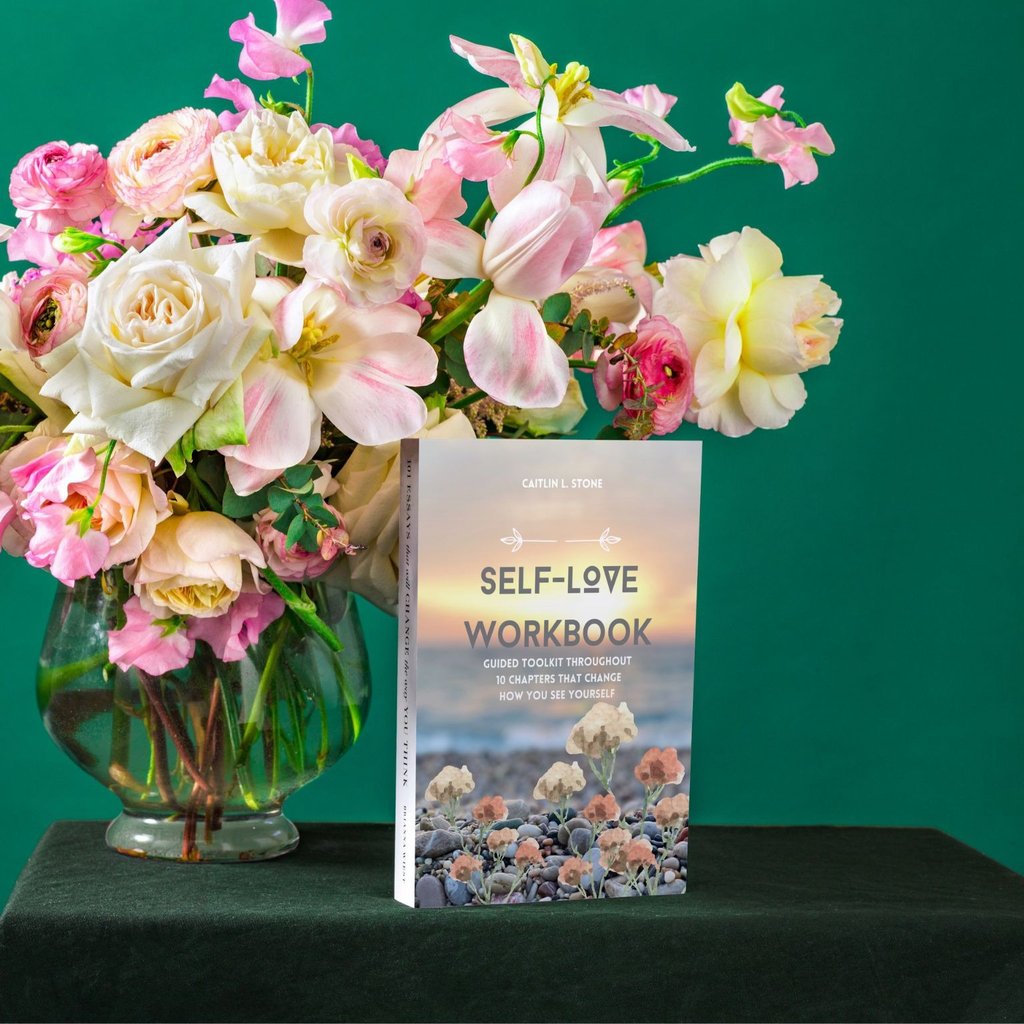
❤️ Self-Love Workbook
Recognizing the signs of imbalance is powerful. Knowing how to change them is where real growth begins.
The Self-Love Workbook is filled with guided exercises, reflection prompts, and practical tools that help you build healthier boundaries, quiet your inner critic, and create lasting habits rooted in self-respect rather than perfection. If this article has helped you recognize where you're out of balance, the workbook helps you take the next step.
❤️ Self-Love Means Accepting Both Your Light and Shadow
One of the greatest misconceptions about self-love is that you have to become happier, more positive, or somehow "better" before you can fully accept yourself. That can turn self-love into another form of self-improvement, where difficult emotions become problems you're expected to fix.
The Autumn Equinox offers a useful metaphor. Around the equinox, day and night are near equal in length. Neither needs to disappear for the other to exist. In the same way, self-acceptance means making room for both the qualities we value in ourselves and the parts we find more difficult.
You may be proud of being kind, generous, creative, dependable, or resilient. But you may also experience jealousy, impatience, insecurity, fear, defensiveness, or overwhelm. These less comfortable parts are often the ones we try hardest to hide.
In Jungian psychology, Carl Jung used the term shadow for aspects of the personality that we don't fully recognize or consciously accept. These can include emotions, impulses, or qualities that conflict with the identity we prefer to show the world. The important point is not that these qualities are inherently bad, but that what we refuse to acknowledge can be harder to understand and work with consciously.
This is where self-love becomes more useful than self-criticism. Instead of asking, "What's wrong with me?", we can ask, "Why did I react that way?" Curiosity gives us an opportunity to understand the pattern without turning it into a judgment about our character.
Understanding yourself also doesn't mean excusing harmful behavior. You can recognize that defensiveness came from feeling criticized without deciding that hurting someone was acceptable. You can acknowledge jealousy without allowing it to control your relationships. Self-awareness should give you more choice, not fewer boundaries.
What Is Shadow Work in Self-Love?
Shadow work is a reflective practice inspired by Carl Jung's concept of the psychological "shadow." In self-love, it means examining difficult emotions, reactions, and patterns with curiosity rather than shame. The goal isn't to justify harmful behavior, but to understand yourself more honestly so you can respond with greater awareness and choice.
A Gentle Autumn Equinox Practice
Take a sheet of paper and divide it into three columns:
The qualities I appreciate about myself
The qualities I find difficult to accept
What these qualities might be trying to tell me
For example, writing "controlling" might reveal a fear of uncertainty or a strong need for safety. Writing "jealous" might uncover insecurity or a fear of being replaced. The purpose isn't to diagnose yourself, but to become curious about what sits underneath the reaction.
If the exercise brings up overwhelming memories or intense distress, pause and consider speaking with a qualified mental health professional. Self-reflection can be valuable, but it doesn't have to replace professional support.
Choose one quality from the second column and ask:
When does this part of me usually appear?
What might it be trying to protect?
What would it look like to respond to it with compassion instead of judgment?
Sometimes a difficult emotion becomes easier to work with once we understand what is underneath it. Anger may point toward a boundary that has been crossed. Jealousy may reveal insecurity. Defensiveness may appear when we feel threatened or misunderstood.
That doesn't make every reaction appropriate. It simply gives us more information about what is happening inside us and, therefore, more opportunity to choose what happens next.
If you'd like to explore these hidden beliefs, emotions, and patterns more deeply, Shadow Work offers a much broader journey into this kind of self-understanding.
🍃 Soul Sisters Notes
"Wholeness begins the moment you stop asking, 'How can I hide this part of myself?' and start asking, 'What is this part trying to teach me?'" – Caitlin & Gerly
The Autumn Equinox doesn't ask us to become light all the time. It reminds us that wholeness can include confidence and insecurity, courage and fear, generosity and self-protection. Self-love becomes deeper when we stop treating difficult emotions as proof that something is wrong with us and start treating them as information worth understanding.
🤍 Master Shadow Work Journal & Guide
The parts of yourself you've been avoiding often have the most to teach you.
The Master Shadow Work Journal guides you through meaningful prompts, reflective exercises, and deeper practices that help you understand hidden beliefs, emotional patterns, and the parts of yourself that deserve compassion instead of criticism. It's a supportive companion for anyone ready to embrace both their light and shadow.


🍂 7 Autumn Equinox Self-Love Rituals
Autumn Equinox self-love rituals are most meaningful when they help you respond to something you're actually experiencing, whether that's exhaustion, difficulty setting boundaries, emotional clutter, disconnection from joy, or simply the need for a quieter pace. Rather than treating ritual as another task to complete, use these practices as intentional pauses to check in with yourself and decide what deserves your attention this season.
Choose the ritual that meets your needs right now rather than trying to complete all seven. You can also return to different practices throughout autumn as your needs change.
1. Create a Boundary Ritual
The Autumn Equinox is a natural time to take an inventory of where your energy has been going. Write down three people, commitments, habits, or situations that consistently leave you feeling drained. Next to each one, write one boundary that could reduce the strain. Your boundary might be limiting how often you respond to someone, protecting your evenings from work, or giving yourself permission to decline an obligation.
The boundary doesn't have to be life-changing. It might be turning off work notifications after dinner, saying no to one unnecessary commitment, or protecting an evening each week just for yourself. Sometimes self-love begins with deciding what no longer deserves unlimited access to your energy. A boundary isn't a punishment or rejection. It's a way of making your time and energy reflect what matters to you.
If setting boundaries feels uncomfortable or brings up feelings of guilt, our guide to How to Set Boundaries for Yourself offers practical strategies for protecting your time, communicating your needs, and creating healthier relationships without losing your kindness.
2. Take Yourself on a Nature Reflection Walk
Autumn gives you something most digital spaces cannot: a constantly changing environment that doesn't demand your attention. Take a walk without headphones or a destination, and allow yourself to notice the details around you. Look at changing leaves, cooler air, fading flowers, changing light, and whatever signs of transition you can see where you live.
During the walk, reflect on three questions:
What am I ready to leave behind?
What part of my life feels beautifully balanced already?
Where do I want to create more peace this season?
You don't need to find an answer to every question. The purpose is to slow your attention down enough to notice what has been difficult to hear when your mind is busy.
Before you return home, choose one word that represents how you want to move through autumn. Let that word become a simple seasonal intention.
3. Write a Letter to the Version of You Who Needed More Kindness
Think about yourself a few months ago. Choose a specific moment rather than trying to address your entire past. Perhaps it was the week you felt overwhelmed, the period when you doubted yourself, or a decision you still criticize yourself for making. Perhaps you were overwhelmed, doubting yourself, or trying your best through a difficult season.
Write a letter to that version of yourself with the compassion you would offer a close friend. Acknowledge how far you've come, what you've learned, and what you hope they would know if they could read your words today.
Don't rewrite what happened or pretend the difficult period didn't matter. Instead, acknowledge what that version of you was carrying, what they didn't know yet, and what they were doing with the resources they had at the time. The purpose isn't to excuse every choice. It's to practice the kind of understanding you might have offered someone you loved.
4. Practice a Digital Sunset
Just as daylight gradually fades during autumn, create your own evening boundary around information and stimulation. Choose one evening this week to turn off your phone notifications, close your laptop, and step away from social media for at least an hour before bed.
Pay attention to what you notice once the constant stream of information stops. Do you feel restless? Relieved? Bored? More aware of your thoughts? Those reactions can tell you something about how much mental space your digital habits have been occupying.
Choose one evening this week to turn off your phone, close your laptop, and step away from social media an hour before bed. Instead, read, journal, enjoy a cup of tea, or simply sit in silence for a few minutes.
Creating space from constant information often creates space to hear your own thoughts again.
5. Do a Balance Inventory
Draw a circle and divide it into five sections:
Work and Rest
Giving and Receiving
Doing and Being
Light and Shadow
Holding On and Letting Go
Give each area a score from 1 to 10 based on how supported and sustainable it currently feels, rather than how "perfect" it looks from the outside. Choose the lowest score and ask yourself: "What is one gentle change that would improve this area before the season ends?" Don't automatically choose the lowest score if another area feels more urgent. The purpose of the inventory isn't to create a perfect scorecard. It's to reveal where your attention may be needed most.
Small adjustments often create the biggest transformation.
6. Pull a Tarot Card for Self-Love
Rather than asking the cards what will happen next, ask: "How can I care for myself more deeply this season?"
Before interpreting the card, notice your first reaction. Does the image make you feel comforted, challenged, recognized, or even resistant? That initial response can be just as useful for self-reflection as the traditional card meaning.
Then consider:
What part of this card feels most relevant to my life right now?
What might I need more of this season?
What might I need to release?
What would caring for myself look like in practice?
Tarot works particularly well here as a reflective tool because the goal isn't to predict the season ahead. It's to use the imagery and symbolism of the cards to ask yourself better questions.
If you'd like a more structured reading designed specifically for this season, explore our Autumn Equinox Tarot Spread, where each card position is created to help you restore balance, reflect on recent lessons, and move into autumn with greater clarity.
If you're looking for more ways to use tarot as a tool for healing and self-discovery throughout the year, you'll also enjoy our guide to Tarot Spreads for Self-Love, which explores thoughtful layouts designed to strengthen self-compassion, confidence, and your relationship with yourself.
7. Create a Tea Ceremony for Yourself
Prepare your favorite herbal tea and make the entire process intentional. Choose the cup you'll use, notice the aroma as the water heats, and resist the urge to check your phone or multitask while the tea steeps.
Once you're settled, take several slow breaths and reflect on one question: "How do I want to feel by the end of this autumn?"
Then ask yourself what would support that feeling in everyday life. If your answer is "peace," perhaps you need stronger evening boundaries. If it's "connection," perhaps you need more time with people who make you feel like yourself. If it's "confidence," perhaps there is a decision you've been avoiding.
Let your answer become a seasonal intention, but also identify one small action that can bring it into your everyday life. A ritual becomes more meaningful when its insight continues beyond the moment itself.
Not sure which ritual to choose? Start with what you need most.
If you're exhausted: Try the Digital Sunset or Tea Ceremony.
If you're overgiving: Try the Boundary Ritual.
If you're emotionally stuck: Write the Letter to Your Past Self.
If you're craving clarity: Take the Nature Reflection Walk.
If your life feels scattered: Do the Balance Inventory.
If you're looking for inner guidance: Pull a Tarot Card.
🍃 Soul Sisters Notes
"Every ritual is really a conversation with yourself. The question is whether you leave that conversation feeling more peaceful than when you began." – Caitlin & Gerly
What Are Some Autumn Equinox Self-Love Rituals?
Autumn Equinox self-love rituals are simple practices that use the symbolism of seasonal transition to encourage reflection, balance, and self-compassion. Examples include creating a personal boundary, taking a mindful nature walk, writing to your past self, doing a balance inventory, pulling a reflective tarot card, and creating an intentional evening ritual. The most meaningful practice is the one that responds to what you genuinely need this season.
🎃 Autumn Self-Love Bucket List
Self-love doesn't always happen through big life changes. Often, it grows through the small moments that make you feel like yourself again.
Our Autumn Self-Love Bucket List is filled with meaningful seasonal activities that encourage rest, creativity, mindfulness, and joy. It's a gentle companion to this guide, helping you turn the spirit of the Autumn Equinox into everyday moments of self-kindness throughout the season.


📝 Reflection Questions
The Autumn Equinox can be a useful moment to check in with your relationship with yourself. These questions are not about finding perfect answers. They're simply designed to help you notice what you need, where your boundaries may need attention, and what would make this season feel more supportive.
Where have I been treating myself with more criticism than compassion?
Which part of my life is asking for more of my attention?
Where am I saying yes when I really want to say no?
What expectation or responsibility am I ready to release?
What part of myself have I been trying to fix instead of understand?
What brings me genuine joy, and have I made enough room for it?
Where am I comfortable giving but uncomfortable receiving?
What is one small act of self-love I can realistically practice this week?
If I stopped measuring this season by productivity, what would make it meaningful?
You don't need to answer all of them. Choose the question that feels most relevant to where you are right now and give yourself time to explore it honestly.
If journaling is the part of this practice that speaks to you most, continue with our Autumn Equinox Journal Prompts, where we've created a much deeper collection of seasonal questions around balance, change, letting go, self-compassion, and the season ahead.
🍃 Soul Sisters Notes
"Sometimes one honest question can change your direction more than a hundred perfect answers." – Caitlin & Gerly
Tarot as a Tool for Self-Reflection
Tarot can also complement Autumn Equinox reflection by giving you a different way to explore the questions you're already asking yourself. Rather than using the cards to predict what will happen, you can use their imagery and symbolism to consider your emotions, patterns, choices, and needs from a new perspective.
If you'd like to explore tarot as a self-reflection practice, our Autumn Equinox Tarot Spread offers a seasonal reading focused on balance, transition, and what you may need to pay attention to as you enter autumn.
In our Tarot Through the Wheel of Life series, we've also explored the archetypes behind these themes: Strength represents self-love, while Two of Pentacles represents the Autumn Equinox itself. If you'd like to understand those connections more deeply, you can explore If Self-Love Were a Tarot Card, It Would Be Strength, and If the Autumn Equinox Were a Tarot Card, It Would Be Two of Pentacles.
🦉 Tarot eBook: Complete & Secret Guide to Tarot
Sometimes the card you pull isn't giving you answers. It's asking you a better question.
The Complete & Secret Guide to Tarot teaches a simple five-step system for reading tarot with greater confidence and clarity. Whether you're exploring self-love, navigating seasonal transitions, or deepening your intuition, it helps you move beyond memorizing meanings and start building a personal relationship with the cards.


🍂 Building a Balanced Season Instead of a Perfect One
The Autumn Equinox reminds us that balance isn't something we achieve once and keep forever. Our needs, priorities, and circumstances change, and self-love means learning to notice those changes and respond with honesty rather than self-judgment.
Maybe this season is asking you to protect your time, rest more, strengthen a boundary, reconnect with something that brings you joy, or simply stop expecting yourself to do everything at once. What supports someone else may not be what you need right now, and that's okay.
As autumn unfolds, measure your progress differently. Instead of asking how much you've accomplished, ask: Do I feel more connected to myself? Am I listening to my needs? Have I made choices that reflect what truly matters to me?
Those small choices are where self-love becomes a practice.
If you'd like to continue exploring self-love, reflection, tarot, and seasonal practices, visit our Sisters Creation, where you'll find journals, rituals, tarot resources, courses, and other tools created to support your journey through every season of life.
🍃 Soul Sisters Notes
"A balanced life isn't one where everything receives equal attention. It's one where your choices reflect what truly matters in the season you're living." – Caitlin & Gerly
You don't have to become a new person this autumn. You simply have to keep returning to yourself.
With love,
Caitlin & Gerly,
Soul Sisters Tarot
❓FAQ: Autumn Equinox Self-Love
Why does the Autumn Equinox make me feel more emotional?
Autumn can feel more reflective because the season brings noticeable changes in daylight, routines, and the rhythm of everyday life. The Autumn Equinox marks a clear seasonal transition, which can naturally prompt people to think about relationships, priorities, unfinished goals, and how they're feeling. You don't have to interpret increased emotion as a problem. It can simply be an opportunity to notice what needs your attention.
Why is the Autumn Equinox connected to self-love?
The Autumn Equinox symbolizes balance, with day and night existing in near equal measure. This makes it a meaningful time to reflect on whether your own life feels balanced. Autumn Equinox self-love isn't about adding more self-care activities. It's about noticing where you've been overextending yourself, neglecting your needs, or living out of alignment, then making small, compassionate changes that help you return to yourself.
How can I practice self-love during seasonal change?
Start by asking what you genuinely need in this season rather than trying to follow someone else's autumn routine. You might need more rest, stronger boundaries, time in nature, reconnection with forgotten interests, or simply space to reflect. Choose one small practice that supports that need and make it realistic enough to continue. Self-love becomes meaningful when it changes how you actually treat yourself, not just what you add to your routine.
How do I know if my life is out of balance?
Your life may be out of balance if one area consistently consumes your energy while other important needs are neglected. Common signs include persistent exhaustion, difficulty saying no, little time for yourself, feeling constantly busy without feeling present, or losing connection with activities that once brought you joy. Instead of trying to fix everything at once, identify the area causing the greatest strain and make one realistic adjustment.
Can I practice Autumn Equinox self-love even if I don't follow a spiritual path?
Absolutely. You don't need a spiritual practice to use the Autumn Equinox as a meaningful point for reflection. You can simply treat the seasonal transition as a reminder to slow down, evaluate your priorities, and consider what would support your well-being in the months ahead. The themes of balance, self-awareness, boundaries, and compassion are useful regardless of your personal beliefs.
What is one simple self-love practice I can begin today?
Choose one small promise that genuinely supports your well-being and keep it for the next seven days. It could be protecting fifteen minutes of quiet time each evening, taking a daily walk, saying no to one unnecessary commitment, or replacing one self-critical thought with a kinder response. Choose something specific enough that you know exactly when and how you'll do it. Lasting self-love is usually built through small, consistent choices rather than dramatic life changes.
What does the Autumn Equinox symbolize for personal growth?
The Autumn Equinox symbolizes balance, transition, harvest, and preparation for a new season. In the context of personal growth, it can be a meaningful time to reflect on what you've learned, recognize how you've changed, and consider which habits, expectations, or priorities still fit the person you're becoming. Rather than focusing only on what you want to achieve next, the season encourages you to appreciate what has already grown and decide what deserves your energy moving forward.
How can I let go of what no longer serves me during the Autumn Equinox?
Start by identifying something that consistently drains your energy, creates unnecessary pressure, or no longer reflects what you value. It doesn't have to be a relationship or major life decision. You might be ready to release an unrealistic expectation, a habit of comparing yourself to others, guilt around resting, or the belief that you have to keep everyone happy. Write down what you're ready to release and then choose one practical boundary or change that supports that decision.
Is the Autumn Equinox a good time to set self-love intentions?
Yes. The Autumn Equinox can be a meaningful time to set self-love intentions because it marks a natural transition and invites reflection on what you want to carry into the next season. Instead of choosing a vague intention such as "love myself more," connect it to something you can practice. For example, you might intend to protect one evening each week for yourself, speak to yourself more compassionately, or pause before automatically saying yes to other people's requests. A useful intention gives you a direction, while your everyday choices turn it into a practice.
Soul Sisters Tarot
A Soft Place to Grow.
💌 SOUL SISTERS WEEKLY
A thoughtful Sunday letter with tarot reflections, moon wisdom, self-love, and gentle encouragement.
© 2026. All rights reserved.
Inspirational Coaching OÜ
sisters@soulsisterstarot.com