💌 JOIN SOUL SISTERS WEEKLY → GET FREE WELCOME GIFTS 🎁
Receive a thoughtful Sunday letter, free Self-Love & Shadow Work guides, and monthly Full Moon rituals ✨



Things to Be Grateful For When Gratitude Feels Hard
Why does gratitude sometimes feel impossible? Discover meaningful things to be grateful for, even during stress, burnout, and difficult seasons.
MANIFESTATION & ENERGY WORK
Soul Sisters Tarot
11/9/202516 min read

The Magic of Gratitude: Transforming Life Through the Things to Be Grateful For
This guide is part of our Manifestation & Energy Work Full Guide, where we explore how to align energy, intention, and action to consciously create and manifest your desires.
There are moments when gratitude feels easy. A beautiful sunset, good news, a loving conversation, or simply waking up feeling rested. But there are also seasons when gratitude feels almost impossible.
Stress, overwhelm, uncertainty, burnout, grief, or simply the demands of everyday life can make it difficult to notice what is still good around us. During these times, gratitude is not about pretending everything is perfect. It is about gently shifting our attention toward what is still supporting us, even in small ways.
Research shows that gratitude practices can improve emotional well-being, strengthen relationships, reduce stress, and increase resilience. Spiritual traditions have long viewed gratitude as a form of energy, presence, and connection.
In this guide, we explore practical things to be grateful for, the science behind gratitude, spiritual perspectives, daily gratitude practices, and how gratitude can support both healing and manifestation.
Gratitude is also one of the foundational principles behind how the Law of Attraction works, because what we consistently appreciate tends to expand in our awareness and experience.
What Are Some Things to Be Grateful For?
Things to be grateful for include your health, supportive relationships, nature, personal growth, daily comforts, meaningful experiences, opportunities, and small moments of peace. Gratitude often begins by noticing what is already present in your life.
You do not need to feel grateful every moment of the day. Gratitude is not about forcing positivity or ignoring difficult emotions. Sometimes it begins with something very small: a cup of tea, a deep breath, a quiet moment, or simply making it through a difficult day.
✨ What Are Things to Be Grateful For?
Things to be grateful for include both the obvious blessings in your life and the small, easily overlooked moments that bring comfort, meaning, connection, and hope. Gratitude does not require a perfect life. Often, it begins by noticing what is already supporting you, even during difficult seasons.
The things we appreciate may change throughout life. During one season, gratitude may center around family and health. During another, it may simply be a quiet morning, a kind word, or making it through a difficult day.
Things to be grateful for may include:
Your health and the ability to breathe, move, or rest.
Family, friends, or supportive relationships.
A safe place to sleep and daily necessities.
Moments of peace, laughter, or connection.
Nature, sunlight, fresh air, and changing seasons.
Personal growth and lessons learned through challenges.
Opportunities to learn, heal, and begin again.
Your body's resilience and ability to recover.
Simple comforts such as tea, music, books, or warm blankets.
The small moments that remind you that life is still happening around you.
Practicing gratitude means intentionally noticing these blessings and allowing them to shift your emotional and mental state.
Some days, gratitude feels abundant. Other days, it feels almost impossible. Both experiences are normal. You do not need to feel deeply grateful all the time. Sometimes gratitude begins with simply noticing one small thing that feels safe, comforting, or supportive.
What Are the Best Things to Be Grateful For?
Some of the most meaningful things to be grateful for include your health, relationships, personal growth, daily comforts, nature, opportunities, resilience, and moments of peace. Even small experiences can become powerful sources of gratitude.
🌸 50 Everyday Things to Be Grateful For
If you ever struggle to feel grateful, remember that gratitude often begins with the smallest moments. Here are gentle reminders of the things that may already be supporting your life.
What Are 50 Things to Be Grateful For?
Things to be grateful for include your health, relationships, home, nature, opportunities, personal growth, small daily comforts, and moments of peace. Even simple experiences such as sunlight, clean water, music, or a kind conversation can become meaningful sources of gratitude.
Your Body and Well-Being
Waking up today.
Your breath.
Your body's ability to heal.
The ability to rest.
A good night's sleep.
Your senses.
Movement and mobility.
Your strength and resilience.
Moments of calm.
Opportunities to care for yourself.
Home and Daily Comforts
Clean drinking water.
A comfortable bed.
A warm blanket.
Electricity and light.
A safe place to sleep.
A hot shower.
Your favorite cup or mug.
A quiet corner of your home.
Fresh air.
Daily routines.
Relationships and Connection
A message from a friend.
Family members.
Supportive people.
Shared laughter.
Someone who listens.
Kind strangers.
Loving pets.
Meaningful conversations.
Being understood.
The ability to love.
Nature and Beauty
Warm sunlight.
Trees and plants.
Birdsong.
Rain.
Changing seasons.
Flowers.
The moon.
The stars.
The ocean or a favorite place.
The beauty of nature.
Growth and Possibility
The ability to learn.
Second chances.
Personal growth.
Lessons from challenges.
New opportunities.
Dreams for the future.
Creativity.
Music that moves you.
Moments of silence.
The chance to begin again.
Gratitude does not require a perfect life, and not every item on this list will resonate with you. Some seasons of life make gratitude feel easy, while others make it feel distant. The goal is not to appreciate everything at once, but simply to notice one thing that feels supportive, comforting, or meaningful today.
Over time, these small moments of appreciation can gradually shift your attention from what is missing toward what is already present, creating space for greater hope, resilience, and emotional well-being.
✨Real-World Things to Be Grateful For (and Why They’re Sacred)
The things we are grateful for often extend far beyond the obvious blessings of family, health, or success. Gratitude can also be found in quiet moments, small comforts, difficult lessons, and experiences that shape who we become.
The Seen and the Unseen Blessings
Look around you: your view, your breath, the roof above your head, the stranger who held the door. These are simple, yet sacred. And behind them lie unseen sources: someone’s care, the ecosystem of life, the timing of events. These unseen layers often deepen our gratitude because they remind us that much of life's support happens quietly, behind the scenes. Recognising both the seen and unseen layers makes our thanks deeper and richer.
Sometimes these unseen layers reveal themselves through subtle synchronicities and repeating signs that feel like quiet encouragement from the universe.
Gratitude Beyond Comfort
Paradoxically, the things to be grateful for include our discomforts. The pain we endured, the disappointment we felt, the fear that awakened us - all of these shaped us, taught us, made us more real. As one coach writes, forced positivity can become a denial of the dark corners of life. True gratitude honors the difficult seasons as much as the joyful ones. When we do this, gratitude becomes a wise companion through storms, not just a brief shelter in sunshine.
This balanced gratitude also creates healthier foundations for relationships, especially when you are consciously working on attracting aligned love into your life.
The Power of Presence
Gratitude anchors us in the present moment. The practice of noticing the “thank yous” we habitually utter without attention becomes a doorway into presence. Try this: each day, choose one interaction where you pause before saying “thanks.” Feel what inspired it. Let that pause become a ritual - your way of greeting the world. Gratitude ultimately becomes less about creating lists and more about noticing the life that is already unfolding around us.
For many people, gratitude becomes the first gentle step into manifesting and energy work, especially when they are just beginning their spiritual journey.
Why Is Gratitude Important?
Gratitude helps people notice the support, beauty, and meaning already present in their lives. Research suggests that gratitude practices may improve emotional well-being, resilience, relationships, and overall life satisfaction.
🧬 The Science Behind the Power of Gratitude
What Does Gratitude Do to the Brain?
Research suggests that gratitude may support emotional well-being by activating areas of the brain associated with positive emotions, emotional regulation, and reward. Regular gratitude practices have also been linked to lower stress levels, improved relationships, and greater resilience.
Modern psychology increasingly supports what many spiritual traditions have taught for centuries: gratitude can influence how we think, feel, and relate to the world around us. While gratitude is not a cure for life's difficulties, research suggests that regular gratitude practices may positively affect emotional well-being and resilience.
Gratitude may also influence attention and perception. When we intentionally notice what is going well, our brains become more likely to recognize positive experiences, support, and opportunities that might otherwise go unnoticed.
Research suggests that gratitude practices may:
Reduce stress and improve emotional resilience.
Strengthen social relationships and feelings of connection.
Improve sleep quality and emotional well-being.
Increase optimism and life satisfaction.
Help people recover more effectively from difficult experiences.
Gratitude does not erase pain, grief, anxiety, or stress. Instead, it may help create moments of balance, allowing people to recognize both their struggles and the sources of support that remain available to them.
Perhaps the power of gratitude lies not in changing reality itself, but in changing how we experience reality. By noticing what supports us, we often begin to feel more connected, resilient, and hopeful.
🌿 Mystical Ways to Practice Gratitude Every Day
What Are Spiritual Ways to Practice Gratitude?
Spiritual gratitude practices may include gratitude journaling, meditation, nature walks, elemental rituals, prayer, mindfulness, and intentional reflection. These practices help people experience gratitude emotionally, physically, and spiritually.
Gratitude is not a single practice or daily task. For many people, it becomes a way of relating to life itself. Spiritual gratitude practices invite us to slow down, become present, and experience appreciation through the body, the senses, and the natural world.
Journaling with Intention
Classic gratitude journaling remains a powerful starting point, but instead of listing things mechanically, write why each one matters. Let the ink carry emotion. For instance: “I’m grateful for my morning walk because it reminds me that the Earth still holds me.” This deepens the connection between your words and your energy.
Research suggests that reflective writing may help process emotions, increase self-awareness, and strengthen gratitude over time.
📓 365 Psychological Journal Prompts
Do you ever sit down to journal and suddenly have no idea what to write?
Gratitude journaling does not need to be perfect, but many people struggle with the same question: Where do I begin? Our 365 Journaling Prompts offers gentle daily prompts for reflection, gratitude, self-discovery, and emotional awareness, helping you build a meaningful journaling practice one small step at a time.


The Elemental Ritual
Bring gratitude into the physical realm through the elements.
Earth: Place your hand on the ground and thank it for holding you.
Water: Offer your gratitude aloud while you shower or drink, let each drop remind you of life’s renewal.
Fire: Light a candle and dedicate its flame to something or someone you cherish.
Air: Breathe deeply, whispering thanks with every exhale.
Such rituals anchor the mystical in the tangible, reminding us that gratitude is not just mental, it’s elemental. These small rituals help anchor gratitude in everyday experiences rather than keeping it only in the mind.
Seasonal rituals can also deepen gratitude practices. The Buck Moon, traditionally associated with growth, abundance, and appreciation for life's blessings, offers a beautiful opportunity to reflect on what is flourishing and what you are ready to receive. Our Buck Moon Ritual Guide explores rituals for gratitude, abundance, and personal growth during this powerful lunar season.
Some people also work with crystals during gratitude practices, particularly when focusing on abundance, receiving, or emotional healing.
Gratitude Walks and Nature Offerings
Spend a few minutes outdoors each day naming aloud the things to be grateful for: from the trees’ steady presence to the sound of birdsong. Indigenous and pagan traditions alike honor this practice as a way to “speak thanks into the land,” restoring balance between humans and the natural world.
Even five minutes outdoors can become a gratitude practice when we intentionally notice what is supporting us.
Heart-Centered Meditation
Close your eyes and bring to mind one image that fills you with warmth - a face, a memory, a gentle sound. Breathe into your heart, expanding that warmth outward. Studies show that such gratitude-based meditations can increase serotonin and dopamine levels, enhancing emotional balance. The goal is not to force gratitude, but to gently reconnect with warmth, appreciation, and presence.
Gratitude Through Acts of Kindness
Sometimes gratitude becomes easier when we share it. Writing a thoughtful message, helping someone, or expressing appreciation aloud can deepen our connection to both gratitude and relationships. Research consistently shows that gratitude and kindness often strengthen one another.
Each of these practices turns gratitude into a sensory experience, not something you think but something you feel.
There is no perfect way to practice gratitude. Some days it may be a journal entry, a walk in nature, a quiet prayer, or simply noticing the warmth of sunlight on your skin. What matters most is not the method itself, but the willingness to pause and recognize what is already present.
🌞 How to Practice Gratitude in Everyday Life
How Do You Practice Gratitude Every Day?
You can practice gratitude every day by noticing small positive moments, keeping a gratitude journal, expressing appreciation, reflecting on meaningful experiences, and intentionally recognizing what supports your life. Small daily practices often have the greatest impact over time.
If you want gratitude to become a living habit rather than an occasional feeling, consistency matters more than intensity. Small moments of appreciation repeated over time often create greater change than occasional bursts of motivation.
Gratitude is also one of the foundational practices within manifestation because appreciation helps us recognize opportunities, support, and possibilities that already exist. For many people, gratitude becomes the first gentle step into manifestation because it shifts attention from lack toward possibility. If you are new to spiritual practices, our Manifesting for Beginners guide offers an introduction to intention, energy, and conscious creation.
Gratitude does not need to take an hour each day. Even a few mindful moments can gradually shift your attention toward what is supportive, meaningful, and life-giving.
For example, if you are seeking a career change, expressing gratitude for your current skills can shift your energy while you focus on manifesting a new job.
Here is a simple daily gratitude practice:
Morning:
Think of one thing you are grateful for before checking your phone
Say it out loud or write it down
Beginning the day with gratitude can help establish a calmer emotional tone before the demands of daily life appear.
Midday:
Notice one small moment (a smile, a breath, a quiet pause)
Pause and mentally acknowledge it
These small pauses help train the mind to notice moments that might otherwise go unnoticed.
Evening:
Write three things you appreciated that day
Reflect briefly on why they mattered
Reflecting before sleep often helps the mind focus on support and meaning rather than stress alone.
Express Gratitude to Someone
Send a message, write a note, or simply tell someone why you appreciate them. Expressing gratitude outward often deepens our own experience of it and strengthens relationships.
Over time, gratitude gently shifts your attention from what is missing toward what is already present. This does not eliminate life's difficulties, but it can help create greater resilience, hope, and emotional balance.
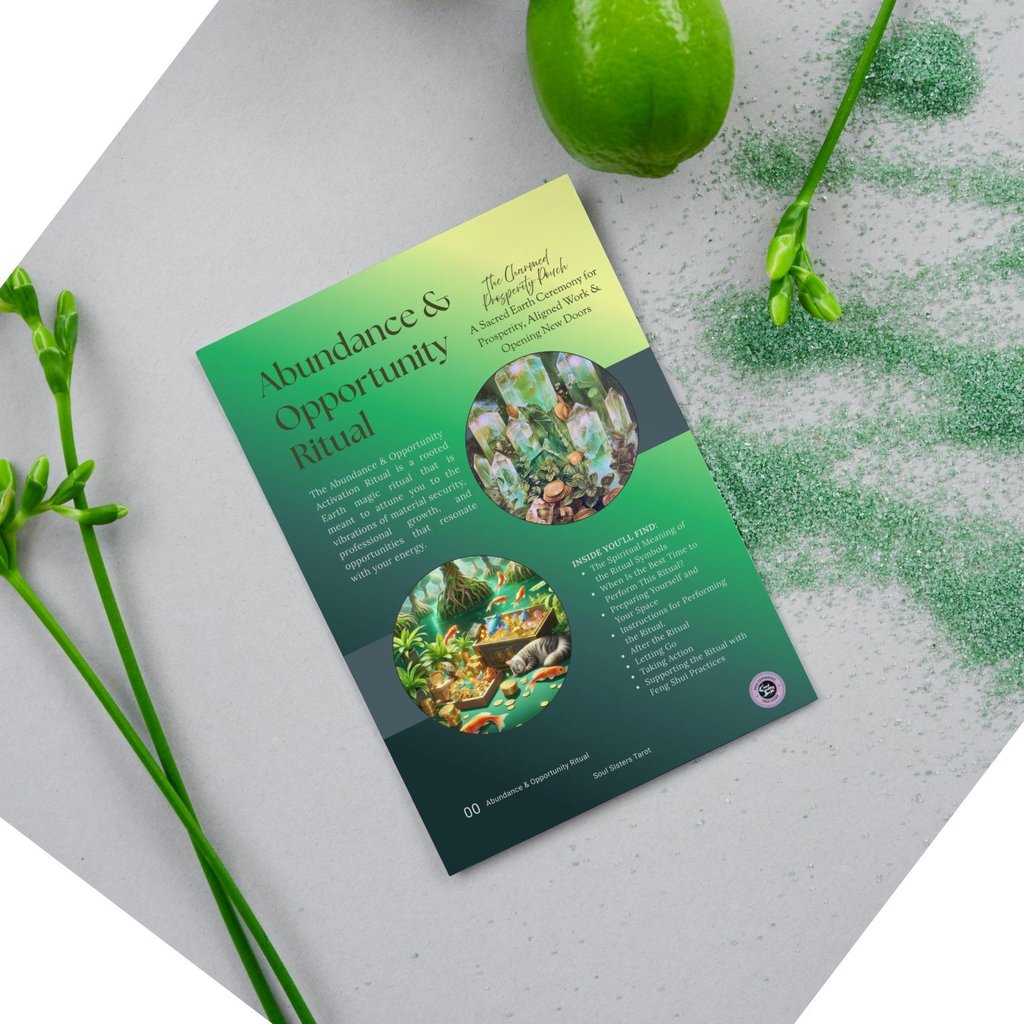
🍀 Abundance & Opportunity Ritual
What if gratitude became the first step toward receiving more?
Gratitude often creates space for abundance by helping us recognize what already supports us. Our Abundance & Opportunity Ritual is designed to deepen this practice through intention, reflection, and energy work.
🩶 Why Is It Sometimes Hard to Feel Grateful?
Why Can't I Feel Grateful?
Difficulty feeling grateful is often connected to stress, grief, burnout, anxiety, depression, or emotional overwhelm. Gratitude should not be forced. Sometimes, beginning with small moments of appreciation feels more authentic than trying to feel grateful all the time.
There are seasons when gratitude feels natural, and there are seasons when it feels almost impossible. Stress, grief, burnout, anxiety, major life changes, and emotional exhaustion can narrow our attention toward survival. During these periods, the mind often focuses on problems, uncertainty, or pain, making gratitude feel distant or inaccessible.
This does not mean you are doing gratitude incorrectly. It simply means your nervous system may need care, rest, safety, or support before gratitude can feel genuine again.
Is It Normal to Struggle With Gratitude?
Yes. Stress, grief, burnout, anxiety, and major life changes can make gratitude feel difficult. Gratitude should not be forced. Small moments of appreciation often feel more authentic than trying to stay positive all the time.
When Life Feels Heavy
When we are overwhelmed, the brain naturally pays greater attention to potential threats and difficulties. This is a protective response, not a personal failure. During these periods, gratitude may feel forced because the mind is trying to solve problems, manage stress, or process difficult emotions.
Sometimes the most honest gratitude sounds like:
"I made it through today."
"I took one deep breath."
"I asked for help."
"I rested."
Small gratitude still counts.
Gratitude and Difficult Emotions Can Coexist
You can feel:
grateful and sad.
grateful and anxious.
grateful and grieving.
grateful and uncertain.
Gratitude does not ask you to ignore pain. Instead, it gently reminds you that moments of support, beauty, or connection may still exist alongside difficult experiences.
The Goal Is Not Constant Gratitude
Healthy gratitude is not a requirement or a spiritual achievement. Some days, gratitude feels abundant. Other days, it feels distant. Both experiences are part of being human.
🫶 When Gratitude Turns Shadowed, and How to Bring It Back to Light
Can Gratitude Become Toxic?
Yes. Gratitude may become unhealthy when it is used to suppress emotions, deny pain, or force positivity. Healthy gratitude allows space for difficult emotions while also recognizing moments of support, growth, and connection.
Even the most helpful practices can become unbalanced when they are used to avoid emotions rather than support them. Gratitude is powerful, but it was never meant to silence grief, fear, anger, or pain. Healthy gratitude creates space for both appreciation and honesty.
At times, emotional heaviness lingers not because we lack gratitude, but because our personal or home energy needs clearing.
The Trap of Forced Positivity
If gratitude becomes an escape hatch, if you journal it or repeat it while sidestepping pain, you risk trading authenticity for illusion. The result: you feel worse beneath the surface, because you’re pretending to be fine when you’re not. For some, gratitude journaling becomes a kind of addiction to the “feel-good” hit, rather than a door to genuine wholeness.
Gratitude is not a requirement to feel happy all the time. If gratitude becomes something you force while ignoring your emotions, it may create guilt, frustration, or emotional exhaustion instead of healing. The goal is not to replace difficult emotions with gratitude, but to allow both experiences to exist together.
Finding Balance in the Grey
The true mystical path of gratitude walks through shadow and light. The things to be grateful for are not only those which feel good, but also those which make me feel what I feel: whether joy, sadness, frustration, or hope. Gratitude that comes with the pain, rather than instead of it, holds far more power. Allow yourself the fullness of your feelings. Then return to your gratitude from that place of wholeness.
Gratitude that exists alongside pain often becomes more sustainable than gratitude that tries to replace it.
Signs That Gratitude Has Become Forced
You may notice:
Feeling guilty for having difficult emotions.
Believing you should always stay positive.
Using gratitude to avoid grief or anger.
Feeling frustrated when gratitude practices do not help.
Comparing your gratitude journey to others.
Creating gentle protective rituals can also help you feel safe enough to experience gratitude without suppressing your authentic emotions.
Gratitude works best when it feels safe, honest, and compassionate. You do not need to earn gratitude by being positive. You only need to remain open to the possibility that moments of support still exist, even during difficult seasons.
Can Gratitude Change Your Life?
Gratitude may influence emotional well-being, relationships, resilience, and overall life satisfaction. Over time, regularly noticing what is supportive and meaningful can help shift attention from lack toward possibility.
🍀 Abundance & Opportunity Ritual
What if gratitude became the first step toward abundance?
Many spiritual traditions view gratitude as the foundation of receiving because it helps us recognize the opportunities, support, and blessings already present in our lives. Our Abundance Ritual for Beginners offers a gentle way to combine gratitude, intention, and energy work while opening yourself to new possibilities.
🙏 Living With Gratitude
Gratitude is not about pretending that life is perfect. It is about learning to notice what still supports you, even during difficult seasons.
Some days, gratitude feels abundant. Other days it may begin with something very small: a deep breath, a warm cup of tea, a kind message, or simply making it through the day. Over time, these small moments of appreciation can gently shift your attention from what is missing toward what is already present.
Gratitude does not ask you to ignore pain, suppress emotions, or force positivity. Instead, it invites you to hold both the light and the shadow, recognizing that joy and difficulty often exist side by side.
For many people, gratitude also becomes one of the first steps toward manifestation and abundance. By appreciating what already exists, we often become more open to opportunities, support, and new possibilities. If you would like to deepen your gratitude practice through intention and ritual, our Abundance Ritual for Beginners offers a gentle way to combine gratitude, manifestation, and energy work.
In the end, gratitude is less about creating the perfect list and more about creating a relationship with your life as it is right now. Even the smallest moments of appreciation can become powerful reminders that support, beauty, and possibility still exist.
If you feel called to explore spiritual rituals, manifestation practices, tarot guidance, and tools for intentional living, you can discover our offerings inside Sisters Creation, where we share resources designed to support healing, energy alignment, and personal growth.
With love,
Caitlin & Gerly,
Soul Sisters Tarot
❓Frequently Asked Questions About Gratitude
What are some simple things to be grateful for?
Simple things to be grateful for include your breath, clean water, supportive relationships, nature, your body’s resilience, meaningful conversations, moments of rest, and small daily comforts. Gratitude often begins by noticing what is already present rather than searching for something extraordinary.
What are the benefits of gratitude?
Research suggests that gratitude may support emotional well-being, reduce stress, strengthen relationships, improve sleep, and increase resilience. Gratitude can also help shift attention toward support, opportunities, and positive experiences that might otherwise go unnoticed.
How do I practice gratitude daily?
You can practice gratitude daily by noticing small moments of appreciation, keeping a gratitude journal, expressing thanks to others, spending time in nature, or reflecting on meaningful experiences before sleep. Small, consistent practices often have a greater impact than occasional large efforts.
Does Gratitude Attract Abundance?
Many spiritual traditions associate gratitude with abundance because appreciation helps shift attention toward opportunities, support, and existing resources. Gratitude does not guarantee financial success or specific outcomes, but it can encourage a more open, hopeful, and receptive mindset.
What if I cannot think of Anything to Be Grateful For?
During stressful or difficult periods, gratitude may feel inaccessible. Start very small. A deep breath, clean water, a comfortable blanket, or simply making it through the day can become meaningful sources of gratitude. Small gratitude is still gratitude.
Can gratitude improve mental health?
Gratitude practices may support emotional well-being by encouraging optimism, resilience, and emotional awareness. However, gratitude should complement rather than replace therapy, professional support, or mental health treatment when needed.
Is it possible to feel grateful during hard times?
Yes. Gratitude and difficult emotions can exist together. You can feel grateful and still experience grief, stress, sadness, or uncertainty. Healthy gratitude does not ignore pain; it simply allows moments of appreciation to exist alongside it.
Why does gratitude sometimes feel forced?
Gratitude often feels forced when it is used to suppress difficult emotions or create constant positivity. Stress, burnout, grief, and emotional overwhelm can make gratitude difficult. Sometimes, beginning with one small moment of appreciation feels more authentic than trying to feel grateful for everything.
Why Is It Sometimes Hard to Feel Grateful?
Difficulty feeling grateful is often connected to stress, anxiety, burnout, grief, or emotional exhaustion. During difficult periods, the nervous system naturally focuses on problems and survival. Gratitude does not need to be forced. Even small moments of appreciation can be enough.
Can Gratitude Become Toxic?
Yes. Gratitude may become unhealthy when it is used to deny emotions, avoid pain, or force positivity. Healthy gratitude creates space for both appreciation and honesty, allowing difficult emotions and gratitude to exist together.
Does Gratitude Help Manifestation?
Many manifestation practices view gratitude as an important foundation because appreciation encourages openness, trust, and awareness of opportunities. Gratitude does not guarantee specific outcomes, but it may support a more abundant and receptive mindset.
Can You Be Grateful and Sad at the Same Time?
Yes. Gratitude and sadness are not opposites. You can appreciate moments of support, beauty, or connection while also experiencing grief, disappointment, or uncertainty. Many people discover that gratitude feels most meaningful when it accompanies difficult emotions rather than replacing them.
Does Gratitude Have Spiritual Meaning?
Many spiritual traditions view gratitude as a form of connection, presence, and energy. Gratitude is often associated with the heart, abundance, and openness to life's experiences. Even simple acts of appreciation can become meaningful spiritual practices.
Soul Sisters Tarot
A Soft Place to Grow.
💌 SOUL SISTERS WEEKLY
A thoughtful Sunday letter with tarot reflections, moon wisdom, self-love, and gentle encouragement.
© 2026. All rights reserved.
Inspirational Coaching OÜ
sisters@soulsisterstarot.com