💌 JOIN SOUL SISTERS WEEKLY → GET FREE WELCOME GIFTS 🎁
Receive a thoughtful Sunday letter, free Self-Love & Shadow Work guides, and monthly Full Moon rituals ✨



Hunter’s Moon: Morning Rituals for Self-Awareness & Inner Clarity
What are your mornings revealing about you? Try morning rituals for self-awareness during the Hunter’s Moon to uncover patterns, emotions, needs, and what is guiding your day.
MOON PHASES & RITUALS
Soul Sisters Tarot
9/12/202624 min read


Hunter’s Moon Self-Awareness: Morning Rituals for Inner Clarity
This article is part of our Hunter’s Moon collection, where you’ll discover the spiritual meaning of the Hunter’s Moon, seasonal rituals, reflective practices, tarot guidance, and inspiring ways to work with this special Full Moon. It is also part of our Full Moons collection, where we explore the symbolism, traditions, and spiritual lessons of every named Full Moon throughout the year.
Morning rituals for self-awareness create a quiet space to notice how you are feeling, what is occupying your mind, what patterns may be influencing you, and what deserves your attention before the day begins. A morning self-awareness practice does not need to take an hour or involve an elaborate spiritual routine. Even a few intentional minutes can help you notice yourself before messages, responsibilities, work, and other people's expectations take over.
Your mornings can reveal more about you than you might expect. Before the day becomes busy, you may notice an emotion you have been carrying, a thought that keeps returning, a decision you have been avoiding, or a need that has been pushed aside.
The Hunter’s Moon offers a fitting seasonal backdrop for this kind of reflection. Its symbolism of observation, awareness, direction, and purposeful pursuit invites a simple morning question: What is actually guiding me today?
If you enjoy exploring the Moon through different seasons and spiritual practices, you can discover more throughout our Moon Phases and Rituals collection.
In this guide, you'll discover practical morning rituals for clarity and self-awareness, including simple awareness pauses, journaling, emotional check-ins, pattern recognition, intention-setting, meditation, and Tarot reflection. You'll also learn how to create a sustainable self-awareness morning routine that helps you notice yourself without turning self-reflection into another obligation.
You do not need to perform every practice every morning. Choose what genuinely helps you slow down, observe what is happening within you, and make more conscious choices about the day ahead.
The goal is simple: notice yourself before you automatically respond to everything around you. Because sometimes greater clarity begins with one quiet question: “How am I actually doing today?”
🏹 Free Hunter's Moon Ritual Download
Want to take your Hunter’s Moon reflection off the screen and into your own ritual space?
Our Free Hunter’s Moon Rituals give you beautifully illustrated ritual pages you can download, print, and keep in your journal, grimoire, or Book of Shadows. Inside, you’ll find three practices created specifically for this Full Moon, focusing on direction, shadow work, and inner strength. They give you a tangible way to slow down, reflect on what you are seeking, and bring the themes of the Hunter’s Moon into your own spiritual practice.


🌕 What Is a Hunter’s Moon Self-Awareness Practice?
A Hunter’s Moon self-awareness practice is a reflective morning practice inspired by the symbolism of the Hunter’s Moon, using quiet observation, journaling, meditation, or intentional questions to better understand your thoughts, emotions, patterns, and priorities. It does not require a particular spiritual belief. The purpose is to create a small pause before the day begins so you can notice what is happening within you and choose how you want to respond.
🌅 Why Morning Is a Powerful Time for Self-Awareness
Morning can offer a valuable window for self-awareness because you have not yet spent hours responding to messages, conversations, responsibilities, and other people's needs. Before the day pulls your attention outward, you have an opportunity to notice your internal starting point.
How did you wake up feeling? Is your mind already racing? Are you looking forward to something, avoiding something, or carrying an emotion from yesterday? You might feel rested, tense, hopeful, irritated, disconnected, or unusually clear.
These observations may seem small, but repeatedly noticing your internal state can reveal patterns that are difficult to see in the middle of a busy day.
A self-awareness morning routine creates a pause before you automatically fall into familiar behaviours. Instead of realizing at lunchtime that you have been anxious, distracted, or emotionally overwhelmed all morning, you may recognize those feelings while they are still relatively quiet.
That does not mean every morning needs to become a deep psychological examination. Some days, self-awareness might simply mean recognizing that you need a slower start. On another morning, you might notice a recurring thought that deserves more attention.
The important part is not the length of the practice. Self-awareness develops through observation over time. One morning may give you an interesting insight, but weeks of noticing your thoughts, emotions, reactions, and choices can reveal patterns that a single reflection cannot.
🌿 Awareness Before Action
This connects naturally with the Hunter’s Moon. The hunter observes the surroundings before deciding what to pursue. You can bring the same principle into your morning by creating a small pause between how you feel and what you do next.
Imagine waking up frustrated. Instead of immediately deciding that the whole day is going to be difficult, you notice the feeling and become curious about it. Perhaps you slept poorly. Maybe you are worried about a conversation later. Perhaps something unresolved from yesterday is still taking up emotional space. That pause gives you information. You do not have to solve the feeling immediately. Awareness is the beginning of understanding, not a demand to have all the answers.
If you want to develop this ability more intentionally, our How to Be More Self-Aware guide explores self-awareness as an everyday skill and offers practical ways to become more conscious of your thoughts, emotions, behaviours, and patterns.
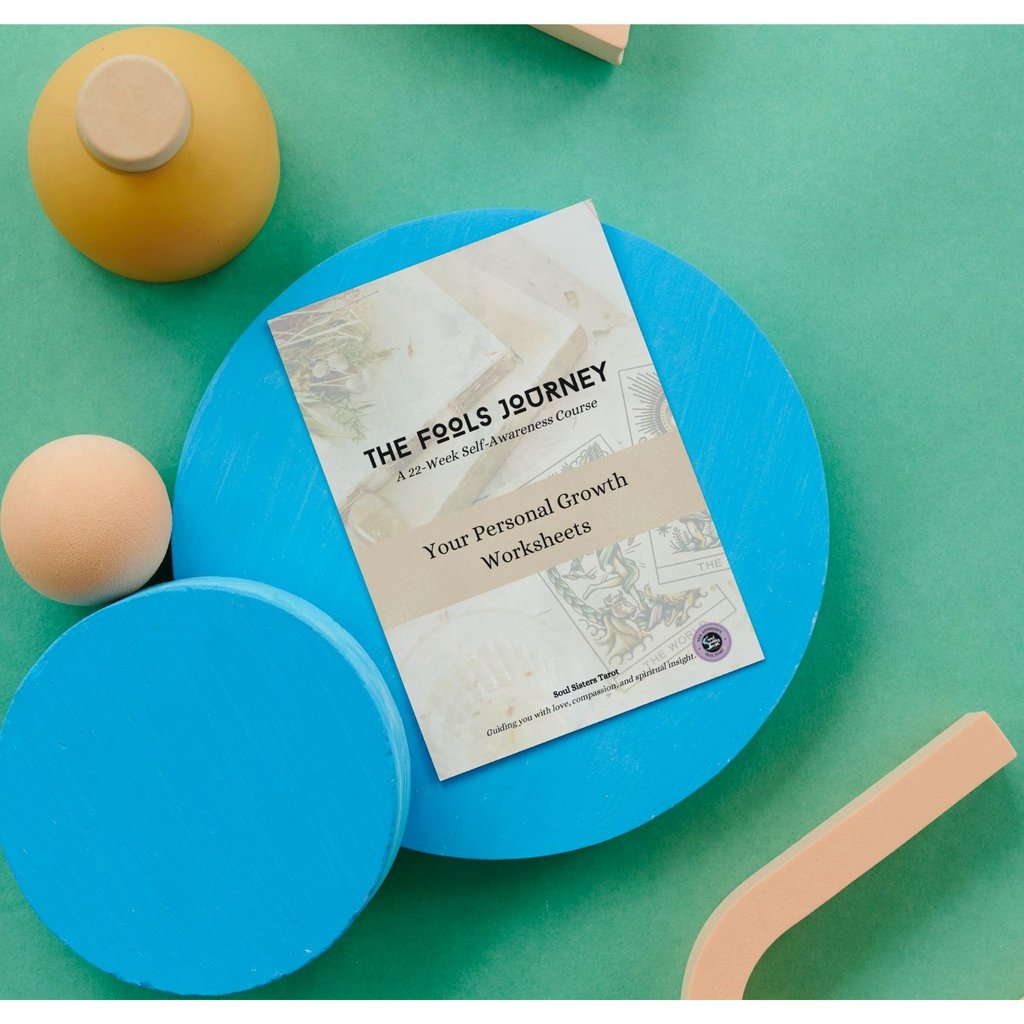
🪞 The Fool's Journey Self-Awareness Course
What if understanding yourself could become a deeper journey, rather than something you only think about for a few quiet minutes in the morning?
Our Fool’s Journey Self-Awareness Course takes self-discovery beyond a single reflection or morning practice through a 22-week journey inspired by the archetypal path of the Tarot. Along the way, you’ll explore the patterns, beliefs, emotions, choices, challenges, and experiences that shape your sense of self. It is designed for anyone who wants to understand themselves more deeply, recognize the forces influencing their choices, and become more conscious of who they are becoming.

🌿 Morning Rituals for Self-Awareness That Begin Before Your Day Does
A meaningful morning ritual for self-awareness does not require doing more. It begins with noticing more.
The following practices are intentionally simple. You do not need to complete all seven every morning. Choose the one that matches what you need, or combine a few into a routine you can realistically maintain.
The purpose is not to create a perfect morning. It is to create a small space where you can notice yourself before the day starts asking things of you.
🌬️ Ritual 1: The Two-Minute Awareness Pause
Before reaching for your phone, email, or to-do list, spend two quiet minutes noticing how you are arriving in the day. Sit comfortably, take several slow breaths, and observe rather than trying to change anything.
Ask yourself:
How am I feeling physically this morning?
What emotion is present?
What thought has been with me since I woke up?
What do I need more of today?
What do I need less of today?
You might notice tiredness, excitement, anxiety, gratitude, calm, or something left over from yesterday. There is no need to solve it immediately. The purpose is simply to recognize what is already present.
That small pause creates space between what you feel and what you do next.
If you would like to stay with this quiet awareness for longer, Hunter’s Moon Meditation: Connect With Your Inner Guidance expands the practice into a guided meditation for slowing down, listening inward, and creating space for greater clarity.
🍃 Soul Sisters Note
“The first conversation you have every morning is the one you have with yourself. Make it a moment of awareness before it becomes a moment of reaction.” - Caitlin & Gerly
✍️ Ritual 2: The Morning Mind Check-In
Your first thoughts of the day can reveal what already has your attention. Before messages, responsibilities, and other people's priorities fill your mind, give yourself a few minutes to see what is already there.
Keep a notebook beside your bed and write freely for three to five minutes. Do not worry about structure or whether your thoughts seem important enough to record.
You might begin with:
What is the first thing I am thinking about today?
What am I looking forward to?
What am I already worried about?
What keeps returning to my mind?
Is there something I am avoiding thinking about?
What feels especially important this morning?
What would I like to understand about myself today?
The value of this morning reflection ritual is not producing beautiful journal entries. It is noticing what your mind repeatedly returns to.
After several mornings, look back. Do the same concerns appear? Are you consistently excited about something you rarely make time for? Do the same frustrations keep resurfacing? Patterns can be more revealing than individual thoughts.
For example, writing “I don't want to go to work today” once might simply mean you are tired. Seeing the same thought several times over a month gives you something more useful to investigate. The issue could be your workload, environment, boredom, an unresolved conflict, or a growing sense that your current direction no longer fits.
That is where journaling becomes a genuine daily self-awareness practice. You are collecting information about your internal world rather than simply recording your day.
If your writing makes you want to explore what you are actually seeking, our Hunter’s Moon Journal Prompts: What Are You Truly Seeking? offers more focused questions around desires, motivations, fears, and next steps.
And remember, three honest sentences can be more useful than three pages if those sentences tell you something real.
📓 365 Psychological Journal Prompts
What if the question you need today is one you haven't thought to ask yourself yet?
Our 365 Psychological Journal Prompts for Self-Discovery & Self-Love give you a full year of thoughtful questions designed to help you explore your emotions, beliefs, relationships, patterns, choices, and sense of self. If your morning reflection has started revealing things you want to understand more deeply, these prompts give you somewhere to continue that conversation with yourself.


🌙 Ritual 3: The Morning Emotional Weather Check
Before deciding what kind of day you are going to have, notice the emotional weather you woke up with.
You might feel calm, restless, hopeful, irritated, heavy, excited, disconnected, or several things at once. There is no correct emotional state. The purpose of this morning self-awareness practice is to recognize what is present before automatically reacting to it.
Ask yourself:
What emotion feels strongest this morning?
Where do I notice it in my body?
What might have contributed to it?
Am I carrying something from yesterday?
Does this emotion need action, rest, attention, or simply acknowledgment?
What would change if I stopped fighting this feeling?
You do not always need to know why you feel something. Sometimes the most useful thing you can do is name it.
You might describe yourself as restless, protective, hopeful, disappointed, overwhelmed, or uncertain. Naming an emotion does not make it disappear, but it can make your internal state easier to observe.
This matters because emotions can influence behaviour before you consciously recognize them. Anxiety might make you avoid something important. Irritation might affect how you respond to someone. Excitement might encourage you to take an opportunity you would otherwise overlook.
Recognizing the emotion creates a little more space between feeling and reaction.
Self-awareness is not about becoming perfectly calm or emotionally controlled. It is about becoming more honest about what is happening within you, so your choices are not being made entirely on autopilot.
🪞 Ritual 4: Notice the Pattern Before You Repeat It
Self-awareness becomes especially useful when you notice what happens between a situation and your response to it.
Most of us have familiar reactions. We may seek reassurance when something feels uncertain, become defensive when criticized, procrastinate when overwhelmed, or agree to something and later feel resentful.
These patterns can become so familiar that they happen before we consciously choose them.
Think about something that has been repeating in your life and ask:
What situation keeps repeating?
How do I usually respond?
What do I tend to think or assume in that moment?
What emotion appears first?
What am I trying to protect, avoid, control, or achieve?
Does my usual response actually help me?
What could I try differently next time?
For example, perhaps changes to your plans regularly make you feel overwhelmed. Looking more closely might reveal that uncertainty itself is difficult for you because knowing what will happen makes you feel safer.
Or perhaps you repeatedly postpone an important task. Instead of immediately calling yourself lazy, you might discover that the task triggers fear of failure, uncertainty, or perfectionism.
Understanding the pattern gives you more options. You can respond to what is actually happening instead of simply criticizing yourself for the reaction.
If you want to develop this skill further, How to Be More Self-Aware explores practical ways to recognize your thoughts, emotions, behaviours, and recurring patterns.
And if your observations raise deeper questions about who you are beneath old habits and expectations, How to Find Yourself Again offers another path into exploring identity and direction.
Awareness gives you a choice that automatic behaviour cannot.
🏹 Ritual 5: Choose What Deserves Your Attention Today
Self-awareness is not only about noticing what is happening inside you. It also helps you decide where your attention should go.
A morning can easily become a reaction to whatever appears first. An email needs an answer, someone sends a message, a deadline approaches, and another responsibility appears. You can spend the entire day responding without giving much attention to what actually matters to you.
After your morning check-in, ask:
What matters most to me today?
What deserves my attention rather than simply demanding it?
What is one thing I would feel good about completing?
What can wait?
Where do I want to be more present?
What kind of person do I want to be in my interactions today?
What can I consciously choose instead of doing automatically?
Try choosing one primary intention rather than creating another enormous to-do list.
It could be practical: “I will finish the task I keep postponing.”
It could be relational: “I will listen instead of preparing my response.”
Or it could be internal: “I will notice when I become defensive.”
This is where the Hunter’s Moon provides a useful metaphor. The hunter does not pursue every movement in the landscape. There is a direction and a decision about where energy belongs.
At the end of the day, return to your intention and ask whether you lived it. Not to grade yourself, but to learn. Perhaps it worked. Perhaps something unexpected changed your priorities. Either way, you have another piece of information about yourself.
Notice yourself, choose consciously, and pay attention to what happens when you do.
🃏 Ritual 6: Pull a Daily Tarot Card
A daily Tarot card can add a symbolic layer to your morning by giving you something to observe and reflect on throughout the day. You do not need to use the card to predict what will happen. Instead, treat it as a prompt for self-awareness.
Choose one question, such as:
What do I need to be aware of today?
What deserves my attention?
What can I learn about myself today?
What energy am I bringing into today?
What might I need to approach differently?
Shuffle your deck, draw one card, and look at it before reaching for a guidebook. Notice the figures, expressions, objects, landscape, movement, and overall atmosphere.
Ask yourself what catches your attention first and what the image makes you think or feel.
Then consider the traditional meaning and how it relates to your question. The interpretation does not need to be dramatic. The Four of Swords might draw your attention to mental rest. The Eight of Pentacles might highlight consistency. The Queen of Cups might encourage you to notice how your emotional state affects your interactions.
If you are new to this practice, our How to Do a Daily Tarot Reading guide walks you through choosing your question, drawing a card, interpreting it, and reflecting on it throughout the day.
Write down:
The card you pulled
Your first impression
One way its theme might be relevant today
Then notice whether that theme appears during your day. You are not waiting for something magical to happen. You are using the card as a prompt to pay closer attention to your behaviour, reactions, choices, and circumstances.
At the end of the day, ask: “Where did I notice this theme today?”
When one card is not enough for a deeper question, our Hunter’s Moon Tarot Spread: Where Is Your Inner Compass Leading You? offers a seven-card reflection on direction, motivations, blind spots, inner strengths, and your next step.
You can also give your daily card a seasonal question: “What do I need to notice about what I am pursuing?”
And if you want to explore the Hunter’s Moon's own Tarot connection, If Hunter’s Moon Were a Tarot Card: The Chariot explores why The Chariot is such a fitting symbolic counterpart, particularly through direction, determination, and consciously guiding your energy.
A daily Tarot card does not have to tell you what will happen. It can simply give you something meaningful to notice.
🌱 Ritual 7: Create a One-Sentence Morning Intention
Once you have checked in with yourself, turn what you noticed into one sentence you want to carry into the day.
This is not about creating a long list of affirmations. Your intention should connect to something you genuinely discovered during your morning reflection.
If you woke up overwhelmed: “Today, I will give myself enough space to do one thing at a time.”
If you noticed yourself avoiding an important conversation: “Today, I will be honest about what I need instead of hoping someone will guess.”
If you realized you have been giving too much attention to other people's expectations: “Today, I will make room for what matters to me.”
Or keep it completely practical: “Today, I will finish the task I keep postponing.”
If you want to explore intention-setting more deeply, our How to Set Intentions: Harvest Moon Special guide offers a dedicated practice for creating meaningful intentions and turning them into conscious action.
Write your sentence somewhere you will see it during the day. Then return to it in the evening and ask: Did I live this intention? What helped? What got in the way? What did I learn about myself?
If you did not follow through perfectly, that is information too. Perhaps the intention was unrealistic, something unexpected changed your priorities, or an old habit was stronger than you realized.
That is what turns morning rituals for self-awareness into an ongoing practice. You notice, choose, observe, and learn.
Over time, these small observations can give you something much more valuable than a perfectly structured morning routine: a clearer understanding of how you actually live, choose, react, and grow.
⏱️ A 10-Minute Hunter’s Moon Morning Self-Awareness Ritual
You do not need a complicated spiritual setup to begin your morning with greater self-awareness. This 10-minute Hunter’s Moon morning ritual gives you a simple pause between waking up and stepping into the demands of the day. You can practice it beside your bed, with a cup of tea, in your journal, or anywhere you can sit quietly for a few minutes.
The Hunter’s Moon provides the symbolic framework: observe before acting, notice what matters, and become conscious of where your attention and energy are going.
Minute 1: Become still.
Put your phone aside, sit comfortably, and take a few slow breaths. You are not trying to empty your mind. Simply notice your body, your breathing, and the general feeling you woke up with.
Minutes 2–3: Notice what is already on your mind.
Ask yourself: What is occupying my thoughts this morning? You might be thinking about yesterday, an upcoming responsibility, a person, something you are looking forward to, or a problem you have been trying to solve. Let the thoughts appear without immediately turning them into a to-do list.
Minutes 4–5: Name your emotional weather.
Choose a few honest words for how you feel. You might be calm, restless, disappointed, hopeful, irritated, tired, curious, or uncertain. Then ask: What might be contributing to this feeling? Naming an emotion does not make it disappear, but it can help you observe it before automatically reacting to it.
Minutes 6–7: Ask what you are carrying and chasing.
Consider yesterday and today together. Is there something from yesterday I am still carrying? What am I already trying to get, prove, control, avoid, or achieve today? You are not judging the answer. You are simply noticing where your energy is already going.
Minutes 8–9: Choose your direction.
Ask: What deserves my attention today? Choose something that genuinely matters rather than simply something making the most noise. It might be an important task, a conversation, your health, creativity, a relationship, or giving yourself enough space to think clearly.
Minute 10: Make one conscious decision.
Finish by choosing one specific way you want to meet the day. For example: Today I will pause before responding when I feel defensive. Today I will finish one important task before distracting myself. Today I will notice when I start looking for someone’s approval.
Then carry that decision with you.
You can repeat this ritual throughout Hunter’s Moon season, or return to it whenever you notice yourself moving through life on autopilot. The questions may stay the same, but your answers will change. That is where the real value of a self-awareness practice lies. Over time, you begin to recognize your patterns, notice what changes, and become more familiar with the person answering the questions.
🌙 How to Create a Self-Awareness Morning Routine That Actually Lasts
A self-awareness morning routine becomes useful when it fits into your real life. If it requires an hour of silence, a perfectly organized journal, and several exercises every morning, it may feel inspiring for a few days before becoming another obligation.
Instead, choose the practices that genuinely help you notice yourself. You might spend two minutes checking in with your emotions, write a few lines about what is occupying your mind, or pull a daily Tarot card. On another morning, you may have more time for deeper reflection. Both approaches count. The goal is not to create the perfect routine. It is to create a practice you are willing to return to.
🌿 Start With One Practice
If you are new to daily self-awareness practices, choose one ritual from this guide and repeat it for a week.
For example, begin each morning by asking: “How am I actually feeling today?” Write down the answer without trying to change it. After several days, look back and notice whether particular emotions, concerns, or patterns keep appearing.
Once that feels natural, you can add another practice. Starting small makes self-awareness easier to integrate into your ordinary morning rather than turning it into something you have to do perfectly.
🕯️ Let the Practice Change With You
Your needs will not be identical every morning. Some days you may need quiet observation. Other days you may need to write, meditate, or pull a Tarot card for reflection.
Allow your morning reflection ritual to respond to what you actually need. The purpose is not to create a rigid routine that looks exactly the same every day. It is to build a reliable moment of connection with yourself.
🍂 Use the Hunter’s Moon as a Seasonal Check-In
The Hunter’s Moon can also become a useful point of reference for reviewing what your morning practice has revealed. After several days or weeks, look back at your notes and ask: “What keeps returning?”
Perhaps you keep writing about the same goal, relationship, fear, frustration, or desire. Maybe you notice that you are consistently energized by something you have been making little time for, or repeatedly drained by something you have been ignoring. Those repetitions can become valuable information.
This is where the symbolism explored throughout this collection becomes useful. The hunter watches carefully, the trail reveals patterns, the forest represents what remains unknown, and moonlight helps illuminate what was difficult to notice before. If you want to explore these ideas more deeply, Hunter’s Moon Symbols: The Spiritual Meaning of the Hunt looks at the spiritual and psychological meaning behind the imagery associated with the Hunter’s Moon.
You can bring that same framework into your self-awareness practice: Observe. Notice. Learn. Choose.
You do not need to understand everything you discover immediately. Sometimes the most valuable insight is simply recognizing a pattern you can no longer unknow.
🌑 When Your Morning Reflection Reveals Something Uncomfortable
Self-awareness is not always comfortable. Your morning practice may reveal resentment you have been carrying, a habit that keeps creating the same problem, a fear influencing your decisions, or a part of yourself you have been trying to avoid.
That does not mean you have done anything wrong. Awareness simply makes something visible that was already there.
When this happens, resist the urge to judge yourself immediately. Instead, become curious about what you have noticed.
Ask yourself:
What exactly am I noticing?
When does this pattern usually appear?
What might I be trying to protect myself from?
What need could be underneath this reaction?
What might I understand if I stopped criticizing this part of myself?
You do not need to resolve a difficult pattern during your morning routine. Sometimes recognizing it is enough for that day. Write down what you noticed and return to it when you have more emotional space.
This is also where self-awareness can become a doorway into shadow work. The parts of ourselves we tend to avoid, deny, or misunderstand can influence our choices without us fully realizing it. If your morning reflections repeatedly bring up the same uncomfortable pattern, Hunter’s Moon Shadow Work: Find Your Shadow Character offers a deeper way to explore what may be underneath it.
The goal is not to label yourself as good or bad because of what you discover. It is to understand yourself with greater honesty and compassion, including the parts that may need attention.
And sometimes, that understanding changes the question completely. Instead of asking “Why do I keep doing this?”, you may begin asking: “What is this behaviour trying to tell me?”
That is a much more useful place from which to begin.
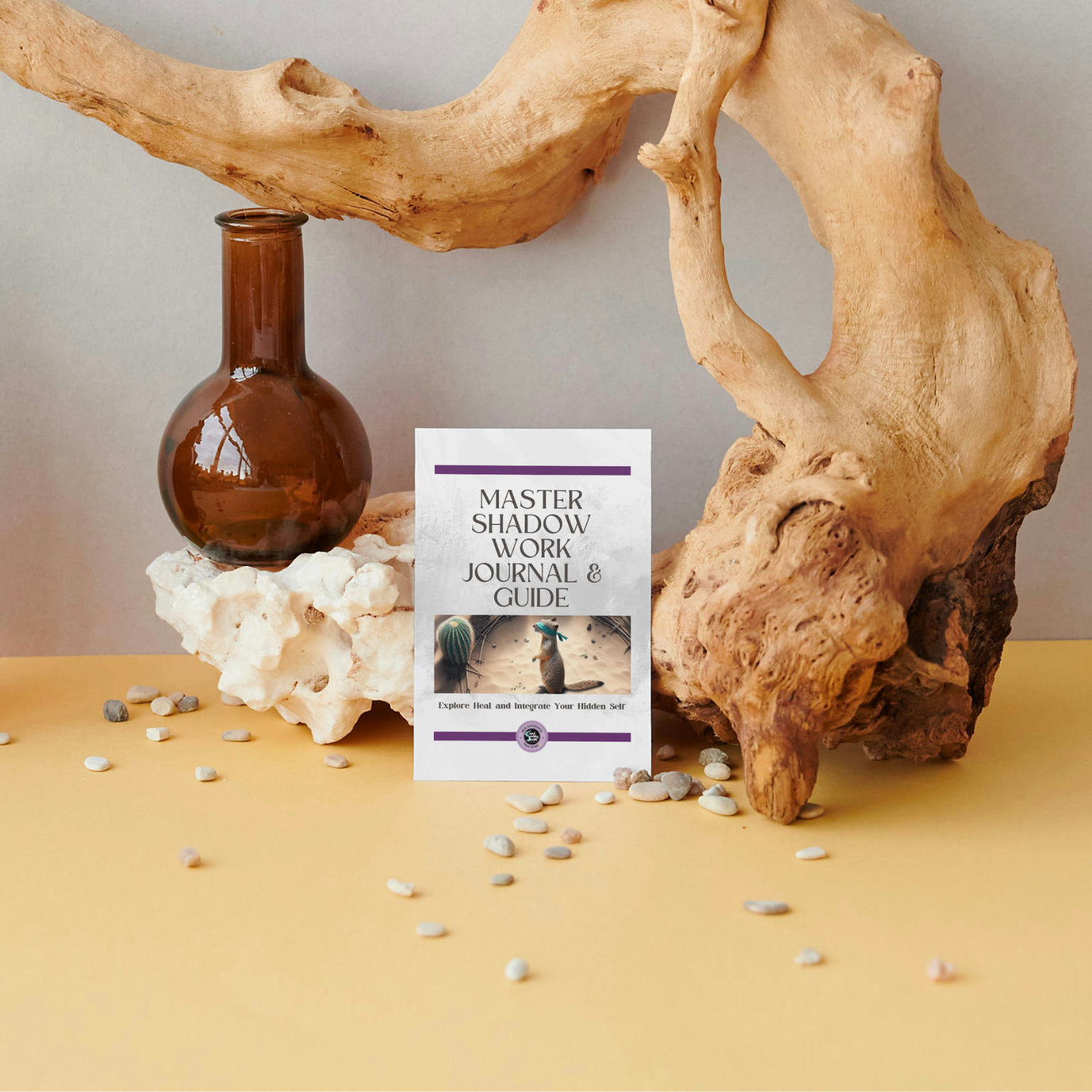
🤍 Master Shadow Work Journal & Guide
What if the part of yourself you keep trying to understand is the part you keep trying not to look at?
Our Master Shadow Work Journal & Guide offers a deeper space for exploring the hidden patterns, fears, beliefs, emotional reactions, and protective behaviours that can influence your choices beneath the surface. If your morning reflections keep bringing you back to the same uncomfortable reaction or recurring pattern, shadow work can help you explore what may be underneath it with greater honesty and self-compassion.
🧭 Self-Awareness Is a Journey, Not a Morning Checklist
A morning practice can help you notice yourself, but self-awareness develops through what you do with those observations over time. One morning might reveal that you are anxious. Another might show you are excited about something you have been postponing. A few weeks of reflection may reveal a larger pattern in the direction your life is taking.
This is why self-awareness morning routines work best when you see them as part of a longer process rather than a checklist you have to complete perfectly.
Over time, you begin to understand how your thoughts, emotions, habits, values, relationships, and choices fit together. Some discoveries may confirm what you already suspected. Others may challenge the way you have understood yourself.
And your questions will change as your life changes. A new relationship, career decision, personal challenge, or period of transition can bring parts of yourself into view that were previously less obvious.
🎃 Autumn Self-Love Bucket List
What if becoming more aware of yourself also meant becoming more intentional about how you care for yourself?
Our Autumn Self-Love Bucket List turns the quieter energy of the season into simple opportunities for rest, reflection, connection, creativity, and self-care. It is a lovely companion to a morning self-awareness practice because understanding yourself is not only about examining your thoughts and patterns. It is also about noticing what makes you feel nourished, supported, present, and genuinely alive.


🌱 Notice Who You Are Becoming
One useful question to return to is: “What am I learning about myself at this stage of my life?”
This shifts your attention away from trying to define yourself permanently. You are not a finished version of yourself that you need to discover once and understand forever. Your experiences, choices, mistakes, relationships, boundaries, and changing priorities all continue to shape your understanding of who you are.
This idea connects beautifully with The Fool’s Journey, a Tarot framework for exploring personal growth through the archetypes of the Major Arcana. If you want to explore self-awareness as a longer journey of discovery, The Fool’s Journey for Self-Awareness takes this idea much further, using Tarot archetypes as a framework for understanding different stages of personal development.
Your morning practice can become a small checkpoint within that larger journey. You might occasionally ask:
What am I learning about myself?
What has changed?
What still feels unresolved?
What are my current choices teaching me?
Who am I becoming through the way I live today?
You do not need to answer these questions every morning. Some deserve more time and emotional space than a ten-minute check-in can provide.
The important thing is remembering that self-awareness is not simply knowing how you feel today. It is developing a clearer understanding of yourself across time. Sometimes the most meaningful discovery is realizing that you have changed in ways you had not yet noticed.
If you'd like to continue exploring your spiritual journey through self-discovery, Tarot, rituals, and reflective practices, we warmly invite you to explore Sisters Creation, where we've gathered our ritual guides, printable journals, Tarot resources, self-discovery workbooks, and soulful digital creations designed to support reflection, growth, and personal transformation.
With love,
Caitlin & Gerly,
Soul Sisters Tarot
❓ FAQ: Hunter’s Moon Self-Awareness: Morning rituals for self-awareness
What is Hunter’s Moon self-awareness?
Hunter’s Moon self-awareness is the practice of using the symbolism of the Hunter’s Moon to notice your thoughts, emotions, habits, needs, and motivations more clearly. It can be especially meaningful during a season associated with observation, preparation, focus, and deciding what deserves your energy. A morning self-awareness practice creates a simple opportunity to pause before the demands of the day begin and consciously notice what is happening within you.
What are the best morning rituals for self-awareness?
The best morning rituals for self-awareness are simple practices that help you notice your thoughts, emotions, physical state, priorities, and habitual reactions before you move into your day. These can include a two-minute awareness pause, a morning journal check-in, an emotional weather check, noticing recurring patterns, choosing where to place your attention, pulling a daily Tarot card, or writing a one-sentence morning intention. The most effective practice is one you can return to consistently without turning self-awareness into another task you have to perform perfectly.
How can I become more self-aware in the morning?
You can become more self-aware in the morning by creating a few quiet minutes to observe how you feel, what you are thinking about, what you need, and what patterns may already be influencing your behaviour. Before checking messages or immediately responding to other people's demands, ask yourself questions such as, “What am I feeling today?”, “What is taking up the most space in my mind?”, and “What deserves my attention?” Recording your answers over time can help you recognize patterns that are difficult to see when you only reflect on individual days.
What are good self-awareness questions to ask yourself in the morning?
Good morning self-awareness questions help you notice your current emotional state, thoughts, needs, motivations, and priorities without immediately trying to change them. You might ask, “How am I actually feeling today?”, “What is occupying my mind?”, “What am I carrying from yesterday?”, “What am I avoiding?”, “What do I need more of today?”, “What deserves my attention?”, or “What am I already trying to get, prove, control, or achieve?” You do not need to answer every question each morning. Choose the one that makes you pause and gives you something honest to explore.
Why is morning a good time for self-reflection?
Morning can be a powerful time for self-reflection because it gives you an opportunity to notice your internal state before external demands begin shaping your attention and behaviour. Your first thoughts, emotional reactions, physical sensations, and instinctive priorities can reveal useful information about what is currently happening in your life. Morning reflection does not have to produce an immediate solution. Its value comes from developing the habit of noticing yourself before automatically reacting to everything around you.
Can a morning routine improve self-awareness?
A consistent morning routine can support self-awareness by giving you regular opportunities to notice your thoughts, emotions, behaviours, and recurring patterns over time. The benefit does not come from performing a particular ritual perfectly. It comes from repeatedly observing yourself and becoming familiar with how you respond to different situations. Looking back at your journal notes or reflections after several days or weeks can be especially useful because patterns are often easier to recognize across time than in a single morning.
What should I do if my morning reflection reveals something uncomfortable?
If your morning reflection reveals something uncomfortable, pause and observe it with curiosity before deciding that you need to fix it immediately. Self-awareness can bring resentment, fear, avoidance, recurring habits, unmet needs, or difficult emotions into conscious awareness, but recognizing a pattern does not mean you have to resolve it in the same moment. Ask what the reaction might be protecting, what need could be underneath it, and when the pattern tends to appear. If you want to explore these deeper patterns, our Hunter’s Moon Shadow Work: Find Your Shadow Character guide can take the reflection further.
How long should a morning self-awareness practice take?
A morning self-awareness practice can take anywhere from one or two minutes to fifteen minutes or longer, depending on what feels sustainable for you. A short awareness pause may be enough to notice your emotional and physical state, while journaling, Tarot reflection, or meditation can take more time. Consistency is more useful than creating an elaborate routine that becomes difficult to maintain, so start with a practice you can genuinely repeat and allow it to develop naturally.
Can I use Tarot for morning self-awareness?
You can use a daily Tarot card as a symbolic tool for morning self-awareness by choosing one card and reflecting on what it might help you notice about yourself that day. Rather than using the card to predict what will happen, consider questions such as “What deserves my attention today?”, “What part of myself needs awareness?”, or “What could I learn from this card?” Looking at the imagery before consulting traditional meanings can also reveal your personal reactions and associations. Our How to Do a Daily Tarot Reading guide offers a practical starting point, while the Hunter’s Moon Tarot Spread: Where Is Your Inner Compass Leading You? provides a deeper reflection when you have more time.
Do I need to meditate to practice self-awareness in the morning?
You do not need to meditate to practice self-awareness in the morning because self-awareness can develop through simple observation, journaling, emotional check-ins, intentional questions, or other reflective practices. Meditation is one useful option if stillness helps you notice your thoughts and feelings, but it is not a requirement. A two-minute pause in which you honestly notice how you are feeling can be just as meaningful for creating awareness at the beginning of your day.
How often should I practice morning self-awareness?
You can practice morning self-awareness daily, several times a week, or whenever you need a deliberate pause, as long as the practice remains supportive rather than becoming another obligation. A short daily check-in can help you recognize patterns more quickly, while a less frequent practice may work better if your mornings are unpredictable. The important thing is creating enough repetition to notice changes in your thoughts, emotions, habits, and priorities over time.
How does the Hunter’s Moon symbolism relate to self-awareness?
The symbolism of the Hunter’s Moon relates to self-awareness through themes of observation, seeking, patience, focus, preparation, and consciously choosing where to direct your energy. The hunter observes before acting, follows meaningful clues, understands what is worth pursuing, and does not waste energy chasing every movement. These ideas provide a useful metaphor for self-awareness because they encourage you to notice your patterns and motivations before automatically acting on them. Our Hunter’s Moon Symbols: The Spiritual Meaning of the Hunt explores these symbols in greater depth.
Do I have to practice these morning rituals during the Hunter’s Moon?
You do not have to practice these morning rituals only during the Hunter’s Moon because self-awareness is a year-round practice, while the Hunter’s Moon provides a seasonal framework for focusing on observation, direction, preparation, and purposeful choices. You can use these rituals throughout October, during the surrounding full Moon period, or at any other time when you want to become more conscious of your thoughts, emotions, and priorities. The symbolism gives the practice a theme, but the value comes from the awareness you develop.
What if I don't have time for a morning self-awareness ritual?
You can practice self-awareness in as little as one minute by pausing to notice what you are feeling, what you are carrying from yesterday, what is already demanding your attention, and what deserves your energy today. A meaningful morning self-awareness practice does not need to take ten or fifteen minutes to be useful. If you are short on time, choose one question, answer it honestly, and make one conscious decision about how you want to approach the day. Over time, these small pauses can become effective daily self-awareness practices without turning your morning into another demanding routine.
Soul Sisters Tarot
A Soft Place to Grow.
💌 SOUL SISTERS WEEKLY
A thoughtful Sunday letter with tarot reflections, moon wisdom, self-love, and gentle encouragement.
© 2026. All rights reserved.
Inspirational Coaching OÜ
sisters@soulsisterstarot.com