💌 JOIN SOUL SISTERS WEEKLY → GET FREE WELCOME GIFTS 🎁
Receive a thoughtful Sunday letter, free Self-Love & Shadow Work guides, and monthly Full Moon rituals ✨


Protective Metals: Spiritual Meanings, History & Modern Uses
Why have iron, silver, and copper been protective metals for centuries? Discover their history, folklore, spiritual meanings, and the timeless symbolism they still carry today.
MANIFESTATION & ENERGY WORK
Soul Sisters Tarot
7/7/202633 min read
Protective Metals: Spiritual Meanings, History & Modern Uses
This article is part of our Spiritual Protection collection, where we explore grounded spiritual practices, meaningful symbolism, and everyday rituals that help you reconnect with yourself through intention, awareness, and personal growth.
What are Protective Metals?
Protective metals are metals that have been symbolically associated with protection, resilience, wisdom, grounding, and healthy boundaries across cultures for thousands of years. Iron, silver, and copper appear in folklore, religious traditions, household customs, jewelry, and ritual objects, where they represent human qualities rather than guaranteed supernatural protection.
Long before people carried crystals in their pockets or decorated their homes with symbolic objects, many turned to something far more familiar. Metal. Archaeologists have discovered iron tools, silver jewelry, copper ornaments, and ceremonial objects in cultures dating back thousands of years, showing that these metals were valued not only for their usefulness but also for the meaning communities attached to them.
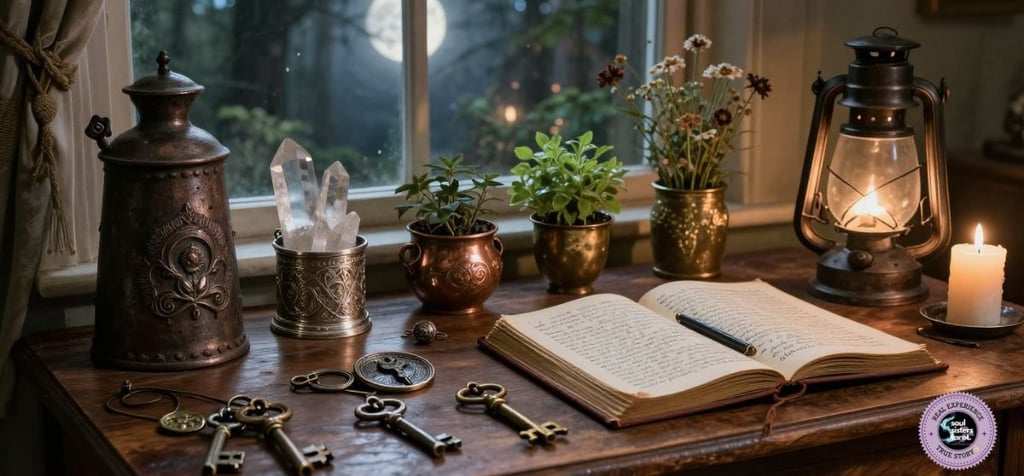
An iron key hangs beside the doorway. A silver pendant passed from one generation to the next. A copper bracelet worn every day.
These weren't simply useful objects. Across many cultures, they also carried symbolic meaning, representing qualities such as resilience, wisdom, protection, endurance, and the ability to stand firm during uncertain times. While the traditions themselves differed, they reveal something remarkably consistent about human nature: we often turn everyday objects into reminders of the values we want to live by.
Iron was strong enough to build tools, protect homes, and shape entire civilizations. Silver reflected light and became closely connected with the moon, intuition, and clarity. Copper was valued for its beauty, craftsmanship, and ability to conduct energy, making it a natural symbol of connection and balance in many traditions.
Although the stories surrounding these protective metals vary from one culture to another, they all point toward a similar idea. The objects themselves were never simply about the material they were made from. They became meaningful because people connected them with the values they hoped to carry into their own lives.
Today, protective metals appear in necklaces, rings, handcrafted amulets, altar pieces, heirlooms, meditation spaces, and meaningful gifts. Some people appreciate their historical symbolism, while others simply enjoy carrying an object that reminds them to stay grounded, trust themselves, or protect their personal boundaries.
In this guide, you'll discover the history of protective metals, the symbolism of iron, silver, and copper, how different cultures understood them, practical ways people use them today, and how to choose a meaningful metal for your own spiritual practice or personal reflection.
✨ At a Glance: The Symbolism of Protective Metals
If you're looking for a quick overview, here's what each of the most well-known protective metals traditionally represents:
Iron: Strength, resilience, healthy boundaries, and protection.
Silver: Intuition, emotional clarity, reflection, and wisdom.
Copper: Balance, creativity, connection, and vitality.
While these meanings vary between cultures and traditions, they all reflect the human tendency to use everyday materials as reminders of the qualities we hope to cultivate.
Why are iron, silver, and copper considered protective metals?
Iron, silver, and copper became associated with protection because they played important roles in everyday life long before they appeared in folklore or spiritual traditions. Iron built homes and tools, silver reflected light and became linked with the moon, and copper connected communities through craftsmanship and trade. Over time, these practical qualities evolved into symbols of resilience, clarity, and balance that continue to inspire people today.
🍃 Soul Sisters Reminder
A piece of metal becomes meaningful for the same reason any symbol does. Not because the material changes who we are, but because it quietly reminds us of the strength, resilience, and values we've chosen to carry with us every day.
⚒️ Why Metals Have Been Used for Protection Throughout History
Throughout history, metals such as iron, silver, and copper became symbols of strength, resilience, and protection because they played essential roles in everyday life. Long before they appeared in folklore or spiritual traditions, they helped people build homes, make tools, create jewelry, secure settlements, and pass valuable objects from one generation to the next.
Long before metals appeared in rituals or spiritual traditions, they were woven into everyday survival. Communities relied on metal tools to cultivate food, build shelter, protect their families, and create objects that could last for generations. Unlike wood or leather, many metals offered remarkable durability, making them natural symbols of reliability, endurance, and strength.
Across the ancient world, metals shaped everyday civilization. Copper was one of the first metals people learned to work with, giving rise to tools, ornaments, and trade networks. The arrival of iron transformed agriculture and construction by making stronger tools and weapons possible. Silver became highly valued not only for jewelry but also as a form of currency, helping societies exchange goods and preserve wealth. These practical roles helped each metal develop symbolic meanings that lasted long after their original purpose.
It's hardly surprising that people began to associate these materials with protection. When something repeatedly helps you feel safer, stronger, or more prepared for life's challenges, it often begins to carry meaning beyond its practical purpose.
This pattern can be found throughout history. The objects that supported everyday life gradually became symbols that reflected the values people admired most: resilience, stability, wisdom, craftsmanship, and the ability to endure difficult times.
🛡️ Protection Across Different Traditions
Although the details vary from one culture to another, many traditions developed remarkably similar ideas about protective metals.
Across Northern and Baltic Europe, iron was often placed near entrances, built into doorways, or shaped into horseshoes and keys that came to symbolize the safety of the home. In other parts of the world, silver became associated with clarity, purity, and the light of the moon, while copper was admired for its beauty, craftsmanship, and ability to connect people through practical tools and artistic expression.
In parts of Europe, iron keys were sometimes given to mark new beginnings or symbolize responsibility for a household. Silver often appeared in ceremonial objects and heirloom jewelry that represented continuity between generations. Copper became closely connected with skilled craftsmanship because it could be shaped into both practical tools and beautiful decorative objects.
These traditions didn't all develop in exactly the same way, nor did they share identical beliefs. What they shared was something much more universal: people naturally gave symbolic meaning to the materials that played important roles in their lives.
Understanding these traditions isn't about deciding which belief is "correct." It's about appreciating how different cultures found their own ways to express the human desire for protection, belonging, and resilience.
Because these traditions developed independently across different regions, the symbolism of a particular metal isn't identical everywhere. The same material may represent different values depending on the culture, historical period, or spiritual tradition being explored.
🌿 Symbolism Rather Than Superstition
Today, many people continue to wear or display meaningful metals, but often as symbols rather than objects believed to possess power on their own. A pendant, ring, key, or handcrafted amulet can serve as a daily reminder of the values a person wants to embody.
An iron pendant may represent resilience after a difficult chapter. A silver necklace might serve as a reminder to trust your intuition. A handcrafted copper bracelet can symbolize connection, creativity, or personal balance.
The meaning doesn't come from the metal acting on its own. It comes from the relationship we build with the story it represents.
In that sense, protective metals function much like photographs, wedding rings, or family heirlooms. Their greatest value often lies not in the material itself, but in the memories, intentions, and values we attach to them over time.
Why symbols still matter today
Modern psychology has long recognized that meaningful objects can influence habits, emotions, and decision-making by acting as visual reminders of personal values. A wedding ring, military medal, graduation certificate, or family heirloom often carries emotional significance far beyond the material itself.
Protective metals can serve a similar purpose. Whether someone wears an iron pendant to remember their resilience or keeps a silver charm nearby as a reminder to trust their intuition, the value lies in the intention and the meaning attached to the object.
🍃 Soul Sisters Insight
Throughout history, people rarely separated the practical from the symbolic. The same iron that protected a home could also come to represent strength. The same silver that reflected moonlight could become a reminder of clarity. Symbols often grow from everyday life, which may be one reason they continue to feel meaningful centuries later.
🛡️ The Shield and Light Ritual
What if a simple piece of metal could become a daily reminder of your strength?
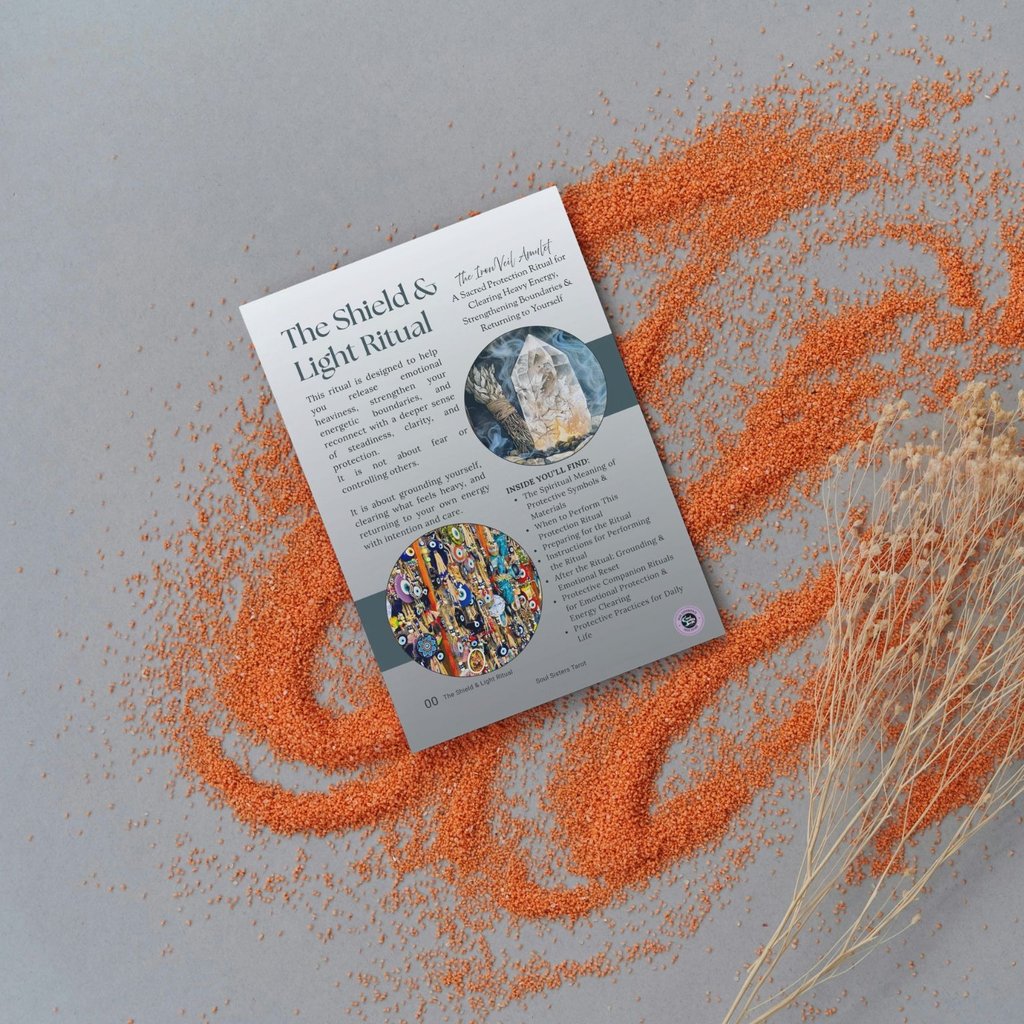
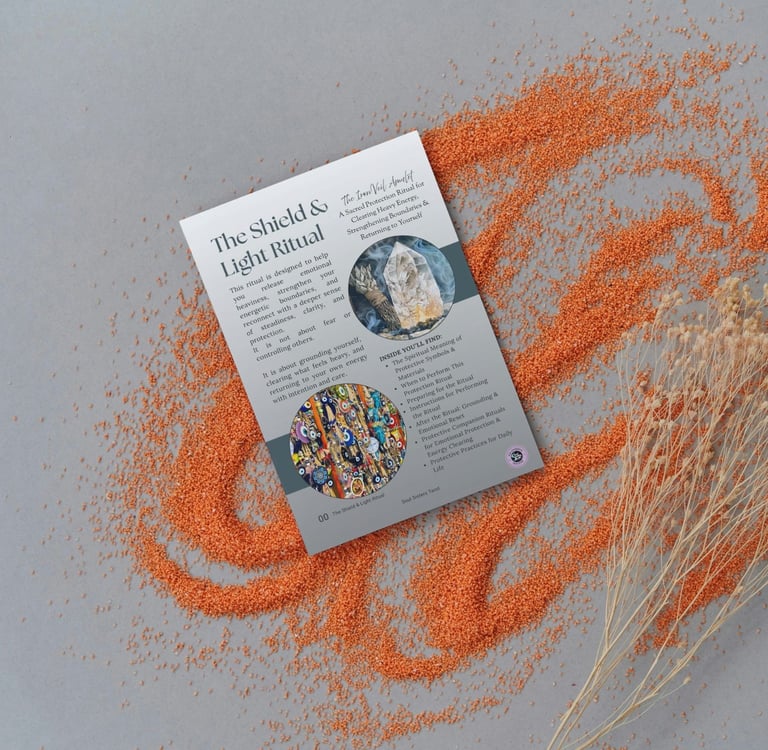
Throughout history, metals have become meaningful because of the stories people attached to them. The Shield & Light Ritual helps you continue that tradition by creating your own Iron Veil Amulet through a complete grounding ritual centered on intention, protective symbols, herbs, crystals, and meaningful materials.
🪙 Iron: A Symbol of Strength, Protection & Home
Among all protective metals, iron has one of the richest histories of symbolic protection. Across Europe and many other parts of the world, it has been associated with strength, resilience, safeguarding the home, and creating healthy boundaries. Much of this symbolism grew from iron's practical role in everyday life, making it one of history's most enduring protective materials.
Why Is Iron Considered Protective?
Iron became a symbol of protection because people relied on it to build tools, secure homes, forge keys, and create objects that helped communities thrive. Over time, its strength and durability inspired symbolic meanings of resilience, safety, and healthy boundaries across many cultures. Today, iron is often appreciated not for supernatural power, but as a reminder of inner strength, stability, and the ability to face life's challenges with confidence.
Long before iron became connected with folklore or spiritual traditions, it helped shape everyday life. It built tools that allowed people to cultivate the land, forge homes, secure doors, and create objects that could last for generations. Its remarkable strength made it essential for survival, so it's hardly surprising that many cultures gradually began to associate iron with protection, endurance, and resilience.
During the Iron Age, stronger tools transformed farming, construction, and everyday life across many regions. Because iron helped communities build, protect, and thrive, it gradually became associated with endurance, reliability, and the ability to withstand hardship.
Unlike symbols that emerged purely from stories or mythology, iron earned much of its symbolism through experience. It was a material people trusted because it had already proven itself in daily life.
Over time, those practical qualities became lasting spiritual metaphors.
🪙 Iron at a Glance
Traditional symbolism: Strength, resilience, protection, healthy boundaries, endurance
Often associated with: Horseshoes, keys, gates, doorways, blacksmithing
Common modern uses: Jewelry, symbolic amulets, home décor, grounding rituals
🔑 Iron in Folklore
Iron appears in countless folk traditions across Europe, including Nordic and Baltic cultures, where it was often connected with protecting homes, families, and important life transitions.
People placed horseshoes above doorways as symbols of good fortune and protection. Iron keys represented security, responsibility, and the safeguarding of a household. In some regions, iron nails were built into thresholds, while blacksmiths themselves were sometimes regarded as figures who worked at the meeting point between the ordinary and the mysterious because they transformed raw metal through fire into objects that protected everyday life.
In many folk traditions, iron also appeared during important life transitions. It might be placed near a cradle, carried during travel, or incorporated into the home as a symbolic reminder of safety and stability. While these customs differed between regions, they reflected a shared hope for protection during times of uncertainty.
Although the customs differed from one community to another, they shared a common thread. Iron wasn't respected because it was thought to possess unlimited power. It was respected because it represented strength, reliability, craftsmanship, and the ability to create safety in an uncertain world.
If you're interested in the broader symbolism behind protective traditions, you may also enjoy our guide to Protection Symbols: Meanings, Animals, Signs & Sacred Symbols.
🏡 Iron as a Symbol of Resilience
Today, iron appears in handcrafted jewelry, decorative keys, wall hooks, candle holders, amulets, and symbolic keepsakes. For many people, these objects represent resilience, emotional strength, and the commitment to protect what matters most.
That may be one reason iron continues to appear in meaningful jewelry, handcrafted amulets, symbolic home décor, and modern spiritual practices. Even when its practical role has changed, the qualities it represents remain timeless. Like the metal itself, strong boundaries are rarely forged overnight. They are shaped through repeated choices, consistent actions, and the quiet confidence to honour what feels right for you.
If you're interested in creating a home that feels calm, grounded, and emotionally supportive, you may also enjoy our guide to Why Does My Home Feel Heavy?, where we explore common causes of heavy-feeling spaces and simple practices that can help you reconnect with a greater sense of peace and balance.
🍃 Soul Sisters Insight
Perhaps the most beautiful thing about iron is that it never needed an extraordinary story to become extraordinary. Its symbolism grew because generation after generation experienced its strength in everyday life. Sometimes the symbols that endure the longest are the ones that were first trusted with the simplest tasks: protecting a home, building a tool, opening a door, or helping people create a safer future for those they loved.
🌙 Silver: Intuition, Reflection & Emotional Clarity
Throughout history, silver has been associated with intuition, reflection, emotional clarity, and protection. Across many cultures, its luminous appearance and close connection with moonlight inspired symbolism related to wisdom, calmness, purity, and inner awareness. Today, silver remains one of the most meaningful protective metals in jewelry, keepsakes, and spiritual practices.
Unlike iron, whose symbolism grew from strength and endurance, silver became admired for very different qualities.
Its cool, luminous surface catches and reflects light in a way that has fascinated people for thousands of years. Long before electricity illuminated the night, silver seemed to mirror the gentle glow of the moon, making it a natural symbol of reflection, intuition, mystery, and emotional awareness.
Silver also held practical importance throughout history. It was widely used in jewelry, ceremonial objects, coins, and family heirlooms, making it a metal that carried both material and symbolic value across generations.
Over time, many traditions began connecting silver with qualities that couldn't be measured by physical strength alone. Instead, it came to represent insight, calm thinking, honesty, and the ability to look beneath the surface before making important decisions.
Although these meanings vary across cultures, the connection between silver and thoughtful reflection has remained remarkably consistent throughout history.
🌙 Silver at a Glance
Traditional symbolism: Intuition, emotional clarity, reflection, wisdom, purity
Often associated with: The Moon, moonlight, mirrors, calm thinking, self-awareness
Common modern uses: Jewelry, keepsakes, ritual tools, moon rituals, meaningful gifts
Why Is Silver Associated with Intuition?
Silver has been associated with intuition because its bright, reflective surface has long reminded people of moonlight. Across many cultures, this connection inspired symbolism related to reflection, emotional awareness, wisdom, and calm decision-making. Today, many people wear silver jewelry or keep meaningful silver objects as reminders to trust their inner wisdom and approach life with greater clarity.
🌕 The Moon's Metal
Silver is often called the metal of the Moon, not because it possesses lunar energy in a literal sense, but because people have long associated its appearance with moonlight and the quiet atmosphere of the night.
In many traditions, the moon symbolizes intuition, cycles, dreams, emotional awareness, and the gentle reminder that life naturally moves through changing seasons. Silver gradually became a symbol of thoughtful reflection, encouraging people to pause, observe carefully, and trust that clarity often develops with time rather than urgency.
Although different cultures interpreted this relationship in their own ways, the recurring connection between silver and the moon appears across folklore, mythology, religious symbolism, and artistic traditions around the world.
Perhaps that's one reason silver continues to feel timeless. It encourages us to slow down, observe carefully, and trust that clarity often arrives through quiet reflection rather than rushing toward immediate answers.
If you're drawn to silver because of its connection with the moon, you may also enjoy exploring our Moon Phases & Rituals guides, where we explore the symbolism, traditions, and spiritual meaning of each phase of the lunar cycle in greater depth.
💍 Silver in Jewelry and Meaningful Objects
Silver has remained one of the world's most popular materials for jewelry for centuries. For many people, its value isn't only found in its beauty but also in what it represents. A silver pendant inherited from a loved one, a ring worn to mark a personal milestone, or a bracelet chosen during a new chapter in life can all become lasting reminders of clarity, resilience, and self-trust.
Like all symbolic objects, the meaning isn't created by the metal itself. It grows through the personal story we attach to it.
A piece of silver jewelry may become connected with an important milestone, a loved one, a promise you've made to yourself, or simply the intention to move through life with greater clarity and self-awareness.
🍃 Soul Sisters Insight
Silver reflects light, but perhaps its greatest symbolism is reflection itself. It gently reminds us that some of life's clearest answers don't arrive through force or urgency. They appear when we give ourselves the time and quiet space to truly listen.
🍃 Soul Sisters Folklore
“Growing up in Estonia, I often heard an old folk belief that young people should wear silver rather than gold. Silver was thought to symbolize purity, clarity, and a fresh beginning, making it especially suitable during the earlier stages of life. Gold, on the other hand, was sometimes seen as a metal that carries memories, experiences, and the emotional imprint of the years it has witnessed. According to this tradition, gold becomes more meaningful as we grow older and our own life story deepens.
Whether viewed as folklore or family tradition, I find the symbolism beautiful. It reminds us that the objects we choose to wear can reflect not only who we are today but also the person we're gradually becoming.” - Caitlin
📓 365 Psychological Journal Prompts
The clearest answers often appear during quiet moments of reflection.
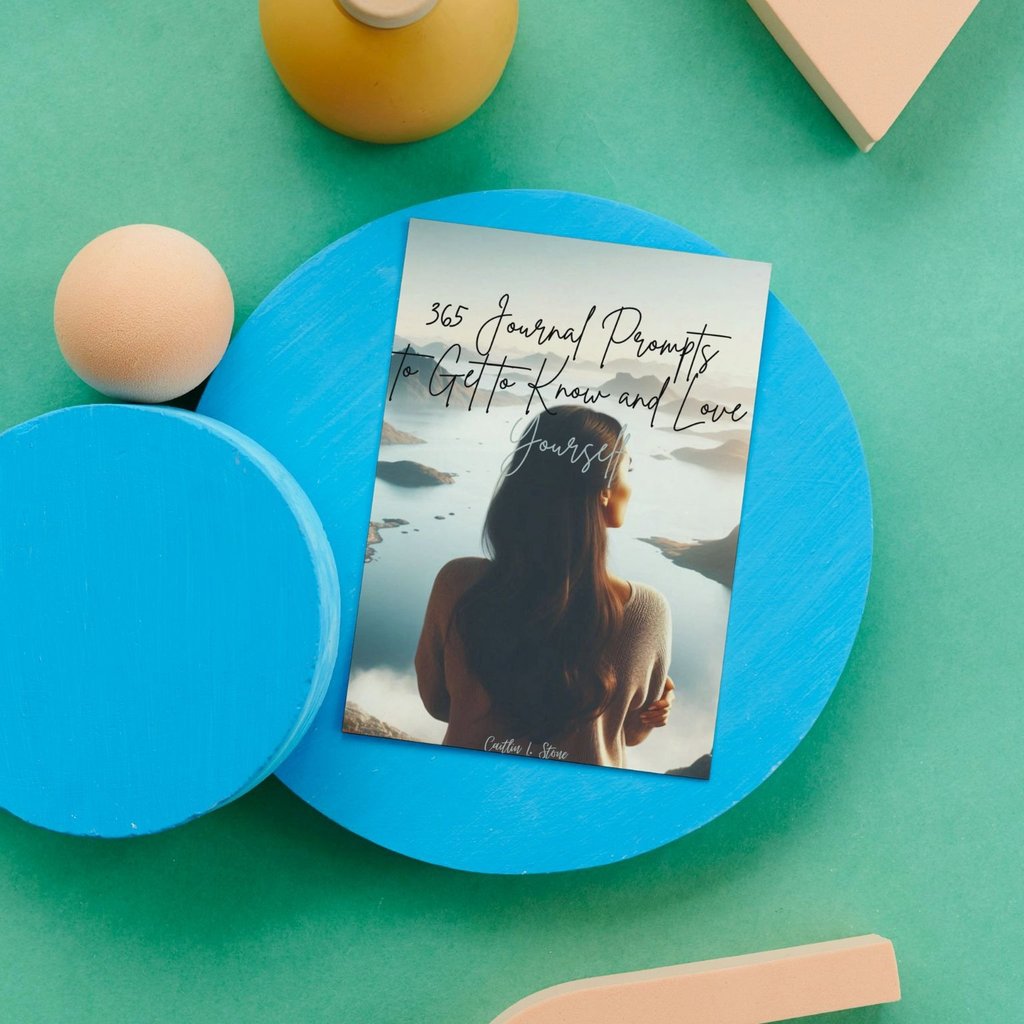
Silver has long symbolized intuition and self-awareness. If this section resonated with you, our 365 Journal Prompts offer a full year of thoughtful reflections to help you explore your emotions, strengthen your intuition, and better understand the person you're becoming.
🧡 Copper: Energy, Connection & Balance
Copper has long been associated with vitality, connection, creativity, and balance. Throughout history, it has been valued not only for its beauty and versatility but also for the way it connects people through craftsmanship, trade, and everyday life. Today, many people see copper as one of the protective metals that symbolizes harmony, personal growth, and the healthy flow of energy.
While iron represents strength and silver encourages reflection, copper tells a different story. It is a metal of movement, craftsmanship, and connection.
For thousands of years, copper helped shape daily life. It was used to create tools, cooking vessels, jewelry, decorative art, coins, and later became essential in plumbing and electrical systems. Because it was both practical and beautiful, copper became deeply woven into everyday communities and the lives of the people who used it.
Copper was one of the first metals widely used by humans, marking an important stage in the development of tools, art, and trade. Because it was both durable and easy to shape, it became part of everyday life across many ancient civilizations, contributing to its lasting symbolic connection with creativity, adaptability, and human progress.
Over time, these practical roles inspired symbolic meanings that continue today. Rather than representing force or endurance, copper came to symbolize the healthy exchange of ideas, creativity, relationships, and the balance that allows life to flourish.
🧡 Copper at a Glance
Traditional symbolism: Balance, creativity, connection, vitality, adaptability
Often associated with: Craftsmanship, trade, harmony, communication, personal growth
Common modern uses: Bracelets, jewelry, home décor, altar pieces, symbolic keepsakes
Why Is Copper Associated with Balance and Connection?
Copper has been associated with balance and connection because it has helped people create, trade, and communicate for thousands of years. Its practical role in craftsmanship and, later, electrical systems inspired symbolism related to creativity, harmony, adaptability, and the healthy exchange of energy and ideas. Today, many people use copper jewelry and keepsakes as reminders to stay connected to themselves, their relationships, and the values that guide them.
🏺 Copper in Ancient Traditions
Copper has been one of humanity's most important metals for thousands of years. Ancient civilizations valued it because it could be shaped into useful objects while also developing a distinctive warm patina as it aged. Unlike many materials that simply wear out, copper changes over time, reflecting the passing of years without losing its usefulness.
Many cultures admired this transformation. It became a reminder that growth often leaves visible marks and that change doesn't diminish our value. Instead, our experiences become part of the story we carry forward.
Although spiritual interpretations differ across traditions, copper is frequently connected with adaptability, creativity, renewal, and maintaining harmony through life's changing seasons.
As copper aged, it developed a natural green patina, transforming in appearance while remaining useful. For many people, this gradual change became a fitting symbol of personal growth, reminding us that life's experiences can reshape us without diminishing our value.
🤝 Copper as a Symbol of Connection
One of copper's most enduring symbolic meanings is connection. Throughout history, it has linked people through craftsmanship, trade, shared knowledge, and, in modern times, technology.
Long before modern technology, copper linked communities through trade, craftsmanship, and shared knowledge. In more recent centuries, it became one of the world's most important conductors of electricity, further strengthening its association with movement, communication, and connection.
For many people today, copper represents more than a physical connection. It symbolizes staying connected to yourself, to the people you love, to your values, and to the life you're intentionally creating. In that sense, copper reminds us that protection isn't only about building boundaries. It's also about nurturing the relationships and practices that help us feel supported and balanced.
🍃 Soul Sisters Insight
Copper teaches us that strength isn't only found in standing firm. Sometimes it's found in staying connected. Connected to your values, your creativity, your community, and the quiet habits that help you return to yourself, even during life's busiest seasons.
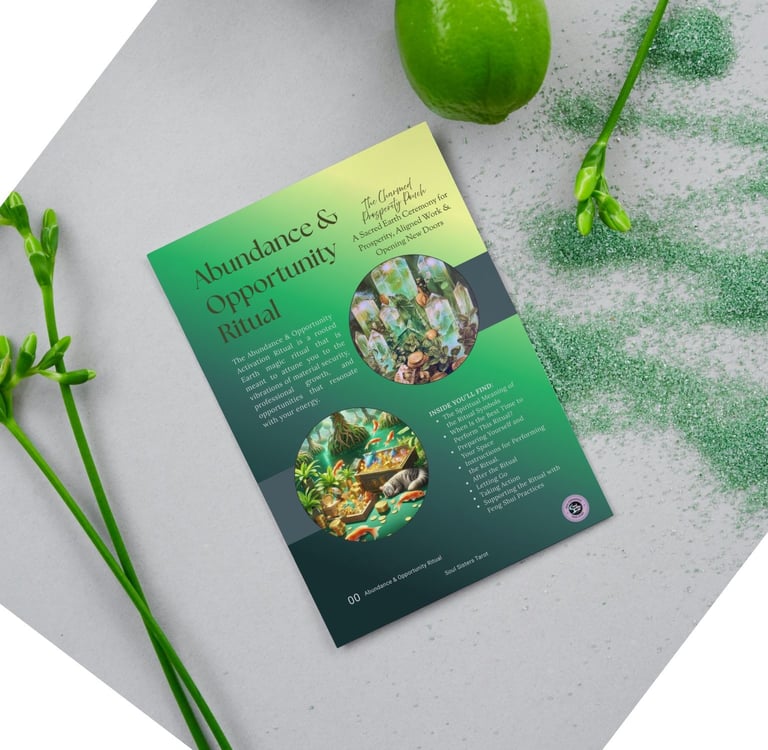
🍀 Abundance & Opportunity Ritual
Connection isn't only about relationships. It's also about staying open to new opportunities.
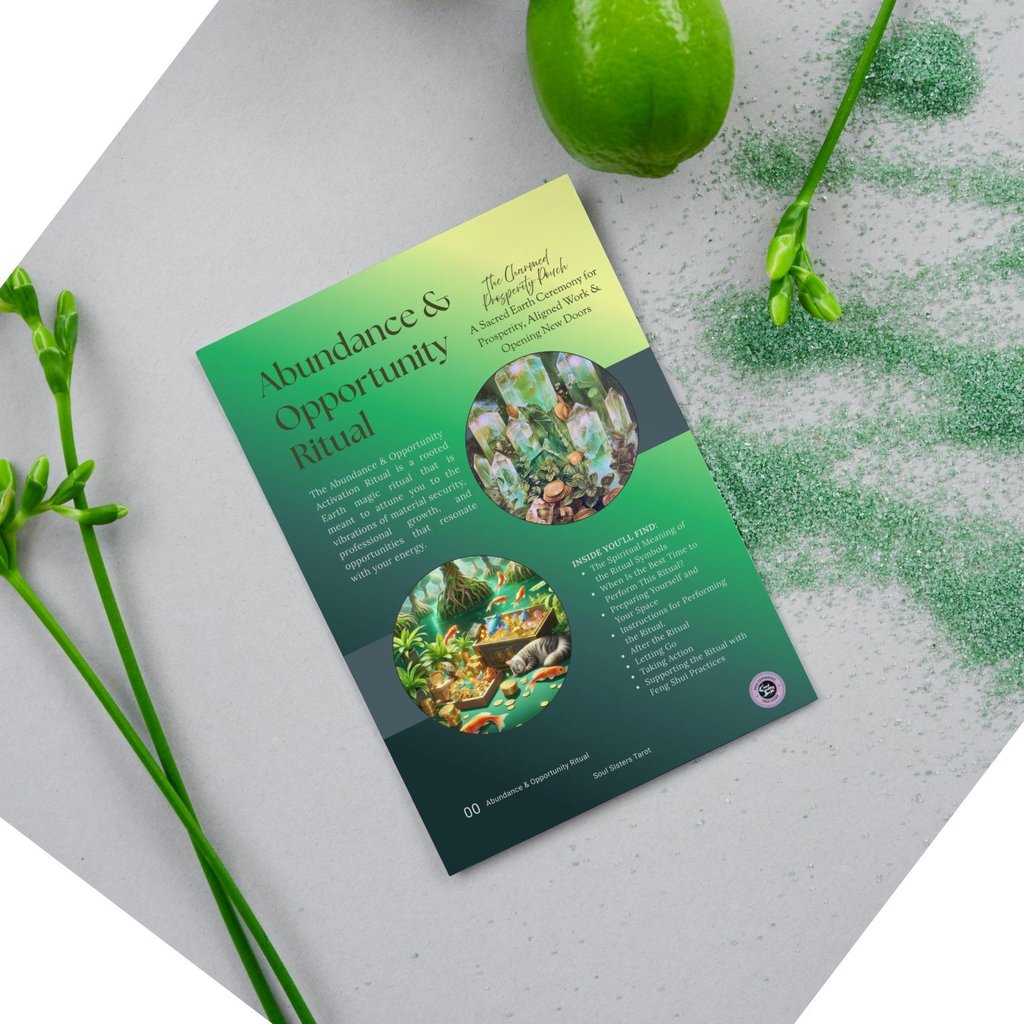
Copper has long symbolized balance, creativity, and connection. If you're ready to extend that intention toward your goals, the Abundance & Opportunity Ritual offers a grounded practice for releasing limiting beliefs and creating space for growth, confidence, and new possibilities.
🪨 Metallic Stones and Grounding
While metals such as iron, silver, and copper have long been valued for their symbolism, some naturally occurring stones with metallic properties have also become associated with grounding, resilience, and personal strength. Today, many people include them in meditation, journaling, or symbolic rituals as reminders to stay balanced and connected to the present moment.
Not every grounding tool is made entirely of metal. Some of the most well-known stones used in spiritual practices contain metallic elements or have a naturally metallic appearance. Their distinctive look has inspired symbolism connected with stability, protection, confidence, and resilience for generations.
Like the metals explored throughout this guide, these stones are best understood as meaningful symbols rather than magical shortcuts. Many people appreciate them because they encourage moments of reflection and help reinforce the intentions they bring to their spiritual practice.
Each stone has developed its own symbolism over time, often inspired by its appearance, natural properties, or the role it has played in history.
🪨 Metallic Stones at a Glance
Common symbolism: Grounding, stability, focus, resilience, confidence
Includes: Hematite, pyrite, magnetite, and other stones with metallic properties
Common modern uses: Meditation, symbolic rituals, desk décor, pocket stones, meaningful keepsakes
Why Are Metallic Stones Associated with Grounding?
Metallic stones such as hematite, pyrite, and magnetite are often associated with grounding because of their weight, metallic appearance, and long-standing symbolic connections with stability, confidence, and focus. While each stone carries its own traditional meaning, many people use them today as reminders to stay present, build resilience, and approach life's challenges with greater intention.
⚫ Hematite
Hematite is one of the best-known grounding stones and is admired for its smooth, metallic appearance and high iron content. Its name comes from the Greek word haima, meaning "blood," because the stone produces a reddish powder when scratched. This distinctive characteristic has contributed to its symbolism of strength, resilience, and connection to the earth throughout history.
Because of its strong connection to iron, many people associate hematite with stability, resilience, and feeling firmly rooted during times of uncertainty. It is often included in meditation spaces, carried as a pocket stone, or placed on a desk as a reminder to stay calm and focused.
🪬 Soul Sisters Reflection
Grounding doesn't mean standing still forever. It means creating a strong enough foundation that you can keep moving forward without losing yourself.
✨ Pyrite
Often called "Fool's Gold" because of its golden metallic shine, pyrite has long attracted attention for its striking appearance. Despite its nickname, pyrite was historically valued for far more than its appearance. Its bright metallic surface and durability helped it become a symbol of confidence, resourcefulness, and the recognition of the value that already exists within us.
Today, many people associate pyrite with confidence, motivation, abundance, and protection of the energy they invest in their goals. Rather than representing effortless success, it can serve as a reminder to value your skills, trust your abilities, and continue building toward your aspirations.
🪬 Soul Sisters Reflection
Lasting abundance isn't only about attracting opportunities. It's also about recognising your own value and having the confidence to act when those opportunities appear.
🧲 Magnetite
Magnetite is a naturally magnetic mineral that has fascinated people for centuries because of its unique ability to attract iron.
Its unusual properties have inspired symbolic associations with attraction, connection, focus, and finding direction. Because magnetite naturally attracts iron, it has fascinated people for centuries and inspired symbolism related to direction, purpose, and being drawn toward what truly matters.
While different traditions interpret its meaning in different ways, many people appreciate magnetite as a reminder to stay connected to what truly matters instead of becoming distracted by every new demand on their attention.
🪬 Soul Sisters Reflection
Just as a magnet is drawn toward certain materials, your attention is constantly pulled in different directions. Choosing where you invest your energy is one of the most meaningful forms of protection you can practice.
If you're interested in creating daily practices that help you feel more grounded and emotionally balanced, you may also enjoy our guide to How to Protect Your Energy Without Becoming Emotionally Closed Off, where we explore simple ways to strengthen your boundaries while remaining open, compassionate, and connected.
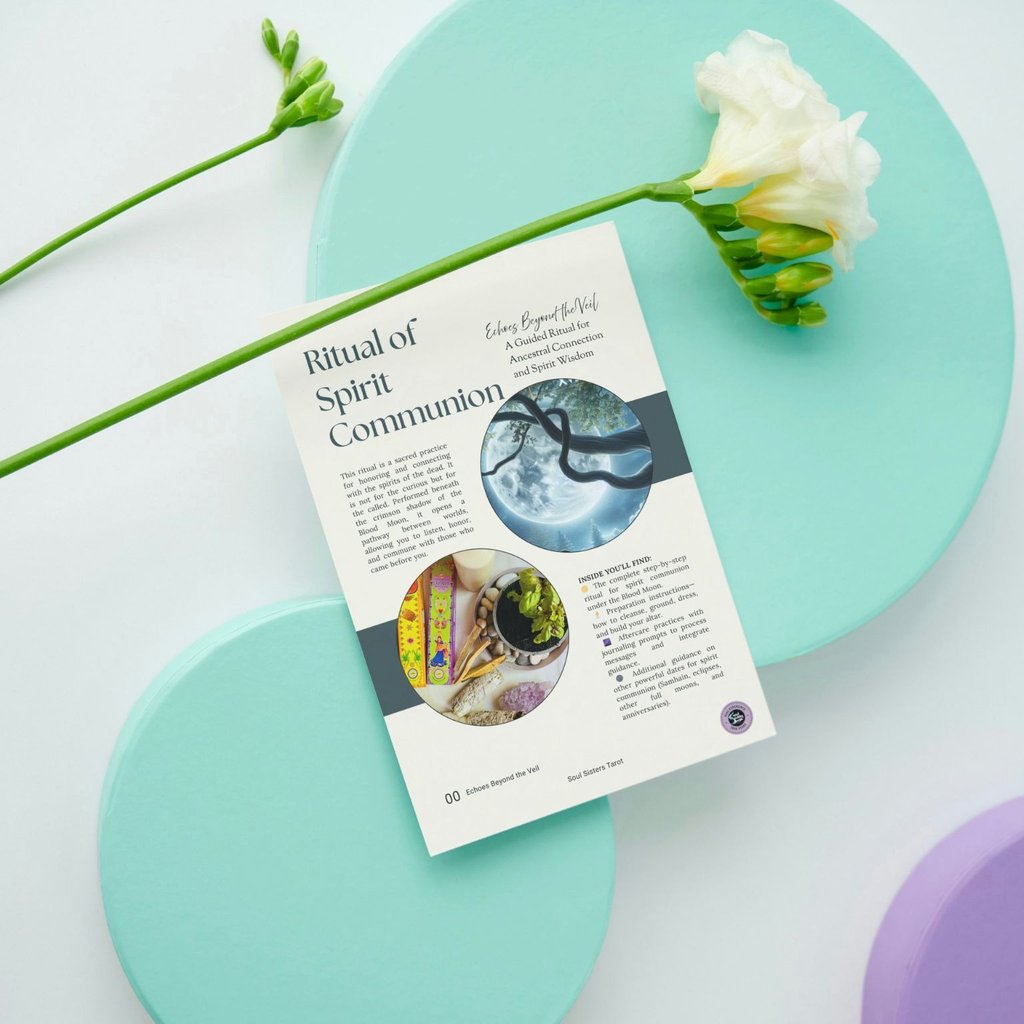
🕊️ Ritual of Spirit Communion
Some of the oldest spiritual teachers have always been found in nature.
From metals formed deep within the earth to stones shaped over millions of years, this guide reminds us that nature has always inspired spiritual symbolism. The Ritual of Spirit Communion invites you to slow down, reconnect with the natural world, and create meaningful moments of reflection through a gentle guided ritual.
Although hematite, pyrite, and magnetite are often grouped together because of their metallic qualities, each tells a different story. One reminds us to stay grounded, another encourages confidence, and another symbolizes focus and direction. Together, they show that protection isn't just about shielding ourselves. It's also about building the inner qualities that help us move through life with resilience and purpose.
🍃 Soul Sisters Insight
Whether formed deep within the earth or shaped by skilled hands, metals and metallic stones share something in common. They remind us that strength isn't always loud or dramatic. Often, it's built slowly through resilience, stability, and the quiet confidence to remain true to ourselves even when life feels uncertain.
✨ How People Use Protective Metals Today
Today, many people incorporate protective metals into everyday life through jewelry, meaningful keepsakes, home décor, handcrafted amulets, and personal rituals. Rather than believing the metal itself creates protection, people often use these objects as daily reminders of resilience, intention, and the values people hope to carry with them.
Although our lives look very different from those of the people who first forged iron tools or crafted silver jewelry, the human desire for meaningful symbols hasn't changed.
Today, protective metals appear in everyday life in many simple ways. Some people wear them as jewelry, others display them in their homes, include them in personal rituals, or keep them as reminders of important values or life experiences. Although the traditions vary, the common thread is that these objects encourage intention, reflection, and a deeper connection to the qualities they represent.
There is no single "correct" way to use protective metals. What matters most is choosing objects that genuinely reflect your intentions and become part of your everyday life in a meaningful way.
✨ Using Protective Metals Today at a Glance
Popular ways to use them: Jewelry, home décor, ritual tools, personal talismans
Common intentions: Resilience, healthy boundaries, emotional clarity, balance, connection
Remember: The meaning comes from your intention and the story you attach to the object, not from the metal itself.
How Do People Use Protective Metals Today?
Many people use protective metals as meaningful reminders rather than objects believed to hold power on their own. Iron, silver, and copper often appear in jewelry, home décor, ritual tools, and personal keepsakes that represent qualities such as resilience, intuition, balance, and healthy boundaries. Their value comes from the intention and personal meaning people attach to them.
💍 Jewelry
Jewelry remains one of the most popular ways people carry symbolic metals. An iron pendant may represent resilience; a silver necklace can remind someone to trust their intuition, while a copper bracelet might symbolize balance, creativity, or staying connected to what matters most.
Some people choose to wear the same piece every day, while others reach for a particular necklace, ring, or bracelet during times when they want a tangible reminder of courage, clarity, or emotional balance.
Over time, these pieces often become meaningful not because of the metal alone, but because they become part of the stories we live. A necklace worn through a difficult season, a ring received from someone we love, or a handcrafted bracelet made during a personal milestone can carry memories that deepen its significance far beyond its material value.
🪬 Soul Sisters Reflection
Sometimes the most meaningful piece of jewelry isn't the most expensive one. It's the one that quietly reminds you of the person you're becoming.
🏡 Home Symbols
Protective metals also appear in many homes, both through tradition and personal symbolism.
A decorative horseshoe above a doorway, an old iron key displayed on a shelf, a handcrafted copper ornament, or a treasured silver keepsake can all become reminders of safety, belonging, resilience, or family history.
Rather than filling every room with symbolic objects, many people choose one meaningful piece for an entryway, a bedside table, a meditation space, or a favourite reading corner. A single object that regularly catches your attention can become a gentle reminder of the atmosphere you want to create within your home.
Rather than filling a home with symbolic objects, many people choose one or two pieces that genuinely resonate with them. These objects often become part of the atmosphere they wish to create, encouraging feelings of warmth, stability, and peace each time they are noticed.
🪬 Soul Sisters Reflection
The objects we keep in our homes quietly tell the story of what we value. Choosing them with intention can help create a space that feels comforting, personal, and deeply meaningful.
🕯️ Ritual Tools
Many spiritual traditions include metals as part of ritual practices. A silver bowl may hold water during a moon ritual. An iron key might become a symbol of opening new chapters in life. Copper can appear in handcrafted altar pieces, candle holders, or meaningful ritual objects that support moments of reflection.
Some people also dedicate a small tray or wooden box to meaningful ritual objects, gathering metals, crystals, written intentions, or family keepsakes in one place that encourages quiet moments of reflection.
These items aren't valuable because they perform extraordinary actions. Their significance comes from the role they play in helping us slow down, focus our attention, and create rituals that feel personal and intentional.
If you're preparing a meaningful ritual space, our guide on How to Cleanse Your Space Before a Ritual explores simple ways to create an environment that supports presence, reflection, and intention.
🪬 Soul Sisters Reflection
Ritual tools don't need to be rare or elaborate. Even the simplest object can become meaningful when it's chosen with care and used with intention.
🪬 Personal Talismans
Throughout history, people have carried small personal objects that reminded them of something important. Today, that tradition continues in many different forms.
Some people carry an old key inherited from a grandparent. Others wear a small pendant, keep a meaningful coin in their wallet, or create a handcrafted amulet that represents a promise they've made to themselves.
Others keep a small iron nail from a family workshop, a silver coin collected during meaningful travels, or a handcrafted copper charm created during an important turning point in life. These ordinary objects become meaningful because they tell a personal story that no one else can recreate.
What gives these objects lasting value isn't the metal they're made from. It's the meaning they gather through the life that's lived alongside them.
🪬 Soul Sisters Reflection
A personal talisman doesn't have to change your life. Sometimes it's enough that it reminds you, again and again, of the life you're choosing to create.
Whether displayed on a shelf, worn every day, or carried quietly in a pocket, symbolic metals remind us that the smallest objects often become the most meaningful. Over time, they collect memories, mark important moments, and gently encourage us to return to the qualities we hope to strengthen within ourselves.
Ready to create a meaningful object of your own? In the next section, we'll explore how to turn an everyday metal keepsake into a simple personal protection amulet through intention and reflection.
🍃 Soul Sisters Insight
Throughout history, metals have moved from workshops into homes, from practical tools into treasured keepsakes, and from everyday objects into symbols that carry deeply personal meaning. Perhaps that's why they continue to resonate today. They remind us that even ordinary materials can become extraordinary when they're connected to our stories, values, and intentions.
🪬 Creating a Simple Personal Protection Amulet
A personal protection amulet doesn't need to be expensive or made from rare materials. Many people create meaningful amulets by choosing a symbolic object, setting a personal intention, and carrying it as a gentle reminder of the values, boundaries, and resilience they want to strengthen in everyday life.
Throughout history, people have carried small symbolic objects for many different reasons. Some were gifts from loved ones. Others marked important life events, represented family traditions, or simply reminded someone of a promise they had made to themselves.
Whether the object was made from iron, silver, copper, or another meaningful material, its greatest value often came from the story it represented rather than the material itself.
Today, creating a personal amulet can become a simple, reflective practice that encourages you to pause, think about what you need most right now, and choose a symbol that supports that intention.
🪬 Creating a Personal Amulet at a Glance
Step 1: Choose a meaningful object.
Step 2: Decide what you want it to represent.
Step 3: Carry or display it as a daily reminder of your intention.
Remember: The meaning comes from your personal story and intention, not from the material alone.
How Do You Create a Personal Protection Amulet?
Creating a personal protection amulet begins with choosing an object that feels meaningful to you, such as an iron key, a silver pendant, or a copper charm. Rather than believing the object has power on its own, many people use it as a reminder of the qualities they want to strengthen, such as resilience, healthy boundaries, intuition, or balance. A simple intention can transform an everyday object into a lasting personal symbol.
🪙 Choosing a Meaningful Symbol
The most meaningful amulets are usually the simplest ones. You don't need to buy something new. Many people find that an object already connected to their life, such as a family keepsake, an old key, a favourite piece of jewelry, or a handmade charm, naturally carries more meaning than something chosen simply because it is said to be lucky.
You might choose an old iron key that reminds you of new beginnings, a silver pendant connected to intuition and self-trust, a copper charm that represents balance, or another small object that holds personal significance.
The goal isn't to find the "most powerful" metal. The goal is to choose something that genuinely reflects the qualities you hope to cultivate in your life. Sometimes the strongest symbol is the one that already has a story. An inherited keepsake, a handmade charm, or even an ordinary object connected to an important memory can become far more meaningful than something chosen simply because it was said to bring good luck.
🌿 Setting an Intention
Before carrying your amulet, take a quiet moment to reflect on what you want it to represent.
Perhaps you're entering a new chapter and want a reminder to trust yourself more. Maybe you're working on stronger boundaries, finding greater emotional balance, or approaching a challenge that calls for courage and resilience.
Some people like to write their intention in a journal, hold the object while taking a few slow breaths, or simply spend a moment reflecting before carrying it with them. Some people also choose a single word, such as strength, clarity, peace, or courage, and return to that word each time they notice or hold their amulet. Over time, this simple practice can reinforce the values they want to bring into everyday life.
There is no perfect wording. The intention only needs to feel honest and meaningful to you.
💛 Carrying It as a Daily Reminder
Once you've chosen your amulet, allow it to become part of your everyday life. You might wear it as jewelry, keep it in a pocket or bag, place it on your desk, or include it in a small ritual space at home. Over time, the object becomes more than a piece of metal. It becomes a quiet pause in your day.
Each time you notice it, you're reminded of the values you've chosen to strengthen, the boundaries you're learning to protect, or the kind of person you're becoming. That's often where its greatest meaning is found.
That pause doesn't need to last more than a few seconds. A brief moment to take a breath, remember your intention, and reconnect with your values is often enough to bring your attention back to the present.
If you'd like to turn this simple practice into a more immersive experience, you may also enjoy our guide to Protection Ritual: A Grounded Practice for Clearing Heavy Energy, where we explore how symbolic objects, grounding practices, and personal intention can come together in a meaningful protection ritual.
🍃 Soul Sisters Insight
The most meaningful amulets aren't remembered because they were rare or valuable. They're remembered because they quietly accompanied someone through important moments in life. As the years pass, the object gathers something no metal can be forged with: your own experiences, resilience, memories, and personal story. In many ways, that quiet accumulation of meaning is what transforms an ordinary keepsake into something truly irreplaceable.
🛡️ The Shield and Light Ritual
Ready to create an amulet with your own story and intention?
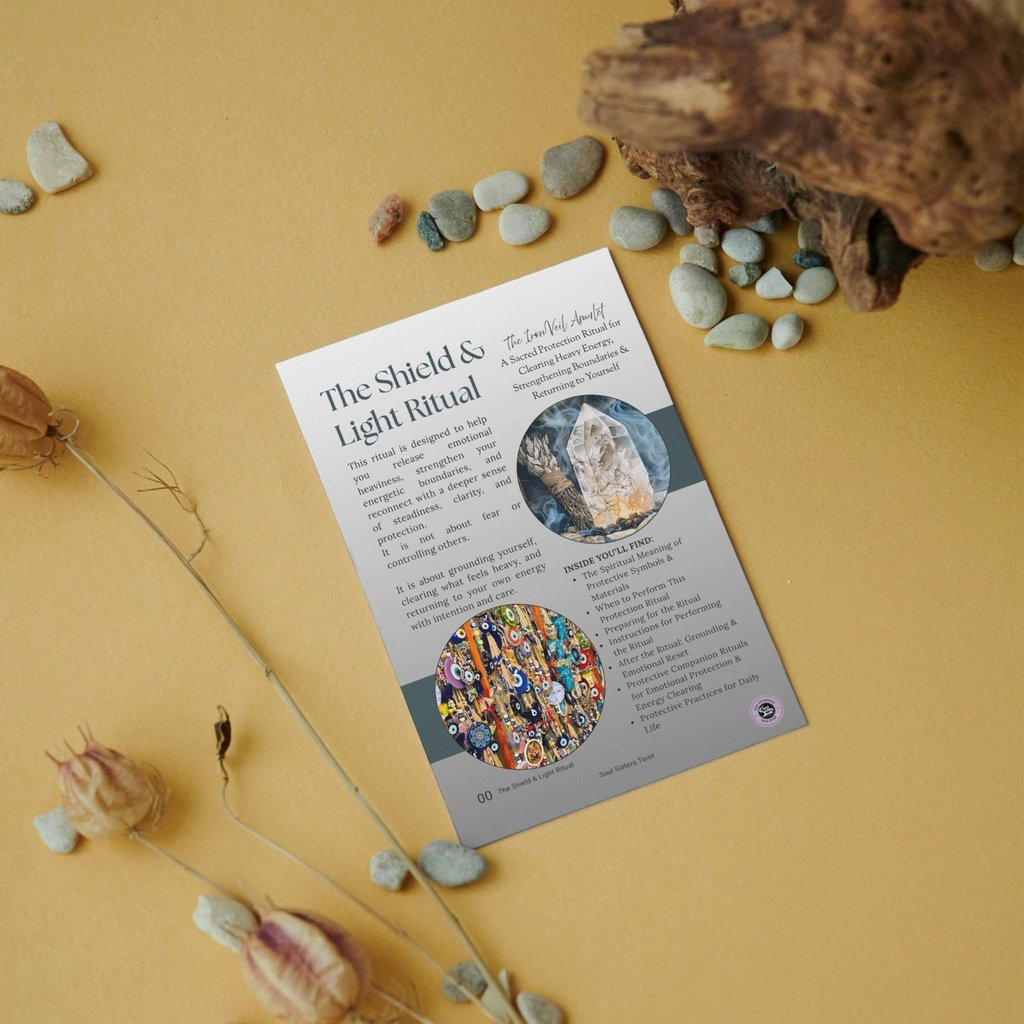
If you'd like step-by-step guidance, The Shield & Light Ritual leads you through the complete creation of your own Iron Veil Amulet while exploring the symbolism of protective metals, herbs, crystals, sacred symbols, and grounding practices that you can return to again and again.
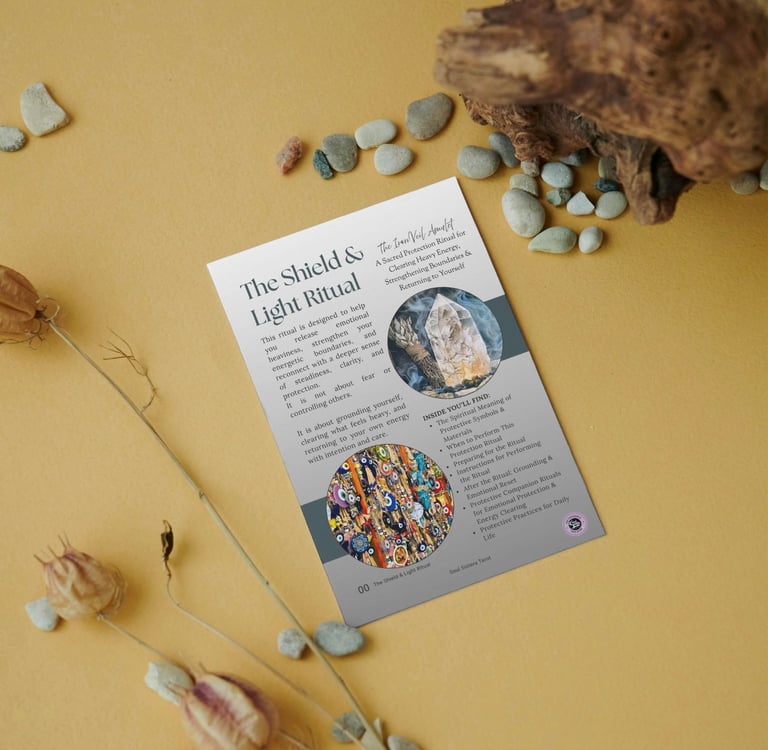
🪬 A Guided Ritual for Grounding and Symbolic Protection
Throughout this guide, we've explored how protective metals have inspired symbolism across cultures for centuries. Iron became associated with resilience and protection, silver with reflection and intuition, and copper with balance, creativity, and connection.
Perhaps the most important lesson they share is this: A meaningful object doesn't become powerful because of the material it's made from. It becomes meaningful because of the intention, memories, and personal story we choose to give it.
That idea sits at the heart of The Shield & Light Ritual.
This immersive 33-page digital guide takes the symbolism you've explored throughout this article and weaves it into a complete protection and grounding ritual centered around creating your own Iron Veil Amulet. Rather than focusing on fear or superstition, the ritual encourages you to strengthen your boundaries, reconnect with your own energy, and create a symbolic object that continues to support you long after the ritual has ended.
Whether you're feeling emotionally drained, navigating a difficult season, or simply longing to feel more grounded and connected to yourself, the ritual offers a gentle way to release emotional heaviness and return to a place of clarity, resilience, and inner peace.
You don't need to wait until life feels overwhelming to create a ritual like this. Many people use grounding rituals during times of change, before starting a new chapter, after emotionally demanding periods, or simply as a way to reconnect with themselves before stress begins to build.
What Is the Shield & Light Ritual?
The Shield & Light Ritual is a 33-page guided digital ritual designed to help you create a personal Iron Veil Amulet while exploring the symbolism of protective metals, herbs, crystals, and sacred symbols. Rather than focusing on fear or superstition, it encourages grounding, healthy boundaries, and intentional daily practices that support emotional wellbeing.
🪬 Inside The Shield & Light Ritual, You'll Discover Practical Ways to:
✓ A complete guided protection and grounding ritual from beginning to end.
✓ Step-by-step guidance for creating your own personalized Iron Veil Amulet.
✓ The symbolism of protective metals, herbs, crystals, sacred symbols, and ritual tools.
✓ Practical ways to use, carry, place, and reconnect with your amulet over time.
✓ Four additional boundary and protection rituals for real-life situations.
✓ Five everyday protection practices that help you carry the ritual's intention into daily life.
✓ A beautifully designed 33-page digital PDF suitable for both beginners and experienced practitioners.
Every ritual inside the guide is designed to be approachable, beginner-friendly, and easy to adapt to your own beliefs, helping you create a practice that feels personal rather than prescriptive.
🍃 Soul Sisters Insight
Throughout history, people have carried symbolic objects through moments of change, uncertainty, celebration, and growth. Their greatest value has never come from the material alone, but from the meaning they gather over time.
The Iron Veil Amulet is created in exactly the same spirit. Not as something that holds power on its own, but as a personal reminder of the boundaries you're strengthening, the peace you're protecting, and the life you're intentionally creating. Like every meaningful keepsake, its value grows with the moments you live alongside it, quietly reminding you of the strength, peace, and resilience you've chosen to cultivate.
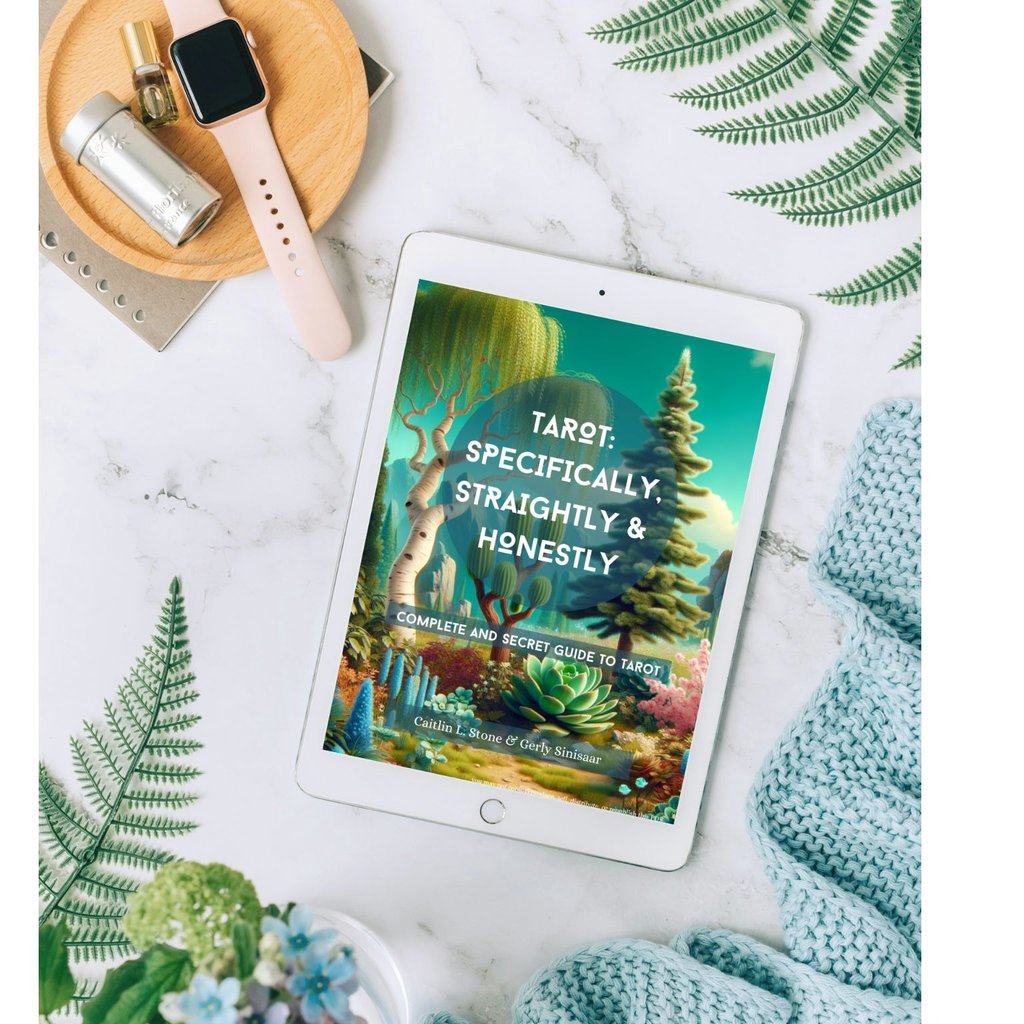
🦉 Tarot eBook: Complete & Secret Guide to Tarot
Symbols have always helped people understand themselves. Tarot does the same.
Just as protective metals carry stories and symbolism, every tarot card reflects timeless human experiences. If you're curious about working with symbolism in a more personal way, the Spiritual Forest Tarot eBook introduces the meanings of the cards through a grounded, beginner-friendly approach focused on self-awareness and reflection.
🪙 The Meaning We Give Metals Lasts Longer Than the Metal Itself
Learning about protective metals isn't really about deciding whether iron is stronger than silver or whether copper is more meaningful than gold. It's about discovering how ordinary materials became extraordinary through the stories people told, the lives they lived, and the values they hoped to preserve.
Across centuries and cultures, metals have been shaped into tools, keys, jewelry, household objects, ritual items, and family keepsakes. Some represented protection, others wisdom, resilience, connection, or new beginnings. Although their meanings differed from one culture to another, they all reflected something deeply human: our desire to surround ourselves with symbols that remind us of the values, relationships, and hopes we want to carry through life.
Perhaps that's why these symbols continue to resonate today. A piece of iron can remind us to build stronger boundaries. A silver pendant may encourage us to slow down and trust our intuition. A copper bracelet can become a quiet reminder to stay connected to ourselves and the people who matter most.
The metal itself doesn't create those qualities. Instead, it quietly reminds us to practice them through the choices we make, the boundaries we set, and the way we show up for ourselves and the people we care about.
If you're ready to create your own meaningful practice, Protection Ritual: A Grounded Practice for Clearing Heavy Energy offers a gentle step-by-step approach to grounding, intention, and symbolic protection.
You may also enjoy our guide to Protection Symbols: Meanings, Animals, Signs & Sacred Symbols, where we explore the stories behind many of the symbols that have inspired protection across generations.
If you're curious about creating meaningful rituals that support intention, grounding, and personal growth, you'll also find practical inspiration throughout our Manifestation & Energy Work guides.
And if you're looking for thoughtfully designed ritual guides, journals, tarot resources, and spiritual tools to support your journey, visit Sisters Creation, where every resource is created with the same grounded philosophy you've explored throughout this guide.
🍃 Soul Sisters Insight
Iron becomes weathered. Silver gathers tiny scratches. Copper slowly develops a rich patina. None of these changes diminish their beauty. They become part of their story. Perhaps people are much the same. Our experiences leave their marks, but they also shape our resilience, deepen our wisdom, and remind us that a meaningful life isn't one that remains untouched. It's one that grows stronger and more beautiful through everything it has lived.
The marks we gather aren't always signs of damage. Sometimes they're evidence of a life fully lived.
Whether you choose iron, silver, copper, or another meaningful metal, the most powerful symbol will always be the one that reflects your own journey. The stories we carry give ordinary objects their lasting meaning, and perhaps that's why they continue to inspire us generation after generation.
With love,
Caitlin & Gerly,
Soul Sisters Tarot
❓FAQ: Protective Metals
Which metal symbolizes protection?
Iron is one of the metals most commonly associated with protection. Across European, Baltic, and Nordic traditions, it symbolized strength, resilience, and safeguarding the home because of its practical role in building tools, securing doors, and protecting communities.
Other metals carry different symbolic meanings. Silver is often associated with intuition and emotional clarity, while copper represents balance, creativity, and connection. Rather than asking which metal is "most powerful," many people choose the one whose symbolism best reflects the qualities they want to strengthen.
Why is iron associated with protection?
Iron became associated with protection because it helped people build homes, forge tools, secure gates and doors, and create objects that supported everyday life. Its strength and durability naturally made it a symbol of resilience, safety, and healthy boundaries long before it appeared in folklore or spiritual traditions.
Over time, these practical experiences inspired many folk traditions, where horseshoes, keys, gates, thresholds, and other iron objects became symbolic reminders of security, resilience, and protection.
Does silver have a spiritual meaning?
Yes. Across many traditions, silver symbolizes intuition, reflection, emotional clarity, and the gentle wisdom associated with the moon. Its bright, reflective surface has inspired these meanings for centuries. Its bright, reflective surface inspired people to connect it with calmness, wisdom, and thoughtful decision-making. Today, many people continue to wear silver jewelry as a personal reminder to slow down, trust their inner wisdom, and approach life with greater awareness.
Although interpretations vary between traditions, silver remains one of the world's most enduring symbolic metals.
Can I wear protective metals every day?
Yes. Many people wear iron, silver, or copper every day as rings, bracelets, necklaces, or small pendants. Rather than believing the metal itself provides protection, they often see it as a reminder of personal qualities such as resilience, intuition, balance, or healthy boundaries.
Are protective metals connected to specific cultures?
Yes. Protective metals appear in cultures around the world, although their meanings vary. Iron is closely connected with European folklore, silver appears in many lunar traditions, and copper has been valued across ancient civilizations for its role in craftsmanship, trade, and everyday life. Learning about these traditions helps us appreciate both their historical roots and their cultural diversity.
Can I combine metals with crystals?
Yes. Many people enjoy combining symbolic metals with crystals, herbs, or other meaningful objects as part of personal rituals or meditation spaces. There are no universal rules. The most meaningful combinations are usually the ones that reflect your own intentions while respecting the traditions that inspire them.
Do protective metals have to be expensive?
Not at all. A simple iron key, a copper bracelet, or a small silver charm can become deeply meaningful because of the memories, intentions, and experiences connected to it. In many cases, the most treasured symbolic objects are the ones that have quietly accompanied us through important moments in life rather than the ones with the highest price tag.
How do I choose a protective metal?
Instead of asking which metal is considered the most powerful, ask yourself a different question: "What quality do I want this object to remind me of?" If you're looking for resilience and strength, you may feel drawn to iron. If you're seeking greater reflection or emotional clarity, silver may resonate more deeply. If you're focusing on balance, creativity, or connection, copper might feel like a natural choice.
The best symbolic metal isn't necessarily the rarest or the most valuable. It's the one whose symbolism continues to remind you of the person you want to become.
Is gold considered a protective metal?
Gold is associated with many symbolic qualities, including wisdom, abundance, generosity, and success. Although it isn't traditionally regarded as a protective metal in the same way as iron, many cultures have valued gold as a symbol of lasting strength, honour, and spiritual significance. The meaning ultimately depends on the tradition and the intention behind its use.
Which protective metal should I choose?
There is no universally "best" protective metal. Iron is often chosen to symbolize resilience and healthy boundaries, silver for intuition and emotional clarity, and copper for balance and connection. The most meaningful choice is usually the one whose symbolism reflects your current journey or personal intentions.
Are protective metals believed to have magical powers?
Protective metals have been part of folklore and spiritual traditions for centuries, but their meanings differ widely between cultures. Many people today view them as symbolic reminders of qualities such as resilience, intuition, and balance rather than objects with guaranteed supernatural powers. Their greatest value often comes from the intention and personal meaning attached to them.
🍃 Soul Sisters Insight
Throughout history, people have given meaning to ordinary materials because they reflected extraordinary human qualities. Iron reminds us of resilience. Silver invites reflection. Copper encourages connection. The question isn't which metal holds the most power. It's the story you want to carry with you every day.
Soul Sisters Tarot
A Soft Place to Grow.
💌 SOUL SISTERS WEEKLY
A thoughtful Sunday letter with tarot reflections, moon wisdom, self-love, and gentle encouragement.
© 2026. All rights reserved.
Inspirational Coaching OÜ
sisters@soulsisterstarot.com