💌 JOIN SOUL SISTERS WEEKLY → GET FREE WELCOME GIFTS 🎁
Receive a thoughtful Sunday letter, free Self-Love & Shadow Work guides, and monthly Full Moon rituals ✨



Self-Love Ritual: What If Self-Love Is the Problem?
What if trying to “love yourself” is making you feel worse? This self-love ritual guide explores what you may actually need when you feel drained, disconnected, or lost.
SELF-LOVE, HEALING & INNER WORK
Soul Sisters Tarot
2/5/202618 min read


Self-Love Ritual: What It Is, How It Helps, and Ritual Ideas You Can Actually Use
This guide is part of our Self-Love Journey, where we explore emotional healing, self-compassion, and gentle practices that help you build a deeper and more supportive relationship with yourself.
A self-love ritual is an intentional practice that helps you reconnect with yourself, care for your emotional needs, and strengthen your relationship with yourself. It can be as simple as a few minutes of quiet reflection, a journaling practice, a body-awareness exercise, a meaningful spiritual ritual, or a deliberate act of rest. The best self-love rituals are not about creating a perfect aesthetic. They give you space to notice what you need and respond to yourself with greater compassion.
If you have been feeling lost, drained, emotionally overwhelmed, disconnected from yourself, or simply tired of always putting everyone else first, a self-love ritual can create a small but meaningful pause. It gives you an opportunity to ask a different question: What do I need from myself right now?
What is a self-love ritual?
A self-love ritual is a repeated or intentional practice designed to strengthen self-connection, self-respect, emotional awareness, and compassionate self-care. Unlike a routine that you complete simply because it is on your schedule, a ritual has meaning behind it. You are deliberately creating a moment to check in with yourself.
And that ritual can look very different depending on what you need.
You might:
Journal about something you have been avoiding
Take a quiet bath without turning it into another task
Practice a short body-awareness exercise
Write yourself a compassionate letter
Set a boundary you have been afraid to set
Spend time doing something that genuinely brings you joy
Create a ritual around a Full Moon, birthday, seasonal transition, or personal milestone
Pull a tarot card and use it as a prompt for self-reflection
Sit quietly and ask yourself what you need before making an important decision
Give yourself permission to rest without feeling that you have to earn it
The purpose is not the ritual itself. The purpose is the relationship you are building with yourself through it.
💖 If self-love feels difficult because a part of you struggles with feeling worthy of care or affection, you may also want to explore Why Do I Feel Unworthy of Love. Understanding the beliefs underneath self-neglect can be an important part of learning to treat yourself differently.
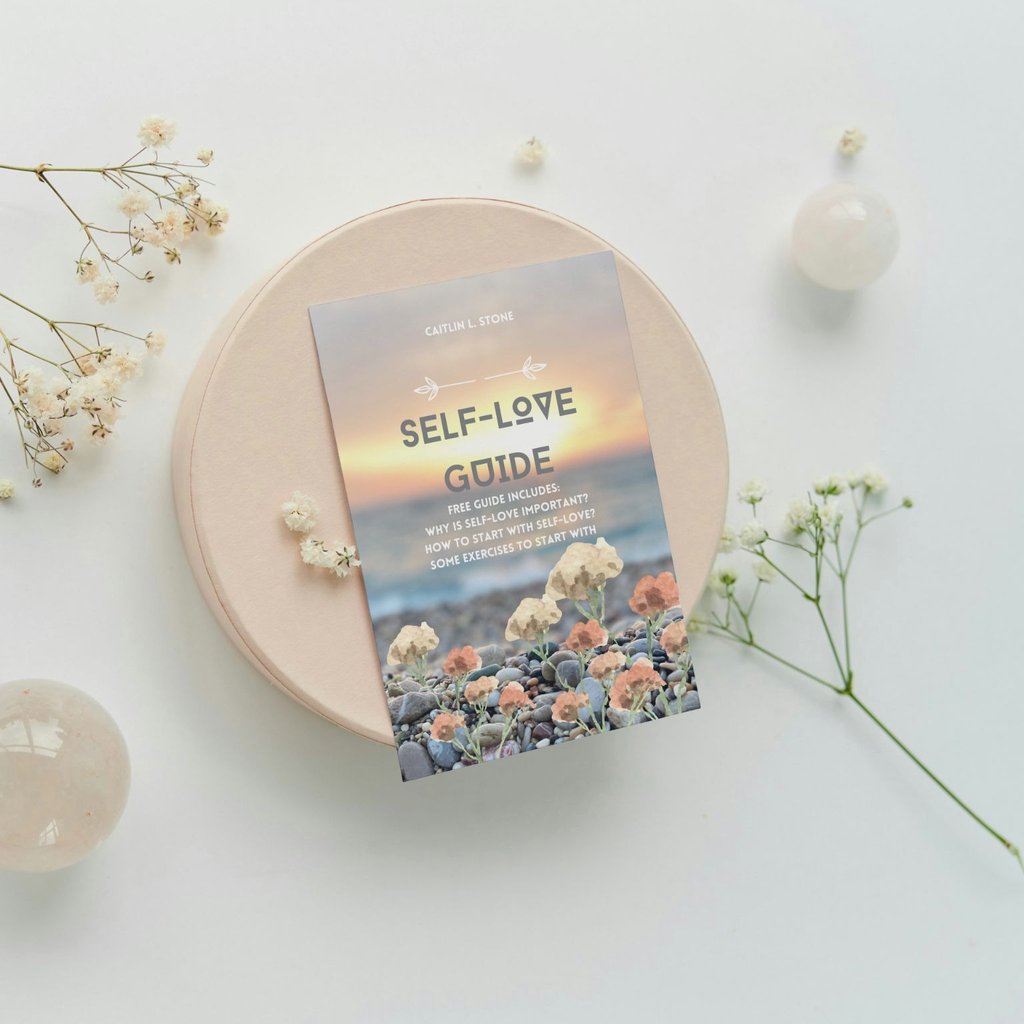
💖 Free Self-Love Guide
Want a simple place to begin?
If you are just starting to reconnect with yourself, our Free Self-Love Guide offers gentle ideas and practical ways to bring more self-love into your everyday life. It is a simple starting point when you want support without overwhelming yourself with another long list of things to do.
A self-love ritual does not have to look spiritual
You do not need candles, crystals, incense, moon phases, or a beautifully decorated altar to practice self-love. Those things can make a ritual feel special, but they are not what makes it meaningful.
A self-love ritual might be five quiet minutes in your car before going inside the house, a journal beside your morning coffee, an evening without your phone, or finally saying no to something that leaves you emotionally depleted.
What makes it a ritual is the intention: you are consciously choosing to turn toward yourself rather than automatically ignoring your own needs.
This is also why self-love rituals can support emotional healing. When you repeatedly create moments where your feelings, boundaries, body, and needs are allowed to matter, you begin practicing a different relationship with yourself.
For a deeper look at the bigger picture, including self-worth, boundaries, emotional healing, and self-trust, explore Self-Love and Healing: A Gentle Path Into Inner Work.
What is the purpose of a self-love ritual?
The purpose of a self-love ritual is to create intentional time to reconnect with yourself, notice your emotional and physical needs, and respond to yourself with greater care and self-respect. A self-love ritual can support self-awareness, emotional processing, healthy boundaries, and a stronger sense of self-connection.
In this guide, we’ll explore what self-love rituals really are, why they can support emotional healing and self-connection, and how to create rituals that fit what you actually need. You’ll also find practical self-love ritual ideas for different emotional situations, from feeling drained or disconnected to needing more confidence, rest, clarity, or compassion. And if you feel drawn to working with the Moon, seasons, or tarot, we’ll point you toward more specific rituals you can explore without making this guide compete with them.
🍃 Soul Sisters Notes
"Self-love is not always the soft, beautiful moment we imagine it to be. Sometimes the most loving ritual is sitting with a feeling you would rather avoid. Sometimes it is resting. Sometimes it is saying no. Sometimes it is admitting that something in your life is no longer working for you. The ritual is simply the doorway. What matters is whether you are willing to meet yourself on the other side." - Caitlin & Gerly
🌸 Different Types of Self-Love Rituals You Can Actually Practice
Self-love rituals can meet very different emotional needs. Instead of following a fixed formula, choose a practice based on what you need right now.
When you feel drained: choose a rest or replenishment ritual that gives you permission to stop performing and simply recover.
When you feel disconnected: try journaling, body awareness, or an activity that helps you reconnect with what genuinely feels like you.
When you are being hard on yourself: use a self-compassion practice, such as writing yourself a kind letter or challenging one harsh belief.
When you need stronger boundaries: turn one boundary into a ritual of self-respect by consciously saying no, asking for space, or stepping away from something that repeatedly depletes you.
When you want to mark a transition: birthdays, Valentine's Day, seasonal changes, and Full Moons can all become meaningful moments for intentional self-love.
A self-love ritual does not have to solve everything. Sometimes its purpose is simply to give you a moment to notice what you need.
🌿 Self-Love Ritual for When You Feel Disconnected
When you feel like you have lost touch with yourself, the goal is not to immediately figure everything out. Start by creating a quiet moment in which you can actually hear yourself again.
Try this simple ritual:
Pause. Put your phone away and sit somewhere you feel comfortable.
Check in. Notice your body, emotions, and thoughts without trying to change them. Ask yourself: What have I been feeling lately that I haven't really acknowledged?
Remember yourself. Write down three things that have made you feel most like yourself in the past. This could be a place, activity, relationship, creative practice, or even a version of yourself you miss.
Choose one small reconnection. Do one of those things today, even in a smaller form.
Reconnection does not always arrive through a dramatic realization. Sometimes you find yourself again through tiny choices that remind you, Oh. This is me.
If you often feel disconnected because you have become accustomed to ignoring your own physical and emotional signals, our guide on how to listen to your body and its intuitive signals can take this practice deeper.
🍃 Soul Sisters Notes
"Sometimes you do not need to find a new version of yourself. You need to make enough quiet space to hear the one who has been there all along." — Caitlin & Gerly
🫶 Self-Love Ritual for When You Feel Emotionally Drained
When you are emotionally drained, self-love may need to look less like inspiration and more like giving yourself permission to stop carrying everything for a moment.
Try this simple ritual:
Pause. Find somewhere quiet and put aside anything that does not need your immediate attention.
Release. Take a few slow breaths and ask yourself: What am I carrying right now that I do not need to carry tonight?
Name it. Write down whatever feels heavy. You do not need to solve it. Simply putting the feeling into words can help you separate what you are experiencing from everything you think you should be doing.
Give yourself one form of care. Rest, eat something nourishing, take a shower, go outside, cancel an unnecessary commitment, or simply do nothing for a while.
The important part is that you are responding to your exhaustion instead of criticizing yourself for having it.
If you regularly feel like you have to keep going even when you are running on empty, this can also be a useful moment to look at how to practice self-love in your everyday life.
And if emotional exhaustion is persistent or overwhelming, remember that a self-love ritual is supportive care, not a replacement for professional or medical support.
🍃 Soul Sisters Notes
"Sometimes loving yourself means refusing to turn exhaustion into another personal failure. You are allowed to have limits. You are allowed to need rest. And you do not have to earn either one." — Caitlin & Gerly
🌷 Self-Love Ritual for Rebuilding Self-Worth
When your sense of worth has been shaken, a self-love ritual should not try to convince you that you are amazing every five minutes. It can be more helpful to rebuild self-worth through small pieces of evidence that you matter to yourself.
Try this:
Notice the criticism. Write down one thing you have been telling yourself lately that makes you feel inadequate.
Question it. Ask: Would I say this to someone I love who was going through the same thing? If not, rewrite the statement in a way that is honest but compassionate.
Remember your evidence. Write down three things that show your value without relying on achievement. Maybe you were there for someone, survived something difficult, kept a promise to yourself, created something, or simply got through a day when it was hard.
Choose one act of self-respect. Do something today that tells yourself, through action, I matter. That might mean resting, asking for what you need, keeping a boundary, or doing something you have been postponing because you keep putting yourself last.
Self-worth does not have to come from feeling confident all the time. Sometimes it grows because you repeatedly experience yourself as someone worth listening to, protecting, and caring for.
If you want to go deeper into the practical side of rebuilding your sense of worth, explore How to Build Self-Worth, where we look at the beliefs, habits, and everyday choices that can gradually strengthen your relationship with yourself.
🍃 Soul Sisters Notes
"You do not rebuild your sense of worth by becoming impressive enough to deserve love. You rebuild it by changing the way you treat yourself when you feel least impressive." — Caitlin & Gerly
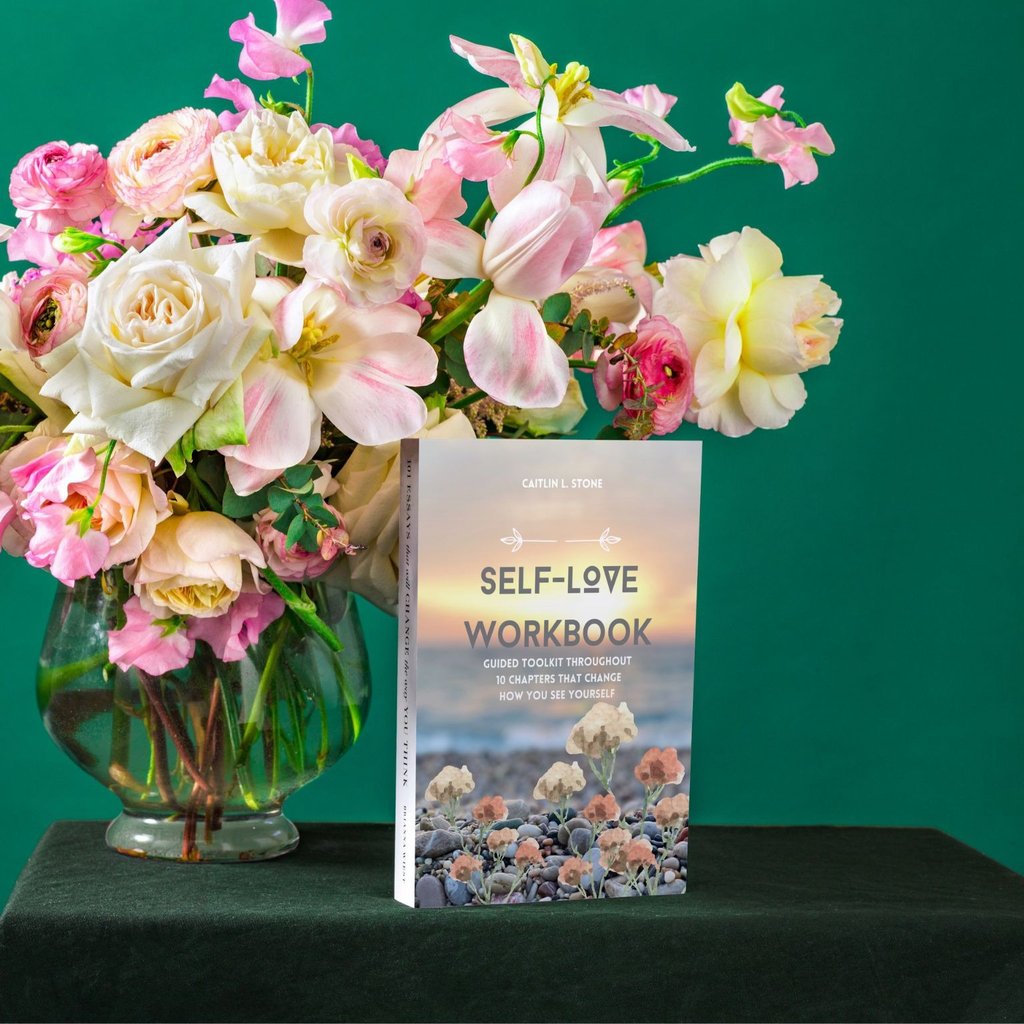
❤️ Self-Love Workbook
Want to go deeper than a single ritual?
Our Self-Love Workbook gives you structured space to explore self-worth, self-compassion, your relationship with yourself, and the patterns that can make self-love difficult. It is designed for the moments when you want to move from simply thinking about self-love to actually practicing it.
🛡️ Self-Love Ritual for Setting Boundaries
Sometimes self-love is not about adding another comforting practice to your life. It is about deciding what you are no longer willing to keep tolerating.
If you regularly say yes when you mean no, overexplain your decisions, take responsibility for other people's feelings, or keep giving long after you are exhausted, a boundary ritual can help you turn that awareness into action.
Try this:
Identify the boundary. Ask yourself: Where am I repeatedly giving more than I genuinely have to give?
Name what you need. Write down what would feel healthier instead. Maybe you need more time alone, fewer demands, clearer communication, or permission to say no without explaining yourself.
Choose one boundary. Keep it specific and realistic. For example: “I will not answer work messages after 7 p.m.” or “I will take time to think before agreeing to plans.”
Practice the words. Write or say your boundary out loud before you need to communicate it. You do not have to make it harsh to make it clear.
Let the discomfort exist. Setting a healthy boundary can feel uncomfortable, especially if you are used to keeping everyone else happy. Discomfort does not automatically mean you have done something wrong.
A boundary becomes an act of self-love when it communicates something simple: my needs matter too.
If you want to build this skill more intentionally, continue with our guide on How to Set Boundaries for Yourself.
🍃 Soul Sisters Notes
"A boundary is not a punishment for someone who has crossed a line. It is a promise you make to yourself about what you will do when that line is reached." — Caitlin & Gerly
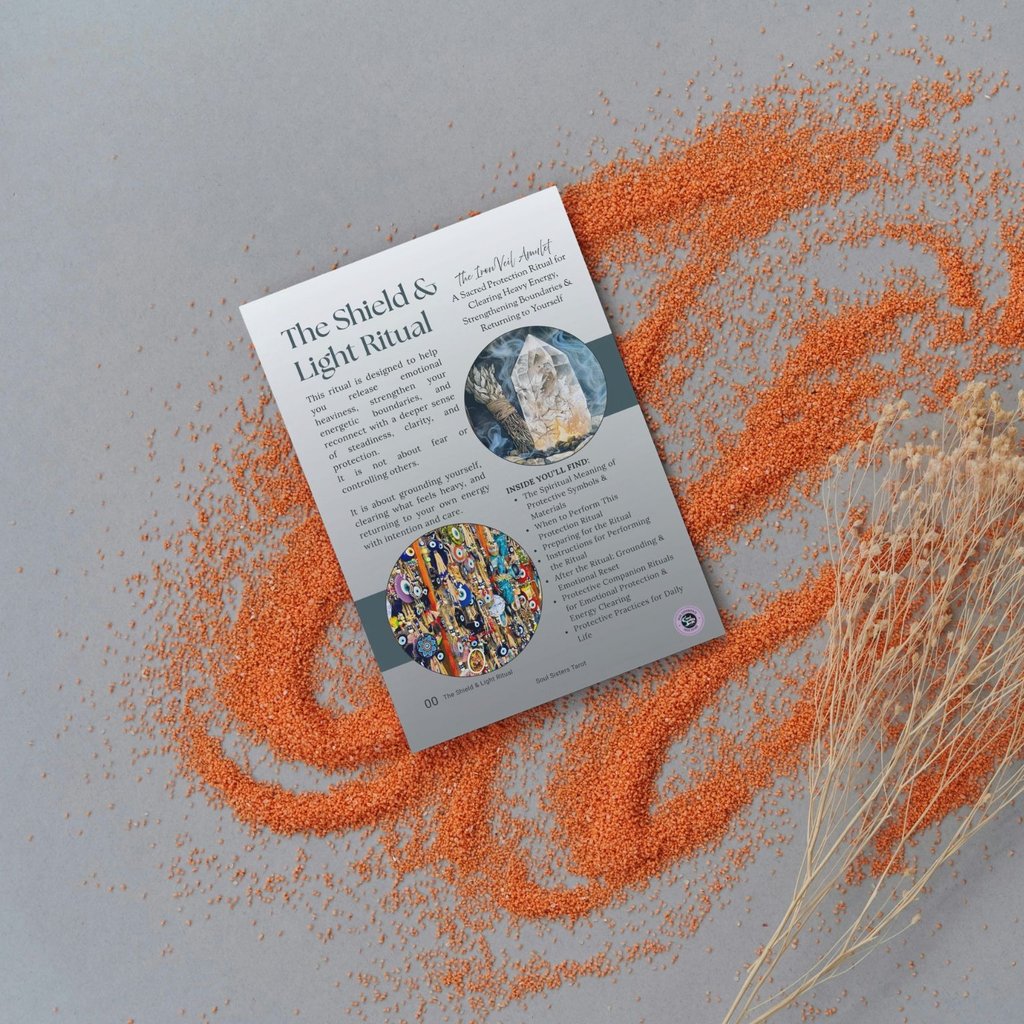
🛡️ The Shield and Light Ritual
A ritual for protecting your energy
If setting a boundary feels difficult because you tend to absorb other people's emotions, overgive, or struggle to say no, our Shield and Light Ritual offers a gentle spiritual practice for creating a stronger sense of energetic protection and personal space.
🌙 Self-Love Ritual for Letting Go
Sometimes self-love means recognizing that holding on is hurting you more than letting go. This could be an old relationship, resentment, unrealistic expectations, a past version of yourself, or the belief that something should have turned out differently.
Try this simple ritual:
Name what you are holding. Write down one thing you are ready to stop carrying. Be specific. Instead of “the past,” name the conversation, expectation, relationship, or regret.
Separate the lesson from the weight. Ask yourself: What can I learn from this without continuing to punish myself with it?
Write what you are releasing. You might write: I release the need to understand why this happened before I allow myself to move forward.
Choose what comes next. Letting go becomes more meaningful when you decide what you want to make room for. Choose one feeling, habit, boundary, or possibility you want to welcome instead.
You do not have to stop caring overnight. Letting go is often less about forgetting and more about no longer allowing the past to make every decision for you.
If what you are trying to release involves deeper emotional patterns, breaking negative thinking patterns can be a useful next step.
🍃 Soul Sisters Notes
"Sometimes letting go is not saying, ‘I no longer care.’ It is saying, ‘I care about myself enough to stop carrying what I cannot change.’" — Caitlin & Gerly
🖤 Self-Love Ritual for Deeper Inner Work
Sometimes self-love asks you to go beyond comfort and look honestly at the patterns, fears, and parts of yourself you would rather avoid. Deeper inner work is not about judging those parts. It is about understanding them well enough to respond differently.
Try this ritual:
Choose one pattern. Think of something you repeatedly do that you would like to understand better, such as people-pleasing, avoiding conflict, needing constant reassurance, or being extremely hard on yourself.
Get curious about it. Ask: When did I first learn that I needed to behave this way? What might this pattern be trying to protect me from?
Listen without shaming yourself. You do not have to approve of a pattern to understand why it developed.
Choose a new response. Ask: What would I do differently if I trusted that I was safe, worthy, and allowed to have needs?
This is where shadow work can become a meaningful form of self-love. Instead of trying to eliminate the parts of yourself you dislike, you begin understanding where they came from and what they need from you now.
If you want to explore this connection more deeply, read Self-Love and Shadow Work, where we look at how meeting your hidden patterns with honesty and compassion can become part of a deeper self-love practice.
🍃 Soul Sisters Notes
"The parts of yourself you struggle with are not necessarily the parts that need to disappear. Sometimes they are the parts that have been waiting longest to be understood." — Caitlin & Gerly
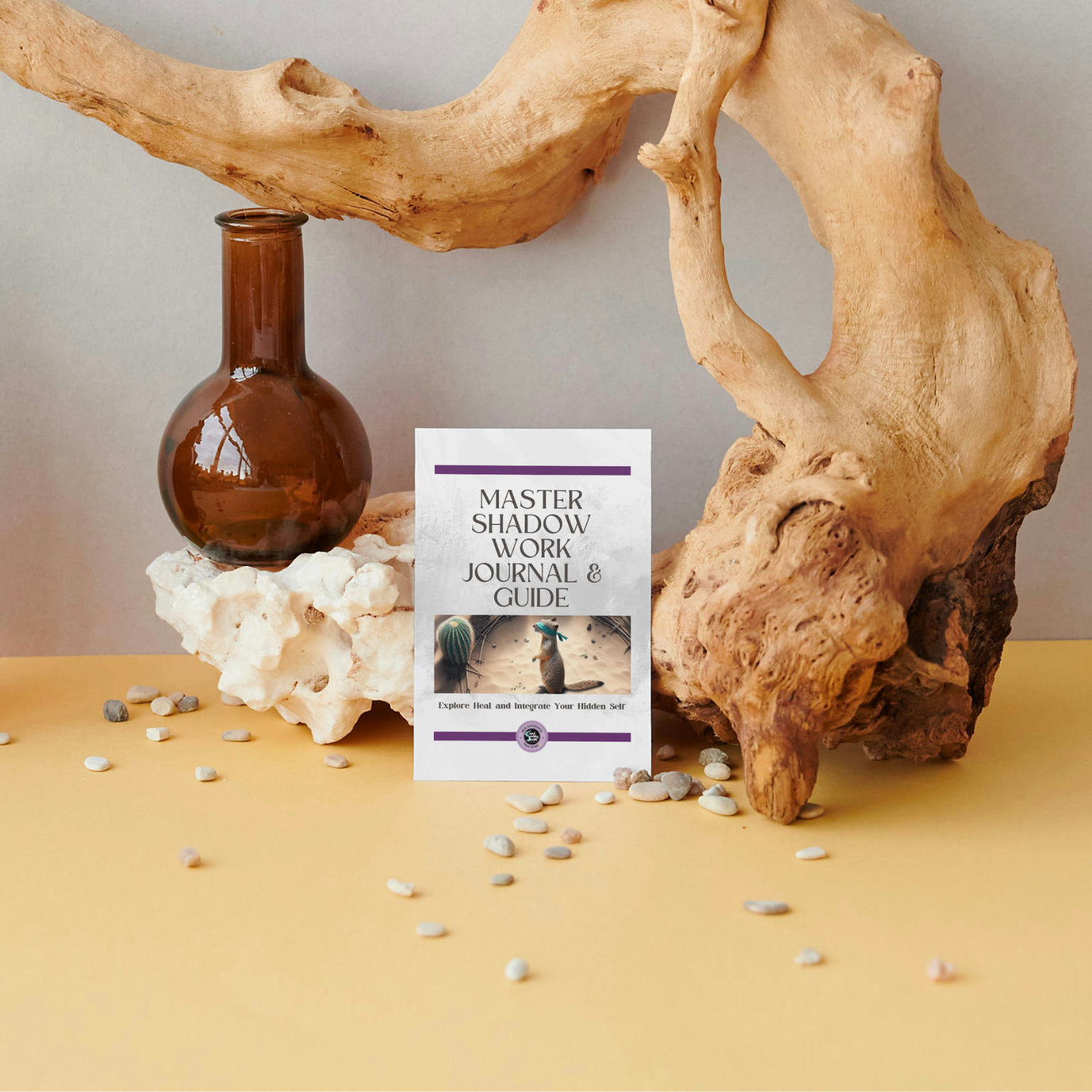
🤍 Master Shadow Work Journal & Guide
Ready to explore the deeper layers of yourself?
Self-love is not always about feeling better. Sometimes it means becoming curious about the parts of yourself you have learned to hide, reject, or avoid. Our Master Shadow Work Journal & Guide offers structured prompts and guidance for exploring those deeper patterns with greater awareness and self-compassion.
✨ Self-Love Ritual for a New Beginning
New beginnings do not always arrive with excitement. Sometimes they begin because something has ended, changed, or simply no longer feels right. A new job, a move, the end of a relationship, a birthday, a new season, or even a quiet realization that you want something different can all create a moment when you need to reconnect with yourself.
A self-love ritual for a new beginning can help you consciously mark that transition instead of rushing straight into the next chapter.
You can keep it very simple:
Acknowledge what is ending.
Write down what you are leaving behind, including habits, expectations, relationships, or versions of yourself that no longer fit.Name what you want to carry forward.
Choose three qualities, lessons, or values you want to bring with you into this next chapter.Choose one thing you want to make space for.
It might be rest, creativity, adventure, confidence, love, or simply more time to yourself.Make one small promise to yourself.
Keep it realistic. A new beginning becomes meaningful through the choices that follow it, not through one perfect ritual.
You might write a sentence such as: “I am allowed to begin again without having everything figured out.”
And if your new beginning feels more like “I don't know who I am anymore” than an exciting fresh start, that is worth honoring too. Reconnecting with yourself can be the beginning. Our guide on How to Find Yourself Again explores this more deeply.
🍃 Soul Sisters Notes
"A new beginning does not require you to become a completely different person. Sometimes it simply asks you to stop carrying what was never meant to come with you." — Caitlin & Gerly
🔮 Self-Love Rituals With Tarot
Tarot can become a beautiful part of a self-love ritual when you use the cards as a tool for reflection rather than prediction. A single card can give you something specific to sit with, especially when you are struggling to understand what you need emotionally.
Try pulling one card and asking:
What do I need to acknowledge about myself right now?
Where am I being too hard on myself?
What part of myself needs more care?
What boundary would support me right now?
What am I ready to release?
You can write down your first reaction to the card, then notice what emotions, memories, or thoughts arise. The value is not in finding one “correct” interpretation. It is in giving yourself enough quiet space to hear your own thoughts.
If you are new to reading tarot for yourself, our guide on Can You Read Tarot for Yourself? can help you approach the cards with more confidence. You can also explore Tarot Spreads for Self-Love when you want a more structured self-reflection ritual.
A self-love tarot ritual might be as simple as one card, one question, and ten quiet minutes with yourself. You do not need to know everything about tarot to begin.
📓 365 Psychological Journal Prompts
Need a question to take your reflection deeper?
Our 365 Psychological Journal Prompts for Self-Discovery and Self-Love gives you a full year of thoughtful prompts designed to help you explore your emotions, patterns, relationships, self-worth, and inner world. Use one after a tarot reading, during a self-love ritual, or whenever you need a little help putting your thoughts into words.


🌙 Self-Love Rituals for the Moon and Seasons
Self-love rituals can also become meaningful ways to mark natural transitions and personal turning points. A Full Moon, seasonal change, birthday, or another milestone can give you a deliberate moment to pause and ask what you need now.
The ritual does not have to follow a complicated spiritual tradition. You might use a seasonal shift to rest, reflect, release something, celebrate your growth, or choose a new intention.
For example, a Full Moon might invite you to reflect on what you have learned and what you are ready to release, while the beginning of a new season can become a gentle reminder to consider what kind of care and energy you need in the months ahead.
If you want to explore this approach through a specific lunar ritual, our Flower Moon Self-Love Rituals for Confidence and Personal Expansion offers a practical example of using a Full Moon for self-reflection and growth. And if you are looking for a seasonal practice, Summer Self-Love Rituals for the Summer Solstice explores how a seasonal turning point can become a meaningful moment of reconnection.
The point is not to perform the perfect seasonal ritual. It is to use a meaningful moment as a reminder to check in with yourself.
🌸 Make Self-Love a Practice, Not a One-Time Ritual
A self-love ritual can be powerful in a difficult moment, but its deeper value comes from what happens after the ritual. Self-compassion is not simply a feeling you have to wait for. Research increasingly treats it as a skill that can be practiced, and repeated practice appears more useful than relying on a single moment of inspiration.
That means self-love does not need to become another demanding routine. Instead, create small, repeatable ways to respond to yourself differently.
You might:
Use a few minutes of reflection as part of your daily routine. Our Daily Self-Love Habits can help you make this practical.
Use a seasonal transition as a reason to pause and reassess what you need. A Spring Self-Love Bucket List offers one way to reconnect with curiosity, pleasure, and yourself.
Mark meaningful occasions with intentional self-care, such as a Valentine's Day Self-Love Ritual.
The goal is not to complete every ritual on this page. It is to find small ways of treating yourself with more awareness, compassion, and respect, then return to them often enough that they become part of how you live.
🍁 4 Seasons Self-Love Bucket List Bundle
Make self-love something you return to all year
Self-love does not have to look the same in every season. Our 4 Seasons Self-Love Bucket List Bundle gives you gentle ideas for slowing down, reconnecting with yourself, finding joy, and caring for your emotional well-being throughout the year.


🫶 A Self-Love Ritual Is a Way Back to Yourself
You do not need to wait until you are completely exhausted, lost, or overwhelmed to practice self-love. A ritual can be as simple as stopping long enough to ask yourself what you need, listening to the answer, and allowing that answer to matter.
Sometimes self-love means resting. Sometimes it means setting a boundary, facing something difficult, choosing joy, or simply giving yourself the same compassion you would offer someone you love.
The ritual is only the moment. The real practice is learning not to abandon yourself in the moments between them.
If you want to make self-love part of your everyday life, continue with our guide on How to Practice Self-Love, where we explore practical ways to build a more supportive relationship with yourself.
And if you feel called to explore the journey more deeply, you can discover our journals, self-love tools, tarot resources, and spiritual guidance inside Sisters Creation.
With love,
Caitlin & Gerly,
Soul Sisters Tarot
❓ FAQ: Self-love ritual
What is a self-love ritual?
A self-love ritual is an intentional practice that helps you reconnect with yourself, notice your needs, and respond to yourself with greater compassion and self-respect. It can include journaling, quiet reflection, meditation, body awareness, setting a boundary, resting, or a spiritual practice such as tarot or a Full Moon ritual. A ritual does not need to be elaborate. What makes it meaningful is the intention behind it and the relationship with yourself that you are practicing.
What are some examples of self-love rituals?
Self-love rituals can include anything that intentionally supports self-connection and self-compassion. Examples include writing yourself a compassionate letter, taking a quiet bath, journaling about an emotion you have been avoiding, practicing a body check-in, spending time doing something you genuinely enjoy, setting a boundary, pulling a tarot card for reflection, or creating a ritual around a personal transition. The best ritual is usually the one that responds to what you actually need rather than what looks most beautiful or spiritual.
Can a self-love ritual help with low self-worth?
A self-love ritual can create a structured opportunity to practice self-kindness and challenge patterns of harsh self-judgment, which may support a healthier relationship with yourself. Research on self-compassion has found associations with psychological well-being and suggests that processes such as mindfulness and reduced repetitive negative thinking may help explain these benefits. However, a ritual is not a substitute for professional mental health support when persistent low self-worth is causing significant distress.
How often should I do a self-love ritual?
There is no scientifically established “correct” frequency for self-love rituals. A useful approach is to choose a frequency that you can maintain without turning self-care into another obligation. That might mean a five-minute daily check-in, a weekly reflection, or a deeper ritual around a Full Moon, birthday, season, or personal transition. Consistency matters more than making every ritual elaborate.
Do I need candles, crystals, or other spiritual tools?
No. You do not need spiritual tools to practice self-love. Candles, crystals, tarot cards, music, or other ritual objects can help create a sense of intention and make the practice feel meaningful, but they are optional. A self-love ritual can be as simple as sitting quietly for five minutes and asking yourself, “What do I need right now?”
What should I do during a self-love ritual?
Start by identifying what you need rather than following a rigid ritual formula. You might begin with a few slow breaths, notice how you feel emotionally and physically, write about what is occupying your mind, and choose one supportive action. For example, if you feel emotionally drained, your ritual might lead you toward rest. If you feel disconnected, you might journal or spend time doing something that feels like you. If you keep saying yes when you want to say no, your ritual might become an opportunity to identify a boundary.
Can tarot be part of a self-love ritual?
Yes. Tarot can be used as a reflective tool within a self-love ritual. Instead of asking the cards to make decisions for you, use a card as a prompt for exploring your feelings, needs, patterns, or perspective. Questions such as “What part of myself needs more compassion?” or “What am I avoiding acknowledging?” can turn a one-card reading into a meaningful self-reflection practice.
What if self-love feels uncomfortable or difficult?
Self-love does not always feel comforting at first. If you are accustomed to criticizing yourself, ignoring your needs, or putting other people first, treating yourself with compassion can feel unfamiliar. Start smaller. Instead of trying to suddenly “love yourself,” practice noticing when you are being unnecessarily harsh and ask, “Would I speak to someone I love this way?” Self-compassion is a skill that can be developed through practice, rather than a feeling you must already have.
Can a self-love ritual replace therapy or medical care?
No. Self-love rituals can support reflection, self-compassion, and personal well-being, but they should not replace professional medical or mental health care. If you are experiencing persistent emotional distress, significant changes in functioning, or symptoms that concern you, seek appropriate professional support.
Soul Sisters Tarot
A Soft Place to Grow.
💌 SOUL SISTERS WEEKLY
A thoughtful Sunday letter with tarot reflections, moon wisdom, self-love, and gentle encouragement.
© 2026. All rights reserved.
Inspirational Coaching OÜ
sisters@soulsisterstarot.com