💌 JOIN SOUL SISTERS WEEKLY → GET FREE WELCOME GIFTS 🎁
Receive a thoughtful Sunday letter, free Self-Love & Shadow Work guides, and monthly Full Moon rituals ✨



Beaver Moon Meditation: A Quiet Way to Come Back to Yourself
Beaver Moon meditation for grounding, reflection, and inner peace. Use guided visualization to reconnect with yourself, release, and prepare for what's next.
MOON PHASES & RITUALS
Soul Sisters Tarot
10/2/202620 min read


Beaver Moon Meditation for Grounding, Reflection & Inner Peace
This article is part of our Beaver Moon Collection, where we explore different ways to work with November’s full moon through tarot, journaling, meditation, rituals, and intentional reflection.
A Beaver Moon meditation is a guided full moon meditation designed to help you slow down, become grounded, reflect on what supports you, and create space for the season ahead. Inspired by the themes of the Beaver Moon, this practice moves through grounding, inner safety, strengthening your foundations, gathering your resources, releasing what you no longer need, and preparing for what comes next.
Rather than predicting the future or trying to force a particular outcome, this Beaver Moon guided meditation gives you time to turn inward and listen to yourself. Through gentle breathing, visualization, grounding, and reflection, you will move through a series of calming images and questions that invite you to notice what needs attention and what you want to carry forward.
You can practice this meditation on the night of the Beaver Moon, in the surrounding days, or anytime you need a quiet moment to reconnect with yourself. You do not need previous meditation experience, and you do not need to be able to see the Moon to take part.
In this guide, you will move from grounding and creating an inner sanctuary to exploring your emotional landscape, recognizing the resources already available to you, releasing what you are ready to leave behind, and looking toward the season ahead. You can read the meditation slowly and practice it on your own, or return to it whenever you need a little more stillness.
If you are exploring the November full moon as part of a wider lunar practice, you can also visit our Full Moons & Full Moon Rituals collection or explore Moon Phases & Rituals for a broader understanding of working intentionally with the lunar cycle.
🪵 What Is a Beaver Moon Meditation?
A Beaver Moon meditation is a guided full moon practice that uses grounding, visualization, reflection, and intentional breathing to help you slow down, reconnect with yourself, and create space for the season ahead. It is not a special meditation technique that you need to learn or perform perfectly. Instead, it uses the themes of the Beaver Moon as a framework for becoming quieter and more aware of what is happening within you.
The practice may invite you to reflect on what gives you a sense of safety and stability, where your foundations need more care, what emotions need space, and what you are ready to release. It can also help you notice the resources, relationships, habits, and inner strengths that are already supporting you.
November can be a natural time for this kind of inward reflection because it marks a transition into a quieter part of the year. Rather than immediately deciding what comes next, meditation gives you permission to pause and notice what is already asking for your attention. You do not have to find an answer during the practice. Sometimes simply becoming aware of what you feel or need is enough to begin seeing your next step more clearly.
You also do not need to arrive with a specific goal. You might use this meditation because you feel overwhelmed, want to feel more grounded, need space to process an emotion, or simply want a quiet moment away from everyday demands. The purpose is not to make yourself feel a certain way, but to create enough stillness to notice what you genuinely need.
🕯️ What You Need for This Meditation
You do not need much to practice a Beaver Moon meditation. The most important thing is having a comfortable place where you can be undisturbed for a little while and allow yourself to slow down.
Before you begin, gather anything that helps you feel settled:
A quiet place: Choose somewhere you can sit or lie down without interruptions. Your bedroom, a cozy corner, or a peaceful outdoor space can all work.
A comfortable place to sit or lie down: Use a chair, cushion, floor space, or bed, depending on what feels most comfortable for your body.
A journal and pen: These are optional, but useful if a thought, realization, or intention comes to you that you want to remember afterward.
A candle: If you enjoy simple ritual elements, a candle can create a sense of quiet and intention. Never leave a burning candle unattended.
A blanket: Keeping one nearby can help you stay comfortable while sitting still.
Optional moonlight: If you can see the Beaver Moon from your window or while outside, you may enjoy including it in your practice. You do not need to see the Moon for this meditation to be meaningful.
Before you begin, silence your phone or place it somewhere out of reach so you can give yourself a few uninterrupted minutes.
Most importantly, you do not need a perfect spiritual setting. A quiet space, a comfortable place to rest, and a little time for yourself are enough. The intention you bring to the practice matters more than how elaborate your surroundings are.
🦫 Free Beaver Moon Ritual Download
Want to take your meditation a little further?
Our Free Beaver Moon Rituals give you simple ways to continue working with the themes you have just explored, including reflection, protection, release, and preparation. Choose the ritual that speaks to what you discovered during your meditation and create a little more intention around this November full moon.


🌿 Before You Begin
Before starting your Beaver Moon meditation, take a few moments to decide what you would like to receive from this time. You do not need to solve anything or choose a profound intention. Simply notice what feels meaningful to you right now.
Choose Your Intention
You might begin with one of these intentions:
I want to feel more grounded.
I want to understand what needs strengthening in my life.
I want to release something I have been carrying.
I want to prepare for the next chapter of my life.
I want to reconnect with a sense of safety and abundance.
Choose one intention rather than trying to work on everything at once. You can let the meditation unfold naturally from there.
If you would like more guidance, our How to Set Intentions guide can help you create an intention that feels personal and meaningful rather than choosing something you think you should want.
Once you have your intention, quietly repeat it to yourself. You might place a hand over your heart or stomach as you do so, giving your body a simple physical reminder that you are here and ready to pay attention.
Settle Into Your Space
Find a comfortable position and give yourself permission to become still. Make any final adjustments you need before beginning, then let yourself settle.
You do not need to control your breathing or make yourself feel calm immediately. There is nothing to achieve. For the next few minutes, you are simply giving yourself permission to pause and listen.
When you are ready, close your eyes or soften your gaze. Take one slow, comfortable breath. And begin.
🌕 Guided Beaver Moon Meditation
Now that you have settled into your space and chosen your intention, you can begin the meditation. Read each step slowly, leaving a little space between the words. If you are guiding yourself, you can also record the meditation in your own voice and listen to it with your eyes closed.
There is no need to move quickly from one step to the next. If an image, question, or feeling stays with you, allow yourself to remain there for a little longer.
Step 1: Arrive in the Present Moment
Close your eyes if that feels comfortable and take a slow, gentle breath. Notice your body exactly as it is right now. Feel the weight of your body against the chair, cushion, bed, or floor beneath you. Notice your feet, hands, shoulders, and face.
With each exhale, imagine yourself becoming a little heavier and more grounded. You do not need to think about yesterday or plan tomorrow. For these few moments, simply be here.
As you breathe in, silently say, “I am here.” As you breathe out, say, “I am safe to slow down.”
Let your breathing return to its natural rhythm. Notice the sounds around you, the temperature of the air, and the space surrounding your body. Allow yourself to arrive fully in this moment.
Step 2: Imagine Your Inner Sanctuary
Now imagine yourself standing in a quiet natural place. It might be a forest, a peaceful shoreline, a woodland clearing, or somewhere completely different. You do not need to create a perfect picture. Simply notice whatever appears.
Look around and ask yourself: What makes this place feel safe?
Somewhere within this landscape, imagine a sanctuary that belongs entirely to you. It might be a small cabin, a warm room, a sheltered clearing, or something you have never seen before.
Step inside and notice what is there. This is a place where you do not need to perform, explain yourself, or be everything for everyone else. Take a breath and ask: What would make me feel truly at home within myself?
Perhaps the answer is rest, stronger boundaries, connection, solitude, honesty, or permission to let something go. You do not need to judge the answer or do anything with it yet. Simply let yourself notice what you need.
Step 3: Strengthen Your Foundations
Bring your attention to the ground beneath your sanctuary and imagine its foundation becoming strong and steady.
Now consider the foundations of your own life. Ask yourself:
What currently supports me?
Which part of my life needs more care?
Perhaps the answer is a relationship, your home, a daily routine, your finances, your boundaries, your creative work, or the relationship you have with yourself.
You do not need to fix anything during this meditation. Simply notice where your life feels supported and where something may be asking for more attention.
Imagine placing your hands gently on this foundation and offering it your attention. You might quietly say: “I am allowed to strengthen what supports me.”
Allow yourself to feel the ground beneath you.
Step 4: Meet the Water
Now imagine leaving your sanctuary and walking toward a quiet body of water. It might be a river, lake, stream, or gentle shoreline. Watch the water for a moment and notice how it moves without needing to be forced. Some parts may flow quickly while others remain almost still.
Let the water become a reflection of your emotional landscape.
Ask yourself: What needs to flow through me right now?
Perhaps there is an emotion you have been avoiding, a thought you need to acknowledge, or something you have been trying to control. You do not need to solve it. Simply allow yourself to recognize it.
Now look at the shoreline. The water can move freely while the shore gives it shape.
Ask yourself, “What needs more room to flow in my life?” Then ask, “Where do I need a stronger boundary?”
Let both questions exist together. You can allow your emotions to move without allowing them to take over everything. You can remain open without giving everyone unlimited access to your time, energy, or inner world.
As you breathe out, imagine placing one thing you have been holding too tightly onto the surface of the water. Watch it drift away. You do not need to know where it goes. For now, you are simply allowing yourself to stop carrying it.
Step 5: Gather What Matters
Imagine walking along the water and returning toward your sanctuary. Along the path, notice small things that represent the resources already available to you.
Perhaps you find a stone representing strength, a leaf representing change, a key representing an opportunity, or a warm light representing someone who supports you. Let whatever appears have its own meaning.
With each object, ask yourself: What does this represent in my life?
Think about the people, skills, experiences, knowledge, opportunities, habits, and inner strengths that already exist within your life. Then ask: What resource am I overlooking?
You may remember a strength you have not used recently, recognize support you had forgotten about, or notice an opportunity that has been difficult to see.
Choose only what feels meaningful and ask yourself: What is truly worth carrying forward?
Let yourself recognize that preparation does not always mean acquiring something new. Sometimes it begins with recognizing what you already have.
Step 6: Release What You Don't Need
Now imagine returning to your sanctuary with the things you have chosen to carry forward. Before entering, pause and notice what you are still carrying that no longer belongs with you.
It might be an old expectation, a fear, a habit, a relationship dynamic, a responsibility that was never truly yours, or something you have held onto simply because letting go feels unfamiliar.
You do not need to name everything. Choose one thing and ask yourself: “Am I ready to stop carrying this?”
If the answer is yes, imagine setting it down. You might leave it beside the water, beneath a tree, or simply watch it dissolve into the landscape.
You are not erasing the experience or pretending it did not matter. You are deciding that it does not have to come with you everywhere.
Now ask: “What would I have more space for if I released this?”
Perhaps the answer is peace, creativity, rest, love, confidence, curiosity, or something you do not yet have words for. Stay with that feeling for a few breaths.
Step 7: Look Toward the Season Ahead
Turn your attention toward your sanctuary and imagine looking beyond it toward the landscape ahead. You do not need to see the entire path. Only the next part.
Ask yourself:
What am I preparing for?
What do I want to build?
What would I like to feel more of in the coming months?
Do not pressure yourself to create a detailed plan. Perhaps one word comes to you, such as peace, stability, courage, abundance, freedom, connection, rest, or trust. Maybe you see an image instead. Maybe nothing comes immediately.
Whatever arises, choose one word, image, or feeling that you would like to carry into the season ahead.
Imagine placing it somewhere safe within your sanctuary, like a small seed that does not need to grow overnight.
You have time. Some things are built slowly.
Step 8: Return
Take a final slow breath and bring your attention back to your body. Feel the surface beneath you and notice your feet, hands, shoulders, and face. Listen to the sounds around you and allow the sanctuary, water, path, and everything you imagined to gradually fade into the background.
Bring your attention back to the room. When you are ready, gently open your eyes.
Before moving on, ask yourself: “What is one thing I want to remember from this meditation?”
Let the first answer come without overthinking it.
Stay quietly for another moment if you can. You do not need to immediately reach for your phone or move on to the next task. If a thought, feeling, image, or realization stayed with you, write it down before continuing with your day.
📓 365 Psychological Journal Prompts
Sometimes one quiet meditation opens up a much bigger conversation with yourself.
Our 365 Psychological Journal Prompts gives you a full year of thoughtful questions for exploring your emotions, patterns, relationships, beliefs, and inner world. If your Beaver Moon meditation brought up something you want to understand more deeply, these prompts give you a new question to return to whenever you feel ready to keep exploring.


🌿 Beaver Moon Meditation for Different Intentions
You can return to the Beaver Moon meditation with a different intention each time. The same imagery may speak to you differently depending on what you need, so there is no need to follow the practice in exactly the same way every time.
For Grounding
If you feel scattered or overwhelmed, spend more time noticing your body and the ground beneath you. Let your attention return to your breath, your surroundings, and what is happening right now. You do not need to solve everything today.
For Protection
If you want to focus on emotional or energetic protection, stay longer in your inner sanctuary. Notice its boundaries and imagine yourself surrounded by a space that feels calm, safe, and supportive. You can also explore our Spiritual Protection guide for additional ways to create a stronger sense of safety around your spiritual practice.
For Abundance
If abundance is your focus, spend more time with the gathering part of the meditation. Notice the skills, relationships, knowledge, opportunities, time, and other resources already available to you. Then consider what you could nurture with what you already have. For more Beaver Moon abundance inspiration, explore our Beaver Moon Abundance Affirmations.
For Letting Go
If you are ready to release something, spend longer beside the water and allow yourself to acknowledge what you have been carrying without judging yourself for holding onto it. This might be an old expectation, a changed relationship, a painful experience, or a version of yourself you have outgrown.
If forgiveness is part of your process, our How to Forgive and Let Go guide can offer additional reflection. When you return to the water, imagine placing what you are ready to release into its current and allowing it to move away from you.
You do not have to force yourself to let go before you are ready. Sometimes becoming willing to loosen your grip is already a meaningful beginning.
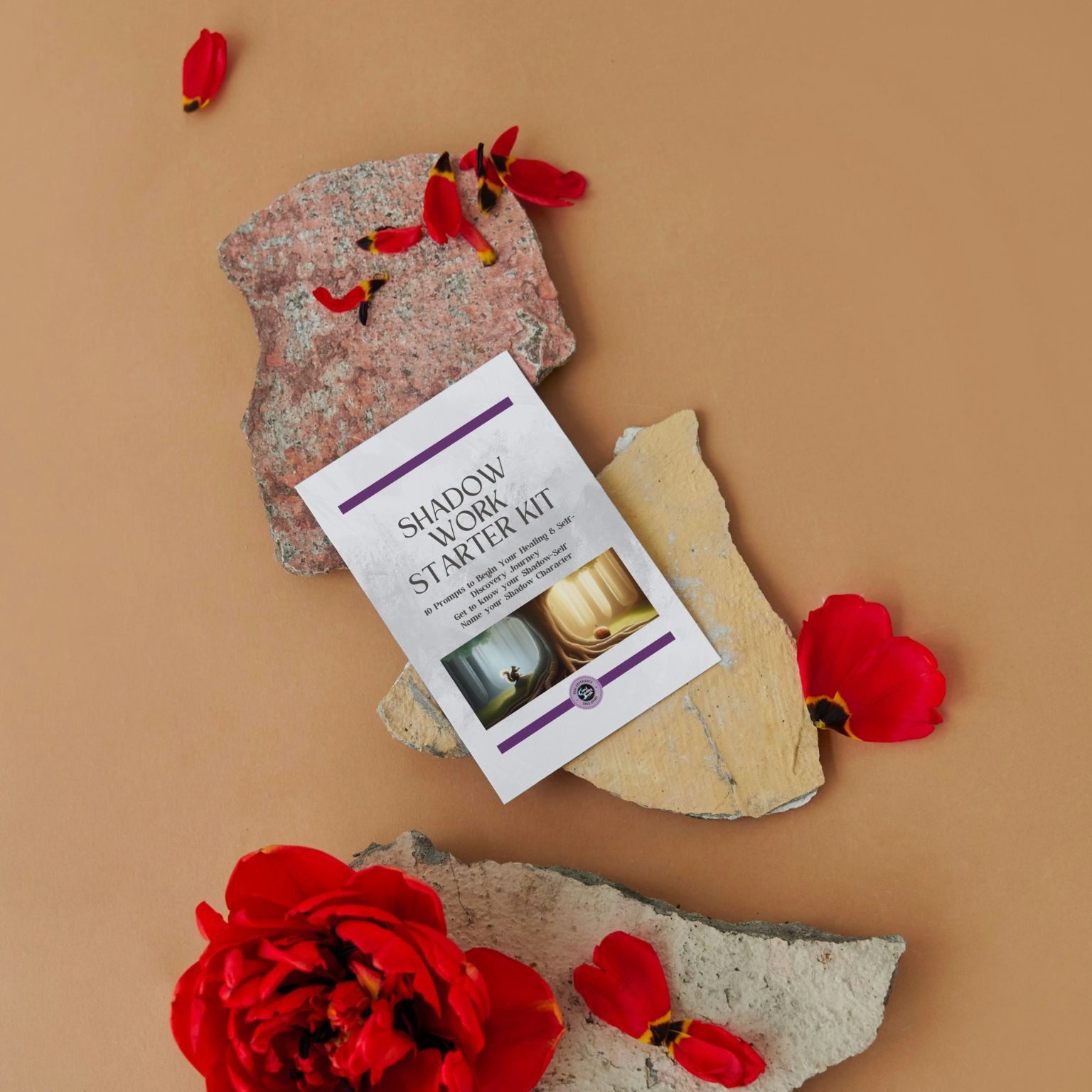
🌷 Free Shadow Work Starter Kit
Sometimes letting go begins with understanding what you are still carrying.
Our Free Shadow Work Starter Kit offers a gentle introduction to exploring the hidden patterns, emotions, and beliefs that may be influencing how you respond to yourself and the world around you. If your meditation brought an old hurt, recurring pattern, or uncomfortable feeling to the surface, this free resource can give you a supportive place to begin exploring it with curiosity rather than judgment.

For New Beginnings
If you are entering a new chapter, spend more time with the final part of the meditation. Rather than asking yourself to have everything figured out, focus on one quality, intention, or feeling you would like to carry forward.
A new beginning does not have to start with a complete plan. Sometimes it begins by choosing the direction you want to move in and allowing the next step to reveal itself gradually.
🌙 What to Do After Your Beaver Moon Meditation
When your meditation ends, give yourself a few quiet minutes before returning to your usual routine. You might feel peaceful, emotional, energized, thoughtful, or simply relaxed. There is no particular feeling you are supposed to have. Instead, notice what stayed with you and give yourself a little time to process it.
Write Down One Thing You Realized
Ask yourself: What did I notice about myself during the meditation?
Maybe a particular question stayed with you. Perhaps an emotion surfaced, or you recognized something in your life that needs more attention.
Write down whatever comes to mind without trying to make it sound profound. Sometimes a simple observation becomes more meaningful when you give yourself time to understand it.
Choose One Thing to Release
If something came up that you are ready to loosen your grip on, write it down.
You might finish the sentence: “I am ready to stop carrying...”
You do not have to completely let go today. Naming what you are ready to release can be enough for now.
Choose One Thing to Protect
Think back to the inner sanctuary you imagined during the meditation and ask yourself: What in my life deserves more of my protection right now?
It might be your time, energy, peace, creativity, relationships, personal boundaries, or need for rest. Then consider one small way you could protect it in your everyday life.
Choose One Thing to Strengthen
Finally, return to the idea of your foundation and ask yourself: What is one thing I want to build or strengthen from here?
Keep your answer small and realistic. A meaningful intention does not need to become a huge goal immediately. Sometimes the most useful next step is simply choosing one thing and giving it consistent attention.
If your meditation brought up several ideas, you can continue reflecting with our Beaver Moon Journal Prompts, which give you more space to explore what surfaced.
You do not need to turn every realization into an action. Sometimes the most valuable thing you can do after meditation is simply allow yourself to sit with what you discovered.
⏰ When Is the Best Time to Do a Beaver Moon Meditation?
The best time to do a Beaver Moon meditation is whenever you can create a few quiet, uninterrupted moments, whether that is on the night of the full moon, during the surrounding days, or at another time when you feel drawn to slow down. You do not need to meditate at the exact moment the Moon reaches its fullest phase for the practice to be meaningful.
On the Night of the Beaver Moon
The night of the full moon can feel especially intentional because you are consciously setting aside time to connect with the lunar cycle. If you can see the Moon from your window or while sitting outside, you may enjoy including it in your practice, but this is completely optional.
You might meditate after your evening routine, before journaling, or as part of a longer Beaver Moon ritual.
In the Days Around the Full Moon
You can also practice your Beaver Moon meditation in the days before or after the full moon. This may be a better option if the full moon night is busy, you are tired, or you simply have more time and privacy on another day.
There is no need to wait for the perfect lunar moment. Choose a time when you can give yourself enough space to be present.
In the Morning or During the Day
A Beaver Moon meditation does not have to happen at night. A morning practice can offer a quiet way to begin your day, while daytime may work better if you find it easier to stay focused when you are naturally more alert.
The most meaningful time is the time when you can actually be present with yourself. A five-minute meditation with your full attention can be more valuable than waiting for the “perfect” moment and never finding the time to practice.
And if you need this kind of pause again later in the month, you can simply return to the meditation. The Beaver Moon can inspire the practice without limiting when you are allowed to use it.
🕯️ A Short Beaver Moon Meditation for Busy Days
You do not need a long meditation session to create a meaningful moment of stillness. If you only have a few minutes, this short Beaver Moon meditation can help you pause, reconnect with yourself, and notice what deserves your attention.
Find a comfortable position and take three slow breaths. Feel your feet against the floor or notice the surface supporting your body.
Then ask yourself: What needs my attention right now?
Take a breath and notice the first honest answer that comes to you.
Now ask: What am I ready to release?
Imagine placing that thought, emotion, or burden into gently moving water. You do not need to solve it. Simply acknowledge that you are ready to stop carrying it in quite the same way.
Take another slow breath.
Then ask: What am I building or strengthening?
Think about one part of your life that you want to nurture, protect, or give more attention to.
Finally, choose one word for the season ahead. It might be peace, strength, trust, abundance, rest, courage, or something completely personal to you.
Hold that word in your mind for a few breaths, then gently bring your attention back to your surroundings.
Take one final breath and remind yourself: I do not have to build everything today. I only need to take the next meaningful step.
🦫 Continue Your Beaver Moon Practice
Your meditation may have brought something to the surface that you want to explore further. You might have recognized a boundary you need to strengthen, something you are ready to release, or a direction you want to explore.
You do not need to immediately turn that realization into another practice. But if you would like to continue, choose the approach that best fits what you need right now.
🃏 Look at Your Situation from Another Perspective
Meditation invites you to listen inwardly, while tarot can offer another way to explore the same questions.
If you found yourself wondering What am I actually building? What needs more protection? What am I overlooking? Our Beaver Moon Tarot Spread can help you explore those questions through a seven-card reading inspired by the themes of preparation, foundations, resources, release, and what comes next.
You do not need to know exactly what you want to ask before you begin. Sometimes a structured tarot spread helps you see a situation from an angle you had not considered.
🔥 Turn an Intention into Action
If your meditation gave you a clear sense that something needs to change, our Beaver Moon Spells offer simple magical practices connected with protection, release, preparation, and intention.
Think of a spell as a symbolic way to mark something you are ready to change, strengthen, release, or invite into your life. The intention comes first. You are not using a spell to force an outcome, but choosing a practice that helps you give meaning to the intention you have already identified.
🌕 Create a Fuller Beaver Moon Ritual
If you want to go beyond meditation and create a more complete lunar practice, our Beaver Moon Rituals: Awaken the Magic of November's Full Moon guide brings together rituals for protection, stability, release, and preparation.
If you prefer to start with something simple, you can also download our Free Beaver Moon Rituals and choose one practice that feels right for you.
You do not need to complete an entire collection of rituals, readings, and journal exercises to have a meaningful Beaver Moon experience. One honest meditation, followed by one practice that genuinely speaks to you, can be more than enough.
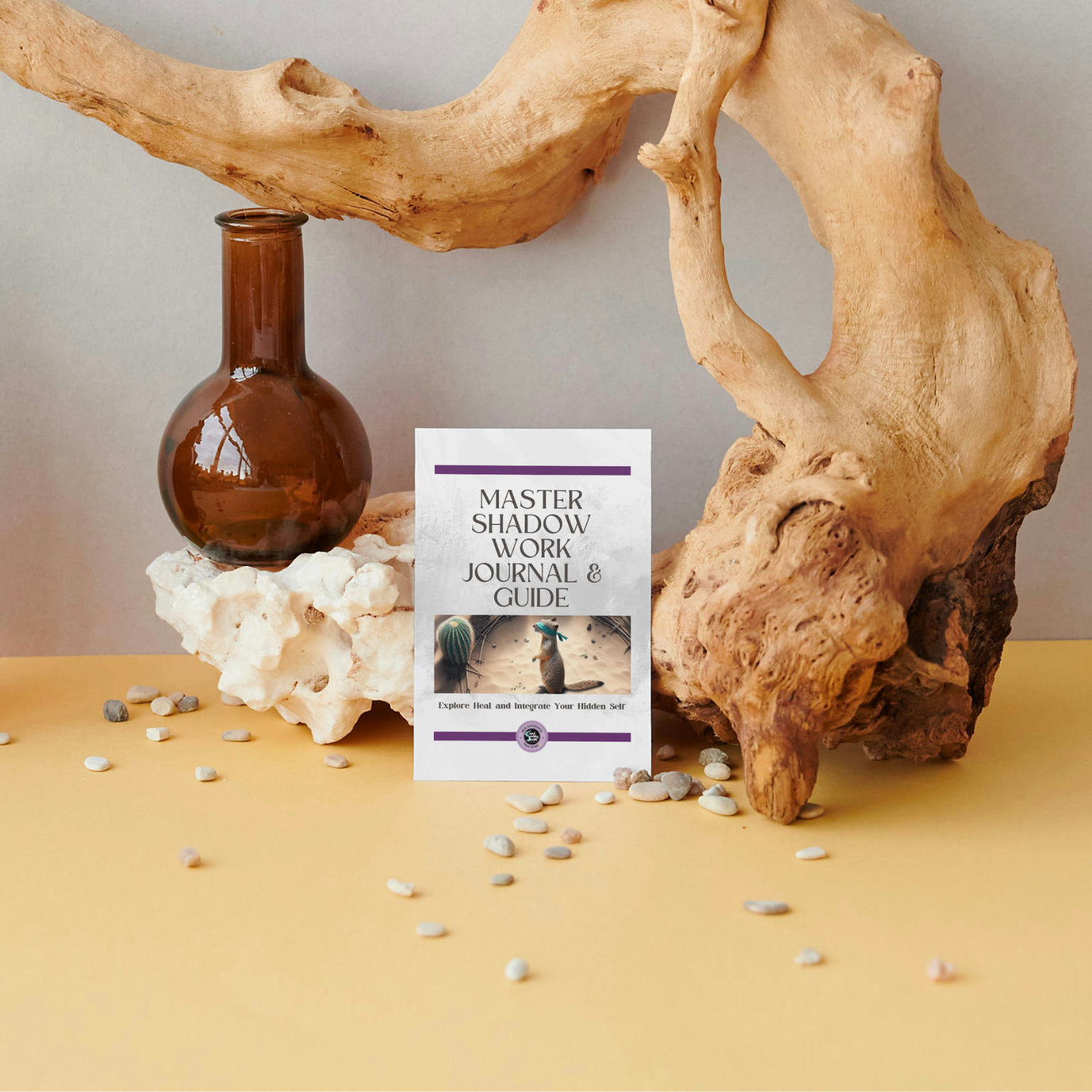
🤍 Master Shadow Work Journal & Guide
Ready to explore what your meditation brought to the surface more deeply?
Our Master Shadow Work Journal & Guide gives you a structured space to explore hidden patterns, difficult emotions, limiting beliefs, and the parts of yourself that may be asking for more compassion. If your Beaver Moon meditation revealed something you are ready to understand rather than simply push away, this deeper journal can help you turn that awareness into a more intentional self-reflection practice.
🌕 Your Beaver Moon Meditation Practice
The Beaver Moon invites us to slow down enough to notice what is happening within us before rushing toward what comes next. Meditation gives you the space to experience that pause rather than simply thinking about it.
Perhaps your practice brought a sense of stability you had been missing. Maybe you became aware of a boundary that needs strengthening, an old burden you are ready to loosen, or something you want to give more of your time and energy to. You may even have noticed resources, support, or inner strength that were already there.
If you feel drawn to explore the symbolism behind this practice, our Beaver Moon Symbols guide offers another way to reflect on the beaver, water, building, protection, and other imagery associated with November's full moon.
And if your meditation brought up questions you would like to explore more personally, Sisters Creation offers a space for deeper reflection, tarot guidance, and spiritual support when you feel ready to look at those questions from another perspective.
You can return to this meditation throughout the Beaver Moon season, or simply come back to it whenever life feels noisy and you need a quiet moment to hear yourself again.
You do not have to know exactly what comes next. Sometimes the first step is simply becoming still enough to listen.
With love,
Caitlin & Gerly,
Soul Sisters Tarot
❓ FAQ: Beaver Moon Meditation
What is a Beaver Moon meditation?
A Beaver Moon meditation is a guided full moon meditation that uses grounding, visualization, breathing, and reflection to help you slow down, reconnect with yourself, and create space for the season ahead. It is inspired by themes associated with the Beaver Moon, including preparation, protection, gathering resources, emotional release, and strengthening your foundations. You do not need previous meditation experience or a complicated ritual setup.
What should I focus on during a Beaver Moon meditation?
During a Beaver Moon meditation, you can focus on what you are building, what supports you, what needs protection, what you are ready to release, or what you want to prepare for next. Choose one theme that feels especially relevant rather than trying to work through everything at once. The most useful focus is often the one that naturally catches your attention.
When should I do a Beaver Moon meditation?
The best time to do a Beaver Moon meditation is whenever you can create a quiet moment for yourself, whether on the night of the November full moon, during the surrounding days, or at another time when you feel drawn to slow down. You do not need to meditate at the exact moment of the full moon. Evening, morning, or daytime can all work if you can be present.
Can I do a Beaver Moon meditation if I cannot see the Moon?
Yes, you can do a Beaver Moon meditation without being able to see the Moon. Cloudy weather, being indoors, limited visibility, or practicing during the daytime does not prevent you from using the Beaver Moon as a framework for reflection. Your presence and intention matter more than physically seeing the Moon.
How long should a Beaver Moon meditation be?
A Beaver Moon meditation can last anywhere from a few minutes to 20 or 30 minutes, depending on how much time you have and how deeply you want to reflect. A longer practice gives you more space for visualization, while a short meditation can still help you pause and reconnect with yourself. Choose a duration that feels realistic rather than turning meditation into another obligation.
What do you do during a Beaver Moon meditation?
During a Beaver Moon meditation, you typically slow your breathing, ground yourself, use guided imagery, and reflect on themes such as safety, foundations, boundaries, emotions, release, and preparation. You might visualize an inner sanctuary, sit with intentional questions, or simply notice what arises. The purpose is not to achieve a particular spiritual experience, but to create enough stillness to listen to yourself.
Is the Beaver Moon a good time to meditate?
The Beaver Moon can be a meaningful prompt for meditation because its seasonal symbolism lends itself naturally to reflection, preparation, protection, and turning inward. You can use November's full moon as an opportunity to pause and consider what you want to carry into the months ahead, whether you approach the Moon spiritually or simply use it as a seasonal marker for reflection.
Can I use Beaver Moon meditation for manifestation?
Yes, you can use a Beaver Moon meditation to support manifestation by reflecting on what you want to build, recognizing the resources you already have, and choosing an intention for the season ahead. Instead of focusing only on a desired outcome, consider the habits, preparation, boundaries, and actions that could support it. This makes manifestation more intentional and grounded in what you can actually do.
What if I feel emotional during a Beaver Moon meditation?
Feeling emotional during a Beaver Moon meditation can simply mean that the quiet space has given you an opportunity to notice feelings that were already present. You do not need to understand or resolve an emotion while meditating. If you feel overwhelmed, open your eyes, look around your surroundings, feel your feet against the floor, and return your attention to the present moment. You can always stop and return to the practice another time.
Do I need to be spiritual to do a Beaver Moon meditation?
You do not need to be spiritual or follow a particular belief system to practice a Beaver Moon meditation. You can approach it as a guided mindfulness and reflection exercise, using Beaver Moon imagery as a framework for thinking about your foundations, emotions, boundaries, resources, and future intentions. Take what feels meaningful to you and leave anything that does not resonate.
Soul Sisters Tarot
A Soft Place to Grow.
💌 SOUL SISTERS WEEKLY
A thoughtful Sunday letter with tarot reflections, moon wisdom, self-love, and gentle encouragement.
© 2026. All rights reserved.
Inspirational Coaching OÜ
sisters@soulsisterstarot.com