💌 JOIN SOUL SISTERS WEEKLY → GET FREE WELCOME GIFTS 🎁
Receive a thoughtful Sunday letter, free Self-Love & Shadow Work guides, and monthly Full Moon rituals ✨


Summer Solstice Symbols Explained: Why Do Fire, Bees & Sunflowers Keep Appearing?
Explore summer solstice symbols and discover why ancient traditions repeatedly returned to fire, herbs, bees, and sunflowers. What were people seeing that made these symbols unforgettable?
SEASONAL & SPIRITUAL TRADITIONS
Soul Sisters Tarot
5/24/202611 min read
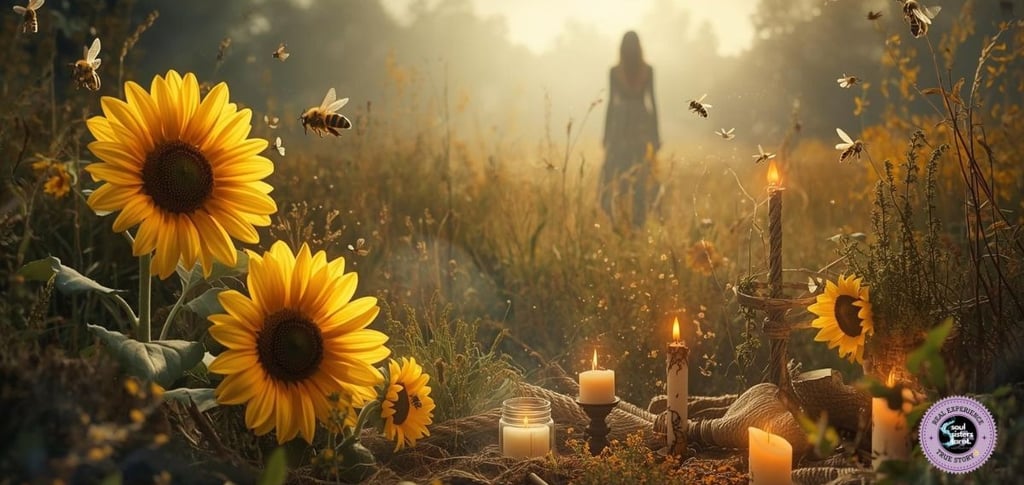
Summer Solstice Symbols Explained: Sunflowers, Fire, Herbs, Bees & Sacred Meanings
This guide belongs to our Summer Solstice collection, where we explore seasonal rituals, spiritual meanings, and meaningful practices designed to help you connect with the energy of growth, reflection, and personal transformation.
Long before people explained the world through calendars, weather forecasts, or modern science, many looked toward nature itself for meaning. The movement of the sun, blooming flowers, medicinal herbs, fire, animals, and changing seasons were often seen as more than ordinary parts of daily life. They became symbols carrying stories, beliefs, and deeper ideas about life itself.
The summer solstice was especially rich with these meanings.
As the longest day of the year arrived, people across different traditions repeatedly returned to the same images: sunflowers turning toward the sun, fires burning late into the evening, herbs gathered at midsummer, bees moving through fields, and seasonal plants associated with life and abundance.
What makes this particularly interesting is that many of these symbols appeared across different places and traditions, even among people separated by time and distance.
Why did fire become connected with midsummer celebrations? Why were herbs gathered during the summer solstice? Why do symbols such as bees and flowers continue appearing in seasonal rituals even today?
Whether you are exploring seasonal spirituality, ancient traditions, or simply curious about summer solstice symbols, this guide will help you uncover the stories, meanings, and symbolism hidden beneath some of midsummer's most recognizable images.
🌞 Why Summer Solstice Symbols Appeared Across Different Traditions
One of the most interesting things about summer solstice symbols is that many of them repeatedly appeared across different cultures and periods of history, even among people who had no connection to one another.
Different communities living in different places still returned to similar images: fire, flowers, sunlight, herbs, bees, greenery, and symbols connected with life and abundance.
That raises an interesting question:
Why did people separated by distance and time continue choosing the same symbols?
For many ancient communities, nature was not viewed as something separate from everyday life. The movement of the sun affected survival, planting seasons, harvests, weather patterns, and daily routines. People paid close attention to recurring changes happening around them because these changes directly influenced life itself.
Over time, repeated patterns naturally began carrying meaning.
Flowers appeared and disappeared with seasonal cycles. Certain herbs reached their strongest growth periods. The sun followed predictable movements across the sky. Animals behaved in recognizable ways year after year.
The summer solstice stood out because it marked an unusual moment within those patterns. The longest day of the year arrived at a time when warmth, light, and visible growth appeared strongest. Because of this, many people began connecting the natural world around them with ideas that felt larger than ordinary events.
Summer solstice symbols often became connected with:
vitality and life energy
abundance and visible growth
blessings and protection
celebration and community
the changing rhythm of nature
If you would like to explore more seasonal traditions, sacred celebrations, and spiritual meanings throughout the year, continue exploring our Sacred Celebrations & Spiritual Traditions guide, where we honor the symbolism and wisdom carried through changing seasons.
Many of these images survived for centuries not because people were told to preserve them, but because certain symbols continued to feel meaningful long after the traditions themselves changed.
🌻 Sunflower Meaning in Summer Solstice Traditions
The sunflower is one of the most recognized summer solstice symbols and is traditionally associated with sunlight, vitality, abundance, and the height of summer. Even people with no interest in seasonal traditions often instinctively associate sunflowers with summer itself. Bright fields of yellow flowers appearing beneath long days and strong sunlight have become almost inseparable from the feeling of the season.
What made sunflowers especially meaningful was not simply their appearance. People noticed something unusual about them.
Young sunflowers often follow the movement of the sun across the sky while growing, a behavior known as heliotropism. Long before this process had a scientific explanation, many people simply observed it happening and began attaching meaning to it. A flower appearing to turn toward sunlight naturally invited symbolism.
Over time, sunflowers became connected with ideas such as:
vitality and life energy
visible growth and abundance
warmth and joy
hope and resilience
following the light and direction
What makes sunflower symbolism especially interesting is that it often reflects more than the season itself.
Midsummer arrives at a point when life appears visible and active. Fields become fuller, nature reaches a period of expression, and sunlight stretches longer across the day. Sunflowers seemed to mirror that same feeling.
Because of this, many traditions gradually connected them not only with external abundance, but with something more personal as well: The idea of moving toward what creates warmth, meaning, and life.
Perhaps this helps explain why sunflowers continue appearing in seasonal imagery and spiritual traditions today. They do not simply look like summer. They feel like it.
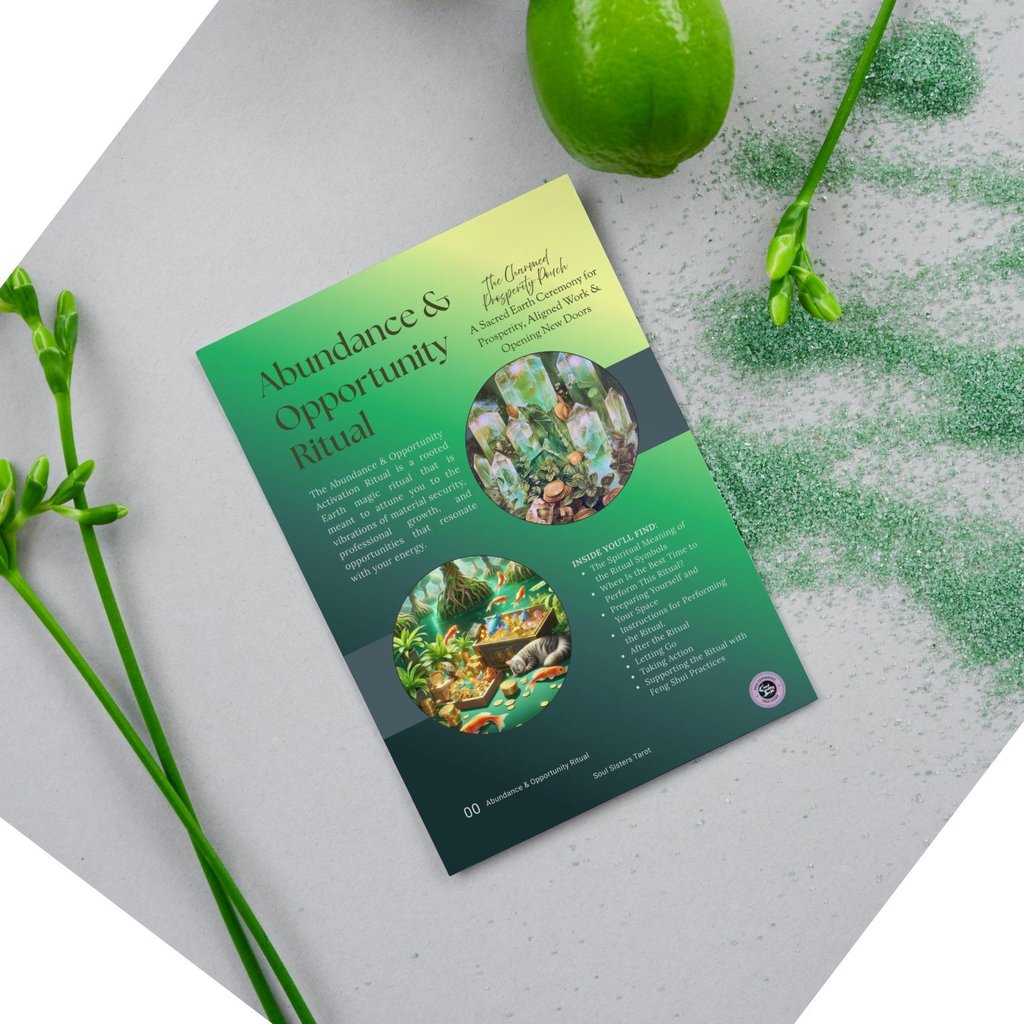
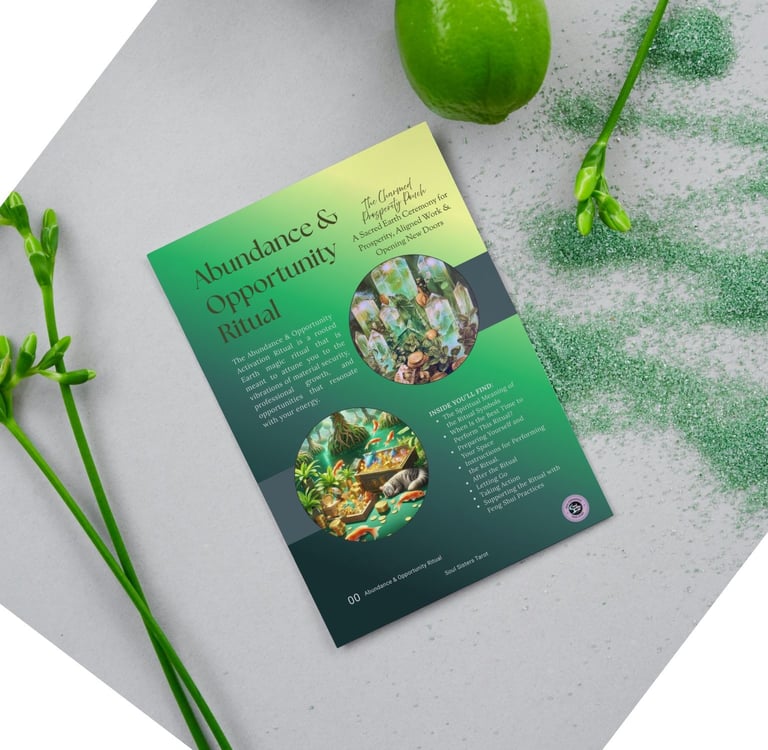
🍀 Abundance & Opportunity Ritual
What if the opportunities you want are already beginning to grow beneath the surface?
The Abundance & Opportunity Ritual is designed to help you work intentionally with prosperity, receiving, aligned opportunities, and the season of expansion that midsummer represents.
🔥 Fire Meaning in Summer Solstice Traditions
Few symbols appear more repeatedly in midsummer traditions than fire. Long before electricity or modern lighting, fire carried a very different presence in everyday life. People depended on it for warmth, cooking, protection, and survival. Yet fire also had another quality that made it feel different from almost anything else around it.
It seemed alive. Flames moved constantly, changed shape without warning, created warmth that could be felt, and transformed everything they touched. Unlike stones, rivers, or trees, fire never remained still. Because of this, many people viewed it as something more than a practical tool.
During midsummer celebrations across different regions, large bonfires were often lit on hillsides and gathering places. Communities came together around flames that sometimes burned late into the night. In some traditions, people believed fire carried blessings or protection, while others associated it with purification, prosperity, or honoring the visible strength of the sun itself.
The connection with the summer solstice felt natural.
The longest day of the year arrived at the point when sunlight appeared strongest and nature seemed filled with visible life. Fire felt like a reflection of that same energy, almost like bringing a small piece of the sun down to Earth.
Over time, fire gradually became connected with ideas such as:
vitality and life energy
abundance and visible growth
protection and blessings
movement and transformation
strength and renewal
What makes fire symbolism especially interesting is that it carried both comfort and unpredictability at the same time.
People gathered around it for warmth and light, yet they also understood that flames could never be completely controlled.
Perhaps this is part of why fire remained meaningful for so long. It reminded people that even the strongest moments in life continue moving, changing, and becoming something new.
🍀 If you feel drawn toward welcoming abundance, opportunities, and fresh energy during this season, explore our Abundance & Opportunity Ritual designed to support intention, growth, and meaningful new possibilities.
If you would like to explore modern seasonal practices connected with abundance and expansion, continue exploring our Summer Solstice Manifestation: How to Work With Expansion & Opportunity Energy guide.
🌿 Herb Meaning in Summer Solstice Traditions
Across many midsummer traditions, herbs were not viewed as ordinary plants growing in the background. People paid unusually close attention to them. What makes this fascinating is that many communities across different regions developed a similar belief: certain herbs gathered around midsummer seemed especially important.
Long before laboratories or modern explanations existed, people closely observed seasonal patterns in the natural world. They noticed that some plants appeared only at particular times, some reached periods of strong growth during summer, and others carried recognizable scents, colors, or effects that made them stand out from surrounding plants.
Over time, these observations gradually became traditions.
Certain herbs gathered near the summer solstice were sometimes believed to carry stronger symbolic significance or become especially connected with midsummer celebrations. People dried them, carried them, hung them in homes, used them in seasonal gatherings, or included them within customs passed through generations.
Herbs gradually became associated with ideas such as:
blessings and protection
abundance and prosperity
vitality and life energy
healing and renewal
connection with nature and seasonal cycles
What makes herb symbolism especially interesting is that people rarely separate practical use from meaning itself.
A plant could appear in food, be placed within a celebration, be carried during travel, decorate a gathering space, and still carry symbolic importance at the same time.
Perhaps this helps explain why herbs continued appearing so often throughout midsummer traditions. They did not simply represent nature. They became part of people's everyday relationship with it.
🍀 If you enjoy working intentionally with abundance, growth, and welcoming positive energy, explore our Abundance & Opportunity Ritual designed to support intention, opportunity, and meaningful new beginnings.
If you would like to explore the historical roots behind many midsummer customs, explore our Litha Meaning Explained: Traditions, Rituals & Summer Solstice Origins guide.
🐝 Bee Meaning in Summer Solstice Traditions
Bees may seem like an unusual symbol to appear within midsummer traditions, yet they repeatedly emerged in seasonal imagery connected with summer and abundance.
What made bees fascinating was not simply that people saw them often. It was that people kept noticing what seemed to happen around them.
Long before pollination was understood scientifically, people observed something curious. Fields became fuller, flowers opened, plants returned year after year, and bees seemed to appear wherever landscapes felt most alive. The connection was difficult to ignore.
Unlike the movement of seasons or changing weather, bees seemed purposeful. They moved constantly, disappeared into flowers, returned again, and somehow appeared connected with the visible fullness of nature surrounding them.
Over time, many traditions gradually connected bees with ideas such as:
abundance and prosperity
fertility and visible growth
movement and life energy
community and cooperation
the unseen relationships within nature
What makes bee symbolism especially interesting is that many of these meanings were not based on abstract ideas.
They came from observation. People repeatedly noticed that some of the most visible expressions of life around them seemed connected with things happening quietly in the background. Perhaps this is why bees remained meaningful for so long.
Midsummer celebrations often honored visible abundance, yet bees carried a quieter reminder: Many things that grow beautifully begin through work we do not immediately see.
🍀 If you feel drawn toward welcoming abundance, opportunities, and meaningful growth during this season, explore our Abundance & Opportunity Ritual designed to support intention and new possibilities.
Many traditions connected bees with visible abundance and the understanding that growth often begins quietly before becoming noticeable. If you would like to explore these ideas more deeply through reflection and seasonal self-discovery, explore our Summer Solstice Journal Prompts for Growth & Emotional Clarity guide.
📓 365 Psychological Journal Prompts
The most important growth often happens before anyone else can see it.
Explore 365 guided journal prompts designed to help you notice patterns, deepen self-awareness, and uncover insights that might otherwise go unnoticed.


✨ Why Summer Solstice Symbols Still Feel Meaningful Today
One of the most interesting things about summer solstice symbols is that many of them survived long after the traditions that originally used them began changing.
People still decorate with sunflowers, gather around candles and fires, work with herbs, and return to nature imagery throughout the summer season. Yet many people never stop to ask a surprisingly interesting question:
Why did these symbols remain while countless others disappeared?
Symbols usually survive for a reason. Across history, people repeatedly attached meaning to things they experienced directly. Fire created warmth and light. Flowers marked changing seasons. Bees appeared where landscapes seemed most alive. Herbs became part of daily life through food, fragrance, and seasonal traditions.
These were not abstract ideas created in isolation. People watched them happen. Over time, repeated experiences slowly became repeated meanings.
What makes summer solstice symbolism particularly interesting is that many of these images continue to feel familiar even now.
People may no longer organize life around harvest cycles or watch the movement of the sun as closely as ancient communities once did. Yet many of the experiences themselves remain recognizable.
We still notice the feeling of sunlight after long winter months. We still connect flowers with life returning. We still recognize fire as something that draws people together.
Perhaps this is why many midsummer symbols survived for so long. They did not remain meaningful because people were told to remember them. They remained meaningful because people kept recognizing something familiar within them.
🌻 If you enjoy seasonal symbolism, meaningful rituals, and spiritual tools designed to support your journey, explore our Sisters Creation collection, where we share soulful resources and intentional creations inspired by growth, reflection, and seasonal wisdom.
🌅 Why Some Symbols Never Fully Disappear
One of the most interesting things about summer solstice symbols is that many of them survived for centuries without anyone needing to formally preserve them.
No one needed to remind people that fire feels powerful. No one needed to teach people to notice bright fields of flowers beneath long summer days. No one needed to explain why bees moving through landscapes filled with life felt meaningful.
People simply kept noticing the same things. That may be part of what makes symbolism so interesting.
Many symbols were not created through rules, books, or organized traditions. They often began through ordinary observations repeated often enough that people gradually attached meaning to them.
A flower turning toward sunlight became more than a flower. Fire became more than warmth after dark. Bees became more than insects moving through fields.
Over time, people began seeing larger ideas hidden within ordinary moments. Perhaps this is why many midsummer symbols continued surviving long after traditions themselves changed.
People still gather around candles and fires. People still stop to admire flowers. People still feel something different about long evenings filled with warmth and light. Maybe symbols remain meaningful because they were never only about the objects themselves. They were always about the experiences people recognized within them.
If you enjoy exploring seasonal meanings and spiritual guidance, you may also enjoy our Summer Solstice Tarot Spread: Messages for Growth, Abundance & Alignment, designed to help you reflect on the messages and energy surrounding this season.
🌻 If meaningful rituals, symbolism, and intentional spiritual tools speak to you, you can also explore our Sisters Creation collection, where we share soulful resources inspired by growth, reflection, and seasonal wisdom.
With love and light,
Caitlin & Gerly,
Soul Sisters Tarot
❓ Frequently Asked Questions About Summer Solstice Symbols
What are summer solstice symbols?
Summer solstice symbols are natural images, plants, and seasonal elements traditionally connected with midsummer celebrations. Common examples include fire, sunflowers, herbs, bees, flowers, and sunlight. Many of these symbols became associated with ideas such as abundance, visible growth, vitality, and seasonal change.
Why do the same summer solstice symbols appear across different cultures?
Many summer solstice symbols appear across different cultures because people repeatedly observed the same natural patterns. Fire provided warmth and light, flowers marked seasonal change, herbs reached periods of strong growth, and bees appeared wherever landscapes seemed most alive. Even when traditions developed independently, people often attached similar meanings to the same natural experiences, which is why many midsummer symbols continue appearing throughout history.
Why are sunflowers associated with the summer solstice?
Sunflowers are a symbol of the summer solstice because of their close association with sunlight, growth, and the height of summer. Young sunflowers naturally follow the movement of the sun while growing, a behavior known as heliotropism. Long before this process was scientifically understood, people observed the connection and began associating sunflowers with vitality, abundance, warmth, and the life-giving power of the sun. Their bright appearance and strong seasonal presence made them one of the most recognizable symbols of midsummer.
What is the most common symbol of the summer solstice?
Fire is often considered the most common symbol of the summer solstice. Across many cultures and historical traditions, bonfires, candles, and ceremonial fires were used to honor the longest day of the year and the visible strength of the sun. Other widely recognized summer solstice symbols include sunflowers, herbs, bees, flowers, greenery, and solar imagery connected with light, vitality, and seasonal abundance.
Why were bonfires important during summer solstice traditions?
Bonfires appeared in many midsummer celebrations because fire often symbolized the visible strength of the sun itself. Across different traditions, fire became associated with celebration, protection, blessings, and honoring the longest day of the year.
What herbs are traditionally connected with the summer solstice?
Different traditions connected different plants with midsummer celebrations, but herbs often associated with the season include mugwort, lavender, rosemary, chamomile, and St. John's wort. These plants frequently appeared in seasonal customs and symbolic practices.
Why was fire important during the summer solstice?
Fire played an important role in many summer solstice traditions because it symbolized the strength, warmth, and life-giving power of the sun. Communities often gathered around bonfires during midsummer celebrations to honor the longest day of the year, celebrate seasonal abundance, and mark an important turning point within the natural cycle. In many traditions, fire also became associated with protection, purification, blessings, and renewal.
Why do bees appear in summer solstice symbolism?
Bees became meaningful because people repeatedly noticed their connection with flowering landscapes and visible growth. Long before pollination was understood scientifically, bees often became associated with abundance, fertility, and the hidden relationships within nature.
Are summer solstice symbols and Litha symbols the same?
Many summer solstice symbols also appear within Litha traditions because Litha is celebrated around midsummer. However, many symbols existed long before modern pagan traditions adopted them and appeared across different cultures throughout history.
Why do summer solstice symbols still feel meaningful today?
Many people still feel connected to these symbols because the experiences behind them remain familiar. People still recognize warmth, sunlight, flowers, visible growth, and changing seasons. Even when traditions evolve, certain symbols continue to feel recognizable and meaningful across generations.
Soul Sisters Tarot
A Soft Place to Grow.
💌 SOUL SISTERS WEEKLY
A thoughtful Sunday letter with tarot reflections, moon wisdom, self-love, and gentle encouragement.
© 2026. All rights reserved.
Inspirational Coaching OÜ
sisters@soulsisterstarot.com