💌 JOIN SOUL SISTERS WEEKLY → GET FREE WELCOME GIFTS 🎁
Receive a thoughtful Sunday letter, free Self-Love & Shadow Work guides, and monthly Full Moon rituals ✨



Why Am I So Easily Triggered?
Why Small Things Can Feel So Big (And What Your Reactions May Be Trying to Tell You)
It can happen in seconds. A text message that feels different than usual. A comment that stays in your mind long after the conversation ends. Someone pulling away, changing their tone, or saying something that shouldn't have affected you quite so much.
Yet suddenly, your emotions feel impossible to ignore. You replay the interaction. You question yourself.
You wonder whether you're overreacting.
And sometimes you become frustrated because part of you knows the situation seems small, yet the emotional reaction feels anything but small.
If you've ever asked yourself, "Why am I so easily triggered?", you're not alone. If you feel easily triggered, it does not necessarily mean you are overly sensitive. More often, it means certain situations are activating emotional patterns that your mind has learned to associate with rejection, criticism, uncertainty, or emotional pain.
Many people assume strong emotional reactions mean they are too sensitive, too emotional, or somehow lacking self-control. In reality, emotional triggers are often far more complex. What feels like an overreaction in the present moment is frequently connected to deeper emotional patterns, past experiences, unmet needs, or beliefs that were formed long before the current situation occurred.
This is why a delayed reply can feel like rejection. Why feedback can feel like criticism. Why a small disagreement can create anxiety, defensiveness, or self-doubt that seems much larger than the situation itself.
The reaction is rarely only about what is happening now. More often, it is connected to what the experience means to you emotionally.
In this guide, we'll explore why emotional triggers happen, why some people seem more emotionally reactive than others, and how greater awareness can help you respond differently when strong emotions arise.
If you're interested in exploring the deeper emotional patterns behind your reactions, you may also find our Shadow Work hub helpful, where we explore triggers, emotional healing, self-awareness, and the unconscious beliefs that shape the way we experience ourselves and our relationships.
🧠 What Does It Mean to Be Emotionally Triggered?
Being emotionally triggered means a situation has activated an emotional pattern that feels important to your mind or nervous system. The reaction may happen in the present moment, but the emotional intensity is often connected to something deeper.
Being emotionally triggered is not simply having an emotion. It is having a reaction that feels difficult to let go of, even when part of you knows the situation may not fully explain the intensity of what you're feeling.
A conversation ends, but you keep replaying it.
Someone seems slightly distant, and your mind immediately starts searching for reasons why.
A piece of feedback stays with you for the rest of the day.
A small disagreement leaves you questioning yourself, your relationship, or whether you did something wrong.
The situation itself may seem minor, yet the emotional reaction feels much larger than the event that triggered it.
This is often what makes emotional triggers so confusing. You are not reacting only to what is happening in the present moment. You are also reacting to what the experience represents emotionally.
For example, a delayed reply may not simply feel like a delayed reply. It may feel like rejection.
A disagreement may not simply feel like a disagreement. It may feel like disapproval.
Constructive feedback may not simply feel like feedback. It may feel like proof that you are not good enough
.The reaction is not necessarily caused by the event itself. It is often shaped by the meaning your mind attaches to the event based on previous experiences, emotional memories, fears, and beliefs. This is why two people can experience the exact same situation and react completely differently. One person may barely notice it, while another may feel anxious, hurt, defensive, or overwhelmed.
Emotional triggers are often less about the present moment and more about the emotional history we bring into the present moment. Rather than being signs that you are weak, overly emotional, or somehow broken, triggers are often signals that something inside you feels threatened, unsafe, unseen, rejected, or misunderstood.
Understanding this can be incredibly freeing because it changes the goal. Instead of trying to suppress every emotional reaction, you begin learning how to understand what the reaction is trying to communicate.
For some people, these reactions are closely connected to a fear of disappointing others, being rejected, or losing connection. If you often find yourself putting other people's needs before your own to avoid conflict or disapproval, you may also find our guide Why Am I a People Pleaser? helpful.
🌷 Free Shadow Work Starter Kit
Begin Understanding Your Emotional Triggers
If you're starting to recognize emotional patterns in yourself, our Free Shadow Work Starter Kit can help you explore them more deeply with beginner-friendly exercises, reflection prompts, and simple shadow work practices.


💔 Why Am I So Easily Triggered?
If you feel easily triggered, it usually means certain situations are activating emotional patterns that your mind and nervous system have learned to treat as important, threatening, or emotionally significant.
One of the most frustrating parts of emotional triggers is that they often seem irrational. You may know that a comment was not meant as criticism, yet you cannot stop thinking about it. You may understand that a delayed reply does not automatically mean rejection, yet anxiety appears anyway. You may tell yourself that a disagreement is normal, yet part of you immediately fears conflict, distance, or disapproval.
This is why many people feel confused by their reactions.
The logical part of the mind understands one thing.
The emotional part experiences something completely different.
When this happens, it is usually because the reaction is being influenced by more than the present moment alone. Emotional triggers are often connected to past experiences, learned beliefs, emotional wounds, unmet needs, and patterns that developed long before the current situation occurred.
Small situations often create big emotional reactions when they touch larger fears such as rejection, criticism, abandonment, failure, or not being good enough.
The trigger itself is rarely the entire story. A delayed text message may not simply feel like a delayed text message. It may feel like being forgotten. Being unimportant. Being left behind.
Constructive feedback may not simply feel like feedback. It may feel like proof that you have failed. That you disappointed someone. That you are not enough.
The reaction happens so quickly because the mind is not responding only to what is happening. It is responding to what the situation seems to mean.
Common Reasons You May Feel Easily Triggered
Your Mind Is Trying to Protect You
Many emotional reactions begin as forms of protection. If criticism once led to shame, your mind learns to watch carefully for criticism. If rejection once felt deeply painful, your mind becomes highly sensitive to signs of rejection. If emotional unpredictability created stress in the past, uncertainty may feel difficult to tolerate in the present.
These reactions are not evidence that something is wrong with you. They are evidence that your mind learned to adapt to experiences that felt emotionally significant.
Emotional Needs Feel Threatened
Most triggers involve a perceived threat to something we deeply need. Connection. Acceptance. Belonging. Respect. Safety. Understanding.
When those needs feel secure, situations are often easier to navigate. When they feel threatened, even small events can create powerful emotional reactions because the mind interprets the situation as emotionally important.
Old Beliefs Are Being Activated
Many people discover that their strongest triggers are connected to beliefs they carry about themselves.
A person who fears they are not good enough may react strongly to criticism.
A person who fears rejection may overanalyze small changes in another person's behavior.
A person who believes they must keep everyone happy may become distressed by conflict or disapproval.
The trigger often reveals the belief that sits underneath the reaction.
Your Nervous System Has Learned to Stay Alert
Sometimes emotional reactivity is not about weakness, oversensitivity, or lack of self-control. Sometimes it is the result of a nervous system that has spent years learning to watch for emotional danger.
When the nervous system becomes highly alert, situations that seem small to other people can feel much more significant internally.
This does not mean your reactions are wrong. It means your mind and body are trying to keep you safe using patterns they learned long ago.
Many people who consider themselves "easily triggered" are not reacting to the situation itself. They are reacting to what the situation appears to confirm about their fears, relationships, self-worth, or emotional safety.
Understanding this can be incredibly freeing because it shifts the question away from:
"What's wrong with me?"
and toward:
"What is this reaction trying to protect?"
That small shift often marks the beginning of greater self-awareness and emotional freedom.
In some cases, the same fears and emotional patterns that fuel triggers can also contribute to avoidance, procrastination, perfectionism, and other forms of self-protective behavior. If that sounds familiar, you may also find our guide How to Stop Self-Sabotaging Behavior helpful.
🔄 Signs You’re Being Emotionally Triggered
One of the strongest signs of an emotional trigger is that your reaction continues long after the situation has ended. What happened may last a few minutes, but the emotional impact stays with you for hours, days, or even longer.
Many people expect emotional triggers to look dramatic. They imagine anger, panic, or emotional outbursts. In reality, emotional triggers are often much quieter. They can appear as overthinking, self-doubt, people-pleasing, anxiety, defensiveness, or an inability to stop replaying an interaction in your mind.
This is one reason triggers can be difficult to recognize. The emotional reaction often feels justified because it seems connected to the current situation. However, when you look more closely, you may notice that the same emotional themes keep appearing in different situations, relationships, and stages of your life.
You Replay Interactions Long After They End
One of the most common signs of emotional triggering is mental replay. A conversation ends, yet your mind continues returning to it. You analyze what was said, what was meant, what you should have said differently, and whether the other person thinks negatively of you.
When your mind cannot let go of an interaction, it is often because the situation has activated something emotionally important beneath the surface.
The issue is rarely the conversation itself. More often, it is the fear, belief, or emotional wound that the conversation touched.
You React to the Meaning Rather Than the Event
Many emotional triggers are not caused by what happened. They are caused by what the situation appears to mean.
A delayed reply may feel like rejection. Constructive feedback may feel like criticism. A disagreement may feel like a disconnection. A boundary may feel like abandonment.
Emotional triggers often occur when the mind interprets a situation as evidence of a deeper fear, such as rejection, criticism, failure, abandonment, or not being good enough.
This is why the same event can affect two people in completely different ways.
The Same Emotional Themes Keep Repeating
The people change. The circumstances change. The details change. Yet somehow the emotional experience remains familiar.
You repeatedly feel overlooked. You repeatedly feel criticized. You repeatedly fear disappointing others.
You repeatedly worry that you have done something wrong.
When the same emotions continue appearing across multiple situations, it often points toward a deeper pattern rather than a single isolated trigger.
Repeated emotional reactions usually reveal a recurring pattern, not a recurring coincidence.
You Become Defensive, Withdraw, or Try to Fix Everything
Emotional triggers often activate protective behaviors before conscious awareness has time to catch up.
Some people become defensive. Some shut down emotionally. Some over-explain themselves.
Some immediately apologize. Some try to fix the situation, even when they have done nothing wrong.
These reactions are often attempts to restore emotional safety as quickly as possible.
You Feel Responsible for Other People's Feelings
Many people who are easily triggered carry an unspoken belief that they are responsible for maintaining harmony, preventing conflict, or keeping other people happy. As a result, someone else's disappointment, frustration, distance, or bad mood can feel deeply personal.
You may find yourself taking responsibility for emotions that do not belong to you or feeling guilty for situations you did not create.
A Simple Way to Recognize a Trigger
A useful question to ask yourself is:
"Am I reacting to what is happening, or am I reacting to what I fear it means?"
That question alone can reveal a surprising amount of insight.
Many emotional triggers lose some of their power the moment you recognize that the reaction is connected to a deeper fear, belief, or emotional pattern rather than the present situation alone.
🌙 How to Stop Emotional Triggers from Taking Over
You do not stop emotional triggers by fighting the emotion. You stop emotional triggers from taking over by understanding the pattern that keeps creating the same reaction.
Many people believe the solution to emotional triggers is learning how to stay calm. While emotional regulation is important, calmness alone rarely solves the deeper problem.
A person can learn breathing techniques, grounding exercises, and coping strategies while still experiencing the same fears, the same emotional wounds, and the same reactions beneath the surface.
This is why many people feel frustrated. They know they are overreacting. They know the situation is not an emergency. They know they have felt this way before. Yet the reaction keeps happening.
The reason is simple.
Most emotional triggers are not created by the present moment. They are created by the meaning your mind attaches to the present moment.
The situation creates the trigger. The meaning creates the emotional reaction.
A delayed message is simply a delayed message. The emotional reaction appears when the mind interprets it as rejection, abandonment, disinterest, or proof that something is wrong.
Feedback is simply feedback. The emotional reaction appears when the mind interprets it as failure, criticism, or evidence that you are not good enough.
This is why lasting change begins with understanding the story beneath the reaction.
Stop Asking "What's Wrong?" and Start Asking "What's Threatened?"
When people become emotionally triggered, their attention naturally moves toward the situation itself.
What happened? Why did they say that? What does this mean? Did I do something wrong?
While these questions feel important, they often keep you focused on the surface of the reaction rather than the source of it.
A more useful question is:
What feels threatened right now?
For many people, the answer is surprisingly consistent.
A sense of belonging. A sense of connection. A sense of worth. A sense of safety.
A sense of being respected or understood.
Most emotional triggers involve a perceived threat to connection, acceptance, self-worth, belonging, or emotional safety.
Once you identify what feels threatened, the reaction often becomes much easier to understand.
Learn to Separate Facts From Fears
One of the most powerful skills in emotional healing is learning to distinguish between what happened and what you fear happened.
For example:
The fact:
Someone took several hours to reply.
The fear:
They are upset with me.
The fact:
Someone disagreed with me.
The fear:
They no longer respect me.
The fact:
I made a mistake.
The fear:
I am a failure.
The trigger often lives in the gap between those two things.
When you learn to recognize that gap, you create space for a different response.
Emotional triggers become less overwhelming when you learn to separate facts from fears and events from interpretations.
Pay Attention to What Keeps Repeating
One difficult interaction tells you very little. Ten similar interactions tell you a great deal.
If you consistently find yourself feeling rejected, criticized, abandoned, overlooked, misunderstood, or responsible for other people's emotions, it is worth paying attention.
Patterns reveal far more than individual situations. The same emotional reaction appearing across multiple relationships is rarely an accident. Very often, it is your mind pointing toward an unresolved belief, wound, fear, or unmet need that continues to influence how you experience the world.
This is why shadow work focuses so heavily on recurring patterns rather than isolated events.
Focus on Understanding Before Fixing
One of the biggest mistakes people make is trying to eliminate emotional reactions as quickly as possible. They want the discomfort to disappear. They want to stop feeling anxious, hurt, embarrassed, rejected, or overwhelmed.
However, emotions often become more manageable when they are understood rather than suppressed.
The goal is not to become someone who never gets triggered. The goal is to become someone who recognizes the trigger, understands what it is connected to, and responds with greater awareness instead of automatic reaction.
The people who experience the greatest emotional growth are not the people who never get triggered. They are the people who become curious about why the trigger appeared in the first place.
Over time, this shift changes everything. You stop fighting your reactions. You stop judging yourself for having emotions.
And you begin understanding the deeper patterns that have been shaping those reactions all along.
🖊️ What to Do When You Feel Triggered in the Moment
Most emotional triggers become more painful when we immediately believe the story our mind creates about the situation. The first step is not changing the emotion. The first step is creating enough distance to question the story.
One of the reasons emotional triggers feel so overwhelming is that they create certainty. The moment something happens, your mind often decides what it means before you have time to examine it.
A delayed reply becomes a rejection. A disagreement becomes conflict. A mistake becomes failure.
A change in someone's behavior becomes proof that something is wrong.
In those moments, the interpretation can feel so convincing that it becomes difficult to separate the event itself from the meaning attached to it. This is why emotional triggers often feel larger than the situation that caused them. You are not only reacting to what happened. You are reacting to what your mind believes happened.
Slow Down the Story
When people feel triggered, they often focus on finding answers.
Why did they do that? What did they mean? Are they upset with me? Did I do something wrong?
The problem is that a triggered mind rarely looks for neutral explanations. It looks for explanations that match the emotion already present.
If you feel rejected, your mind will search for evidence of rejection.
If you feel criticized, your mind will search for evidence of criticism.
If you feel abandoned, your mind will search for evidence that you are being abandoned.
Emotional triggers often convince us that our interpretation is a fact when it is actually a fear.
Before trying to solve the situation, try slowing down the story your mind is creating about it.
Identify the Emotion Beneath the Reaction
Many people describe themselves as triggered without ever identifying what they are actually feeling. Yet frustration, anxiety, defensiveness, and overthinking are often secondary reactions. Underneath them, there is usually something more vulnerable.
Perhaps you feel hurt. Perhaps you feel rejected. Perhaps you feel embarrassed.
Perhaps you feel unimportant. Perhaps you feel afraid of losing connection.
The more accurately you identify the emotion, the easier it becomes to understand what the trigger is protecting.
Ask Yourself What Feels Threatened
One question can reveal more than hours of overthinking:
What feels threatened right now?
For many people, the answer has very little to do with the actual situation.
What feels threatened is often:
• belonging
• acceptance
• connection
• self-worth
• emotional safety
• being understood
Most emotional triggers are not reactions to danger. They are reactions to a perceived threat to connection, acceptance, belonging, or self-worth.
Understanding this often changes the entire experience. Instead of fighting the emotion, you begin understanding what the emotion is trying to protect.
Stay With the Facts Before Following the Fear
One of the most effective ways to interrupt a trigger is to separate what actually happened from what you fear happened.
For example:
The fact:
A person has not replied yet.
The fear:
They are upset with me.
The fact:
Someone disagreed with my opinion.
The fear:
They no longer respect me.
The fact:
I made a mistake.
The fear:
I am not good enough.
The facts are usually much smaller than the fears attached to them. This does not mean your fears are irrational. It simply means they deserve to be examined rather than automatically believed.
The strongest emotional reactions often happen when fear fills in information that facts have not yet provided.
Give Yourself Time Before Responding
Triggers create urgency.
You want answers immediately. You want reassurance immediately. You want to fix the situation immediately.
Yet some of the most damaging reactions happen when we respond from emotional activation rather than emotional clarity.
A pause is not avoidance. A pause is information gathering.
It gives your nervous system time to settle and your thinking mind time to return. Very often, the situation looks different once the emotional intensity has softened.
Remember What You're Really Trying to Change
The goal is not to become someone who never feels hurt, rejected, anxious, or disappointed. The goal is to become someone who can experience those emotions without immediately being controlled by them.
Emotional healing is not learning how to avoid triggers. Emotional healing is learning how to respond to triggers with awareness instead of an automatic reaction.
Over time, this changes everything. The trigger may still appear, but it no longer has the same power to pull you into hours of overthinking, self-doubt, people-pleasing, defensiveness, or emotional spiraling. Instead, it becomes an opportunity to understand yourself more deeply and respond more consciously.
🌿 Why You Keep Getting Triggered in Relationships
People are rarely triggered by relationships themselves. They are triggered by what relationships seem to reveal about their worth, importance, safety, and place in another person's life.
Many people who feel emotionally reactive notice the same pattern.
A delayed reply affects them more than it seems to affect other people.
A small disagreement stays with them for hours.
A change in someone's behavior creates anxiety, self-doubt, or a strong urge to figure out what went wrong.
The situation itself may be relatively minor, yet the emotional reaction feels difficult to switch off. This happens because relationships are one of the few areas of life where we regularly face uncertainty about things that matter deeply to us.
Do they still care? Are we okay? Did I upset them? Am I important to them? Can I trust this connection?
When those questions feel uncertain, the mind often fills in the blanks. Unfortunately, a triggered mind rarely fills those blanks with neutral explanations.
When emotional triggers appear in relationships, the mind often assumes the worst before it has enough information to know the truth.
A delayed reply becomes a rejection. A distracted mood becomes evidence that something is wrong. Constructive feedback becomes criticism. A disagreement becomes distance.
This is one reason relationship triggers feel so convincing. The reaction is not only emotional. It feels logical in the moment because the mind quickly builds a story that explains the discomfort. The problem is that the story is often based on fear rather than facts.
Relationship triggers become powerful when fear starts answering questions that reality has not answered yet.
For example:
The fact:
Someone has been quiet today.
The fear:
They are pulling away.
The fact:
Someone disagreed with you.
The fear:
They no longer respect you.
The fact:
A message has not been answered yet.
The fear:
You are no longer important.
The emotional reaction usually comes from fear, not the fact. This is why two people can experience the same situation and respond completely differently. One person sees a delayed message and moves on with their day. Another spends hours worrying about what it means.
The difference is rarely the message itself. The difference is the emotional meaning attached to it.
The strongest relationship triggers often occur when an ordinary situation activates a deeper fear of rejection, criticism, abandonment, disconnection, or not being enough.
This does not mean your fears are irrational or that your emotions are wrong. It simply means the reaction deserves curiosity rather than immediate belief. The more aware you become of the fears beneath your reactions, the easier it becomes to separate what is actually happening in the relationship from what your mind is afraid might happen.
If you'd like to explore how deeper emotional patterns can influence the way we connect with others, you may also find our guide on Shadow Work for Relationship Patterns helpful.
🌱 Why Awareness Alone Isn’t Always Enough
Many people can identify their triggers, explain their triggers, and even predict their triggers, yet still find themselves reacting in exactly the same way. Awareness creates understanding, but understanding alone does not automatically change a pattern.
One of the most frustrating parts of emotional growth is realizing that insight and change are not the same thing. You may know that criticism affects you deeply. You may recognize your fear of rejection. You may understand why uncertainty makes you anxious or why conflict causes you to overthink every interaction. Yet when those situations happen in real life, the emotional reaction still appears.
This often leads people to believe they are failing or not trying hard enough. In reality, emotional patterns are rarely changed simply because we understand them. A reaction that has been repeated for years becomes familiar to the mind and nervous system. Understanding where it came from is important, but understanding alone does not teach your mind how to respond differently.
Many emotional triggers continue long after we understand them because the reaction has become automatic. The mind follows a familiar emotional pathway even when we consciously know better.
For example, someone may fully understand that a delayed message does not automatically mean rejection. They may remind themselves of this repeatedly. Yet if they have spent years associating uncertainty with emotional pain, the reaction may still appear before logic has time to intervene. The same can happen with criticism, conflict, abandonment fears, people-pleasing tendencies, or worries about not being good enough.
This is why meaningful change usually requires more than awareness. It requires repeated reflection on the patterns beneath the trigger, the fears driving the reaction, and the beliefs that continue shaping the way situations are interpreted.
Awareness helps you recognize the pattern. Lasting change happens when you begin responding to the pattern differently.
Over time, this process creates a shift. The trigger may still appear, but it no longer feels as powerful. The emotional spiral becomes shorter. The reaction becomes easier to understand. Instead of being pulled immediately into fear, self-doubt, overthinking, or defensiveness, you begin creating space between the trigger and your response.
Many people find that journaling helps make this process easier because it slows reactions down and makes recurring patterns easier to recognize. Writing often reveals emotional themes that are difficult to see in the moment, helping you understand not only what triggered you, but why the same reactions keep appearing in the first place.
And that is often where deeper transformation begins. The question shifts from "Why do I keep getting triggered?" to "What pattern keeps creating the same reaction?" Once you can clearly see that pattern, you are finally in a position to start changing it.
Emotional triggers rarely begin with the situation itself. More often, they begin with the beliefs, fears, and emotional patterns that the situation activates.
The more clearly you can identify those patterns, the easier it becomes to understand your reactions and respond differently when triggers arise.
Many people discover that this kind of self-awareness is difficult to develop through reflection alone. Having a structured way to explore recurring triggers, fears, and emotional patterns can make the process feel much clearer and more manageable.
🤍 Master Shadow Work Journal & Guide
Ready to Go Beyond Awareness?
Many people understand why they get triggered, but still struggle to change the pattern. The Master Shadow Work Journal & Guide helps you explore the fears, beliefs, and emotional patterns beneath your reactions through structured prompts and guided reflection.


🖤 A Deeper Way to Change Your Patterns
Most people do not get stuck because they don't understand their triggers. They get stuck because they keep experiencing the same trigger, the same fear, and the same emotional reaction without fully seeing the pattern connecting them.
By now, you may have recognized some of your own experiences in this guide. Perhaps you replay conversations long after they end. Perhaps criticism stays with you for days. Perhaps you find yourself overthinking text messages, questioning people's intentions, or worrying that you have done something wrong.
You may even notice that the situations change, yet the emotional reaction feels strangely familiar. The same self-doubt. The same anxiety. The same fear of rejection. The same urge to explain, fix, avoid, withdraw, or seek reassurance.
This is often the moment when people realize the trigger itself is not the real problem.
The trigger gets your attention, but the pattern is what keeps the reaction alive.
A delayed message may trigger anxiety. But the deeper pattern may be a fear of being unimportant.
A disagreement may trigger defensiveness. But the deeper pattern may be a fear of criticism or disapproval.
A mistake may trigger shame. But the deeper pattern may be a belief that your worth depends on getting everything right.
The challenge is that these patterns rarely announce themselves clearly. Instead, they hide beneath everyday situations, quietly influencing how you interpret events, relationships, and even yourself.
Many people spend years trying to manage their reactions without ever identifying the fears, beliefs, and emotional assumptions creating those reactions in the first place.
This is why lasting change usually requires more than simply understanding what triggered you. It requires understanding why that particular trigger affects you so strongly while someone else barely notices it.
It requires identifying the beliefs beneath the reaction, the fears beneath the belief, and the emotional needs beneath the fear.
And that is often where deeper self-reflection becomes incredibly valuable.
📘 Master Shadow Work Journal & Guide
The Master Shadow Work Journal & Guide is designed to help you move beyond simply recognizing your triggers and into understanding the deeper fears, beliefs, emotional patterns, and self-protective responses that keep them alive.
It offers a structured way to:
• identify the fears beneath emotional reactions
• understand the beliefs shaping your interpretations
• recognize recurring emotional patterns more clearly
• create space between triggers and responses
• develop calmer, more conscious ways of responding over time
Many emotional triggers continue repeating until the underlying pattern is understood.
This is not simply a journal to fill out once and forget.
It is a guided process that helps you explore the deeper layers behind your emotional reactions and build greater self-awareness with every reflection.
✨ What makes it different
• 235 pages of structured shadow work and self-discovery
• 100+ guided shadow work prompts
• dedicated exercises for emotional triggers, fears, beliefs, and recurring patterns
• reflection worksheets designed to deepen self-awareness
• practical tools that support long-term emotional growth
If you're ready to move beyond simply understanding your triggers and start changing the patterns behind them, this can be a powerful next step.

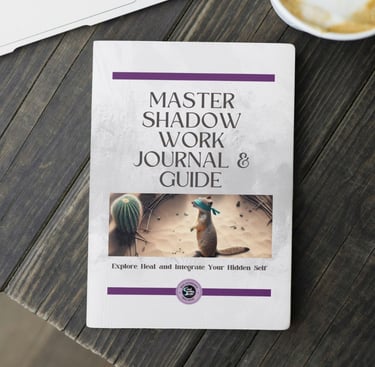
If you’re ready to stop repeating this pattern, this is your next step.
🌸 A Gentle Reminder
If you have recognized yourself throughout this guide, it can be tempting to judge yourself for your reactions. You may look back on situations where you overreacted, overthought, became defensive, sought reassurance, or struggled to let something go and wonder why you couldn't simply respond differently.
The truth is that most emotional triggers are not signs of weakness, oversensitivity, or lack of self-control.
They are often signs that something feels emotionally important to you.
People who are easily triggered are not necessarily reacting more than others. They are often reacting to fears, beliefs, and emotional patterns that feel deeply significant beneath the surface.
This is why emotional reactions can feel so intense even when a situation appears small from the outside. The reaction is rarely about the event alone. It is often connected to what the event seems to mean about connection, acceptance, belonging, self-worth, or emotional safety.
The goal is not to become someone who never feels hurt, anxious, disappointed, or triggered. The goal is to become someone who understands those reactions well enough that they no longer control your choices.
Emotional healing is not about becoming less emotional. It is about becoming more aware of the fears, beliefs, and patterns influencing your emotions.
With time, self-awareness, and reflection, many people find that triggers become less overwhelming. Not because life stops being challenging, but because they begin understanding themselves more deeply.
If you'd like to explore the psychology and shadow work meaning of emotional triggers in greater depth, you may also enjoy our guide on Shadow Work Triggers: Why You Feel Emotionally Triggered, where we explore how emotional triggers develop and what they can reveal about your inner world.
FAQ: Why Am I So Easily Triggered?
Why am I so easily triggered by small things?
People are rarely triggered by the event itself. They are triggered by what the event seems to mean. A delayed reply may feel like rejection. Feedback may feel like criticism. A disagreement may feel like a disconnection. When a situation activates deeper fears about belonging, acceptance, self-worth, or emotional safety, the emotional reaction can feel much bigger than the event itself.
Why do small things affect me so much emotionally?
Small situations often create strong emotional reactions because they activate deeper emotional patterns. The event itself may not be significant, but it may trigger a fear, belief, or emotional memory connected to rejection, criticism, abandonment, failure, or not being good enough. The reaction is usually about the emotional meaning attached to the situation rather than the situation itself.
Why do I react so strongly to everything?
Strong emotional reactions usually happen when the mind interprets a situation as emotionally significant, even if the situation appears small on the surface. The reaction often comes from fears, beliefs, or emotional memories connected to rejection, criticism, failure, abandonment, or self-worth rather than the event alone.
Why do I get triggered so easily in relationships?
Relationships trigger strong emotions because they affect our deepest needs for connection, belonging, trust, acceptance, and emotional safety. A delayed message, disagreement, or change in behavior can activate fears of rejection, criticism, abandonment, or disconnection. In relationships, people often react less to what happened and more to what they fear the situation means about the connection.
How do I stop being emotionally triggered so easily?
Reducing emotional triggers starts with understanding the patterns beneath your reactions rather than focusing only on the trigger itself. Recognizing the fears, beliefs, and emotional meanings attached to situations helps create greater awareness, making it easier to respond thoughtfully instead of reacting automatically.
Why do I take things so personally?
People often take things personally when they interpret situations as reflections of their value, worth, or importance. Feedback can feel like criticism. Distance can feel like rejection. Disagreement can feel like disapproval. The emotional reaction is usually driven by the meaning attached to the event rather than the event itself.
Why can't I control my emotional reactions?
Emotional reactions often happen before conscious thinking has time to intervene. The nervous system is designed to respond quickly to perceived emotional threats, which is why triggers can feel automatic. Learning to recognize the fears, beliefs, and emotional patterns beneath those reactions helps create more space between emotion and response.
What causes emotional triggers in the first place?
Emotional triggers develop when experiences become associated with emotional pain, fear, rejection, criticism, shame, or loss. When a similar situation appears later in life, the mind and nervous system may react automatically because they recognize the emotional pattern, even if the present situation is different from the original experience.
Why do I overreact emotionally to small things?
Most emotional overreactions are not reactions to the present moment alone. They are reactions to the present moment combined with fears, beliefs, or emotional memories from the past. When a situation activates an older emotional pattern, the reaction can feel much larger than the event itself.
Can emotional triggers go away completely?
Most people will experience emotional triggers throughout their lives. The goal is not to eliminate emotional reactions completely but to understand them more clearly. As self-awareness grows, triggers often become less intense, easier to recognize, and less likely to control behavior, decisions, or relationships.
Soul Sisters Tarot
A Soft Place to Grow.
💌 SOUL SISTERS WEEKLY
A thoughtful Sunday letter with tarot reflections, moon wisdom, self-love, and gentle encouragement.
© 2026. All rights reserved.
Inspirational Coaching OÜ
sisters@soulsisterstarot.com