💌 JOIN SOUL SISTERS WEEKLY → GET FREE WELCOME GIFTS 🎁
Receive a thoughtful Sunday letter, free Self-Love & Shadow Work guides, and monthly Full Moon rituals ✨



Why Do I Feel Drained Around Certain People? The Truth
Why do I feel drained around certain people? Discover the emotional and spiritual reasons behind this common experience, plus gentle ways to protect your energy and reconnect with yourself.
MANIFESTATION & ENERGY WORK
Soul Sisters Tarot
7/7/202617 min read
Why Do I Feel Drained Around Certain People? Spiritual and Emotional Reasons
This article is part of our Spiritual Protection collection, where we explore grounded guides, practical rituals, and everyday spiritual practices designed to help you strengthen healthy boundaries, protect your peace, and return to yourself.
Why Do I Feel Drained Around Certain People?
Feeling drained around certain people doesn't automatically mean they're taking your energy. In many cases, emotional exhaustion develops because the interaction requires more from you than you realise. You may be constantly listening, solving problems, managing conflict, absorbing strong emotions, or putting your own needs aside.
Many spiritual traditions describe this as absorbing other people's energy or needing stronger energetic boundaries. Whatever language you use, the healthiest response is usually the same: greater self-awareness, healthier boundaries, regular opportunities to recharge, and time to reconnect with yourself.
Have you ever left a conversation feeling completely exhausted while the other person seemed perfectly fine? Or noticed that after spending time with someone, you need hours of quiet before you feel like yourself again?
If you've been wondering, "Why do I feel drained around certain people?", you're certainly not alone. Many people experience this after emotionally demanding conversations, family gatherings, busy workplaces, or relationships where they naturally take on the role of listener, helper, or peacemaker.
It's easy to assume that certain people simply "drain your energy." While that explanation can feel spiritually meaningful, it isn't always the complete picture. Feeling emotionally drained doesn't necessarily mean someone is unhealthy for you. Often, it's a sign that the interaction asked more of your emotional energy than you had available at that moment.
Very often, what leaves us exhausted isn't another person's personality but the role we quietly step into. You might become the listener who never speaks about your own struggles, the peacemaker who smooths over every disagreement, the problem-solver who feels responsible for fixing everything, or the person who notices everyone else's emotions while quietly ignoring your own. Over time, those patterns can become emotionally draining, even in relationships built on love and good intentions.
At Soul Sisters, we believe emotional wellbeing and spiritual awareness support one another rather than compete. Whether you describe this experience as emotional exhaustion, emotional overload, absorbing other people's energy, or needing stronger energetic boundaries, the invitation is the same: notice what you're carrying, understand why you're carrying it, and give yourself permission to put some of it down.
In this guide, you'll discover why some interactions leave you feeling emotionally exhausted, explore both emotional and spiritual perspectives on energy drain, learn how to recognise patterns that repeatedly leave you depleted, and find practical ways to protect your energy while remaining open, compassionate, and connected.
Energy protection looks different for everyone. Some people need quiet after social situations, while others need stronger boundaries around work, family, or emotionally demanding relationships. The goal isn't to copy someone else's approach. It's to understand what genuinely helps you feel balanced, present, and emotionally restored.
🪬 Soul Sisters Reminder
Protecting your energy isn't about deciding that other people are the problem. It's about becoming curious about why certain interactions affect you more deeply than others, then responding with healthy boundaries, self-awareness, and the care your own heart deserves.
🌿 Why Some People Leave Us Feeling Drained
Feeling drained around certain people usually means the interaction required more emotional energy than you realised. Constant listening, emotional caretaking, conflict, problem-solving, or staying emotionally alert can all leave you feeling exhausted.
Many spiritual traditions describe this as absorbing other people's energy or needing stronger energetic boundaries, while psychology often explains it as emotional overload. Both perspectives encourage the same response: healthy boundaries, rest, and time to reconnect with yourself.
One of the biggest misconceptions about emotional exhaustion is that only difficult or toxic people leave us feeling drained. In reality, some of the most emotionally demanding conversations happen with people we deeply love.
Many people expect to feel exhausted after an argument or a stressful meeting, but emotional fatigue can also follow conversations filled with love, care, and compassion. Supporting a grieving friend, helping a family member through a difficult period, or spending hours listening with genuine empathy can all require significant emotional energy.
The same can happen after spending time with a parent who relies heavily on you, a colleague who constantly needs reassurance, a child who has had a difficult day, or a friend going through a major life crisis. None of these people is necessarily doing anything wrong. The interaction simply asks a great deal of your emotional attention.
That's why it's often more helpful to focus on what happens during the interaction rather than judging the person themselves. Ask yourself:
Am I doing most of the listening?
Am I trying to solve problems that aren't mine?
Am I ignoring my own feelings?
Do I leave without having shared anything about myself?
Those questions often reveal much more than asking whether someone is simply "draining your energy."
Whether you understand these experiences through psychology, spirituality, or a combination of both, the message is remarkably similar. Notice what you're carrying, recognise when your emotional reserves are running low, allow yourself time to recover, and strengthen the boundaries that help you return to yourself.
🍃 Soul Sisters Insight
Sometimes people don't leave us feeling drained because they gave us something negative. They leave us feeling drained because we quietly gave more of ourselves than we realised. Awareness isn't about blaming them. It's about learning how to care for yourself, too.
Emotional Exhaustion vs. Spiritual Energy
Emotional exhaustion and spiritual energy aren't necessarily opposing explanations. One describes how emotional overload affects your mind and body, while the other offers a symbolic or spiritual way of understanding the same experience.
Whether your language is psychological, spiritual, or somewhere in between, both perspectives invite you to slow down, reconnect with yourself, and recover before emotional exhaustion becomes your normal state.
Highly Sensitive People May Notice It More
If you're naturally empathetic or highly sensitive, you may notice other people's emotions more quickly than those around you. While this can be a beautiful strength, it also means you may need regular grounding, healthy boundaries, and intentional recovery after emotionally demanding situations.
Highly sensitive people often notice subtle shifts in mood, body language, tone of voice, or emotional atmosphere that others may not even register. While this heightened awareness can deepen empathy and intuition, it also means emotionally demanding situations may require more recovery time.
Sensitivity isn't something you need to fix. It's simply a reminder that the more deeply you connect with other people's experiences, the more intentionally you also need to reconnect with your own.
🌿 Common Reasons You May Feel Drained Around Certain People
Feeling drained around someone is often the result of repeated emotional demands rather than the person themselves. Constant negativity, emotional caretaking, unclear boundaries, conflict, overstimulation, people-pleasing, and carrying other people's worries can gradually exhaust your emotional energy. Recognising which pattern keeps showing up is often the first step toward protecting your energy in a healthy way.
Constant Negativity
Spending time with someone who constantly focuses on problems, criticism, or worst-case scenarios can become emotionally tiring over time. Even if you genuinely care about them, your mind stays focused on heavy emotions without enough positive moments to restore your energy. You may also notice that conversations repeatedly circle back to the same problems without moving toward solutions.
Over time, constantly holding space for frustration, disappointment, or pessimism can leave even the most compassionate person feeling emotionally depleted. Offering support is healthy, but carrying another person's negativity every day can eventually leave you feeling emotionally exhausted.
Emotional Caretaking
Some relationships naturally place us in the role of the helper. You may find yourself listening, encouraging, reassuring, or solving problems every time you meet. You may even begin anticipating their needs before they express them, carefully choosing your words to avoid upsetting them, or feeling responsible for making sure they leave the conversation feeling better than when it began.
While supporting others is an act of kindness, constantly putting someone else's emotional needs before your own can leave very little energy for yourself. Caring about someone and feeling responsible for their emotional state are not the same thing.
If you often lose sight of your own needs while caring for everyone else, you may also be experiencing self-abandonment.
👉 Read: Self-Abandonment: Signs, Causes & How to Stop Abandoning Yourself to learn why this pattern develops and how to begin caring for yourself with the same compassion you offer others.
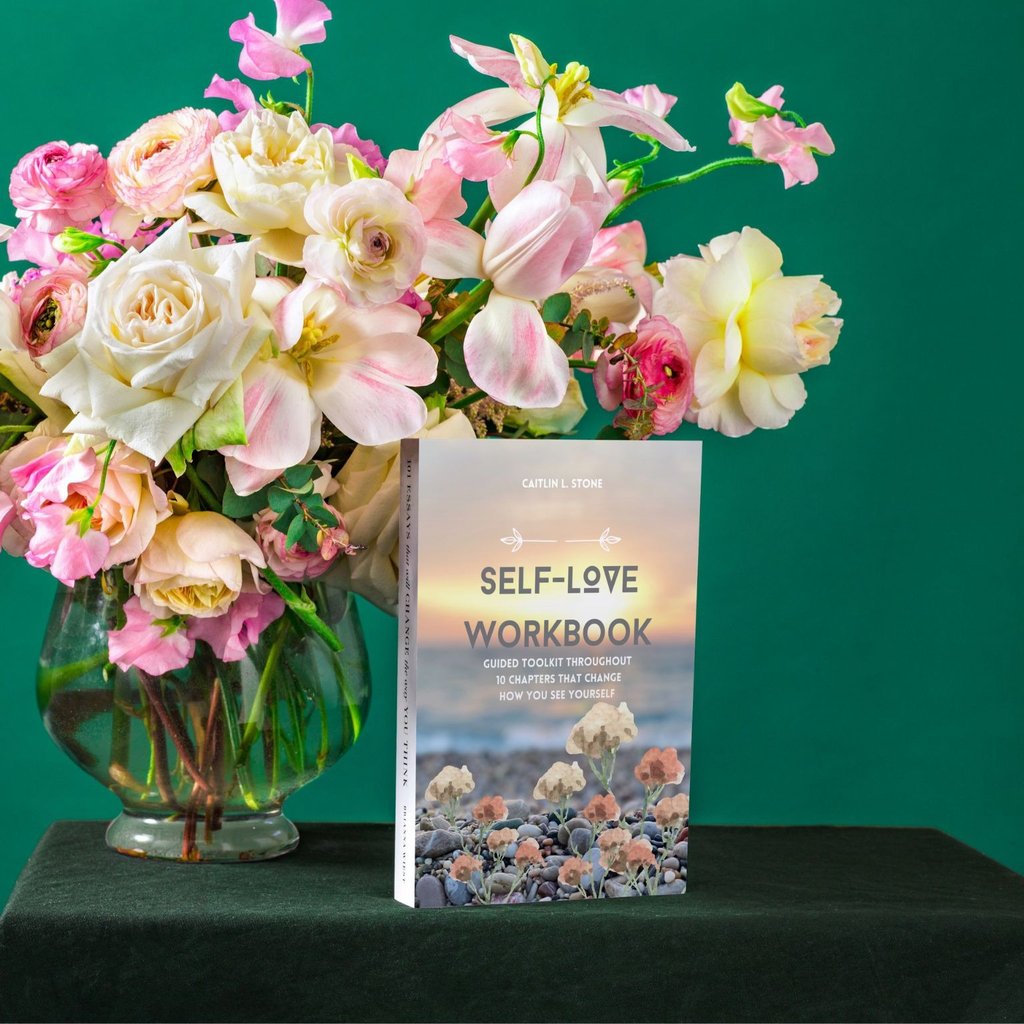
❤️ Self-Love Workbook
Do you always seem to put everyone else's needs before your own?
Learning to care for yourself doesn't mean caring less about others. The Self-Love Workbook helps you recognize self-abandonment, build healthier boundaries, and create habits that protect your emotional well-being without guilt.
Poor Personal Boundaries
If saying "no" feels uncomfortable or you regularly ignore your own limits, you may stay in conversations long after your energy has run out. Signs of weak boundaries aren't always obvious. You might agree to plans you don't have the energy for, answer messages immediately even when you're exhausted, apologise for needing time alone, or stay in conversations because you don't want anyone to feel disappointed.
Healthy boundaries aren't about pushing people away. They're about recognising when you need time, space, and emotional recovery just as much as anyone else.
If setting boundaries feels difficult, it may be helpful to explore How to Set Boundaries for Yourself, where you'll find practical strategies for communicating your needs while maintaining healthy relationships.
Conflict and Tension
Not every difficult interaction becomes an argument. Emotional tension doesn't always sound loud. Sometimes it looks like carefully choosing every word, avoiding certain topics, feeling responsible for keeping the peace, or constantly wondering whether you've said the wrong thing. Remaining emotionally alert for long periods asks a great deal of your nervous system, even when no argument takes place.
Overstimulation
Large gatherings, busy workplaces, noisy environments, or spending hours around people without quiet breaks can overwhelm your mind and body. This is especially true if you naturally notice details, emotions, or changes in your surroundings that others might overlook.
This doesn't only happen at concerts or busy events. Open-plan offices, shopping centres, public transport, family celebrations, or spending an entire day without a quiet moment can all gradually overwhelm your emotional reserves.
Carrying Other People's Problems
Empathy allows us to connect deeply with others, but it can become overwhelming when we continue carrying someone else's worries long after the conversation has ended. It's natural to think about someone you care about after they've shared something difficult. The problem begins when those thoughts continue for hours or days, leaving you mentally replaying their situation, worrying about solutions, or feeling guilty because you can't fix everything for them.
Offering support doesn't require holding onto every problem as though it were your own. Learning to leave those emotional burdens where they belong is an important part of protecting your energy.
Protecting your energy doesn't mean caring less. It means recognising where your responsibility ends, and someone else's journey begins.
🍃 Soul Sisters Insight
Sometimes emotional exhaustion isn't a sign that you care too much. It's a sign that you've forgotten to include yourself among the people you care for.
🌿 Signs It May Be Time to Protect Your Energy
If you regularly feel emotionally exhausted, mentally overwhelmed, or need a long time to recover after certain interactions, it may be a sign that your emotional and energetic boundaries need more attention. Other common signs include replaying conversations for hours, feeling responsible for everyone else's emotions, struggling to switch off after social situations, or constantly putting your own needs last.
Feeling drained once in a while is part of being human. However, if you notice the same pattern after certain conversations, relationships, or environments, it's worth paying attention.
Patterns usually tell us more than isolated experiences. Feeling tired after one emotionally demanding conversation is completely normal. Feeling the same way after almost every interaction with certain people or in certain environments suggests your emotional resources may not be getting the chance to recover.
You might find yourself replaying conversations long after they've ended, feeling unusually tired after spending time with certain people, or needing far more solitude than usual to feel like yourself again. These experiences don't automatically mean someone is "bad" for you, but they can be signs that you're giving more emotional energy than you're restoring.
🌿 You might benefit from stronger energy protection if you often...
feel emotionally exhausted after ordinary conversations
replay interactions long after they've ended
feel responsible for solving other people's problems
struggle to say no, even when you're overwhelmed
need hours or even days alone to feel like yourself again
notice tension in your shoulders, jaw, or stomach after spending time with certain people
feel guilty whenever you prioritise your own needs
leave conversations wondering why you're suddenly so tired
None of these experiences automatically mean someone in your life is "toxic." More often, they suggest you've been giving more emotional energy than you've had the opportunity to restore. Becoming aware of these patterns isn't about blaming other people. It's about understanding yourself more clearly.
The encouraging news is that these patterns can change. Healthy boundaries, regular recovery, and simple grounding practices make it easier to stay compassionate without becoming emotionally exhausted.
🍃 Soul Sisters Insight
Awareness is often the first form of protection. Once you notice the patterns that leave you exhausted, you can begin choosing responses that leave you feeling supported instead of depleted.
If these signs feel familiar, the next step isn't building emotional walls. It's learning how to care for your own energy while staying open to the people you love.
👉 Read next: How to Protect Your Energy Without Becoming Emotionally Closed Off
🌿 What to Do After an Emotionally Draining Interaction
If someone leaves you feeling emotionally drained, you don't have to end the relationship or avoid the person. Instead, create a short transition before returning to the rest of your day. A few intentional minutes of breathing, grounding, movement, journaling, or quiet reflection can help you release emotional tension, reconnect with yourself, and avoid carrying the interaction into everything that follows.
Feeling emotionally drained is information, not a verdict. It doesn't automatically mean the relationship is unhealthy, nor does it mean you've done something wrong. More often, it's a gentle reminder that you've just used a great deal of emotional energy and now need time to restore it.
After a demanding conversation, try giving yourself a small transition before jumping into the next task. A short walk, a few minutes of quiet breathing, writing down your thoughts, or spending time outdoors can help you mentally separate your own emotions from everything you've just experienced.
Even small transitions can make a surprising difference. Drink a glass of water without checking your phone. Step outside and notice the air around you. Stretch your shoulders. Sit quietly in your car before driving home. Take three slow breaths before starting the next task. These simple actions help your mind recognise that one experience has ended and another is beginning.
If you notice this pattern happening regularly, it's also worth becoming curious about what these interactions have in common. Do they always involve conflict? Do you find yourself solving other people's problems? Do you leave without expressing your own needs? Recognising these patterns is often the first step toward creating healthier relationships.
You might ask yourself:
• Do I feel responsible for making everyone feel better?
• Am I afraid of disappointing people?
• Do I ignore my own needs during conversations?
• Do I leave feeling guilty whenever I can't solve someone else's problems?
Honest questions like these often reveal patterns that aren't obvious in the moment.
Depending on what you discover, different practices may be helpful:
If you'd like to explore practical ways to strengthen your boundaries while staying open and compassionate, read How to Protect Your Energy Without Becoming Emotionally Closed Off.
For moments when you need to reset after a particularly demanding conversation, What to Do After Stressful Interactions: An Energy Reset Ritual offers a simple practice to help you reconnect with yourself.
If emotional heaviness continues to linger, How Energy Cleansing Can Change You and Your Home explores gentle ways many people create a sense of renewal after emotionally demanding periods.
Remember that recovery doesn't always happen immediately. Some conversations stay with us because they touched something important. Give yourself permission to slow down instead of expecting yourself to feel completely better within a few minutes. Consistent moments of recovery often matter more than one perfect ritual.
🍃 Soul Sisters Insight
Recovery isn't about becoming the person you were before the conversation. It's about returning to yourself with a little more understanding, a little more compassion, and a little less emotional weight.
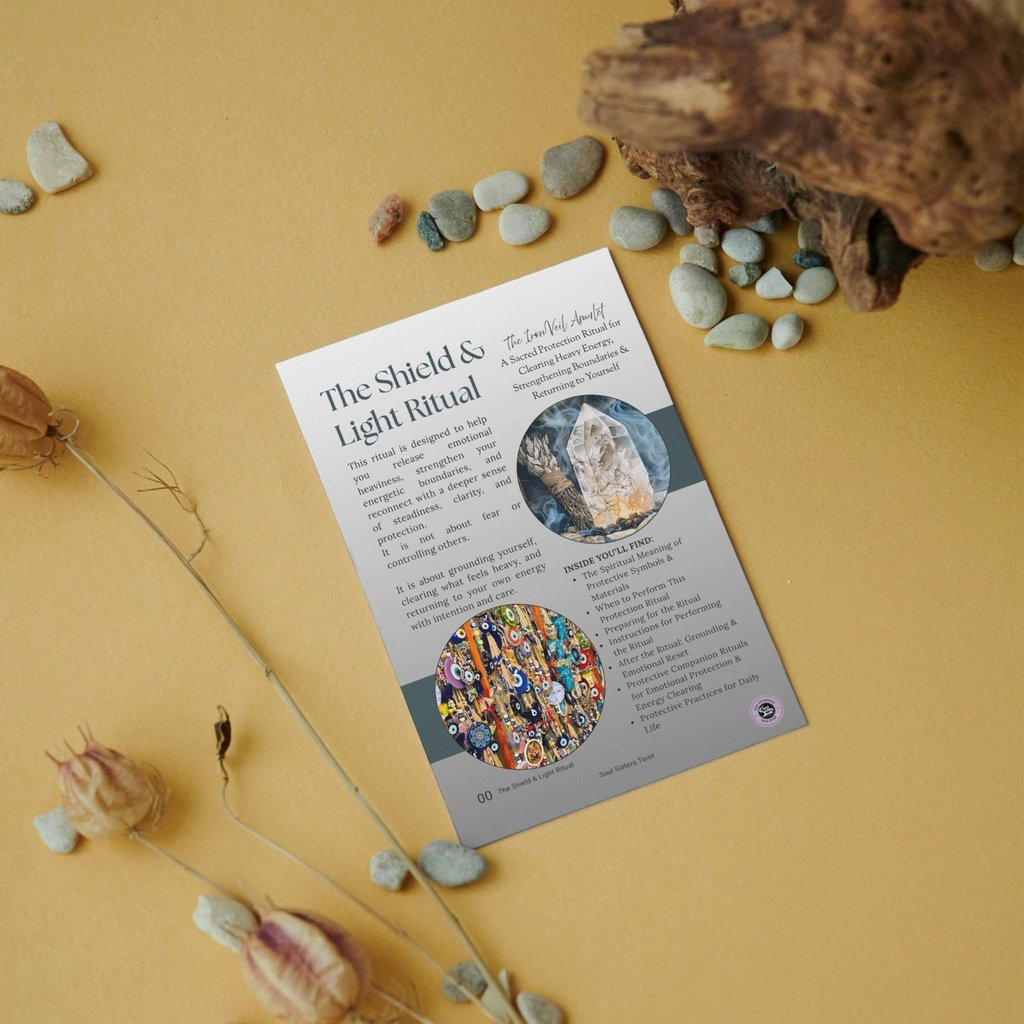
🛡️ The Shield and Light Ritual
Do you sometimes need a way to let go of conversations that stay with you for hours?
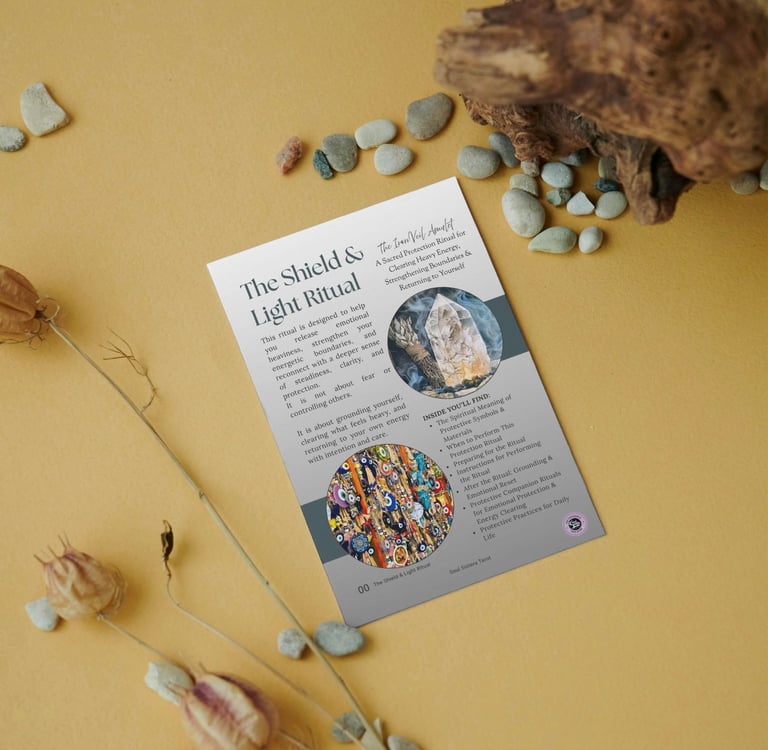
The Shield & Light Ritual is a gentle guided practice designed to help you release emotional heaviness, reconnect with yourself, and strengthen healthy energetic boundaries through grounding, reflection, and the creation of your own Iron Veil Amulet.
🌿 You Don't Have to Carry Everything
Feeling drained around certain people doesn't mean you've failed, and it doesn't automatically mean someone else is the problem. More often, it's a gentle invitation to become curious about your own emotional patterns, recognise when your energy needs restoring, and give yourself permission to recover with the same kindness you so freely offer others.
Every emotionally demanding interaction teaches you something. Sometimes it reveals where your boundaries need strengthening. Sometimes it reminds you that you've been carrying responsibilities that were never yours to begin with. Sometimes it simply shows that you've been giving far more than you've had the opportunity to restore.
If you'd like to explore more grounded ways to care for your emotional and spiritual wellbeing, visit our Manifestation & Energy Work pillar, where you'll find practical guides on grounding, energy work, spiritual protection, and intentional daily practices.
From there, you can also explore our Spiritual Rituals for Manifestation, Love & Energy Work collection, where meaningful rituals become practical tools for reconnecting with yourself during different seasons of life.
If you're looking for guided resources to support your journey, visit Sisters Creation, where you'll find Soul Sisters' collection of journals, ritual guides, tarot resources, and digital tools designed to encourage self-awareness, emotional wellbeing, and personal growth.
🍃 Soul Sisters Insight
Protecting your energy isn't about deciding who deserves your kindness. It's about making sure your kindness includes you, too. The more often you return to yourself, the more genuinely you can show up for everyone else.
Wherever you are on your journey, remember that protecting your energy isn't a destination you reach once. It's a gentle practice of noticing, adjusting, and returning to yourself, one day at a time.
With love,
Caitlin & Gerly,
Soul Sisters Tarot
🛡️ The Shield and Light Ritual
What if protecting your energy became a practice instead of something you remembered only when you felt overwhelmed?
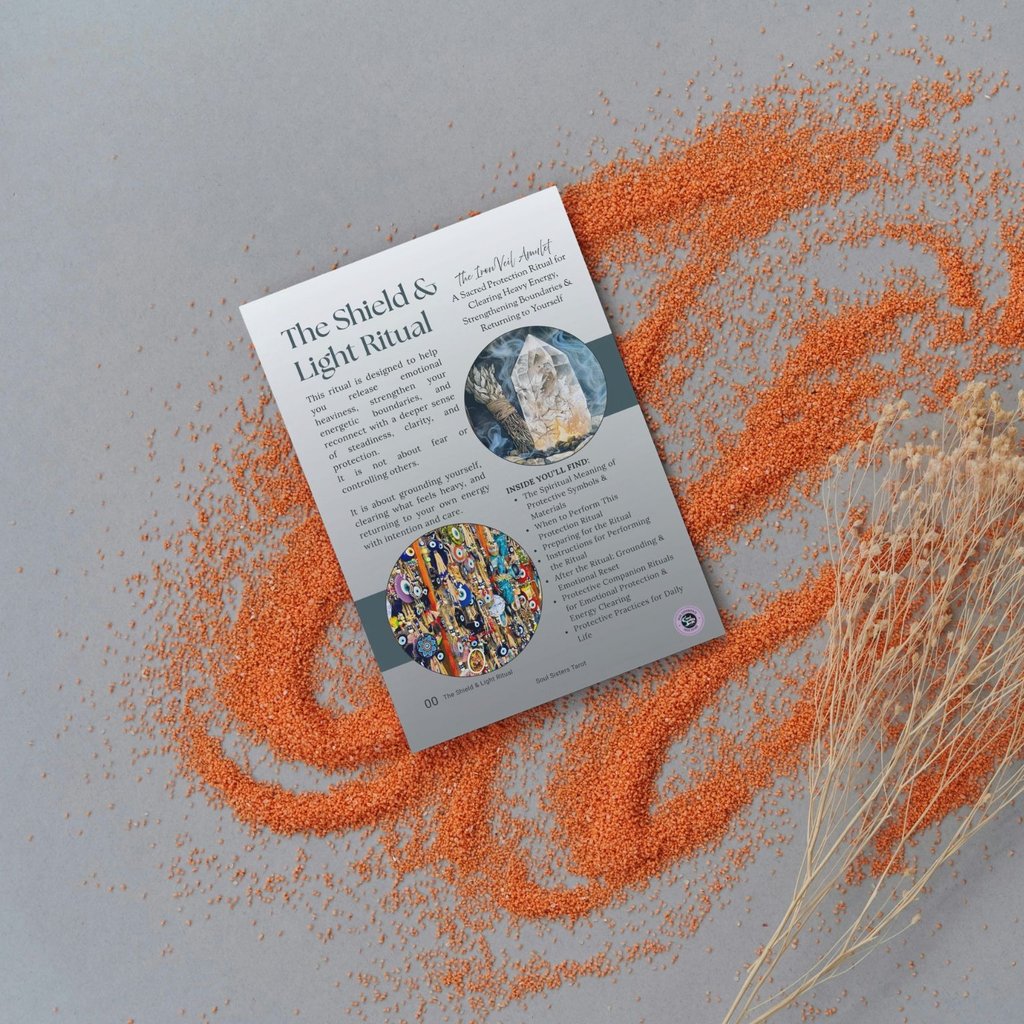
The Shield & Light Ritual is more than a single ritual. It's a practical guide you can return to whenever life feels heavy, helping you create simple habits that support grounding, emotional clarity, and stronger personal boundaries.

🌿 FAQ: Why Do I Feel Drained Around Certain People
Why do I feel so tired after talking to certain people?
Feeling tired after talking to certain people often means the interaction required more emotional energy than you realized. You may have been listening, supporting, solving problems, managing conflict, or staying emotionally alert for a long time. Feeling drained doesn't automatically mean someone has "bad energy." Sometimes it's simply a sign that you need time to rest, recharge, and reconnect with yourself afterwards.
Feeling tired after a conversation doesn't always mean someone has "drained your energy." Sometimes you've simply spent a long time listening, solving problems, managing emotions, or staying mentally alert. Emotional effort uses real mental resources, which is why even caring conversations can leave you feeling exhausted.
Can other people's emotions affect me?
Yes. It's natural to be influenced by the emotions of the people around you, especially if you're empathetic or highly sensitive. While you can't always avoid emotionally demanding situations, you can learn to recognise when you've taken on too much and create healthy habits that help you return to your own emotional balance.
This is especially common if you're naturally empathetic, highly sensitive, or used to taking responsibility for how other people feel. Becoming aware of those patterns can help you stay compassionate without absorbing every emotion around you.
Does feeling drained always mean someone has negative energy?
No. Many emotionally draining interactions happen with people we deeply love. Supporting a grieving friend, caring for a family member, or helping someone through a difficult period can all leave you feeling exhausted. Feeling drained is often a sign that you've been giving a great deal of emotional energy, not necessarily that someone is intentionally affecting you in a negative way. Sometimes the most emotionally draining people are the ones we love most, simply because we care deeply about what they're going through.
How can I stop absorbing other people's energy?
Start by noticing which situations leave you feeling emotionally exhausted and give yourself permission to recover afterwards. Healthy boundaries, grounding practices, and regular moments of reflection can all help you stay compassionate without carrying other people's emotions as though they were your own.
It can also help to create a small transition after emotionally demanding conversations, such as taking a short walk, journaling, stretching, or spending a few quiet minutes alone before moving on with the rest of your day.
How do I protect my energy without avoiding people?
Protecting your energy doesn't mean becoming emotionally distant or withdrawing from relationships. It means recognising your limits, allowing yourself time to recharge, and creating healthy boundaries that help you remain present without becoming overwhelmed. Healthy energy protection isn't about becoming emotionally unavailable. It's about learning how to stay connected without constantly sacrificing your own wellbeing.
👉 Read: How to Protect Your Energy Without Becoming Emotionally Closed Off
Should I cleanse my energy after stressful interactions?
Many people find that simple grounding or energy-cleansing practices help them mentally and emotionally separate one experience from the next. Whether you see these practices as spiritual, symbolic, or simply mindful habits, they can create a helpful sense of closure after emotionally demanding situations. Some people prefer grounding exercises; others enjoy journaling, a quiet walk, a cleansing bath, or a simple protection ritual. The most meaningful practice is the one that genuinely helps you reconnect with yourself.
Can grounding exercises really help?
For many people, yes. Activities such as walking in nature, mindful breathing, journaling, or spending a few quiet minutes away from distractions can help calm the mind and make it easier to let go of emotional tension after a demanding interaction. These practices don't erase difficult experiences, but they often make it easier to calm your nervous system, shift your attention back to the present, and avoid replaying the same interaction for the rest of the day.
What if I feel emotionally drained every day?
Feeling emotionally drained every day may be a sign that your emotional needs, boundaries, workload, or stress levels deserve closer attention. If exhaustion becomes persistent or begins affecting your daily life, it may be helpful to look at both your lifestyle and your relationships and, when appropriate, seek support from a qualified healthcare or mental health professional. Spiritual practices can complement emotional wellbeing, but they shouldn't replace professional care when it's needed.
If you notice that exhaustion has become your normal state rather than an occasional experience, it's worth looking at your workload, relationships, boundaries, sleep, stress levels, and overall wellbeing with compassion instead of self-criticism.
Is feeling drained a sign that something is wrong with me?
No. Feeling emotionally drained is a normal human experience, especially during demanding seasons of life or after giving a great deal of yourself to others. Rather than seeing exhaustion as a personal failure, try viewing it as useful information. More often, emotional exhaustion is useful information. It reminds you that your emotional resources have been stretched and that rest, recovery, or stronger boundaries may be needed before you can continue caring for others in a sustainable way.
Why do I only feel drained around certain people?
Many people notice they feel completely comfortable with some friends but emotionally exhausted after spending time with others. Often, the difference isn't the person themselves but the role you take on during the interaction. You may become the listener, the peacemaker, the problem-solver, or the person who manages everyone else's emotions. Recognising these patterns helps you understand what actually needs protecting.
Is feeling emotionally drained the same as being an empath?
Not necessarily. Anyone can feel emotionally drained after demanding conversations or stressful situations. People who identify as empaths or highly sensitive people may notice these experiences more intensely, but emotional exhaustion can happen to anyone who gives more energy than they have time to restore.
Can healthy boundaries stop me from feeling emotionally drained?
Healthy boundaries won't prevent every emotionally demanding interaction, but they can make recovery much easier. Learning to say no when needed, recognising your limits, and allowing yourself time to recharge all help reduce the likelihood of carrying emotional exhaustion from one situation into the next.
How long does it take to recover after an emotionally draining interaction?
The answer is different for everyone. Some conversations only require a few quiet minutes before you feel like yourself again, while others may stay with you for much longer. What matters most is giving yourself permission to recover instead of expecting yourself to move on immediately. Small grounding practices often help shorten that recovery time.
Soul Sisters Tarot
A Soft Place to Grow.
💌 SOUL SISTERS WEEKLY
A thoughtful Sunday letter with tarot reflections, moon wisdom, self-love, and gentle encouragement.
© 2026. All rights reserved.
Inspirational Coaching OÜ
sisters@soulsisterstarot.com