💌 JOIN SOUL SISTERS WEEKLY → GET FREE WELCOME GIFTS 🎁
Receive a thoughtful Sunday letter, free Self-Love & Shadow Work guides, and monthly Full Moon rituals ✨



Self-Abandonment: Why You Keep Putting Yourself Last
Do you say yes when you want to say no? Ignore your needs? Push through exhaustion? These subtle signs of self-abandonment can leave you feeling disconnected from yourself.
SELF-LOVE, HEALING & INNER WORK
Soul Sisters Tarot
3/21/202619 min read


Self-Abandonment: Why We Ignore Our Own Needs and How to Stop
This guide is part of our Self-Love Journey, where we explore emotional healing, self-compassion, and gentle practices that help you build a deeper and more supportive relationship with yourself.
There are moments when you feel tired, overwhelmed, or quietly longing for something… yet you keep going anyway. You say yes when you want to say no. You stay silent when something hurts. You push through when your body is asking you to rest.
This is often self-abandonment: the habit of abandoning yourself in small ways so often that it begins to feel normal, and learning how to practice self-love can be an important step in rebuilding the relationship you have with yourself.
Many people move through life without realizing how often they disconnect from their own needs, emotions, and inner voice. They learn to put themselves last, keep the peace, avoid disappointment, or become who others need them to be. Over time, this can become a survival strategy, a way of feeling safe, loved, accepted, or needed.
Can Self-Abandonment Be Healed?
Yes. Self-abandonment is a learned pattern, which means it can also be unlearned. Healing often begins with recognizing your needs, listening to your emotions, setting healthier boundaries, and rebuilding trust in yourself through small, consistent acts of self-respect.
In this article, we will gently explore what self-abandonment really means, the most common signs of self-abandonment, and how to begin healing self-abandonment with compassion and awareness.
As part of our Self-Love, Healing & Inner Work pillar, this guide invites you into a deeper relationship with yourself, where your needs are not something to ignore but something to honor.
What Is Self-Abandonment?
Self-abandonment happens when you repeatedly ignore your own needs, emotions, boundaries, or well-being in order to meet the expectations of others, avoid conflict, or gain approval. Over time, this pattern can lead to emotional exhaustion, people-pleasing, self-doubt, and a growing disconnection from yourself.
💫 Sometimes the smallest steps matter most, and our Self-Love Bingo was designed to guide you through those moments with ease and care.
🌿 What Is Self-Abandonment?
What Does Self-Abandonment Look Like?
Self-abandonment can look like saying yes when you want to say no, ignoring your emotions to keep the peace, staying in situations that drain you, or constantly putting other people's needs ahead of your own. While these choices may seem small in the moment, they can create a growing sense of disconnection from yourself over time.
Self-abandonment happens when you consistently ignore, suppress, or dismiss your own needs, feelings, boundaries, and emotional well-being.
It is the quiet moment when:
You know something feels wrong, but you tell yourself it’s “not a big deal.”
You feel exhausted, but keep pushing through.
You want to speak up, but stay silent to avoid conflict.
Over time, this becomes a pattern where your needs, emotions, and well-being slowly move to the bottom of your priority list. You become so focused on taking care of everyone else that you stop noticing what you need yourself.
Self-abandonment often develops as a response to early experiences. If expressing your needs once led to rejection, criticism, or emotional distance, you may have learned that it feels safer to disconnect from yourself.
Many people discover that self-abandonment and people-pleasing go hand in hand. When keeping others happy becomes more important than honoring your own needs, self-abandonment often follows.
This is not something you chose consciously. It is something your nervous system learned to protect you.
Everyday Examples of Self-Abandonment
Self-abandonment is not always obvious. Sometimes it looks like:
Saying you're "fine" when you're actually hurt.
Staying busy so you don't have to feel difficult emotions.
Ignoring exhaustion and convincing yourself to keep pushing.
Changing your opinions to avoid disagreement.
Telling yourself your needs can wait, even when they have been waiting for a long time.
Many people do these things without realizing they are slowly disconnecting from themselves.
“I didn’t even realize I was abandoning myself at first. I thought I was just being kind, patient, and understanding. But over time, I started to feel exhausted and empty. That’s when it hit me. I was showing up for everyone else, but I wasn’t showing up for myself at all.” – Caitlin
🧠 Why Self-Abandonment Happens
Why Do People Abandon Themselves?
People often learn self-abandonment as a way to stay emotionally safe, avoid rejection, maintain relationships, or gain approval from others. What begins as a protective strategy can gradually become a habit, causing people to disconnect from their own feelings, needs, and boundaries without even realizing it.
Understanding why self-abandonment happens can help replace self-judgment with self-compassion. Most people do not abandon themselves because something is wrong with them. They do it because, at some point, it felt safer than honoring their own needs. Self-abandonment patterns are often rooted in deeper emotional wounds that shadow work can help you explore.
Emotional Safety Learned in Childhood
If you grew up in an environment where:
Your emotions were dismissed
You had to be “easy” or “low maintenance.”
Love felt conditional
You may have learned that your needs are inconvenient or unsafe. Over time, you may have learned to disconnect from your needs before anyone else has the chance to dismiss them.
The Need to Be Accepted
Humans are wired for connection. When belonging feels threatened, we adapt. For many people, self-abandonment is not really about pleasing others. It is about protecting relationships. The fear is often not "What if they are disappointed?" but "What if I lose connection, approval, or love?"
Self-abandonment can look like:
Agreeing with others even when you don’t
Changing yourself to fit expectations
Avoiding conflict at all costs
This is often rooted in a fear of rejection or abandonment by others.
Is Self-Abandonment a Trauma Response?
For some people, yes. Self-abandonment can develop as a response to emotional neglect, inconsistent support, criticism, rejection, or other experiences that taught them their needs were not safe to express. While not everyone who struggles with self-abandonment has experienced trauma, many people discover that the pattern has roots in earlier emotional experiences.
The Inner Critic
Over time, external voices become internal ones.
You may hear thoughts like:
“You’re overreacting.”
“It’s not that serious.”
“Just deal with it.”
This harsh internal voice is something we explore more deeply in The Inner Critic: Why That Voice in Your Head Is So Harsh.
Self-abandonment is not just a behavior. It is often an internalized belief that your needs, feelings, or limits matter less than everyone else's. Healing begins when you start questioning that belief.
🔍 Signs of Self-Abandonment
What Are the Signs of Self-Abandonment?
Common signs of self-abandonment include people-pleasing, difficulty setting boundaries, ignoring your emotions, dismissing your needs, harsh self-criticism, emotional exhaustion, and feeling disconnected from yourself. While these patterns can seem unrelated, they often share the same root: consistently putting yourself last.
Recognizing the signs of self-abandonment can be uncomfortable, especially when these behaviors have felt normal for years. Yet awareness is often the first step toward rebuilding a healthier relationship with yourself.
You may begin to notice:
Emotional Disconnection
You struggle to identify how you feel
You minimize your emotions
You feel numb or detached
Sometimes people become so disconnected from their emotions that they automatically focus on what everyone else is feeling while struggling to identify what they feel themselves.
Difficulty Setting Boundaries
You say yes when you want to say no
You feel guilty for prioritizing yourself
You avoid expressing your limits
This is often connected to challenges explored in How to Set Boundaries for Yourself. You may worry that setting a boundary will disappoint someone, create conflict, or make you seem selfish, even when the boundary is completely reasonable.
Chronic People-Pleasing
You prioritize others’ needs over your own
You seek validation externally
You feel responsible for others’ emotions
People-pleasing often feels kind or helpful on the surface, but underneath it is frequently a fear of rejection, conflict, criticism, or losing connection with others.
Ignoring Physical Needs
Skipping rest when you’re exhausted
Ignoring hunger or discomfort
Pushing your body beyond its limits
Self-abandonment doesn't only affect emotions. Many people learn to ignore physical signals as well, convincing themselves to keep going even when their body is clearly asking for rest, nourishment, or recovery.
Negative Self-Talk
You dismiss your own needs as unimportant
You judge yourself harshly
You feel “not good enough.”
When self-abandonment becomes a long-term pattern, the critical voice inside your head often becomes louder than your own needs. Instead of offering yourself understanding, you may find yourself responding with judgment, pressure, or criticism.
💖 If you often minimize your needs, pressure yourself to keep going, or speak to yourself harshly, understanding why you are so hard on yourself can help you begin responding differently:
👉 How to stop being so hard on yourself
This pattern is closely linked to How to Stop Negative Self-Talk.
Self-abandonment often feels subtle. It is not always loud or obvious. But it creates a quiet disconnection from yourself over time.
💖 Free Self-Love Guide
You spend so much time caring for everyone else that you've forgotten what it feels like to care for yourself.
Our Free Self-Love Guide offers simple practices, gentle reflections, and supportive exercises to help you reconnect with yourself, strengthen self-compassion, and begin prioritizing your own needs without guilt.


Not Every Sign Will Apply to You
You do not need to relate to every sign of self-abandonment for this pattern to affect your life. Many people recognize only one or two of these behaviors at first. The goal is not to diagnose yourself but to become more aware of the ways you may be disconnecting from your own needs, feelings, and well-being.
💔 The Emotional Impact of Self-Abandonment
How Does Self-Abandonment Affect Your Mental and Emotional Well-Being?
Self-abandonment can lead to emotional exhaustion, burnout, resentment, self-doubt, low self-worth, and a growing sense of disconnection from yourself. When you consistently ignore your own needs, feelings, and boundaries, the emotional cost often builds quietly over time.
The effects of self-abandonment are not always immediate. Often, they build slowly over time until one day you realize you feel exhausted, disconnected, resentful, or unsure of who you are and what you truly need.
You may begin to feel:
Resentment toward others
Emotional exhaustion
A sense of emptiness or disconnection
Confusion about what you truly want
Difficulty trusting yourself
Many people describe this as feeling “lost” within themselves. This experience is something we explore more deeply in How to Reconnect With Yourself When You Feel Lost.
Burnout and Emotional Fatigue
Self-abandonment often leads to burnout because you are constantly giving without receiving. One of the most painful parts of self-abandonment is that it often looks like generosity from the outside. People may see someone who is helpful, dependable, and always available. Meanwhile, that person may be quietly running on empty.
This can show up as:
Feeling drained even after rest
Lack of motivation
Emotional overwhelm
You may resonate with the signs explored in Emotional Burnout: Signs You Are Mentally and Emotionally Exhausted.
Loss of Self-Trust
Each time you ignore your needs, dismiss your emotions, or override your boundaries, you send yourself a subtle message: "My feelings don't matter." Over time, this can make it harder to trust your instincts, make decisions confidently, or believe that your needs deserve attention.
Can Self-Abandonment Affect Self-Worth?
Yes. When you repeatedly ignore your own needs and feelings, it becomes easy to believe they are less important than everyone else's. Over time, this can contribute to low self-worth, self-doubt, and difficulty recognizing your own value.
💖 If trusting yourself feels difficult and you often question your feelings or choices, understanding why you doubt yourself so much can help you begin rebuilding that trust:
👉 Why do I doubt myself so much?
Many people also notice that self-abandonment is deeply connected to feelings of not being enough, which we explore more gently in How to Build Self-Worth When You Feel Not Good Enough.
Rebuilding that trust is a key part of healing self-abandonment, something we explore in How to Trust Yourself Again After Years of Self-Doubt.
✨ Helpful companion for your journey
If you would like gentle guidance as you begin recognizing these patterns, you may enjoy our Self-Love Workbook, which includes reflective exercises designed to help you reconnect with your needs and inner voice.
You can explore it here: Self-Love Workbook
The Good News
The patterns created by self-abandonment are learned, which means they can also be changed. Every time you listen to your needs, honor your emotions, or set a healthy boundary, you begin strengthening your relationship with yourself again.
🌱 Healing Self-Abandonment: Where to Begin
How Do You Start Healing Self-Abandonment?
Healing self-abandonment begins by rebuilding your connection with yourself. This often involves noticing your needs, listening to your emotions, setting healthier boundaries, practicing self-compassion, and learning to trust yourself again. Healing rarely happens through one big change. It happens through small, consistent moments of choosing yourself.
Healing self-abandonment is not about becoming a different person. It is about rebuilding the relationship you have with yourself, one small choice at a time.
1. Begin With Awareness
You cannot change what you are not aware of. Many people spend years operating on autopilot, abandoning themselves without realizing it. Awareness helps bring these patterns into the light so they can finally begin to change.
Start noticing:
When you override your needs
When you say yes but feel resistance
When you dismiss your emotions
This is not about judgment. It is a process of awareness.
“There was a moment when I paused and asked myself a simple question: what do I actually need right now? And I didn’t have an answer. Not because there wasn’t one, but because I had spent so long ignoring that voice that I couldn’t hear it anymore. That’s when I knew something had to change.” – Caitlin
2. Learn to Pause
Before responding to others, pause and ask:
“What do I need right now?”
Even a few seconds of awareness can begin to shift patterns. This simple question can feel surprisingly difficult at first. Many people are so accustomed to focusing on everyone else's needs that they rarely stop to consider their own.
3. Reconnect With Your Body
Long before we consciously recognize our emotions, our bodies often send signals that something needs attention.
Notice:
Tension
Fatigue
Discomfort
Practices like Listen to Your Body can help rebuild this connection.
4. Practice Self-Compassion
Self-abandonment is not a failure. It is a learned response. For many people, self-love feels difficult because they have learned to ignore their own needs over time.
Speak to yourself with kindness:
“It makes sense that I learned this.”
“I’m allowed to have needs.”
“I’m learning to show up for myself.”
Self-compassion is not about making excuses or avoiding responsibility. It is about responding to yourself with the same understanding and kindness you would offer someone you love. You may find support in Self-Compassion Exercises as you build this new inner dialogue.
Why Is Healing Self-Abandonment So Difficult?
Healing self-abandonment can feel challenging because the pattern often developed as a way of staying safe, accepted, or connected to others. Choosing yourself may initially feel uncomfortable, selfish, or unfamiliar, even when it is healthy. This discomfort is often part of the healing process, not a sign that you are doing something wrong.
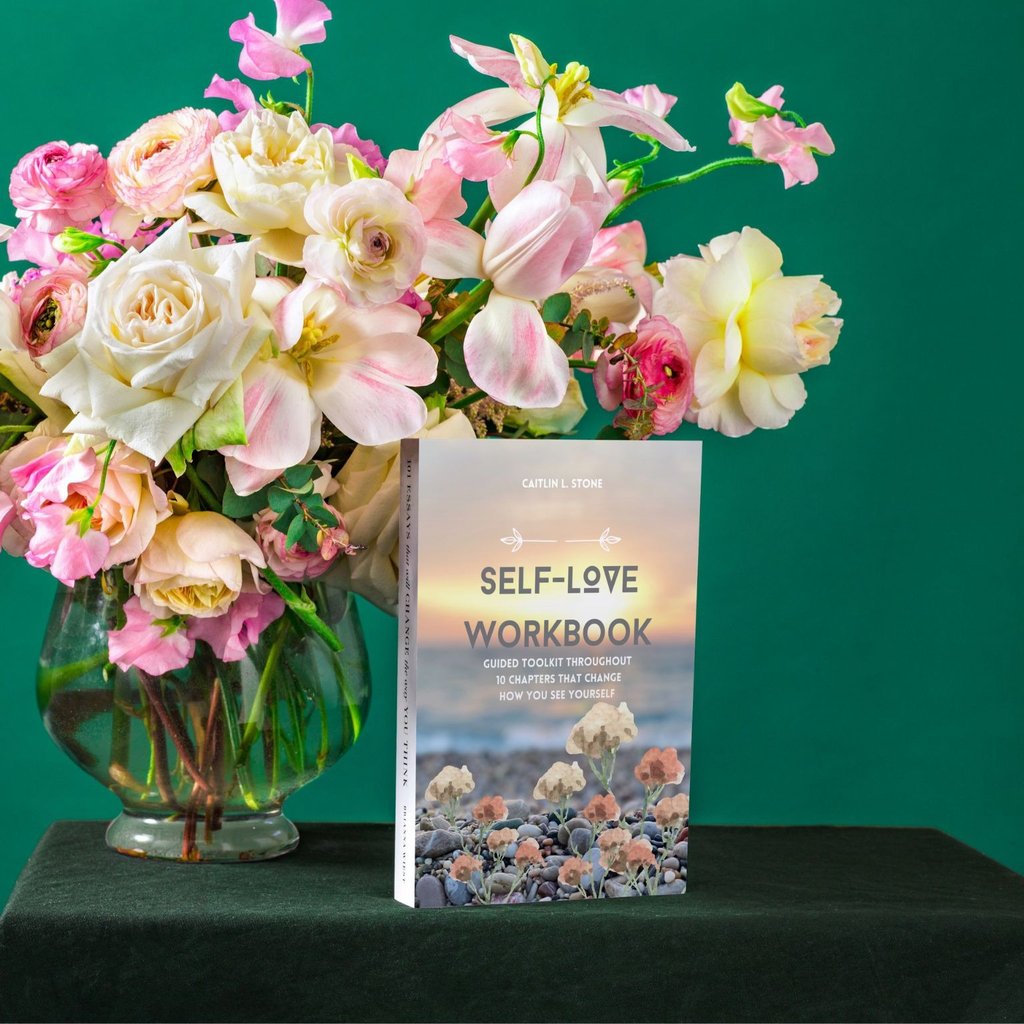
❤️ Self-Love Workbook
Knowing you need to stop putting yourself last is one thing. Learning how to consistently choose yourself is another.
Our Self-Love Workbook includes guided exercises, reflective prompts, and practical tools designed to help you strengthen self-worth, rebuild self-trust, and create a healthier relationship with yourself one step at a time.

Healing Happens in Small Moments
Healing self-abandonment is rarely one dramatic breakthrough. More often, it looks like a series of small decisions: honoring a boundary, listening to your feelings, asking for what you need, or giving yourself permission to rest. These moments may seem small, but they are how self-trust is rebuilt.
🛑 How to Stop Self-Abandonment Patterns
How Do You Stop Self-Abandonment?
Stopping self-abandonment begins with learning to notice when you are ignoring your own needs, emotions, or boundaries. Rather than forcing dramatic change, healing often happens through small acts of self-respect, such as setting boundaries, honoring your feelings, asking for support, and making choices that align with your well-being.
Stopping self-abandonment is not about becoming harder, more selfish, or less caring. It is about learning that your needs deserve space alongside everyone else's.
Setting Gentle Boundaries
Boundaries are not about pushing others away. They are about protecting your energy and honoring your needs. Many people fear that setting boundaries will damage relationships. In reality, healthy boundaries often strengthen relationships because they create more honesty, clarity, and mutual respect.
Start small:
Saying “I need time to think about it.”
Declining something that feels overwhelming
Expressing a preference
Explore this more in How to Set Boundaries for Yourself.
Allowing Your Emotions to Exist
Emotions do not need to be fixed, justified, or explained away in order to be valid. Sometimes healing begins by simply acknowledging what you feel without immediately trying to change it. Instead of suppressing emotions, try:
Naming them
Sitting with them
Validating them
For example:
“I feel overwhelmed, and that’s okay.”
Replacing Old Patterns Slowly
Self-abandonment patterns often develop over many years. Because of this, healing is usually less about dramatic breakthroughs and more about practicing different choices repeatedly until they begin to feel natural. They will shift over time, too. You don’t need to change everything at once. Small changes create lasting transformation.
💖 If you want to go beyond noticing these patterns and build a deeper, more consistent relationship with yourself:
👉 Learn how to practice self-love
Creating Daily Self-Connection Rituals
The opposite of self-abandonment is not perfection. It is a connection. Small daily practices can help you stay connected to your needs, emotions, and well-being throughout the day. Simple practices can help you stay connected to yourself:
Checking in with your emotions each morning
Taking intentional breaks
Reflecting at the end of the day
You may enjoy exploring Daily Self-Love Habits for gentle ways to stay connected to yourself.
✨ A soft place to begin reconnecting with yourself is our Self-Love Bingo, filled with simple, nurturing practices you can try at your own pace.
What Does Healing Self-Abandonment Look Like?
Healing self-abandonment often looks quieter than people expect. It can be choosing rest without guilt, expressing a boundary, honoring your emotions, asking for help, or trusting yourself enough to make decisions that support your well-being. These small moments gradually strengthen your relationship with yourself.
🌑 Exploring the Deeper Roots of Self-Abandonment
Can Shadow Work Help With Self-Abandonment?
Shadow work can help you explore the deeper beliefs, fears, and emotional experiences that may contribute to self-abandonment patterns. By bringing these hidden thoughts and feelings into awareness, many people begin to understand themselves more deeply and develop a more compassionate relationship with themselves.
Self-abandonment often doesn’t begin in adulthood. Many people discover that these patterns are connected to deeper emotional wounds, especially those related to feeling unseen, unsupported, or emotionally neglected earlier in life.
You may begin to notice that your tendency to ignore your needs is not random. It may be a response that once helped you feel safe, accepted, or loved. This is where deeper inner work can become supportive.
Practices like shadow work invite you to gently explore the parts of yourself that were pushed aside, suppressed, or never fully heard.
If you feel ready to explore the deeper emotional roots of these patterns, shadow work can offer a gentle way to build self-awareness and understand yourself more deeply. Our Shadow Work for Beginners: 30-Day Plan introduces simple practices and reflections that can help you explore hidden beliefs, emotional patterns, and the experiences that may have shaped the relationship you have with yourself today.
This is not about forcing yourself to revisit the past. It is about creating a safe space to understand yourself more deeply, at your own pace.
✨ A gentle place to begin shadow work
If you feel ready to explore the deeper roots of self-abandonment, our Free Shadow Work Starter Kit offers guided prompts and reflections to help you safely reconnect with hidden emotions and patterns.
You can explore it here: Free Shadow Work Starter Kit
🧘 A Gentle Reminder for Difficult Moments
What Should You Remember When Healing Self-Abandonment?
Healing self-abandonment is not about getting everything right. It is about learning to listen to yourself, honor your needs, and respond to yourself with greater compassion. Progress often happens slowly, through small moments of self-awareness and self-respect that build trust over time.
If this topic feels emotional, please know that you're not alone. Many people discover self-abandonment patterns only after years of putting everyone else first and ignoring their own needs.
You are not “too sensitive.”
You are not “too much.”
You are learning to listen to yourself in a world that may not have always encouraged you to do so. That takes courage, patience, and practice. Take a breath. Place a hand on your heart if that feels comforting.
You are allowed to take this slowly. Healing self-abandonment is not measured by how quickly you change. It is measured by how often you choose to return to yourself with honesty, compassion, and care.
What Is the Difference Between Self-Abandonment and Self-Care?
Self-abandonment happens when you repeatedly ignore your needs, emotions, and well-being in order to meet the expectations of others. Self-care, on the other hand, involves recognizing and responding to your physical, emotional, and mental needs with compassion and respect. The more consistently you practice self-care, the easier it becomes to stay connected to yourself.
💖 Free Self-Love Guide
When was the last time you asked yourself what you need, and actually listened to the answer?
The Free Self-Love Guide helps you build a more supportive relationship with yourself through practical self-love exercises, mindful reflections, and small daily practices that encourage self-trust and emotional well-being.
✨ Reflection Questions for Your Healing
Reflection Questions for Self-Abandonment Healing
Self-reflection can help bring self-abandonment patterns into awareness. By exploring your thoughts, emotions, and experiences with curiosity rather than judgment, you may begin to understand where these patterns come from and what you need in order to heal them.
If it feels supportive, take a few quiet moments to reflect on these questions. There is no need to rush toward answers. Sometimes simply becoming aware of what arises is a meaningful step toward healing.
When do I most often ignore my own needs?
What emotions do I tend to suppress?
What am I afraid might happen if I fully honor myself?
How would it feel to prioritize my needs, even in small ways?
What is one gentle way I can support myself today?
Where in my life do I feel the most disconnected from myself?
What would change if I trusted my needs as much as I trust everyone else's?
You do not need perfect answers, and you do not need to figure everything out today. The goal is simply to create a space where your thoughts, feelings, and needs are allowed to exist and be heard.
Can Journaling Help With Self-Abandonment?
Journaling can be a helpful tool for healing self-abandonment because it creates space to explore your thoughts, emotions, needs, and patterns without judgment. Many people find that writing helps them reconnect with parts of themselves they have ignored or overlooked for a long time.
“Healing self-abandonment didn’t happen overnight for me. It started with very small choices. Saying no when I used to say yes. Resting without guilt. Letting myself feel things instead of pushing them away. And slowly, I began to feel like I could trust myself again.” – Caitlin
📓 365 Psychological Journal Prompts
Sometimes the hardest question is not "What should I do?" but "What do I actually feel?"
Our 365 Psychological Journal Prompts offer a full year of thoughtful reflections designed to help you explore emotions, patterns, beliefs, and personal growth with greater clarity, self-awareness, and compassion.


🌙 Returning to Yourself, One Step at a Time
Can You Recover From Self-Abandonment?
Yes. Self-abandonment is a learned pattern, not a permanent part of who you are. By learning to recognize your needs, honor your emotions, set healthy boundaries, and practice self-compassion, you can gradually rebuild trust in yourself and create a more supportive relationship with who you are.
Healing self-abandonment is not about becoming someone new. It is about remembering who you were before you learned to ignore yourself.
As healing unfolds, you may begin to notice small but meaningful changes:
You pause before saying yes
You acknowledge your feelings instead of dismissing them
You give yourself permission to rest
These moments may seem small, but they represent something powerful: a growing willingness to stay connected to yourself, even when it feels uncomfortable or unfamiliar.
These are powerful changes because every time you honor your needs, listen to your emotions, or respect your boundaries, you strengthen the relationship you have with yourself. Healing is not about perfection. It is about continuing to come back to yourself with patience, compassion, and curiosity.
One of the most meaningful parts of this journey is learning to trust yourself again. If self-abandonment has left you questioning your feelings, instincts, or decisions, you may find support in How to Trust Yourself Again After Years of Self-Doubt, where we explore practical ways to rebuild confidence in your inner voice.
If you would like additional support on your self-love journey, you can explore our guides, journals, workbooks, and healing resources inside Sisters Creation, all created to help you reconnect with yourself more gently and intentionally.
What Does It Mean to Choose Yourself?
Choosing yourself does not mean rejecting other people or ignoring their needs. It means recognizing that your needs matter too. It means allowing yourself to rest, setting healthy boundaries, listening to your emotions, and making decisions that support your well-being.
What Is the Opposite of Self-Abandonment?
The opposite of self-abandonment is self-connection: learning to listen to your needs, honor your emotions, respect your boundaries, and treat yourself with the same care and compassion you often offer others.
You are not abandoning yourself anymore. You are learning to stay.
With love,
Caitlin & Gerly,
Soul Sisters Tarot
❓ Frequently Asked Questions About Self-Abandonment
What are the most common signs of self-abandonment in relationships and daily life?
The most common signs of self-abandonment include people-pleasing, difficulty setting boundaries, ignoring your emotional needs, minimizing your feelings, seeking constant external validation, and struggling to identify what you truly want. Many people also experience exhaustion, resentment, self-doubt, or a sense of disconnection from themselves after consistently putting others first.
How do you start healing self-abandonment when you feel emotionally numb or disconnected?
Healing self-abandonment often begins with rebuilding awareness. Rather than forcing yourself to feel differently, start by gently checking in with your emotions, physical sensations, and daily needs. Small practices such as journaling, self-reflection, self-compassion, and setting healthy boundaries can gradually help restore connection with yourself and rebuild self-trust over time.
Why do people develop self-abandonment patterns and ignore their own needs?
Self-abandonment often develops as a protective response. If expressing needs, emotions, or boundaries once felt unsafe, led to criticism, or threatened important relationships, you may have learned to suppress those parts of yourself. Over time, prioritizing others can become an automatic habit, even when it comes at the expense of your own well-being.
Can self-abandonment lead to anxiety, burnout, or emotional exhaustion?
Yes. Constantly ignoring your own needs requires significant emotional energy. Over time, self-abandonment can contribute to chronic stress, anxiety, burnout, resentment, emotional exhaustion, and a feeling of being disconnected from yourself. Many people discover that their exhaustion is not simply physical but also emotional.
What is the difference between self-abandonment and setting healthy boundaries?
Self-abandonment happens when you ignore your needs, feelings, or limits in order to avoid conflict, gain approval, or keep others comfortable. Healthy boundaries, on the other hand, allow you to care for yourself while still maintaining meaningful relationships. Boundaries strengthen self-respect, while self-abandonment gradually weakens it.
How can you stop self-abandonment habits without feeling guilty or selfish?
The guilt that often appears when you stop self-abandoning is usually a sign that you are changing old patterns, not doing something wrong. Start with small acts of self-respect, such as expressing preferences, taking breaks when needed, or setting gentle boundaries. Over time, many people discover that honoring their needs is not selfish but necessary for emotional well-being.
Is self-abandonment linked to low self-worth and people-pleasing behavior?
Yes. Self-abandonment is often closely connected to people-pleasing, low self-worth, and a tendency to seek validation from others. When you believe your needs are less important than everyone else's, it becomes easier to ignore them. Healing often involves rebuilding self-worth and learning to value your own feelings, needs, and boundaries.
How long does it take to heal self-abandonment and rebuild self-trust?
There is no fixed timeline. Healing self-abandonment is usually a gradual process that happens through repeated acts of self-awareness, self-compassion, boundary setting, and self-respect. The goal is not perfection but building a stronger relationship with yourself over time. Even small changes can create meaningful progress.
What are some examples of self-abandonment?
Examples of self-abandonment include saying yes when you want to say no, staying silent when something hurts you, ignoring your need for rest, constantly prioritizing others, dismissing your feelings, or changing yourself to gain approval. While these actions may seem small individually, they can create a growing sense of disconnection from yourself when repeated over time.
Is self-abandonment a trauma response?
For some people, yes. Self-abandonment can develop as a response to emotional neglect, criticism, rejection, inconsistent support, or other experiences that taught them their needs were unsafe to express. While not everyone who struggles with self-abandonment has experienced trauma, many people discover that the pattern has roots in earlier emotional experiences.
Can self-abandonment affect relationships?
Yes. Self-abandonment can create resentment, poor communication, weak boundaries, and emotional exhaustion within relationships. When you consistently ignore your own needs, it becomes difficult to show up authentically with others. Healing self-abandonment often leads to healthier relationships because you learn to communicate more honestly and respect your own limits.
Can self-abandonment become a habit?
Yes. Self-abandonment often begins as a coping strategy but can eventually become automatic. Many people stop noticing how often they dismiss their needs, feelings, or boundaries because the pattern feels normal. Awareness is often the first step toward breaking the cycle and creating healthier ways of relating to yourself.
Can you love yourself and still struggle with self-abandonment?
Yes. Many people genuinely care about themselves, yet still fall into self-abandonment patterns they learned earlier in life. Healing is not about becoming perfectly self-loving. It is about recognizing when you are abandoning yourself and gently choosing a different response.
Soul Sisters Tarot
A Soft Place to Grow.
💌 SOUL SISTERS WEEKLY
A thoughtful Sunday letter with tarot reflections, moon wisdom, self-love, and gentle encouragement.
© 2026. All rights reserved.
Inspirational Coaching OÜ
sisters@soulsisterstarot.com