💌 JOIN SOUL SISTERS WEEKLY → GET FREE WELCOME GIFTS 🎁
Receive a thoughtful Sunday letter, free Self-Love & Shadow Work guides, and monthly Full Moon rituals ✨



People Pleasing: Why Saying No Feels So Hard
People pleasing leaves you exhausted, resentful, and disconnected from yourself. Discover why it's so hard to stop and what keeps the pattern alive.
SELF-LOVE, HEALING & INNER WORK
Soul Sisters Tarot
3/17/202621 min read


People-Pleasing: Why We Put Others First and How to Stop
This guide is part of our Self-Love Journey, where we explore emotional healing, self-compassion, and gentle practices that help you build a deeper and more supportive relationship with yourself.
People pleasing can be frustrating because you often know exactly what you're doing. You know you're overcommitting. You know you're saying yes when you want to say no. You know you're putting other people's needs ahead of your own. And yet, you keep doing it.
This is what makes people-pleasing so difficult to change. Most people-pleasers do not struggle because they lack awareness. They struggle because changing the pattern creates discomfort they have spent years trying to avoid.
You may decide to set a boundary and immediately feel guilty. You may express a need and worry that you're being selfish. You may say no and spend hours wondering whether you've disappointed someone. People-pleasing survives when the guilt of saying no feels heavier than the cost of saying yes.
This is why awareness alone is often not enough. Many people clearly recognize the pattern, yet still find themselves repeating it. Knowing a pattern is hurting you and feeling ready to let it go are not the same thing.
Over time, people-pleasing can become more than a habit. It can become part of how you maintain relationships, avoid conflict, and measure your value. That is why breaking free often feels harder than expected. A pattern can feel painful and familiar at the same time. Familiarity is often what keeps the pattern alive.
In this guide, we'll explore why people-pleasing can be so difficult to stop, what keeps the cycle repeating, and how you can begin creating healthier habits without guilt, shame, or self-judgment. This is not about becoming less kind. It is not about caring less about other people. It is about learning that your needs matter too.
Many people discover that overcoming people-pleasing is not just about changing behavior. It is about building a healthier relationship with yourself. As part of our wider Self-Love, Healing & Inner Work collection, this guide explores how self-respect, self-compassion, and emotional awareness support lasting change.
You cannot build a healthy relationship with yourself while constantly abandoning yourself for everyone else.
💖 If your need to please others feels closely tied to your sense of worth, you may also find it helpful to explore Why Do I Feel Unworthy of Love?
🌸 If you're ready to start rebuilding your relationship with yourself, you may also enjoy How to Practice Self-Love, where we explore simple ways to prioritize your needs without guilt.
✨ A gentle place to begin is our Self-Love Bingo, filled with small, nurturing practices designed to help you reconnect with yourself one step at a time.
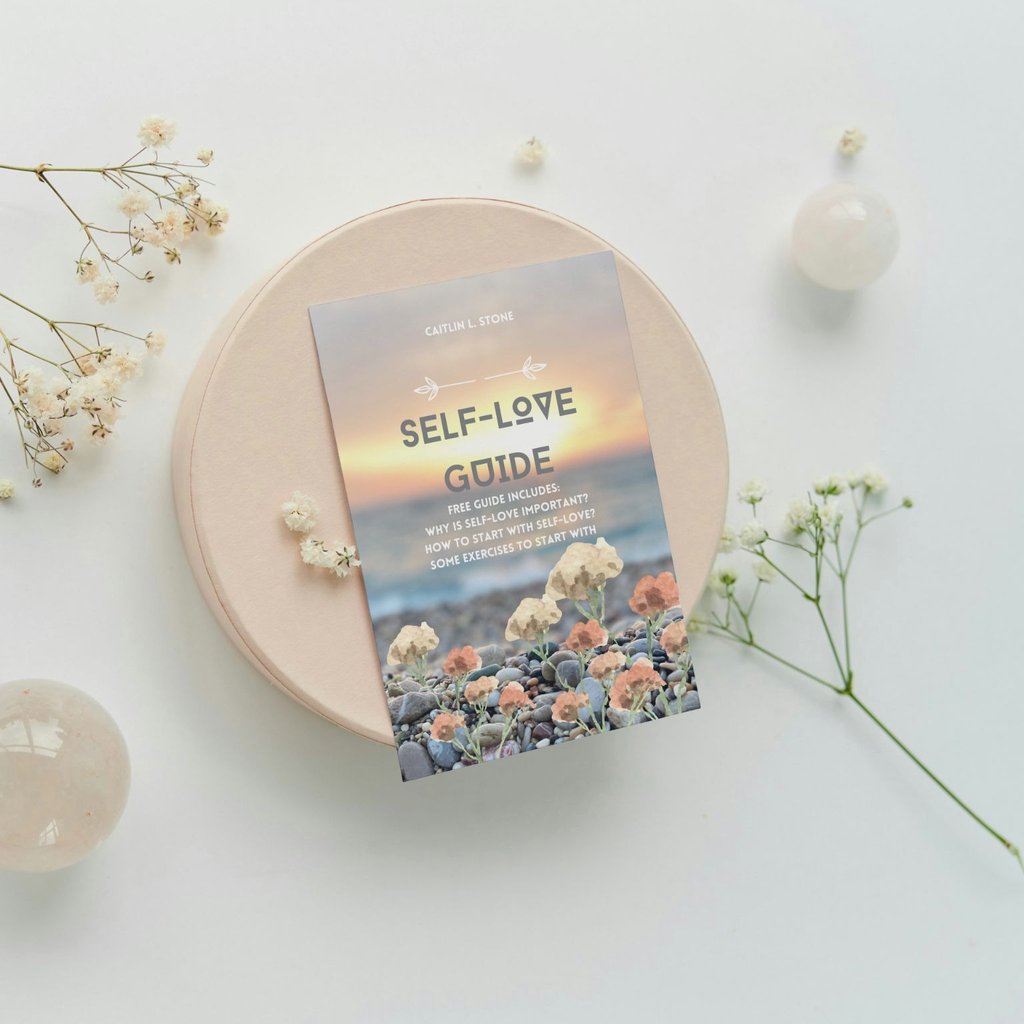
💖 Free Self-Love Guide
Always putting everyone else first?
People-pleasing often starts with good intentions, but over time, it can leave you disconnected from your own needs, feelings, and boundaries. Our Free Self-Love Guide offers simple, gentle practices to help you start putting yourself back on your own priority list.

🌿 Why Awareness Alone Doesn't Stop People-Pleasing
Many people assume that once they recognize a people-pleasing pattern, changing it should be easy. But awareness and change are not the same thing. You can know a pattern is hurting you and still feel pulled to repeat it. You can understand that you need stronger boundaries and still struggle to set them. You can recognize that you are putting yourself last and still continue doing it.
Insight creates awareness. Practice creates change. The reason people-pleasing is so difficult to stop is that it often protects you from emotions you would rather not feel.
For example, people-pleasing may help you avoid:
guilt
disappointment
conflict
rejection
feeling selfish
feeling responsible for someone else's discomfort
In the moment, saying yes can feel easier than experiencing those emotions.
People-pleasing often survives because it offers immediate emotional relief, even when it creates long-term emotional exhaustion. This is why the pattern can feel so frustrating. The problem is rarely a lack of knowledge. The problem is that the old behavior feels safer than the temporary discomfort that comes with change.
Most people-pleasers do not need more awareness. They need more trust that discomfort is not the same thing as danger.
If your people-pleasing is closely connected to feeling "not good enough," you may also find it helpful to explore How to Build Self-Worth When You Feel Not Good Enough, where we explore how self-worth influences boundaries, relationships, and the way you treat yourself.
If you would like to understand where people-pleasing patterns often begin, you can also read Why Am I a People Pleaser?
💭 How People-Pleasing Keeps You Stuck
People-pleasing often feels helpful in the moment. It can help you avoid conflict, reduce tension, and maintain harmony in your relationships. The problem is that the same pattern that protects you from discomfort today can create deeper frustration tomorrow.
You may begin to notice:
feeling guilty when you prioritize yourself
worrying excessively about disappointing others
saying yes out of obligation rather than desire
feeling emotionally drained after helping everyone else
becoming resentful despite wanting to be kind
struggling to identify what you actually need
People-pleasing often feels like keeping the peace with others while quietly creating conflict within yourself. Because the pattern reduces discomfort in the short term, it can be difficult to recognize its long-term cost.
A pattern becomes difficult to change when it solves one problem while quietly creating several others. Many people discover that the hardest part is not saying no. The hardest part is tolerating the guilt that follows.
💖 If saying no fills you with guilt or makes you feel like you are doing something wrong, understanding Why You're So Hard on Yourself can help you respond with greater self-compassion and less self-judgment.
Many people also discover that people-pleasing is closely connected to self-abandonment, where staying connected to others slowly becomes more important than staying connected to yourself.
“I used to believe that being a good person meant always being available, always saying yes, always putting others first. It took me a long time to realize that constantly abandoning myself was not kindness. It was fear. And the moment I started choosing myself, even in small ways, I began to feel something I hadn’t felt in years… peace.” - Caitlin
Many people assume that people-pleasing is simply kindness taken too far. In reality, the pattern often crosses a line where caring for others begins to come at the expense of caring for yourself. Healthy kindness includes you. People-pleasing often leaves you out of the equation.
Over time, this can lead to:
emotional exhaustion
resentment
difficulty identifying your own needs
feeling unseen or unappreciated
losing touch with your own priorities
These are not signs that you are selfish or failing. They are signals that your needs may have been ignored for too long. If this feels familiar, you may also find it helpful to explore Self-Abandonment: Why We Ignore Our Own Needs, where we explore how repeatedly prioritizing others can slowly disconnect you from yourself.
✨ Helpful companion for your journey
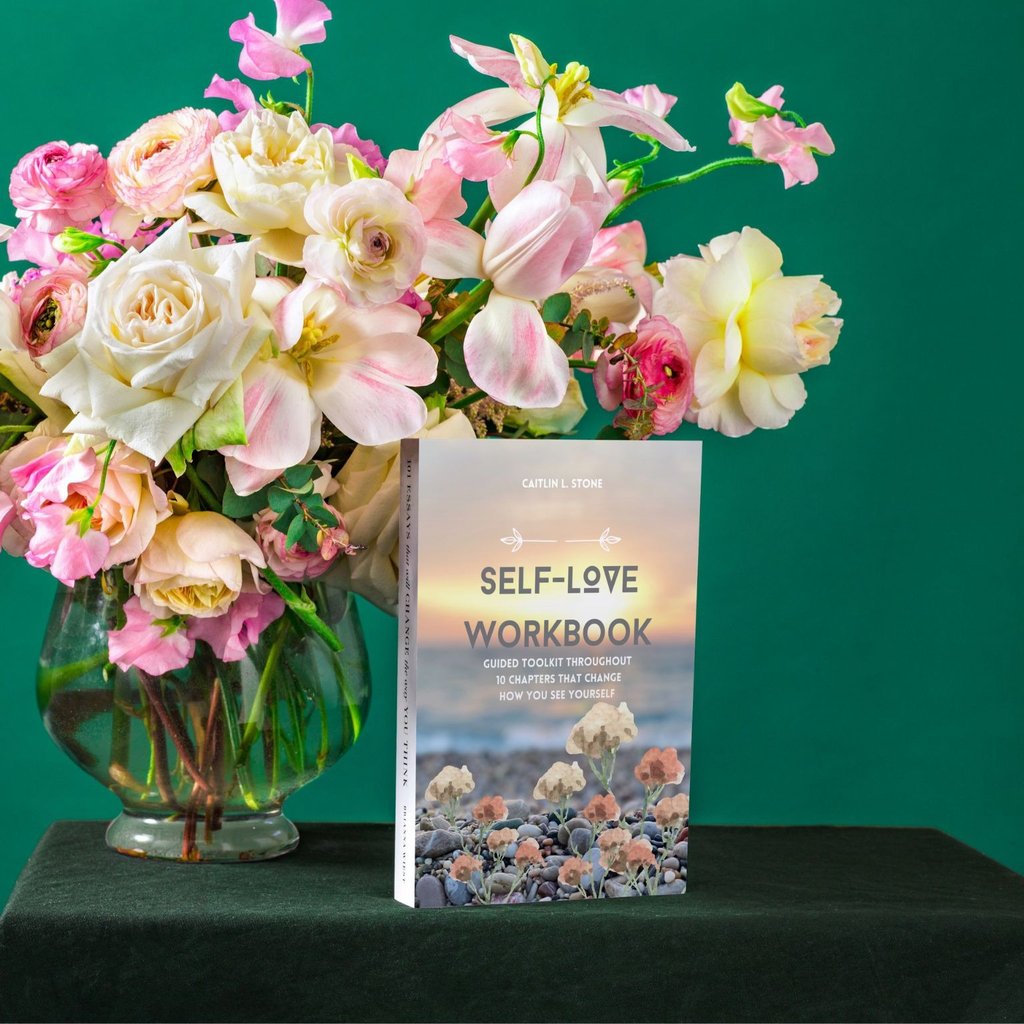
If you would like gentle guidance as you explore your patterns, you may enjoy our Self-Love Workbook, which includes reflective exercises designed to help you reconnect with your needs and build healthier emotional boundaries.
You can explore it here: Self-Love Workbook
💖 Free Self-Love Guide
Tired of feeling responsible for everyone except yourself?
If you're beginning to recognize how people-pleasing affects your energy, confidence, and relationships, our Free Self-Love Guide can help you take the first steps toward healthier boundaries and a more supportive relationship with yourself.
🧠 The Hidden Cost of People Pleasing
People-pleasing rarely feels harmful in the moment. In fact, it often feels like the responsible thing to do. You avoid the awkward conversation, prevent disappointment, and keep the peace. The immediate reward is relief, which is one reason the pattern can be so difficult to change.
The problem is that every time you ignore your own needs to avoid discomfort, you reinforce the idea that those needs are less important. This rarely happens through one major decision. Instead, it happens through hundreds of small moments where you stay silent, overextend yourself, or prioritize someone else's comfort over your own.
People-pleasing is not damaging because of one big sacrifice. It becomes damaging when self-sacrifice becomes your default way of relating to others.
This is why the cost often goes unnoticed for years. Most people do not suddenly wake up feeling disconnected from themselves. The disconnection develops gradually as their attention becomes increasingly focused on what other people want, need, expect, or feel.
Over time, this can lead to:
emotional exhaustion and burnout
resentment toward people you genuinely care about
difficulty identifying what you truly want
guilt whenever you prioritize yourself
loss of confidence in your own decisions
feeling disconnected from your needs, feelings, and identity
The greatest cost of people-pleasing is not what you give away. It is the relationship with yourself that slowly gets neglected in the process. Because these consequences develop slowly, they are easy to dismiss or overlook. By the time the cost becomes obvious, the pattern often feels normal and deeply ingrained.
People-pleasing survives because the consequences are delayed, while the emotional relief is immediate.
Emotional Burnout and Exhaustion
Constantly managing other people's needs, emotions, expectations, and reactions requires energy. Over time, that emotional labor adds up. Many people-pleasers become exhausted not because they are doing too much, but because they are carrying responsibilities that were never theirs to carry.
When you feel responsible for everyone, rest can start to feel irresponsible. If this feels familiar, you may also resonate with Emotional Burnout: Signs You Are Mentally and Emotionally Exhausted, where we explore how chronic emotional overgiving can deplete your energy.
Disconnection From Your Authentic Self
One of the quietest costs of people-pleasing is losing touch with your own preferences, opinions, and needs. When your attention is constantly focused on what everyone else wants, your own inner voice can become harder to hear.
Many people-pleasers spend years learning about other people. Few spend the same amount of time learning about themselves. This can create a sense of confusion, emptiness, or feeling disconnected from who you really are.
The Inner Critic Gets Louder
People-pleasing and self-criticism often reinforce each other. The more pressure you place on yourself to keep everyone happy, the easier it becomes for your inner critic to find reasons why you're falling short.
It may sound like:
"You should do more."
"Don't disappoint them."
"You're being selfish."
"You're asking for too much."
The inner critic often uses guilt to keep old patterns in place. If this feels familiar, you may also enjoy The Inner Critic: Why That Voice in Your Head Is So Harsh, where we explore how this voice develops and how to respond to it more compassionately.
🔍 Why It Feels So Hard to Stop People Pleasing
Many people become frustrated with themselves because they already know the pattern is unhealthy. They know they need stronger boundaries. They know they need to stop overcommitting. They know they cannot keep putting everyone else first. Yet they continue doing it.
This is often the moment when people start believing something is wrong with them. In reality, the difficulty is not a lack of awareness. The difficulty is that people-pleasing usually provides something emotionally valuable in the short term.
It may help you avoid guilt. It may help you avoid disappointing someone. It may help you avoid conflict, tension, criticism, or awkward conversations. The pattern survives because it works. At least temporarily.
People-pleasing is difficult to stop because it solves an immediate emotional problem, even while creating a long-term one. The challenge is that your mind experiences the immediate relief today, while the long-term cost arrives gradually over months or years.
Most unhealthy patterns survive because they provide a benefit before they create a consequence. This is why people-pleasing can feel so difficult to break, even when you clearly recognize the damage it causes. Three experiences tend to keep the pattern alive.
Fear of Disappointing Others
For many people, disappointing someone feels uncomfortable. For a people-pleaser, it can feel emotionally threatening.
A simple boundary may trigger thoughts such as:
What if they get upset?
What if they think I'm selfish?
What if I let them down?
What if they see me differently?
The problem is not the boundary itself. The problem is the meaning attached to the boundary. Many people-pleasers do not fear saying no. They fear losing approval, connection, or acceptance after saying no. As a result, they often choose temporary comfort over long-term well-being.
Your Identity Becomes Tied to Being Needed
People-pleasing often lasts for years. When a behavior is repeated long enough, it can become part of how you see yourself.
You may become known as:
the reliable one
the helper
the peacemaker
the person everyone can count on
These qualities are not inherently unhealthy. The challenge appears when your sense of value becomes dependent on maintaining that role. When your identity depends on being needed, boundaries can feel less like self-respect and more like self-betrayal. Many people are not only changing their behavior. They are redefining who they believe they need to be.
Discomfort Feels Like Proof You're Doing Something Wrong
One of the biggest misconceptions about change is the belief that healthy choices should feel comfortable immediately. In reality, people-pleasing often trains you to treat discomfort as a warning sign. When you set a boundary, speak honestly, prioritize yourself, or decline a request, discomfort naturally appears. The mistake is assuming that discomfort means the decision was wrong.
Discomfort is often the price of growth. Discomfort is not evidence that growth is a mistake. Learning to tolerate that discomfort is one of the most important parts of breaking free from people-pleasing.
Growth begins when you stop treating every uncomfortable feeling as a problem that needs to be avoided.
❤️ Self-Love Workbook
Understanding the pattern is one thing. Changing it is another.
If you're tired of putting yourself last and want practical exercises to rebuild self-worth, strengthen boundaries, and reconnect with your needs, the Self-Love Workbook offers a gentle path forward.
🌸 How to Stop People Pleasing Gently and Safely
One of the biggest mistakes people make when trying to stop people-pleasing is focusing only on the behavior. They tell themselves they need to say no more often, set stronger boundaries, or stop worrying about what other people think.
While those things matter, they do not address the real challenge. The difficult part is not learning how to say no. The difficult part is learning how to tolerate the emotions that appear after you say it.
For many people, people-pleasing has become a way of avoiding guilt, tension, disappointment, conflict, or the fear of letting someone down. Removing the behavior means learning how to sit with those feelings instead of immediately fixing them. People-pleasing does not end when you learn how to say no. It begins to end when you stop treating other people's discomfort as your responsibility.
This is why lasting change usually happens gradually. Every time you choose honesty over approval, a boundary over resentment, or self-respect over self-sacrifice, you weaken the old pattern and strengthen a new one. The goal is not to become less caring. The goal is to stop believing that caring for others requires betraying yourself.
Instead of trying to transform your entire life overnight, focus on small choices that help you build trust in yourself again.
1. Notice What Happens Right Before You Say Yes
Most people-pleasing decisions happen quickly. Not because you genuinely want to help, but because your mind immediately starts calculating the consequences of saying no. You may worry about disappointing someone, creating tension, appearing selfish, or damaging the relationship. Before you know it, you've agreed.
The next time someone asks something of you, pause and ask:
Do I actually want to do this?
Would I agree if guilt weren't part of the equation?
Am I choosing this freely, or am I trying to avoid an uncomfortable feeling?
Many people-pleasers do not say yes because they want to. They say yes because saying no feels emotionally expensive.
2. Stop Treating Every Request Like an Emergency
One of the most common people-pleasing habits is feeling pressured to respond immediately. When someone asks for something, it can feel as though you need to decide right now. But most requests are not emergencies. Giving yourself time creates space between the request and the automatic reaction.
Simple responses such as:
"Let me think about it."
"I'll get back to you."
"I need to check a few things first."
can help you make a conscious choice instead of an automatic one.
People-pleasing often happens in seconds. Healthier decisions usually require a pause.
3. Learn to Separate Guilt From Reality
Many people assume that guilt is proof that they have done something wrong. But guilt is not always a reliable guide. When you've spent years prioritizing everyone else, even healthy boundaries can feel uncomfortable at first. The feeling itself is real. The conclusion you draw from it may not be.
Guilt is sometimes a sign that you violated your values. Sometimes it is a sign that you violated an old pattern. One of the most important skills in recovery from people-pleasing is learning the difference.
4. Reconnect With Your Own Needs
One of the less obvious consequences of people-pleasing is that you can become so focused on other people's needs that you lose touch with your own.
After years of asking:
What do they need?
What will make them happy?
How can I avoid disappointing them?
You may struggle to answer a much simpler question: What do I want?
This is why many people feel stuck even after they recognize the pattern. They know they need to stop people-pleasing, but they no longer feel connected to their own preferences, feelings, or desires.
People-pleasing teaches you to monitor everyone else's needs. Healing requires learning how to listen to your own again. Start small.
Ask yourself:
What do I need right now?
What would feel supportive to me?
What am I feeling that I haven't acknowledged?
You do not need perfect answers. The goal is simply to rebuild the habit of checking in with yourself.
🌸 If this feels unfamiliar, you may also find it helpful to explore How to Reconnect With Yourself When You Feel Lost, where we explore practical ways to rebuild that connection.
You cannot create a life that feels authentic if you are disconnected from the person living it.
5. Expect Progress to Feel Messy
Many people-pleasers hold themselves to impossible standards. The moment they fall back into an old habit, they assume they have failed. But change rarely works that way. You will have days when you set a boundary easily. You will have days where you say yes and immediately regret it. Both are part of the process.
A pattern built over the years does not disappear because you understood it once. It changes through repeated practice. The goal is not perfection. The goal is to create more moments where your choices reflect what you truly need rather than what your fear demands.
“It felt uncomfortable at first, saying no. My voice would shake, my heart would race, and I would immediately wonder if I had upset someone. But over time, I realized something important. The people who truly care about you don’t disappear when you set boundaries. And the ones who do are only comfortable with the version of you that kept shrinking.” - Caitlin
✨ A journaling tool for deeper reflection
If journaling resonates with you, our 365 Psychological Journal Prompts offer daily reflections designed to support emotional awareness and help you understand patterns like people pleasing more deeply.
Explore the guide here: 365 Psychological Journal Prompts
🛑 Setting Boundaries Without Guilt
For many people, the hardest part of setting a boundary is not deciding what they need. The hardest part is dealing with what happens emotionally afterward. You may know you need to say no. You may know you need more space. You may know a request is too much. Yet the moment you consider speaking up, guilt appears.
This is one reason people-pleasing can feel so difficult to change. The problem is rarely a lack of awareness. The problem is that boundaries often trigger fears people-pleasers have spent years trying to avoid: disappointing someone, being judged, creating conflict, or risking disconnection.
Many people-pleasers are not avoiding boundaries. They are avoiding the emotions they expect boundaries to create. As a result, they often choose temporary comfort over long-term well-being. In the short term, saying yes reduces guilt. In the long term, it often creates resentment, exhaustion, and self-neglect.
People-pleasing asks, "How can I make this easier for everyone else?" Healthy boundaries ask, "What is actually sustainable for me?"
One of the most important shifts is learning that discomfort is not proof that you have done something wrong. A healthy boundary may disappoint someone. It may create temporary tension. It may challenge expectations that have existed for years. None of those outcomes automatically means the boundary was unhealthy.
A boundary is not wrong because someone dislikes it. A boundary is wrong only when it violates your values or someone else's rights. Healthy relationships are not built on endless accommodation. They are built on honesty about needs, limits, expectations, and capacity. Without that honesty, people often end up relating to each other's sacrifices instead of each other's authentic selves.
Relationships become healthier when people stop performing who they think they should be and start expressing who they actually are.
🌸 If you would like more practical guidance, you may also enjoy How to Set Boundaries for Yourself, where we explore this process in greater depth.
What Healthy Boundaries Sound Like
Healthy boundaries do not need to be harsh, defensive, or aggressive. Often they sound surprisingly simple:
"I'm not available for that right now."
"I need some time to think about it."
"That doesn't work for me."
"I can't commit to that at the moment."
The purpose is not to control how other people react. The purpose is to communicate your limits honestly. The purpose of a boundary is not to manage other people's feelings. It is to communicate your reality clearly.
Letting Go of the Need to Be Liked
One of the biggest turning points in overcoming people-pleasing is realizing that being liked and being authentic are not always the same thing. When you begin setting boundaries, some people will appreciate your honesty. Others may resist it. This is especially true if they benefited from the version of you that never said no.
Some relationships become stronger when you set boundaries. Others become uncomfortable because the relationship depends on the absence of boundaries. That discomfort can be difficult, but it is often part of growth. You are not responsible for managing every reaction, preventing every disappointment, or earning approval from everyone around you. You are responsible for being honest about what you need.
💖 If you're ready to go beyond people-pleasing and build a healthier relationship with yourself, you may also enjoy How to Practice Self-Love.
🌙 Rebuilding Your Relationship With Yourself
“I remember the moment I asked myself, ‘What do I actually want?’ and I didn’t have an answer. That was the hardest part. Not saying no to others, but realizing I had spent so long ignoring myself that I no longer knew what I needed. Relearning that has been one of the most healing parts of my journey.” - Caitlin
One of the hidden consequences of people-pleasing is that over time, you can become disconnected from your own internal guidance. You become highly skilled at noticing what other people want, need, expect, prefer, or feel. But much less practiced at recognizing those same things within yourself.
Many people-pleasers know exactly how to make other people comfortable. Far fewer know what would make them feel fulfilled. People-pleasing trains your attention outward. Healing requires bringing some of that attention back to yourself.
This is why the pattern affects more than your relationships. It affects decision-making. It affects confidence. It affects self-trust.
When every choice is filtered through questions like:
What will they think?
Will they be upset?
What do they need?
How will this affect them?
Your own voice slowly becomes quieter. Not because it disappears. Because it gets interrupted. Again and again. The greatest loss in people-pleasing is not your ability to say no. It is losing confidence in your ability to know what you genuinely want.
This is one reason the pattern can feel so difficult to break. Before you can confidently express your needs, you first have to reconnect with them.
That process often starts with small moments of self-respect:
listening to your feelings instead of dismissing them
taking your preferences seriously
honoring commitments you make to yourself
allowing your needs to matter without immediately comparing them to everyone else's
These actions may seem small, but they help rebuild something many people-pleasers have been missing for years: trust in themselves. Self-trust is built every time you stop outsourcing your worth, decisions, and identity to other people's opinions.
Many people eventually discover that the real question is not: "How do I keep everyone happy?"
The real question is: "What is true for me?"
And that question often changes everything.
🌸 If you'd like to explore rebuilding self-trust further, you may also enjoy How to Trust Yourself Again After Years of Self-Doubt.
🖤 If you're curious about the deeper emotional patterns that often keep people-pleasing in place, you may also find Shadow Work Prompts for People-Pleasing Patterns helpful for deeper self-reflection and awareness.
Allowing Yourself to Take Up Space
One of the most challenging parts of overcoming people-pleasing is accepting that your needs deserve space too. Not because they are more important than anyone else's. But because they are equally important.
Many people intellectually understand this idea while emotionally struggling to believe it. That is normal. Years of prioritizing everyone else do not disappear overnight. Healing begins when you stop treating your needs like an inconvenience.
You are allowed to:
have needs
have opinions
have limits
change your mind
disappoint people occasionally
None of those things makes you selfish. They make you human.
📓 365 Psychological Journal Prompts
Not sure what you want anymore?
Many people-pleasers become experts in understanding everyone else while losing touch with themselves. Our 365 Psychological Journal Prompts can help you explore your thoughts, needs, emotions, and patterns through simple daily reflection.


✨ Gentle Reflection Prompts
If people-pleasing has been part of your life for a long time, change rarely begins with a dramatic breakthrough. More often, it begins with honest observation. The goal of these questions is not to judge yourself. The goal is to notice the moments where the pattern shows up and understand what keeps it alive.
Take a few moments to reflect:
What situations make it hardest for me to say no?
What emotion am I usually trying to avoid when I put someone else first?
Do I feel guilty when I prioritize myself? Why?
What am I afraid might happen if I disappoint someone?
When was the last time I made a decision based entirely on what I wanted?
What need have I been ignoring in order to keep someone else comfortable?
What would change if I trusted my needs as much as I trust other people's needs?
Awareness becomes powerful when it moves from recognizing the pattern to recognizing what keeps the pattern alive.
You do not need perfect answers. Sometimes the most important insight is simply noticing how often your decisions are influenced by fear, guilt, obligation, or the desire for approval. The goal is not to judge yourself for people-pleasing. The goal is to understand why the pattern still feels necessary.
🌿 You might enjoy our Free Self-Love Guide, created to help you reconnect with your needs and build a more compassionate relationship with yourself.
🌼 A Final Thought on Breaking Free from People-Pleasing
People-pleasing is often described as a habit, but for many people it feels much deeper than that. It can shape relationships, decisions, self-worth, and even the way you see yourself. That is why change rarely happens overnight.
Most people do not stop people-pleasing because they suddenly become confident, fearless, or perfectly boundaried. They stop because they slowly begin making different choices. One honest conversation. One boundary. One moment of choosing themselves instead of automatically choosing approval. Over time, those moments add up.
Lasting change is rarely the result of one big breakthrough. It is usually the result of many small decisions that gradually become a new way of living.
If you still find yourself falling back into old patterns, that does not mean you are failing. It means you are learning. A pattern that took years to build will usually take time to unlearn. Growth is not measured by how rarely the pattern appears. It is measured by how differently you respond when it does.
As you continue this journey, try to remember that your needs are not obstacles, burdens, or inconveniences. They are part of you. And learning to respect them is not selfish. It is healthy. The goal is not to become someone who never disappoints another person. The goal is to become someone who no longer abandons themselves in order to avoid disappointment.
If you'd like to continue strengthening your relationship with yourself, you may also enjoy How to Love Yourself Fully, where we explore self-acceptance, self-worth, and creating a more supportive relationship with yourself.
🌿 You can also explore our collection of self-love and emotional healing resources in Sisters Creation, created to support you as you reconnect with your voice, your needs, and your inner truth.
With love,
Caitlin & Gerly,
Soul Sisters Tarot
❓ Frequently Asked Questions About People-Pleasing
Why is people-pleasing so hard to stop?
People-pleasing is difficult to stop because it often provides immediate emotional relief. Saying yes may help you avoid guilt, conflict, rejection, or disappointment in the moment. The problem is that the long-term costs arrive much later, which makes the pattern feel safer than it actually is. Most unhealthy patterns survive because they provide a benefit before they create a consequence.
How do you stop people pleasing and start setting boundaries?
Stopping people-pleasing is rarely about learning how to say no. It is usually about learning how to tolerate the guilt, discomfort, or fear that can appear after saying it. Many people know what boundaries they need. The challenge is trusting themselves enough to maintain them. People-pleasing does not end when you learn how to say no. It begins to end when you stop treating other people's disappointment as your responsibility.
Why do I keep people-pleasing even when I know it's hurting me?
Awareness and change are not the same thing. Many people recognize their people-pleasing patterns long before they successfully change them. The challenge is not understanding the behavior. The challenge is tolerating the emotions that appear when you choose a different response. Knowing a pattern is hurting you and feeling ready to let it go are not the same thing.
How can I stop feeling guilty when I say no to others?
Feeling guilty after setting a boundary does not automatically mean the boundary was wrong. For many people-pleasers, guilt appears because the behavior is unfamiliar, not because it is unhealthy. Learning to separate guilt from genuine wrongdoing is an important part of overcoming people-pleasing. Guilt is sometimes a sign that you violated your values. Sometimes it is a sign that you violated an old pattern.
What are the signs that people pleasing is affecting your mental health?
People-pleasing may be affecting your mental health if you frequently feel exhausted, resentful, anxious, overwhelmed, or disconnected from your own needs. Many people also struggle with chronic guilt, difficulty making decisions, and a constant fear of disappointing others. The hidden cost of people-pleasing is often the relationship you gradually lose with yourself.
Can setting boundaries make me feel guilty?
Yes. Many people experience guilt when they begin setting healthier boundaries, especially if they have spent years prioritizing everyone else's needs. Guilt is often a normal response to changing a familiar pattern and does not automatically mean you have done something wrong. Discomfort is often the price of growth, not proof that growth is a mistake.
Why do I feel responsible for other people's emotions?
Many people-pleasers develop a habit of monitoring and managing other people's feelings. Over time, this can create the belief that keeping others comfortable is your responsibility. Healthy relationships allow people to support one another without becoming responsible for each other's emotional experiences. Compassion means caring about someone's feelings. It does not mean carrying them.
Can people-pleasing affect my relationship with myself?
Yes. Over time, constantly prioritizing other people's needs can make it difficult to recognize your own preferences, opinions, and desires. Many people discover that overcoming people-pleasing is as much about rebuilding self-trust as it is about improving relationships. People-pleasing does not only teach you to ignore your needs. It teaches you to doubt them.
Soul Sisters Tarot
A Soft Place to Grow.
💌 SOUL SISTERS WEEKLY
A thoughtful Sunday letter with tarot reflections, moon wisdom, self-love, and gentle encouragement.
© 2026. All rights reserved.
Inspirational Coaching OÜ
sisters@soulsisterstarot.com