💌 JOIN SOUL SISTERS WEEKLY → GET FREE WELCOME GIFTS 🎁
Receive a thoughtful Sunday letter, free Self-Love & Shadow Work guides, and monthly Full Moon rituals ✨



How to Reconnect With Yourself When You Feel Lost and Empty
When did you stop feeling like yourself? Find how to reconnect with yourself through self-compassion, journaling, emotional healing, and gentle daily practices that bring you back home.
SELF-LOVE, HEALING & INNER WORK
Soul Sisters Tarot
3/17/202617 min read


How to Reconnect With Yourself When You Feel Lost
This guide is part of our Self-Love Journey, where we explore emotional healing, self-compassion, and gentle practices that help you build a deeper and more supportive relationship with yourself.
There are moments in life when you may quietly wonder… When did I stop feeling like myself?
Learning how to reconnect with yourself is a gentle process of rebuilding your relationship with your thoughts, emotions, needs, and inner voice. It is not about changing who you are. It is about creating space to listen, reflect, and reconnect with the parts of yourself that may have been overlooked during stressful seasons of life.
You may begin this journey after emotional burnout, major life changes, periods of overwhelm, or simply after spending a long time focusing on everyone and everything else. Reconnection often begins through small practices: journaling honestly, spending quiet time alone, noticing your emotions, setting boundaries, and learning to trust yourself again.
Learning how to practice self-love in small, supportive ways can be a gentle place to begin rebuilding that connection.
As part of our broader Self-Love, Healing & Inner Work pillar, this journey invites you to slow down, listen inward, and rebuild trust with yourself through small, consistent moments of self-awareness.
In this guide, you will discover practical ways to reconnect with yourself, strengthen self-trust, understand your emotions, and create daily habits that support a deeper relationship with who you are.
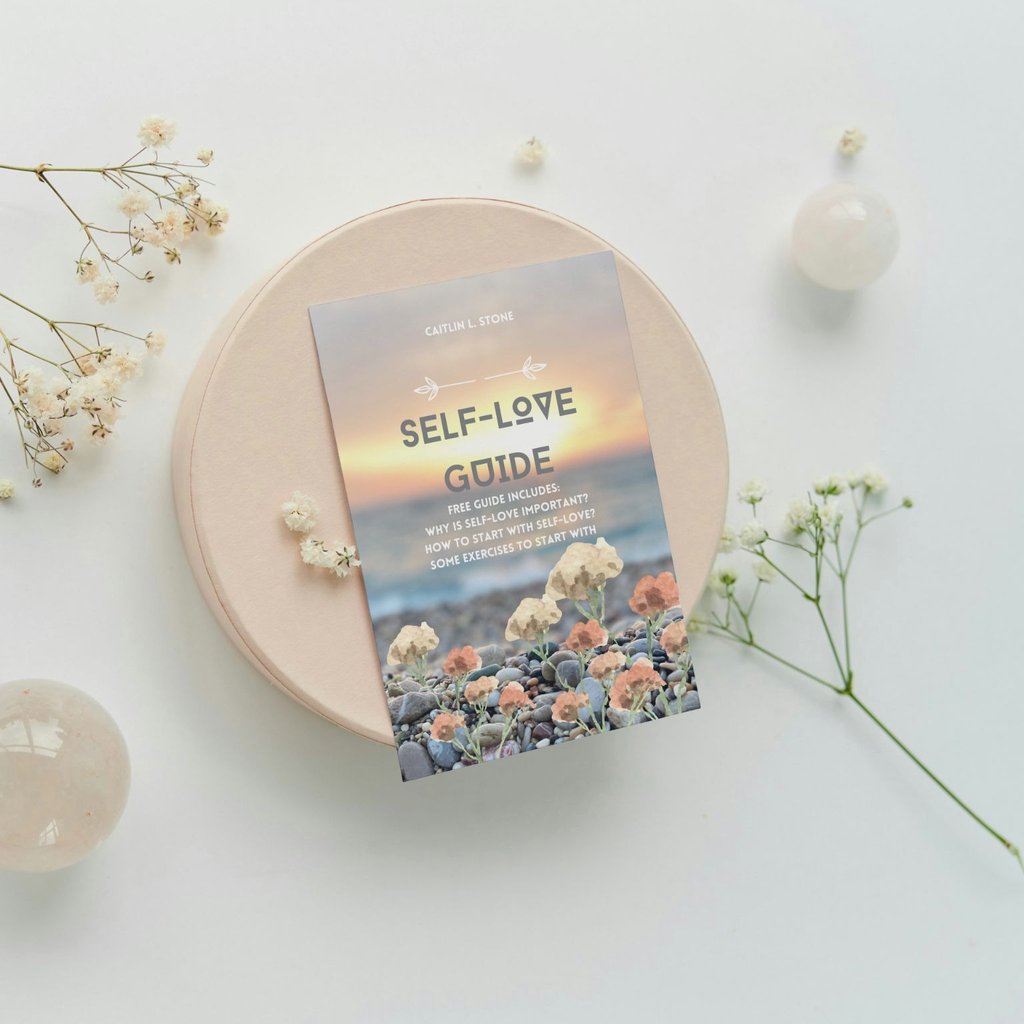
💖 Free Self-Love Guide
A gentle first step toward reconnecting with yourself
Sometimes reconnecting with yourself feels overwhelming because you do not know where to begin. You do not need to completely change your life to start creating a more supportive relationship with yourself.
Our Free Self-Love Guide offers gentle practices, reflections, and ideas to help you slow down, understand your needs, and begin building self-compassion one small step at a time.

🌿 Why You May Need to Reconnect With Yourself
Before learning how to reconnect with yourself, it helps to understand one important thing: disconnection usually happens gradually.
Many people do not suddenly lose their sense of self. Instead, they slowly become disconnected from their own needs, emotions, preferences, and inner voice while managing responsibilities, relationships, expectations, and everyday stress.
You may notice this as:
struggling to understand what you truly want
feeling unsure about your own decisions
constantly prioritizing other people's needs
losing touch with activities or passions that once brought you joy
feeling like you are moving through life without fully being present
These experiences do not mean you have lost yourself. They may simply be signs that your relationship with yourself needs attention again.
If you want to explore the deeper reasons behind feeling disconnected, including life transitions, changing identities, comparison, and uncertainty about your direction, our guide Why Do I Feel Lost in Life? explores this topic in detail.
For this journey, the focus is not only on understanding why disconnection happens. It is learning how to return to yourself through intentional reflection, self-awareness, and small daily practices.
Emotional overwhelm and burnout
When life becomes overwhelming, many people shift into survival mode. Your focus moves toward completing tasks, solving problems, and taking care of responsibilities, leaving little space to notice your own emotions and needs.
Over time, this can create a feeling of distance from yourself.
If this resonates, our guide Emotional Burnout: Signs You Are Mentally and Emotionally Exhausted explores how prolonged emotional exhaustion can affect your connection with yourself.
People-pleasing and external validation
Constantly adjusting yourself around other people's expectations can make it difficult to recognize your own preferences and desires.
You may become very good at asking: "What does everyone else need from me?" while forgetting to ask: "What do I need?"
Many people discover that rebuilding self-trust begins with understanding people-pleasing patterns, which we explore in People-Pleasing: Why We Put Others First and How to Stop.
Ignoring your own needs
Self-disconnection can also develop when you repeatedly dismiss your emotions, boundaries, or desires. Small moments of self-abandonment can accumulate over time: ignoring exhaustion, staying silent when something hurts, or choosing what is expected instead of what feels right.
This pattern is explored further in Self-Abandonment: Why We Ignore Our Own Needs.
Life transitions and identity shifts
Major changes can temporarily disrupt your sense of familiarity with yourself. A new career, relationship change, ending a chapter, or personal growth journey can create a period where the old version of life no longer fits, but the next version has not yet become clear.
This is not a sign that you have failed. It is often a moment when deeper self-awareness becomes possible.
🍃 Soul Sisters Notes
“I remember a time when I felt completely disconnected from myself. I kept asking, what do I actually want? And I had no answer. It scared me a little. But over time, I realized it wasn’t that I had no answers; it was that I hadn’t been listening to myself for a long time. Reconnection didn’t happen overnight. It started with small moments of honesty.” – Caitlin
💖 If you often feel like you’ve lost yourself while trying to meet others’ expectations, understanding why you compare yourself to others can help you reconnect with your own path:
👉 Why do I compare myself to others?
🌊 Signs You Need to Reconnect With Yourself
Sometimes disconnection from yourself happens so gradually that you do not notice it immediately. Instead of feeling completely lost, you may simply notice small signs that you are no longer listening to your own needs, emotions, or inner guidance.
You may need to reconnect with yourself if you notice:
You struggle to identify what you truly want or need
You make decisions based mainly on other people's expectations
You constantly question your choices or intuition
You feel emotionally drained after giving too much of yourself
You no longer make time for activities that bring you joy
You feel disconnected from your emotions or inner voice
You find it difficult to rest without feeling guilty
These signs are not a judgment or a sign that something is wrong with you. They are invitations to pause and become more aware of your relationship with yourself.
Reconnection begins when you start paying attention again: What am I feeling? What do I need? What parts of myself have I been ignoring?
💖 If you often question your choices, doubt yourself, or struggle to trust your own decisions, understanding the roots of self-doubt can help you rebuild that inner connection:
👉 Why do I doubt myself so much?
🌙 How to Reconnect With Yourself Gently and Honestly
Learning how to reconnect with yourself is not about forcing yourself to suddenly know exactly what you want or creating a perfect new routine. Reconnection happens through small moments of awareness where you begin listening to your thoughts, emotions, needs, and inner signals again.
Many people search for a single breakthrough moment when they will finally “find themselves.” In reality, reconnecting with yourself is usually a gradual process of rebuilding trust.
It happens when you begin noticing:
what gives you energy and what drains you
what feels aligned and what feels forced
what emotions you have been avoiding
what needs have been asking for attention
what parts of yourself you want to bring back into your life
The goal is not to create a different version of yourself. The goal is to become more present with the person you already are.
Slow down and create a quiet space
When life is filled with constant stimulation, it becomes difficult to recognize your own thoughts and feelings. Notifications, responsibilities, opinions, and expectations can create so much external noise that your own inner voice becomes harder to hear.
Creating quiet space does not mean escaping your life. It means giving yourself moments where you are not constantly reacting.
You might begin with:
Taking a short walk without your phone
Sitting quietly with your morning drink
Spending a few minutes journaling before checking messages
Creating a calm evening ritual
Practicing mindful breathing when you feel overwhelmed
These moments may seem simple, but they help rebuild awareness. Before you can reconnect with yourself, you need opportunities to actually listen.
Many people find that grounding practices support this process, which we explore in How to Ground Yourself Spiritually.
Begin an honest conversation with yourself
Reconnecting with yourself requires more than thinking about your life. It requires creating an honest relationship with your inner world.
Many people are used to asking:
“What should I do?”
“What is expected of me?”
“What would make others happy?”
For many people, turning inward can feel surprisingly difficult at first. If you have spent years focusing on responsibilities, other people's needs, or external expectations, paying attention to yourself may feel unfamiliar or even uncomfortable. This is one reason self-love can feel harder than expected, especially when reconnecting requires you to notice emotions, needs, and patterns you may have ignored for a long time.
Self-reconnection begins with different questions:
“What am I feeling?”
“What do I actually need?”
“What have I been avoiding?”
“What feels true for me right now?”
Journaling can be a powerful tool because it creates a space where you can answer without interruption, comparison, or judgment. You do not need perfect clarity before you begin writing. Often, clarity appears because you give yourself permission to explore.
🍃 Soul Sisters Notes
“There was a point where I thought I needed a big breakthrough to feel like myself again. Something dramatic, something clear. But what actually helped was much quieter than that. Sitting with myself. Writing things down. Letting myself feel what I had been avoiding. It wasn’t a big moment; it was a series of small returns to myself.” – Caitlin
📓 365 Psychological Journal Prompts
Sometimes you know you need to reflect, but the hardest part is knowing what questions to ask.
Our 365 Psychological Journal Prompts for Self-Discovery and Self-Love provides guided reflections designed to help you explore your emotions, patterns, relationships, self-worth, and personal growth throughout the year.


Reconnect with your emotions without judgment
Many people lose connection with themselves because they learned to ignore emotions that felt inconvenient, painful, or overwhelming.
You may have learned to push through sadness, dismiss frustration, stay busy instead of resting, or focus on being “fine” rather than acknowledging what you actually feel.
Reconnection does not mean being controlled by emotions. It means learning to listen to them as information.
You may begin to notice:
Emotions you have been suppressing
Old wounds resurfacing
A mix of confusion and clarity
If you want to understand this process more deeply, our guide on Signs of Emotional Healing explores how emotional awareness can become part of healing and growth.
A gentle reminder: You do not need to fix your emotions. You only need to allow them.
Return to your body
Your body holds wisdom that your mind may overlook. To reconnect with your inner self, begin listening to your physical experience.
You might try:
Noticing where you hold tension
Asking your body what it needs
Practicing mindful movement like stretching or yoga
This connection is explored further in Listen to Your Body, where we explore how your body communicates your emotional state.
Release the pressure to “figure it all out.”
One of the biggest obstacles in learning how to reconnect with yourself is the belief that you must have answers immediately. You do not.
This process is not a single moment of clarity. It is a gradual remembering. You are allowed to not know.
Many people find that creating intentional moments of connection through simple daily practices can deepen this process, which we explore more in Self-Love Ritual.
Reconnecting with yourself often involves gently exploring the parts of your inner world that have been overlooked or avoided.
🌸 How to Reconnect With Your Inner Self Through Daily Practices
Reconnecting with yourself is built through repeated moments of attention, not one dramatic realization. Daily practices help you create a stronger relationship with your inner world by giving yourself regular opportunities to notice your emotions, understand your needs, and respond with care.
When you have been disconnected from yourself for a long time, the goal is not to completely change your life overnight. The goal is to create small moments where you begin trusting your own thoughts, feelings, and intuition again.
These practices work because self-connection grows through consistency. Every time you pause, listen, and honor what you need, you strengthen the relationship you have with yourself.
Check in with yourself daily
One of the simplest ways to reconnect with yourself is to create a daily emotional check-in. Many people spend their days responding to external demands without asking themselves how they are actually feeling. A short pause can help you notice emotions, needs, and patterns before they become overwhelming.
A daily check-in can be as simple as asking:
How am I feeling today?
What has been taking my energy?
What do I need more of right now?
Is there something I have been ignoring?
What would support me today?
These questions help rebuild self-awareness because you cannot care for needs you never take time to notice.
These small check-ins can become part of your routine, helping you stay connected to yourself in a steady and supportive way, as we share in Daily Self-Love Habits.
Set gentle boundaries
Reconnecting with yourself often means learning where you end and other people's expectations begin. Many people lose touch with their own needs because they spend years automatically saying yes, avoiding conflict, or prioritizing everyone else's emotions before their own.
Boundaries are not about becoming cold or unavailable. They are a way of communicating: “My feelings, time, and energy matter too.”
A boundary might look like:
Saying no without explaining yourself repeatedly
Taking time before answering a request
Protecting time for rest
Expressing your needs honestly
Choosing relationships where you can be yourself
Learning to set boundaries can be one of the most important steps in rebuilding self-trust.
Many people find that this becomes easier when they begin practicing self-respect, which we explore in How to Set Boundaries for Yourself.
Limit external noise
When you are constantly surrounded by opinions, advice, comparison, and information, it becomes harder to recognize your own preferences.
External noise can come from:
social media comparison
constantly seeking approval
always asking others what you should do
consuming information without giving yourself time to reflect
Creating quiet does not mean ignoring the world. It means creating enough space to hear your own voice again. You may notice that clarity often returns when you stop searching for every answer outside yourself.
Practice self-compassion
Many people become disconnected from themselves and then criticize themselves for it.
They think:
“Why am I like this?”
“Why can’t I just know what I want?”
“Why does reconnecting feel so difficult?”
But self-criticism usually creates more distance from yourself, not more connection. Self-compassion creates safety. It allows you to meet yourself honestly without judgment.
Practicing self-compassion may look like:
speaking to yourself with the same kindness you would offer someone you love
allowing yourself time to understand your feelings
recognizing that growth does not happen in a straight line
forgiving yourself for the ways you coped in the past
If you find it difficult to treat yourself with kindness, especially during moments of uncertainty or emotional growth, our guide on Self-Compassion Exercises offers gentle practices to help you build a more supportive inner relationship.
💖 If you want to go beyond small moments of reconnection and build a deeper, more consistent relationship with yourself:
👉 Learn how to practice self-love
🍁 4 Seasons Self-Love Bucket List Bundle
Create self-love rituals that grow with the seasons
Self-love is not something you practice only during difficult moments. It can become part of the rhythm of your everyday life.
Our 4 Seasons Self-Love Bucket List Bundle helps you create meaningful seasonal practices throughout the year, with guided activities designed to support reflection, self-care, creativity, and emotional connection in every season.


🌧️ What Happens When You Start Reconnecting With Yourself?
Reconnecting with yourself can feel peaceful, but it can also feel uncomfortable at first. When you begin paying attention to your emotions, needs, and inner experiences again, you may become aware of things that were easier to ignore when you were focused on simply getting through life.
This does not mean you are doing something wrong. Often, it means you are becoming more aware of yourself.
You may notice:
emotions you have been avoiding
thoughts or memories that need your attention
relationships or situations that no longer feel aligned
grief for parts of yourself you have neglected
a desire to make different choices
Many people expect reconnecting with themselves to immediately create clarity and peace. In reality, awareness often comes before change. Before you can understand what you truly need, you may first need to notice what has been missing.
This process requires gentleness. You do not need to examine every emotion at once or solve every part of yourself immediately. Reconnection is not about forcing answers. It is about creating enough safety to listen.
🌿 Learning to Stay Present With Yourself
When difficult emotions appear, the instinct may be to distract yourself, judge yourself, or rush toward fixing the problem. But self-connection grows when you learn to stay present with your own experience.
This can look like:
allowing yourself to feel without immediately criticizing yourself
noticing emotions before reacting to them
giving yourself time to process difficult realizations
recognizing that uncomfortable feelings are not always signs that something is wrong
If this process feels overwhelming, it is okay to slow down.
You can support yourself by:
taking breaks from deep reflection
returning to grounding practices
spending time in nature
reaching out for supportive conversations
focusing on what you need in the present moment
You do not have to uncover everything at once.
🌟 Rebuilding Trust With Yourself
Many people who feel disconnected from themselves also feel uncertain about trusting their own feelings, choices, and intuition. This can happen when you have spent years ignoring your needs, changing yourself to meet expectations, or looking outside yourself for answers.
Rebuilding self-trust happens through small moments of consistency.
You rebuild trust by:
listening when something does not feel right
honoring your own needs instead of dismissing them
keeping small promises you make to yourself
allowing your feelings to matter
recognizing your own growth instead of only focusing on what needs to change
Trust does not return through one big realization. It grows each time you show yourself that you are willing to listen and respond with care.
If trusting yourself feels difficult after years of self-doubt, you may find deeper insight in How to Trust Yourself Again After Years of Self-Doubt.
🌼 Reflection Questions to Deepen Your Connection
Once you begin reconnecting with yourself, reflection can help you understand what you are discovering.
Take a quiet moment and ask:
When was the last time I truly felt like myself?
What parts of myself have I been ignoring?
What feelings have I been avoiding?
What does my inner self need from me right now?
What would supporting myself look like today?
What changes would feel more aligned with who I am becoming?
There is no need to rush your answers. Sometimes self-connection does not arrive as one clear revelation. It develops through small moments of honesty, awareness, and compassion.
🍃 Soul Sisters Notes
"Coming back to yourself is not about finding a person you lost. It is about creating a relationship with the person who has been with you all along." — Caitlin & Gerly
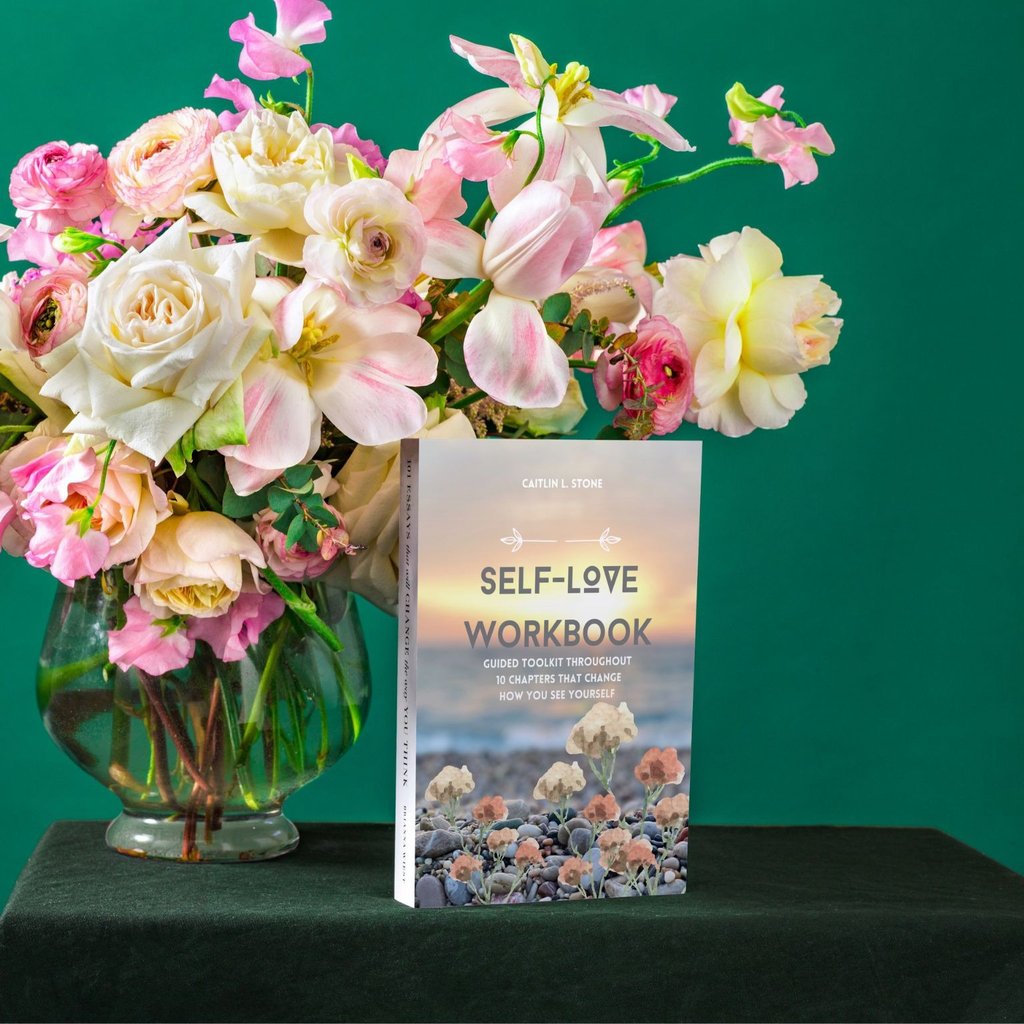
❤️ Self-Love Workbook
A structured space to reconnect with yourself
Reconnecting with yourself is a journey, and sometimes having gentle guidance can make the process feel less overwhelming.
Our Self-Love Workbook offers reflective exercises designed to help you explore your emotions, strengthen self-compassion, understand your needs, and create a more supportive relationship with yourself.
🌙 Returning Home to Yourself
Reconnecting with yourself is not about becoming someone new. It is about gently returning to the parts of yourself that may have been overlooked beneath stress, expectations, responsibilities, and the constant demands of everyday life.
You may not suddenly have every answer. You may still experience moments of uncertainty, doubt, or disconnection.
But every time you pause and listen to yourself, every time you honor your feelings instead of dismissing them, and every time you choose compassion over criticism, you strengthen the relationship you have with yourself.
Self-connection is built in small moments.
A quiet reflection in the morning.
A boundary you finally choose to honor.
A feeling you allow yourself to acknowledge.
A moment where you stop asking what everyone else needs and gently ask what you need too.
These moments may seem small, but they are how trust with yourself begins to return.
🍃 Soul Sisters Notes
"Sometimes we think we’ve lost ourselves completely. But I don’t think we ever truly do. I think we simply become quiet beneath everything we carry. And when we slow down enough to listen again, we discover that the part of us we were searching for was never gone. It was always waiting to be heard."
— Caitlin & Gerly
If you would like to continue exploring self-love, emotional healing, tarot reflections, and gentle spiritual practices, you can find more supportive resources inside Sisters Creation.
With love,
Caitlin & Gerly,
Soul Sisters Tarot
🌿 FAQ: How to Reconnect With Yourself
How do I reconnect with myself when I feel lost?
Reconnecting with yourself when you feel lost begins by creating space to listen inward instead of immediately searching for external answers. Start with small practices that help you notice your emotions, needs, values, and personal preferences again, such as journaling, quiet reflection, mindful walks, or asking yourself what feels meaningful right now. You do not need to completely understand yourself overnight. Self-connection is rebuilt through consistent moments of honesty, awareness, and compassion toward yourself.
What does it mean to reconnect with yourself?
Reconnecting with yourself means rebuilding awareness of your own thoughts, emotions, needs, values, and inner experiences after a period of feeling disconnected or overwhelmed. It often involves noticing what feels authentic to you, understanding patterns that no longer support you, and learning to trust your own feelings again. Reconnection is not about becoming a different person. It is about becoming more present with who you are beneath expectations, stress, and habits that may have pulled you away from yourself.
Why do I feel disconnected from myself?
Feeling disconnected from yourself often develops gradually through stress, emotional overwhelm, people-pleasing, burnout, major life changes, or repeatedly putting your own needs aside. When you spend a long time focusing on responsibilities, expectations, or other people's emotions, it can become harder to recognize what you genuinely feel or want. This disconnection is often a signal that your inner needs deserve more attention, not a sign that you have lost yourself permanently.
How can I reconnect with my emotions?
You can reconnect with your emotions by creating a safe space to notice what you feel without immediately judging, fixing, or pushing those feelings away. Practices such as journaling, mindful breathing, body awareness, and quiet reflection can help you recognize emotions that may have been ignored or suppressed. Emotional reconnection is not about feeling positive all the time. It is about becoming more comfortable listening to your full emotional experience.
What are the first steps to reconnect with yourself?
The first steps to reconnect with yourself are often simple: slow down, reduce distractions, notice your feelings, and begin asking yourself what you genuinely need. Many people start with daily check-ins, journaling, spending intentional time alone, or returning to activities that once brought them joy. The goal is not to immediately find every answer, but to rebuild a relationship with yourself where your thoughts, feelings, and needs are treated as important.
Why does reconnecting with yourself feel uncomfortable?
Reconnecting with yourself can feel uncomfortable because awareness often brings attention to emotions, patterns, or life choices that were easier to ignore. You may notice unmet needs, old wounds, difficult feelings, or situations that no longer feel aligned. This discomfort does not mean the process is wrong. Often, it means you are becoming more honest with yourself and creating the awareness needed for meaningful change.
How long does it take to reconnect with yourself?
There is no fixed timeline for reconnecting with yourself because the process depends on your experiences, circumstances, and how disconnected you have felt. Some people notice small shifts quickly, while others rebuild self-trust gradually over months or longer periods. Progress is not measured by never feeling uncertain again. It is measured by becoming more aware of your needs, making choices that honor yourself, and feeling more comfortable being present with who you are.
Can journaling help you reconnect with yourself?
Yes, journaling can be a powerful tool for reconnecting with yourself because it creates a private space to explore thoughts, emotions, questions, and patterns without outside expectations. Writing regularly can help you notice what drains you, what inspires you, what you have been avoiding, and what matters most to you. Journaling does not need to produce perfect answers. Its purpose is to help you listen more clearly to your own inner voice.
How do I reconnect with myself after burnout?
Reconnecting with yourself after burnout usually begins with restoring safety, rest, and awareness before making major changes. When you have been operating in survival mode, your first step may be slowing down enough to notice your basic needs again, such as sleep, nourishment, emotional space, and boundaries. Once your energy begins returning, practices like journaling, self-reflection, and self-compassion can help you rebuild a stronger connection with yourself.
How do I trust myself again after feeling disconnected?
Trusting yourself again begins with keeping small promises to yourself and learning to take your own feelings seriously. When you have spent years ignoring your needs, seeking approval, or doubting your choices, self-trust may feel unfamiliar. Rebuilding it happens gradually through small actions: listening to your intuition, honoring your boundaries, acknowledging your emotions, and recognizing that you are capable of supporting yourself.
Is reconnecting with yourself the same as finding yourself?
Reconnecting with yourself and finding yourself are closely related, but they are slightly different experiences. “Finding yourself” often suggests discovering something missing, while reconnecting is about strengthening the relationship you already have with yourself. Many people do not need to create a completely new identity. They need space to rediscover their values, emotions, interests, and inner voice after becoming disconnected from them.
Can self-love help you reconnect with yourself?
Yes, self-love can support reconnection because it teaches you to treat your own needs, emotions, and experiences with care instead of criticism. When you practice self-love, you begin creating a relationship with yourself based on respect, compassion, and acceptance. Reconnecting with yourself is often one of the foundations of deeper self-love because it requires listening to yourself before you can truly support yourself.
Soul Sisters Tarot
A Soft Place to Grow.
💌 SOUL SISTERS WEEKLY
A thoughtful Sunday letter with tarot reflections, moon wisdom, self-love, and gentle encouragement.
© 2026. All rights reserved.
Inspirational Coaching OÜ
sisters@soulsisterstarot.com