💌 JOIN SOUL SISTERS WEEKLY → GET FREE WELCOME GIFTS 🎁
Receive a thoughtful Sunday letter, free Self-Love & Shadow Work guides, and monthly Full Moon rituals ✨



Why Is Self-Love So Hard? The Truth Most People Don't Realize
Self-love isn't difficult because you're broken. Discover why is self-love so hard and what are the emotional patterns that may be standing in the way.
SELF-LOVE, HEALING & INNER WORK
Soul Sisters Tarot
3/22/202616 min read


Why Self-Love Feels So Hard (And How to Start Anyway)
This guide is part of our Self-Love Journey, where we explore emotional healing, self-compassion, and gentle practices that help you build a deeper and more supportive relationship with yourself.
Many people come to this question quietly, often after years of being hard on themselves:
Why Is Self-Love So Hard?
Self-love is often difficult because many people learned self-criticism, perfectionism, people-pleasing, or conditional self-worth long before they learned self-compassion. Over time, these patterns can make self-love feel uncomfortable, unfamiliar, or even undeserved, even when you genuinely want it.
You may have tried affirmations, self-care routines, or even moments of deep reflection. And still, something feels out of reach. A resistance. A disconnect. A quiet voice that says, “I don’t deserve this.”
Why Does Self-Love Feel So Difficult Even When You Want It?
Wanting to love yourself and knowing how to do it are not the same thing. Many people understand self-love intellectually but still struggle to feel it emotionally because old beliefs, emotional wounds, and inner criticism continue to shape how they see themselves.
💖 If your inner voice is often critical, demanding, or impossible to satisfy, understanding why you are so hard on yourself can help you begin softening that pattern:
👉 How to stop being so hard on yourself
If you are struggling with self-love, you are not alone. In fact, difficulty loving yourself is far more common than it may seem. It is not a personal failure. It is often the result of experiences, patterns, and beliefs that formed long before you realized they were there.
Self-love is not something we suddenly “get right.” It is something we build slowly, through repeated moments of care, and learning how to practice self-love in small, supportive ways can help it feel more possible. And this article is here to help you understand why it can feel so hard, and how you can begin anyway.
This topic is part of a larger self-love and inner healing journey, connected to our Self-Love, Healing & Inner Work pillar, where we explore the deeper emotional patterns behind how you relate to yourself.
✨ A soft place to begin reconnecting with yourself is our Self-Love Bingo, filled with simple, nurturing practices you can try at your own pace.
🌿 Why Is Self-Love So Hard to Feel?
When people ask this, they are often searching for a simple answer. But the truth is layered and deeply human. Self-love is not just a mindset. It is shaped by your past, your environment, and the way you learned to relate to yourself.
What Makes Self-Love So Difficult?
Self-love is often difficult because it challenges beliefs, habits, and emotional patterns that may have been present for years. If you learned to criticize yourself, ignore your needs, or base your worth on achievement or approval, self-love can feel unfamiliar at first, even when it is exactly what you need.
Many people begin to understand this more deeply as they explore Mastering the Art of Self-Love, where self-love becomes a practice rather than a concept.
Early experiences shape your inner voice
Many of us learned how to treat ourselves by observing how others treated us. If you grew up in an environment where love was conditional, where mistakes were criticized, or where your needs were overlooked, you may have internalized those messages. Over time, they become your inner dialogue.
Many people struggling with self-love are not hearing their true voice. They are hearing messages they absorbed long ago and mistaking them for truth.
This is closely connected to what we explore in How to Stop Negative Self-Talk, where that critical inner voice often reflects old patterns rather than your true worth.
“For a long time, I thought self-love meant finally becoming someone I could be proud of. But what I didn’t realize was that self-love actually began the moment I stopped trying to fix myself and started listening instead. That was the shift. Not becoming someone new, but finally allowing myself to be seen by me.” — Caitlin
You were taught to prioritize others
If you are someone who tends to give, help, and care for others first, self-love can feel unfamiliar or even uncomfortable. Many people discover that their difficulty loving themselves is tied to patterns like people-pleasing or self-abandonment.
You may resonate with what we discuss in People-Pleasing: Why We Put Others First and How to Stop, where putting others first becomes a learned survival strategy.
Why do people struggle to love themselves while caring deeply for others?
Because caring for others often feels familiar, while offering the same compassion to yourself can feel uncomfortable if your needs have been pushed aside for a long time.
Self-love challenges your identity
If you have spent years believing you are “not enough,” then self-love can feel like stepping into unknown territory. It asks you to question beliefs you have carried for a long time.
💖 If the feeling of never being enough keeps making self-love feel out of reach, understanding why you never feel good enough can help you begin to loosen that belief at its root:
👉 Why do I never feel good enough?
And that can feel deeply unsettling. When self-criticism becomes part of your identity, self-love can feel less like comfort and more like stepping into unfamiliar territory.
Self-love is not just about feeling good. It is about seeing yourself differently.
💫 Sometimes the smallest steps matter most, and our Self-Love Bingo was designed to guide you through those moments with ease and care.
🌊 Emotional Blocks That Make Self-Love Difficult
Understanding why is self-love so hard also means looking at the emotional patterns that can quietly block it.
What Emotional Blocks Make Self-Love Difficult?
Self-love is often blocked by emotional patterns such as self-criticism, shame, self-judgment, and a lack of emotional safety. These patterns can make kindness toward yourself feel uncomfortable, unfamiliar, or even undeserved, despite your desire to heal and grow.
The inner critic is loud and persistent
That voice in your head that points out your flaws, doubts your decisions, or reminds you of your mistakes can make self-love feel impossible. Many people don’t even realize how constant this voice is until they begin to observe it.
Why does my inner critic make self-love so difficult?
Because it constantly focuses your attention on mistakes, flaws, and perceived shortcomings, making it difficult to recognize your strengths, needs, and inherent worth.
This is something we explore more deeply in The Inner Critic: Why That Voice in Your Head Is So Harsh, where you begin to separate your true self from that internal narrative.
Shame and self-judgment run deep
Shame has a powerful way of convincing you that you are fundamentally flawed. When shame is present, self-love can feel undeserved.
You may find yourself thinking:
“I should be better by now.”
“Other people have it figured out.”
“There’s something wrong with me.”
But these thoughts are not truths. They are learned beliefs. Shame often convinces people that they need to earn love, acceptance, or worthiness. Self-love begins when you start questioning that belief instead of automatically accepting it as true.
You may not feel safe with yourself yet
This is something people rarely talk about.
Why can self-love feel uncomfortable instead of comforting?
Because if your inner world has been shaped by criticism, stress, shame, or emotional overwhelm, kindness toward yourself may feel unfamiliar. For many people, learning self-love is also a process of learning emotional safety.
Self-love invites you to come home to yourself. But if “home” has not felt safe internally, it makes sense that you would resist it.
This is a gradual process of rebuilding inner safety. Understanding these emotional blocks is often the first step. Working with them gently and consistently is where a deeper change begins.
✨ Helpful companion for your journey
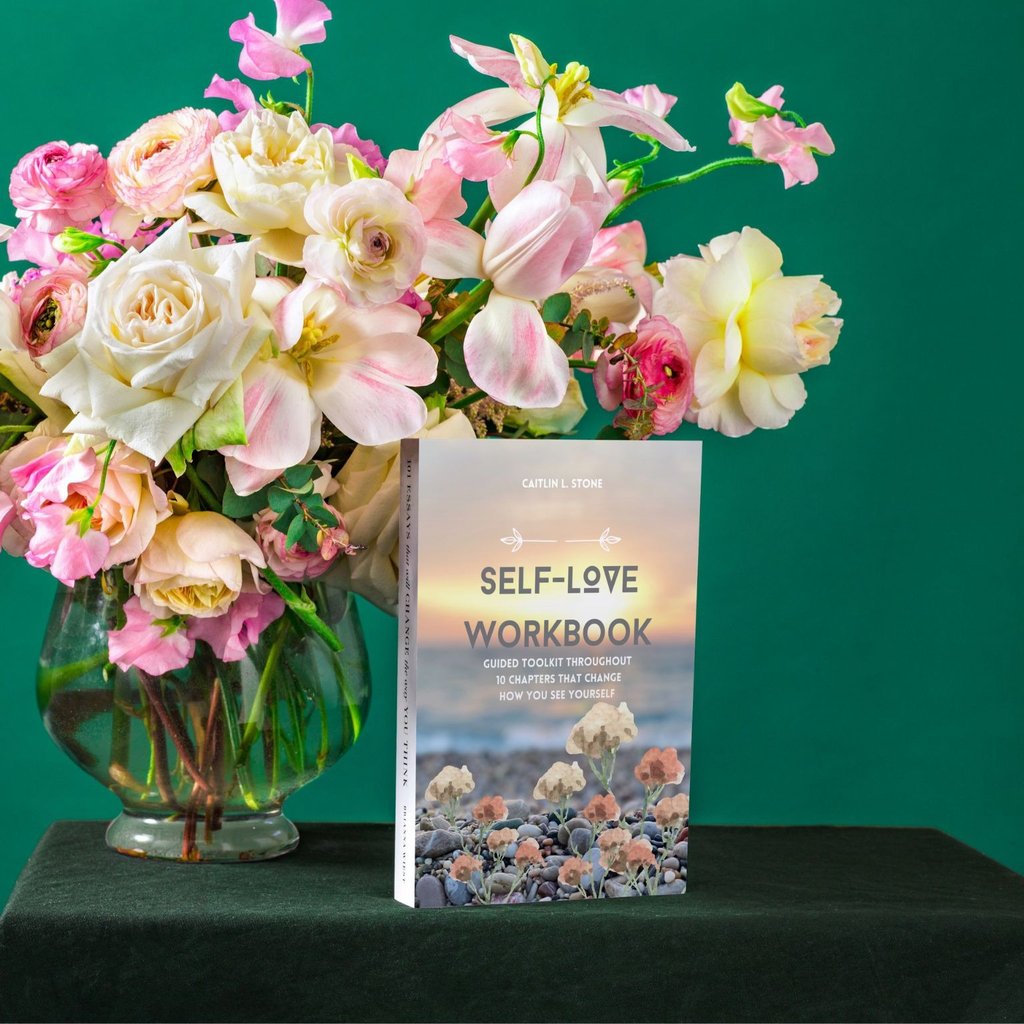
If you would like gentle guidance as you begin to explore self-love, you may enjoy our Self-Love Workbook, which includes reflective exercises and supportive practices designed to help you reconnect with yourself at your own pace.
You can explore it here: Self-Love Workbook
❤️ Self-Love Workbook
Understanding why self-love feels difficult is important. But lasting change happens when you begin working with those patterns in a deeper, more intentional way.
Our Self-Love Workbook includes guided exercises, reflections, and supportive practices designed to help you build a kinder relationship with yourself one step at a time.
🌸 Why Is Self-Love So Hard When You Know It Matters?
You may understand the importance of self-love. You may even believe in it. And still, it feels out of reach. Why is self-love so hard, even when you want it?
Why Is Self-Love Hard Even When You Want It?
Wanting self-love and experiencing self-love are not the same thing. Many people understand the importance of self-compassion, self-worth, and emotional healing, yet still struggle to feel those things toward themselves because old beliefs and emotional habits remain deeply rooted.
Many readers who feel this way often begin exploring How to Love Yourself Fully, where emotional understanding and daily practice come together.
Knowing is not the same as feeling
You can intellectually understand self-love without emotionally experiencing it. This is where many people feel stuck. Self-love is not just a concept. It is a felt experience. And feelings take time to change.
Why do I know I should love myself, but still can't?
Because emotional patterns do not change overnight. Understanding self-love intellectually is an important first step, but emotional healing often requires time, repetition, and new experiences that gradually reshape how you see yourself.
Your nervous system is used to old patterns
If you are used to self-criticism, overworking, or ignoring your needs, those patterns can feel familiar. Even if they are painful. Self-love, in contrast, can feel unfamiliar. And unfamiliar often feels uncomfortable at first. Your mind may want change, but your nervous system often prefers what feels familiar, even when that familiarity is painful.
“There were moments when I knew I should be kinder to myself, but something in me resisted it. Almost like I didn’t trust it. Like being gentle with myself meant I was letting myself off the hook. It took me time to understand that self-love isn’t about avoiding growth. It’s about creating a safe place to grow from.” — Caitlin
You may fear becoming “too much” or “selfish.”
Some people worry that self-love will make them self-centered or disconnected from others. But true self-love does the opposite. It allows you to show up more fully, more honestly, and with greater emotional balance.
Does self-love make you selfish?
No. Healthy self-love helps you recognize your needs, respect your boundaries, and care for yourself without diminishing your care for others. In many cases, self-love leads to healthier relationships rather than more self-centered behavior.
If this resonates, you may find insight in How to Set Boundaries for Yourself, where self-respect becomes a foundation for healthier relationships.
Many people discover that self-love becomes easier when they stop trying to force it and begin approaching it with curiosity, patience, and small daily acts of care.
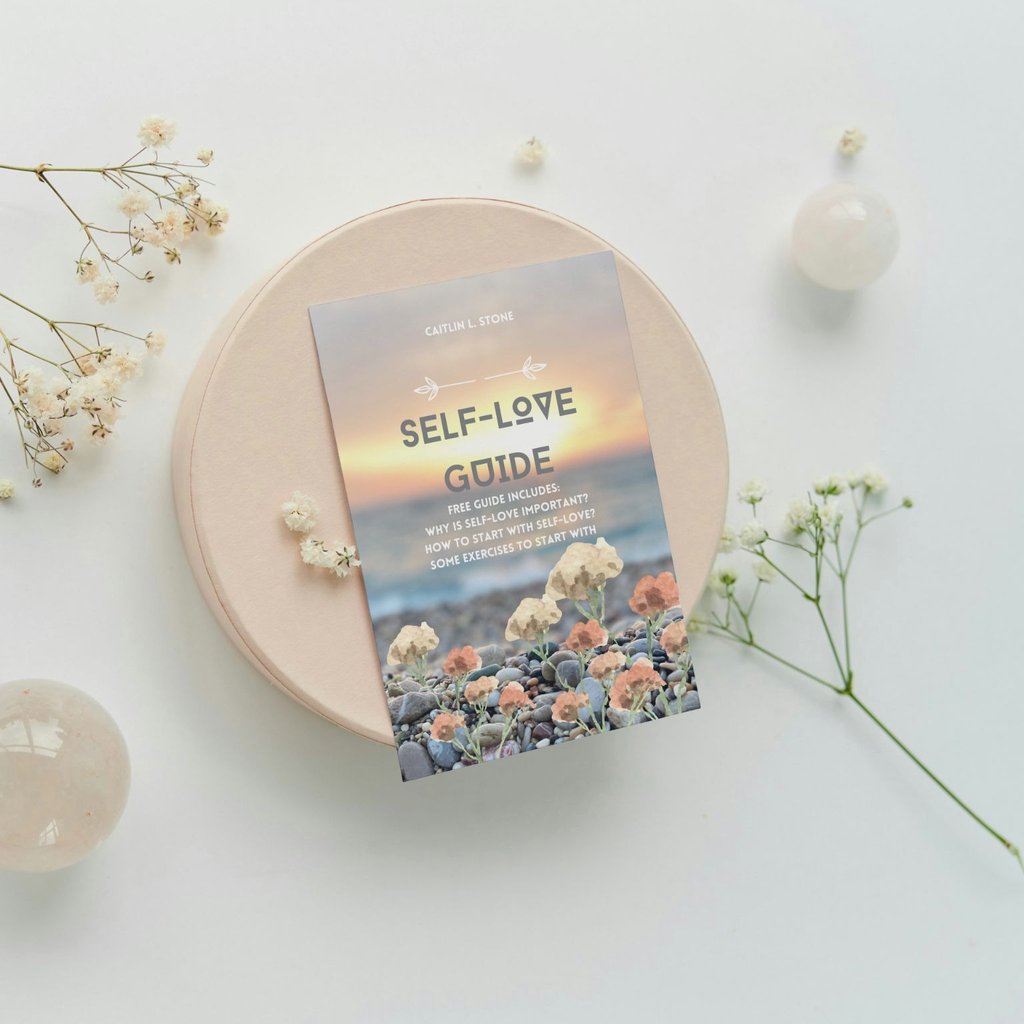
🌸 If you’re not sure where to begin, our Free Self-Love Guide offers a gentle starting point for your healing journey.
💖 Free Self-Love Guide
You already know self-love matters. The frustrating part is not knowing where to begin.
Our Free Self-Love Guide offers a gentle starting point with simple insights and supportive practices designed to help you reconnect with yourself without pressure, perfection, or overwhelm.
🌙 Signs You Might Be Struggling With Self-Love
Sometimes, struggling with self-love does not look obvious. It shows up in subtle ways.
What Are Signs of Low Self-Love?
Struggling with self-love often shows up through self-doubt, perfectionism, difficulty accepting kindness, people-pleasing, guilt around rest, and constantly seeking validation from others. Many people don't recognize these patterns as self-love challenges until they begin looking more closely at how they relate to themselves.
You may begin to notice:
Constant self-doubt
Difficulty accepting compliments
Overthinking your decisions
Feeling guilty for resting
Ignoring your own needs
Seeking validation from others
Being overly critical of yourself
These patterns are not signs that you are failing. They are often signs that you have spent a long time prioritizing survival, achievement, approval, or other people's needs over your own. Self-love struggles rarely appear as a lack of effort. More often, they appear as a lack of self-compassion. And recognizing that is already a meaningful step forward.
Can you struggle with self-love without realizing it?
Yes. Many self-love challenges appear as everyday habits, such as overthinking, self-criticism, difficulty resting, or constantly questioning yourself. Because these patterns can feel normal, they often go unnoticed for years.
If these patterns feel familiar, you may also resonate with How to Build Self-Worth When You Feel Not Good Enough, where rebuilding your sense of worth becomes a gradual and compassionate process.
🌱 How to Start Loving Yourself (Even If It Feels Hard)
If you are experiencing difficulty loving yourself, it is important to approach this gently. Self-love is not something you force. It is something you practice.
How Do You Start Loving Yourself When It Feels Difficult?
The first step is not forcing yourself to feel love. It is learning to treat yourself with a little more awareness, patience, and compassion than you did yesterday. Self-love grows through small, repeated actions rather than sudden breakthroughs.
Many people begin this journey by asking How Can You Learn to Love Yourself?, which helps you understand the small, realistic steps that make self-love feel more accessible.
Start with awareness, not judgment
Begin by noticing how you speak to yourself. Not to fix it immediately. Just to see it clearly. You may begin to notice patterns you were not aware of before. This is the foundation of change. Many people try to change themselves before they truly understand themselves. Self-love often begins by observing your thoughts and reactions with curiosity rather than criticism.
Replace perfection with compassion
You do not need to become a “better” version of yourself to deserve love. Self-love invites you to meet yourself as you are. Even in your imperfections. Especially in them. The belief that you must earn love by becoming better is one of the most common barriers to self-love.
Create small moments of self-connection
“I didn’t wake up one day suddenly loving myself. It was quieter than that. It was in the small moments. Choosing not to criticize myself. Taking a breath instead of spiraling. Letting myself rest without guilt. That’s how it started. Not with a big breakthrough, but with small acts of staying on my own side.” — Caitlin
Self-love does not require grand gestures.
It can begin with small, intentional moments:
Taking a pause when you feel overwhelmed
Speaking kindly to yourself after a mistake
Choosing rest when you need it
These moments may seem small, but they help create a different relationship with yourself. Over time, that growing sense of trust, safety, and self-respect becomes the foundation of self-love.
💖 If you want to go beyond understanding why self-love feels difficult and build a deeper, more consistent relationship with yourself:
👉 Learn how to practice self-love
Allow yourself to grow slowly
Many people expect self-love to feel immediate. But it is often gradual. There may be days when it feels easier. And days when it feels distant. Both are part of the process.
How long does it take to learn self-love?
There is no fixed timeline. Self-love develops through repeated experiences of self-compassion, awareness, and care. For many people, it feels gradual rather than dramatic.
Reflection can help make these small shifts more visible, allowing you to recognize progress that might otherwise go unnoticed.
✨ A journaling tool for deeper reflection
If journaling resonates with you, our 365 Psychological Journal Prompts offer daily reflections designed to support emotional awareness, self-discovery, and a deeper connection with yourself.
Explore the guide here: 365 Psychological Journal Prompts
📓 365 Psychological Journal Prompts
Many people want to understand themselves better, but don't know what questions to ask.
Our 365 Psychological Journal Prompts provide a full year of guided self-reflection, helping you uncover patterns, deepen self-awareness, and strengthen your relationship with yourself one prompt at a time.


🔮 Gentle Practices That Support Self-Love
If you are wondering how to begin when self-love feels difficult, these practices can help you reconnect with yourself in a softer way.
What Are Simple Ways to Practice Self-Love?
Simple self-love practices often begin with small moments of awareness, self-compassion, and emotional care. Rather than trying to change everything at once, focus on creating a kinder relationship with yourself one moment at a time.
Practice self-compassion
Instead of asking, “What’s wrong with me?”
Try asking, “What do I need right now?”
This small shift changes your relationship with yourself. Self-love often begins when you stop asking why you are struggling and start asking what support you need.
You may also find support in Self-Compassion Exercises, where kindness becomes a daily practice rather than an occasional thought.
Reconnect with your body
Self-love is not just mental. It is physical and emotional, too. Listening to your body helps you understand your needs more clearly. Many people try to build self-love entirely through mindset, but your body often notices your needs before your mind does.
This is something we explore in Listen to Your Body, where awareness becomes a form of care.
Challenge negative thinking patterns gently
You do not need to fight your thoughts. But you can question them.
Ask yourself:
Is this thought kind?
Is it true?
Would I say this to someone I love?
The goal is not to silence every negative thought. The goal is to stop automatically believing every negative thought. This approach aligns with Breaking Negative Thinking Patterns, where awareness creates space for change.
🌼 Reflection Questions for Your Self-Love Journey
Why Are Reflection Questions Helpful for Self-Love?
Self-love often grows through awareness. Reflection questions can help you recognize patterns, beliefs, and habits that influence how you treat yourself, making it easier to respond with understanding instead of automatic self-judgment.
Take a moment with these questions. You do not need to answer them perfectly.
Just honestly.
When did I first start being hard on myself?
What does my inner voice sound like most days?
What do I believe I need to “earn” love?
How do I treat myself when I make a mistake?
What would it feel like to be kinder to myself today?
Many people discover that the hardest question is not what they think about themselves, but why they learned to think that way in the first place.
There are no perfect answers to these questions. What matters is your willingness to be honest with yourself. Sometimes self-love begins not with changing who you are, but with understanding yourself more deeply than you have before. Awareness is often the first step toward compassion.
🌷 When Self-Love Feels Overwhelming
Sometimes, even thinking about self-love can feel heavy. If that happens, it is okay to slow down. You do not need to do everything at once. You do not need to “fix” yourself. You are allowed to take this one step at a time.
What If Self-Love Feels Overwhelming?
If self-love feels overwhelming, it may be a sign that you are trying to change too much at once or expecting yourself to heal too quickly. Self-love does not require perfection or constant progress. Sometimes the most supportive thing you can do is slow down and meet yourself where you are.
Sometimes self-love begins not with doing more, but with creating a little space to breathe.
A simple grounding reminder:
Take a slow breath
Feel your body where you are
Notice something around you that feels steady
You are here. And that is enough for this moment. You do not need to solve everything today. You only need to take care of the next small step in front of you.
Gentle self-care practices can help create moments of stability when everything feels too heavy to carry at once.
✨ A gentle self-care resource
If you are looking for simple ways to support your emotional well-being, our Self-Care Guide shares practical and calming practices designed to help you nurture balance and inner peace.
Explore it here: Self-Care Guide
💫 Self-Love Is Not a Destination
Is Self-Love a Destination or an Ongoing Practice?
Self-love is not a permanent state that you achieve once and keep forever. It is an ongoing relationship with yourself that requires patience, compassion, and regular attention, especially during difficult moments.
One of the most important things to understand is this: Self-love is not something you “arrive at.” It is something you return to. Again and again.
There will be days when you feel deeply connected to yourself. And days when self-doubt, criticism, or old patterns return. That does not mean you are failing. It means you are human.
Self-love invites you to keep coming back to yourself with patience. With curiosity. With compassion. The goal is not to be perfect at self-love. The goal is to return to yourself a little more gently each time you drift away.
🌹 A Gentle Reminder as You Move Forward
If you are still wondering why is self-love so hard, remember this: It is not because you are incapable. It is because you learned to relate to yourself in ways that once helped you survive.
Why is self-love so hard for many people?
Because self-criticism, people-pleasing, perfectionism, and self-doubt are often learned patterns rather than personal flaws. What once helped you cope or protect yourself may now be making it harder to treat yourself with compassion.
And now, you are learning something new. Something softer. Something more supportive. Something that allows you to be on your own side instead of constantly working against yourself.
You may not feel it fully yet. But the fact that you are here, reading, reflecting, and questioning…
That is already a beginning of self-love. Not because you have all the answers. But because you are willing to look at yourself with curiosity instead of judgment.
Healing your relationship with yourself does not happen in a single moment. It happens through many small moments of awareness, compassion, and choice.
If you feel ready to explore this journey more deeply, you can discover supportive tools, guidance, and resources on Sisters Creation.
With love,
Caitlin & Gerly,
Soul Sisters Tarot
❓ Frequently Asked Questions About Why Self-Love Feels So Hard
Why is self-love so hard for some people, even when they want to love themselves?
Self-love is often difficult because of deeply rooted beliefs formed through past experiences, criticism, or emotional neglect. Even when someone wants to love themselves, their inner dialogue and nervous system may resist change. This makes self-love feel unfamiliar, even though the desire for it is strong. Self-love can feel unfamiliar, even when the desire for it is strong, because emotional patterns often change more slowly than conscious intentions.
What are the main reasons people struggle with self-love and self-worth?
People often struggle with self-love and self-worth due to negative self-talk, past rejection, or constantly prioritizing others over themselves. These patterns create a disconnection from personal needs and values. Over time, this can lead to difficulty recognizing your own worth, even when it is clearly present.
How do you start practicing self-love when you feel emotionally disconnected?
Starting self-love when you feel disconnected begins with awareness, not pressure. Small actions like noticing your thoughts, allowing your emotions, and creating moments of stillness can help rebuild that connection. Self-love grows through consistent, gentle attention rather than trying to force positive feelings immediately.
Why does self-love feel uncomfortable or fake at the beginning?
Self-love can feel uncomfortable or even fake at first because it challenges familiar patterns like self-criticism or emotional suppression. Your mind may resist it simply because it is new. With time and repetition, these new patterns begin to feel safer and more natural in your daily experience.
Can struggling with self-love cause anxiety, overthinking, or emotional burnout?
Struggling with self-love can contribute to anxiety, overthinking, and emotional exhaustion. When you are constantly questioning yourself or seeking validation, your mind remains in a state of tension. Developing self-love helps create internal stability, reducing the need for constant external reassurance and mental pressure.
Why do I know I should love myself, but still struggle to do it?
Understanding self-love intellectually is different from experiencing it emotionally. Many people know they should be kinder to themselves, yet continue to react from old patterns of self-criticism, perfectionism, or self-doubt. Self-love often becomes easier when awareness is paired with consistent practice and self-compassion.
Can childhood experiences affect self-love?
Yes. Early experiences often shape how we see ourselves, our worth, and our relationships with others. If love felt conditional, criticism was common, or emotional needs were overlooked, these experiences can influence self-esteem and self-love well into adulthood. The good news is that these patterns can be understood and gradually changed.
Is it normal to struggle with self-love?
Yes. Many people struggle with self-love at different points in their lives. Self-love is not a personality trait that some people naturally have, and others do not. It is a relationship with yourself that develops over time and can be strengthened through awareness, self-compassion, and practice.
Does self-love mean accepting everything about yourself?
No. Self-love does not mean ignoring your mistakes, avoiding growth, or pretending everything is perfect. It means treating yourself with respect and compassion while continuing to learn, heal, and grow. Self-love and personal growth are not opposites. In many cases, self-love creates the safest foundation for growth.
How long does it take to build self-love and overcome negative self-talk?
There is no fixed timeline for building self-love, as it depends on your experiences and emotional patterns. However, with consistent awareness and self-compassion, many people begin to notice changes over time. Overcoming negative self-talk is a gradual process that becomes easier as new habits are practiced regularly.
Soul Sisters Tarot
A Soft Place to Grow.
💌 SOUL SISTERS WEEKLY
A thoughtful Sunday letter with tarot reflections, moon wisdom, self-love, and gentle encouragement.
© 2026. All rights reserved.
Inspirational Coaching OÜ
sisters@soulsisterstarot.com