💌 JOIN SOUL SISTERS WEEKLY → GET FREE WELCOME GIFTS 🎁
Receive a thoughtful Sunday letter, free Self-Love & Shadow Work guides, and monthly Full Moon rituals ✨



How to Build Self-Worth: Is Your Value Conditional?
How to build self-worth when every mistake, rejection, or setback makes you question your value? You may be relying on achievement and approval to tell you who you are.
SELF-LOVE, HEALING & INNER WORK
Soul Sisters Tarot
3/17/202623 min read


How to Build Self-Worth and Stop Measuring Your Value by Achievement
This guide is part of our Self-Love Journey, where we explore emotional healing, self-compassion, and gentle practices that help you build a deeper and more supportive relationship with yourself.
Self-worth is the belief that you have value simply because you are a human being, not because of what you achieve, how productive you are, how attractive you look, or how much other people approve of you. Learning how to build self-worth means gradually separating your value from external validation and learning to treat yourself as someone worthy of care, respect, and compassion even when you make mistakes or fall short of your own expectations.
This can be surprisingly difficult. You may understand intellectually that your worth should not depend on success, appearance, productivity, relationships, or other people's opinions, yet still find yourself measuring yourself against those things every day. You finish something and immediately wonder whether you could have done it better. Someone compliments you, but part of you doubts they really mean it. You accomplish something you worked hard for, but instead of feeling satisfied, you are already thinking about what comes next.
You may also find yourself looking at other people's lives and quietly wondering whether you are doing enough with your own. Perhaps someone else seems more successful, confident, attractive, loved, or certain about their direction. Even when you know comparison is not fair, it can still leave you questioning your own value.
This is where self-worth becomes different from simply feeling confident. Confidence can rise and fall depending on what is happening in your life. You may feel confident when something goes well and question yourself when it does not. Self-worth goes deeper. It is the underlying sense that your value does not disappear when you fail, struggle, disappoint someone, make a mistake, or stop performing at your best.
That is also why building self-worth is not about convincing yourself that you are amazing every morning or repeating positive affirmations until you finally believe them. It is about changing the way you relate to your own value and gradually learning that you do not have to keep earning the right to feel worthy.
💖 If you want to begin putting self-worth into practice through everyday self-love, you can start here:
👉 Learn how to practice self-love
Self-worth is not something you earn by becoming better, more successful, more useful, or more lovable. It is something you learn to recognize, protect, and strengthen. And that process can happen through surprisingly ordinary choices: the way you speak to yourself after making a mistake, whether you allow your needs to matter, whether you accept your accomplishments without immediately minimizing them, and whether you can remain connected to your own value when life does not go according to plan.
This guide explores what self-worth really is, why it can become fragile, what quietly undermines our sense of personal value, and how to begin strengthening it in everyday life. Rather than focusing on becoming more confident, fixing yourself, or learning to trust yourself, we are looking specifically at the deeper question underneath all of these things: Can you recognize your own value without needing to prove it first?
As part of our deeper exploration of emotional growth, this topic is also connected to our Self-Love, Healing & Inner Work pillar, where we explore the emotional foundations of self-acceptance and personal transformation.
🔮 If you’re looking for gentle inspiration, our Self-Love Bingo offers small, meaningful ways to support yourself each day.
🌿 What self-worth actually means
Before you can build self-worth, it helps to understand what you are actually trying to strengthen. The American Psychological Association defines self-worth as evaluating yourself as a valuable, capable human being who deserves respect and consideration. In other words, self-worth is not a score you receive for being successful, attractive, productive, useful, or liked. It is your underlying sense that you have value simply because you are a person.
This is also what makes self-worth different from confidence. You can be highly capable at your job and still question your value when something goes wrong. You can receive compliments and still feel uncomfortable believing them. You can achieve something important and immediately move the goalposts, deciding that the achievement only counts if you do something even better next time.
Healthy self-worth allows you to experience success without needing it to prove your value, and failure without allowing it to erase your value.
That distinction matters because building self-worth is not about convincing yourself that you are wonderful every minute of every day. It is about gradually changing the rules by which you decide whether you are worthy of respect, care, patience, and acceptance.
If your sense of worth currently depends heavily on achievement, appearance, approval, or being needed by other people, the goal is not to become completely unaffected by those things. The goal is to stop making them the condition for believing you matter. And this is where the practical work begins.
If you want to understand why you may have learned to feel not good enough in the first place, our guide Why Do I Never Feel Good Enough? explores those deeper emotional patterns. If the bigger struggle is confidence and how you evaluate your abilities, you may also find our guide How to Overcome Low Self-Esteem helpful.
This guide takes a different approach. Instead of focusing on where the pattern came from, we are going to focus on what you can actually begin doing to build a steadier sense of your own worth.
You do not have to become extraordinary before you are allowed to value yourself. You can begin with something much quieter: learning to treat your own existence as worthy of care even on the days when you have nothing impressive to show for it.
🍃 Soul Sisters Notes
“Self-worth becomes much quieter when you stop asking your achievements to tell you who you are. You can be proud of what you create, grateful for what you accomplish, and still know that your value was never dependent on any of it.” - Caitlin & Gerly
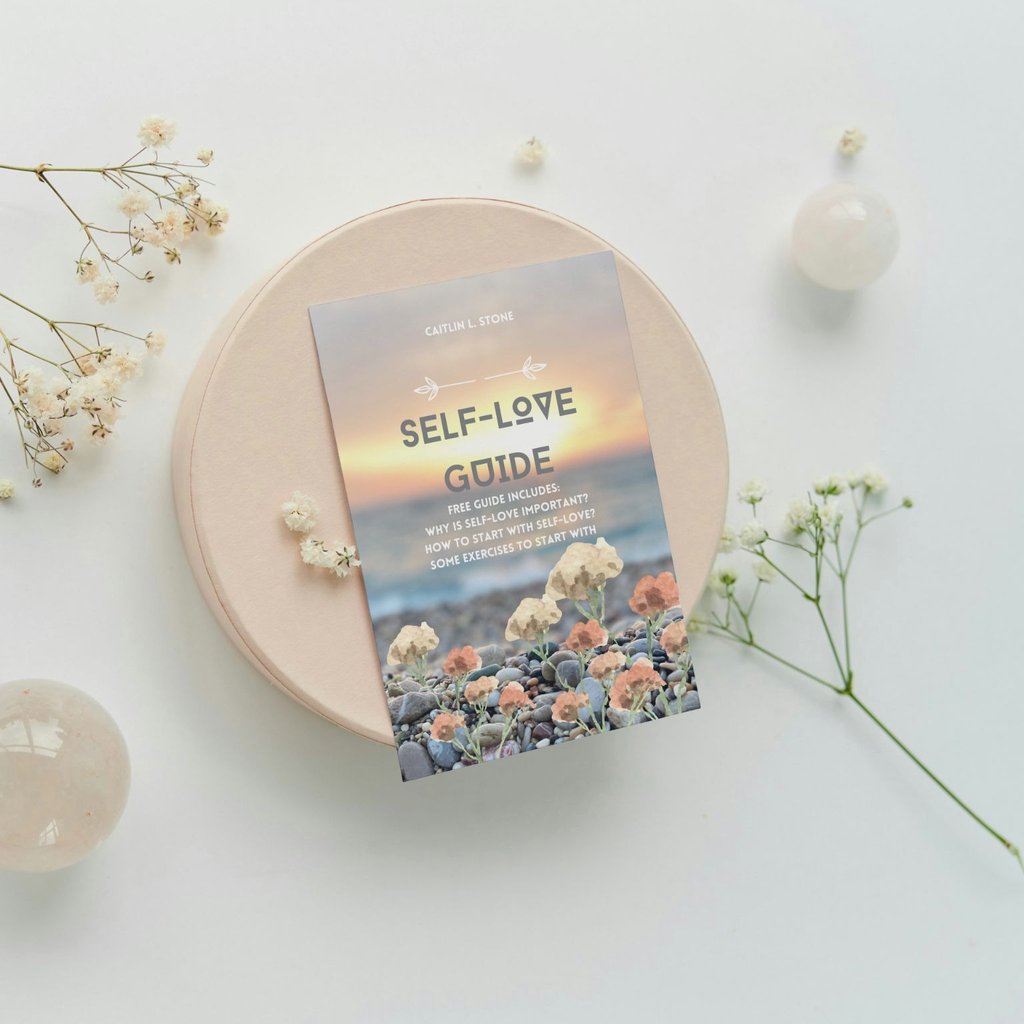
💖 Free Self-Love Guide
What if you stopped trying to become worthy and started learning to recognize your worth?
Our Free Self-Love Guide offers gentle exercises and practical reflections to help you change the way you relate to yourself, strengthen self-compassion, and begin building a kinder foundation for self-worth.
Start your self-love journey with a free guide created to help you come back to yourself.

🌱 How to Build Self-Worth Without Making Your Value Conditional
One of the most effective ways to build self-worth is to notice what you currently use as evidence that you are worthy.
For some people, it is achievement. You feel good about yourself when you finish everything on your list, receive praise at work, or reach a goal. For someone else, it may be appearance, being needed, being liked, having a relationship, or feeling successful compared with other people.
The problem is not caring about these things. The problem begins when your brain quietly turns them into conditions: “When this is going well, I am okay. When it is not, something is wrong with me.”
Psychologists refer to these kinds of conditions as contingencies of self-worth. They describe the areas of life where a person's sense of value becomes particularly dependent on feedback about their performance, appearance, relationships, or other outcomes.
1. Find the conditions you have placed on your worth
Start by completing this sentence honestly: “I will finally feel good about myself when…”
Do not give yourself the answer you think you should have. Write the first thing that comes to mind.
Maybe it is:
“...when I lose weight.”
“...when I earn more money.”
“...when someone chooses me.”
“...when I finally succeed.”
“...when everyone knows I am good at what I do.”
“...when I stop making mistakes.”
The answer matters because it shows you where your worth has become conditional.
Now change the question. Instead of asking, “How can I achieve this so I can finally feel worthy?”, ask: “How can I pursue this because it matters to me, without making it responsible for deciding my value?”
That is a very different way of approaching your life. You can want to become healthier without believing your current body makes you less worthy. You can want career success without deciding that failure makes you a failure. You can want a loving relationship without treating someone else's choice as a verdict on your value.
The goal is not to stop having goals. It is to stop using your goals as a measurement of whether you deserve respect and care.
2. Separate what you did from who you are
This is one of the simplest practical shifts you can make. When something goes wrong, listen for the moment when an action becomes an identity.
“I made a mistake” becomes “I'm stupid.”
“I didn't get the job” becomes “I'm not good enough.”
“My relationship ended” becomes “Nobody will ever choose me.”
“I didn't finish everything today” becomes “I'm lazy.”
The first statement describes an event. The second turns the event into a judgment about your entire worth. When you catch yourself doing this, deliberately return to the smaller, factual statement. What happened? What did I do? What can I learn? What, if anything, needs to change?
Then stop there. You do not need to turn every mistake into a character assessment. This is not about talking yourself into believing that everything you do is perfect. It is about keeping your behavior and your identity in separate boxes. You can take responsibility for something you did without making yourself the thing that is wrong.
3. Give yourself credit for qualities, not only outcomes
If you usually evaluate yourself through results, start looking for evidence of the qualities that helped you get there.
Perhaps you handled a difficult conversation with honesty. Maybe you stayed patient when you were frustrated. Perhaps you tried again after something did not work. Maybe you asked for help instead of pretending you could handle everything alone.
These things matter even when the final outcome is imperfect. At the end of the day, instead of asking only: “What did I accomplish?” try asking: “What qualities did I bring into my life today?”
You might answer:
“I was patient.”
“I was brave enough to say what I needed.”
“I kept going when I wanted to give up.”
“I was kind to someone who needed it.”
“I admitted that I was wrong.”
“I allowed myself to rest.”
This gives your mind a broader picture of who you are. Your worth no longer has to depend entirely on whether you won, succeeded, impressed someone, or completed everything perfectly.
4. Practice receiving positive information about yourself
Building self-worth also means becoming more willing to let good things about you count. If someone gives you a genuine compliment and your automatic response is, “Oh, it was nothing,” “I just got lucky,” or “They don't really mean it,” notice what happened.
You received information that contradicted your negative self-image, and your mind immediately dismissed it.
Next time, try something much simpler: “Thank you. That means a lot.”
You do not have to agree that you are amazing. You do not have to manufacture confidence. You simply allow the positive information to exist without arguing against it.
The same applies when you notice something you did well. Instead of immediately qualifying it with “but…”, let yourself acknowledge it.
“I handled that well.”
“I'm proud that I did that.”
“That was difficult, and I managed it.”
These statements are not arrogance. They are accurate recognition.
5. Treat yourself with the same fairness you use when judging someone you love
Self-worth does not grow from constant praise. It grows when your relationship with yourself becomes fairer. Imagine that a close friend made the exact mistake you just made. Would you immediately decide that they were incompetent, unlovable, lazy, or a disappointment? Probably not.
You would consider the circumstances. You would separate the mistake from the person. You might tell them what they could do differently next time, while still believing they deserve kindness.
Try applying that same standard to yourself. This is where self-compassion becomes more than simply “being nice to yourself.” Research has found that self-compassion is associated with more stable self-worth and less dependence on successful outcomes.
If you want to practice this more intentionally, our guide to Self-Compassion Exercises offers practical exercises for developing a kinder and more balanced way of responding to yourself.
So when something goes badly, try this three-part response:
Acknowledge what happened.
“I didn't handle that the way I wanted to.”
Allow yourself to be human.
“Making a mistake does not make me a bad person.”
Decide what comes next.
“What can I do differently next time?”
That final step matters. Self-compassion is not an excuse to avoid responsibility. It allows you to take responsibility without turning the experience into an attack on your worth.
🍃 Soul Sisters Notes
“You do not have to become better before you are allowed to value yourself. Growth becomes much healthier when you stop using it as proof that you are worthy, and start allowing it to be an expression of someone who already knows she is worth caring for.” - Caitlin & Gerly
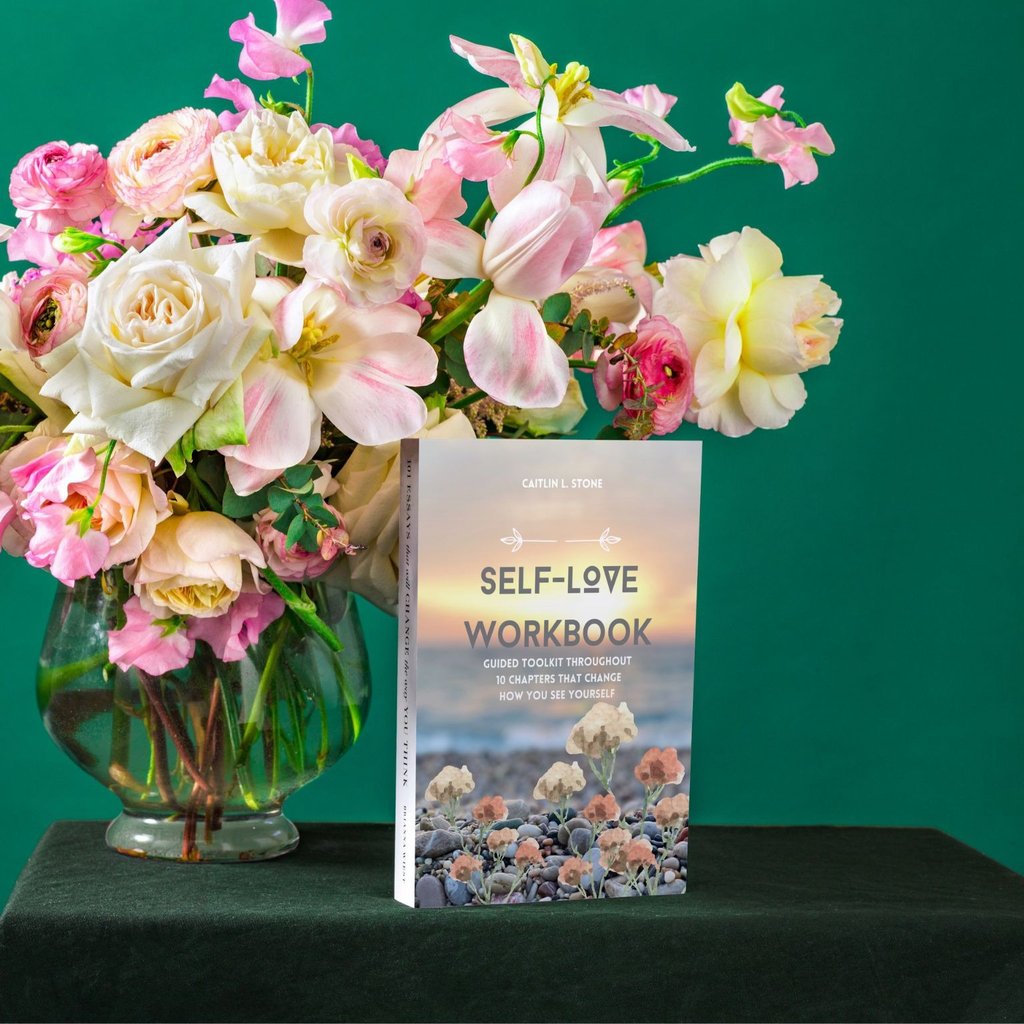
❤️ Self-Love Workbook
A place to take this work further
Understanding self-worth is one thing. Having a place to actually work through these patterns is another.
Our Self-Love Workbook gives you guided exercises and reflection prompts to help you explore the way you relate to yourself, recognize patterns that undermine self-respect, and turn the ideas in this guide into something you can practice in your own life.
🌸 How to Build Self-Worth Through Your Everyday Choices
Self-worth becomes stronger when your everyday choices begin to reflect the belief that you matter too. You do not have to make dramatic life changes to practice this. Often, the most meaningful shift is learning to treat your own needs, time, energy, and boundaries as worthy of consideration.
Think about the difference between telling yourself that you deserve care and actually behaving as though you do. You might say that your needs matter, but then agree to something you do not have the energy for. You might believe that rest is important, but keep pushing yourself because you feel you have to earn a break. You might know that a relationship is hurting you, but continue ignoring your own discomfort because keeping the peace feels more important.
These everyday moments are opportunities to practice self-worth.
1. Start taking your own needs seriously
One practical way to build self-worth is to stop treating your needs as inconveniences. This does not mean putting yourself above everyone else. It means including yourself in the equation when you make decisions.
Before automatically saying yes, ask yourself:
Do I actually have the time or energy for this?
Am I agreeing because I want to, or because I am afraid of disappointing someone?
What would I choose if I believed my needs were equally important?
Is there something I need that I keep postponing?
For example, if you are exhausted after a difficult week, choosing to rest instead of accepting another obligation is not selfish. If you need time to think before answering an important question, you are allowed to take it. If something repeatedly leaves you feeling uncomfortable or depleted, that information deserves your attention.
Self-worth grows when you stop making your own needs the easiest ones to ignore.
2. Keep small commitments to yourself
Self-worth is also strengthened through follow-through. When you repeatedly make promises to yourself and then abandon them, you can begin to feel disconnected from your own priorities. The answer is not to create a perfect routine or make ambitious promises you cannot realistically keep. Start with commitments small enough that you can actually honor them.
You might decide to spend ten minutes journaling before bed, take a short walk, finish one task you have been avoiding, or put your phone away while you rest.
The action itself is not the point. The message behind it is: I said this mattered to me, and I followed through. Choose commitments you genuinely want to keep rather than creating another list of things you think you should be doing. Self-worth is not built by turning self-care into another performance.
🍁 4 Seasons Self-Love Bucket List Bundle
Make self-love something you actually do
Self-love does not have to become another item on your list of things you should be doing better. Sometimes it can simply mean making space for experiences that make life feel a little more yours.
Our 4 Seasons Self-Love Bucket List gives you simple ideas for nurturing yourself throughout the year, from small moments of joy and rest to experiences that encourage you to step outside your usual routine.


3. Practice saying no without creating a courtroom in your head
Boundaries are one of the clearest ways to turn self-worth into action. You do not need to prove that your reason is serious enough before you are allowed to say no. You can decline an invitation because you are tired. You can choose not to discuss something you are uncomfortable with. You can tell someone that you need more time before making a decision.
If boundaries are difficult for you, our guide on How to Set Boundaries for Yourself explores this more deeply.
A useful starting point is to notice what happens before you say yes. Do you immediately worry about disappointing someone? Do you start explaining yourself before they have even questioned your decision? Do you feel guilty simply for having a preference?
You do not have to eliminate guilt before setting a boundary. Sometimes building self-worth means learning that feeling uncomfortable does not automatically mean you are doing something wrong.
4. Let rest be a need, not a reward
One of the easiest ways to turn self-worth into another achievement is to believe you have to earn rest. If you only allow yourself to stop when everything is finished, you may never actually reach the point where you feel entitled to pause. There will always be another email, another responsibility, another improvement to make.
Try noticing the language you use around rest. Do you say, “I can relax once I've done enough”? Or can you begin seeing rest as part of taking care of yourself rather than payment for being productive?
You do not need to exhaust yourself before your body and mind deserve attention.
5. Learn to receive without immediately minimizing yourself
Self-worth is not only about what you give yourself. It also affects what you allow yourself to receive. When someone compliments you, notice whether you immediately reject it with “Oh, it was nothing” or explain why they are mistaken. When someone offers help, notice whether accepting it makes you uncomfortable.
You can practice something surprisingly simple: receive without reducing. Instead of dismissing a compliment, say, “Thank you.” Instead of insisting you can manage everything alone, allow someone to help when it is appropriate. Instead of minimizing something you accomplished, let yourself acknowledge it.
Receiving does not make you demanding or incapable. It allows other people to meet you without requiring you to shrink what you need.
6. Make choices based on what matters to you, not only what earns approval
Another practical way to strengthen self-worth is to make more decisions from your own values. Ask yourself what actually matters to you beyond being liked, appearing successful, or meeting someone else's expectations. Perhaps you value creativity, honesty, family, freedom, learning, stability, kindness, or adventure.
Then look for small places where your choices can reflect those values. If creativity matters to you, make time for it even when nobody sees the result. If honesty matters to you, have the conversation you have been avoiding. If peace matters to you, reconsider commitments that consistently leave you overwhelmed.
Self-worth becomes more stable when your life starts feeling like something you are participating in, rather than something you are constantly performing for other people.
7. Notice your effort, not only your outcome
You do not need to turn every accomplishment into evidence that you are worthy. In fact, that can keep self-worth dependent on achievement. Instead, practice recognizing the effort involved in your life.
Maybe you handled a difficult conversation. Maybe you kept going through a stressful week. Maybe you finally asked for help. Maybe you made a choice that was uncomfortable but healthier for you.
At the end of the day, ask: “Where did I show up for myself today?”
The answer does not have to be impressive. The purpose is to train your attention toward the ways you are already participating in your own life.
🍃 Soul Sisters Notes
“Self-worth becomes real in the moments when nobody is applauding you. It is in the boundary you keep, the rest you allow, the need you finally listen to, and the choice you make because it feels right for you rather than because someone else will approve. You do not have to feel worthy before you begin treating yourself as someone worth caring for.” - Caitlin & Gerly
🌙 What to Do When You Still Don't Feel Worthy
Building self-worth does not mean you will suddenly wake up one morning and never question yourself again. You may make healthier choices, set boundaries, speak to yourself more kindly, and still have moments when the old feeling of “I'm not enough” comes rushing back.
When that happens, the goal is not to undo the feeling as quickly as possible. Instead, try separating what you feel from what you believe is true. You can feel inadequate without being inadequate. You can feel rejected without being unworthy of love. You can feel like you have failed without deciding that you are a failure.
That distinction is important because emotions can be powerful without being accurate descriptions of your value.
Don't use a bad day as evidence that nothing has changed
One difficult day can easily trigger an old all-or-nothing pattern: I thought I was getting better, but I'm back where I started. But emotional progress rarely works that way.
You might spend several weeks becoming more supportive toward yourself and then encounter a situation that brings back an old reaction. Instead of treating this as proof that you have failed, look at what happens after the reaction.
Perhaps you notice the self-critical thought sooner. Perhaps you no longer spend three days replaying the situation. Perhaps you recognize that you need rest instead of pushing yourself harder. Perhaps you speak to yourself differently once the initial emotion passes.
Those changes matter. Progress is not always feeling better. Sometimes it is responding differently when you don't feel better.
Give difficult feelings somewhere to go
When feelings of inadequacy appear, immediately trying to replace them with positive statements can sometimes feel completely disconnected from reality.
If “I am amazing and completely confident” does not feel believable, you do not have to force yourself to say it.
Try something more grounded: “I am having a difficult moment with how I see myself right now. I don't have to solve my entire sense of worth tonight.”
This creates space between the emotion and the conclusion you are tempted to draw from it.
You can also write down three things:
What happened?
Describe the situation without judging yourself.
What am I telling myself it means?
This helps separate the event from the story your mind has attached to it.
What would I say to myself if I did not have to earn my own compassion?
Look for a response that is honest, supportive, and believable.
If you want to explore this kind of practice more deeply, our Self-Compassion Exercises offer additional ways to work with difficult self-judgment without simply trying to silence it.
📓 365 Psychological Journal Prompts
When you want to keep the conversation going
Sometimes one question opens another. If you find yourself wanting to understand your reactions, patterns, needs, and beliefs more deeply, our 365 Psychological Journal Prompts gives you a question to explore every day.
The prompts are designed to encourage self-discovery, emotional awareness, and a deeper understanding of the patterns that shape the way you see yourself and your life.


Measure your progress by your relationship with yourself
One of the most useful shifts is to stop measuring self-worth by how confident you feel. Confidence can change depending on the situation. You might feel capable at work and insecure in a relationship. You might feel comfortable with your appearance one day and deeply critical of it the next.
A more useful question is: “How do I treat myself when I don't feel confident?” Do you immediately attack yourself? Do you abandon your needs? Do you punish yourself for making a mistake? Or can you remain on your own side while acknowledging that something feels difficult?
That is a much deeper measure of progress. Self-worth becomes more stable when your relationship with yourself does not disappear every time you feel disappointed, embarrassed, rejected, or uncertain.
Let setbacks become information, not a verdict
Sometimes a difficult reaction can show you where more care is needed. Maybe a particular relationship consistently makes you question your value. Maybe criticism from one specific person affects you far more than criticism from anyone else. Maybe you notice that certain situations trigger an intense need for approval.
You do not have to immediately fix everything you discover. Instead, become curious about it.
Ask yourself:
What happened just before I started doubting myself?
What did I need in that moment?
Did I abandon my own perspective to get someone's approval?
Is there a boundary I need to reconsider?
What would taking care of myself look like now?
This turns a painful moment into an opportunity to understand yourself more clearly.
If you want to explore the broader signs that your relationship with yourself is changing, our guide to Signs of Emotional Healing can help you recognize progress that may be easy to overlook.
🤍 Master Shadow Work Journal & Guide
Want to explore the deeper patterns?
Sometimes the same situations keep triggering the same reactions, even after you understand them intellectually. Our Master Shadow Work Journal & Guide offers a deeper space to explore recurring emotional patterns, hidden beliefs, and the parts of yourself that may be harder to see clearly.


Remember that worth does not have to fluctuate with performance
Perhaps the most important practice is learning to separate who you are from what happened. You can make a mistake and still be worthy of respect. You can disappoint someone and still be a good person. You can lose an opportunity and still have value. You can be rejected and still be lovable.
This does not mean pretending that consequences do not matter. You can take responsibility, apologize, learn, change your behavior, and repair what needs repairing without turning the mistake into a judgment about your entire identity.
Self-worth gives you room to say, “I did something I don't like,” without turning it into, “There is something wrong with me.” And that is where this work becomes much deeper than simply trying to feel good about yourself.
🍃 Soul Sisters Notes
“Sometimes the greatest sign that your self-worth is changing is not that you stop having painful thoughts. It is that you stop using those thoughts as evidence against yourself. You can have a difficult day and still come back to yourself. You can make a mistake and still offer yourself honesty instead of cruelty. That quiet return matters.” - Caitlin & Gerly
🌟 What Building Self-Worth Really Looks Like
Building self-worth is not about reaching a point where you finally feel good enough every single day. It is about creating a relationship with yourself that does not collapse whenever something goes wrong.
You may still have insecure moments. You may still compare yourself to someone else, make a mistake, want someone's approval, or have a day when you do not particularly like yourself. The difference is that these moments no longer have to determine how you treat yourself.
You begin to notice a different pattern. You pause before automatically criticizing yourself. You listen when something does not feel right. You say no when you genuinely do not want to say yes. You allow yourself to rest before exhaustion forces you to stop. You acknowledge what you have done well instead of immediately moving the goalposts.
And when you do abandon yourself or fall back into an old pattern, you learn to return rather than punish yourself for leaving. That is what makes self-worth different from simply feeling confident. Confidence can rise and fall with circumstances. Self-worth becomes the foundation underneath those changes.
You know your self-worth is becoming stronger when...
You stop needing every decision to be approved by someone else before you trust yourself.
You can hear criticism without automatically turning it into a judgment about your entire character.
You can acknowledge something you did wrong without deciding that you are a bad person.
You can receive a compliment without immediately explaining why it is not true.
You can rest without believing that your productivity determines your value.
You can set a boundary even when someone else is disappointed by it.
You can recognize that another person's beauty, success, relationship, or achievement does not make you less valuable.
And perhaps most importantly, you stop abandoning yourself whenever you are afraid that someone else might.
These changes may happen so gradually that you barely notice them at first. One day, however, you may find yourself responding to a situation in a way that would have been impossible for you a year ago.
That moment is worth noticing. Not because you have finally become worthy, but because you are beginning to live as though you already knew you were.
Self-worth is something you practice, not something you prove
You do not have to become more attractive, successful, productive, confident, or impressive before you are allowed to value yourself.
There will always be another goal you could reach and another person you could compare yourself with. If your worth depends on staying ahead of that moving target, you will always have to prove yourself again.
A healthier foundation is much quieter.
I can grow without believing I am inadequate.
I can make mistakes without becoming my mistakes.
I can want more for my life without deciding that my current life makes me less worthy.
I can care about other people without abandoning myself.
That is the direction this work points toward.
If you want to continue exploring the practical side of this journey, you can return to our guide on How to Practice Self-Love, or explore our wider Self-Love, Healing & Inner Work pillar for related practices and deeper areas of personal growth.
And if you want something tangible to work with as you continue, our Self-Love Workbook offers guided exercises for turning reflection into regular practice: Explore the Self-Love Workbook.
Your worth was never a prize waiting at the end of your self-improvement journey. The work is learning to stop treating it as though it were.
With love,
Caitlin & Gerly,
Soul Sisters Tarot
❓ FAQ: How to Build Self-Worth
How do you build self-worth when you don't feel worthy yet?
Start by practicing behaviors that communicate self-respect before waiting to feel different. Take your own needs seriously, keep small promises to yourself, set boundaries, and notice the effort you make rather than judging yourself only by outcomes. Self-worth can become stronger through repeated experiences of treating yourself as someone whose needs and feelings matter.
What is the first step to building self-worth?
The first step is noticing how you currently treat yourself. Pay attention to moments when you dismiss your needs, automatically criticize yourself, seek approval, or break promises you made to yourself. Once you can recognize these patterns, choose one small behavior to change rather than trying to transform everything at once.
How can I build self-worth every day?
Choose one small action each day that reflects self-respect. You might keep a commitment you made to yourself, take time to rest, say no to something you genuinely do not want to do, acknowledge something you handled well, or make a decision based on your own values rather than someone else's approval.
How do you build self-worth without relying on other people's approval?
Practice making small decisions without immediately checking whether someone else agrees with you. Ask yourself what you think, what you need, and what aligns with your values before looking for outside reassurance. You can still listen to other people's perspectives while learning that their approval does not have to determine your choices or your value.
How can boundaries help build self-worth?
Boundaries build self-worth by turning self-respect into action. When you communicate what you are and are not willing to accept, you reinforce the idea that your time, energy, feelings, and limits deserve consideration. Start with one manageable boundary rather than trying to change every relationship at once.
How do I build self-worth after making a mistake?
Separate your behavior from your identity. Acknowledge what happened, take responsibility where necessary, decide what you can learn from it, and then resist turning the mistake into a judgment about your entire character. Building self-worth does not mean believing you never do anything wrong. It means learning that being imperfect does not make you unworthy.
How can I build self-worth when I keep comparing myself to other people?
Bring your attention back to your own values, progress, and circumstances. When comparison starts, ask yourself what you are actually longing for and whether there is a meaningful action you can take toward it. You can also reduce exposure to situations that repeatedly trigger comparison and spend more time noticing your own development.
If you want to understand the comparison pattern more deeply, our guide Why Do I Compare Myself to Others? explores what happens beneath the urge to measure yourself against other people.
How do I build self-worth when positive affirmations don't work for me?
You do not have to force yourself to repeat statements you do not believe. Try using grounded statements that feel possible, such as “I am learning to treat myself with more respect” or “This difficult feeling does not determine my worth.” You can also focus less on what you say to yourself and more on what you consistently do for yourself.
Can you build self-worth even if you have struggled with it for years?
Yes. You can begin strengthening self-worth at any point by changing the way you respond to yourself and making increasingly consistent choices that reflect self-respect. Progress may be gradual, so look for changes in your behavior and your ability to recover from difficult moments rather than expecting to feel completely different immediately.
How do I know if my self-worth is getting stronger?
Look at how you treat yourself when things go badly, not only how confident you feel when things go well. Stronger self-worth may look like setting a boundary without abandoning it, accepting a mistake without attacking yourself, receiving a compliment without minimizing it, asking for what you need, or recovering more quickly after rejection or disappointment.
What should I do when I have a day when I feel worthless again?
Do not treat the feeling as proof that your progress has disappeared. Pause and identify what happened, separate the feeling from the conclusion you are drawing about yourself, and choose one supportive action you can take in the present moment. A difficult day can become an opportunity to practice the self-respect you are trying to build.
How long does it take to build self-worth?
There is no fixed timeline because self-worth develops through repeated experiences and choices rather than a single exercise or breakthrough. Instead of measuring progress by a specific number of weeks or months, look for gradual changes in how you speak to yourself, make decisions, handle mistakes, set boundaries, and respond when you feel insecure.
Soul Sisters Tarot
A Soft Place to Grow.
💌 SOUL SISTERS WEEKLY
A thoughtful Sunday letter with tarot reflections, moon wisdom, self-love, and gentle encouragement.
© 2026. All rights reserved.
Inspirational Coaching OÜ
sisters@soulsisterstarot.com