💌 JOIN SOUL SISTERS WEEKLY → GET FREE WELCOME GIFTS 🎁
Receive a thoughtful Sunday letter, free Self-Love & Shadow Work guides, and monthly Full Moon rituals ✨



How to Overcome Low Self-Esteem When You Don’t Like Yourself
Do you turn every mistake into proof that something is wrong with you? Learn how to overcome low self-esteem, change your inner dialogue, and stop shrinking yourself.
SELF-LOVE, HEALING & INNER WORK
Soul Sisters Tarot
3/19/202627 min read


How to Overcome Low Self-Esteem and Start Believing in Yourself
This guide is part of our Self-Love Journey, where we explore emotional healing, self-compassion, and gentle practices that help you build a deeper and more supportive relationship with yourself.
Learning how to overcome low self-esteem begins with understanding that self-worth is not something you have to earn. Rebuilding self-esteem involves changing the way you speak to yourself, learning to trust your own needs and decisions, setting healthier boundaries, and taking consistent actions that reinforce your sense of worth.
Low self-esteem can feel like a quiet weight you carry everywhere, and learning how to practice self-love in small, consistent ways can help you begin to release it. It can show up in how you second-guess your decisions, shrink yourself in conversations, dismiss your achievements, or question whether you are truly worthy of love, success, or happiness.
Self-esteem and confidence are connected, but they are not the same thing. Confidence often relates to what you believe you can do in a particular situation. Self-esteem goes deeper, influencing how you value yourself even when you make mistakes, experience rejection, or fall short of your own expectations.
If you are wondering how to start believing in yourself again, you do not need to become a completely different person. You can begin by questioning the beliefs that have taught you to doubt yourself and replacing them with a more balanced, compassionate understanding of who you are.
Low self-esteem is not proof that something is wrong with you. It is often a pattern of thinking and relating to yourself that can be understood, challenged, and gradually changed.
This work is closely connected to the broader principles of self-love, because learning to value yourself is not only about feeling better. It also changes how you make decisions, communicate your needs, respond to criticism, choose relationships, and care for yourself.
🍃 Soul Sisters Note: You do not rebuild self-esteem by waiting until you finally feel worthy. You rebuild it through the small moments when you begin treating yourself as someone whose feelings, needs, boundaries, and dreams matter.
This guide will walk you through practical ways to overcome low self-esteem, from recognizing the beliefs behind self-doubt to changing your inner dialogue, reconnecting with yourself, setting boundaries, processing emotional wounds, and building daily habits that strengthen self-trust over time.
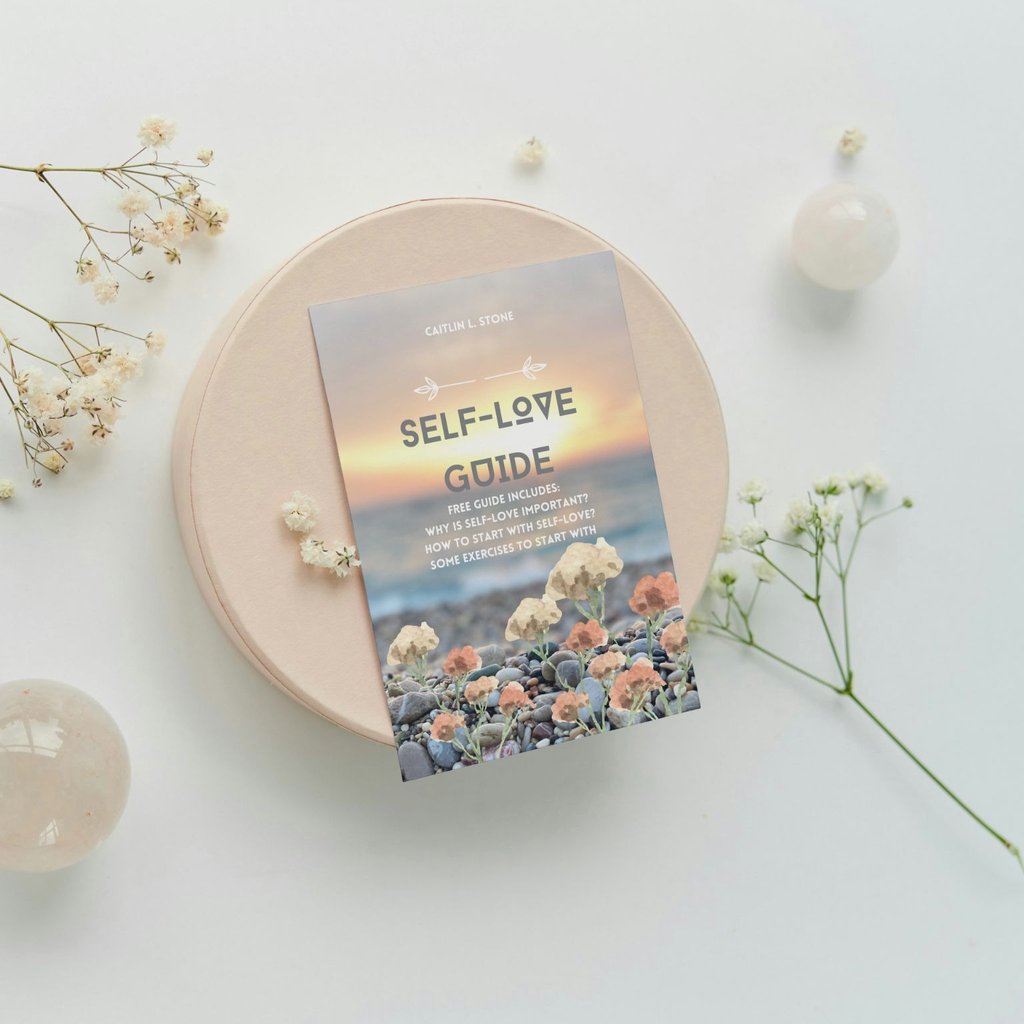
💖 Free Self-Love Guide
Ever wish you had a simple place to start when self-love feels difficult?
Our Free Self-Love Guide offers gentle, practical ways to reconnect with your needs, notice what you have been neglecting, and begin treating yourself with more compassion. It is designed as an approachable starting point if you are rebuilding self-worth and want something you can actually use in everyday life, without turning self-love into another thing you have to do perfectly.

The journey is not about becoming perfectly confident. It is about developing a more trustworthy relationship with yourself, one choice, boundary, and act of self-respect at a time.
🌿 Understanding How to Overcome Low Self-Esteem
Before you can rebuild self-esteem, it helps to understand what low self-esteem actually means.
Low self-esteem is a persistent tendency to view yourself as less worthy, capable, lovable, or deserving than you really are. It can affect the way you interpret mistakes, respond to criticism, make decisions, accept praise, and navigate relationships. You may know intellectually that you have value while still feeling, deep down, that you are somehow not enough.
This is one reason low self-esteem can be difficult to change. The problem is not simply that you lack confidence. You may be perfectly capable at work, supportive in relationships, or successful in areas of your life while still carrying a private belief that you are not good enough.
💖 If the feeling of never being enough has become a familiar pattern, our guide Why do I never feel good enough? explores some of the beliefs and experiences that can keep this feeling alive.
Where Can Low Self-Esteem Come From?
Low self-esteem does not have one single cause. It can develop gradually through repeated experiences that teach you to question your own value.
For some people, these patterns begin early in life through experiences such as:
Frequent criticism or being made to feel that mistakes were unacceptable
Emotional neglect or feeling unseen, unheard, or misunderstood
Constant comparison with siblings, classmates, friends, or other people
Repeated rejection, bullying, failure, or experiences of not belonging
Relationships in which affection, approval, or acceptance felt conditional
Being expected to meet unrealistic standards to feel worthy of praise
Learning to prioritize other people's needs while ignoring your own
These experiences do not determine your worth. They can, however, influence the story you learn to tell yourself about who you are.
For example, a child who repeatedly hears that they are lazy may eventually stop thinking, “I made a mistake,” and begin thinking, “I am a failure.” A person who has been repeatedly criticized in relationships may start assuming that disagreement means they have done something wrong. Someone who grew up constantly comparing themselves with others may automatically measure their own worth against someone else's achievements.
The experience changes, but the underlying pattern can be similar: a specific event becomes a belief about the self.
🌷 Free Shadow Work Starter Kit
What if the belief you have about yourself was learned, rather than true?
Our Free Shadow Work Starter Kit offers a gentle introduction to exploring the hidden beliefs, emotional patterns, and old stories that can continue influencing how you see yourself. You do not need to dig into your past all at once. The starter kit gives you a grounded way to begin noticing what may be underneath recurring self-doubt and approach those patterns with curiosity rather than judgment.


Low Self-Esteem Causes You May Recognize
You may recognize low self-esteem through the way you respond to ordinary situations rather than through an obvious feeling of insecurity.
For example, you might:
Second-guess a decision even after carefully thinking it through
Assume someone is disappointed in you without asking
Struggle to accept a compliment without explaining it away
Compare your appearance, achievements, relationships, or progress with others
Avoid opportunities because you are afraid you will not be good enough
Apologize automatically, even when you have done nothing wrong
Put other people's needs first because saying no feels uncomfortable
Take constructive criticism as proof that you have failed
Minimize your achievements by telling yourself they were lucky or easy
Stay in situations that do not feel good because you doubt that you deserve better
💖 If you constantly question your own judgment or find yourself looking to others for reassurance, you may also benefit from Why do I doubt myself so much?, which explores the connection between self-doubt and self-trust.
One of the most important things to notice is that low self-esteem often changes the meaning you give to experiences.
Making a mistake becomes “I am incompetent.”
Someone disagreeing with you becomes “I must be wrong.”
Being rejected becomes “Nobody could really love me.”
Seeing someone succeed becomes “I will never be good enough.”
Recognizing this pattern gives you somewhere to begin. You do not have to believe every conclusion your mind has learned to make.
🍃 Soul Sisters Notes
"Sometimes the first step toward rebuilding self-esteem is not telling yourself that you are amazing. It is learning to stop turning every difficult experience into evidence against yourself." - Caitlin & Gerly
If these patterns have become part of your everyday inner dialogue, our guide on How to Stop Negative Self-Talk can help you examine how your internal voice influences the way you see yourself.
Understanding where low self-esteem comes from does not mean staying trapped in the past. It gives you the awareness to recognize which beliefs are actually yours, which ones were learned, and which ones you are ready to change.
🪞 How to Overcome Low Self-Esteem by Changing Your Inner Dialogue
The way you speak to yourself can either reinforce low self-esteem or help you gradually develop a more balanced view of yourself. Negative self-talk often turns individual mistakes, disappointments, or insecurities into broad conclusions about who you are. Instead of thinking, “I made a mistake,” your inner voice may quickly turn it into, “I always mess things up.”
This matters because self-talk is not simply a collection of random thoughts. It is part of the way you interpret your experiences and make sense of yourself. When the same critical messages are repeated again and again, they can begin to feel like facts rather than opinions or learned patterns.
Changing your inner dialogue does not mean replacing every negative thought with an exaggerated positive affirmation. In fact, if “I am amazing” feels completely untrue when you are struggling with low self-esteem, repeating it may only create more resistance.
A more helpful starting point is learning to make your self-talk more realistic, fair, and compassionate.
Becoming Aware of Your Inner Critic
Many people do not realize how frequently they criticize themselves because the inner critic can become so familiar that it feels like ordinary thinking.
You may hear thoughts such as:
“I’m not good enough.”
“I always mess things up.”
“Other people are better than me.”
“I should have known better.”
“Everyone else seems to have their life together.”
“If I make a mistake, people will think less of me.”
Notice that these thoughts often go beyond the actual situation.
You make one mistake, and the thought becomes “I always mess things up.”
Someone does not respond to your message, and your mind concludes “They don't like me.”
You see someone else's success, and suddenly you are thinking “I will never be good enough.”
This is one of the patterns worth paying attention to: the inner critic often takes a specific experience and turns it into a judgment about your entire identity.
If you want to understand this voice more deeply, our guide The Inner Critic: Why That Voice in Your Head Is So Harsh explores where the inner critic can come from and why its messages can feel so convincing.
How to Question Negative Thoughts
You do not have to argue with every thought that enters your mind. Instead, start creating a small pause between having a thought and believing it.
When you notice harsh self-talk, ask:
What actually happened?
What am I assuming about what happened?
Am I turning one situation into a judgment about myself?
What evidence supports this thought?
What evidence might I be overlooking?
Would I speak this way to someone I love?
What would be a more balanced way to describe this situation?
For example:
Automatic thought:
“I completely failed that presentation. I am terrible at this.”
More balanced response:
“That presentation did not go the way I wanted. I can identify what went wrong and prepare differently next time.”
The second statement does not pretend that everything went perfectly. It simply separates what happened from what you are telling yourself that it means about you. That distinction can be incredibly important when rebuilding self-esteem.
🍃 Soul Sisters Notes
"You do not have to turn your inner critic into your biggest fan overnight. Sometimes the first goal is simply to make that voice fair. Replace “I am a failure” with “I struggled with this.” Replace “I always get everything wrong” with “I made a mistake here.” Compassion often begins with accuracy." - Caitlin & Gerly
Rewriting the Narrative With Self-Compassion
Once you become aware of your habitual self-talk, you can begin practicing a different response.
Instead of: “I’m not good enough.”
Try: “I am learning, and I do not have to be perfect to have value.”
Instead of: “I always make the wrong decisions.”
Try: “I have made decisions I regret, and I can learn from them without losing trust in myself.”
Instead of: “Everyone else is doing better than me.”
Try: “I am comparing my life with what I can see of someone else's. My path does not have to look the same.”
The goal is not to convince yourself that every situation is positive. The goal is to create an inner voice that can acknowledge difficulty without attacking your worth.
This is where self-compassion becomes especially important. Research distinguishes self-compassion from simply trying to maintain high self-esteem. Self-compassion involves responding to your own difficulties with kindness, awareness, and an understanding that imperfection is part of being human.
If compassionate self-talk feels unfamiliar, our Self-Compassion Exercises can give you practical ways to begin developing this skill.
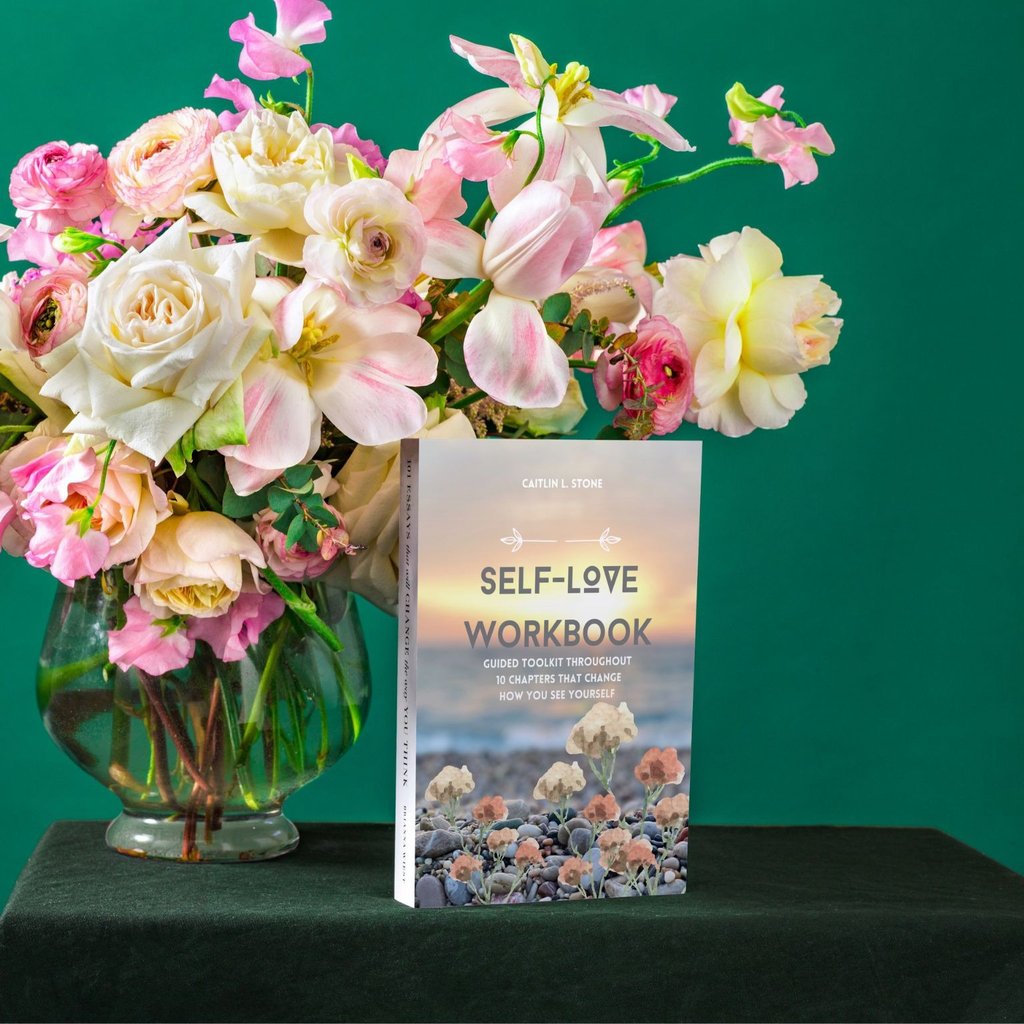
❤️ Self-Love Workbook
What if the way you speak to yourself could become a little kinder, one page at a time?
Our Self-Love Workbook gives you guided exercises for exploring self-criticism, self-worth, emotional needs, and the beliefs you carry about yourself. Instead of simply telling you to “love yourself more,” it helps you slow down, reflect honestly, and build a more compassionate relationship with yourself through intentional practice.
🍃 Soul Sisters Notes
“I didn’t even realize how harsh I was being with myself until I started paying attention to my thoughts. It was like hearing someone criticize me all day long, except that someone was me. And the hardest part was not changing those thoughts, but first accepting that I deserved to be spoken to with kindness.” - Caitlin
A Simple Practice for Changing Your Inner Dialogue
Try this the next time you catch yourself in a spiral of self-criticism:
1. Notice the thought.
Write down the exact sentence running through your mind instead of keeping it vague.
2. Separate the event from the judgment.
Write down what actually happened, without adding conclusions about what it says about you.
3. Identify the harsh assumption.
Look for words such as always, never, everyone, nobody, stupid, failure, or not enough.
4. Create a balanced response.
Write something you genuinely believe, even if it is only slightly kinder than the original thought.
5. Choose your next action.
Ask yourself what would actually help. You might apologize, try again, ask for clarification, rest, practice, or simply let the situation go.
This turns self-compassion into something practical. You are not just telling yourself to “think positively.” You are learning to respond to yourself differently when life does not go according to plan.
🌊 Rebuild Self-Esteem by Reconnecting With Yourself
Low self-esteem does not only affect the way you think about yourself. It can gradually teach you to stop consulting yourself.
You may become so focused on what other people expect, prefer, approve of, or need that you lose touch with your own answers. You might say, “I don't mind, you choose,” even when you do have a preference. You might accept plans you do not want, dismiss your own discomfort, or look to someone else to tell you whether a decision is right.
Over time, this can weaken self-trust. Rebuilding self-esteem therefore involves more than learning to think positively about yourself. It means becoming someone you can rely on. Every time you notice what you need, take your own feelings seriously, make a decision based on your values, or follow through on a promise you made to yourself, you create evidence that your inner world matters.
Listening to Your Inner World
Reconnection begins with something surprisingly simple: asking yourself questions before automatically looking outward for the answer.
Before agreeing to something, try asking:
Do I actually want this?
What am I feeling right now?
What do I need?
Am I choosing this because it feels right for me, or because I am afraid of disappointing someone?
If nobody else had an opinion about this, what would I choose?
What is my body telling me about this situation?
These questions are not about assuming that every feeling must determine your next action. Feelings can be complicated, and sometimes they reflect old fears rather than present reality. The point is to notice your own information before overriding it.
For example, imagine a friend invites you somewhere after a long and exhausting week. Your first instinct may be to say yes because you do not want them to think you are boring or unavailable. Instead, pause and check in with yourself.
Maybe you genuinely want to go.
Maybe you need rest.
Maybe you would enjoy seeing your friend but would prefer a shorter visit.
Maybe you are saying yes entirely out of guilt.
There is no universally correct answer. The self-esteem-building practice is letting yourself discover your actual answer before automatically giving someone else the answer you think they want.
If you have become accustomed to ignoring your own needs, this can feel surprisingly uncomfortable. Our guide on Self-Abandonment: Why We Ignore Our Own Needs explores this pattern more deeply and can help you recognize where you may have learned to put yourself last.
Creating Space to Hear Yourself
You cannot reconnect with yourself if every quiet moment is immediately filled with someone else's expectations, opinions, or distractions. Creating space does not require a dramatic retreat or hours of meditation. It can be as simple as giving yourself a few uninterrupted minutes each day to notice what is actually happening inside you.
You might:
Journal without trying to make your thoughts sound reasonable
Take a walk without filling the entire time with your phone or podcasts
Make a small decision without asking someone else for reassurance
Spend time doing something you genuinely enjoy, even if nobody else understands why
Notice which situations leave you energized and which consistently leave you depleted
Write down one thing you wanted today and whether you allowed yourself to have it
One particularly useful practice is to keep a “What I Want” journal for one week.
Each day, write down three things:
Today I wanted...
Today I needed...
Today I chose...
Do not judge the answers. You are simply collecting information about yourself. After several days, patterns may begin to appear. Perhaps you repeatedly want more solitude. Perhaps you keep needing rest but pushing through exhaustion. Perhaps you discover that you miss creativity, friendship, movement, adventure, or simply having unstructured time. That information matters.
🍃 Soul Sisters Notes
"Self-esteem can grow when you stop treating yourself like a mystery that other people understand better than you do. You may not always know exactly what you need, but you can learn to become curious about your own answers instead of immediately dismissing them." - Caitlin & Gerly
Building Self-Trust Through Small Decisions
Reconnection becomes powerful when it turns into action.
If you discover that you need rest, give yourself permission to rest.
If you realize you do not want to attend something, consider saying no.
If you notice that a particular situation repeatedly makes you uncomfortable, do not automatically convince yourself that you are being too sensitive.
If you discover that you want to try something new, take one small step toward it.
This is where self-esteem and self-trust begin to reinforce each other. You listen to yourself. You respond to yourself. You learn that you can rely on yourself.
That does not mean every decision will be perfect. In fact, rebuilding self-esteem requires accepting that you will sometimes make choices you later reconsider.
The goal is not to become someone who always makes the right decision. The goal is to become someone who knows: “I can make a decision, learn from the outcome, and still trust myself afterward.”
That is a much more stable foundation than depending on constant reassurance from other people.
🍃 Soul Sisters Notes
“For a long time, I thought confidence would just appear one day, like I would wake up and suddenly feel good about myself. But that’s not how it happened. It came from small moments. Saying no when I wanted to say no. Resting when I felt tired. Slowly, those moments taught me that I mattered.” - Caitlin
Sometimes you do not need to feel worthy before you start treating yourself as worthy. The treatment itself can become part of how your sense of worth develops.
When Reconnecting With Yourself Feels Difficult
If you have spent years adapting to other people, you may initially discover that you do not know what you want. That does not mean you have lost yourself permanently. Start with low-stakes choices.
Ask yourself:
What do I want for dinner?
Which activity would I actually enjoy today?
Do I want company or quiet?
What would make this morning a little easier?
What am I saying yes to that I would rather say no to?
Small decisions are valuable because they give you repeated opportunities to practice hearing your own voice without the pressure of making a life-changing choice. Over time, these small acts of self-reference can make larger decisions feel less dependent on external approval.
🔥 How to Overcome Low Self-Esteem by Setting Healthy Boundaries
Once you begin recognizing your own needs, the next challenge is learning to protect them. This is where boundaries become an important part of rebuilding self-esteem. A boundary is not a way to control another person's behavior. It is a way of communicating what you are comfortable with, what you are not available for, and what you will do when a situation crosses your limits.
Healthy boundaries teach you that your needs are allowed to influence your choices. That can be especially important when low self-esteem has taught you to prioritize everyone else's comfort over your own.
Why Boundaries Matter for Self-Esteem
When you repeatedly agree to things you do not want, tolerate behavior that hurts you, or stay silent because you are afraid of someone's reaction, you can gradually lose trust in yourself.
You may start thinking:
“Maybe I'm asking for too much.”
“Maybe I should just put up with it.”
“I don't want to make things difficult.”
“It isn't worth upsetting them.”
Sometimes keeping the peace really is the safest or most practical choice in a particular situation. But if you consistently abandon your own limits simply to avoid disappointing other people, the pattern can become damaging to your relationship with yourself.
Setting a boundary is one way of telling yourself, “My experience matters enough to be considered.” This does not mean every boundary will be respected immediately. It means you are becoming clearer about what you will participate in and what you will do when your limits are not respected.
Start With the Boundaries You Already Need
You do not have to begin with a dramatic confrontation. Start by noticing where you regularly feel resentment, exhaustion, discomfort, or the sense that you are doing something you do not actually want to do.
Ask yourself:
Where do I frequently say yes when I mean no?
Which situations leave me feeling drained or resentful?
What behavior from other people do I repeatedly excuse?
Where am I afraid that expressing my needs will make someone unhappy?
What do I wish I could say but keep swallowing?
What do I need more of in my relationships?
What do I need less of?
Your answers can reveal where a boundary may be needed. For example, perhaps a friend repeatedly calls late at night when you are trying to sleep. The boundary is not necessarily, “You are not allowed to call me late.”
It could be: “I don't answer calls after 10 p.m. If something is urgent, please message me.” The first statement attempts to control another person's behavior. The second clearly communicates your own limit and what you will do.
That distinction is at the heart of healthy boundaries. If you want to explore the practical side of creating and maintaining boundaries, our guide How to Set Boundaries for Yourself can help you work through this process step by step.
Boundaries and People-Pleasing
Boundaries can feel particularly difficult if you are used to keeping other people happy. People-pleasing can sometimes look like kindness from the outside. You may be helpful, accommodating, available, and easygoing. But if you regularly ignore your own needs because you are afraid of rejection, conflict, guilt, or disappointment, the behavior may be costing you more than you realize.
You can explore this pattern further in People-Pleasing: Why We Put Others First and How to Stop.
A useful question is: “Would I still choose this if I knew the other person would be completely okay with my answer?” If the answer is no, you may be responding to anticipated disapproval rather than making a choice that genuinely works for you.
You can begin practicing boundaries with simple phrases:
“I need some time to think about that.”
“I can't commit to that right now.”
“That doesn't work for me.”
“I would prefer something different.”
“I'm not available tonight.”
“I understand that you feel differently, but this is what I've decided.”
“I'm happy to help, but I can't take this on myself.”
You do not need to provide a ten-minute explanation every time you say no. A boundary can be kind, clear, and brief.
Boundaries Are Not Rejection
One reason boundaries can feel frightening is that saying no may trigger the fear that someone will leave, become angry, or think badly of you. But someone being disappointed by your boundary does not automatically mean you have done something wrong.
Other people are allowed to have feelings about your limits. You are allowed to have limits anyway. This is an important part of rebuilding self-esteem because you gradually learn that you can survive another person's disappointment without abandoning yourself to prevent it.
That does not mean ignoring other people's needs. Healthy relationships involve mutual consideration. The goal is not to become rigid or completely self-focused. It is to create relationships where your needs and the other person's needs can both exist.
🍃 Soul Sisters Notes
"A boundary is not a wall around your heart. It is a way of giving your heart a door, so you can choose what you allow in, what you give, and when you need to step back." - Caitlin & Gerly
A Simple Boundary Practice
Choose one situation where you regularly override yourself. Write down:
What is happening?
Describe the situation without blaming yourself or the other person.
What am I feeling?
Name the emotion honestly, whether it is resentment, anxiety, exhaustion, guilt, sadness, or frustration.
What do I need?
Be specific. You may need more time, privacy, rest, respect, space, help, or clarity.
What is within my control?
Focus on your own choices rather than trying to make another person behave differently.
What boundary could I communicate?
Write one sentence that is clear enough to actually use.
What will I do if the boundary is ignored?
A boundary becomes meaningful when you know what action you will take to protect yourself.
Start With One Boundary
You do not need to transform every relationship at once. Choose one small boundary that feels both necessary and realistic.
Maybe you stop answering work messages during your personal time.
Maybe you stop agreeing immediately when someone asks for a favor.
Maybe you tell a family member when a particular comment is hurtful.
Maybe you give yourself permission to leave a conversation that has become disrespectful.
Then notice what happens inside you.
You may feel relief.
You may feel guilt.
You may question whether you were too harsh.
You may even feel tempted to take the boundary back.
None of these reactions automatically mean the boundary was wrong. Sometimes discomfort is simply what it feels like to behave differently from an old pattern. Every time you communicate a reasonable limit and remain connected to yourself afterward, you practice self-respect.
And that is where boundaries become part of self-esteem. You are no longer asking only, “Do other people approve of me?”
You are also learning to ask: “Do my choices reflect what I know I need and value?” That is a much stronger foundation for believing in yourself.
🌸 Daily Practices to Rebuild Self-Esteem
Self-esteem does not usually change because of one powerful realization. More often, it changes through repeated experiences that show you can rely on yourself.
Every time you keep a small promise to yourself, acknowledge something you handled well, protect your time, care for your body, or follow through on something that matters to you, you create a little more evidence that you are someone worth listening to and caring for.
This is why daily practices matter. You are not trying to convince yourself, “I am worthy.” You are gradually building a life in which your choices communicate, “My well-being matters.”
Choose Practices That Build Self-Trust
When rebuilding self-esteem, it can be tempting to create an enormous self-improvement routine. You might decide to journal every morning, meditate for thirty minutes, exercise daily, practice affirmations, wake up earlier, and completely change your habits all at once.
That approach can backfire. If you cannot maintain everything you planned, the result may become another reason to criticize yourself. Instead, choose one or two small practices that you can realistically repeat.
For example:
Make one promise to yourself each morning and keep it
Finish one small task you have been avoiding
Take a proper break when you need one instead of pushing through exhaustion
Write down one thing you handled well that day
Make one decision without immediately asking someone else for reassurance
Do something enjoyable without deciding that you have to earn it first
Give yourself credit for progress instead of waiting for a perfect result
Keep one small boundary that protects your time or energy
The point is not how impressive the habit looks. The point is that you did something you said you would do for yourself. That repeated experience can gradually strengthen self-trust.
Stop Measuring Your Worth by Productivity
One of the most important daily practices for self-esteem is learning to separate your value from your output. If you only feel good about yourself when you are productive, successful, attractive, useful, or needed by someone else, your self-worth becomes dependent on circumstances that constantly change.
You will have productive days and unproductive days.
You will achieve some goals and miss others.
You will sometimes look your best and sometimes feel tired, messy, or uncomfortable in your own skin.
None of these states determine your inherent worth. Try noticing when your internal rule sounds like: “I will feel good about myself when I finally...”
When you catch that pattern, ask: “Can I allow myself to have value before I accomplish this?”
This does not mean abandoning your goals. You can still want to grow, improve, achieve, and challenge yourself. It means your goals become expressions of what you want, rather than tests you must pass to deserve respect.
🍃 Soul Sisters Notes
"You do not have to earn your right to care for yourself by first becoming productive enough, successful enough, or healed enough. Sometimes self-love begins precisely where the performance stops." - Caitlin & Gerly
Celebrate Evidence, Not Just Achievements
When self-esteem is low, your mind may be surprisingly good at collecting evidence against you. You remember the awkward conversation. The mistake. The rejection. The thing you should have done differently. But the ordinary things you handled well may disappear from your attention almost immediately.
Try keeping an evidence journal instead. At the end of each day, write down three things that show you are becoming someone you can trust. They do not need to be impressive.
You might write:
I spoke up when I normally would have stayed quiet.
I rested instead of pushing myself past my limit.
I finished something I had been avoiding.
I handled criticism without immediately assuming I was a bad person.
I asked for help instead of pretending I was fine.
I made a decision without asking five people what they thought.
This practice is different from simply writing affirmations because you are recording real experiences. Over time, those experiences become a personal record of growth.
📓 365 Psychological Journal Prompts
Sometimes you know you want to understand yourself better, but you have no idea what to write.
Our 365 Psychological Journal Prompts gives you a full year of thoughtful prompts for exploring self-worth, emotions, relationships, patterns, and personal growth. Instead of staring at a blank page, you can use one question at a time to uncover patterns, understand yourself more deeply, and create a regular habit of meaningful self-reflection.


Create a Daily Self-Respect Check-In
Once a day, preferably at a consistent time, ask yourself four questions:
What did I need today?
Did I listen to that need?
Where did I show myself respect?
What is one thing I can do for myself tomorrow?
You do not need perfect answers. Perhaps you realize that you ignored your need for rest. That is useful information, not a failure. Perhaps you notice that you finally said no to something you did not want to do. That is evidence of growth. Perhaps you discover that you spent the entire day taking care of everyone else and barely checked in with yourself. That is something you can change tomorrow.
The practice is about building an ongoing relationship with yourself, rather than judging whether you are doing self-love correctly.
Let Your Actions Reinforce Your Worth
Your daily choices communicate messages to yourself, even when you are not consciously thinking about them.
When you rest, you communicate that your body deserves care.
When you say no, you communicate that your limits matter.
When you ask for help, you communicate that you do not have to carry everything alone.
When you celebrate progress, you communicate that your effort counts.
When you make time for something you love, you communicate that your life is not valuable only when you are being productive.
These actions may look ordinary from the outside. But repeated over time, they can change the relationship you have with yourself.
If you want more ideas for creating this kind of consistency, explore our guide to Daily Self-Love Habits, which offers simple practices you can incorporate into everyday life.
Affirm Your Worth Through Action
Affirmations can be useful, but when self-esteem is very low, words alone may not feel believable.
Instead of forcing yourself to say: “I completely love and trust myself.”
Try pairing a smaller statement with an action.
“My needs matter.”
Then take a proper break.
“My voice matters.”
Then say what you actually think.
“I can trust myself to learn.”
Then allow yourself to make the mistake without turning it into a judgment of your entire character.
“I deserve respect.”
Then reinforce a boundary.
This is where self-esteem starts becoming something you experience, rather than something you are trying to convince yourself to believe.
💖 If you want to explore the broader practice of building a kinder relationship with yourself, you can also return to How to practice self-love.
A 7-Day Self-Esteem Practice
If you want to start today, keep it simple.
Day 1: Notice one way you criticize yourself and question whether the judgment is fair.
Day 2: Make one small decision without asking someone else for reassurance.
Day 3: Say no to one thing you genuinely do not have the capacity or desire to do.
Day 4: Write down three things you handled well, no matter how small.
Day 5: Do something you enjoy without deciding that you need to earn it first.
Day 6: Keep one promise you make to yourself.
Day 7: Write down what you have learned about your needs, limits, and strengths during the week.
You do not have to complete this perfectly. If you miss a day, simply continue. The practice itself is part of the lesson: you do not have to abandon yourself because you were imperfect. And that may be one of the most important shifts in rebuilding self-esteem. You are learning that your relationship with yourself can survive mistakes, inconsistency, difficult emotions, and imperfect days.
That is a much deeper form of self-belief than simply trying to feel confident all the time.
🍁 4 Seasons Self-Love Bucket List Bundle
Self-love is not only something you think about. It is also something you get to experience.
Our 4 Seasons Self-Love Bucket List gives you meaningful ideas for nurturing yourself throughout the year, from simple moments of rest and reflection to experiences that invite more joy, connection, creativity, and self-discovery. It is a gentle way to keep self-love present in your everyday life instead of treating it as a project you complete once and move on from.


🌷 You Are Allowed to Believe in Yourself
Learning how to overcome low self-esteem is not about becoming a different person or reaching a point where you never doubt yourself again. It is about building a relationship with yourself that can withstand mistakes, rejection, uncertainty, and imperfect days.
You have already begun that process every time you question an old belief, listen to your own needs, set a boundary, speak to yourself with more fairness, or choose to care for yourself instead of abandoning yourself.
And if you are still healing from experiences that shaped the way you see yourself, that does not mean you are going backwards. Signs of Emotional Healing can help you recognize some of the quieter ways growth can show up.
🍃 Soul Sisters Notes
"You do not have to feel completely confident before you start believing in yourself. Sometimes self-belief begins as one small decision to listen to yourself, followed by another decision to respect yourself, until those choices gradually become the way you live." - Caitlin & Gerly
If this journey brings up difficult emotions, give yourself permission to slow down. You are not behind, and you do not have to heal everything at once. Simple forms of self-care can give you space to rest, reflect, and return to yourself when things feel overwhelming.
You are allowed to take up space.
You are allowed to have needs.
You are allowed to change your mind.
You are allowed to make mistakes and still respect yourself.
You are allowed to believe that your life is worth showing up for.
Self-esteem grows through the relationship you build with yourself, one choice at a time.
If you would like deeper personal support on your journey, you can explore our Sisters Creation, where we offer tarot readings and spiritual counseling created to support self-reflection, clarity, and personal growth.
With love,
Caitlin & Gerly,
Soul Sisters Tarot
🌿 FAQ: How to Overcome Low Self-Esteem
How can I overcome low self-esteem and start believing in myself again?
To overcome low self-esteem, begin by identifying the beliefs that cause you to doubt yourself, then gradually replace self-criticism with more balanced self-talk and actions that build self-trust. Setting healthy boundaries, making your own decisions, acknowledging your progress, and treating yourself with compassion can all strengthen self-esteem over time. The goal is not to eliminate every insecure thought, but to stop allowing those thoughts to define your worth.
What is the difference between low self-esteem and low confidence?
Low confidence usually relates to what you believe you can do, while low self-esteem relates more deeply to how you value yourself. You can be confident in your professional skills, for example, while still believing that you are not worthy of love or acceptance. Confidence can grow through experience and achievement, while healthy self-esteem also involves developing a stable sense of self-worth that does not disappear when you make mistakes.
What are the psychological causes of low self-esteem in adults?
Low self-esteem can develop through repeated experiences that influence how a person learns to interpret their own worth. Common contributing factors can include persistent criticism, emotional neglect, bullying, rejection, comparison, conditional approval, difficult relationships, and repeated experiences of failure or not belonging. These experiences do not determine a person's value, but they can contribute to beliefs such as “I am not good enough” or “I have to earn acceptance.”
How do you rebuild self-esteem after years of feeling not good enough?
Rebuilding self-esteem after years of feeling inadequate usually requires consistent changes rather than one major breakthrough. Start by recognizing the beliefs behind your self-doubt, making your inner dialogue more balanced, listening to your own needs, setting boundaries, and keeping small promises to yourself. Over time, these experiences can strengthen self-trust and create a more stable sense of self-worth.
Can setting boundaries really improve self-esteem?
Yes. Healthy boundaries can strengthen self-esteem because they give you opportunities to act on the understanding that your needs, time, and limits matter. Saying no, asking for more space, communicating what does not work for you, and deciding what you will do when a boundary is ignored can all strengthen self-respect. Boundaries are not about controlling other people. They are about deciding what you are willing to participate in and how you will care for yourself.
What daily habits help rebuild self-esteem?
The most useful daily habits are usually small enough to maintain consistently. You might keep one promise to yourself, make a decision without immediately seeking reassurance, record something you handled well, take care of a basic need, protect your time, or acknowledge progress that you would normally dismiss. These actions create repeated experiences of self-trust, which can be more meaningful than relying only on affirmations.
How long does it take to overcome low self-esteem?
There is no universal timeline for rebuilding self-esteem. How quickly it changes can depend on how long the pattern has existed, what experiences contributed to it, your current circumstances, and how consistently you practice new ways of relating to yourself. You may notice small changes relatively quickly, while deeper changes in self-trust and self-worth can take much longer. Progress is better measured by how you respond to yourself over time than by expecting to feel confident every day.
Can low self-esteem affect relationships?
Yes. Low self-esteem can influence relationships through patterns such as people-pleasing, difficulty expressing needs, fear of rejection, excessive reassurance-seeking, tolerating poor treatment, or assuming that conflict means you have done something wrong. As self-esteem becomes healthier, you may find it easier to communicate honestly, set boundaries, tolerate other people's disappointment, and choose relationships that allow mutual respect.
Is it possible to improve low self-esteem without therapy?
Some people can make meaningful progress through self-reflection, journaling, self-compassion practices, healthier boundaries, and intentional changes in their daily behavior. However, self-help is not a substitute for professional support when low self-esteem is connected to significant trauma, abuse, depression, anxiety, or other mental health difficulties. A qualified therapist can provide individualized support and help address deeper patterns safely. There is no failure in seeking help when you need it.
How do I know if my self-esteem is actually improving?
Improved self-esteem does not necessarily mean you suddenly feel confident all the time. More meaningful signs can include recovering more quickly after mistakes, trusting your decisions more often, accepting compliments without immediately dismissing them, expressing your needs, setting boundaries, and being less dependent on other people's approval. You may still experience self-doubt, but it no longer controls every decision you make.
What should I do when low self-esteem returns after I thought I had healed?
A return of self-doubt does not necessarily mean that all your progress has disappeared. Stress, rejection, major life changes, criticism, or difficult relationships can temporarily reactivate old patterns. Instead of treating the setback as proof that you are back at the beginning, notice what triggered it, return to the practices that have helped you before, and respond to yourself with the same patience you would offer during any other difficult period.
Soul Sisters Tarot
A Soft Place to Grow.
💌 SOUL SISTERS WEEKLY
A thoughtful Sunday letter with tarot reflections, moon wisdom, self-love, and gentle encouragement.
© 2026. All rights reserved.
Inspirational Coaching OÜ
sisters@soulsisterstarot.com