💌 JOIN SOUL SISTERS WEEKLY → GET FREE WELCOME GIFTS 🎁
Receive a thoughtful Sunday letter, free Self-Love & Shadow Work guides, and monthly Full Moon rituals ✨



Daily Self-Love Habits: Why You Still Don’t Feel Better
You’re doing the “right” daily self-love habits, so why do you still feel disconnected, critical, or not enough? The answer may be deeper than another morning routine.
SELF-LOVE, HEALING & INNER WORK
Soul Sisters Tarot
3/19/202626 min read


Daily Self-Love Habits That Slowly Transform Your Inner World
This guide is part of our Self-Love Journey, where we explore emotional healing, self-compassion, and gentle practices that help you build a deeper and more supportive relationship with yourself.
Daily self-love habits are small, repeatable actions that help you treat yourself with more care, respect, patience, and attention in everyday life. They can include the way you speak to yourself, how you respond to your emotions, whether you allow yourself to rest, how you protect your boundaries, and whether you actually listen when you need something.
If you keep telling yourself that you need to love yourself more but still feel empty, disconnected, overly critical, or never quite good enough, the problem may not be that you need another dramatic self-care routine. You may need small habits that repeatedly show you, through your own actions, that your needs matter.
This is an important distinction. Self-love is not built only through how you feel about yourself. It is also built through how you consistently treat yourself. Saying no when you do not have the capacity, taking a real break instead of pushing through exhaustion, challenging a cruel thought instead of believing it, or checking in with yourself before automatically helping someone else are all forms of daily self-love.
💖 If part of you still feels like nothing you do is ever enough, understanding why you never feel good enough can help you look beneath that feeling instead of simply trying to cover it with positive affirmations.
🍃 Soul Sisters Notes
“I used to think self-love would come as a big moment, like some kind of breakthrough where everything suddenly made sense. But that moment never came. What did come were small choices. Drinking water when I wanted to ignore myself. Resting when I felt guilty for it. Speaking to myself a little more kindly each day. And over time, those small moments changed how I felt about myself.” – Caitlin
The most useful daily self-love habits are not necessarily the ones that look beautiful on a morning routine checklist. They are the ones you can actually practice when you are tired, stressed, disappointed in yourself, or tempted to put everyone else's needs first.
As part of our broader Self-Love, Healing & Inner Work pillar, this guide focuses specifically on the everyday behaviors that strengthen self-trust, emotional awareness, self-compassion, and healthier boundaries over time. We will look at what these habits look like in real life, why some habits are easier to maintain than others, and how to build a routine that supports you without turning self-love into another obligation.
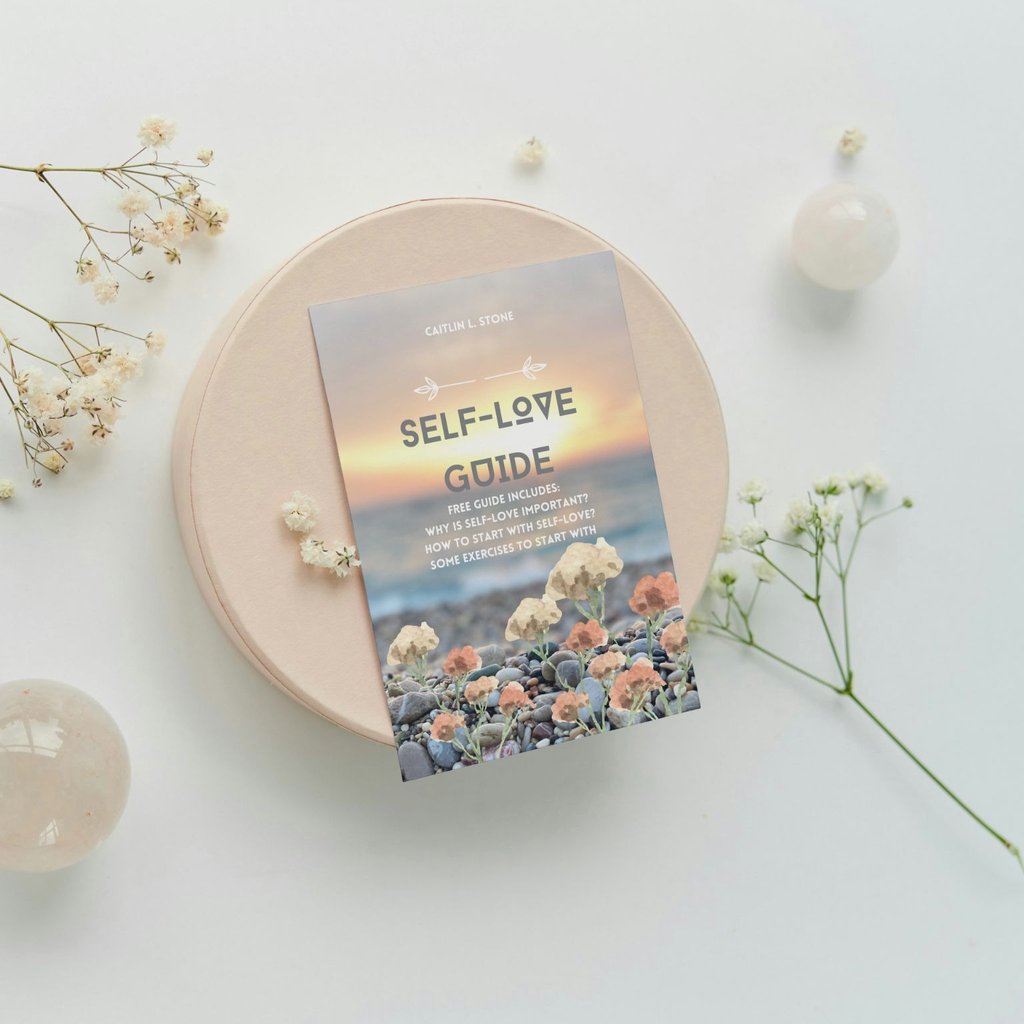
💖 Free Self-Love Guide
You know you want to be kinder to yourself, but sometimes you don't even know where to begin.
Our Free Self-Love Guide gives you a gentle starting point for understanding your needs, strengthening self-compassion, and creating a more supportive relationship with yourself. Use it when you need a little structure without turning self-love into another routine you have to get perfect.
🌿 Why Daily Self-Love Habits Can Still Leave You Feeling Empty
Daily self-love habits can support your relationship with yourself, but they do not automatically resolve the beliefs, emotional patterns, or unmet needs underneath your discomfort. You can journal every morning, take relaxing baths, practice affirmations, and still feel disconnected from yourself if the way you treat yourself the rest of the day remains shaped by self-criticism, people-pleasing, guilt, or constantly ignoring what you actually need.
This is why self-love can sometimes feel frustrating. You may be doing things that are supposed to make you feel better, yet something still feels missing.
For example, you might spend an evening taking care of yourself, then wake up the next morning and immediately criticize your appearance, agree to something you do not have the energy for, skip lunch because you are too busy, and tell yourself that your exhaustion is your own fault. The relaxing evening was not meaningless, but it was competing with a much larger pattern of self-neglect.
Self-Love Is More Than What You Do for Yourself
A useful way to think about daily self-love habits is to look beyond activities and pay attention to your relationship with yourself during ordinary decisions.
If you are tired, do you listen to that information or immediately push through?
If someone asks for your time, do you consider your own capacity before saying yes?
If you make a mistake, do you speak to yourself with the same understanding you would offer someone you love?
If you feel hurt or angry, do you allow yourself to acknowledge the emotion, or immediately decide that you are being dramatic?
These moments may seem insignificant individually, but they happen repeatedly. Over time, they teach you what to expect from yourself.
Self-love becomes stronger when your everyday behavior starts matching the belief that your needs, feelings, time, and boundaries matter.
The Habits That Matter Most Are Often Invisible
Some of the most important self-love habits do not look like traditional self-care at all.
Going to bed earlier is visible. Stopping yourself from working another two hours because you feel guilty is the deeper habit.
Journaling is visible. Actually being honest about what you discover in your journal is the deeper habit.
Saying positive affirmations is visible. Refusing to automatically believe the cruel thought that follows a mistake is the deeper habit.
Taking a day for yourself is visible. Allowing yourself to enjoy that day without feeling that you should be doing something productive is the deeper habit.
This is where daily self-love becomes less about creating a perfect routine and more about changing the small choices through which you relate to yourself.
When Self-Love Feels Uncomfortable
If you have spent years being highly self-critical or putting other people first, some healthy self-love habits may initially feel wrong.
Rest can feel lazy. Boundaries can feel selfish. Saying no can create guilt. Receiving care can feel uncomfortable. Choosing yourself can even bring up the fear that you are disappointing someone.
That discomfort does not necessarily mean you are doing something wrong. Sometimes it simply means you are practicing a response that is unfamiliar.
If you regularly struggle with guilt when prioritizing yourself, our guide on How to Practice Self-Love explores the deeper foundations of creating a more supportive relationship with yourself.
🍃 Soul Sisters Notes
"Self-love often becomes real in the moments nobody else sees. It is the decision to stop arguing with your own exhaustion, the pause before automatically saying yes, the kinder thought after making a mistake, and the quiet realization that you do not have to earn the right to take care of yourself." - Caitlin
🌸 Daily Self-Love Habits to Start With
The most useful daily self-love habits are small enough to practice on an ordinary day, including the days when you are tired, busy, insecure, or emotionally overwhelmed. Rather than trying to transform your entire routine, choose a few habits that change how you respond to yourself in specific moments.
You do not need a long morning routine or a perfectly organized self-care schedule. A habit can take less than a minute. What matters is the repeated message behind it: I notice myself. I listen to myself. I respond to myself with care.
1. Start Your Day by Checking In With Yourself
Before opening your messages, checking social media, or immediately responding to everyone else's needs, take a moment to notice what is happening inside you.
Ask yourself:
How do I feel this morning?
What do I need today?
What might make today harder than usual?
What would help me move through the day with a little more care?
This is more useful than simply deciding that you should “have a good day.” You are gathering information about your actual emotional and physical state before the day's demands begin.
For example, you might realize that you are already mentally tired and need a slower morning, or that you are looking forward to something and want to protect some space for enjoyment. The answer does not have to change your entire day. The important part is that you noticed.
If you want to turn this kind of check-in into a more intentional practice, our guide to Self-Love Ritual explores how simple rituals can create regular moments of self-connection.
2. Notice How You Speak to Yourself
Pay attention to your internal commentary, particularly after mistakes, awkward conversations, setbacks, or moments when you do not meet your own expectations.
You might notice thoughts such as:
“I always mess everything up.”
“I should have known better.”
“Everyone else can handle this. Why can't I?”
Instead of trying to replace every negative thought with an unrealistically positive one, make the thought more accurate and compassionate.
“I made a mistake, and I can figure out what to do next.”
“That didn't go the way I wanted, but it doesn't define me.”
“I'm having a difficult day. That doesn't mean I'm incapable.”
This is not about pretending everything is fine. It is about separating accountability from self-punishment.
If your inner dialogue tends to become particularly harsh, The Inner Critic: Why That Voice in Your Head Is So Harsh explores where this critical voice can come from and why it can become so persistent.
3. Check Your Capacity Before Saying Yes
One of the most practical daily self-love habits is pausing before automatically agreeing to something.
Someone asks you to take on another task. A friend wants to talk for an hour. Someone needs a favor. Your instinct may be to say yes before you even consider whether you have the capacity.
Try creating a small pause.
“Do I actually have the energy for this?”
“Am I saying yes because I want to, or because I feel guilty saying no?”
“What will this commitment cost me?”
You do not have to reject every request. The purpose is to make your decision conscious rather than automatic.
If you regularly find yourself putting everyone else first, Self-Abandonment: Why We Ignore Our Own Needs can help you understand how repeatedly overriding your own needs can affect your relationship with yourself.
4. Respond to Your Energy Instead of Fighting It
Your capacity will not be identical every day. A self-love habit is learning to notice that difference instead of demanding the same performance from yourself regardless of how you feel.
On a high-energy day, you may have the capacity to exercise, socialize, work on a personal project, and handle several responsibilities. On a low-energy day, getting through the essentials may be enough.
That does not mean you should avoid everything difficult whenever you feel tired. It means distinguishing between healthy effort and repeatedly overriding your limits.
Try asking: “What is my capacity today, and what would be reasonable to expect from myself?”
This question can prevent the cycle of overextending yourself, becoming exhausted, and then criticizing yourself for needing recovery.
5. Give Yourself One Moment of Care Without Earning It
Choose one small thing each day that you do simply because it supports you.
Drink your coffee slowly.
Sit outside for five minutes.
Take a shower without rushing.
Read a few pages of a book.
Make yourself a proper meal.
Put your phone away and enjoy some quiet.
The important part is not the activity itself. It is practicing the idea that care does not have to be a reward for being productive enough first.
If self-care tends to become another item on your to-do list, our Self-Care Rituals guide explores how ordinary acts of care can become more intentional and supportive.
6. End the Day by Asking What You Need Tomorrow
Instead of ending the day by mentally listing everything you failed to accomplish, give yourself a short check-in.
Ask:
What felt good today?
What drained me?
What do I need more of tomorrow?
Is there anything I can make easier for myself?
You might realize that a particular conversation left you exhausted, that you have been sleeping too little, or that you felt noticeably better after spending time away from your phone. Those observations can become useful information for future decisions.
Self-love becomes practical when you use what you learn about yourself.
And if you are building this practice while feeling emotionally depleted, our guide to Emotional Self-Care offers additional ways to care for your emotional well-being rather than simply pushing difficult feelings aside.
✨ A Gentle Tool for Making Self-Love More Consistent
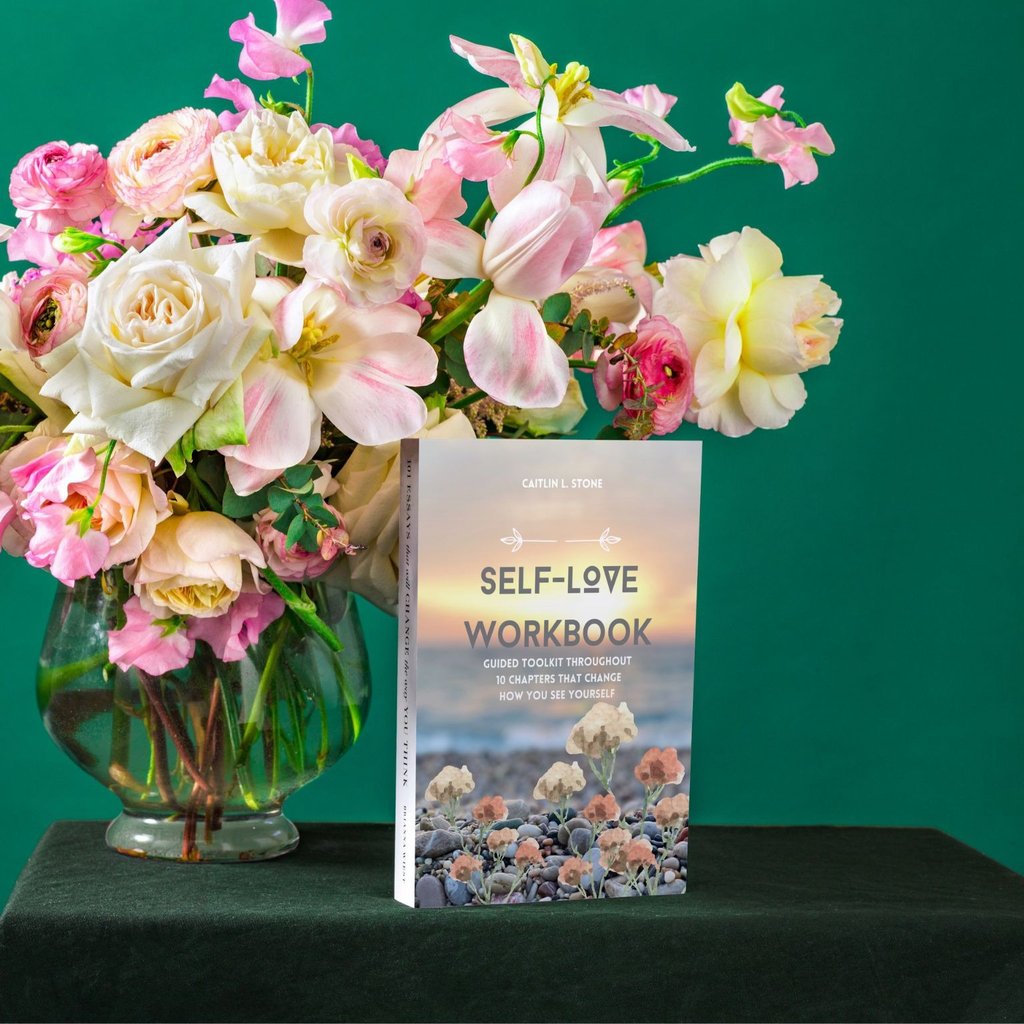
If you like having something tangible to return to each day, our Self-Love Workbook offers guided exercises and reflection practices designed to help you build self-awareness, strengthen self-compassion, and create a more supportive relationship with yourself.
You do not need to complete everything at once. The value is in having a place to slow down, notice what is happening within you, and turn that awareness into a small action you can actually carry into everyday life.
❤️ Self-Love Workbook
Knowing you want to love yourself differently is one thing. Actually changing the way you relate to yourself takes practice.
Our Self-Love Workbook gives you guided exercises and thoughtful reflections to help you explore self-worth, self-compassion, emotional patterns, and the way you show up for yourself. It is designed for those moments when you want to go beyond simply knowing what self-love means and start putting it into practice.
🌙 Daily Self-Love Habits for Difficult Emotions
Self-love becomes especially important when you are disappointed, angry, anxious, hurt, jealous, ashamed, or simply having a difficult day. It is easy to be kind to yourself when everything is going well. The deeper practice is learning how to stay on your own side when an uncomfortable emotion appears.
You do not need to eliminate difficult feelings to practice self-love. Instead, learn to notice them without immediately judging yourself for having them.
7. Let Yourself Feel Before Trying to Fix the Feeling
When an uncomfortable emotion appears, your first reaction may be to distract yourself, analyze it, suppress it, or immediately look for a solution.
Try pausing first.
“I feel angry right now.”
“I feel hurt.”
“I am disappointed.”
“I don't actually know what I feel yet.”
Naming an emotion does not mean agreeing with every thought connected to it. It simply gives you a chance to acknowledge what is happening instead of automatically reacting.
For example, feeling angry with someone does not mean you need to send the message you are writing. Feeling rejected does not mean you need to decide that nobody values you. Feeling overwhelmed does not mean you have failed.
Sometimes the most compassionate response is simply allowing the emotion to exist long enough to understand what it is telling you.
This is closely connected to Emotional Self-Care, especially when you are learning to respond to difficult emotions rather than constantly pushing them aside.
8. Replace Self-Judgment With Curiosity
A difficult emotion often becomes heavier when you immediately criticize yourself for experiencing it.
Instead of: “Why am I so sensitive?” try: “What made this affect me so strongly?”
Instead of: “I shouldn't be this upset.” try: “What feels important about this situation?”
Instead of: “I'm being ridiculous.” try: “What do I need to understand before I decide what to do?”
Curiosity gives you room to learn from an emotional response without automatically treating that response as evidence that something is wrong with you.
This can be particularly helpful when you notice recurring reactions. If the same type of situation repeatedly leaves you feeling rejected, angry, inadequate, or abandoned, the pattern may deserve more attention than the individual incident.
9. Give Yourself a Pause Before Reacting
One of the most useful emotional self-love habits is creating a small space between feeling something and acting on it.
You receive a message that upsets you. Instead of replying immediately, you wait.
Someone criticizes you. Instead of instantly defending yourself, you take a breath.
You feel the urge to cancel everything because you are overwhelmed. Instead of making a decision in the middle of the emotional surge, you give yourself time to settle.
This pause does not mean ignoring your feelings. It gives you enough distance to decide what response actually reflects your values and needs.
Over time, this can strengthen self-trust because you begin to experience yourself as someone who can feel deeply without being controlled by every emotional reaction.
10. Notice What Your Emotions Are Asking For
Emotions do not always provide a perfect explanation, but they can give you useful information.
Anger may prompt you to examine a boundary that has been crossed.
Sadness may reveal something you have lost or something you deeply value.
Resentment may point toward an imbalance in what you are giving and receiving.
Anxiety may signal that you need information, reassurance, preparation, or support.
Loneliness may remind you that connection matters.
The goal is not to assume that every emotion contains a literal message or that every feeling requires immediate action. Instead, treat your emotional response as information worth exploring.
You can ask:
“What happened?”
“What am I feeling?”
“What might this feeling be connected to?”
“What do I need right now?”
If you often struggle to understand why certain situations affect you so strongly, exploring Why Do I Doubt Myself So Much? can also help you examine the connection between self-doubt, emotional reactions, and the way you interpret your experiences.
11. Practice Letting Go Without Forcing Yourself to Forget
Self-love also means learning when something no longer deserves to occupy your emotional energy.
That might mean forgiving yourself for an old mistake, releasing an unrealistic expectation, accepting that someone cannot give you what you hoped for, or deciding that you no longer want to keep replaying the same conversation in your mind.
Letting go does not mean pretending something did not hurt. It means recognizing that continuing to carry it may no longer serve you.
If you are working through something from your past, Forgive and Let Go explores this process more deeply.
12. Notice the Small Signs That You Are Changing
Emotional growth is easy to miss because it rarely arrives as one dramatic breakthrough.
You might notice that you recover from criticism more quickly.
You recognize when you need space before becoming completely overwhelmed.
You apologize without turning the mistake into proof that you are a terrible person.
You can feel disappointed without immediately deciding that everything is hopeless.
You say what you need instead of expecting someone else to guess.
These are meaningful changes because they show that your relationship with your emotions is becoming more flexible and supportive.
Our guide to Signs of Emotional Healing explores these quieter signs of progress in greater depth.
🍃 Soul Sisters Notes
"Sometimes self-love is not the comforting feeling we hope it will be. Sometimes it is the decision to stay curious about yourself when you are angry, to stay gentle with yourself when you are ashamed, and to give yourself enough space to understand what you feel before deciding what it means." - Caitlin
🌞 Daily Self-Love Habits That Protect Your Energy
Self-love is not only an emotional practice. It also shows up in practical decisions about your body, time, attention, environment, and availability. If your daily life constantly leaves you depleted, changing the way you use your energy can be just as important as changing the way you speak to yourself.
13. Give Your Body What It Actually Needs
Your body is giving you information throughout the day, but it is easy to override those signals when you are busy.
You might notice that you are hungry but decide to finish “just one more thing.” You feel exhausted but keep scrolling because you finally have a moment alone. Your shoulders are tense, yet you continue working without taking a break.
A daily self-love habit is learning to respond to these signals before they become impossible to ignore. Ask yourself: “What does my body need from me right now?”
Maybe the answer is food, water, movement, sleep, warmth, fresh air, or simply a few minutes without stimulation.
This is not about controlling your body or following a perfect wellness routine. It is about treating your physical needs as information that deserves a response. If you have become disconnected from those signals, Listen to Your Body explores how paying closer attention to your body's signals can help you recognize what may need your care.
Sometimes self-love begins with something incredibly simple: noticing that your body has been asking for something, and finally listening.
14. Protect Your Time With Small Boundaries
A boundary does not have to involve a dramatic confrontation. Often, it is a small decision about what you will and will not make space for today.
You do not answer every message immediately.
You do not accept every invitation.
You do not automatically take responsibility for another person's problem.
You do not have to explain yourself for twenty minutes after saying no.
A useful starting point is simply: “Do I have the capacity for this?”
If the answer is no, you can say, “I can't take this on right now.”
If boundaries are difficult for you, our guide on How to Set Boundaries for Yourself explores how to protect your time, energy, attention, and emotional well-being without treating boundaries as rejection.
15. Reduce the Noise Coming Into Your Mind
Self-love also means becoming more selective about what you allow to occupy your attention. Constant notifications, social media comparison, upsetting conversations, endless news updates, and an overloaded schedule can leave very little mental space for yourself.
You do not necessarily need a complete digital detox. Try making one small change instead. Mute notifications that do not require an immediate response. Leave your phone in another room while you eat. Unfollow accounts that consistently make you feel inadequate. Give yourself ten minutes without consuming anything from a screen. Notice whether your mind feels different afterward.
📓 365 Psychological Journal Prompts
Sometimes you know something needs to change, but you cannot quite put your finger on what it is.
The 365 Psychological Journal Prompts for Self-Discovery & Self-Love gives you a question to return to each day, helping you explore your emotions, beliefs, relationships, self-worth, and recurring patterns more honestly. Instead of telling yourself to “love yourself more,” these prompts give you something specific to think about, so you can begin understanding yourself at a deeper level.


16. Make Your Environment Support the Person You Are Trying to Become
Your surroundings can either make supportive habits easier or make them harder to maintain.
If you want to journal, leave your journal somewhere visible. If you want to drink more water, keep a glass or bottle nearby.
If your evenings feel chaotic, prepare something small before you need it, such as putting your phone charger away from your bed or setting out what you need for the morning.
If you need more quiet, create one corner of your home where you can sit without immediately turning the space into another work area.
You are not trying to create a perfect home. You are reducing the amount of effort required to care for yourself.
17. Stop Making Every Day a Test of Your Productivity
One of the most overlooked self-love habits is separating your worth from your output.
You can have an unproductive afternoon without being lazy.
You can need a day off without having failed.
You can finish three important things and still leave ten things unfinished.
Try asking at the end of the day: “Did I take care of what genuinely mattered today?” That question is often more useful than counting everything you did not accomplish.
If you regularly feel that you should be doing more, our guide How to Stop Being So Hard on Yourself can help you examine the self-critical expectations that keep productivity tied to your sense of worth.
18. Notice When You Are Running on Empty
You do not have to wait until complete exhaustion before you give yourself permission to slow down. Maybe you are becoming unusually impatient. You keep rereading the same sentence. You do not want to talk to anyone. Small decisions suddenly feel overwhelming. Everything feels like one more demand.
These can be useful signals that your current capacity is lower than usual. Instead of asking, “How much more can I push through?”, try: “What can I remove, postpone, simplify, or delegate?” That shift turns self-love into a practical response to your actual circumstances.
If you have been feeling persistently depleted, disconnected, or unable to recover, our guide Emotional Burnout: Signs You Are Mentally and Emotionally Exhausted can help you distinguish ordinary tiredness from a deeper pattern of emotional exhaustion.
19. Create One Small Moment That Belongs Only to You
Your day does not need to be completely reorganized for you to create more connection with yourself.
Choose one moment that is yours. It might be the first cup of coffee before everyone else wakes up, ten minutes with a book before bed, a walk without your phone, music while you cook, or a few minutes of tarot journaling at the end of the day.
The point is not to make the moment impressive. It is to create a repeated experience of being with yourself without having to perform, produce, solve, or take care of someone else.
That is where a daily habit can become something deeper than a routine. It becomes a small reminder that your own presence belongs in your life too.
🌺 How to Make Daily Self-Love Habits Actually Stick
The biggest problem with self-love habits is often not knowing what to do. It is trying to change too much at once. A long list of new routines can feel inspiring for three days and impossible by the end of the week. Sustainable self-love works differently. You build a few behaviors into situations that already happen, then allow them to become familiar through repetition.
Choose Habits That Fit Your Real Life
A habit that requires an hour of free time may sound wonderful, but it will be difficult to maintain if your mornings are already rushed.
Instead, attach self-love to something that already happens. After making your morning coffee, ask yourself how you feel. When you sit down at your desk, take one breath before opening your inbox. Before accepting a new commitment, check your capacity. When you get into bed, put your phone down and ask what you need tomorrow.
The smaller the behavior, the easier it is to repeat.
Start With One Habit Instead of Ten
You do not need to wake up tomorrow and completely reinvent your relationship with yourself. Choose one behavior that would make the biggest difference right now.
If you constantly criticize yourself, start with your inner dialogue.
If you keep overcommitting, start by pausing before saying yes.
If you ignore your physical needs, start with a daily body check-in.
If you feel disconnected from yourself, create five quiet minutes that belong only to you.
Once that habit feels natural, you can build another one around it.
Make the Habit Specific
“I will practice more self-love” is a meaningful intention, but it is difficult to turn into an action.
“Every evening before bed, I will write down one thing I needed today” gives you something concrete to do.
“Before saying yes to a request, I will pause and check whether I have the capacity” creates a clear decision point.
“When I notice myself saying ‘I’m so stupid,’ I will stop and rephrase the thought without attacking myself” gives you a specific response to practice.
The more clearly you define the behavior, the easier it becomes to recognize when you have actually practiced it.
Expect to Forget Sometimes
Missing a day does not erase the habit you have been building. You may have a stressful week and fall back into old patterns. You may spend an entire day ignoring your needs. You may realize at bedtime that you have been criticizing yourself all day without noticing.
That moment of recognition is not proof that you failed. It is the moment you can return. This is particularly important because perfectionism can quietly turn self-love into another achievement you feel you have to perform correctly. If you miss your morning check-in, you do not need to compensate with an elaborate evening ritual. Simply begin again with the next opportunity.
Measure the Change Differently
Do not judge your progress only by whether you feel happier. Look for changes in your behavior.
Perhaps you recover more quickly after making a mistake.
Perhaps you notice exhaustion before reaching complete burnout.
Perhaps you say no without writing a five-paragraph explanation.
Perhaps you recognize a negative thought without automatically believing it.
Perhaps you ask for what you need instead of hoping someone will notice.
These changes can be much more meaningful than feeling positive all the time because they show that your relationship with yourself is changing in everyday situations.
If you are interested in understanding the deeper process behind this kind of change, How to Practice Self-Love offers a broader foundation for turning self-love from an idea into something you actually practice.
Create a Return Point
One of the most powerful ways to make self-love sustainable is to choose a simple action you can return to whenever life becomes chaotic.
It could be putting your hand on your heart and taking one breath.
It could be asking, “What do I need right now?”
It could be writing one honest sentence in your journal.
It could be stepping outside for five minutes.
It could simply be noticing, “I have been ignoring myself again.”
You do not need a perfect routine that survives every difficult week. You need something simple enough that you can find your way back to yourself when you drift.
🍃 Soul Sisters Notes
“I don't think self-love became real for me because I finally learned how to do it perfectly. It became real because I stopped believing that every difficult day meant I had to start over. I could simply notice, return, and try again.” – Caitlin
🍁 4 Seasons Self-Love Bucket List Bundle
Your self-love practice should be allowed to change as you do.
The 4 Seasons Self-Love Bucket List Bundle gives you meaningful activities for spring, summer, autumn, and winter, so you can create moments of self-connection that fit the season you are actually living through. Instead of following the same routine all year, you can choose activities that invite more rest, joy, reflection, creativity, or connection when you need them most.


🌷 When Daily Self-Love Starts to Feel Real
Daily self-love will not always feel natural, especially if you have spent years ignoring your needs, criticizing yourself, or automatically putting other people first. In the beginning, choosing yourself may even feel uncomfortable. Saying no can bring guilt. Rest can feel undeserved. Speaking kindly to yourself can feel strangely unfamiliar when your inner critic has been running the conversation for years.
That discomfort does not mean you are doing self-love incorrectly. It can simply mean you are practicing a different way of relating to yourself.
If you have become disconnected from your own needs, How to Reconnect With Yourself When You Feel Lost can help you begin rebuilding that connection through greater self-awareness and intentional reflection.
Before you move on, take a few quiet minutes and ask yourself:
Which self-love habit already feels natural to me?
Where do I still tend to ignore myself?
How do I speak to myself when something goes wrong?
What is one small habit I genuinely want to practice, rather than something I think I should be doing?
What does feeling cared for actually feel like in my body and in my everyday life?
You do not need to answer every question. One honest answer may tell you more than a long list of habits you never have time to practice.
If journaling helps you understand yourself more clearly, our 365 Psychological Journal Prompts for Self-Discovery and Self-Love offers a full year of guided questions exploring emotions, self-worth, relationships, patterns, and personal growth.
🍃 Soul Sisters Notes
“I still have days when I forget everything I've learned. Days when I fall back into old patterns or speak to myself in ways I know don't help me. But the difference now is that I notice. And I come back. Again and again. That's what self-love habits really are. Not perfection, but returning to yourself every time you drift away.” – Caitlin
That may be the most important part of building daily self-love habits: you do not have to get them right every day. You only need to notice when you have drifted away from yourself and choose one small way to return.
Maybe tomorrow that means pausing before you say yes. Maybe it means eating when you are hungry instead of pushing through. Maybe it means challenging one cruel thought. Maybe it means closing your laptop when you have done enough. Or perhaps it simply means asking yourself, “What do I need today?” and taking your own answer seriously.
Self-love is built in these ordinary moments. Not through perfection, constant positivity, or a flawless routine, but through the repeated experience of being someone you can count on to listen, respond, and come back to yourself.
✨ If you want a simple, playful way to keep practicing small acts of self-love, our Free Self-Love Bingo offers meaningful ideas you can explore at your own pace.
And if you feel ready to go deeper, you can explore our collection of self-love tools, guided resources, and emotional healing support through Sisters Creation.
With love,
Caitlin & Gerly,
Soul Sisters Tarot
🌿 FAQ: Daily Self-Love Habits
What are daily self-love habits?
Daily self-love habits are small, repeatable behaviors that help you treat yourself with greater care, respect, patience, and attention. They can include checking in with your needs, using more compassionate self-talk, respecting your physical limits, setting boundaries, allowing yourself to rest, and making time for activities that support your well-being. Unlike a single self-care activity, a habit becomes meaningful through repetition and the way it gradually influences your everyday relationship with yourself.
What are the best daily self-love habits to start with?
The best daily self-love habits are the ones you can realistically repeat and that address something you genuinely need. A morning emotional check-in, pausing before automatically saying yes, replacing harsh self-criticism with more balanced language, listening to your body's signals, taking intentional breaks, and reflecting on what you need at the end of the day are useful starting points. You do not need to practice all of them, and choosing one habit that fits your current life is often more sustainable than creating an elaborate routine.
Why do I still feel empty even when I practice self-love?
You can practice self-care and still feel empty if the deeper patterns affecting your relationship with yourself have not changed. For example, taking a relaxing evening for yourself may feel good temporarily, but it may not address constantly criticizing yourself, ignoring your needs, living according to other people's expectations, or feeling that your worth depends on productivity. Daily self-love becomes more meaningful when your actions begin to reflect what you actually need, not simply when you add more pleasant activities to your routine.
Can daily self-love habits improve self-esteem?
Daily self-love habits can support healthier self-esteem by giving you repeated opportunities to recognize your needs, acknowledge your strengths, respond to mistakes without excessive self-criticism, and make decisions that respect your own values. They are not an instant solution for low self-esteem, but consistently treating yourself with greater respect can change the way you relate to your own thoughts, abilities, and limitations over time.
How long does it take for daily self-love habits to become a routine?
There is no single number of days that guarantees a self-love habit will become automatic. How easily a habit develops depends on the behavior itself, how consistently you practice it, your environment, and how naturally it fits into your existing routine. A simple habit such as asking yourself what you need after making your morning coffee may become easier to remember than a completely new routine requiring significant time and effort.
What should I do if I keep forgetting my self-love habits?
If you keep forgetting your self-love habits, make the behavior smaller and connect it to something you already do every day. Instead of creating a separate fifteen-minute routine, you might check in with yourself while brushing your teeth, pause before answering a message, or ask what you need when you get into bed. Forgetting does not mean the habit has failed. The goal is to create a pattern you can return to, rather than expecting yourself to perform it perfectly.
Can self-love habits help with negative self-talk?
Self-love habits can help you become more aware of negative self-talk and practice responding to yourself in a less destructive way. Rather than forcing yourself to replace every critical thought with a positive affirmation, try making the thought more accurate and compassionate. For example, “I always ruin everything” could become “I made a mistake, and I can decide what to do next.” If harsh inner dialogue is a recurring problem, our guide on How to Stop Negative Self-Talk explores this pattern in greater depth.
How can I practice self-love when I feel guilty for putting myself first?
Start by recognizing that caring for yourself does not require abandoning other people or ignoring your responsibilities. You can care about someone and still have limited time, energy, or emotional capacity. Try pausing before automatically agreeing to a request and asking whether you genuinely have the capacity for it. If guilt appears when you set limits, that feeling does not necessarily mean you have made the wrong decision. It may simply mean that prioritizing your own needs is unfamiliar.
What is the difference between daily self-love habits and self-care?
Self-care generally refers to actions that support your well-being, such as resting, eating regularly, exercising, spending time with people you trust, or taking a break from stress. Daily self-love habits can include self-care, but they also involve the internal relationship you have with yourself, including how you speak to yourself, whether you respect your limits, how you respond to mistakes, and whether you take your own needs seriously. The two overlap, but self-love is broader than a list of relaxing activities.
Do daily self-love habits need to be practiced every day?
No. Missing a day does not undo your progress, and turning self-love into a strict daily requirement can create unnecessary pressure. Some habits may naturally work well every day, while others may be more appropriate when a particular need arises. What matters most is developing a pattern of returning to supportive behaviors rather than treating consistency as perfection.
What are signs that my self-love habits are actually helping?
Signs of progress may appear in your behavior before you experience a dramatic change in how you feel. You might notice that you catch self-critical thoughts sooner, recover more quickly after mistakes, recognize when you are reaching your limits, say no with less over-explaining, or make choices based more on your needs and values. These small changes can indicate that your relationship with yourself is becoming more supportive, even if difficult emotions still occur.
Can self-love habits help when I feel disconnected from myself?
They can provide a practical starting point for rebuilding self-connection because they create regular moments in which you notice your thoughts, emotions, physical signals, preferences, and needs. If you have spent a long time adapting to other people's expectations or simply getting through your responsibilities, beginning with one honest daily question, such as “What do I need today?”, can help you start paying attention to yourself again.
What is one simple self-love habit I can start today?
Start with one daily check-in and make it specific: “What do I need right now, and what is one realistic thing I can do about it?” The answer might be taking a break, eating something, postponing a non-essential task, asking for support, going outside, or simply giving yourself permission to stop for a few minutes. The value of this practice is not in finding the perfect answer but in creating a repeated habit of listening to yourself and taking your own needs seriously.
Can daily self-love habits replace professional mental health support?
Daily self-love habits can be supportive practices, but they should not be treated as a replacement for appropriate professional care when someone is experiencing significant or persistent emotional or mental health difficulties. If low mood, anxiety, exhaustion, hopelessness, or other symptoms are interfering substantially with daily life, speaking with a qualified healthcare or mental health professional can provide more appropriate assessment and support. Self-care and professional support can exist alongside each other.
How do I build a self-love routine without turning it into another thing I have to be perfect at?
Build the routine around flexibility rather than a fixed number of tasks. Choose one or two habits, connect them to existing parts of your day, and allow the practice to change when your circumstances change. A self-love routine should support your life rather than become another standard you can fail to meet. If you miss a practice, simply return when you have another opportunity.
Soul Sisters Tarot
A Soft Place to Grow.
💌 SOUL SISTERS WEEKLY
A thoughtful Sunday letter with tarot reflections, moon wisdom, self-love, and gentle encouragement.
© 2026. All rights reserved.
Inspirational Coaching OÜ
sisters@soulsisterstarot.com