💌 JOIN SOUL SISTERS WEEKLY → GET FREE WELCOME GIFTS 🎁
Receive a thoughtful Sunday letter, free Self-Love & Shadow Work guides, and monthly Full Moon rituals ✨



Emotional Burnout: Signs, Causes & How to Recover
Think you just need more rest? Emotional burnout can leave you drained, numb, irritable, and overwhelmed. Learn the signs and what actually helps.
SELF-LOVE, HEALING & INNER WORK
Soul Sisters Tarot
3/18/202626 min read


Emotional Burnout: Signs You Are Mentally and Emotionally Exhausted
This guide is part of our Self-Love Journey, where we explore emotional healing, self-compassion, and gentle practices that help you build a deeper and more supportive relationship with yourself.
Emotional burnout is a state of prolonged emotional and mental exhaustion that can leave you feeling drained, overwhelmed, detached, irritable, or unable to cope with everyday demands. Unlike ordinary tiredness, emotional burnout may not disappear after a good night’s sleep or a quiet weekend. It often develops when ongoing stress, emotional responsibility, overgiving, or neglected personal needs leave you with little capacity left for yourself.
You may still be functioning. You may be going to work, answering messages, caring for other people, and getting through your responsibilities. Yet internally, you may feel completely depleted. Small decisions become exhausting. Things you normally enjoy stop feeling rewarding. You may become unusually sensitive, disconnected from your emotions, or frustrated with yourself for not being able to simply “snap out of it.”
Emotional burnout is not a sign that you are weak or failing at life. It can be a sign that the demands placed on you have exceeded your emotional capacity to recover.
Learning how to practice self-love can be part of that process, especially when caring for yourself has become another task you feel you have to perform perfectly.
As part of our Self-Love, Healing & Inner Work pillar, this guide explores the signs of emotional burnout, common causes, how burnout affects your emotional life, and practical ways to begin recovering without putting more pressure on yourself.
In this guide, we’ll explore what emotional burnout actually feels like, the signs you may be emotionally exhausted, why burnout develops, how prolonged stress and overgiving can affect your relationship with yourself, and what you can realistically do to begin recovering. We’ll also look at how to protect your emotional energy, build healthier boundaries, and recognize the early signs before burnout takes over again.
✨ A soft place to begin reconnecting with yourself is our Self-Love Bingo, filled with simple, nurturing practices you can try at your own pace.
💖 Free Self-Love Guide
A gentle starting point
If you are beginning to recognize emotional burnout in yourself, our Free Self-Love Guide offers simple, practical ways to reconnect with your needs and build a kinder relationship with yourself. It is designed for those moments when you know you need more care but do not have the energy for another complicated routine.


🌿 What Is Emotional Burnout?
Emotional burnout is a state of prolonged emotional and mental exhaustion that develops when ongoing stress, demands, or emotional pressure continue without enough opportunity for recovery. It can affect your energy, concentration, motivation, emotional responses, relationships, and ability to feel connected to yourself.
Unlike ordinary tiredness, emotional burnout can persist even when you technically have time to rest. You might spend the weekend in bed and still wake up on Monday feeling depleted. You may take a day off, but your mind continues running through everything you need to do. You may even have a life that looks perfectly manageable from the outside while internally feeling as though you have reached your limit.
Emotional burnout can develop gradually, which is one reason it can be difficult to recognize. There may not be one dramatic event that causes it. Instead, months of work pressure, caregiving, relationship stress, emotional responsibility, people-pleasing, financial worries, perfectionism, or constantly putting your own needs last can gradually reduce your emotional capacity.
What Does Emotional Burnout Feel Like?
Emotional burnout can look different from person to person, but common experiences include:
Feeling exhausted even after sleeping or taking time off
Becoming overwhelmed by tasks that normally feel manageable
Struggling to concentrate or make everyday decisions
Feeling emotionally numb, detached, or unusually distant
Becoming more irritable or sensitive to small frustrations
Losing motivation for things that normally matter to you
Feeling like you have nothing left to give other people
Criticizing yourself for not being as productive or capable as usual
Wanting to withdraw because conversations and social demands feel exhausting
Feeling disconnected from your own needs, emotions, or sense of direction
You do not have to experience every one of these signs for your emotional exhaustion to deserve attention. The more useful question is whether there has been a persistent change in how you feel, function, and respond to everyday life.
Emotional burnout can also overlap with other forms of distress, including chronic stress, anxiety, depression, and physical exhaustion. That is why it is important not to treat a list of symptoms as a diagnosis. If exhaustion is severe, persistent, interfering significantly with daily life, or accompanied by concerning physical or mental symptoms, speaking with a qualified healthcare professional can help you understand what is happening and what kind of support you need.
We often notice burnout only when we can no longer give what we have always given. But reaching your limit does not mean you suddenly became less capable. Sometimes it means you have been operating beyond your capacity for too long.
If you are beginning to recognize yourself in these patterns, it can also be helpful to explore Self-Abandonment: Why We Ignore Our Own Needs, especially if you have become accustomed to caring for everyone else before checking what you need.
🍃 Soul Sisters Notes
“I didn’t realize I was emotionally burnt out at first. I just thought I was tired, maybe a little overwhelmed. But deep down, I knew something felt off. I wasn’t just tired; I felt disconnected from myself. It took me a while to understand that this kind of exhaustion isn’t something you can fix with rest alone. It’s something that asks you to slow down and really listen to what’s going on inside.” - Caitlin
🔥 Signs of Emotional Burnout You May Be Experiencing
Recognizing emotional burnout is not about checking every symptom off a list. It is about noticing a pattern. If you have been feeling different from your usual self for an extended period, especially after prolonged stress or emotional pressure, these signs can help you understand what may be happening beneath the surface.
Constant Emotional Exhaustion
One of the clearest signs of emotional burnout is feeling depleted even when you have technically had time to rest. You may wake up tired, feel exhausted after ordinary conversations, or reach the end of the day with no emotional energy left for yourself or the people you care about.
This can feel different from being physically tired after a busy day. Emotional exhaustion often comes with the sense that you simply cannot take on one more thing, even when the next thing seems small.
You might notice yourself thinking:
“I don't have the energy to deal with this.”
“I just want everyone to leave me alone for a while.”
“I need a break, but I don't know what kind of break would actually help.”
If rest never seems to feel restorative, it is worth looking beyond how much you are sleeping and asking what has been emotionally demanding your attention.
Mental Fog and Difficulty Making Decisions
Emotional burnout can make ordinary thinking feel surprisingly difficult. You may struggle to concentrate, forget small things, reread the same message several times, or spend far too long deciding what should be a simple choice.
For example, choosing what to eat, replying to an email, or deciding whether to accept an invitation can suddenly feel like another responsibility on an already overloaded mind.
This mental fog can become especially frustrating when you are used to being organized, capable, or quick to make decisions. You may start criticizing yourself for being “lazy” or “unfocused,” when what you actually need may be less mental pressure and more recovery.
Emotional Numbness or Detachment
Burnout does not always make you feel intensely emotional. Sometimes it does the opposite. You may feel strangely flat, disconnected, or unable to access emotions that would normally come naturally. Something you used to enjoy may no longer excite you. You may care about someone but not have the emotional energy to engage with them. Even positive experiences can feel distant.
This can be unsettling because you may start wondering, “What is wrong with me? Why don't I feel anything?”
Emotional numbness can be a sign that you have been under too much emotional pressure for too long. Rather than forcing yourself to feel positive again, begin by noticing what you can feel, even if the answer is simply, “I feel nothing right now.”
Increased Irritability or Emotional Sensitivity
When your emotional reserves are low, your usual tolerance for frustration may change. A message that normally would not bother you might suddenly make you angry. A small request from someone else might feel like the final straw. You may become more sensitive to noise, interruptions, criticism, or having your plans changed.
You might notice:
Becoming irritated by things that normally would not bother you
Feeling overwhelmed by ordinary social interaction
Reacting more strongly than you intended
Needing more quiet and personal space
Feeling guilty afterward because your reaction seemed disproportionate
This does not mean you are becoming an angry or difficult person. It may mean your capacity is already stretched thin.
Loss of Motivation and Drive
Another common sign of emotional burnout is losing the desire to do things you normally care about. You may know exactly what needs to be done but feel unable to start. Hobbies become chores. Goals that once excited you suddenly feel meaningless. Even getting through your usual routine can require considerable effort.
This can create a frustrating cycle: you have less energy, so you accomplish less, then you criticize yourself for accomplishing less, which creates even more emotional pressure.
If you have started feeling like you are constantly falling behind or never doing enough, our guide Why Do I Never Feel Good Enough? explores the deeper self-worth patterns that can keep this pressure going.
Negative Self-Talk Becomes Louder
Burnout can change the way you speak to yourself.
Instead of recognizing that you are overwhelmed, you may interpret your exhaustion as a personal failure:
“I should be doing more.”
“Why can't I handle this?”
“Everyone else seems to manage.”
“I'm falling behind.”
“I'm being lazy.”
“I should be stronger than this.”
This is where burnout and self-criticism can reinforce each other. The less energy you have, the harder you become on yourself, and the harder you are on yourself, the more emotional pressure you carry.
If this pattern feels familiar, How to Stop Being So Hard on Yourself can help you explore how to replace constant self-criticism with a more compassionate inner dialogue.
🍃 Soul Sisters Notes
“I used to think that if I was still getting things done, I couldn't really be burnt out. Looking back, I can see how misleading that was. I was functioning, but I was functioning on empty. The hardest part was realizing that being capable doesn't mean you have unlimited capacity.” - Caitlin
🌱 Why Emotional Burnout Happens
Emotional burnout rarely comes from one stressful day or one difficult conversation. More often, it develops when demands continue for long enough that you never have enough time, emotional space, or support to properly recover.
Sometimes the source is obvious, such as an overwhelming job or prolonged caregiving. Other times, burnout grows from quieter patterns that are easy to normalize: always being available, feeling responsible for other people's emotions, saying yes when you want to say no, expecting yourself to cope without support, or treating rest as something you have to earn.
Understanding what is draining you matters because burnout recovery is not only about resting more. If the conditions creating the exhaustion remain unchanged, you may continue returning to the same depleted state.
Chronic Stress Without Enough Recovery
Stress becomes especially draining when it is continuous, and there is little opportunity to recover between demands.
You might be dealing with deadlines at work, financial pressure, family responsibilities, relationship difficulties, or a constant stream of small decisions. None of these things has to be catastrophic on its own. The problem can be the accumulation.
When every day requires you to stay in problem-solving mode, your mind may never experience a genuine sense of pause. Even when you are physically sitting down, you may still be mentally planning, worrying, anticipating, or replaying conversations.
Ask yourself: “When was the last time I had time that did not need to be used for solving, managing, helping, or preparing?” That question can reveal just how little recovery space you have actually been giving yourself.
People-Pleasing and Emotional Overgiving
People-pleasing can become emotionally exhausting when your sense of safety or worth becomes connected to keeping everyone else happy.
You may automatically say yes, avoid difficult conversations, take responsibility for other people's feelings, or keep helping long after your own energy is gone.
For example, you might agree to another favor because you are afraid of disappointing someone, listen to a friend's problems when you desperately need rest, or hide your own frustration because you do not want to create conflict.
Over time, constantly making yourself emotionally available can leave very little space for your own needs.
This is one reason emotional burnout can be closely connected with People-Pleasing: Why We Put Others First and How to Stop. When you repeatedly prioritize other people's comfort over your own needs, emotional exhaustion can gradually become the price you pay for always being available.
Ignoring Your Emotional Needs
Some people are very good at recognizing what everyone else needs while remaining disconnected from their own emotions. You might notice that a friend is struggling immediately, but have no idea what you need after a difficult day. You may know how to comfort other people but feel uncomfortable receiving care yourself.
This can happen when you have learned to push difficult feelings aside rather than making space for them.
Instead of asking, “What am I feeling?” you might automatically tell yourself:
“It is not that bad.”
“Other people have it worse.”
“I just need to get through this.”
“I will deal with it later.”
The problem is that “later” can eventually become months or years of postponed emotional needs.
Learning to notice your body's signals can be part of rebuilding that connection. Our guide Listen to Your Body explores how physical and emotional signals can sometimes help you recognize what needs your attention.
Carrying Too Much Emotional Responsibility
You can become emotionally exhausted not only from your own problems, but from constantly carrying other people's problems too.
Perhaps you are the person everyone calls when they need advice. Maybe you are managing conflict within your family, supporting a struggling partner, caring for children or relatives, or constantly monitoring how everyone around you is feeling.
Being supportive is not the problem. The problem begins when supporting others leaves no room for you to be supported too.
A healthy relationship allows care to move in both directions. You are allowed to have limits, say that you cannot talk right now, or step away from someone else's emotional crisis without abandoning them.
Perfectionism and Unrealistic Expectations
Burnout can also develop when your internal expectations never allow you to feel finished. You may believe you should always be productive, emotionally available, successful, organized, patient, healthy, or positive. Even when you accomplish something, your mind immediately moves to the next thing that needs improvement.
This creates a particularly exhausting form of pressure because there is no clear point at which you are allowed to say, “I have done enough today.”
Learning to recognize the difference between healthy ambition and relentless self-pressure can be an important part of burnout prevention.
A Life With Too Little Space for You
Sometimes burnout is not about doing one thing wrong. It is about having too little space for yourself for too long. If your days are filled with work, responsibilities, errands, messages, family needs, social obligations, and emotional labor, you may technically have free time while still feeling like you are never truly off duty.
Recovery requires more than finding an empty hour in your calendar. It may require creating moments where you are not performing a role for anyone.
That might mean eating without scrolling, taking a walk without turning it into exercise, sitting quietly without feeling productive, or spending an evening without being available to everyone.
🍃 Soul Sisters Notes
“For a long time, I thought burnout meant I simply had too much to do. Eventually I realized it was also about how little space I had left to hear myself. I was so busy responding to everyone and everything around me that I stopped noticing when I was tired, overwhelmed, or simply needed something different.” - Caitlin
🍁 4 Seasons Self-Love Bucket List Bundle
Bring more life back into your self-love practice
When burnout has made life feel like an endless list of responsibilities, self-love can also mean remembering that your life is allowed to contain pleasure, curiosity, comfort, and things you simply enjoy. Our 4 Seasons Self-Love Bucket List Bundle offers gentle ideas for reconnecting with yourself throughout the year, with seasonal activities designed to make self-care feel more natural, enjoyable, and personal.


🧘 Gentle Ways to Begin Burnout Recovery
Recovering from emotional burnout is not about becoming productive again as quickly as possible. The first step is often creating enough space for your mind and emotions to come out of constant survival mode.
There is also no single burnout recovery routine that works for everyone. If your exhaustion comes from chronic work stress, caregiving, people-pleasing, grief, relationship pressure, or a combination of several things, recovery may require different kinds of changes. The goal is to understand what is depleting you and gradually create conditions in which recovery is actually possible.
1. Stop Treating Exhaustion as a Personal Failure
One of the first things to change is the way you interpret your own exhaustion. If you have been telling yourself that you are lazy, unmotivated, weak, or simply not trying hard enough, you may be adding another layer of emotional pressure to an already depleted system.
Instead, try asking: “What has made it difficult for me to recover?”
That question moves you away from self-blame and toward understanding. Maybe your workload is unrealistic. Maybe you have been caring for everyone else. Maybe you have not allowed yourself to rest without guilt. Maybe something in your life needs to change rather than simply be endured.
2. Identify What Is Actually Draining You
Rest can help, but rest alone cannot solve a situation that keeps exhausting you. Take a piece of paper and divide your current sources of stress into three categories:
Things I can change:
A commitment I can cancel, a boundary I can set, a responsibility I can delegate, or a conversation I have been avoiding.
Things I can reduce:
Time spent online, unnecessary obligations, social commitments, multitasking, or being constantly available to other people.
Things I cannot currently control:
Another person's behavior, an unavoidable responsibility, uncertainty about the future, or circumstances outside your influence.
This exercise helps turn an overwhelming feeling into specific areas you can work with.
3. Give Yourself Permission to Do Less
When you are burnt out, trying to maintain your normal level of productivity can keep the cycle going. This does not mean abandoning everything that matters. It means temporarily distinguishing between what is essential, helpful, and optional.
For example, you might decide that preparing a simple dinner is enough instead of cooking an elaborate meal, answering urgent messages is enough instead of responding immediately to everything, or completing the most important work is enough instead of trying to finish your entire list.
Doing less is not the same as giving up. Sometimes it is how you create enough capacity to recover.
4. Rebuild a Relationship With Your Needs
Burnout can make it surprisingly difficult to answer a simple question: “What do I need right now?”
You do not have to know immediately. Start noticing the difference between what you want, what you feel obligated to do, and what would genuinely support you.
Before automatically saying yes to something, pause and ask:
Do I actually have the capacity for this?
Am I agreeing because I want to, or because I feel guilty?
What would happen if I said no?
What would support me today?
This is where self-love becomes practical. It is not about feeling positive about yourself every day. It is about taking your own needs seriously enough to respond to them.
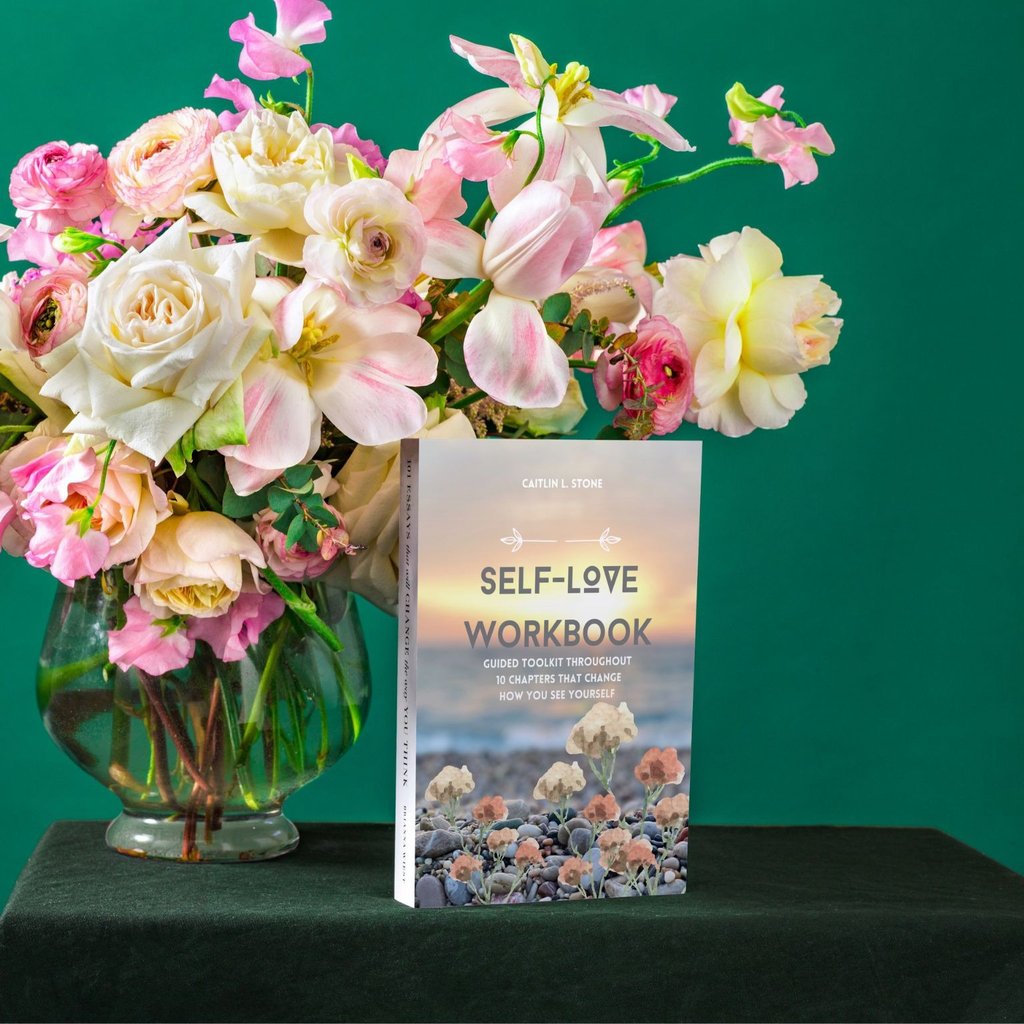
❤️ Self-Love Workbook
When you want to go deeper
If emotional burnout has made you realize that you have been putting your own needs last, deeper self-reflection can help you understand the patterns behind it. Our Self-Love Workbook offers guided exercises to help you explore your needs, strengthen self-compassion, and build a more supportive relationship with yourself, one honest reflection at a time.
Pause and Ask What You Actually Need
When you have been functioning on empty for a long time, you may become so accustomed to pushing through that you no longer know what would genuinely help. Reflection can create a little space between what you automatically do and what you actually need.
You might journal about these questions:
Where in my life do I feel the most emotionally drained?
When was the last time I truly rested without feeling guilty?
What needs have I been putting aside?
What would feeling supported look like for me right now?
What is one small thing I could do today that would make life feel a little gentler?
You do not need to answer all five questions, and you do not need to find a solution immediately. Sometimes the first step in burnout recovery is simply becoming honest about what is no longer working.
📓 365 Psychological Journal Prompts
Keep exploring what is beneath the exhaustion
Sometimes one honest question opens the door to another. If you want to continue exploring the patterns behind your exhaustion, our 365 Psychological Journal Prompts for Self-Discovery and Self-Love gives you a full year of questions designed to encourage deeper self-awareness, emotional reflection, and a more honest understanding of yourself.


5. Create Boundaries Around Your Emotional Energy
If other people's needs are a major source of your exhaustion, recovery may require changing how available you are.
You might stop answering non-urgent messages immediately, limit conversations when you are already depleted, say no to another commitment, or tell someone honestly that you do not have the emotional capacity to help today.
A boundary does not have to be dramatic to be meaningful.
Sometimes it sounds as simple as: “I can't take this on right now.”
Or: “I need some time before I can talk about this.”
Setting boundaries can be especially important when you are emotionally burnt out because continuing to say yes can keep draining the little capacity you have left. If you are unsure where to begin, our guide on How to Set Boundaries for Yourself explores how personal boundaries can help you protect your time, energy, attention, and emotional well-being.
6. Choose Recovery Practices You Can Actually Sustain
Burnout recovery does not need another complicated routine. Choose a few practices that genuinely make your life feel more manageable. That might mean journaling for ten minutes, taking a quiet walk, spending less time on your phone before bed, eating regularly, sitting somewhere peaceful, talking to someone you trust, or deliberately leaving one part of your day unscheduled.
The best practice is often not the most impressive one. It is the one you can continue when your energy is low.
You can explore more practical ways of caring for your emotional well-being in our guide to Emotional Self-Care.
7. Accept That Recovery May Be Gradual
You may not wake up one morning and suddenly feel like yourself again. Recovery can look much quieter than that. One day you may notice that a decision feels easier. Another day you realize you enjoyed something for the first time in weeks. You may start recognizing when you need rest before you reach complete exhaustion.
These small changes matter. If you expect recovery to happen quickly, you may interpret normal fluctuations as failure. Instead, look for gradual changes in your capacity, emotional awareness, motivation, and ability to respond to your own needs.
🍃 Soul Sisters Notes
“I used to think recovery meant getting back to the person I was before I became exhausted. Eventually I realized I didn't need to become that person again. I needed to learn what my limits were, what I actually needed, and how to stop abandoning myself whenever life became demanding.” - Caitlin
⚡ Supporting Yourself During the Day When You Feel Burnt Out
Sometimes burnout recovery has to happen alongside real life. You may still have work to finish, people to respond to, meals to prepare, or responsibilities you cannot simply put on hold. On those days, the goal is not to force yourself back to full energy. It is to reduce unnecessary pressure and make the next few hours more manageable.
Take a Real Pause, Even If It Is Brief
When you are emotionally exhausted, your first instinct may be to push through because stopping feels impossible. But even a short interruption can give you a moment to step out of constant task mode.
Put your phone down. Look away from your screen. Take a few slow breaths. Get some water. Step outside if you can. The point is not to “fix” burnout in five minutes. It is to create a small gap between one demand and the next.
Reduce Your Immediate Mental Load
When your mind is already overloaded, unnecessary decisions can feel surprisingly exhausting.
For the rest of the day, ask: What genuinely needs my attention today, and what can wait?
Choose one or two priorities rather than trying to mentally hold your entire to-do list at once. If something is not urgent, give yourself permission to move it to another day. You are not failing because you cannot operate at your maximum capacity while depleted.
Use Your Body to Interrupt the Stress Cycle
When you have been sitting at a desk or moving from one responsibility to another for hours, reconnecting with your physical body can help you notice what you actually need.
Try standing up and stretching your shoulders, walking around the room, taking a few slower breaths, drinking water, or stepping outside for a few minutes.
These are not cures for burnout. They are small ways to interrupt the pattern of remaining mentally switched on all day.
Create Micro-Moments of Quiet
You do not always need a full afternoon off to create a little breathing room. You might drink your coffee without checking messages, sit in your car for two quiet minutes before going inside, eat lunch away from your computer, or spend five minutes looking out a window instead of immediately reaching for your phone.
These small moments matter because burnout often leaves very little space between one stimulus and the next.
Protect Yourself During a Difficult Workday
If burnout is affecting you at work, try reducing unnecessary stimulation wherever possible. You might silence non-essential notifications, close tabs you are not using, work on one task at a time, postpone non-urgent conversations, or take your lunch break away from your desk.
If you need something particularly practical while you are still at work, our guide to Quick Workday Stress Relief Rituals offers simple practices you can use without needing to leave your workspace.
Choose One Small Act of Self-Love
When you are burnt out, self-care can sound like another long list of things you should be doing. Instead, choose one small action that makes today slightly kinder.
Maybe you make yourself a proper meal instead of skipping lunch. Maybe you go to bed earlier rather than finishing one more task. Maybe you decline an invitation because you genuinely need quiet. Maybe you spend ten minutes doing something that makes you feel like yourself again.
These small choices can become part of a larger pattern of caring for yourself. Our guide to Daily Self-Love Habits That Slowly Transform Your Inner World explores how small, repeatable practices can gradually change the way you relate to yourself.
Give Yourself Permission to Have a Lower-Capacity Day
Not every day needs to be a high-performance day. If you are emotionally depleted, your capacity may simply be lower. You may need more time to complete ordinary tasks, less social interaction, or a quieter evening than usual.
Instead of asking, “How can I make myself function normally today?”, try asking: “What would make today easier to get through?”
That small shift can prevent you from turning exhaustion into another reason to criticize yourself.
🍃 Soul Sisters Notes
“Some of my hardest days were the ones when I kept expecting myself to function exactly as I would on a good day. I thought I needed more discipline, when what I really needed was to stop fighting my limits. Sometimes caring for yourself means accepting that today has to look different.” - Caitlin
🪞 The Fool's Journey Self-Awareness Course
When burnout makes you question more than your energy
Sometimes burnout becomes a turning point. Once the constant pressure begins to quiet down, you may start asking bigger questions: What do I actually want? Who am I outside the roles I have been carrying? What kind of life feels like mine? The Fool's Journey is our 22-week self-awareness course created to explore those deeper questions through guided reflection, personal growth, and a gradual journey toward greater self-understanding.


🌼 Reconnecting With Yourself After Burnout
Healing from emotional burnout is not about becoming the person you were before you became exhausted. Sometimes recovery changes your relationship with yourself in ways you did not expect. You begin noticing your limits earlier, recognizing what drains you, resting without automatically feeling guilty, and becoming more honest about what you need.
The first signs of recovery can be surprisingly small. You may feel a little more present during the day. Something that normally brings you joy may feel enjoyable again. You may notice that you have more patience, find it easier to make a decision, or realize that you actually need rest before you reach the point of complete exhaustion.
These moments do not mean that everything is suddenly fixed. They are signs that you are beginning to reconnect with yourself.
🍃 Soul Sisters Notes
“Healing from burnout didn’t happen overnight for me. It was small things at first. Saying no when I used to say yes. Resting without explaining myself. Letting myself do less without feeling guilty. And slowly, I started to feel like myself again. Not the old version of me, but a softer, more honest version.” - Caitlin
If this topic feels heavy, pause here for a moment. Take a breath. You do not have to solve everything today. Emotional burnout is not something you need to hide or push through simply because other people cannot see how exhausted you feel.
And if you are still struggling, especially if exhaustion is persistent, severe, or making everyday life difficult, reaching out for appropriate professional support is a meaningful form of self-care too. You do not have to understand everything on your own before you are allowed to ask for help.
Your self-love journey does not begin when you finally have everything figured out. Sometimes it begins with something much simpler: stopping long enough to hear yourself again.
If you feel ready to explore deeper emotional healing and self-connection, you can discover supportive tools, reflective practices, and guidance through Sisters Creation and choose what genuinely resonates with where you are right now.
With love,
Caitlin & Gerly,
Soul Sisters Tarot
❓ FAQ: Emotional Burnout and Burnout Recovery
What is emotional burnout?
Emotional burnout is a state of prolonged emotional and mental exhaustion that develops when ongoing stress, emotional demands, or responsibilities continue without enough opportunity for recovery. It can affect your energy, concentration, motivation, emotional responses, and sense of connection to yourself. Unlike ordinary tiredness, emotional burnout may continue even after sleeping or taking a short break, particularly when the circumstances contributing to the exhaustion have not changed.
What does emotional burnout feel like?
Emotional burnout can feel like being completely drained while still having to function. You may experience persistent exhaustion, mental fog, irritability, emotional numbness, low motivation, difficulty making decisions, or a strong desire to withdraw from other people. Some people also feel disconnected from activities they normally enjoy or become frustrated because they cannot seem to recover their usual energy.
Can you have emotional burnout even if you are still functioning normally?
Yes. Emotional burnout does not always look like being unable to get out of bed or stop working. You can continue meeting deadlines, caring for your family, answering messages, and fulfilling responsibilities while feeling emotionally depleted inside. This is one reason burnout can go unnoticed, because being capable and productive does not necessarily mean you have enough emotional capacity left to sustain that pace.
What are the early signs of emotional burnout?
Early signs of emotional burnout can include feeling tired more often than usual, becoming easily irritated, struggling to concentrate, losing motivation, needing more time alone, and feeling overwhelmed by ordinary responsibilities. You may also notice that activities you normally enjoy feel less rewarding or that your inner dialogue has become more critical. Recognizing these changes early can give you an opportunity to reduce pressure and address the sources of stress before exhaustion becomes more severe.
What causes emotional burnout?
Emotional burnout usually develops through a combination of prolonged stress and insufficient recovery rather than one single event. Common contributing factors include ongoing work pressure, caregiving responsibilities, people-pleasing, emotional overgiving, perfectionism, relationship difficulties, financial stress, lack of boundaries, and repeatedly ignoring your own needs. The specific causes vary from person to person, but burnout becomes more likely when emotional demands consistently exceed your capacity to recover.
What is the difference between emotional burnout and ordinary stress?
Stress is usually a response to a specific demand or situation, while emotional burnout tends to develop after stress continues for a prolonged period without adequate recovery. Stress may leave you worried, tense, or overwhelmed, but you can often recover when the stressful situation passes. Burnout can leave you feeling emotionally depleted, detached, unmotivated, or unable to return to your usual level of energy even after the immediate pressure decreases.
Is emotional burnout the same as depression?
Emotional burnout and depression can share symptoms such as exhaustion, low motivation, difficulty concentrating, withdrawal, and reduced enjoyment, but they are not necessarily the same experience. Burnout is generally connected to prolonged stress or excessive demands, while depression can affect many areas of life regardless of whether a particular source of stress is present. Because the symptoms can overlap and burnout can coexist with depression or other mental health concerns, persistent or worsening symptoms are worth discussing with a qualified healthcare professional rather than trying to diagnose yourself from a symptom list.
Can emotional burnout go away with rest alone?
Rest can be an important part of recovering from emotional burnout, but rest alone may not be enough if the circumstances or patterns contributing to the exhaustion remain unchanged. Sleeping more will not necessarily solve an unsustainable workload, constant emotional responsibility, poor boundaries, or a habit of putting everyone else's needs before your own. Recovery often involves both creating opportunities to rest and understanding what needs to change so that you are not continually returning to the same level of depletion.
How do you recover from emotional burnout?
Recovering from emotional burnout usually begins by reducing unnecessary pressure, creating genuine opportunities for recovery, identifying what is draining you, and reconnecting with your own needs. Depending on the situation, recovery may involve changing unrealistic expectations, setting boundaries, reducing commitments, asking for support, creating sustainable self-care practices, and allowing yourself to function at a lower capacity while you recover. There is no single timeline or routine that works for everyone, and gradual progress is often more sustainable than trying to change everything at once.
How long does emotional burnout recovery take?
There is no universal timeline for emotional burnout recovery because it depends on how long the exhaustion has been present, what is causing it, how much those circumstances can change, and what support is available. Some people notice improvements relatively quickly after reducing a major source of stress, while deeper recovery can take considerably longer. Instead of measuring recovery by a fixed number of days or weeks, it can be more useful to notice gradual changes in your energy, emotional awareness, motivation, concentration, and ability to respond to your own needs.
How do you know if you are recovering from emotional burnout?
Signs of emotional burnout recovery can be subtle at first. You may notice that you feel slightly more present, have more patience, enjoy something again, make decisions more easily, recognize your needs sooner, or have enough energy for something beyond basic responsibilities. Recovery does not necessarily mean feeling positive every day, but gradually having more emotional and mental capacity to engage with yourself and your life can be an encouraging sign that things are beginning to shift.
When should you seek professional help for emotional burnout?
Consider seeking professional support if your exhaustion is persistent, severe, worsening, interfering significantly with work or daily life, or accompanied by symptoms that concern you. A qualified healthcare or mental health professional can help you explore whether burnout, depression, anxiety, a physical health issue, or another factor may be contributing to how you feel. You do not need to wait until you are completely overwhelmed before asking for help.
Can emotional burnout come back after you recover?
Yes, emotional burnout can return if the patterns or circumstances that contributed to it remain unchanged. Returning to an unsustainable workload, ignoring your limits, constantly overgiving, or treating rest as something you must earn can gradually recreate the same conditions. Prevention is less about creating a perfect self-care routine and more about noticing changes in your capacity, respecting your boundaries, and responding to signs of exhaustion before they become overwhelming.
What should I do if I feel emotionally burnt out right now?
Start by reducing the pressure to solve everything immediately and focus on what would make the next few hours or days more manageable. Identify one unnecessary demand you can postpone, give yourself permission to do less, eat and rest if you have been neglecting basic needs, and consider telling someone you trust that you are struggling. If the exhaustion is persistent or significantly affecting your ability to function, professional support can help you understand what is happening and determine what kind of care you need.
🃏 🪫 If Emotional Burnout Were a Tarot Card, Which Card Would It Be?
If emotional burnout were a tarot card, it would most closely resemble the Ten of Wands. The Ten of Wands is traditionally associated with responsibility, burdens, pressure, exhaustion, and carrying more than one person can reasonably sustain. These themes closely reflect the experience of emotional burnout, when ongoing demands and responsibilities gradually consume the energy needed to care for yourself.
Emotional burnout rarely comes from one difficult day. More often, it develops when you keep carrying responsibilities, expectations, emotional pressure, and other people's needs without enough time to recover. You may still be functioning, meeting obligations, and doing everything that needs to be done, while internally feeling completely depleted.
This is where the imagery of the Ten of Wands becomes especially powerful. The figure is carrying a heavy load, but the card does not tell us that every individual responsibility is necessarily wrong. The problem is the weight of carrying all of it at once. Sometimes burnout develops not because you are incapable of handling your life, but because you have been handling too much for too long.
👉 Read: If Emotional Burnout Were a Tarot Card, It Would Be Ten of Wands (coming soon)
🃏 🪫 Could Emotional Burnout Represent More Than One Tarot Card?
While the Ten of Wands is the tarot card most strongly associated with emotional burnout, several other cards can reflect different aspects of becoming emotionally and mentally depleted:
Four of Swords for the need for rest, recovery, withdrawal, and mental recuperation after prolonged strain.
Five of Pentacles for feeling depleted, unsupported, isolated, or as though you no longer have the resources to keep going.
Nine of Wands for exhaustion after prolonged effort, continuing despite being worn down, and feeling like you are running on your last reserves.
Four of Cups for emotional exhaustion that can leave you disconnected, unmotivated, or unable to feel excited about things that once mattered.
The Hermit for withdrawing from external demands and recognizing the need for solitude, reflection, and restoration.
Each card reflects a different dimension of burnout, but the Ten of Wands remains the strongest symbolic match because it captures the central experience so clearly: carrying too much, for too long, until the weight begins to affect your ability to keep moving.
Burnout is not always a sign that you need to become stronger. Sometimes it is a sign that you have been carrying more than you were meant to carry alone.
Soul Sisters Tarot
A Soft Place to Grow.
💌 SOUL SISTERS WEEKLY
A thoughtful Sunday letter with tarot reflections, moon wisdom, self-love, and gentle encouragement.
© 2026. All rights reserved.
Inspirational Coaching OÜ
sisters@soulsisterstarot.com