💌 JOIN SOUL SISTERS WEEKLY → GET FREE WELCOME GIFTS 🎁
Receive a thoughtful Sunday letter, free Self-Love & Shadow Work guides, and monthly Full Moon rituals ✨



Emotional Self-Care: When You Feel Fine but Aren't
Still getting everything done, but feeling drained, numb, or overwhelmed inside? Emotional self-care helps you listen to your emotions before they become impossible to ignore.
SELF-LOVE, HEALING & INNER WORK
Soul Sisters Tarot
3/20/202618 min read


Emotional Self-Care: How to Care for Your Inner World
This guide is part of our Self-Love Journey, where we explore emotional healing, self-compassion, and gentle practices that help you build a deeper and more supportive relationship with yourself.
Emotional self-care is the practice of noticing, understanding, expressing, and supporting your emotions instead of constantly suppressing, avoiding, or judging them. It can include emotional check-ins, healthy boundaries, journaling, rest, honest conversations, and learning how to respond to difficult feelings without immediately trying to push them away.
That matters because you can take care of your physical needs and still feel emotionally exhausted.
You may be getting through your responsibilities, answering messages, caring for other people, and doing everything that needs to be done while privately feeling overwhelmed, disconnected, irritable, numb, or simply tired of carrying everything inside.
Emotional self-care gives those experiences somewhere to go. It does not mean being positive all the time or trying to control every difficult emotion. It means learning to recognize what you are feeling, understand what may be underneath it, and choose a response that supports you rather than adding more criticism or pressure.
If you are learning how to practice self-love, emotional self-care can become an important part of that process because the way you respond to your emotions directly affects the way you relate to yourself.
What does emotional self-care actually look like?
It might mean admitting that you are overwhelmed instead of pretending you are fine. It might mean taking space after a draining conversation, writing down what you cannot yet say aloud, setting a boundary before resentment builds, or giving yourself permission to rest when your emotional capacity is already low.
Emotional self-care is not about fixing every feeling. It is about creating a healthier relationship with what you feel.
Many of us were taught how to cope with difficult emotions without ever being taught how to understand them. We learned to keep going, stay useful, avoid conflict, or make other people comfortable. Those strategies can help us function, but they do not always help us feel connected to ourselves.
As part of our Self-Love & Healing Pillar, this guide focuses specifically on that inner relationship: how to recognize your emotional needs, create space for difficult feelings, protect your emotional energy, and build practical habits that support your well-being.
💖 If difficult emotions often turn into self-criticism, pressure, or the feeling that you should simply “handle it better,” you may also find it helpful to explore How to stop being so hard on yourself.
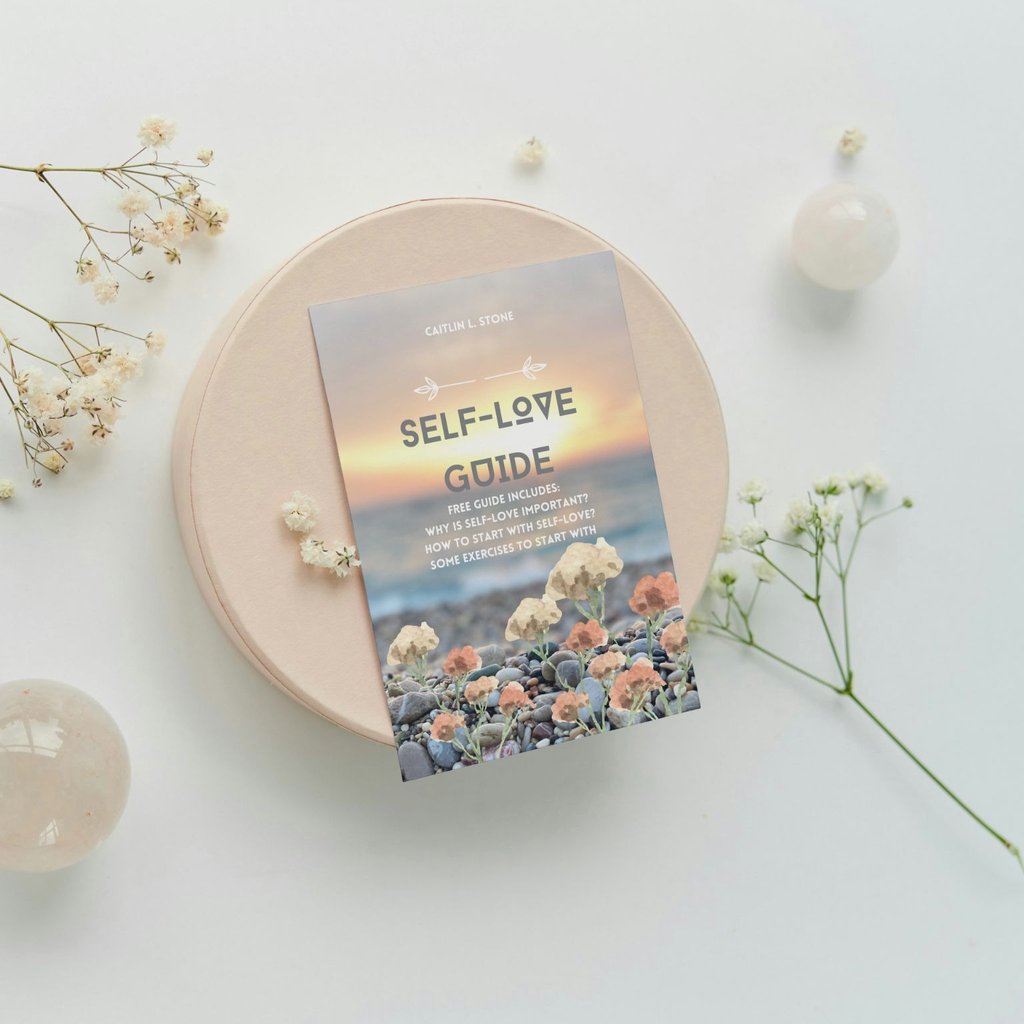
💖 Free Self-Love Guide
You know you need to be kinder to yourself, but where do you actually start?
Our Free Self-Love Guide gives you a gentle starting point for reconnecting with yourself, understanding your needs, and building a more compassionate relationship with yourself. If emotional self-care feels unfamiliar or you have spent years putting everyone else first, this guide can help you begin with small, intentional steps rather than trying to change everything at once.

🍃 Soul Sisters Notes
“I didn’t always understand what emotional self-care meant. I thought taking care of myself meant staying busy or distracting myself from how I felt. But the truth is, the more I avoided my emotions, the heavier they became. Emotional self-care started when I stopped running from my feelings and began sitting with them, even when it felt uncomfortable.” – Caitlin
🌿 Why Your Emotional Needs Are Easy to Miss
Emotional needs are often harder to recognize than physical ones. If you are hungry, tired, or in pain, your body usually gives you a fairly direct signal. Emotional needs can be much quieter. You may simply become irritable, withdrawn, unusually sensitive, mentally exhausted, or desperate to be left alone without immediately realizing what is happening underneath.
Sometimes the problem is not that you do not have emotional needs. It is that you have become very good at functioning without listening to them.
You might answer “I’m fine” automatically because you do not want to explain how you really feel. You might keep helping everyone else because being needed feels easier than admitting that you need support yourself. You might stay busy because slowing down would give uncomfortable feelings more room to surface.
These patterns can make emotional self-care difficult because you cannot respond to a need you have not noticed.
What happens when you keep overriding your feelings?
Ignoring an emotional need once is not necessarily a problem. Life sometimes requires you to finish the meeting, care for your child, get through work, or deal with an immediate situation before you have time to process how you feel.
The problem comes when postponing your emotions becomes your normal way of living.
You may start to notice:
Becoming unusually irritated by small things
Feeling emotionally drained after ordinary interactions
Losing interest in things you normally enjoy
Wanting to withdraw without understanding why
Feeling resentful because you are always available to others
Finding it difficult to explain what you actually need
Reaching the end of the day with no emotional energy left for yourself
These signs do not automatically mean you have a particular mental health condition. They can simply be reminders to pause and ask what has been happening internally.
If emotional exhaustion has become a regular part of your life, our guide on Emotional Burnout: Signs You Are Mentally and Emotionally Exhausted explores the difference between ordinary tiredness and deeper emotional depletion.
Learn to recognize the need underneath the feeling
One of the most useful emotional self-care skills is learning to look beneath an emotion rather than judging it.
For example:
“I’m angry.”
Maybe you actually feel ignored, disrespected, or exhausted from repeatedly having your boundaries crossed.
“I’m overwhelmed.”
Maybe you have taken on too many responsibilities and need support rather than another productivity strategy.
“I’m lonely.”
Maybe what you need is not more social media or background noise, but genuine connection with someone you trust.
“I’m irritated with everyone.”
Maybe you have had no uninterrupted time for yourself and your emotional capacity is depleted.
The feeling is not always the complete answer. Sometimes it is the clue that points toward the need underneath it.
This is where emotional self-care becomes more practical. Instead of asking only, “How can I stop feeling this way?”, try asking: “What is this feeling telling me about what I need?”
That question can lead you toward a very different response. If you are learning to recognize needs you have spent years ignoring, our guide on Self-Abandonment: Why We Ignore Our Own Needs explores this pattern more deeply.
🍃 Soul Sisters Notes
"Sometimes emotional self-care begins before you change anything. It begins with noticing. The moment you stop saying “I’m fine” automatically and become curious about what is actually happening inside you, you have already started listening to yourself." - Caitlin
🍁 4 Seasons Self-Love Bucket List Bundle
Your emotional needs change with you, so your self-care does not have to look the same all year.
The 4 Seasons Self-Love Bucket List Bundle brings together guided self-love activities for spring, summer, autumn, and winter, giving you meaningful ways to make space for yourself throughout the year. Instead of waiting until you feel depleted to start caring for yourself, you can use each season as a gentle reminder to pause, reconnect, and choose experiences that bring more care, joy, reflection, and intention into your life.


🌸 Emotional Self-Care Practices You Can Start Today
Emotional self-care becomes much easier when you practice it before you reach your breaking point. The goal is not to wait until you are overwhelmed and then figure out what went wrong. These small practices help you stay connected to your emotional world during ordinary days, when there is enough space to notice what is happening.
1. Give Your Feelings More Specific Names
“I feel bad” does not tell you very much. Try getting more specific. Are you disappointed? Lonely? Resentful? Embarrassed? Restless? Overstimulated? Unappreciated? Relieved?
The more precisely you can name an emotion, the easier it becomes to understand what might be behind it. For example, “I am angry” might become “I feel overlooked because I keep doing things for everyone else and nobody asks what I need.”
That second statement gives you something you can actually respond to.
2. Have an Emotional Check-In Before You Need One
You do not have to wait for a crisis to ask yourself how you are doing.
Choose one predictable moment, such as while drinking your morning coffee, during your lunch break, or before going to bed, and ask:
What am I feeling?
What has affected me today?
What do I need more of?
What do I need less of?
Is there something I am pretending does not bother me?
You do not need to solve anything during the check-in. The purpose is to notice yourself before your emotions have to become louder to get your attention.
This can work especially well alongside the practices in the Daily Self-Love Habits article, which focuses on creating consistent moments of care and self-connection.
3. Pay Attention to What Your Body Is Telling You
Emotions are not experienced only as thoughts. You may notice tension in your shoulders, a tight stomach, a racing heart, clenched teeth, restlessness, heaviness, or an urge to withdraw.
When you notice a physical change, pause before immediately dismissing it. Ask: “What was happening just before I started feeling this in my body?”
You may begin to recognize patterns. Perhaps your shoulders tense whenever someone asks too much of you. Perhaps your stomach tightens before a particular conversation. Perhaps exhaustion appears after you have spent hours being emotionally available to other people.
Learning to listen to your body can become an important part of emotional awareness. If you want to explore this more deeply, our guide on Listen to Your Body can help you develop that connection.
4. Stop Treating Every Emotion Like a Problem
An emotion does not always require immediate action. You can feel jealous without acting on it. You can feel angry without starting an argument. You can feel sad without needing to cheer yourself up. You can feel anxious without assuming that something terrible is about to happen.
Try separating feeling from action. First, acknowledge what is there. Then decide whether the emotion is pointing toward something that needs attention.
This small distinction can prevent emotional self-care from becoming another attempt to control everything you feel.
5. Create a Place for Emotions to Go
If your only option is to “keep it together,” emotions eventually have nowhere to go. Create a regular outlet that feels safe and realistic for you. You might write freely for ten minutes, talk with someone you trust, draw, walk without your phone, pray, meditate, or simply sit somewhere quiet and let your thoughts settle.
The important part is consistency. You are giving yourself somewhere to process what your everyday life does not always give you time to process.
6. Notice the Difference Between a Feeling and a Need
This is one of the most useful emotional self-care skills you can develop. A feeling tells you what is happening emotionally. A need can help you understand what might support you next.
For example:
“I feel resentful.”
Perhaps you need a boundary.
“I feel lonely.”
Perhaps you need genuine connection.
“I feel exhausted.”
Perhaps you need rest rather than another obligation.
“I feel anxious about tomorrow.”
Perhaps you need clarity, preparation, or reassurance.
The emotion does not automatically tell you exactly what to do, but it can point you toward a question worth asking: “What might I need right now?”
7. Practice Emotional Honesty With Safe People
Emotional self-care does not mean handling everything alone. Sometimes caring for your inner world means telling someone the truth before your feelings become resentment or withdrawal.
Instead of saying: “It’s fine.” when it is not, you might say: “I don't really have the capacity for this today.”
Or: “I need some time before I can talk about this properly.”
Or: “I actually need support right now rather than advice.”
You do not have to explain every emotion perfectly. Learning to communicate what you need is itself a form of emotional care.
🍃 Soul Sisters Notes
"Emotional self-care is not about becoming perfectly in tune with yourself. Some days you will miss the signs, ignore a need, or realize what you were feeling only afterward. The practice is learning to notice sooner and respond with a little more honesty when you do." - Caitlin
🌺 Emotional Self-Care Ideas for Difficult Days
Some days, your usual emotional self-care practices simply are not enough. When you are overwhelmed, emotionally drained, or struggling to think clearly, the priority is not deeper self-analysis. It is creating enough space to get through the moment without making things harder for yourself.
When Everything Feels Like Too Much
When your mind is juggling ten problems at once, do not try to solve all ten. Choose the most immediate thing that actually needs your attention and let the rest wait.
You might:
Cancel a non-essential commitment
Put your phone on silent
Eat something if you have not eaten
Take a short break from other people's demands
Focus only on what needs to happen today
Then ask yourself: “What can wait until tomorrow?”
Emotional self-care sometimes means reducing the number of things you are asking yourself to carry.
When You Feel Numb or Disconnected
You do not have to force yourself to feel something. If you feel emotionally numb, start with ordinary physical experiences instead. Take a shower. Open a window. Sit outside. Make tea. Change your clothes. Put on music. Walk around the room.
The purpose is simply to reconnect with the present moment.
You can then ask: “What is one thing I know for certain about how I feel right now?” Even “I feel disconnected” is an answer.
When You Are Angry
Anger can contain useful information, but acting while you are highly activated can make an already difficult situation worse.
Give yourself some distance before responding. Write down what happened. Identify what crossed a line. Decide whether the situation actually requires a conversation, a boundary, an apology, or simply some time.
You can take your anger seriously without allowing it to make the decision for you.
If you notice that your anger keeps pointing toward the same wounds, patterns, or situations, our guide on Shadow Work and Anger can help you explore what may be underneath the emotion.
🌷 Free Shadow Work Starter Kit
Sometimes the emotion is not the whole story. Sometimes it is pointing toward something underneath.
Our Free Shadow Work Starter Kit offers gentle journal prompts and practical exercises for beginning to explore the patterns, reactions, and emotions that may be difficult to understand. It is designed as a starting point, not something you need to rush through, so you can approach deeper self-reflection with curiosity and compassion.


When You Feel Deeply Sad
You do not have to turn sadness into productivity. Give yourself permission to have a quieter day. Make something nourishing. Watch something comforting. Cry if you need to. Talk to someone you trust. Go somewhere peaceful.
Most importantly, try not to criticize yourself for still feeling sad.
Instead of asking: “Why am I still like this?” try asking: “What would make today feel a little gentler?” That question moves you from self-judgment toward care.
When Your Mind Will Not Stop Replaying Everything
Sometimes emotional distress becomes a mental loop. You replay a conversation, analyze something you said, imagine what someone else might be thinking, or keep trying to solve something that cannot be solved tonight.
Take the thoughts out of your head and put them on paper.
Write everything down without organizing it. Then separate it into two questions:
What can I actually do something about?
What do I need to leave alone for now?
You may not be able to stop every thought, but you can stop treating every thought as an emergency.
If self-doubt is part of the loop, you may also find Why Do I Doubt Myself So Much? helpful.
When Other People Have Taken Everything Out of You
Sometimes the kindest thing you can do for your emotional world is temporarily reduce your availability.
You do not have to answer every message immediately. You can postpone a conversation. You can spend an evening alone. You can tell someone you do not have the emotional capacity to discuss something right now.
If you constantly find yourself giving more emotional energy than you have available, How to Set Boundaries for Yourself offers a deeper look at creating healthier limits.
When You Have No Idea What You Need
This is surprisingly common. When someone asks, “What do you need?” and you genuinely have no answer, make the question smaller.
Ask yourself:
Do I need people or privacy?
Do I need rest or movement?
Do I need comfort or practical help?
Do I need to talk or simply be heard?
Does this need to be solved today?
You do not have to understand everything before you take care of yourself. Sometimes the most honest answer is: “I don't know what I need yet, but I know I need to slow down.” That is enough to begin.
🍃 Soul Sisters Notes
“I used to think I had to understand my feelings before I was allowed to care for myself. Now I think it can happen the other way around. Sometimes you give yourself a little safety first, and the understanding comes later.” – Caitlin
🌙 How to Make Emotional Self-Care Part of Your Life
Emotional self-care becomes meaningful when it moves beyond something you do only after a difficult day. The goal is to create a way of relating to yourself that gives your emotions regular attention, while still leaving room for days when you simply do not have the energy to do much.
You do not need an elaborate routine. You might have a five-minute emotional check-in in the morning, write a few honest sentences before bed, take a quiet walk after a stressful day, or give yourself permission to step away from a conversation when you know you are too emotionally activated to respond well.
The important part is returning to yourself regularly.
What if emotional self-care feels difficult?
Sometimes the hardest part is not knowing what to do. It is realizing that you have spent so long ignoring your emotional needs that you no longer know what they are.
You might notice:
You cannot immediately identify what you are feeling.
You feel guilty when you prioritize yourself.
You automatically say “I'm fine” when you are not.
You keep functioning even when you are emotionally exhausted.
You only notice your needs after you have reached your limit.
You do not have to change all of these patterns at once. Start by noticing one of them.
If you realize you feel disconnected from yourself, our guide on How to Reconnect With Yourself When You Feel Lost offers a deeper starting point.
And if emotional exhaustion has become so persistent that you feel mentally and emotionally depleted most of the time, our guide on Emotional Burnout can help you recognize the difference between an ordinary difficult period and a pattern that deserves more attention.
Use reflection to understand what your emotions are teaching you
Once you have created some space, reflection can help you recognize patterns that are difficult to see while you are moving through everyday life.
You might ask yourself:
What emotion has appeared most often this week?
What situations seem to affect me more than others?
What do I tend to do when I feel uncomfortable?
What do I need that I have been reluctant to ask for?
Where in my life do I feel emotionally supported?
Where do I regularly leave myself out of the equation?
You do not need to find a profound answer every time. Sometimes the most valuable realization is simply noticing a pattern you had previously dismissed.
If journaling helps you think more clearly, our 365 Psychological Journal Prompts can give you a structured way to explore your emotional world throughout the year.
Build a practice you can actually maintain
A sustainable emotional self-care practice should fit into your real life, including the messy, busy, exhausting parts.
Instead of promising yourself that you will journal for thirty minutes every evening, start with five minutes twice a week.
Instead of deciding that you will meditate every morning, begin with three quiet breaths before opening your phone.
Instead of trying to become completely emotionally available to yourself overnight, choose one moment each day when you stop and ask: “What is happening inside me right now?”
Small practices are easier to return to, and returning is what turns an intention into a habit.
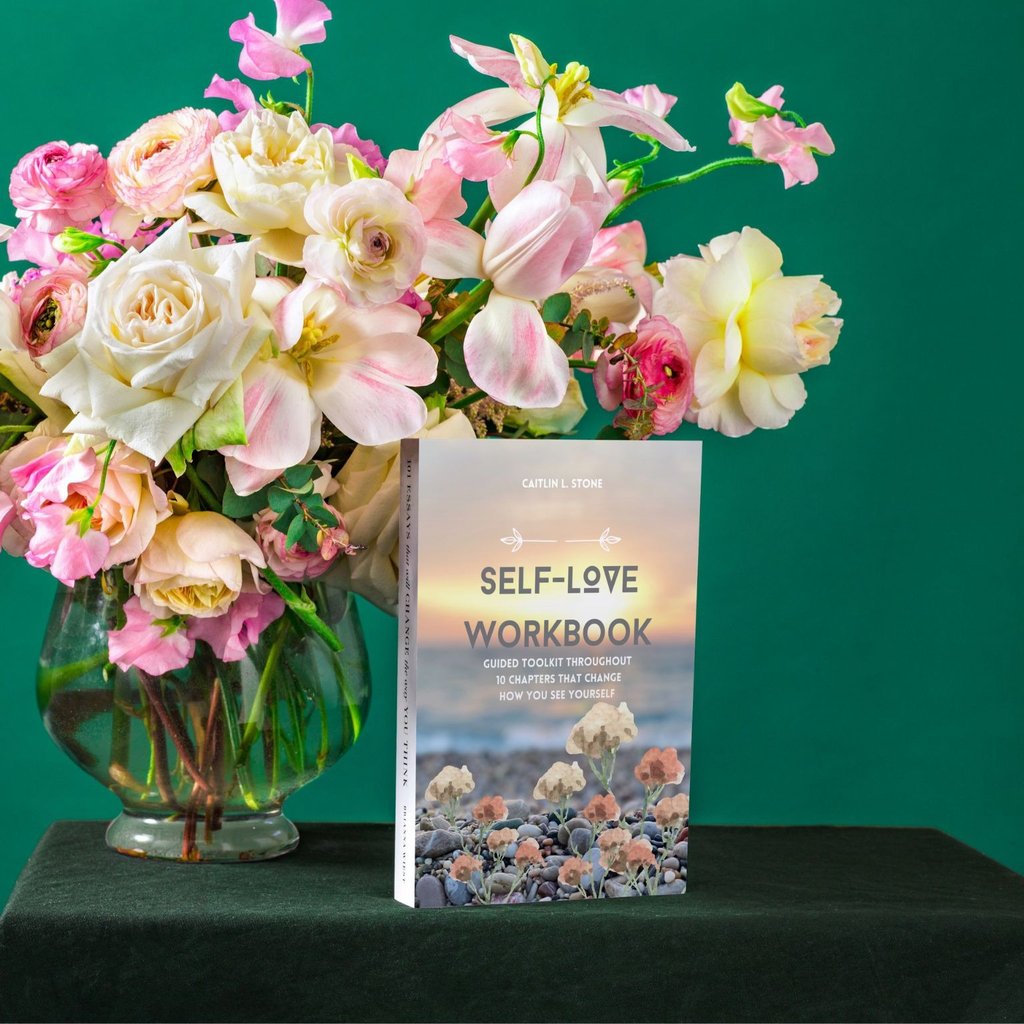
❤️ Self-Love Workbook
Knowing what you need is one thing. Making space for yourself consistently is another.
Our Self-Love Workbook offers guided exercises and reflection practices to help you explore self-worth, emotional patterns, self-compassion, and your relationship with yourself. It gives you something more structured to return to when you want to move beyond simply knowing that you should practice self-love and start understanding yourself more deeply.
Know when emotional self-care is not enough
Emotional self-care can be supportive, but it should not become a reason to handle everything alone. If emotions are persistently interfering with your ability to function, relationships, sleep, work, or everyday life, reaching out to a qualified mental health professional can be an important form of self-care too.
You do not have to wait until things become unbearable before asking for support. Seeking help does not mean you have failed at caring for yourself. Sometimes caring for yourself means recognizing that you deserve more support than a journal, ritual, or quiet evening can provide.
🌺 A Gentle Reminder for Your Emotional Self-Care Journey
You do not need to become someone who is calm all the time, understands every emotion immediately, or always knows exactly what you need. Emotional self-care is much more ordinary than that.
It can be noticing that you are exhausted before saying yes to another request. It can be admitting that something hurt you instead of pretending it did not. It can be taking an evening to yourself without explaining why. It can be asking for help when carrying everything alone has stopped working.
🍃 Soul Sisters Notes
“Emotional self-care changed the way I see myself. I stopped expecting myself to always be okay, always be strong, always have it together. Instead, I started asking myself what I needed, even in the smallest moments. And over time, that changed everything. I became someone I could rely on.” – Caitlin
You are allowed to care about what happens inside you. You are allowed to slow down before you reach your limit. And you are allowed to build a relationship with yourself where your emotions are not something you have to hide, fix, or apologize for.
If you would like to continue exploring self-love, emotional healing, and inner work, you can visit Sisters Creation, where we share guided resources and tools created to support that journey.
With love,
Caitlin & Gerly,
Soul Sisters Tarot
❓ FAQ: Emotional Self-Care
What is the best way to start practicing emotional self-care?
The best way to start emotional self-care is to build a simple habit of noticing your emotional state before trying to change it. Ask yourself what you are feeling, what may have contributed to it, and what you need right now. A five-minute daily check-in, honest journaling, or a quiet pause can be enough to begin. The goal is not to control difficult emotions, but to become more aware of them and respond to yourself with greater care.
How do I know what I need emotionally?
You can begin identifying your emotional needs by looking at the feeling and the situation around it. Loneliness may point toward a need for connection, resentment may signal an ignored boundary, exhaustion may indicate a need for rest, and anxiety may point toward uncertainty or a lack of support. Your emotion does not automatically tell you what to do, but it can give you a useful starting point for asking, “What would support me right now?”
What are signs that I am neglecting my emotional needs?
Common signs of emotional self-neglect include constantly putting other people's needs first, dismissing your own feelings, saying you are fine when you are not, feeling guilty for resting, struggling to identify what you need, and continuing to push yourself despite emotional exhaustion. These patterns can become so familiar that they feel normal. Recognizing them is an important first step toward changing how you care for yourself.
What is the difference between emotional self-care and other types of self-care?
Emotional self-care focuses specifically on understanding, processing, and supporting your emotional experience. Physical self-care may involve sleep, nourishment, and movement, while mental self-care can include rest from information overload, healthy thinking patterns, and activities that support cognitive well-being. These areas overlap, which is why looking at self-care as a whole can be useful. Our guide to Self-Care Categories: 7 Dimensions explores the different dimensions of self-care and how they work together.
Can emotional self-care help with stress and anxiety?
Emotional self-care can support your ability to cope with stress by helping you recognize emotional strain earlier, identify what is contributing to it, and respond before everything builds up. Practices such as emotional check-ins, journaling, healthy boundaries, and taking intentional breaks can support emotional regulation. They are supportive tools rather than a replacement for professional mental health care when anxiety or stress becomes persistent or significantly interferes with daily life.
What should I do when emotional self-care makes me feel worse instead of better?
If emotional self-care brings up feelings that feel too intense to manage, stop pushing deeper and return to something grounding and manageable. You might step outside, focus on your surroundings, talk to someone you trust, or simply take a break from reflection. Self-care should not become an obligation to process everything immediately. If difficult emotions are persistent, overwhelming, or affecting your ability to function, professional support may be more appropriate than trying to work through everything alone.
How can I practice emotional self-care when I have no time?
Emotional self-care does not require a long routine. You can use small moments that already exist in your day, such as checking in with yourself before opening your phone, taking three quiet breaths before entering your next task, writing down one feeling during lunch, or asking yourself what you need before saying yes to another request. Consistency matters more than the amount of time you spend.
Can emotional self-care improve my relationship with myself?
Yes. Regular emotional self-care can strengthen your relationship with yourself because it teaches you to notice your feelings, take your needs seriously, and respond with support rather than automatic criticism. Over time, these repeated experiences can strengthen self-awareness and self-trust. Emotional self-care becomes less about making yourself feel good immediately and more about becoming someone who listens to and supports yourself.
Is emotional self-care the same as avoiding negative emotions?
No. Emotional self-care is almost the opposite of emotional avoidance. Avoidance attempts to escape uncomfortable feelings, while emotional self-care creates enough safety and space to acknowledge them without immediately reacting. You can care for yourself without forcing yourself to stay with an emotion indefinitely. Healthy emotional care includes knowing when to pause, when to process, and when to seek additional support.
How often should I practice emotional self-care?
There is no universal schedule for emotional self-care. A brief daily check-in can help you stay aware of your emotional state, while deeper reflection or restorative practices may work better weekly. What matters most is creating regular opportunities to notice what is happening inside you rather than waiting until emotional exhaustion forces you to pay attention.
When should I seek professional help instead of relying only on emotional self-care?
Consider seeking professional mental health support when difficult emotions are persistent, overwhelming, or significantly affecting your sleep, relationships, work, daily functioning, or sense of safety. Emotional self-care can complement professional support, but it should not replace appropriate care for ongoing or severe mental health difficulties. Asking for help is also a form of caring for yourself.
Can emotional self-care help prevent emotional burnout?
Emotional self-care may help you recognize emotional strain earlier by encouraging regular attention to your needs, boundaries, stress levels, and capacity. It cannot guarantee that burnout will never happen, particularly when external circumstances remain overwhelming, but it can help you notice when you are consistently giving more than you have the capacity to sustain. Early awareness gives you more opportunity to rest, change expectations, create boundaries, or seek support.
Soul Sisters Tarot
A Soft Place to Grow.
💌 SOUL SISTERS WEEKLY
A thoughtful Sunday letter with tarot reflections, moon wisdom, self-love, and gentle encouragement.
© 2026. All rights reserved.
Inspirational Coaching OÜ
sisters@soulsisterstarot.com