💌 JOIN SOUL SISTERS WEEKLY → GET FREE WELCOME GIFTS 🎁
Receive a thoughtful Sunday letter, free Self-Love & Shadow Work guides, and monthly Full Moon rituals ✨



How to Take Care of Your Mental Health When Life Feels Like Too Much
Running on empty but still trying to hold everything together? Learn how to take care of your mental health with 10 small habits designed for real, imperfect days.
SELF-LOVE, HEALING & INNER WORK
Soul Sisters Tarot
4/16/202523 min read


How to Take Care of Your Mental Health: The Foundation of Everyday Well-Being
This guide is part of our Self-Love Journey, where we explore emotional healing, self-compassion, and gentle practices that help you build a deeper and more supportive relationship with yourself.
Learning how to take care of your mental health does not have to mean completely changing your life. Simple mental health habits such as getting outside, moving your body, protecting your attention, staying connected with people you trust, making time to reflect, and responding to yourself with more compassion can become practical forms of daily support.
If you are looking for simple mental health tips that you can actually use in everyday life, this guide focuses on small actions rather than complicated routines. You do not need a perfect morning routine, hours of meditation, expensive wellness programs, or a completely stress-free life to start caring for your mental well-being.
What matters is finding practices that fit your actual life and understanding why they may help. A ten-minute walk can give you a break from prolonged sitting and create a change of environment. Stepping away from constant notifications can give your attention a chance to recover. Writing down what is bothering you can help you identify a thought or emotion that has been circling in your mind all day. Reaching out to someone you trust can remind you that you do not have to process everything alone.
These are not instant fixes, and they are not substitutes for professional mental health care when you need it. They are small, repeatable ways to support your mental health before self-care becomes another source of pressure.
Below are 10 simple daily mental health tips that focus on realistic habits you can adapt to your own circumstances, along with practical ways to make them easier to maintain.
If you are interested in the connection between everyday well-being and deeper emotional growth, this brief guide to self-love and healing through inner growth explores how reflection, compassion, and self-awareness can support a longer-term process of inner growth.
🌷 How to Take Care of Your Mental Health: Why It Matters Every Day
Taking care of your mental health is not only something to think about when you feel overwhelmed. Your mental well-being influences how you respond to stress, process emotions, make decisions, relate to other people, and recover when life becomes difficult. That is why learning how to take care of your mental health is most useful when it becomes part of ordinary life, rather than something you only turn to when you are already exhausted.
Your mental and physical well-being are also closely connected. Ongoing stress can affect sleep, concentration, energy, mood, and your ability to regulate emotions. When you are constantly running on empty, even small problems can begin to feel much bigger than they normally would.
What Happens When You Neglect Your Mental Health?
Neglecting your mental health does not necessarily mean that you will experience a mental health condition. Sometimes the signs are much more ordinary at first. You might notice that you are more irritable than usual, constantly distracted, withdrawing from people, struggling to sleep, or finding it difficult to enjoy things that normally make you feel good.
These changes matter because they can affect several areas of everyday life:
Sleep: Stress and emotional strain can make it harder to fall asleep, stay asleep, or feel rested.
Focus: Mental overload can make ordinary tasks feel surprisingly difficult.
Relationships: When you are emotionally depleted, patience and communication can become harder.
Energy: Constant stress can leave you feeling mentally and physically drained.
Emotional resilience: When you have no time to recover, everyday setbacks can become harder to handle.
This is why simple mental health habits can be valuable even when nothing feels seriously wrong. They give you regular opportunities to pause, recover, notice what you need, and respond before stress becomes your normal baseline.
Can small habits really make a difference to your mental health?
Yes, but the goal is not to find one perfect habit that suddenly makes everything better. Small practices can support mental well-being when they are repeated consistently and fit realistically into your life. A ten-minute walk, a few minutes away from your phone, writing down what is bothering you, or reaching out to someone you trust may seem insignificant on its own. Over time, however, these actions can create more opportunities for recovery, reflection, connection, and emotional regulation.
🍃 Soul Sisters Notes
"Taking care of your mental health does not have to become another item on a never-ending self-improvement checklist. If your version of self-care leaves you feeling guilty because you missed a meditation, skipped a journal entry, or did not complete your morning routine, it may be time to make the practice simpler." - Caitlin
The question is not, “What would the healthiest version of me do?”
Try asking: “What would support me today?”
Sometimes the answer is movement. Sometimes it is rest. Sometimes it is putting your phone down, saying no, writing honestly in your journal, or talking to someone you trust. That shift matters because mental health care works best when it responds to your actual needs, rather than becoming another standard you feel you are failing to meet.
And this is exactly where simple mental health tips become useful. You do not need to adopt all of them. The next section focuses on ten practical habits you can choose from and adapt to your own life.
✨ 10 Simple Mental Health Tips You Can Actually Use Every Day
The best daily mental health habits are not necessarily the most complicated ones. They are the practices you can realistically repeat, especially on ordinary days when you are busy, tired, distracted, or simply not in the mood for another wellness routine.
These simple mental health tips are designed to give you different ways to support your well-being. You do not need to do all ten every day. Think of them as a menu: choose what matches what you need today.
1. 🌞 Get 10 Minutes of Fresh Air or Morning Light
Stepping outside in the morning gives you more than a change of scenery. Exposure to natural light helps regulate your circadian rhythm, the internal timing system that influences your sleep and wake cycle. Getting outside also creates a natural break from indoor environments and gives you an opportunity to move, breathe, and reset your attention.
You do not need perfect sunshine for this to count. Take your coffee onto the balcony, walk around the block, sit outside for a few minutes, or simply spend some time near an open window if going outdoors is not practical.
If you are trying to build a daily mental health routine, attaching this habit to something you already do can make it easier. For example, step outside immediately after brushing your teeth or take your first phone-free few minutes of the morning outdoors.
The important part is not hitting an exact ten-minute target. It is creating a small transition between waking up and launching straight into everything that demands your attention.
2. 🧘♀️ Try 5-Minute Breathing Exercises
When you are stressed, your breathing can become faster or shallower without you consciously noticing. Deliberately slowing your breathing can give your body a simple signal to pause and can be a useful way to interrupt a cycle of escalating tension.
Try this for five minutes:
Sit somewhere comfortable.
Relax your shoulders and unclench your jaw.
Breathe in slowly.
Breathe out slowly, making the exhale slightly longer if that feels comfortable.
Keep bringing your attention back to your breathing whenever your mind wanders.
You do not need to force yourself to empty your mind. The practice is simply noticing when your attention has wandered and gently returning it.
If counting helps, you can experiment with a simple pattern such as breathing in for four counts and out for four. If counting makes you more tense, forget the numbers and focus on making your breathing slower and more comfortable.
Breathing exercises are not a cure for anxiety or chronic stress, but they can be a practical regulation tool you can use almost anywhere.
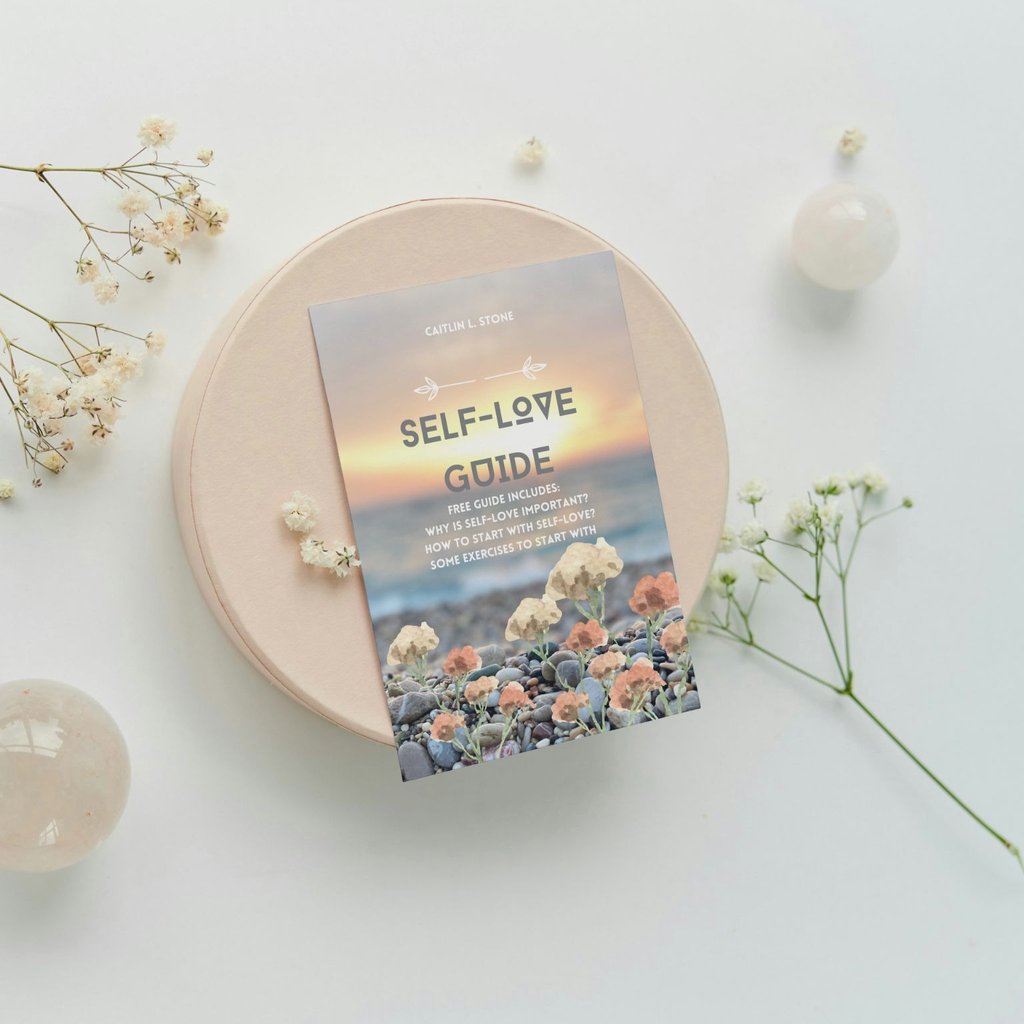
💖 Free Self-Love Guide
You know you want to take better care of yourself, but sometimes you just need someone to show you where to begin.
Our Free Self-Love Guide offers a gentle starting point for building a more supportive relationship with yourself. Instead of asking you to completely transform your life, it helps you explore self-love through practical reflection, self-awareness, and simple steps you can actually bring into everyday life. If you are not sure what your next step should be, this is a place to begin without adding another overwhelming routine to your list.
3. 📵 Take a 1-Hour Social Media Break
Sometimes the most useful addition to your mental health routine is something you stop doing. Constant scrolling can expose you to comparison, upsetting information, arguments, advertising, and an endless stream of other people's carefully selected moments. If you already feel mentally overloaded, adding more information may not be the reset your brain needs.
Try creating one predictable period each day when social media is unavailable. It could be the first hour after waking, the last hour before bed, or simply your lunch break.
Turn off non-essential notifications if they repeatedly pull your attention back toward your phone. You can also move social apps away from your home screen or log out after using them, creating a small amount of friction between the impulse to check and actually opening the app.
If comparison is particularly difficult for you, our guide on why we compare ourselves to others explores what may be happening underneath that habit.
The goal is not to declare social media “bad.” It is to notice whether the way you use it leaves you feeling connected and informed, or distracted, inadequate, anxious, or emotionally exhausted.
4. 🧂 Eat Something That Actually Nourishes You
Mental health is not separate from physical care. Food provides the energy and nutrients your body needs to function, and regular, balanced meals are part of supporting overall well-being. You do not need to turn this into a complicated “mood-boosting” diet. Instead, when you notice that you have gone hours without eating, choose something satisfying and nourishing.
A snack might be a banana with nut butter, yogurt with fruit, a handful of walnuts, whole-grain toast, or another combination that works for you.
There is also something important about pleasure here. Eating should not become another area where you constantly judge yourself for making the “wrong” choice. A nourishing approach to mental health includes learning to care for your body without turning food into another source of stress.
If you regularly feel physically depleted, irritable, or unfocused because you are skipping meals, addressing that basic need may be much more useful than adding another complicated wellness practice to your day.
5. 🚶♂️ Move Your Body for 10–15 Minutes
You do not need a gym membership or a one-hour workout for movement to become part of your mental health routine.
Take a short walk. Stretch while listening to music. Dance around your kitchen. Walk while making a phone call. Do a few gentle exercises between tasks.
Physical activity is associated with better mental health and can help reduce stress while supporting mood and sleep. The amount you can realistically maintain matters more than creating an impressive routine that you abandon after a week.
Try asking yourself: “What kind of movement would feel good for my body today?”
On one day, that might be a brisk walk. On another, it might be ten minutes of stretching because you have been sitting at your desk all afternoon.
Movement does not have to be punishment for what you ate or compensation for being inactive. It can simply be a way of giving your body a change of pace and your mind a break.
6. ✍️ Journal, Even If You Only Write One Sentence
Journaling can give thoughts and emotions somewhere to go instead of leaving them circling around in your head.
You do not need to write three pages every morning. One honest sentence can be enough to begin noticing what is happening internally.
Try finishing one of these:
“What I am actually feeling today is…”
“The thought I keep returning to is…”
“Something I need more of right now is…”
“Something I am ready to stop carrying is…”
“One thing that went better than expected today was…”
The value is not in producing beautiful writing. It is in creating a moment where you can observe your thoughts instead of automatically reacting to them.
If you want more structured prompts, our 365 Psychological Journal Prompts for Self-Discovery and Self-Love can help you explore different areas of self-awareness throughout the year.
And if you want to take journaling into deeper inner work, you can also start with our Free Shadow Work Journal Prompts Starter Kit or read Why Shadow Work Journal Prompts Are Helpful for Healing?.
📓 365 Psychological Journal Prompts
Sometimes the hardest part of journaling is not finding the time. It is knowing what you actually want to ask yourself.
If you want to use journaling as a more intentional tool for self-discovery, our 365 Psychological Journal Prompts for Self-Discovery and Self-Love gives you a prompt for every day of the year. The prompts are designed to help you explore your thoughts, emotions, patterns, self-worth, relationships, and relationship with yourself, so journaling becomes more than simply writing down what happened that day. You can start with one prompt whenever you need a little more clarity and let the reflection unfold at your own pace.


7. 📞 Contact Someone You Trust
Mental health care does not have to happen entirely inside your own head. Send someone a message. Call a friend. Sit down with your partner. Ask a family member how they are doing. Tell someone you trust that you have had a difficult day instead of automatically pretending everything is fine.
You do not always need advice or a solution. Sometimes being heard and feeling connected to another person is what you actually need.
And connection does not have to mean having a deep conversation every time. Send someone a funny photo. Share a song. Take a walk together. Have coffee. Sit beside someone while you both do your own thing.
If human connection feels difficult when you are struggling, start smaller. You do not have to explain everything. A simple “I’m having a rough day and could use some company” can be enough.
8. 🎧 Listen to Music Intentionally
Music can influence mood, attention, and emotional experience, which makes it a surprisingly accessible mental health tool. The keyword is intentionally.
Instead of leaving background noise playing while you rush through your day, choose music for the state you want to create. Put on something calming when you need to slow down. Choose something energetic when you need motivation to move. Listen to a song that helps you process an emotion rather than immediately distracting yourself from it.
You can also create different playlists for different needs: calming down, getting focused, moving your body, or simply feeling more like yourself.
And if music is not what your nervous system wants, try another form of intentional sound. Rain, ocean waves, birdsong, or a quiet fireplace may give you the sensory break you are looking for.
9. 🛑 Say “No” to One Thing
One of the most overlooked daily mental health tips is learning that you are allowed to have limits. You do not have to accept every invitation, answer every message immediately, attend every meeting, solve every person's problem, or explain every decision you make.
Choose one small boundary today. Maybe you decline an unnecessary commitment. Maybe you tell someone you cannot talk right now. Maybe you stop checking work messages after a certain hour. Maybe you give yourself permission to take your lunch break without doing something productive at the same time.
A boundary is not about controlling another person's behavior. It is about communicating what you can and cannot participate in.
If boundaries are something you are still learning to establish, our Self-Love Workbook includes space for deeper self-reflection, while How to Set Boundaries for Yourself explores the subject more fully.
You do not need to become someone who says no to everything. You simply need to become more honest about what your time, attention, and emotional capacity can realistically hold.
10. 🌿 Speak to Yourself With More Kindness
Pay attention to the way you talk to yourself when something goes wrong. Would you speak to a close friend the way you speak to yourself after making a mistake?
Self-compassion does not mean pretending everything is fine or avoiding responsibility. It means responding to your own difficulties with the same basic kindness and understanding you would be willing to offer another person who was struggling.
Try replacing automatic self-criticism with something more realistic:
“I’m doing my best with what I have today.”
“It’s okay that I need to rest.”
“I made a mistake, but that does not make me a failure.”
“Today does not have to be perfect.”
One kind sentence will not magically erase years of harsh self-talk. The practice is learning to notice the pattern in the first place.
If you often feel as though you are never doing enough or never quite good enough, our article on Why Do I Never Feel Good Enough? explores that pattern more deeply.
You can also explore this through a more intentional Self-Love Ritual or our Valentine’s Day Self-Love Ritual, both of which approach self-love as an active practice rather than simply a positive feeling.
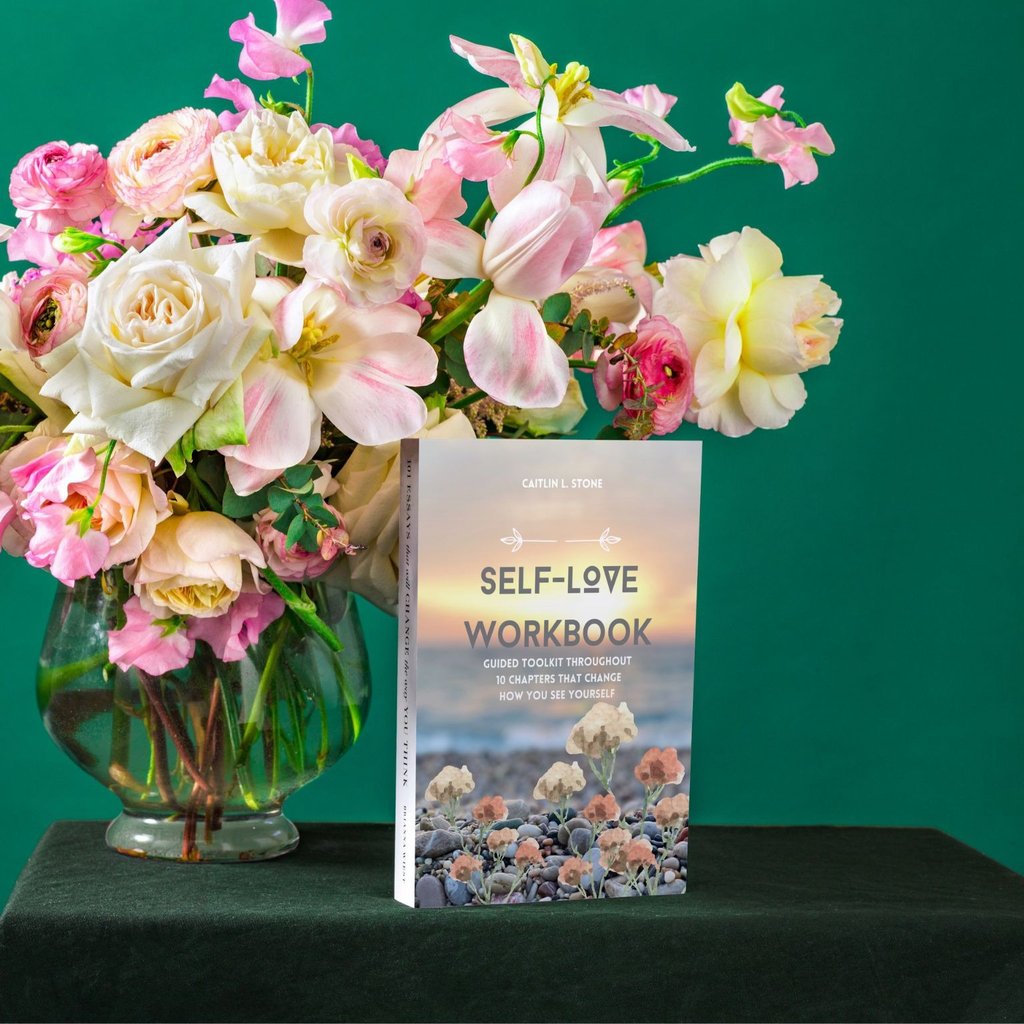
❤️ Self-Love Workbook
You can know all the right self-care habits and still realize that the hardest person to care for is yourself.
Our Self-Love Workbook is designed for the deeper work behind everyday self-care. It gives you space to explore self-worth, self-compassion, emotional patterns, boundaries, and the beliefs that can make it difficult to treat yourself with the same understanding you offer other people. If these mental health tips have made you realize that you want to understand yourself more deeply, the workbook gives you a more structured place to slow down, reflect, and begin that work.
🧠 When Simple Mental Health Tips Aren’t Enough
Simple mental health habits can support your well-being, but they are not meant to carry everything on their own. There is an important difference between caring for your mental health day to day and getting professional support when you are struggling with something that is persistent, severe, or interfering with your ability to function.
You might be able to improve your day by getting outside, moving your body, journaling, or taking a break from your phone. But if you have been feeling overwhelmed, hopeless, anxious, emotionally numb, or unable to cope for a prolonged period, adding another self-care habit is not necessarily the answer. Sometimes what you need is support from a qualified mental health professional.
Signs That You May Need More Support
Consider reaching out for professional help if you are experiencing things such as:
persistent sadness, hopelessness, or emotional numbness
anxiety or panic that is difficult to manage
significant or ongoing changes in your sleep or appetite
losing interest in activities or relationships you normally care about
difficulty functioning at work, school, or home
withdrawing from people because everything feels too overwhelming
relying on alcohol or other substances to cope
thoughts of harming yourself or feeling that you do not want to be here
You do not have to wait until things become a crisis before asking for help. Getting support early can be a form of taking care of your mental health, not evidence that you have somehow failed at self-care.
And if you are in immediate danger or think you might harm yourself, seek urgent help through your local emergency services or a crisis service in your country rather than trying to manage the situation with self-care tips alone.
🪷 Self-Care Can Still Be Part of the Picture
Seeking professional support does not mean that everyday self-care suddenly becomes meaningless. Your daily habits can still give you practical ways to support your well-being alongside the help you receive.
This is where consistency becomes more useful than intensity. A short walk, nourishing meal, regular sleep, time away from your phone, journaling, meaningful connection, or a few quiet minutes alone can all become small ways of caring for yourself.
If you are beginning to notice positive changes but are wondering whether you are actually healing, our guide to Signs of Emotional Healing: How to Know You’re Truly Moving Forward can help you recognize some of the less obvious changes that may happen as you develop greater emotional awareness and resilience.
For a more intentional approach, you can also explore Daily Self-Love Habits, where we look at the small practices that can help you build a kinder relationship with yourself through everyday actions.
And if you want to understand the bigger picture behind these practices, How to Practice Self-Love explores self-love as something you actively practice rather than something you are simply supposed to feel.
The goal is not to become completely independent of support. Taking care of your mental health also means learning when to pause, when to care for yourself, when to lean on people you trust, and when to let someone qualified help you carry what has become too heavy to manage alone.
🌿 How to Turn These Into Daily Mental Health Habits
Knowing what supports your mental health is one thing. Remembering to actually do it when you are busy, stressed, or tired is another.
You do not need to turn all ten ideas into a strict daily routine. In fact, trying to do everything at once can make self-care feel like another obligation. A more sustainable approach is to choose one or two practices that fit naturally into the life you already have and build from there.
Start With One Habit
Pick the habit that feels easiest to repeat, not the one that sounds most impressive. If you spend most of the day indoors, getting outside for a few minutes might be a good starting point. If your mind feels constantly cluttered, a one-sentence journal entry may be more useful. If you rarely stop working, creating a short phone-free period might make the biggest difference.
Give yourself permission to begin small. You are not trying to prove that you can completely transform your life. You are learning which forms of care actually help you feel more supported.
Attach the Habit to Something You Already Do
One of the easiest ways to make a new habit more automatic is to connect it to an existing routine.
For example:
Step outside after your morning coffee.
Take a few slow breaths after brushing your teeth.
Write one sentence in your journal before getting into bed.
Send a message to someone you love while having lunch.
Put your phone away when you begin your evening routine.
Take a short walk after finishing work.
This removes some of the mental effort involved in deciding when to do the habit. The existing routine becomes your reminder.
Make the Habit Small Enough to Survive Difficult Days
A useful mental health habit should still be possible when you are having a bad day. If your ideal routine requires an hour of meditation, a perfect diet, a workout, journaling, and a completely phone-free evening, it may disappear the moment life becomes stressful.
Instead, create a minimum version. Your normal walk might be 20 minutes, but on a difficult day your minimum could be five. Your usual journal entry might be a page, but your minimum could be one honest sentence. This is not lowering your standards. It is making the habit resilient enough to survive real life.
If you want to explore how small, intentional actions can become part of a broader self-love practice, our guide on How to Practice Self-Love goes deeper into turning self-love into something you actively do rather than simply something you hope to feel.
Let Your Routine Change With You
Your mental health needs will not be exactly the same every day, and they do not have to be. Some days you may need movement and stimulation. Other days you may need quiet, rest, connection, or time alone. A useful routine gives you options rather than demanding that you perform the same ritual regardless of how you actually feel.
You can even create a simple weekly check-in:
What has been draining me lately?
What has been helping?
What do I seem to need more of?
That kind of reflection can help you adjust your habits before they become another routine you follow without thinking.
And if you enjoy using seasonal changes as inspiration for self-care, our 4 Seasons Self-Love Bucket List Bundle can give you ideas that change throughout the year. You can also explore the Spring Self-Love Bucket List for a more focused seasonal approach.
🍁 4 Seasons Self-Love Bucket List Bundle
Self-care can become easier to return to when it has something to look forward to.
If your routines tend to disappear when life gets busy, our 4 Seasons Self-Love Bucket List Bundle gives you fresh ideas to reconnect with yourself throughout the year. Instead of trying to follow the same self-care routine every day, you can let each season inspire different ways to rest, reflect, have fun, spend meaningful time with yourself, and make space for what you need. It is a simple way to keep self-love from becoming another obligation and turn it into something you can keep coming back to.


🍃 A Soul Sisters Reminder
Consistency does not mean doing something perfectly every single day. You can miss a day and start again. You can change the habit because your circumstances changed. You can discover that something you thought would help does not actually work for you.
The purpose of a daily mental health habit is not to create another way to judge yourself. It is to make caring for yourself easier to remember. The best routine is not the one that looks perfect on paper. It is the one you can return to.
🤍 What Does Healthy Mental Health Self-Care Actually Include?
Self-care is sometimes reduced to candles, bubble baths, skincare, or taking a day off. Those things can certainly be enjoyable, but healthy self-care is much broader than relaxation.
The World Health Organization defines self-care as the actions people can take to promote and maintain their health, prevent illness, and cope with health challenges, with or without support from a health or care professional. Its examples include healthy eating, physical activity, getting enough sleep, and connecting with other people. Importantly, WHO also emphasizes that self-care complements rather than replaces professional health care.
That broader definition helps put everyday mental health habits into perspective. Taking care of your mental health is not only about doing something that feels relaxing for a few minutes. It can also mean protecting your sleep, moving your body, staying connected to people who matter to you, making space for recovery, paying attention to your emotional state, and getting additional support when you need it.
The American Psychological Association similarly highlights practices such as maintaining routines, exercising, meditation, self-awareness, and nurturing supportive relationships as ways psychologists approach everyday mental health and self-care.
So What Does Mental Health Self-Care Look Like in Real Life?
It can be surprisingly ordinary. It might mean going to bed instead of scrolling for another hour because you know you are exhausted. It might mean eating lunch instead of working through the afternoon. It might mean taking a walk after a difficult conversation, so you have time to decompress before responding. It might mean texting a friend when you realize you have been isolating yourself.
It can also mean recognizing when your usual coping strategies are no longer enough. That is an important part of self-care that often gets overlooked: taking care of yourself includes paying attention to what you actually need, not simply doing what looks like self-care from the outside.
There is no universal ten-step routine that makes someone mentally healthy. Your needs can change with your circumstances, your stress level, your relationships, your responsibilities, and the season of life you are in.
Healthy mental health self-care is not about doing more. It is about regularly supporting your ability to rest, function, cope, connect, and recover. And that is why the simplest practices can matter. You are not trying to create a perfect life. You are creating small opportunities to notice yourself and respond with care.
💫Taking Care of Your Mental Health Is a Practice, Not a Performance
You do not have to completely change your life to start taking better care of your mental health. Sometimes it begins with something very small: stepping outside for a few minutes, putting your phone down, eating something nourishing, writing down what is really bothering you, moving your body, or telling someone you trust that you are having a difficult day.
What matters is not whether you can do everything on this list. What matters is learning to notice what you need and giving yourself permission to respond to it.
Some days, caring for yourself will mean taking action. Other days, it may mean resting. Sometimes you will need quiet and space. Sometimes you will need connection. And sometimes the kindest thing you can do for yourself is recognize that you need more support than a few daily habits can provide.
That is not failure. Knowing when you need help is part of taking care of your mental health, too.
Self-care does not have to become another standard you feel pressured to meet. You can miss a day. You can change your routine. You can have a difficult week and still be moving forward. What matters is that you keep returning to yourself.
If you feel ready to explore your inner world more deeply, Sisters Creation offers personalized tarot guidance and spiritual counseling as a space for reflection, clarity, and personal growth.
And remember, you are allowed to start again.
You can take the walk tomorrow.
You can write the journal entry later.
You can send the message when you are ready.
You can ask for help when carrying everything alone has become too much.
Your mental health does not need a perfect routine. It needs your attention, your compassion, and your willingness to care for yourself one small choice at a time. Start there. Then tomorrow, you can choose again.
With love,
Caitlin & Gerly
Soul Sisters Tarot 💚
FAQ: How to Take Care of Your Mental Health
What are the best ways to take care of your mental health every day?
The most useful daily mental health habits are usually simple and sustainable: getting enough sleep, staying physically active, eating regularly and nutritiously, maintaining supportive relationships, taking breaks from ongoing stress, making time for enjoyable activities, and paying attention to how you are feeling. There is no single routine that works for everyone. NIMH recommends finding self-care practices that fit your needs and that you genuinely enjoy, while WHO recognizes healthy habits and lifestyle choices as important parts of self-care.
How can I take care of my mental health when I feel overwhelmed?
When you feel overwhelmed, start by reducing the number of things demanding your attention rather than trying to add a long self-care routine. Take a short break, step outside, slow your breathing, drink some water, eat if you have not eaten, write down what needs your attention, or contact someone you trust. The goal is to create enough space to identify what you need next. If feeling overwhelmed becomes persistent or makes it difficult to manage your usual responsibilities, consider talking with a qualified mental health professional.
Can small daily habits really improve mental health?
Small habits can support mental well-being, particularly when they are realistic enough to repeat. Regular sleep, physical activity, social connection, healthy routines, and structured psychological self-help can all play a role in supporting mental health. WHO currently recognizes evidence-based psychological self-help as one approach for managing psychological distress and symptoms, while emphasizing that self-care complements formal health care rather than replacing it.
How long does it take to feel better after starting healthy mental health habits?
There is no universal timeline. Some people may notice a short-term change in mood or stress after a particular activity, while broader changes in well-being and emotional resilience can take longer and depend on the person's circumstances. Mental health is also influenced by factors that daily habits cannot always change on their own. Rather than judging your progress by a specific number of days, look for meaningful changes in sleep, mood, energy, coping, connection, and your ability to manage everyday life.
What if I do not have time for a mental health routine?
Your mental health routine does not need to take an hour. Choose the smallest version of a practice that still feels useful. A few minutes outside, one journal sentence, a short stretch, a phone-free break, or sending a message to someone you trust can be a starting point. WHO's definition of self-care includes everyday health-promoting actions, so self-care does not have to mean creating an elaborate wellness schedule.
Is taking care of your mental health the same as self-care?
They overlap, but they are not exactly the same thing. Self-care is a broad term for actions that support health and well-being, including physical, emotional, and social habits. Mental health care focuses specifically on supporting psychological and emotional well-being. WHO defines self-care broadly and emphasizes that it can complement professional health services when additional care is needed.
Can journaling really help with mental health?
Journaling can be a useful self-reflection practice because it gives you a structured way to notice thoughts, emotions, worries, patterns, and experiences. It is not a universal treatment for mental health conditions, and writing more is not necessarily better. For some people, even a short and consistent reflection practice can make it easier to identify what they are feeling and what they may need.
What should I do if I keep trying self-care but still feel bad?
Do not interpret that as a personal failure. Self-care has limits, and persistent distress may require a different kind of support. If symptoms are severe, distressing, or continue for around two weeks or more, NIMH recommends considering professional help, particularly when symptoms affect sleep, concentration, appetite, enjoyment, daily functioning, or your ability to get out of bed and manage ordinary activities.
When should I talk to a mental health professional?
Consider seeking professional support when emotional or psychological symptoms persist, become difficult to manage, or interfere with your everyday life. Examples include ongoing sadness or hopelessness, significant anxiety, persistent sleep problems, difficulty concentrating, loss of interest in activities you normally enjoy, or difficulty completing your usual responsibilities. You do not need to wait until you reach a crisis before asking for help.
Can self-care replace therapy?
No. Self-care and professional mental health care serve different purposes. Everyday self-care can support well-being and may complement treatment, but it should not be presented as a substitute for professional assessment or treatment when someone is experiencing a mental health condition or significant distress. WHO explicitly describes self-care as complementary to the health system rather than a replacement for health and care professionals.
How do I know whether my mental health is actually improving?
Improvement does not always feel like suddenly becoming happy or stress-free. You might notice that you recover from difficult moments more quickly, recognize your emotions sooner, sleep more consistently, communicate your needs more clearly, enjoy things again, or stop reacting automatically to every stressful thought. Progress can be subtle. If you want to explore these changes more closely, our guide to Signs of Emotional Healing: How to Know You're Truly Moving Forward looks at some of the less obvious ways emotional healing can show up.
What is the most important mental health habit to start with?
Start with the habit that addresses your most immediate need and that you can realistically repeat. If you are exhausted, prioritize rest and sleep. If you are isolated, reach out to someone. If you have been sitting indoors and feeling mentally stuck, try going outside or moving your body. If your thoughts are constantly racing, try writing them down or using a brief breathing practice. There is no prize for choosing the most complicated routine. The most useful habit is one that fits your life well enough to become something you can return to.
Can I take care of my mental health without doing everything perfectly?
Absolutely. Mental health care is not a perfection project. Missing a walk, eating an unbalanced meal, spending too much time online, or having a difficult day does not erase the other ways you care for yourself. A sustainable approach is flexible enough to change when your circumstances change. The aim is not to perform self-care perfectly, but to build habits and sources of support that help you function, recover, connect, and cope over time.
Soul Sisters Tarot
A Soft Place to Grow.
💌 SOUL SISTERS WEEKLY
A thoughtful Sunday letter with tarot reflections, moon wisdom, self-love, and gentle encouragement.
© 2026. All rights reserved.
Inspirational Coaching OÜ
sisters@soulsisterstarot.com