🍂 READY TO UNDERSTAND YOURSELF ON A DEEPER LEVEL? → EXPLORE THE FOOL'S JOURNEY 💫
A 22-week self-awareness journey with your own personal spiritual guide. Get 20% off with code HUNTER20 ✨



What Is a Healing Crisis? Why Healing Feels Worse First
Are you healing… but feel worse than before? What is a healing crisis, and why do old emotions, memories, and patterns surface during deep inner work?
SELF-LOVE, HEALING & INNER WORK
Soul Sisters Tarot
3/7/202630 min read

What Is a Healing Crisis? 11 Signs Your Healing Is Working (Even When It Feels Worse)
This guide is part of our Self-Love Journey, where we explore emotional healing, self-compassion, and gentle practices that help you build a deeper and more supportive relationship with yourself.
A healing crisis is a period when emotional, mental, or spiritual healing work brings difficult feelings, memories, or patterns to the surface instead of immediate relief. This experience can happen during therapy, journaling, shadow work, meditation, major life changes, or periods of deep self-reflection. While it can feel like you are moving backward, many people experience this stage as part of processing emotions that were previously ignored or difficult to face.
You start doing the inner work. You begin journaling, practicing mindfulness, exploring your emotions, or looking honestly at old patterns. You expect healing to feel peaceful.
But sometimes something unexpected happens. You feel more emotional. More sensitive. More tired.
Old memories appear. Feelings you thought you had moved past return. You may question whether your healing journey is actually helping or whether something has gone wrong. This confusing experience is often described as a healing crisis or, in spiritual communities, a spiritual healing crisis.
💖 If healing has made you question yourself, your progress, or whether you are “doing it right,” understanding the roots of self-doubt can help you move through this stage with more compassion:
👉 Why Do I Doubt Myself So Much
In this guide, we will explore what a healing crisis is, the signs of a spiritual healing crisis, why healing can sometimes feel worse before it feels better, how to tell the difference between emotional processing and deeper struggles, and supportive ways to care for yourself during this time.
If you are interested in learning more about emotional growth, this brief guide to self-love and healing through inner growth discusses the ways in which reflection, compassion, and self-awareness help create long-term emotional healing.
Quick Summary
A healing crisis is a period when emotional, mental, or spiritual experiences may feel more intense during a time of personal growth or inner work. It can happen when practices such as therapy, journaling, meditation, shadow work, or deep self-reflection bring previously ignored emotions, memories, or patterns into awareness.
A healing crisis may include emotional sensitivity, resurfacing memories, fatigue, changes in perspective, or a stronger need for solitude and reflection. While these experiences can feel overwhelming, they may also provide an opportunity to understand yourself more deeply and process emotions that have been difficult to face.
A healing crisis does not mean every difficult feeling is automatically a sign of healing. If distress feels intense, persistent, or interferes with daily life, seeking support from a qualified mental health professional can be an important part of caring for yourself.
💖 Free Self-Love Guide
When healing feels confusing, the first step is often not doing more inner work. It is learning how to meet yourself with more compassion.
Our Free Self-Love Guide offers gentle exercises, reflection practices, and supportive tools to help you reconnect with yourself, strengthen self-worth, and create a kinder relationship with your own emotions. It is a beautiful starting point if you are moving through a season of personal growth and want simple practices to support your healing journey.


🧘 What Is a Healing Crisis and Why Does It Happen?
A healing crisis is a period when emotional, mental, or spiritual experiences become more intense as you begin processing thoughts, feelings, memories, or patterns that were previously difficult to acknowledge. It can happen during different forms of inner work, including therapy, journaling, meditation, mindfulness practices, shadow work, or major life transitions.
Many people imagine healing as a straight path where each step creates more peace and certainty. In reality, deeper healing often involves becoming more aware of experiences that were previously pushed aside.
For example, someone who begins practicing self-reflection may suddenly notice how often they ignore their own needs. Someone exploring past experiences may become aware of emotions they did not have space to process at the time. Someone learning to set boundaries may realize how much of their life has been shaped by fear of disappointing others.
This increased awareness can feel uncomfortable, but discomfort alone does not mean something is wrong. Sometimes it means you are noticing parts of yourself that previously remained hidden.
During this stage, even self-love can feel harder than usual because the process asks you to meet yourself honestly, including emotions and patterns you may have avoided.
Why can healing feel worse before it feels better?
Healing can sometimes feel more difficult because awareness often comes before change. Once you recognize a pattern, emotion, or past experience, you may no longer be able to ignore it in the same way.
A few common reasons this happens include:
Old emotions begin to surface
Many people learn to cope with difficult experiences by staying busy, disconnecting from emotions, or focusing on simply getting through the day. During healing, those emotions may become easier to notice.
This does not mean you are creating new pain. It may mean you are finally creating space to understand feelings that were already present.
Practices such as journaling, therapy, and shadow work to heal your inner self can bring these patterns into awareness so they can be explored with greater compassion.
Your understanding of yourself begins to change
Personal growth often challenges old beliefs about who you are and what you deserve.
You may begin questioning thoughts such as:
“I always have to be strong.”
“My needs are less important than everyone else’s.”
“I should be over this by now.”
“Keeping everyone happy is my responsibility.”
Changing these beliefs can feel unsettling because familiar patterns often feel safer than unknown ones, even when those patterns no longer support you.
You become more aware of your emotions
Sometimes emotions feel stronger during healing because your awareness has increased. A person who previously ignored their frustration may suddenly notice their anger. Someone who avoided sadness may begin allowing themselves to grieve. Someone who always pushed forward may finally recognize exhaustion.
This awareness can become the foundation for healthier choices because you cannot change a pattern you cannot see.
🍃 Soul Sisters Notes
"Healing is not always the moment when the pain disappears. Sometimes healing begins when you finally become willing to listen to what the pain has been trying to tell you." — Caitlin & Gerly
🙇♀️ Why Healing Sometimes Feels Worse Before It Gets Better
One of the most confusing parts of emotional healing is that growth does not always feel peaceful at the beginning. Many people start inner work expecting more calm, clarity, and confidence, only to discover that difficult emotions become more noticeable first.
This does not necessarily mean healing is failing. Sometimes it means you are becoming more aware of what needs attention.
When you spend years ignoring your own feelings, staying busy, or pushing through difficult experiences, those emotions do not simply disappear. They may remain beneath the surface until you have enough awareness, support, and safety to begin exploring them.
During this stage, it becomes especially important to practice self-compassion exercises instead of judging yourself for having difficult emotions.
💖 If healing makes you feel like you should be “further along,” causes you to criticize yourself, or leaves you wondering why progress feels so difficult, understanding your inner pressure can help you respond with more kindness:
👉 How to Stop Being So Hard on Yourself
Your emotions may become louder before they become easier to understand
Many people spend years learning how to function while carrying stress, disappointment, grief, fear, or unresolved experiences. This ability to keep going can be helpful, but it can also make it difficult to notice what is happening internally.
During healing, you may begin recognizing emotions that were previously hidden behind:
constant productivity
caring for everyone else
avoiding difficult conversations
distracting yourself from uncomfortable thoughts
convincing yourself that “everything is fine”
For example, someone who starts practicing boundaries may suddenly notice anger they have carried for years. Someone beginning therapy may recognize sadness they never had time to process. Someone exploring self-love may realize how often they have ignored their own needs.
Awareness can feel uncomfortable because it changes your relationship with yourself.
Your nervous system may be adjusting to new patterns
Healing often involves moving away from familiar survival patterns and creating new responses. Your nervous system is designed to protect you from perceived threats. When you begin changing old habits, your body may temporarily respond with stress, uncertainty, or emotional sensitivity because the familiar way of coping is changing.
For example:
A person who always says yes may feel anxiety when practicing saying no.
Someone who avoids conflict may feel uncomfortable expressing their needs.
Someone used to constant stress may find calm unfamiliar at first.
This does not mean your nervous system is working against you. It means your body is adapting to a different way of responding.
Your identity and beliefs may be changing
Deep healing often involves questioning ideas you have carried for a long time.
You may begin asking:
Why do I always put myself last?
Why do I feel responsible for everyone’s emotions?
What parts of myself have I been hiding?
Which beliefs about myself are actually true?
This process can feel unsettling because old identities often provide familiarity, even when they no longer support your growth.
A person who has always been “the strong one” may need to learn that receiving support is also a form of strength. Someone who has always prioritized others may need to discover that their own needs matter too.
Awareness often comes before transformation
One reason healing can feel difficult is that you cannot change what you have not yet recognized. The moment you notice a pattern can feel uncomfortable, but it is also where choice begins.
Instead of: “Why am I like this?” healing invites a different question: “What is this experience trying to show me?”
🍃 Soul Sisters Notes
"Sometimes the hardest part of healing is not the emotion itself. It is learning to stay present with yourself while the emotion moves through you." — Caitlin & Gerly
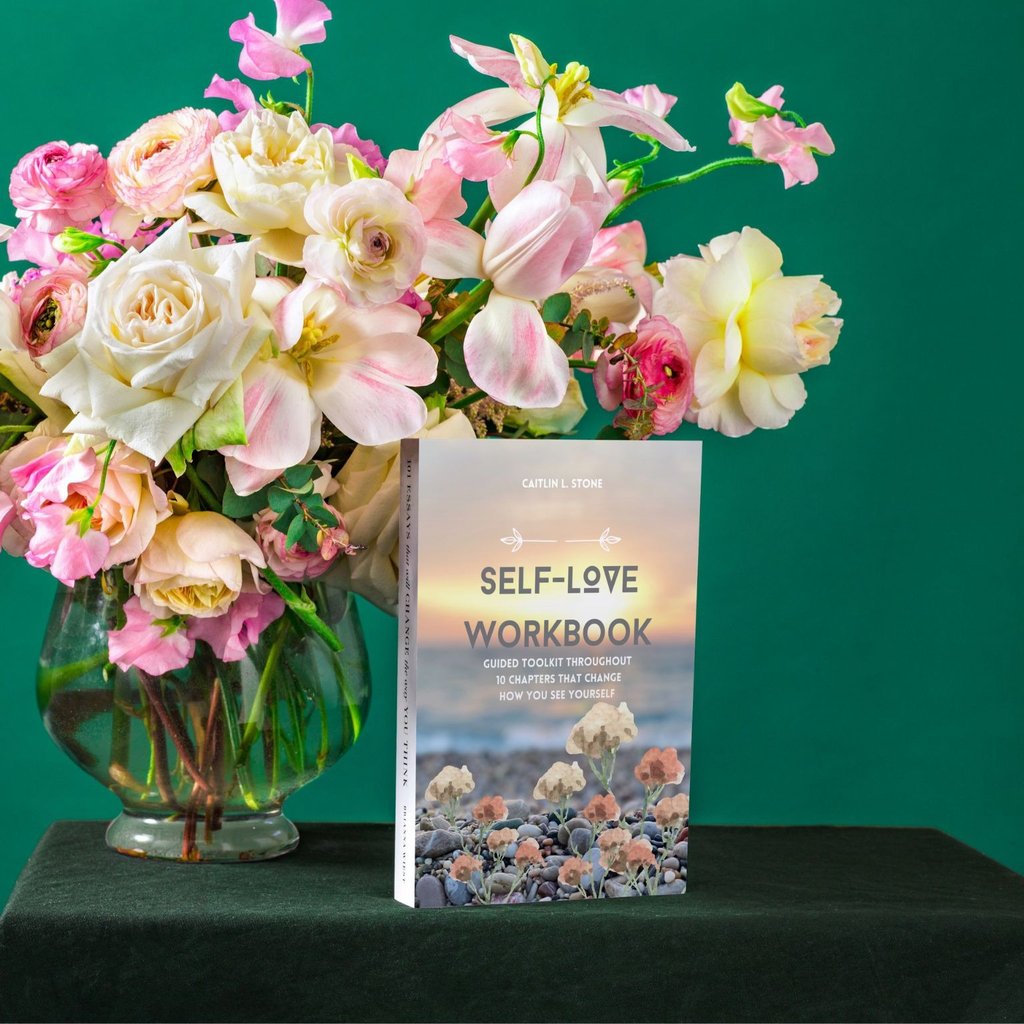
❤️ Self-Love Workbook
Understanding your patterns is powerful, but lasting change happens when you begin practicing a different relationship with yourself.
The Self-Love Workbook provides guided exercises and reflection prompts designed to help you build self-awareness, strengthen self-compassion, create healthier habits, and develop a more supportive inner dialogue. It is a helpful companion when healing brings old beliefs, emotions, and patterns into awareness.

🔍 You Might Be Experiencing a Healing Crisis If…
A healing crisis may feel like an increase in emotional intensity, self-awareness, or inner questioning during a period of personal growth. Common signs can include resurfacing memories, stronger emotions, increased sensitivity, a desire for solitude, changes in relationships, and a feeling that old patterns no longer fit your life.
Everyone experiences healing differently. For some people, a healing crisis feels emotional, while others notice changes in their thoughts, relationships, routines, or sense of identity. These experiences often appear during periods of deep reflection, therapy, journaling, meditation, shadow work, or major life transitions.
A difficult emotional period is not automatically a healing crisis. Stress, burnout, grief, anxiety, and mental health challenges can also create intense experiences. What often distinguishes a healing crisis is the connection to a period of inner change and the feeling that something within you is being brought into awareness.
You might notice signs such as:
Emotions feeling stronger or harder to ignore
Old memories, fears, or unresolved feelings returning
A stronger need for quiet time and reflection
Questioning beliefs, habits, or life choices that once felt normal
Feeling more sensitive to people, situations, or environments
Recognizing patterns you were previously unaware of
Experiencing moments of clarity alongside emotional difficulty
For example, someone who begins practicing self-reflection may suddenly notice how often they dismiss their own needs. Someone working on relationships may become aware of patterns of people-pleasing or avoiding conflict. Someone exploring deeper personal growth may realize that an old version of their life no longer feels aligned.
These moments can feel uncomfortable because awareness often arrives before change. However, recognizing what is happening can give you more compassion for yourself and help you choose how you want to move forward.
🍃 Soul Sisters Notes
"Awareness can feel uncomfortable because it shows us what we are ready to understand. But seeing yourself more clearly is often the first step toward caring for yourself more deeply." — Caitlin & Gerly
😶🌫️ 11 Signs of a Spiritual Healing Crisis and What They May Mean
A spiritual healing crisis can feel like a period of emotional intensity, inner questioning, and personal transformation. Common signs include stronger emotions, resurfacing memories, increased sensitivity, changing relationships, uncertainty about your identity, and moments of unexpected clarity. These experiences may appear when you are deeply reflecting on your life, beliefs, patterns, and emotional wounds.
Although these experiences are often described as part of spiritual growth, it is important to remember that difficult emotions can have many causes. A healing crisis is not a diagnosis, and feeling overwhelmed is not something you need to simply push through. If your emotions become difficult to manage or interfere with your daily life, professional support can be an important part of your healing journey.
With that in mind, many people describe the following experiences during periods of deep inner work.
1. Your emotions feel more intense than usual
One of the most common signs people associate with a healing crisis is a sudden increase in emotional awareness. You may notice yourself crying more easily, feeling stronger reactions to situations, or becoming more aware of emotions you previously ignored.
For example, a small disagreement may bring up sadness or frustration that feels much bigger than the situation itself. Often, the deeper emotion is connected to something older that has not yet been fully understood.
The goal is not to judge the emotion or force it away. Instead, try asking: “What might this feeling be showing me?”
2. Old memories or unresolved feelings resurface
During periods of deep reflection, memories from the past may come back into awareness. This does not necessarily mean you are stuck in the past. Sometimes, increased awareness allows you to see old experiences from a different perspective.
You might remember a relationship, childhood experience, or difficult moment and realize there are emotions connected to it that you never fully processed.
Practices such as journaling, therapy, or shadow work can help you explore these experiences with more compassion.
🌷 Free Shadow Work Starter Kit
The parts of yourself you avoid often hold the clues to the patterns you are ready to understand.
Our Free Shadow Work Starter Kit helps you begin exploring hidden emotions, recurring patterns, and unconscious beliefs with more awareness and compassion. It is designed as a gentle introduction to shadow work for anyone who wants to understand themselves more deeply without approaching inner work through judgment.


3. You feel emotionally exhausted
Healing requires energy. When you spend time reflecting on difficult experiences, changing patterns, or processing emotions, it can feel mentally and physically tiring.
You may notice that you need more rest, more quiet time, or more space away from constant stimulation. Emotional exhaustion does not mean you are failing at healing. Sometimes it is simply a reminder that your inner work needs to be balanced with rest and care.
4. You crave solitude and quiet
Many people going through deep personal reflection notice a stronger desire for alone time. This does not always mean you are withdrawing in an unhealthy way. Sometimes solitude creates the space needed to understand your thoughts, emotions, and changing priorities.
You may find yourself wanting:
quiet mornings
walks without distractions
more time journaling
fewer social commitments
The important question is not “Am I spending more time alone?” but: “Is this solitude helping me reconnect with myself, or is it making me feel more isolated?”
5. Old beliefs and habits no longer feel right
Healing often changes the way you see yourself and your life. A belief that once guided you may suddenly feel limiting.
For example:
“I have to please everyone.”
“Rest means I am lazy.”
“My worth comes from what I achieve.”
As you become more aware, you may begin questioning patterns that were once automatic. This stage can feel uncomfortable because changing familiar beliefs often creates uncertainty before creating freedom.
6. You become more sensitive to people and environments
Some people describe feeling more emotionally sensitive during periods of inner work. You may notice that certain conversations, environments, or relationships affect you more strongly than before.
From a grounded perspective, this may happen because you are becoming more aware of your own emotional responses and boundaries.
You may begin noticing:
what drains your energy
what makes you feel safe
which relationships feel supportive
where you need stronger boundaries
Learning how to set boundaries for yourself can be an important part of protecting your emotional well-being during times of change.
7. You experience unexpected emotional releases
Sometimes emotions appear suddenly. You may cry during a quiet moment, feel anger you did not expect, or experience sadness without an obvious trigger. These moments can feel confusing, but emotional expression can also provide information about what needs attention.
Instead of immediately asking: “Why am I reacting this way?” try asking: “What might this emotion need from me right now?”
8. Your sense of identity feels uncertain
A healing crisis can sometimes involve questioning who you are and what you truly want. You may realize that certain roles, expectations, or goals no longer feel meaningful.
For example, someone who has always been the caretaker may begin asking whether they have made enough space for their own needs.
Identity shifts can feel unsettling because they involve letting go of familiar ways of seeing yourself.
9. Your relationships begin changing
As you grow more aware of your needs and boundaries, relationships may naturally shift. You may communicate differently, stop accepting certain behaviors, or recognize patterns that you previously overlooked. Some relationships may become deeper, while others may require new boundaries.
Change does not automatically mean a relationship is ending. Sometimes it means the relationship is being asked to become healthier.
10. You feel like you are falling apart
One of the most frightening experiences during deep inner work is feeling like your old way of functioning is no longer working.
You may think:
“Why am I struggling so much?”
“Why do I feel different?”
“What is happening to me?”
Sometimes this feeling appears when old coping strategies are changing before new ones have fully developed. This transition can feel unstable, but it can also be an opportunity to create healthier patterns.
11. You experience moments of unexpected clarity
Although healing crises can feel difficult, many people also describe moments of insight. You may suddenly understand why a pattern existed, recognize what you truly need, or see a situation from a new perspective.
These moments may be small:
realizing you need more rest
understanding why a boundary matters
recognizing a repeating pattern
feeling compassion toward your past self
Healing often happens through these small moments of awareness.
🍃 Soul Sisters Notes
"Growth is not always the moment when everything becomes clear. Sometimes growth is the courage to sit with the questions long enough for a deeper understanding to emerge." — Caitlin & Gerly
😕 Physical Symptoms of a Healing Crisis
Physical symptoms during a healing crisis may include fatigue, changes in sleep, muscle tension, headaches, or changes in how your body feels during periods of emotional stress and personal growth. Because the mind and body are closely connected, intense emotions can sometimes influence physical well-being. However, physical symptoms can have many causes, so persistent or concerning symptoms should always be discussed with a healthcare professional.
Although healing is often described as an emotional process, many people notice that periods of deep reflection also affect their physical experience.
When you are processing difficult emotions, changing long-held patterns, or moving through a stressful life transition, your body may respond in different ways. Stress, emotional intensity, and changes in routine can influence sleep, energy levels, muscle tension, and overall well-being.
Some people notice:
Unusual fatigue or needing more rest
Emotional processing can feel exhausting. If you have been spending significant energy reflecting on your past, working through difficult emotions, or making major personal changes, you may notice that you need more downtime than usual.
For example, after a deep journaling session, difficult conversation, therapy appointment, or major realization, you may feel mentally tired even if you have not done physical work.
Rest can be an important part of supporting yourself during emotionally demanding periods.
Headaches or physical tension
Stress and emotional strain can sometimes show up through physical tension.
You may notice:
tight shoulders
jaw tension
headaches
feeling physically restless
Practices that encourage relaxation, grounding, and body awareness can help you notice these patterns.
Learning to listen to your body and understand what your body’s intuition is trying to tell you can be a helpful way to become more aware of the connection between your emotions and physical experience.
Changes in sleep patterns
During periods of emotional processing, some people experience changes in their sleep.
This may include:
difficulty falling asleep
waking during the night
needing more sleep than usual
vivid dreams
Sleep can be affected by many factors, including stress, lifestyle changes, and emotional experiences. Paying attention to your overall well-being can help you understand what your body may need.
Digestive changes
The connection between stress and digestion is well recognized. Emotional stress can influence the body in many ways, including appetite, digestion, and physical comfort.
During emotionally intense periods, some people notice changes in:
appetite
stomach comfort
digestion patterns
Supporting your body through nourishing meals, hydration, movement, and rest can be an important part of emotional care.
Feeling physically unsettled or needing grounding
Some people describe feeling restless, overwhelmed, or disconnected from their body during periods of intense emotional change.
Grounding practices such as walking, mindful breathing, spending time in nature, or gentle movement can help create a stronger sense of stability.
If you enjoy spiritual grounding practices, our guide on How to Ground Yourself Spiritually offers additional ways to create moments of calm and connection.
It is important to remember: physical symptoms are not proof that healing is happening. They are simply signals worth paying attention to. Your body deserves care whether you are going through a healing phase, a stressful period, or something completely unrelated to emotional growth. If symptoms are persistent, severe, or concerning, seeking guidance from a qualified healthcare professional is always the right choice.
🍃 Soul Sisters Notes
"Your body is not something to fight against during healing. It is something to listen to with patience, curiosity, and compassion." — Caitlin & Gerly
💧 Common Emotional and Spiritual Detox Symptoms During a Healing Crisis
The term “spiritual detox symptoms” is often used to describe emotional and personal changes that happen when people begin releasing old patterns, beliefs, and experiences. While it is not a medical detox process, many people use this language to describe periods of deep reflection, emotional release, and personal transformation.
During a healing crisis, you may notice changes in your emotions, thoughts, relationships, or sense of identity. These experiences can feel intense because personal growth often involves becoming aware of things that were previously ignored or difficult to face.
Rather than viewing these moments as something that needs to be forced away, it can be helpful to approach them with curiosity: “What is this experience showing me about myself?”
Some commonly described emotional and spiritual detox experiences include:
Emotional sensitivity and stronger feelings
You may notice that emotions feel closer to the surface.
For example:
you cry more easily
old sadness returns
frustration becomes easier to notice
certain situations affect you more deeply
This does not necessarily mean you are becoming less stable. Sometimes increased awareness simply means you are noticing feelings that were previously pushed aside.
Old patterns becoming easier to see
One of the most meaningful parts of healing is recognizing patterns that once operated automatically.
You may begin noticing:
people-pleasing habits
fear of disappointing others
negative self-talk
difficulty setting boundaries
beliefs about yourself that no longer feel supportive
Awareness can feel uncomfortable at first, but it also creates the possibility of making different choices.
Feeling tired or needing more quiet time
Periods of emotional reflection can feel mentally demanding.
You may notice a stronger need for:
sleep
solitude
slower routines
time away from constant stimulation
This can be your mind’s way of creating space to process change. Rest is not a sign that you are failing at healing. It is often an important part of supporting yourself through any emotionally demanding period.
Changes in perspective or priorities
A healing crisis can sometimes change the way you view your life.
You may begin questioning:
what truly matters to you
which relationships feel supportive
whether your daily habits reflect your values
what you want to carry into the next chapter of your life
These shifts can feel confusing because growth often involves leaving behind ideas that once felt familiar.
A desire to release what no longer fits
Many people describe healing as a process of letting go.
This may include releasing:
unrealistic expectations
old identities
unhealthy coping habits
relationships that no longer feel balanced
beliefs that keep you feeling stuck
This does not mean every uncomfortable situation needs to be immediately removed from your life. It means becoming more aware of what supports your well-being and what does not.
🍃 Soul Sisters Notes
"Letting go is not always a dramatic moment. Sometimes healing happens quietly, when you finally notice what you have been carrying for longer than you needed to." — Caitlin & Gerly
A note of care: If emotional experiences become overwhelming, interfere with your daily life, or feel impossible to manage alone, reaching out to a qualified mental health professional can provide valuable support. Healing does not have to be something you navigate by yourself.
For everyday support during emotionally intense periods, practicing emotional self-care can help you create small moments of stability, comfort, and compassion while you process what you are experiencing.
💔 Healing Crisis vs Burnout, Depression, and Spiritual Awakening
A healing crisis can feel similar to burnout, depression, or a spiritual awakening because all of these experiences can involve emotional changes, uncertainty, and a shift in how you see yourself. However, they are not the same. Understanding the differences can help you respond to what you are experiencing with more awareness and care.
Healing Crisis
A healing crisis is usually connected to a period of inner work, personal growth, or emotional reflection. It may involve stronger emotions, resurfacing memories, questioning old patterns, or becoming aware of parts of yourself that need attention.
Common experiences may include:
emotions feeling more intense
old experiences coming back into awareness
questioning beliefs or habits
moments of insight alongside difficulty
A healing crisis often feels connected to a process of understanding yourself more deeply.
Burnout
Burnout is commonly linked to prolonged stress, overwork, emotional exhaustion, or feeling unable to recover from ongoing demands.
Signs may include:
feeling physically and mentally exhausted
reduced motivation or energy
feeling detached or emotionally drained
difficulty recovering even after rest
Burnout often points to the need for rest, support, and changes in the circumstances creating ongoing stress.
Depression
Depression is a mental health condition that can affect mood, thoughts, energy, and daily functioning.
Possible signs may include:
persistent sadness or emptiness
loss of interest or pleasure in activities
changes in sleep or appetite
difficulty functioning in everyday life
If you are concerned that what you are experiencing may be related to depression or another mental health condition, the National Institute of Mental Health’s information on depression and mood disorders can provide additional guidance.
If emotional distress feels overwhelming or difficult to manage, seeking support from a qualified mental health professional can be an important step.
Healing Crisis vs Spiritual Awakening
A healing crisis and spiritual awakening can sometimes overlap, but they usually describe different aspects of personal transformation.
A healing crisis is often focused on processing emotions, recognizing old patterns, and working through unresolved experiences.
A spiritual awakening is often described as a broader shift in awareness, values, beliefs, or sense of connection with life.
A person may experience both at the same time. For example, questioning old beliefs during a spiritual awakening may bring unresolved emotions to the surface, creating a period that feels like a healing crisis.
🍃 Soul Sisters Notes
"Growth can feel confusing when an old way of living is falling away before a new way of understanding yourself has fully formed." — Caitlin & Gerly
🌙 Dark Night of the Soul vs Healing Crisis: What Is the Difference?
A healing crisis and a dark night of the soul can feel similar because both may involve emotional difficulty, questioning, and a period of deep inner change. However, they describe different experiences. A healing crisis is usually connected to processing emotions and personal growth, while a dark night of the soul is a spiritual concept often used to describe a profound period of questioning, transformation, and a shift in how someone understands themselves and their life.
The term “dark night of the soul” comes from the writings of the Christian mystic John of the Cross, who described a difficult spiritual period involving uncertainty, surrender, and transformation. Today, the phrase is often used more broadly in spiritual communities to describe times when old beliefs, identities, or ways of living no longer feel aligned.
A dark night of the soul is not simply a difficult week or a period of sadness. It is usually described as a deeper questioning of meaning, identity, purpose, or connection.
Healing Crisis
A healing crisis is often connected to specific inner work, such as:
therapy or emotional processing
journaling and self-reflection
shadow work
healing old relationship patterns
learning healthier ways of relating to yourself
Someone experiencing a healing crisis may notice:
emotions becoming more visible
old memories resurfacing
patterns becoming easier to recognize
a desire to make meaningful changes
The focus is often on understanding and integrating personal experiences.
Dark Night of the Soul
A dark night of the soul is often described as a broader spiritual transition involving questions such as:
Who am I beyond the roles I have created?
What truly matters to me?
Does my current way of living reflect my deeper values?
What beliefs am I ready to release?
People who describe this experience may feel:
uncertain about their direction
disconnected from old sources of meaning
called to reevaluate their life
deeply reflective about purpose and identity
Can a Healing Crisis and Dark Night of the Soul Happen Together?
Yes, some people experience both at the same time. For example, a major life transition or spiritual questioning may bring unresolved emotions to the surface. The emotional processing may feel like a healing crisis, while the broader questioning of identity and meaning may feel like a dark night of the soul.
The most important thing is not finding the perfect label. It is understanding what you need during the experience.
Ask yourself:
Do I need rest and emotional support?
Do I need space to reflect?
Do I need help processing difficult memories?
What would help me feel more grounded right now?
Some people also connect periods of deep personal transformation with astrological cycles such as the Saturn Return. In astrology, the Saturn Return is traditionally viewed as a time of maturity, reflection, and reassessing the structures of your life, such as relationships, career choices, responsibilities, and personal values. While it is not the same as a healing crisis or dark night of the soul, some people find that these periods bring similar questions about identity, purpose, and the direction they want to take. You can learn more about this symbolic journey in our guide to the Spiritual Meaning of Saturn Return.
🍃 Soul Sisters Notes
"Sometimes transformation feels like losing your way because the path you knew is changing. The uncertainty is not always the end of the journey. Sometimes it is the place where a deeper understanding begins." — Caitlin & Gerly
🫶 How to Support Yourself During a Healing Crisis
A healing crisis can feel intense because you are processing emotions, memories, and patterns that may have been ignored or pushed aside for a long time. During this stage, the goal is not to force yourself to “heal faster.” It is to create enough safety, support, and compassion for the process to unfold in a healthy way.
Slow down the healing process
Deep emotional work requires energy. If journaling, shadow work, meditation, or reflection begins feeling overwhelming, it can be helpful to pause and give yourself space to rest and integrate what you have uncovered.
Healing is not measured by how much you process at once. Sometimes taking a break, returning to everyday routines, and doing simple grounding activities are important parts of healing too.
Practice self-compassion
Many people become frustrated during difficult healing periods because they expect themselves to feel better immediately. Instead of judging your emotions, try responding to yourself with the same patience you would offer someone you love.
If you are navigating an emotionally intense period, simple daily practices like those shared in our Free Self-Love Guide can provide gentle support for building self-compassion, emotional awareness, and a more caring relationship with yourself.
Regulate your nervous system
When emotions feel intense, grounding practices can help you return to the present moment.
Simple practices may include:
slow breathing
spending time outdoors
gentle movement or stretching
creating calming routines
reducing excessive stimulation
When emotions feel overwhelming, practices that help you ground yourself spiritually can support a greater sense of stability and connection.
Express your emotions in healthy ways
Healing does not mean ignoring difficult emotions. It means learning how to acknowledge and process them safely.
Writing, creative expression, talking with trusted people, or using reflection exercises can help you understand what you are feeling rather than becoming overwhelmed by it.
📓 365 Psychological Journal Prompts
Sometimes the hardest part of healing is knowing what questions to ask yourself.
The 365 Psychological Journal Prompts for Self-Discovery and Self-Love guide you through deeper reflection around emotions, beliefs, relationships, self-worth, and personal growth. These prompts can help you explore your inner world at your own pace and create more clarity during periods of emotional change.


Seek supportive connections
Although healing can be a deeply personal experience, you do not have to go through difficult periods alone.
Support may come from trusted friends, supportive communities, therapists, counselors, or other qualified professionals who can help you process emotions in a safe and constructive way.
Prioritize rest and everyday care
Emotional healing can be exhausting. Sleep, nourishing meals, movement, and simple routines are not distractions from healing. They create the foundation that allows you to process difficult experiences with more resilience.
Small acts of care, such as maintaining healthy routines and creating moments of calm, can make challenging periods easier to navigate. You can also explore more practical approaches in our guide to 10 Simple and Enjoyable Ways to Take Care of Your Mental Health.
Building self-compassion into your daily life can also support deeper emotional healing. If you are exploring what it means to create a more loving relationship with yourself, our guide on How Can You Learn to Love Yourself offers practical steps for that journey.
👌 When to Seek Extra Support During a Healing Crisis
While healing crises can be a normal part of personal growth, intense emotional experiences should not always be handled alone. Seeking support is not a failure of your healing process. For many people, professional guidance creates a safer and more supported path through difficult emotions.
Consider reaching out for additional support if:
emotional distress feels overwhelming or unmanageable
difficult memories or emotions interfere with everyday life
you struggle to function at work, school, or in relationships
you feel unable to cope with what is coming up during healing
Therapists, counselors, and mental health professionals are trained to help people process difficult experiences safely. Support can help you understand what you are experiencing, develop coping strategies, and move through emotional challenges with greater stability.
🌟 Signs Your Healing Is Actually Working
A healing crisis can feel like you are moving backward, but difficult emotions are not always a sign that healing has stopped. Often, progress appears through subtle changes: greater self-awareness, healthier choices, and a deeper understanding of yourself.
Healing is rarely measured by never feeling difficult emotions again. Instead, progress often shows through the way you respond to those emotions.
Signs that your healing may be progressing include:
noticing emotional patterns that you previously ignored
understanding your triggers with more compassion
becoming clearer about your needs and boundaries
making healthier choices in relationships
feeling more comfortable expressing your emotions
developing more patience and kindness toward yourself
Many people discover that the emotions surfacing during a healing crisis are helping them understand experiences, beliefs, and patterns that shaped them. These changes often happen gradually, and they may become easier to recognize as you continue your journey.
For a deeper look at the signs of progress and emotional transformation, you can read our guide on Signs of Emotional Healing.
As you continue healing, practices that strengthen self-awareness and self-compassion can help you build a healthier relationship with yourself. A guided tool such as our Self-Love Workbook can support reflection, emotional awareness, and creating more intentional habits.
🪞 The Fool's Journey Self-Awareness Course
Some healing journeys reach a point where reflection becomes a desire for deeper transformation.
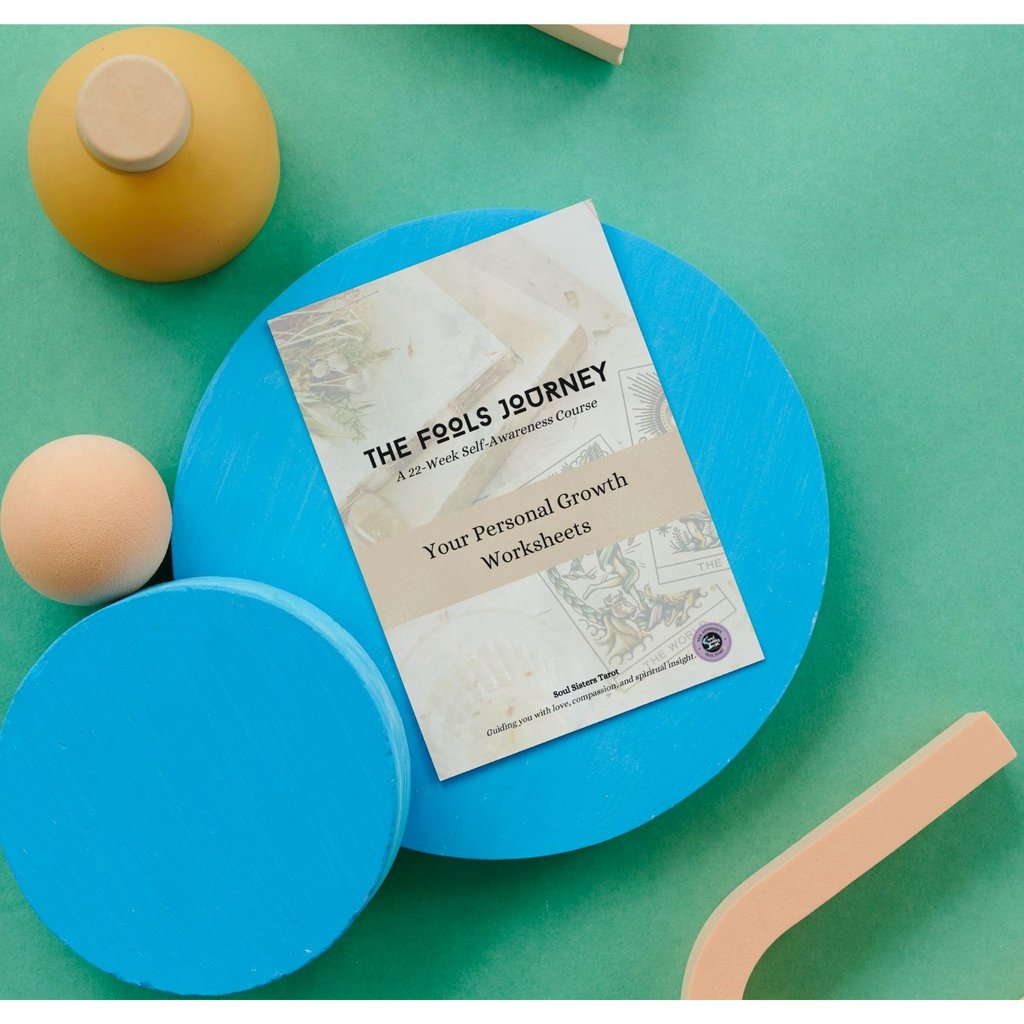
The Fool’s Journey is a 22-week self-awareness course with personal spiritual life coaching that guides you through deeper reflection, personal growth, and understanding the patterns that shape your life. It is created for those who want structured support while exploring their own inner path.

🍃 Healing Means Allowing Yourself to Feel
Healing is rarely a perfectly smooth or predictable journey. Sometimes growth begins by becoming aware of emotions, memories, and patterns that were easier to ignore before. This can feel uncomfortable, especially when you expected healing to bring immediate relief.
But difficult emotions do not always mean you are moving in the wrong direction. Sometimes they are showing you what needs understanding, compassion, and care.
A healing crisis can become an opportunity to build a deeper relationship with yourself, where you learn to listen to your emotions instead of fighting against them.
💖 If you want to continue building self-compassion, emotional awareness, and a stronger connection with yourself:
👉 How to Practice Self-Love
If you would like more guided tools for your healing journey, explore our Sisters Creation space, where you will find journals, rituals, tarot resources, and spiritual tools created to support personal growth and self-discovery.
With love,
Caitlin & Gerly,
Soul Sisters Tarot
❓ FAQ: What is A Healing Crisis?
What is a healing crisis?
A healing crisis is a period when emotional, mental, or spiritual experiences may feel more intense during a time of personal growth, self-reflection, or inner work. People often describe it as a period when old emotions, memories, beliefs, or patterns become more noticeable as they begin exploring themselves more deeply. A healing crisis is not a formal medical diagnosis, but the term is commonly used in holistic and personal growth spaces to describe a challenging transition that can happen during practices such as journaling, therapy, meditation, shadow work, or major life changes.
Is it normal to feel worse during healing?
Yes, it is possible to feel temporarily worse during periods of healing or personal growth. Becoming more aware of difficult emotions, past experiences, or unhealthy patterns can feel uncomfortable before it creates greater clarity. For example, someone learning to set boundaries may first notice how often they have ignored their own needs, or someone practicing self-reflection may become aware of emotions they previously avoided. Feeling challenged does not automatically mean healing is failing, but intense or persistent distress may be a sign that additional support is needed.
What are the signs of a spiritual healing crisis?
Signs of a spiritual healing crisis can include stronger emotions, old memories resurfacing, questioning your beliefs or life direction, increased sensitivity, wanting more solitude, and noticing patterns that no longer feel aligned with who you are becoming. Many people also describe moments of insight or clarity alongside difficult emotions. A spiritual healing crisis often involves a deeper process of self-examination rather than simply feeling stressed or overwhelmed.
How do I know if I am healing or going backward?
Healing is often recognized through changes in awareness rather than the complete absence of difficult emotions. Signs that you may be moving forward include understanding your emotional patterns more clearly, responding to yourself with more compassion, setting healthier boundaries, and making choices that better reflect your needs. Growth can feel uncomfortable because awareness often comes before change.
How long does a healing crisis last?
The length of a healing crisis varies from person to person because everyone processes emotions and life experiences differently. Some people describe shorter periods of emotional intensity, while others experience waves of reflection and change over a longer period. Rather than focusing only on how long it lasts, it can be helpful to notice whether you are gradually gaining understanding, support, and healthier ways of responding to your emotions.
Can shadow work trigger a healing crisis?
Yes, shadow work can sometimes bring up difficult emotions because it involves exploring parts of yourself that may have been ignored, rejected, or difficult to understand. For example, examining patterns such as people-pleasing, fear of rejection, anger, or insecurity may reveal emotions that need compassion and attention. Shadow work is not about judging yourself or forcing yourself to uncover painful experiences before you are ready. It is about developing greater self-awareness and understanding.
What is the difference between a healing crisis and a dark night of the soul?
A healing crisis is usually focused on emotional processing, self-awareness, and recognizing patterns that need attention. A dark night of the soul is a spiritual concept often used to describe a deeper period of questioning, transformation, and reevaluating identity, meaning, or purpose. The two experiences can overlap, but they are not the same. A person may experience a healing crisis while also going through a broader spiritual transition where old beliefs and ways of living are being reconsidered.
Can a healing crisis happen during a Saturn Return?
Some people associate major life transitions, including a Saturn Return in astrology, with periods of deep reflection, responsibility, and personal transformation. While a Saturn Return is not the same as a healing crisis, both concepts are often connected with questioning old patterns, reassessing priorities, and considering whether your current path reflects who you are becoming.
Can emotional healing cause physical symptoms?
Emotional healing can sometimes be accompanied by physical experiences such as fatigue, tension, changes in sleep, or feeling emotionally drained. Stress and emotions can affect the body through the connection between mental and physical well-being. However, physical symptoms should not automatically be assumed to be part of healing, especially if they are severe, persistent, or concerning. Speaking with a healthcare professional is always appropriate when you are unsure.
How can I support myself during a healing crisis?
Supporting yourself during a healing crisis means creating stability while you process difficult emotions. Helpful practices may include slowing down intense inner work, practicing self-compassion, maintaining daily routines, journaling, spending time in nature, grounding yourself, resting, and seeking support from trusted people or professionals when needed. Healing becomes more sustainable when you balance reflection with care for your everyday well-being.
When should I seek professional help during a healing crisis?
You should consider seeking professional support if emotional distress feels overwhelming, affects your ability to function in daily life, creates feelings of hopelessness, or involves experiences that feel unsafe to manage alone. A therapist or mental health professional can provide support, coping strategies, and a safe space to process difficult emotions. Seeking help does not mean your personal growth journey has failed. It means you are taking care of yourself.
Can a healing crisis happen after starting therapy or self-development work?
Yes, some people notice stronger emotions after beginning therapy, journaling, meditation, or other forms of self-reflection because these practices can increase awareness of thoughts, feelings, and experiences that were previously avoided. This does not mean every difficult feeling is automatically a sign of progress, but increased awareness is often part of meaningful personal growth. The important part is moving through the process with support, patience, and healthy coping strategies.
What should I do if healing feels overwhelming?
If healing feels overwhelming, reduce the intensity of your inner work and return to stabilizing practices. Focus on simple actions such as sleeping well, eating regularly, spending time outside, connecting with supportive people, and using gentle reflection instead of constantly searching for what needs to be fixed. Healing is not only about uncovering difficult emotions. It is also about creating a life where you feel supported while you grow.
🃏 💔 If Spiritual Healing Crisis Were a Tarot Card, Which Card Would It Be?
If a spiritual healing crisis were a tarot card, it would most closely resemble the Three of Swords. Traditionally, the Three of Swords represents heartbreak, grief, painful truths, emotional wounds, and the difficult process of facing what has been hidden beneath the surface.
Although this card is often associated with suffering, its deeper meaning is not simply pain. The Three of Swords represents the moment when the heart can no longer avoid what needs to be acknowledged.
Like a spiritual healing crisis, the Three of Swords arrives when something buried begins to rise into awareness. Old wounds may resurface. Forgotten emotions may ask to be felt. Patterns that once helped us survive may suddenly become impossible to ignore.
A spiritual healing crisis can feel confusing because it often happens during periods of deep inner growth. Instead of immediately feeling peaceful or transformed, someone may experience grief, emotional release, discomfort, or a painful awareness of parts of themselves they have avoided.
The Three of Swords reminds us that healing does not always begin with feeling better. Sometimes it begins with seeing clearly. Both the Three of Swords and a spiritual healing crisis teach that pain can carry important information. The purpose is not to remain in suffering, but to understand what needs compassion, attention, and release. The heart cannot heal what it refuses to acknowledge.
👉 Read: If Spiritual Healing Crisis Were a Tarot Card, It Would Be the Three of Swords (coming soon)
🃏 💔 Could Spiritual Healing Crisis Be Represented by More Than One Tarot Card?
While the Three of Swords is the tarot card most strongly associated with a spiritual healing crisis, other cards beautifully reflect different stages and experiences of this transformative process:
Five of Cups for grief, emotional processing, and allowing yourself to acknowledge what has been lost before you can begin to understand what remains.
Ten of Swords for reaching the end of an old cycle, recognizing that a previous version of yourself, a belief system, or a way of living can no longer continue.
Eight of Cups for the difficult choice to leave behind what no longer feels emotionally aligned and begin searching for something deeper.
Death for profound transformation, surrender, and the release of an old identity that has completed its purpose.
Temperance for integration, balance, and learning how to bring together the painful and transformative parts of yourself with patience and compassion.
Each card reflects an important part of a spiritual healing crisis, but the Three of Swords remains the strongest symbolic match because it represents the moment of emotional awakening when hidden pain becomes visible.
✨ A moment from our own conversations
“The Three of Swords is not the end of the healing journey. It is the moment when we finally stop running from the wound and allow ourselves to understand what needs healing.” — Caitlin & Gerly
Continue Your Healing Journey
If this topic resonated with you, these resources may support you as you continue exploring emotional healing and inner work:
• Learn how to break negative thinking patterns and develop a healthier mindset
• Discover self-love activities that help you reconnect with yourself and build emotional resilience
• Explore simple practices for self-care rituals that provide emotional support during difficult periods
Soul Sisters Tarot
A Soft Place to Grow.
💌 SOUL SISTERS WEEKLY
A thoughtful Sunday letter with tarot reflections, moon wisdom, self-love, and gentle encouragement.
© 2026. All rights reserved.
Inspirational Coaching OÜ
sisters@soulsisterstarot.com